Fruit Flies Identification Guide
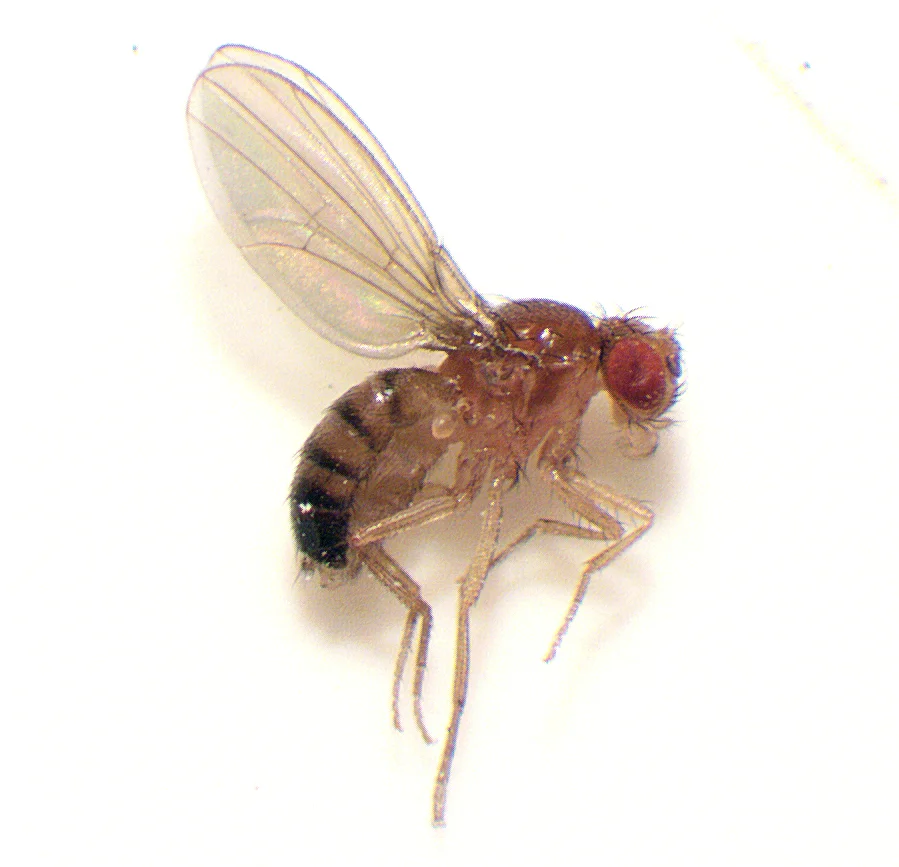
Drosophila melanogaster
Fruit flies are tiny tan-colored flies with distinctive red eyes that are attracted to overripe fruit, fermenting liquids, and decaying organic matter in kitchens and homes.
Taxonomy
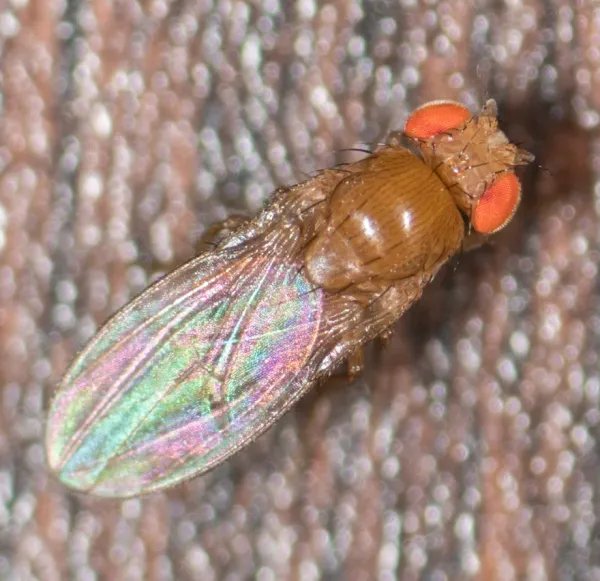
Fruit Flies Coloration
Common color patterns to help identify fruit flies
Fruit Flies
Seasonal Activity
When fruit flies are most active throughout the year

Where Fruit Flies Are Found
Hover over states to see their names. Green regions indicate where fruit flies have been reported.
Fruit Fly Identification Guide
Physical Characteristics
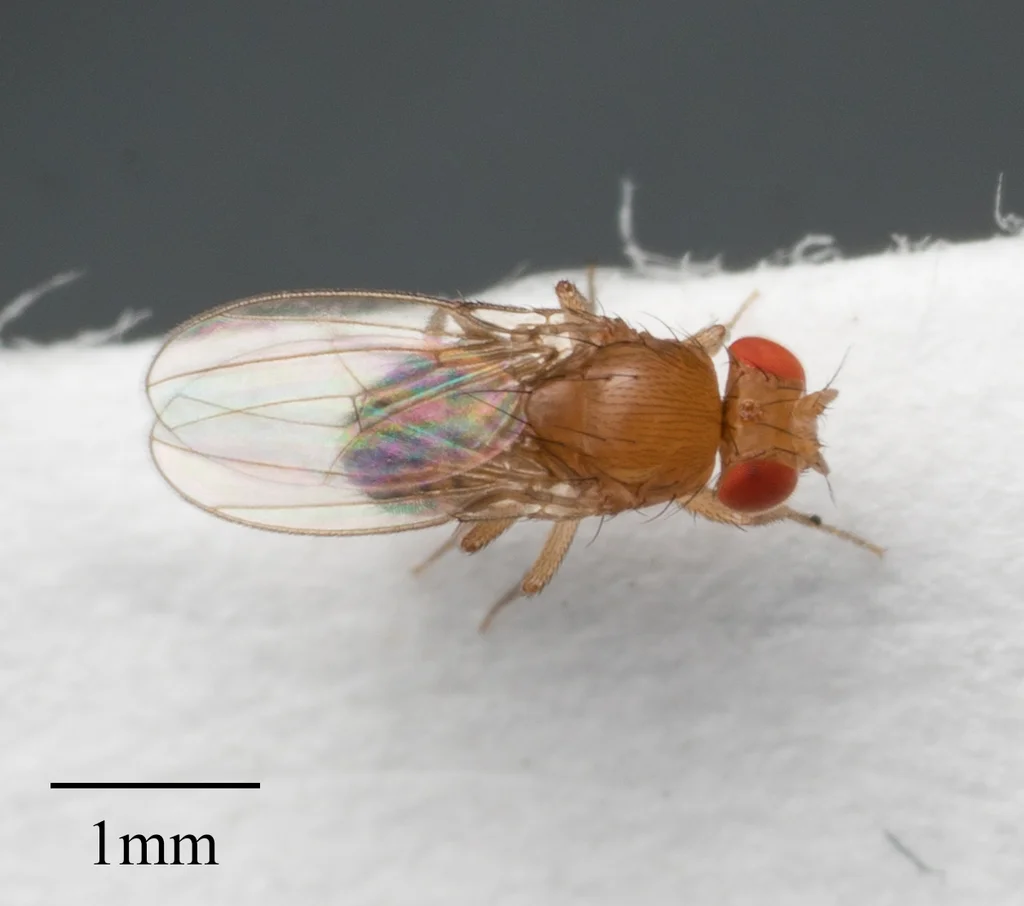
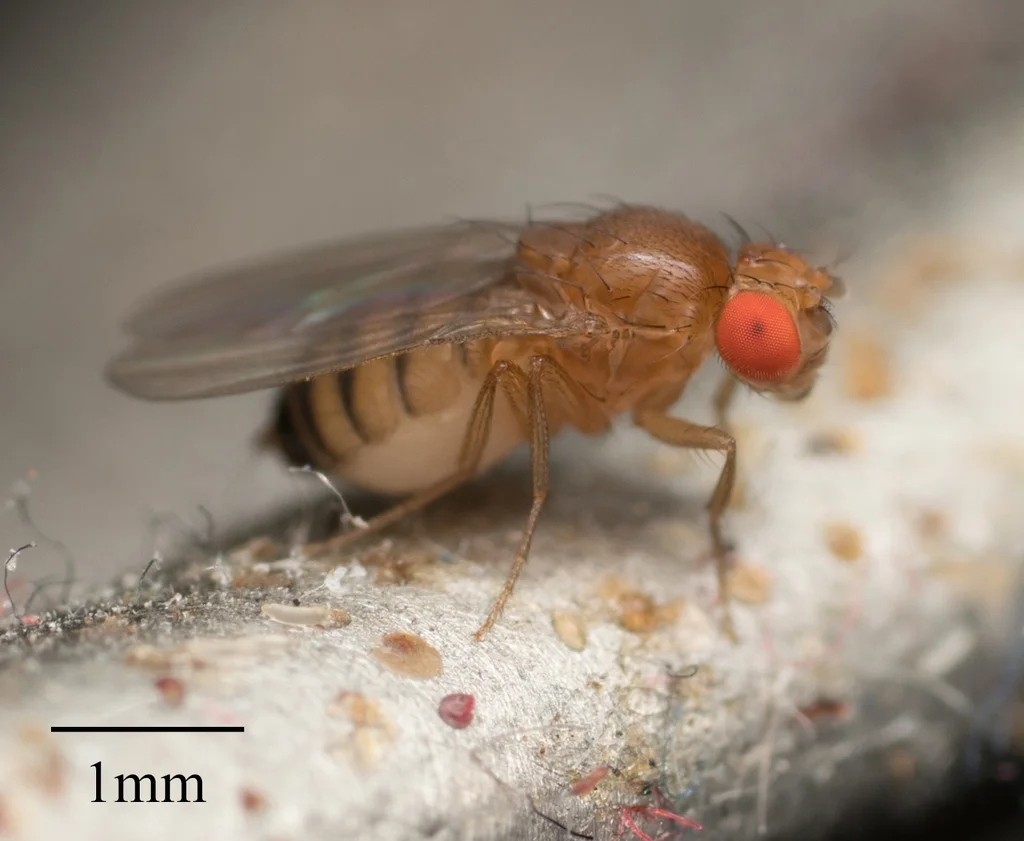
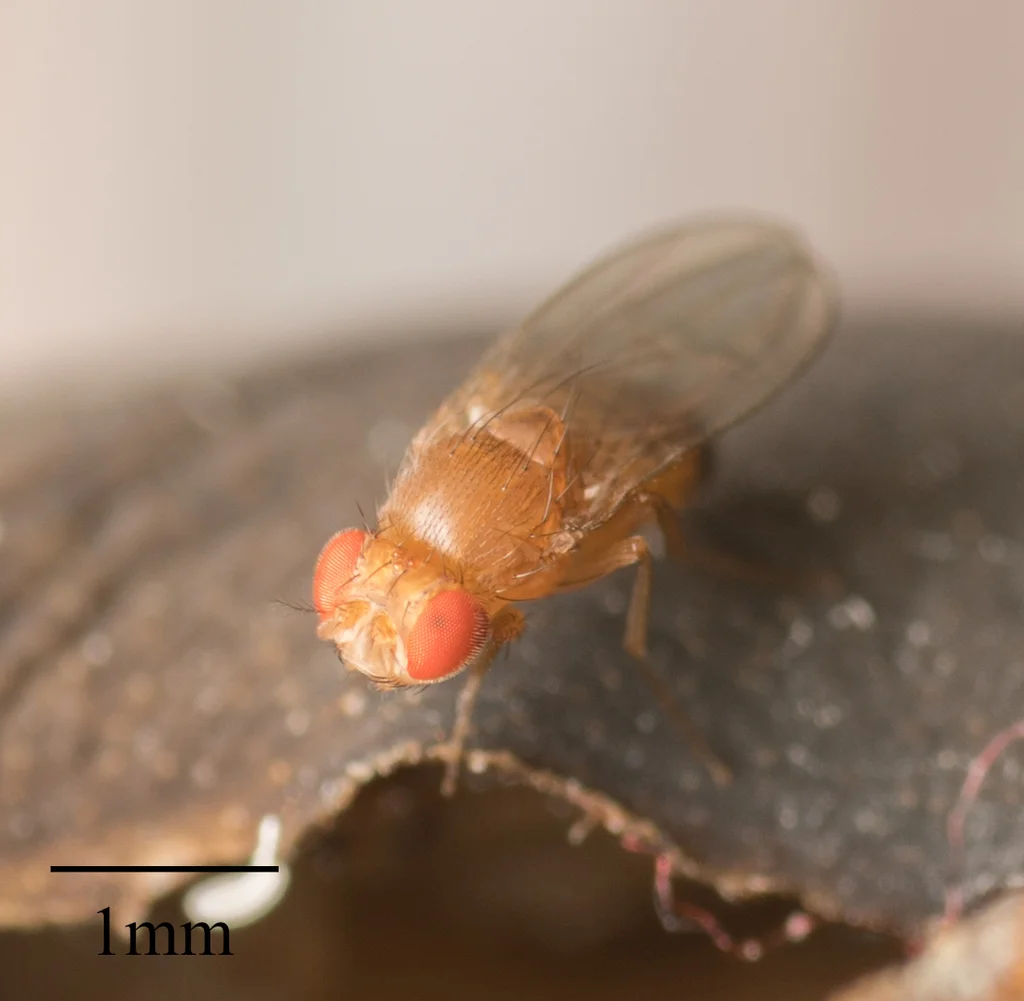
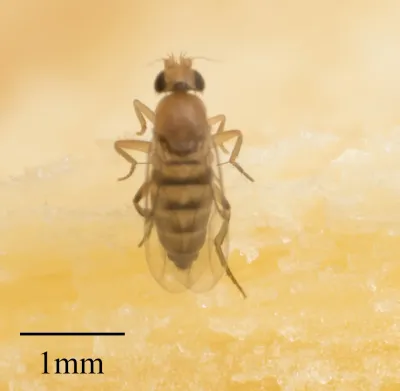
Fruit flies are among the smallest flies you will encounter in your home, measuring just 2 to 4 millimeters in length. Their most recognizable feature is their bright red compound eyes, which appear disproportionately large for their tiny bodies. The body coloration ranges from tan to yellowish-brown, with some individuals displaying darker brown bands across the abdomen.
The middle body section typically appears slightly darker than the abdomen and has a rounded shape. Fruit flies have a single pair of wings that show a rainbow-like shimmer when viewed at certain angles. Like all true flies, their hind wings have become tiny knob-like structures that help them balance during flight.
Male and female fruit flies can be told apart by examining the abdomen. Males have a rounded, darker abdomen, while females have a more pointed abdomen with visible stripes.
Common Species
The common fruit fly (Drosophila melanogaster) is the species most frequently found in homes throughout North America. Also known as the vinegar fly, pomace fly, or banana fly, this species has been extensively studied by scientists and serves as a model organism in genetic research.
Several related species may also appear in homes:
- Dark-eyed fruit fly (Drosophila repleta): Similar in size but with darker eyes, often found around decaying vegetables.
- Spotted wing drosophila (Drosophila suzukii): An invasive species that attacks ripening fruit rather than overripe fruit, making it an agricultural pest.
- Immigrant fruit fly (Drosophila immigrans): Slightly larger than the common fruit fly with distinctive wing spots.
The entire Drosophilidae family is also known as vinegar flies because of their attraction to the acetic acid produced during fermentation.
Fruit Fly Behavior and Biology
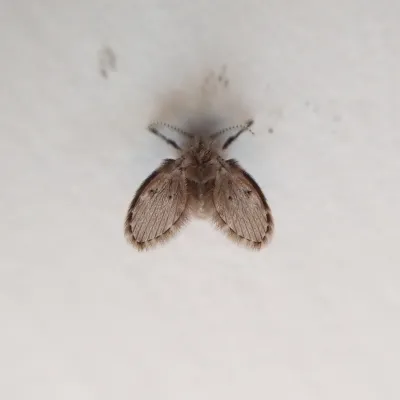
Fruit flies are drawn to fermented and fermenting organic materials because they feed on the yeasts and bacteria that break down sugars. This is why they gather around overripe bananas, wine glasses, beer bottles, and compost bins. Homeowners often confuse fruit flies with drain flies or phorid flies, which breed in different environments. Our guides on drain flies vs fruit flies and fruit fly vs house fly identification can help you tell them apart.
Life Cycle
Fruit flies go through four life stages: egg, larva, pupa, and adult. Under ideal warm conditions around 77 degrees Fahrenheit, this entire cycle takes only 8 to 12 days, allowing populations to grow rapidly.
Female fruit flies reproduce quickly. A single female can lay 400 to 500 eggs during her 40 to 50 day lifespan. She places these tiny, rice-shaped eggs directly on fermenting material, so her offspring have food as soon as they hatch.
The eggs hatch within 24 hours, releasing pale, worm-like larvae that immediately begin feeding. The larval stage lasts 4 to 5 days, during which larvae eat decaying fruit and the yeasts growing on it.
After reaching full size, larvae move to a drier location and form a brown pupal case. Inside this case, the transformation to adult form occurs over 4 to 5 days. Newly emerged adults can begin mating within 48 hours.
Habitat and Behavior
Fruit flies thrive in warm, humid environments where fermenting organic matter is present. In homes, they are most commonly found in kitchens, dining areas, and anywhere food is prepared or stored. They are also attracted to garbage cans, recycling bins, compost containers, and floor drains.
These flies are active year-round indoors but populations peak during late summer and fall when harvested produce is plentiful. Unlike house flies that breed in garbage and waste, fruit flies specifically target fermenting organic matter. They are strong fliers despite their small size and can detect fermenting odors from far away. Once they find a food source, they release scent signals that attract more flies.
Fruit flies are most active during daylight hours and are strongly attracted to light. You may notice them hovering in sunny windows or near kitchen lights. They rest on walls, ceilings, and other surfaces when not actively feeding or searching for food.
Treatment Methods for Fruit Flies
Effective fruit fly control relies on eliminating breeding sources combined with sanitation practices. Because these insects reproduce so rapidly, simply killing adult flies will not solve the problem if breeding material remains available.
Source Elimination
The first and most important step is identifying and removing all potential breeding sites:
-
Produce: Inspect all fruits and vegetables for signs of overripeness. Store ripe produce in the refrigerator rather than on counters. Discard any items showing decay or damage.
-
Garbage and Recycling: Empty kitchen garbage daily during active infestations. Rinse recycling containers, especially bottles and cans that contained sweet liquids. Clean garbage cans regularly to remove residue.
-
Drains: Clean kitchen sink drains, garbage disposals, and any floor drains where organic matter may accumulate. Pour boiling water down drains and scrub with a brush to remove buildup.
-
Cleaning Equipment: Wash mops, sponges, and cleaning rags frequently. Damp, soiled cleaning tools can harbor fruit fly larvae.
Sanitation Practices
Maintaining a clean environment prevents fruit flies from establishing breeding populations:
- Wipe down counters and surfaces daily, especially after food preparation
- Clean up spills immediately, particularly sugary liquids
- Wash dishes promptly rather than leaving them in the sink
- Keep compost containers sealed and empty them regularly
- Store produce in sealed containers or the refrigerator
Trapping Adult Flies
While traps will not eliminate an infestation by themselves, they help reduce adult populations and indicate whether your control efforts are succeeding.
Apple Cider Vinegar Trap: Fill a small jar or bowl with apple cider vinegar and add a few drops of dish soap. The vinegar attracts the flies, while the soap breaks the surface tension, causing flies to sink and drown. Place traps near problem areas.
Funnel Trap: Place a piece of overripe fruit in a jar and create a paper funnel with a small opening at the bottom. Flies enter through the funnel but have difficulty finding their way out.
Commercial Traps: Various commercial fruit fly traps are available that use attractant lures. These can be effective supplements to sanitation efforts.
Preventing Future Infestations
Once you have eliminated an active infestation, take steps to prevent fruit flies from returning:
If tiny flies are emerging from your sink rather than hovering near produce, you may be dealing with drain flies instead, which require different treatment. See our gnats vs fruit flies guide for more identification help.
- Inspect produce before bringing it home from stores or farmers markets
- Store fruits and vegetables appropriately based on their ripeness
- Develop a routine of cleaning drains weekly
- Address moisture issues in kitchens and pantries
- Keep windows and doors screened during peak fruit fly season
References
Other Flies
Explore other species in the flies family
Commonly Confused With
Fruit Flies are often mistaken for these similar pests
Where Fruit Flies Are Found
Hover over states to see their names. Green regions indicate where fruit flies have been reported.
Common Questions about Fruit Flies
What causes fruit flies in my house?
+
Fruit flies are attracted to ripening or fermenting fruits and vegetables, as well as sugary liquids like juice, wine, and beer. They can enter your home on produce from the grocery store or fly in through open doors and windows. Once inside, they breed rapidly in any available organic material.
How do I get rid of fruit flies fast?
+
The fastest way to reduce fruit fly populations is to eliminate their breeding sources. Remove or refrigerate overripe produce, clean up spills, empty garbage frequently, and clean drains where organic matter may accumulate. Apple cider vinegar traps can help capture adult flies while you address the source.
Are fruit flies harmful to humans?
+
Fruit flies are primarily a nuisance rather than a health hazard. However, they can transfer bacteria from contaminated surfaces to your food as they move around. While they do not bite or sting, their presence indicates sanitation issues that should be addressed.
How long do fruit flies live?
+
Adult fruit flies live approximately 40 to 50 days under optimal conditions. However, a single female can lay 400 to 500 eggs during her lifetime, which is why small infestations can grow quickly. The entire life cycle from egg to adult takes only 8 to 12 days in warm conditions.
Why do fruit flies keep coming back?
+
Fruit flies return because breeding sources remain available. Even small amounts of fermenting material in garbage disposals, drain traps, recycling bins, or forgotten produce can sustain a population. Thorough sanitation is essential for long-term control.
Can fruit flies come from drains?
+
While drain flies are the more common drain-dwelling species, fruit flies can breed in drains if fermenting organic matter like fruit juice or beer has washed down and accumulated. Cleaning drains regularly helps eliminate this potential breeding site.
Do fruit fly traps really work?
+
Fruit fly traps, especially those using apple cider vinegar with a drop of dish soap, can effectively capture adult flies. However, traps alone will not solve an infestation. They work best as part of a comprehensive approach that includes eliminating breeding sources.
Where do fruit flies lay their eggs?
+
Female fruit flies lay eggs on the surface of fermenting or overripe organic material. This includes bruised fruit, vegetables, damp mops, empty bottles and cans, garbage, and even the slime layer inside drains. The eggs are tiny and nearly invisible to the naked eye.

With five years of hands-on experience in the pest control industry, George Schulz is a registered technician with the Virginia Pest Management Association and a proud third-generation professional in a family business that's been protecting homes for over 57 years. He manages and trains a team of service pros while also leading internal research efforts—recently spearheading a deep-dive review of thousands of documents on pest control materials to hand-pick the most kid and pet friendly, most effective solutions tailored specifically for homes in the DC metro area.