Filter Flies Identification Guide
Psychodidae (Family)
Filter flies are small, fuzzy, moth-like flies commonly found near drains, sewage treatment facilities, and areas with stagnant water containing organic matter.
Taxonomy
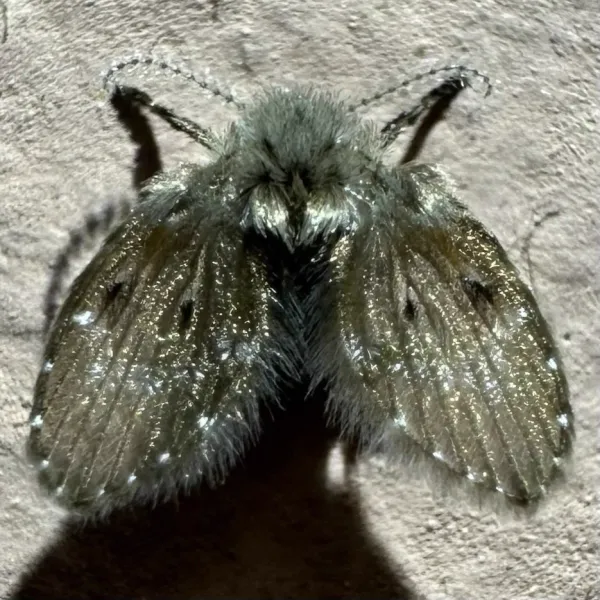
Filter Flies Coloration
Common color patterns to help identify filter flies
Filter Flies
Seasonal Activity
When filter flies are most active throughout the year

Where Filter Flies Are Found
Hover over states to see their names. Green regions indicate where filter flies have been reported.
Filter Fly Identification Guide
Physical Characteristics
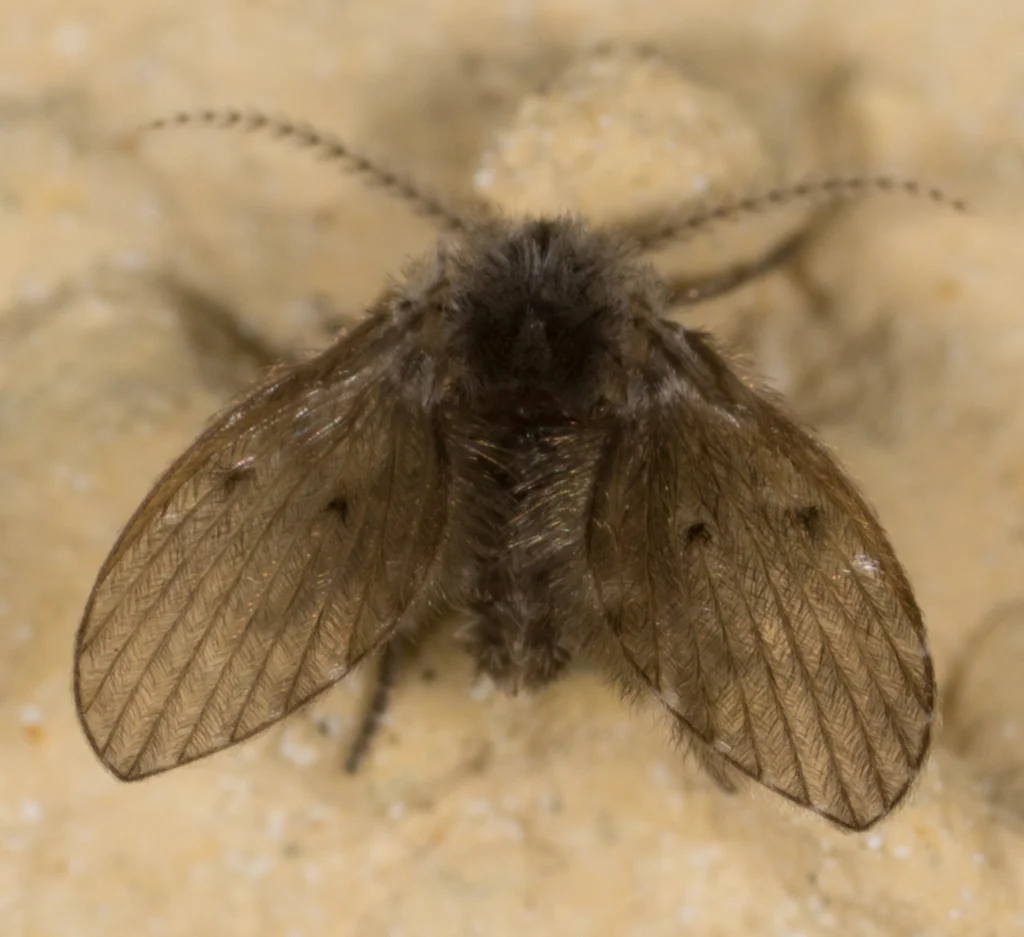
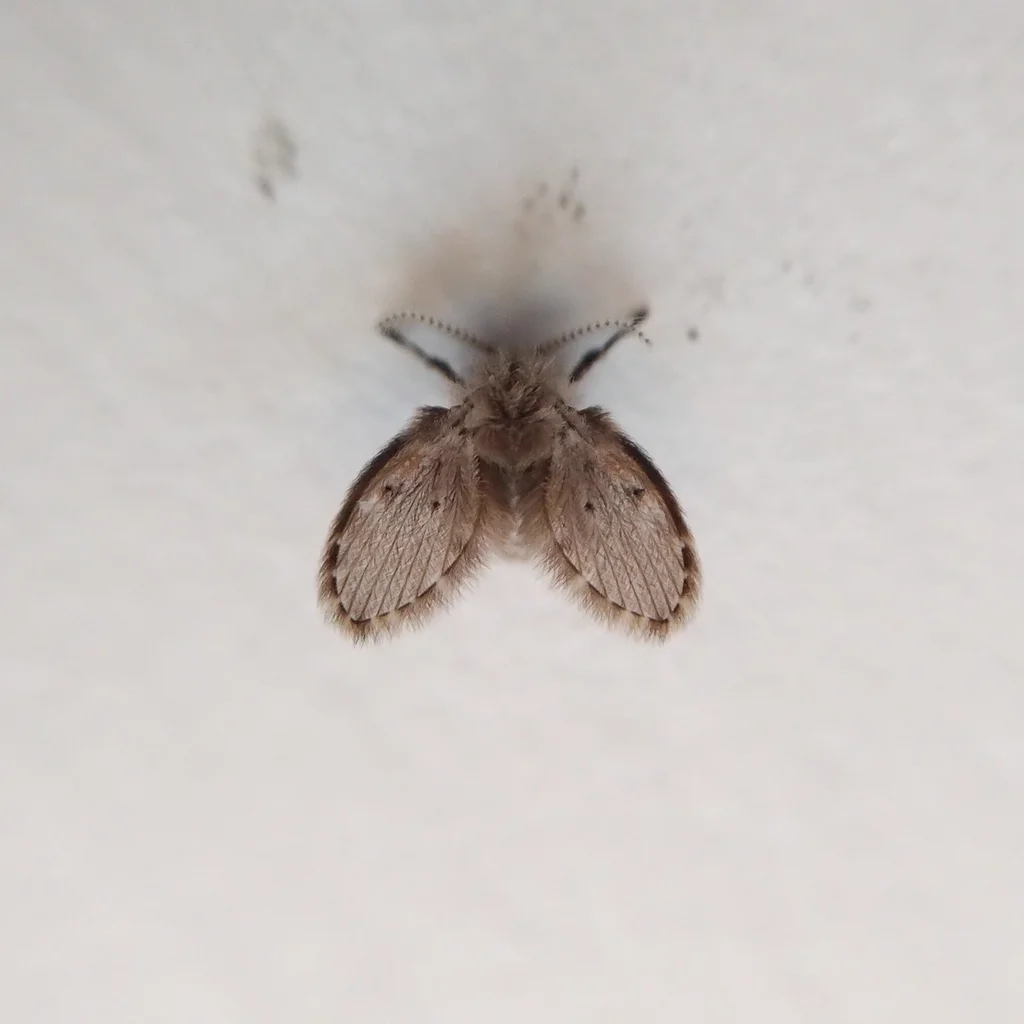
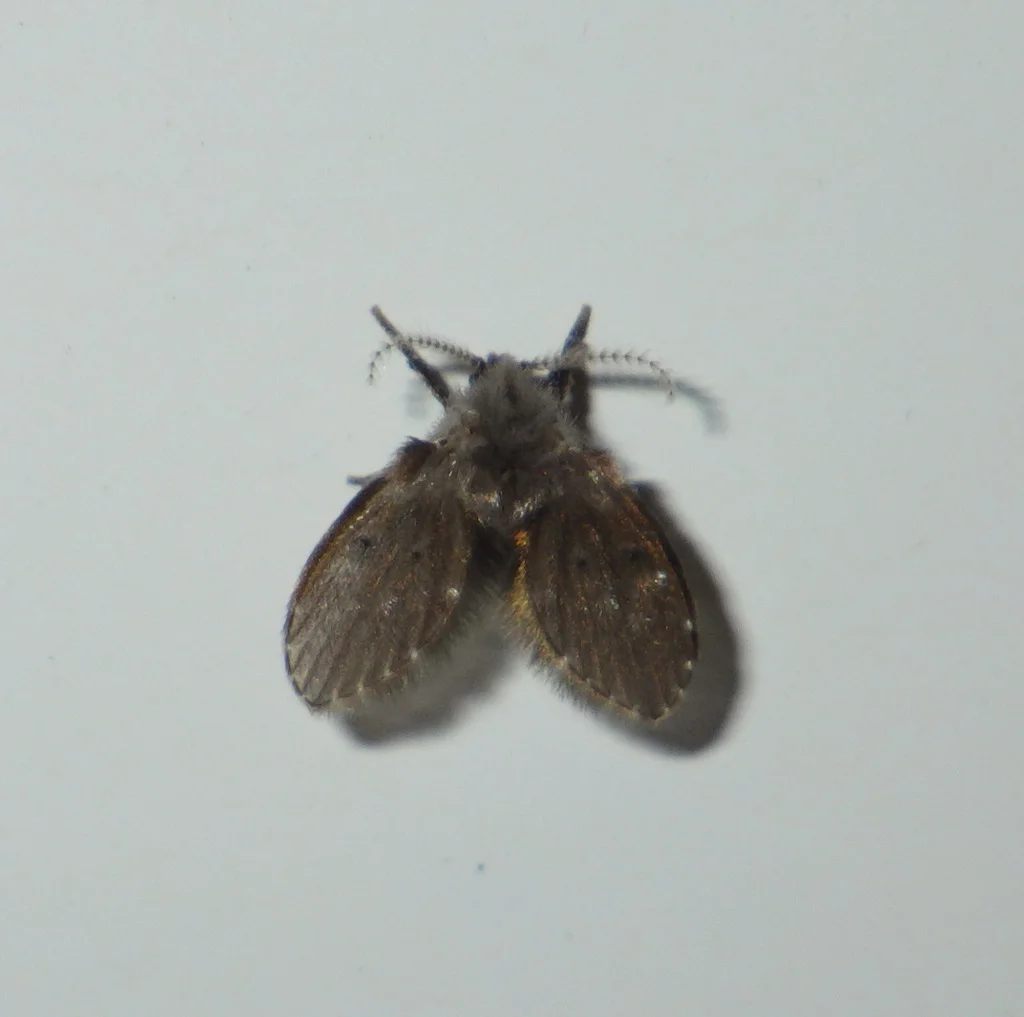
Filter flies are small flies measuring 2 to 5 millimeters in length, roughly the size of a grain of rice. Their most recognizable feature is their fuzzy, moth-like appearance caused by dense hair covering both their bodies and wings. This distinctive coating gives them a grayish, dusty look that often causes homeowners to mistake them for tiny moths.
When at rest, filter flies hold their broad, leaf-shaped wings in a roof-like position over their bodies. The wings display a pattern of parallel veins and are covered with microscopic hairs that give them a slightly iridescent quality under certain lighting. Their color ranges from light gray to tan or brown, sometimes with faint mottling on the wings.
Filter flies have prominent compound eyes and long, beaded antennae consisting of 13 to 14 segments, each covered with fine hairs. Their overall appearance is somewhat heart-shaped when viewed from above due to their wing positioning. Unlike many other flies, filter flies are weak, clumsy fliers that make short hopping flights rather than sustained flight.
Common Species
The most frequently encountered species in homes and buildings is Clogmia albipunctata, commonly known as the bathroom moth fly. This cosmopolitan species thrives in the warm, moist conditions found in bathroom and kitchen drains throughout North America.
Another common species is Psychoda alternata, known as the trickling filter fly. This species is particularly abundant around sewage treatment facilities and can become a significant nuisance in areas near wastewater treatment plants.
The family Psychodidae includes approximately 3,000 species worldwide, though only a handful commonly infest buildings. Unlike their tropical relatives in the subfamily Phlebotominae (sand flies), North American filter flies do not bite and pose no direct threat to human health. They are essentially the same insects as drain flies, also known as moth flies or sewer flies depending on where they are found.
Filter Fly Behavior and Biology
Filter flies undergo complete metamorphosis through four life stages: egg, larva, pupa, and adult. The entire life cycle takes 8 to 24 days depending on temperature, with warmer conditions accelerating development.
Female filter flies lay clusters of 30 to 100 eggs directly on the surface of organic film in drains or other breeding sites. The eggs are pale and slightly elongated, hatching within 32 to 48 hours under favorable conditions. Larvae emerge as tiny, translucent, legless grubs that immediately begin feeding on the surrounding organic matter.
The larval stage lasts 9 to 15 days as the larvae grow through four instars. Filter fly larvae are well-adapted to low-oxygen environments and can survive submersion in water. They feed on bacteria, fungi, algae, and decaying organic particles within the biofilm. Mature larvae are approximately 4 to 5 millimeters long with a slightly flattened body.
Pupation occurs within the same environment where larvae developed. The pupal stage is brief, lasting only 20 to 40 hours before adult flies emerge. Adults live approximately 14 days but may survive longer in ideal conditions. They feed minimally as adults, primarily on flower nectar, polluted water, or not at all.
Breeding Habitats
Filter flies earned their name from their abundance around trickling filter beds in wastewater treatment facilities. These biological treatment systems provide ideal breeding conditions with constant moisture and abundant organic matter. However, filter flies readily breed in numerous other environments:
- Bathroom sink, shower, and bathtub drains
- Kitchen sink drains and garbage disposal units
- Floor drains in basements, laundry rooms, and garages
- Air conditioning condensate lines and drip pans
- Sump pump basins
- Septic tank vents and damaged septic systems
- Sewage ejector pits
- Areas with water leaks behind walls or under floors
- Compost containers and organic waste bins (which also attract fruit flies and phorid flies)
The organic biofilm that builds up inside drain pipes provides everything filter fly larvae need. This slimy layer consists of bacteria, soap scum, hair, grease, and other organic debris. Even a thin layer of this material can support filter fly reproduction.
Treatment Methods for Filter Flies
Effective filter fly control focuses on eliminating breeding sources rather than simply killing adult flies. Chemical insecticides provide only temporary relief because they do not address the underlying biofilm where larvae develop.
Locating Breeding Sites
Before treatment, identify all locations where filter flies are breeding. Place strips of clear tape over suspected drains overnight, leaving a small gap for air circulation. Sticky side down, the tape will capture any adult flies emerging from the drain. Check the tape each morning for several consecutive days, as emergence can be inconsistent.
Do not overlook less obvious breeding sites. Air conditioning systems, condensate pumps, and floor drains in utility areas are frequently missed. Water stains on walls or ceilings may indicate hidden moisture problems that harbor filter fly populations.
Mechanical Removal
The most effective treatment for filter flies is physical removal of the organic film where larvae develop. Use a stiff-bristled drain brush or pipe brush to scrub the interior surfaces of affected drains. Focus on the drain opening, the trap, and as far into the pipe as you can reach.
For garbage disposals, run the unit with ice cubes and coarse salt to scour interior surfaces. Follow with hot water to flush loosened debris. Bathroom drains benefit from removing the stopper mechanism and cleaning accumulated hair and residue.
Floor drains require removing the grate and scrubbing the trap and visible pipe surfaces. A wet/dry vacuum can help remove sludge from the trap before scrubbing.
Biological Drain Treatments
Enzymatic and bacterial drain cleaners complement mechanical cleaning by breaking down organic matter within pipes. These products introduce beneficial microorganisms that consume the organic film filter fly larvae depend on. Apply according to product directions, typically in the evening when drains are least used.
Biological treatments work gradually over several days and are most effective as ongoing maintenance after initial mechanical cleaning. They are safe for plumbing and septic systems when used as directed.
Avoid relying on bleach or caustic chemical drain cleaners as primary treatments. While they may kill some larvae on contact, they do not effectively penetrate or remove the gelatinous biofilm. Repeated use of harsh chemicals can also damage pipes and disrupt beneficial bacteria in septic systems.
Preventing Reinfestation
After eliminating an active infestation, implement ongoing practices to prevent filter flies from returning:
- Run water through all drains at least once weekly, including basement floor drains and guest bathroom fixtures
- Clean drain stoppers, strainers, and overflow openings regularly
- Apply enzymatic drain treatments monthly as preventive maintenance
- Repair plumbing leaks promptly and address condensation issues
- Ensure air conditioning drip pans drain completely and clean them periodically
- Keep floor drain traps filled with water to maintain the seal against sewer gases and flies
Professional Assessment
Filter fly infestations that persist after thorough drain cleaning may indicate breeding sources in inaccessible locations. Persistent small fly problems near drains can also involve coffin flies or phorid flies, which breed in similar organic buildup. Cracked sewer lines, damaged septic components, or buildup deep within main drain lines may require professional inspection with a sewer camera to locate and address. Moisture problems within walls or beneath floors often need professional remediation to resolve completely.
References
Other Flies
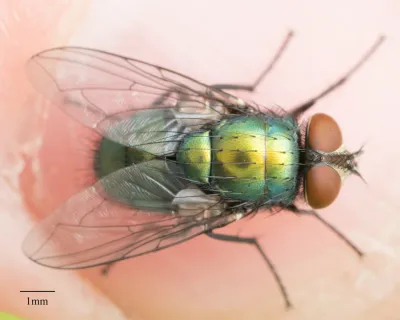
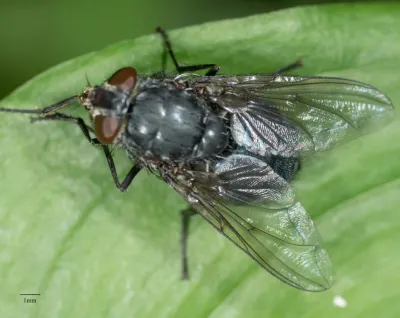
Explore other species in the flies family
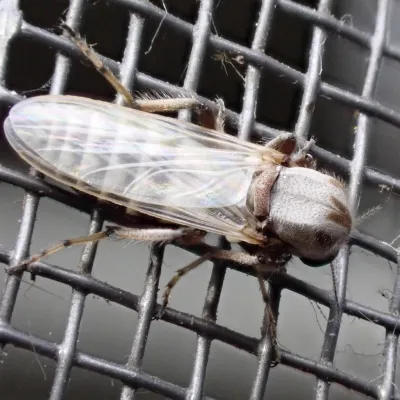
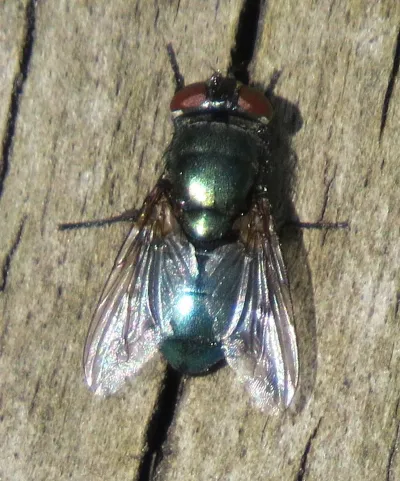
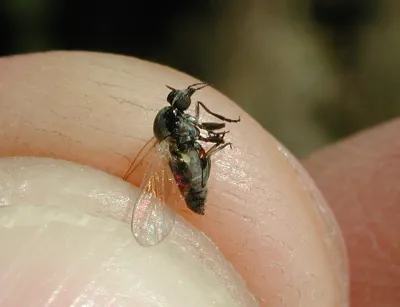
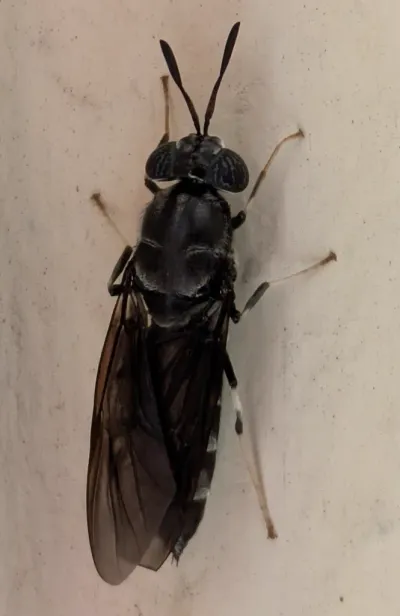
Commonly Confused With
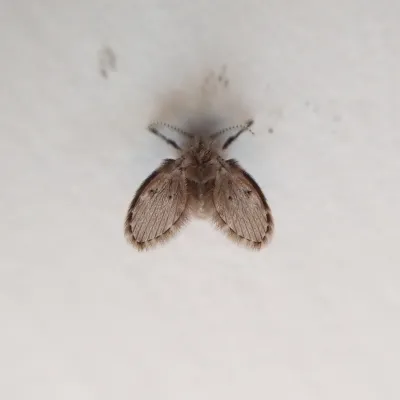
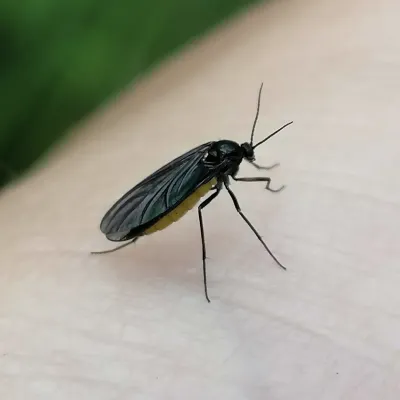
Filter Flies are often mistaken for these similar pests
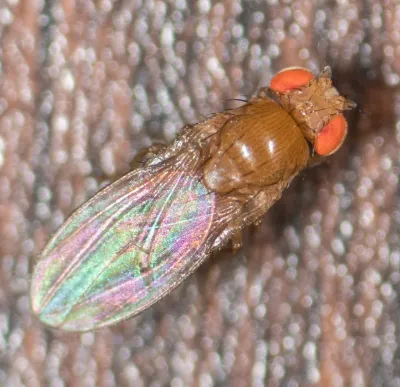
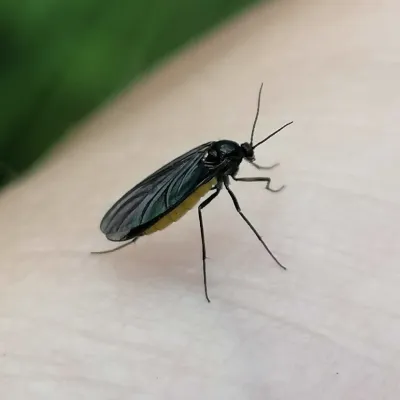
Where Filter Flies Are Found
Hover over states to see their names. Green regions indicate where filter flies have been reported.
Common Questions about Filter Flies
What are filter flies?
+
Filter flies are small, moth-like insects in the family Psychodidae. They get their name from their abundance around trickling filter beds in sewage treatment plants. They are also commonly called drain flies, moth flies, or sewer gnats because they breed in the organic film that builds up inside drains and pipes.
Are filter flies the same as drain flies?
+
Yes, filter flies and drain flies are the same insects. The name 'filter fly' comes from their association with trickling filter systems in wastewater treatment, while 'drain fly' refers to their common breeding sites in household drains. Both names describe flies in the family Psychodidae.
Why are filter flies in my bathroom?
+
Filter flies breed in the slimy organic film that accumulates inside drains, pipes, and other moist areas. Bathroom drains are ideal breeding sites because they contain hair, soap residue, and other organic matter. Infrequently used drains are especially prone to filter fly infestations.
Do filter flies bite or spread disease?
+
Filter flies do not bite humans and are not known to transmit diseases. They are considered nuisance pests. However, their presence in large numbers can trigger allergic reactions in some sensitive individuals, and they indicate unsanitary conditions that should be addressed.
How do I get rid of filter flies?
+
Eliminating filter flies requires removing their breeding source. Physically scrub drains with a stiff brush to remove organic buildup, then use enzymatic drain cleaners to break down remaining material. Simply pouring bleach or chemical cleaners down drains is ineffective because it does not remove the biofilm where larvae develop.
How long does it take for filter flies to go away?
+
With proper treatment of breeding sites, filter fly populations should decrease significantly within one to two weeks. Complete elimination typically takes two to three weeks as remaining eggs and larvae complete their development. Without source elimination, they will persist indefinitely.
Can filter flies come from the sewer?
+
Yes, filter flies can emerge from sewer systems through floor drains, broken wax seals around toilets, or damaged drain pipes. Municipal sewer lines and septic systems often harbor large filter fly populations that can enter homes through plumbing connections.
What attracts filter flies to my home?
+
Filter flies are attracted to moisture and organic matter. They seek out drains with accumulated biofilm, standing water, air conditioning drip pans, and areas with water damage. Warm, humid conditions accelerate their reproduction and make homes more susceptible to infestations.

With five years of hands-on experience in the pest control industry, George Schulz is a registered technician with the Virginia Pest Management Association and a proud third-generation professional in a family business that's been protecting homes for over 57 years. He manages and trains a team of service pros while also leading internal research efforts—recently spearheading a deep-dive review of thousands of documents on pest control materials to hand-pick the most kid and pet friendly, most effective solutions tailored specifically for homes in the DC metro area.