Deer Flies Identification Guide
Chrysops (Genus)
Deer flies are small to medium-sized biting flies with distinctive patterned wings and colorful eyes. Female deer flies deliver painful bites while feeding on blood from mammals, including humans.
Taxonomy
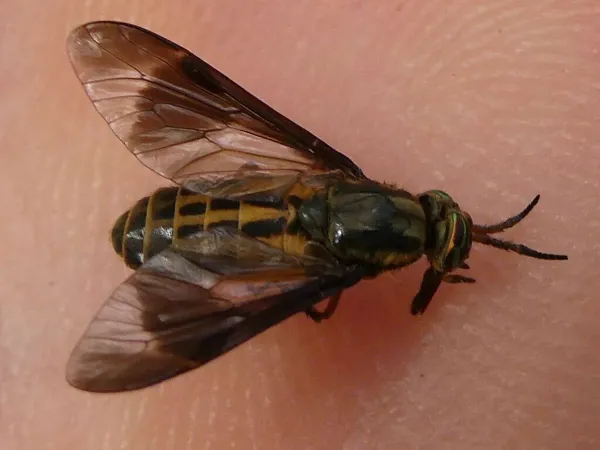
Deer Flies Coloration
Common color patterns to help identify deer flies
Deer Flies
Seasonal Activity
When deer flies are most active throughout the year

Where Deer Flies Are Found
Hover over states to see their names. Green regions indicate where deer flies have been reported.
Deer Fly Identification Guide
Physical Characteristics
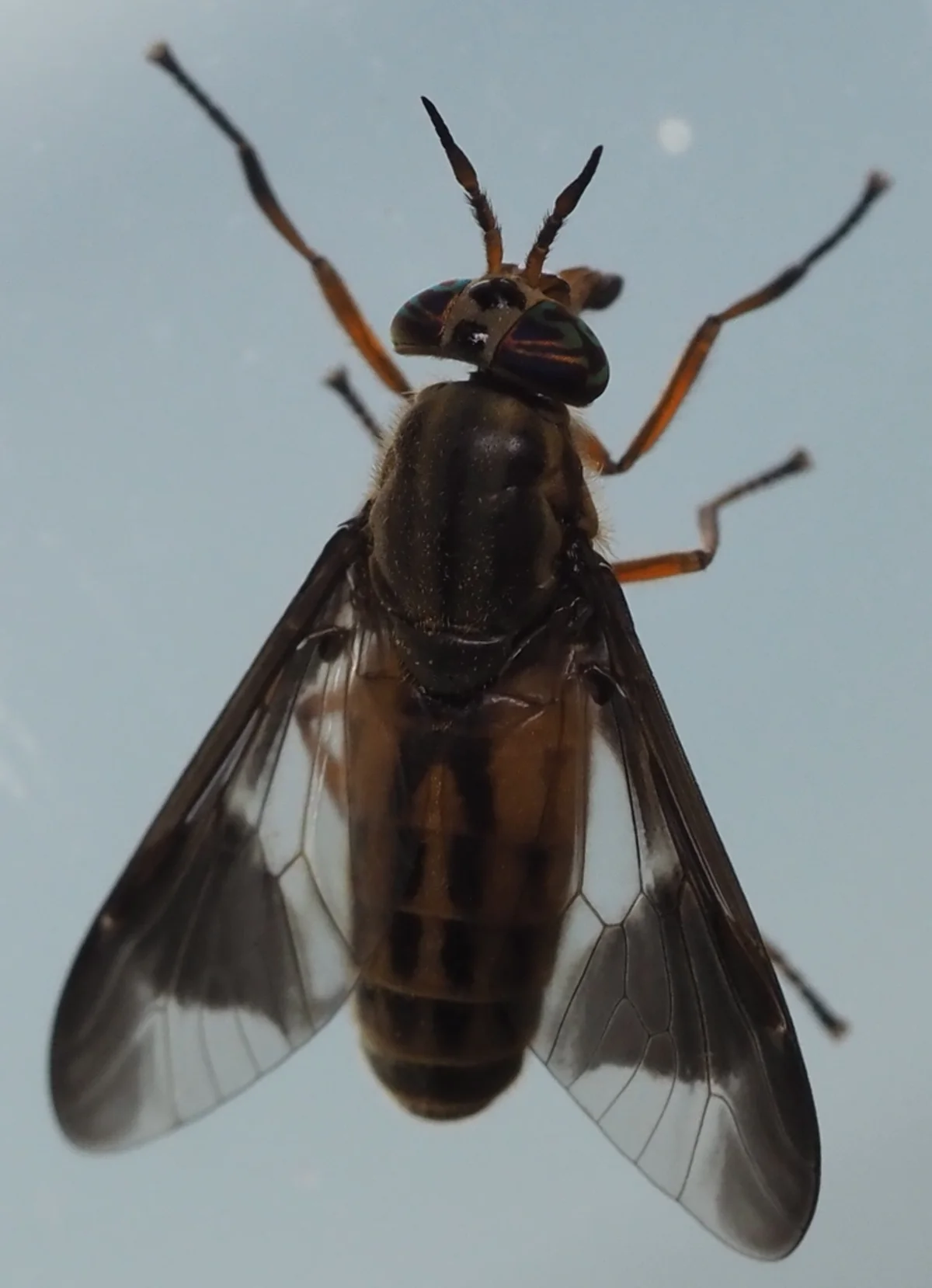
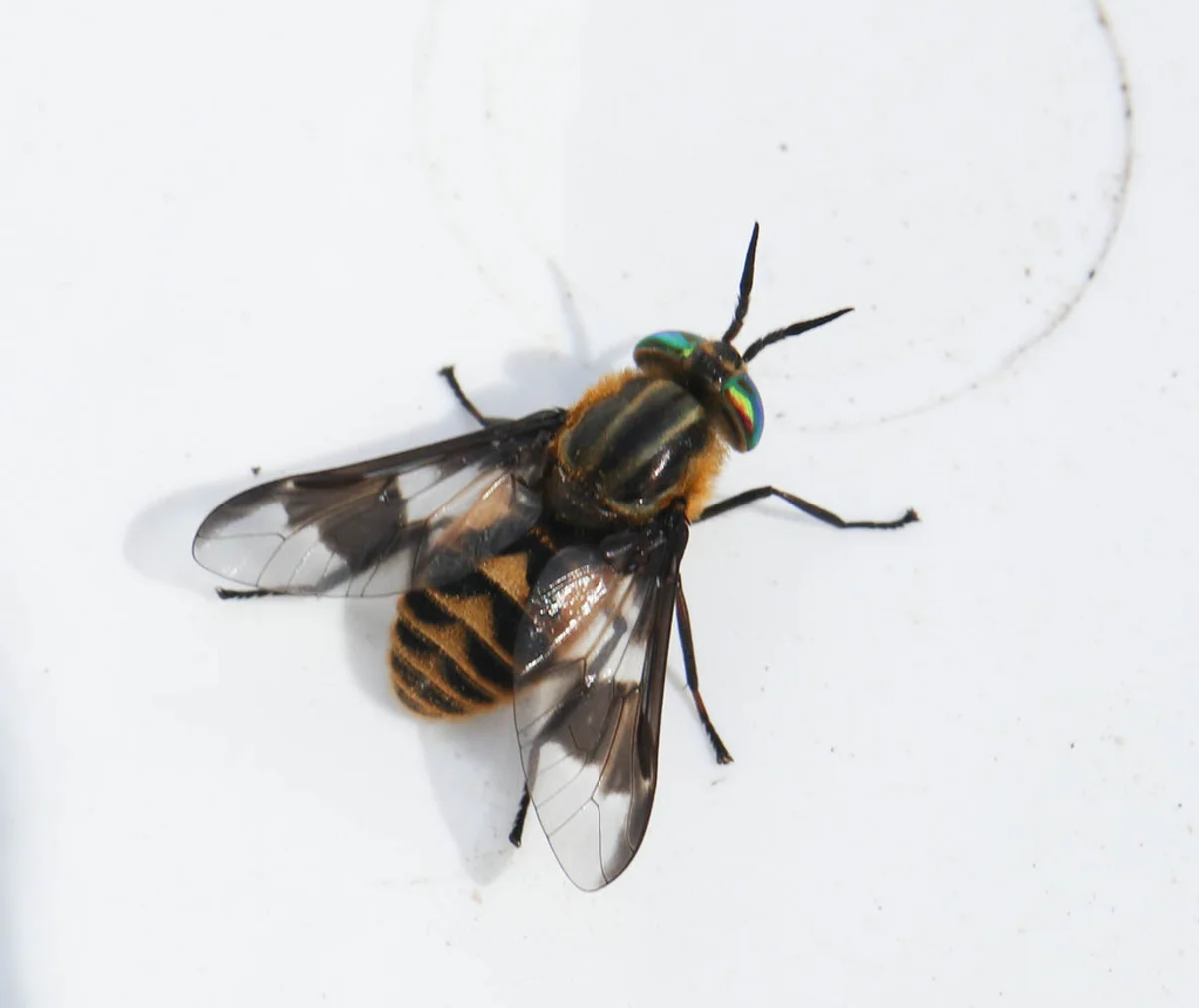
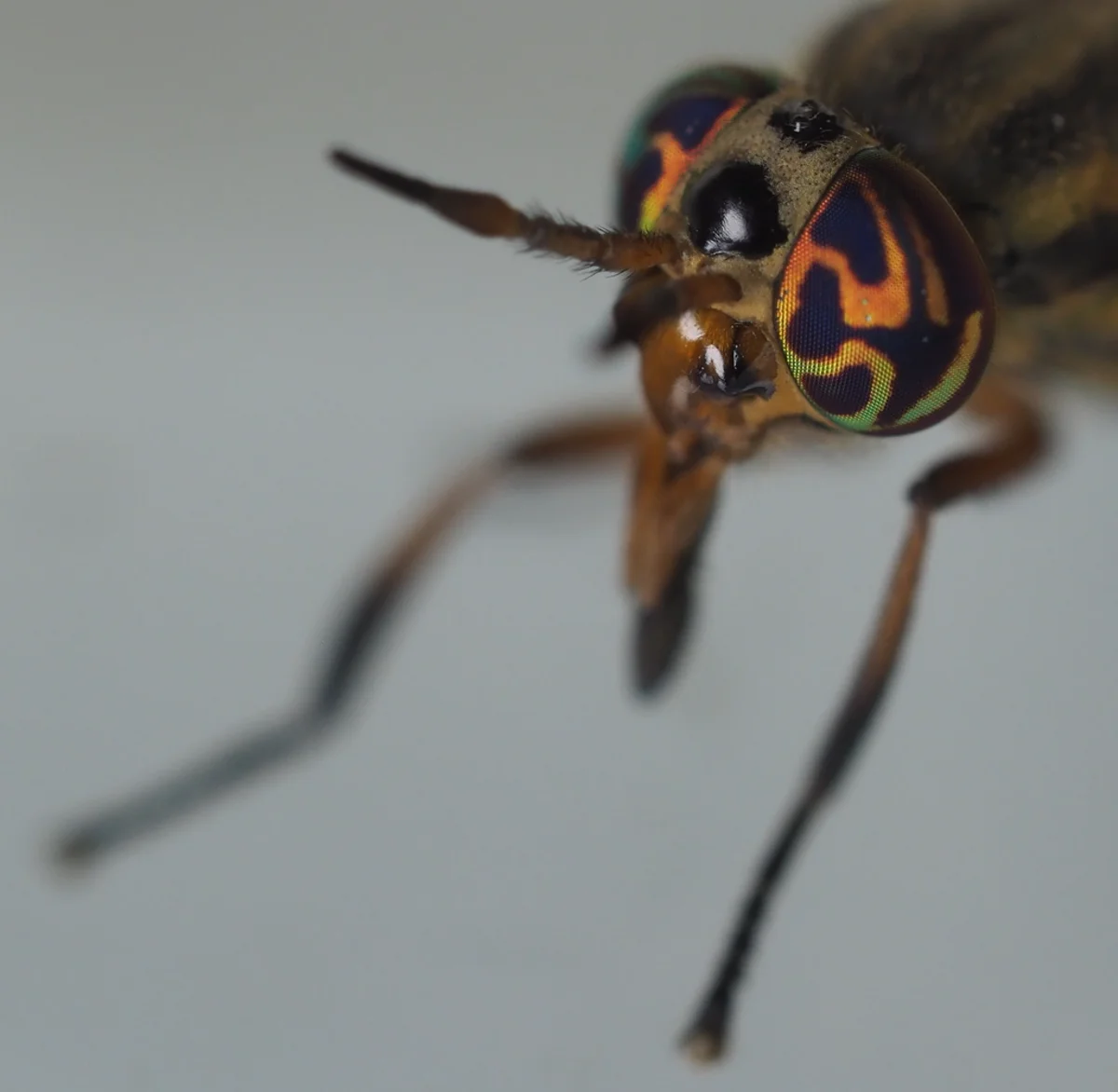
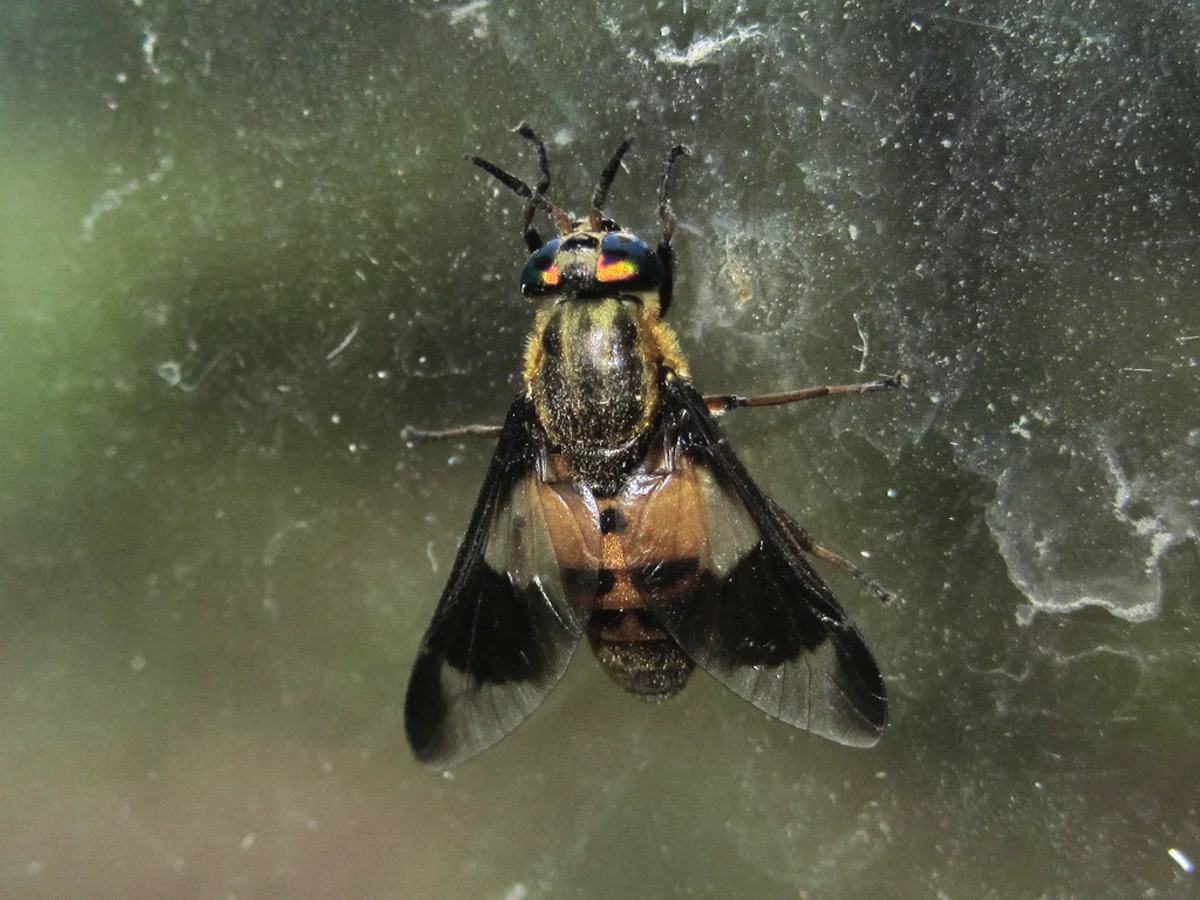
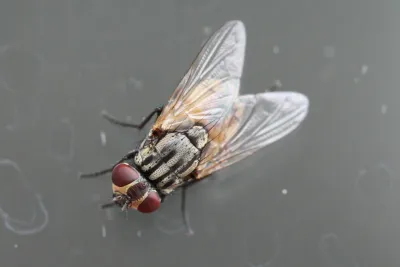
Deer flies are biting flies that belong to the genus Chrysops, which means “golden eye” in Greek. This name refers to their most striking feature. They have large, brightly colored compound eyes that flash with iridescent greens, golds, and purples in sunlight. In females, these eyes are positioned on the sides of the head. In males, the eyes meet in the middle.
Deer flies measure 6 to 13 millimeters long, making them notably smaller than their close relatives, horse flies. Their bodies display distinctive yellow and black banding, with dark vertical stripes running down the thorax. The wings are perhaps the easiest way to identify deer flies. Unlike horse flies with clear wings, deer flies have wings marked with dark patches or bands that form recognizable patterns.
The mouthparts of female deer flies are built for blood feeding. They have scissor-like mandibles and maxillae that slice through skin in a cross-shaped incision. This cutting action allows them to lap up the pooling blood. The painful nature of their bite comes from this slashing rather than piercing approach.
Common Species in North America
Several deer fly species are frequently encountered across North America:
-
Striped Deer Fly (Chrysops vittatus): One of the most common species in eastern North America. Has distinctive striped eyes and yellow-orange body with black markings.
-
Black Deer Fly (Chrysops niger): Found throughout eastern states. Darker overall with prominent wing markings.
-
Twin-lobed Deer Fly (Chrysops relictus): Common in northern regions. Named for the shape of its wing pattern.
-
Saltmarsh Deer Fly (Chrysops atlanticus): Found along Atlantic coastal areas. Often encountered near beaches and marshes.
Deer Fly Behavior and Biology
Deer flies undergo complete metamorphosis through four life stages: egg, larva, pupa, and adult. The entire cycle typically takes one year, though some species require two to three years to complete development depending on environmental conditions.
Breeding and Development
Female deer flies lay their eggs in rafts of 100 to 700 eggs on moist vegetation near water bodies. Favored sites include stream banks, pond edges, marshes, and wetlands. The eggs are laid in layers that form dark, shiny masses visible on leaves and stems.
Within one to two weeks, the eggs hatch and larvae drop into the water or saturated soil below. Deer fly larvae are predatory, feeding on other insect larvae, worms, and organic matter in their aquatic environment. They have elongated, spindle-shaped bodies with ringed segments.
The larval stage lasts one to three years. During this time, larvae molt several times as they grow. In northern climates, larvae overwinter in the soil and continue development in spring. When ready to pupate, they move to drier soil at the water’s edge. The pupal stage lasts one to three weeks before adults emerge.
Hunting and Feeding
Female deer flies are aggressive blood feeders. They locate hosts through several cues. Movement is the primary trigger. They also detect carbon dioxide from breathing, body heat, and dark colors. Once a potential host is detected, deer flies approach in a persistent circling pattern. They often focus on the head and neck area.
Their feeding behavior differs from mosquitoes. While mosquitoes use needle-like mouthparts to pierce skin with minimal damage, deer flies slash the skin open. Black flies and biting midges use similar cutting-style mouthparts. Anti-coagulants in their saliva prevent blood from clotting, allowing them to lap up the flow. A disturbed deer fly will return repeatedly until she obtains a full blood meal.
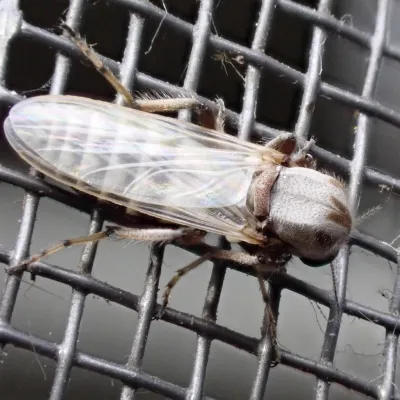
Male deer flies do not bite. They spend their time feeding on flower nectar and pollen, much like crane flies and other non-biting fly species. Stable flies are another biting species, though they look more like house flies and prefer livestock. Both sexes are most active during warm, sunny days when temperatures exceed 72 degrees Fahrenheit. They avoid flying in shaded areas and become inactive during overcast or rainy conditions.
Disease Transmission
Deer flies can mechanically transmit several diseases to animals and occasionally humans:
- Tularemia (rabbit fever): A bacterial disease that can cause fever, skin ulcers, and swollen lymph nodes in humans
- Anthrax: Primarily affects livestock
- Anaplasmosis: A tick-borne-like disease affecting cattle
- Equine infectious anemia: Affects horses
- Loiasis (eye worm): A parasitic infection found in Africa, not present in North America
In North America, the primary concern from deer flies is the discomfort and irritation from their bites rather than disease transmission. The bites themselves can trigger allergic reactions in sensitive individuals.
Treatment Methods for Deer Flies
Controlling deer fly populations presents significant challenges because they breed in sensitive wetland habitats where broad pesticide applications would cause environmental harm. Effective management focuses on personal protection and property modifications rather than eliminating the flies entirely.
Personal Protection Strategies
When spending time in areas with deer fly activity, these measures can reduce bite exposure:
-
Choose the right clothing: Wear light-colored, long-sleeved shirts and long pants. Deer flies are strongly attracted to dark colors, especially blue, black, and red. A light-colored hat can help protect the head and neck areas they frequently target.
-
Use head protection: Hats with attached mesh netting that covers the face and neck provide excellent physical protection in heavily infested areas. This is particularly useful for outdoor workers and hikers.
-
Apply repellents strategically: While DEET-based repellents are less effective against deer flies than mosquitoes, they still provide some deterrent value. Permethrin treatments applied to clothing offer better protection and remain effective through multiple washings.
-
Time outdoor activities: Avoid peak hours during warm, sunny afternoons. Deer flies are inactive in shaded areas, so staying under tree cover can provide relief.
-
Create airflow: Deer flies are weak fliers that struggle in strong air currents. Fans on porches and patios can help deter them from these areas.
Property Management
For properties near wetlands or water sources where deer flies are common:
-
Maintain landscaping: Keep grass and vegetation trimmed in areas where people spend time. Deer flies rest on tall plants between feeding attempts.
-
Reduce standing water: While natural wetlands should not be drained, eliminating artificial water sources like neglected containers, clogged gutters, and low spots that hold water can reduce local breeding sites.
-
Create shaded retreats: Since deer flies avoid shade, covered patios, shade structures, and tree canopy areas provide natural refuges during peak activity.
Trapping Methods
Traps can help reduce deer fly numbers in specific areas:
-
Trolling traps: These attach to hats or are towed behind while walking. They use blue or black colors to attract deer flies to a sticky surface. The movement mimics a suitable host.
-
Hanging traps: Dark-colored objects suspended at least two feet above the ground attract deer flies. Combined with sticky surfaces or capture containers, these can catch significant numbers when placed away from gathering areas.
-
Box traps: Walk-through traps placed along paths used by people or livestock can intercept deer flies following their targets.
Chemical Control Limitations
Area-wide insecticide applications are generally ineffective against deer flies for several reasons. Wetland breeding habitats are protected environments that cannot be treated. Adult flies range over large areas. Killing flies in one location provides only temporary relief as others arrive from surrounding areas. Deer flies are also active during daylight hours when most residual insecticides break down quickly in sunlight.
Targeted applications of pyrethroids to vegetation in localized areas may provide short-term reduction. However, environmental factors limit effectiveness and repeated applications are necessary. The impact on other insects and aquatic life in nearby water bodies makes this approach difficult for most residential settings.
References
Other Flies
Explore other species in the flies family
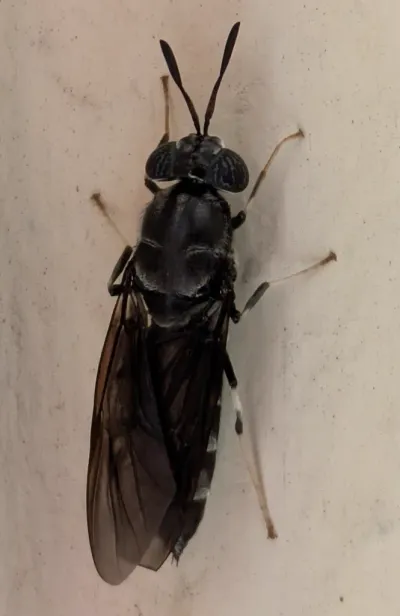
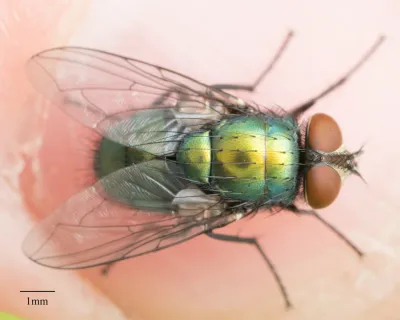
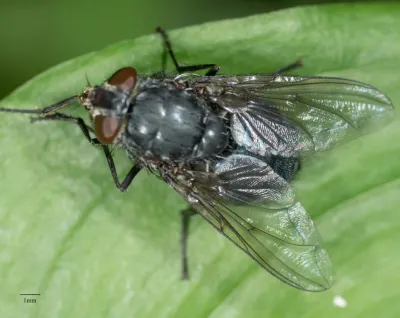
Commonly Confused With
Deer Flies are often mistaken for these similar pests
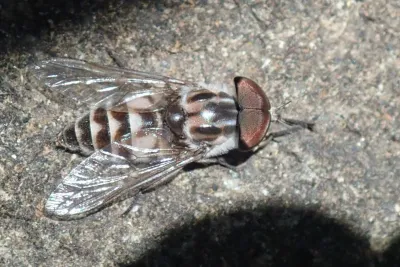
Where Deer Flies Are Found
Hover over states to see their names. Green regions indicate where deer flies have been reported.
Common Questions about Deer Flies
How do I tell the difference between deer flies and horse flies?
+
Deer flies are smaller than horse flies, typically 6 to 13 millimeters compared to horse flies at 10 to 25 millimeters. Deer flies have distinct dark patterns on their wings, while horse fly wings are usually clear or uniformly colored. Deer flies also have yellow and black banded bodies, whereas horse flies tend to be darker overall.
Why do deer flies target my head?
+
Deer flies are attracted to movement, carbon dioxide, and dark colors. They typically attack the head and neck area because these parts are often uncovered and produce the most heat and carbon dioxide from breathing. Their tendency to circle around your head before biting is a characteristic hunting behavior.
Are deer fly bites dangerous?
+
Deer fly bites are primarily painful and irritating. The wounds can become infected if not cleaned properly. Some people experience allergic reactions including swelling and hives. In rare cases, deer flies can transmit tularemia (rabbit fever), though this is uncommon in North America.
Why are deer flies so hard to get rid of?
+
Deer flies breed in wetlands and moist environments that are difficult to treat with insecticides. The larvae develop in marshes, stream banks, and wet soil where pesticides cannot be applied due to environmental regulations. Adult deer flies also travel significant distances from breeding sites, so reducing populations in one area provides limited relief.
What time of day are deer flies most active?
+
Deer flies are daytime feeders, most active when temperatures exceed 72 degrees Fahrenheit (22 degrees Celsius). They prefer sunny conditions and peak activity typically occurs from late morning through early evening. They become inactive in shaded areas and during overcast or rainy weather.
Do all deer flies bite?
+
No, only female deer flies bite. They require blood protein to develop their eggs. Male deer flies feed exclusively on nectar and pollen from flowers and do not have the mouthparts needed to bite.
How long does a deer fly bite last?
+
The initial pain from a deer fly bite is intense but brief. The bite site typically remains red, swollen, and itchy for one to three days. In people with sensitive skin or mild allergic reactions, symptoms may persist for up to a week. Scratching can extend healing time and increase infection risk.
What is the best repellent for deer flies?
+
Standard DEET-based repellents are less effective against deer flies than against mosquitoes, though they provide some protection. Permethrin-treated clothing offers better results since it is applied to fabric rather than skin. Wearing light-colored clothing and hats with mesh netting around the head and neck provides additional physical protection.

With five years of hands-on experience in the pest control industry, George Schulz is a registered technician with the Virginia Pest Management Association and a proud third-generation professional in a family business that's been protecting homes for over 57 years. He manages and trains a team of service pros while also leading internal research efforts—recently spearheading a deep-dive review of thousands of documents on pest control materials to hand-pick the most kid and pet friendly, most effective solutions tailored specifically for homes in the DC metro area.