Crane Flies Identification Guide
Tipulidae (Family)
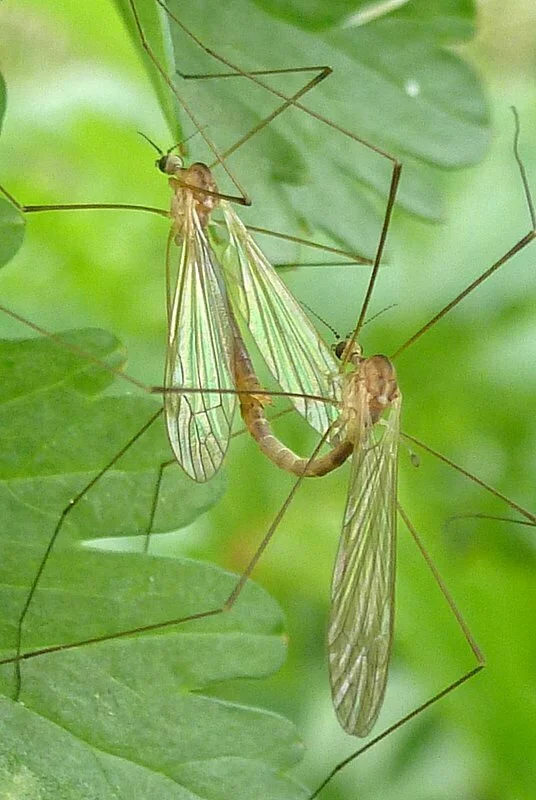
Crane flies are large, long-legged flies often mistaken for giant mosquitoes. Despite their intimidating appearance, adult crane flies are harmless and do not bite or sting.
Taxonomy
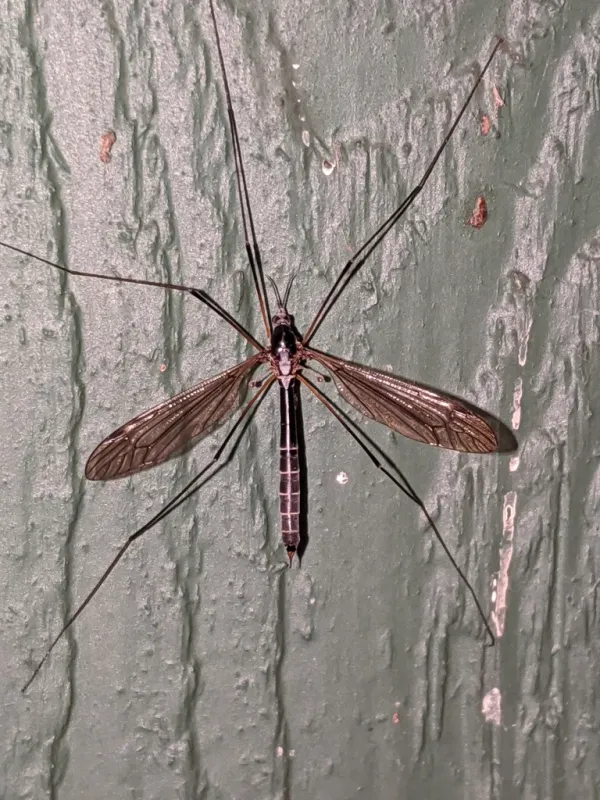
Crane Flies Coloration
Common color patterns to help identify crane flies
Crane Flies
Seasonal Activity
When crane flies are most active throughout the year

Where Crane Flies Are Found
Hover over states to see their names. Green regions indicate where crane flies have been reported.
Crane Fly Identification Guide
Physical Characteristics
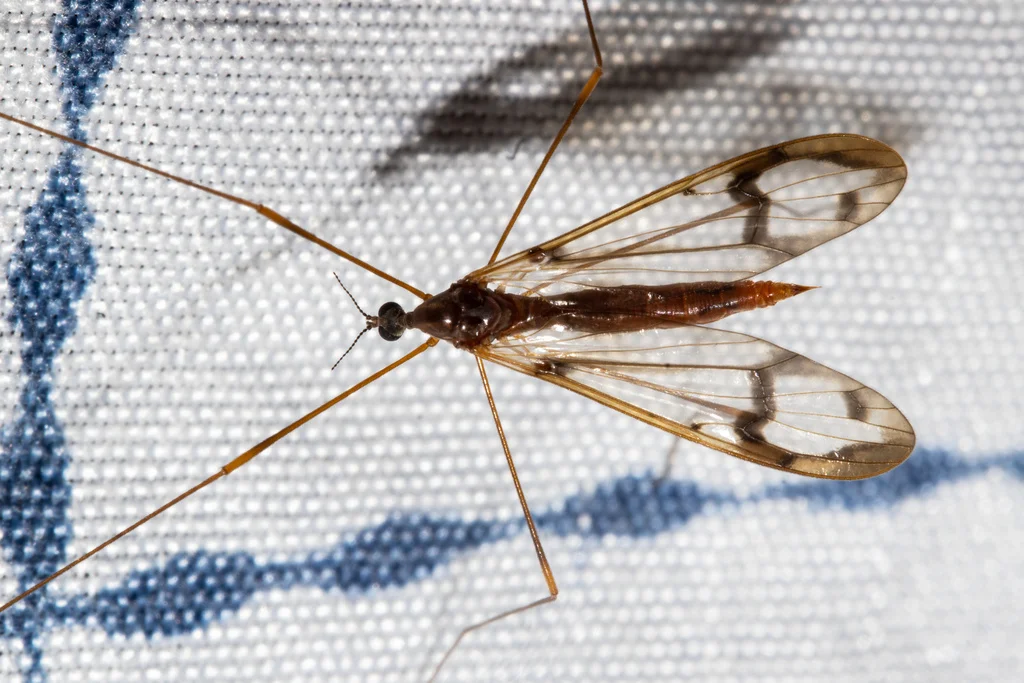
Crane flies are among the largest flies you will see. Their bodies range from 10 to 60 millimeters long. Their most striking feature is their very long legs, which can span up to 65 millimeters. These thin legs break off easily. This is why you often see crane flies missing one or more legs.
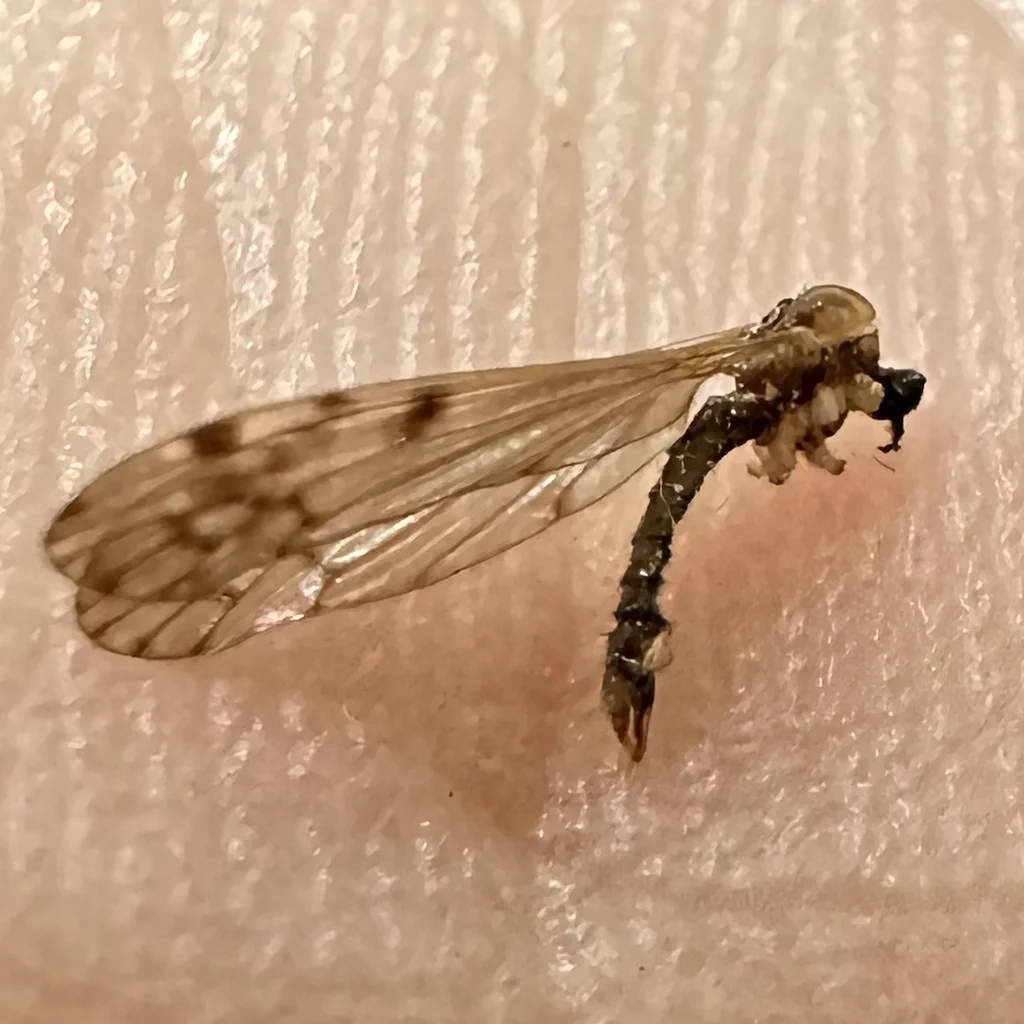
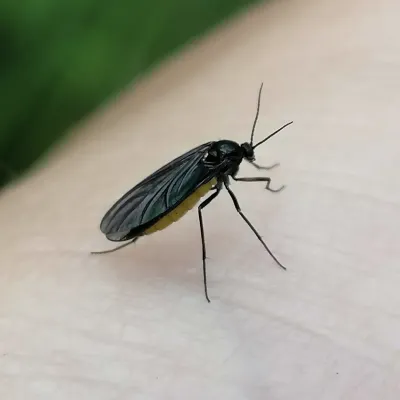
The body of a crane fly is thin and looks like a mosquito. They have a narrow abdomen and long thorax. They have one pair of wings that are usually clear or have faint brown spots or bands. Behind the wings, they have small knob-like parts called halteres that help them balance when flying. Their color ranges from tan and brown to gray, depending on the species.
Crane flies have a V-shaped groove on their thorax and long antennae with up to 19 segments. You can tell males from females by looking at the abdomen. Females have pointed abdomens for laying eggs in soil. Males have blunt, rounded abdomens.
Even though they are large, crane flies are poor fliers. They move in a wobbly pattern and often bump into walls and furniture. Their clumsy flight makes them easy to catch. People sometimes mistake crane flies for mosquitoes, but crane flies cannot bite. There is no reason to fear them. For a detailed comparison of these harmless insects versus actual biting pests, see our guide on crane fly vs mosquito differences.
Common Species
The family Tipulidae has over 4,200 species worldwide. More than 1,500 species live in North America. This makes crane flies the largest fly family in the order Diptera.
The genus Tipula alone has over 2,000 species. Two European species have become problems in North America. The European crane fly (Tipula paludosa) and the marsh crane fly (Tipula oleracea) are invasive pests. They can damage lawns in the Pacific Northwest and northeastern states.
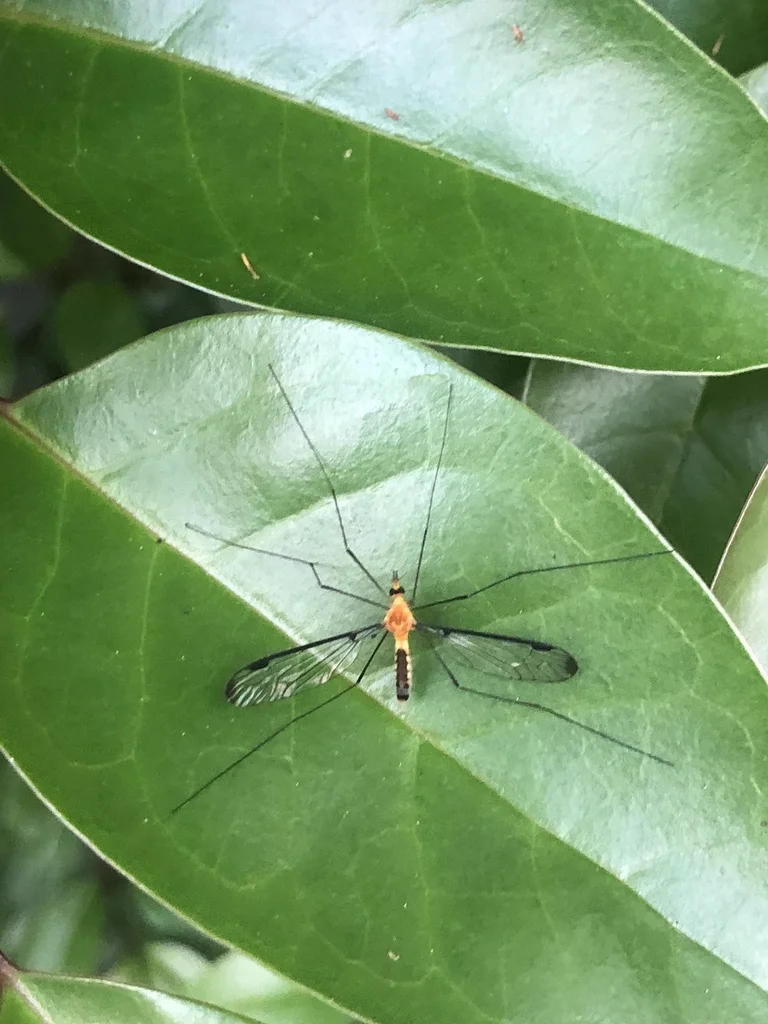
Native North American crane flies are not usually pests. Species in the genus Nephrotoma, like the ferruginous tiger crane fly (Nephrotoma ferruginea), are common. You can spot them by their yellow and black banded abdomens. Giant crane flies in the genus Holorusia can have wingspans up to 11 centimeters.
Crane Fly Behavior and Biology
Adult crane flies emerge from pupae in late summer and fall. They mate within 24 hours after emerging. Females then look for moist soil or plants to lay their eggs. A single female can lay 200 to 300 eggs over several days. They usually lay eggs in lawns or near water.
The eggs hatch within one to two weeks. The larvae start feeding right away. Crane fly larvae are called leatherjackets. They go through four growth stages called instars. They spend autumn eating roots and organic matter. Then they spend winter as partly grown larvae in the soil. They start feeding again in spring when the soil warms up.
Larvae form pupae in spring. This stage lasts one to two weeks. The full life cycle takes about one year for most species. Most crane flies produce one generation per year. Some species may have two generations in warmer areas. A related species, Biting Midges, shares similar characteristics.
Habitat and Diet A related species, Coffin Flies, shares similar characteristics.
Crane flies do well in moist, mild climates. Their larvae grow in many habitats, from water to dry land. You can find leatherjackets in streams, marshes, wet meadows, forest floors, and lawn soil. They need high moisture to survive. A related species, Cheese Skipper Flies, shares similar characteristics.
Larval crane flies have different feeding habits based on the species. Some feed on decaying plant matter, algae, and bacteria. Others eat small insects and worms. The pest species that damage lawns eat grass roots and crowns.
Adult crane flies do not eat much. Most species do not eat at all during their short lives. Some adults drink nectar, pollen, or water. Their mouths are not built for biting. This is why they cannot bite humans even though they look scary. In contrast, deer flies and horse flies have blade-like mouthparts designed for blood feeding.
Treatment Methods for Crane Flies
Adult crane flies are harmless and live only a short time. Control efforts focus on the larval stage when there are enough to damage lawns. Here are ways to manage crane fly problems.
Assessing the Problem
First, figure out if crane flies are causing damage. Adult crane flies in your home are just a nuisance. They do not need treatment. They will die on their own within two weeks.
For lawn damage, check affected areas in late winter or early spring. Brown patches of grass that do not get better with watering may mean leatherjackets are present. Dig into the soil in damaged spots and count the larvae. More than 15 larvae per square foot in home lawns may cause visible harm. For golf course greens or other high-quality turf, 5 to 10 per square foot may be a problem.
Birds, skunks, and raccoons often dig up lawns looking for larvae. This damage is often easier to spot than the feeding damage. If wildlife is tearing up your lawn in spring, leatherjackets may be the reason.
Cultural Control Methods
Healthy lawns can handle moderate crane fly numbers without showing damage. Building a strong lawn is the first step in fighting leatherjacket feeding.
Water your lawn deeply but less often. Crane fly eggs and larvae need moist soil to survive. Letting the top inch of soil dry between waterings makes conditions less ideal for them. But do not let your lawn dry out too much.
Dethatch your lawn every year if thatch is more than half an inch thick. Thick thatch gives larvae shelter and keeps moisture in. Aeration also helps drainage and lawn health. It makes the soil less welcoming for leatherjackets.
Mow at a height of 3 to 4 inches for cool-season grasses. Taller grass grows deeper roots. It also bounces back faster from root damage. Apply fertilizer in fall and spring to help your lawn grow thick and strong.
Biological Control Options
Nematodes can be an effective treatment option for crane fly larvae. The species Steinernema feltiae targets leatherjackets and can reduce populations by up to 50 percent when applied correctly.
Apply nematodes in March or April after soil temperatures reach about 55 degrees Fahrenheit. Water the lawn before and after you apply them. Apply in the evening or on cloudy days since nematodes are sensitive to sunlight. Follow package directions for mixing and application rates.
Chemical Control Options
Chemical treatments may help when crane fly numbers are high and other methods are not enough. Timing matters for good results.
Fall treatments target young larvae when they are most likely to be affected. Treating in fall prevents spring damage before it happens. Spring treatments can address current problems but will not fix damage that already occurred.
Products with chlorantraniliprole, imidacloprid, or thiamethoxam work well against crane fly larvae. Always read and follow the label directions. Apply in the evening or early morning when flying insects are less active.
Keeping Crane Flies Out of Your Home
To keep adult crane flies out, make sure window and door screens have no holes. Turn off outdoor lights when you do not need them. You can also switch to yellow bulbs that are less attractive to flying insects, including house flies and other nuisance species. If crane flies get inside, you can easily catch them and put them back outside. You can also vacuum them up.
References
Other Flies
Explore other species in the flies family
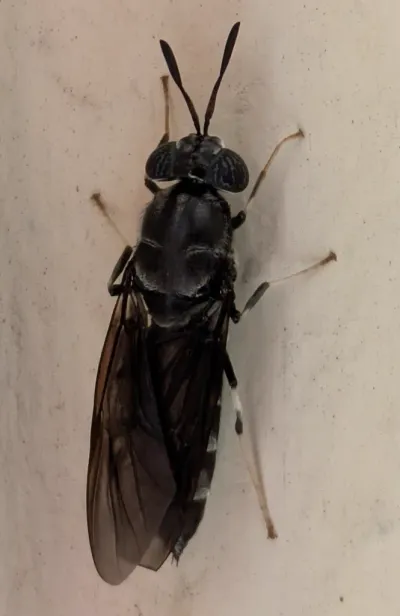
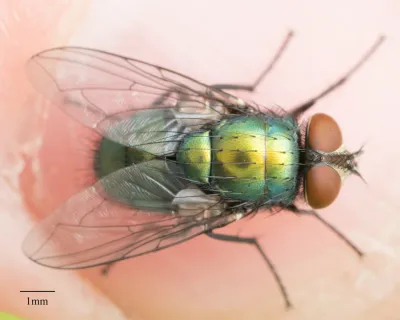
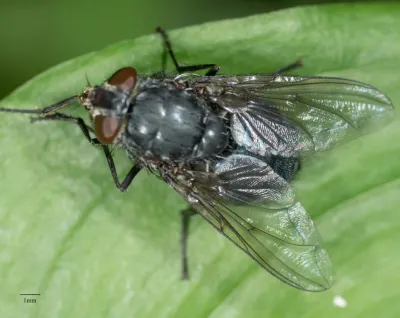
Commonly Confused With
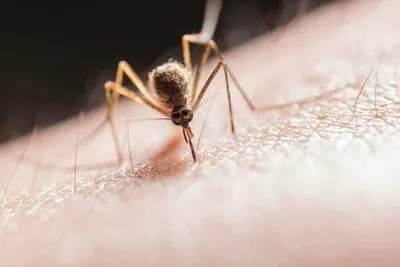
Crane Flies are often mistaken for these similar pests
Where Crane Flies Are Found
Hover over states to see their names. Green regions indicate where crane flies have been reported.
Common Questions about Crane Flies
Are crane flies dangerous or do they bite?
+
No, crane flies are completely harmless to humans. Despite their resemblance to giant mosquitoes, they do not bite, sting, or carry diseases. There is a persistent myth that crane flies are the most venomous insects in the world, but this is entirely false. They have no venom and cannot bite.
Do crane flies eat mosquitoes?
+
No, this is a common misconception. Crane flies are often called mosquito hawks or skeeter eaters, but they do not prey on mosquitoes at all. Most adult crane flies do not feed, and the few species that do only consume nectar, pollen, or water. The nickname likely comes from their mosquito-like appearance.
Why are there so many crane flies in my house?
+
Crane flies are attracted to light and often enter homes through open doors and windows during evening hours. They are most common in spring and fall. Their presence usually indicates moist conditions nearby, such as well-watered lawns or gardens where larvae develop in the soil.
What attracts crane flies?
+
Adult crane flies are strongly attracted to lights at night. They are also drawn to moist environments for egg-laying. Lawns with thick thatch, overwatered grass, and areas near streams or ponds tend to have higher crane fly populations.
How long do crane flies live?
+
Adult crane flies have very short lifespans, typically living only 10 to 15 days. During this brief period, their primary purpose is to mate and lay eggs. Most adult crane flies do not eat at all during their short adult stage.
What do crane fly larvae look like?
+
Crane fly larvae, called leatherjackets, are grayish-brown, legless grubs that can grow up to 2 inches long. They have tough, leathery skin that gives them their common name. Leatherjackets live in soil and are rarely seen unless you are digging in your lawn.
Can crane flies damage my lawn?
+
Yes, while adult crane flies are harmless, their larvae can damage lawns. Leatherjackets feed on grass roots and crowns, causing brown patches that may appear in late winter or spring. Two invasive species, the European crane fly and marsh crane fly, are the primary lawn pests in North America.
When are crane flies most active?
+
Crane flies are most active during spring and fall. Adults typically emerge in late summer and fall to mate and lay eggs. They are most active in the evening and at night, which is when they are often seen flying around porch lights and windows.

With five years of hands-on experience in the pest control industry, George Schulz is a registered technician with the Virginia Pest Management Association and a proud third-generation professional in a family business that's been protecting homes for over 57 years. He manages and trains a team of service pros while also leading internal research efforts—recently spearheading a deep-dive review of thousands of documents on pest control materials to hand-pick the most kid and pet friendly, most effective solutions tailored specifically for homes in the DC metro area.