Cluster Flies Identification Guide
Pollenia spp.
Cluster flies are large, slow-moving flies that enter homes in fall to overwinter in attics and wall voids. Unlike house flies, they do not breed indoors or in garbage.
Taxonomy
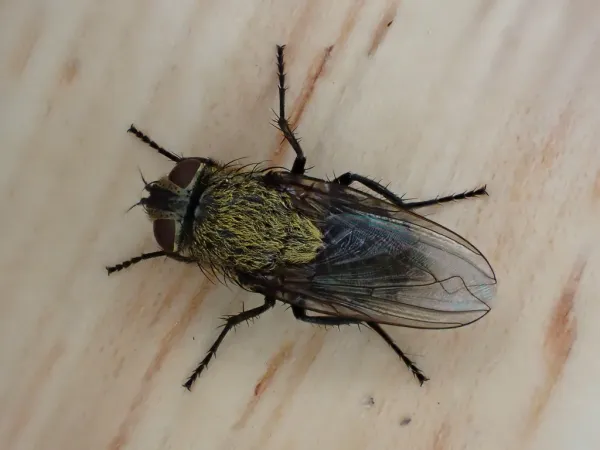
Cluster Flies Coloration
Common color patterns to help identify cluster flies
Cluster Flies
Seasonal Activity
When cluster flies are most active throughout the year

Where Cluster Flies Are Found
Hover over states to see their names. Green regions indicate where cluster flies have been reported.
Cluster Fly Identification Guide
Physical Characteristics
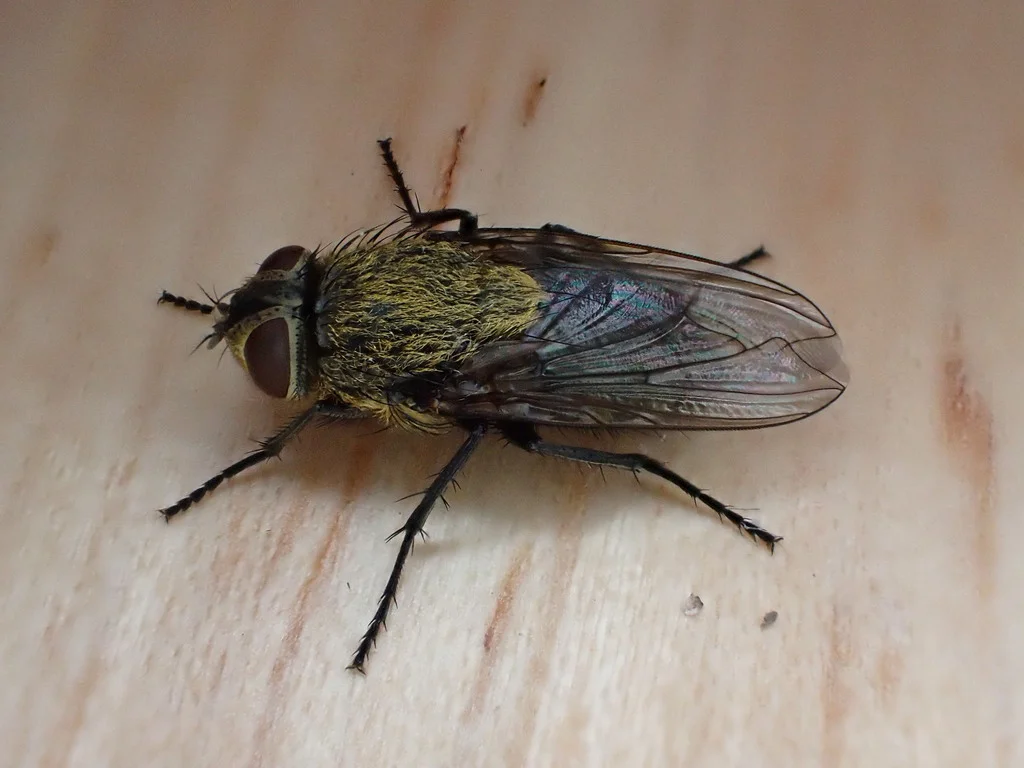
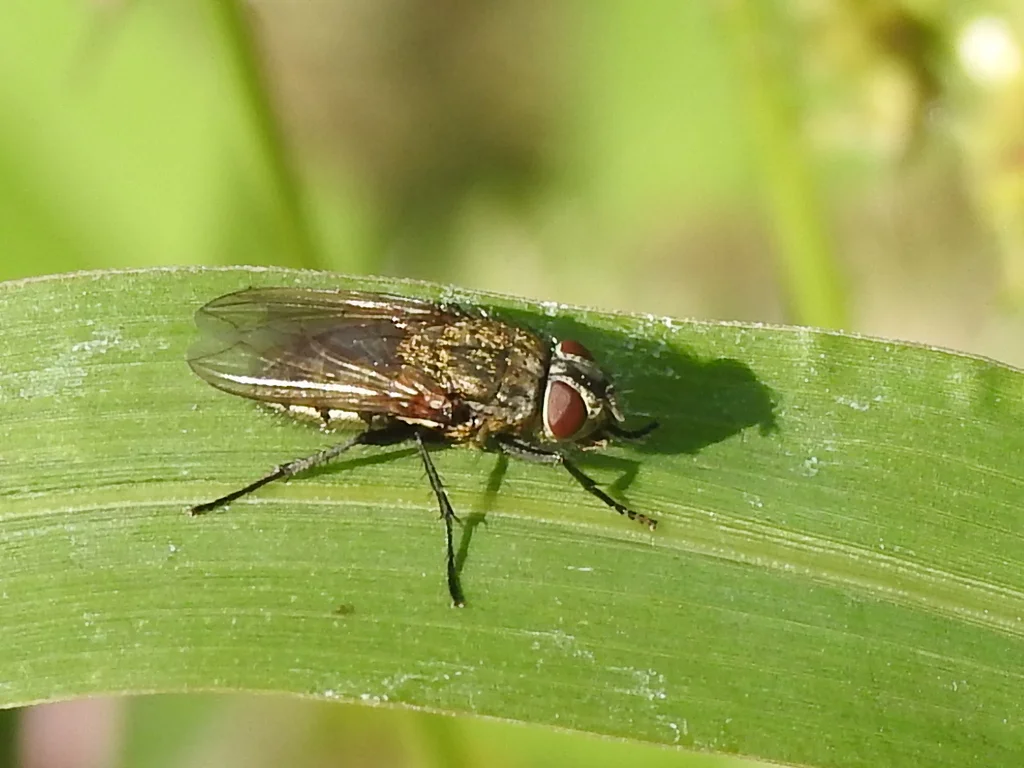
Cluster flies measure 8 to 13 millimeters long. This makes them slightly bigger than common house flies. Their most noticeable feature is the golden-yellow hairs covering their thorax (the middle body section). These hairs are easiest to see on young flies. As flies age, the hairs wear off and they look darker.
The body is dark gray to black with a checkered pattern on the belly. Light and dark patches create this pattern. Unlike house flies, cluster flies do not have dark stripes on their thorax. At rest, they fold their wings flat over their back. This gives them a narrower look than house flies, which hold their wings slightly apart. They can also be confused with flesh flies, which are a similar size but have a checkered pattern on their abdomen.
Cluster flies move much slower than other flies. They are easy to swat because they lack quick reflexes. This sluggish movement is the easiest way to tell them apart from house flies. When you disturb them, they often bump into windows over and over instead of flying away quickly.
Common Species
The most common cluster fly in North America is Pollenia rudis. People also call it the common cluster fly. Other species that may enter homes include Pollenia vagabunda (vagabond cluster fly) and Pollenia pediculata (tufted cluster fly). All these species look and act alike.
The name “cluster fly” comes from how they gather in large groups to spend the winter. Face flies share this overwintering behavior, entering buildings in fall to hibernate in wall voids. Other names for cluster flies include attic flies, loft flies, and buckwheat flies. The buckwheat name comes from the sweet smell they make when crushed. It smells like buckwheat honey.
Cluster Fly Behavior and Biology
Cluster flies belong to the broader fly family but have a life cycle unlike other pest flies. As larvae, they are parasites of earthworms. They do not feed on garbage or rotting food like house flies or blow flies. For a detailed comparison, see our guide on cluster fly vs house fly identification.
In spring, female cluster flies lay eggs in soil cracks near earthworm burrows. The tiny larvae hatch and seek out earthworms. They burrow into the worms and feed on their tissues for several weeks. Then they pupate in the soil. Adult flies come out in late summer.
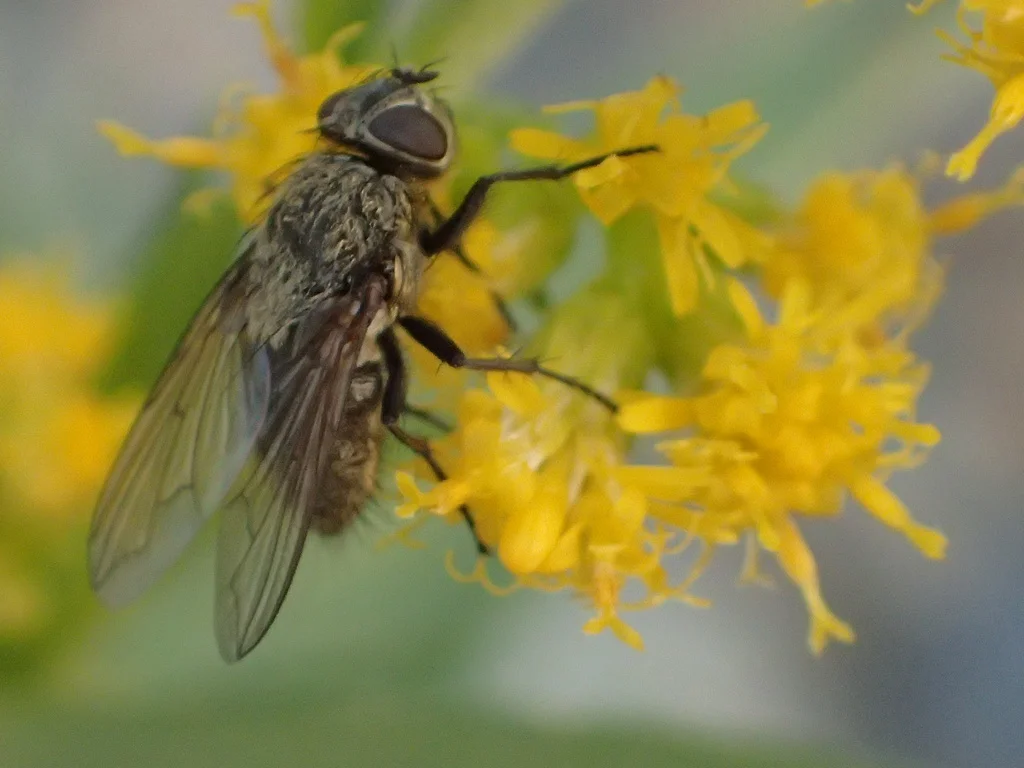
Adult cluster flies drink plant nectar and other sweet liquids. You often see them on flowers in late summer and early fall. When temperatures drop in September and October, they start looking for warm places to spend the winter. They are drawn to the sunny sides of buildings, especially light-colored ones.
Overwintering Behavior A related species, Biting Midges, shares similar characteristics.
Cluster flies get their name from how they gather in large groups to survive winter. They enter buildings through small gaps in walls, roofs, and around windows. They crowd into attics, wall voids, and other sheltered spaces. Hundreds or even thousands may gather in one spot. A related species, Coffin Flies, shares similar characteristics.
Once inside, cluster flies go dormant. This state is called diapause. They live off stored body fat all winter. They do not eat, breed, or grow during this time. On warm winter days, the flies may wake up and move toward light. This is when homeowners often notice them inside.
In spring, the flies become active again and try to leave the building. They want to mate and continue their life cycle outdoors. Flies that cannot find a way out may die inside walls or attics.
Treatment Methods for Cluster Flies
Cluster flies breed outdoors in soil, so you cannot remove their breeding sites. Control focuses on keeping them out of your home instead.
Exclusion and Prevention
The best long-term solution is stopping cluster flies from getting inside. Seal entry points before fall arrives:
-
Seal gaps around windows and doors: Use weatherstripping and caulk on window frames. Pay extra attention to south and west-facing walls that get afternoon sun.
-
Fix damaged screens: Check all windows and vents for holes or tears. Even small openings let flies in.
-
Close openings in siding: Seal gaps around pipes and wires. Fill cracks in foundations. Make sure siding fits tightly.
-
Screen roof vents: Keep soffit vents and ridge vents covered with fine mesh screens while still allowing airflow.
Timing Matters
Start prevention work in late summer, before flies begin seeking shelter in September and October. Once flies get into wall voids and attics, they are much harder to remove.
Managing Active Infestations
If cluster flies are already inside, these methods can help reduce their numbers:
-
Vacuum them up: Use a vacuum with a hose to remove flies from windows, walls, and ceilings. Empty the vacuum outside right away.
-
Use light traps: UV light traps in attic spaces can catch flies when they wake up. These work best in spring when flies move toward light.
-
Try sticky traps: Place fly traps near windows where flies gather. This catches them without mess.
What to Avoid
Do not spray chemicals inside your home for cluster flies. Since they do not breed indoors, killing adults does not solve the problem. Spraying in attics leaves residue and dead flies that attract other pests.
Do not crush cluster flies. They release a sweet odor and yellow secretion that stains. This secretion is hard to clean and may leave permanent marks on walls, curtains, and carpets.
Professional Help
For bad or repeat infestations, pest control pros can help. They can find all the entry points that need sealing. They can also apply treatments to exterior walls before flies arrive in fall.
Infestations often return year after year. This happens because cluster flies release scents that attract other flies to the same spots. Breaking this cycle takes thorough sealing work plus well-timed treatments.
References
Other Flies
Explore other species in the flies family
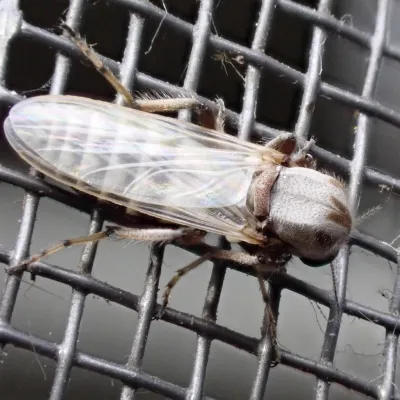
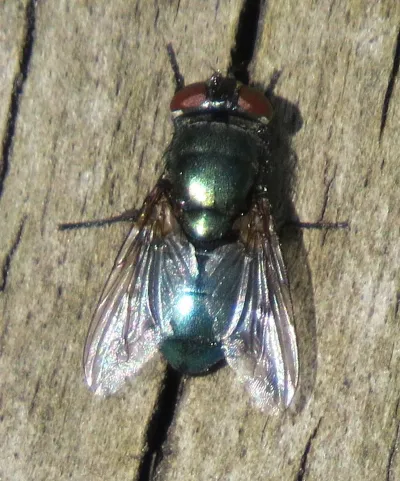
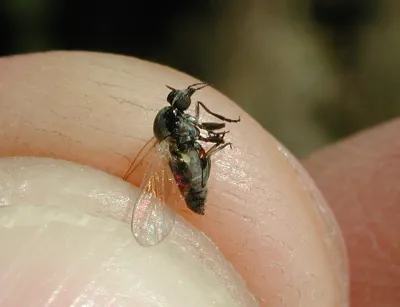
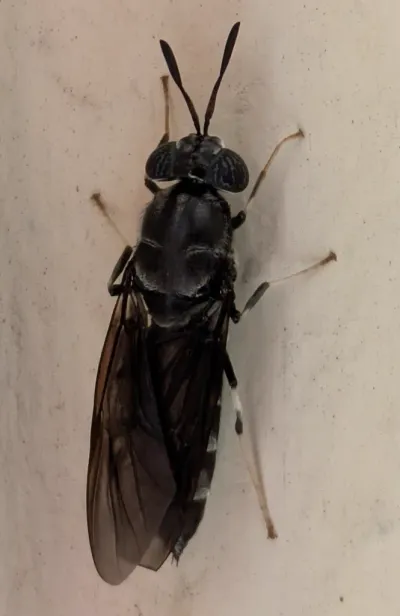
Commonly Confused With
Cluster Flies are often mistaken for these similar pests
Where Cluster Flies Are Found
Hover over states to see their names. Green regions indicate where cluster flies have been reported.
Common Questions about Cluster Flies
Why are there so many flies in my attic?
+
Cluster flies enter attics and wall voids in fall to hibernate through winter. A warm spell in late winter or early spring can wake them up, causing them to emerge inside your home. Unlike other flies, they do not breed indoors and are not attracted to garbage or food.
How do cluster flies get into my house?
+
Cluster flies enter through small gaps and cracks in the exterior of your home, typically on the sunny south and west sides. Common entry points include gaps around window frames, under siding, through weep holes, and around utility penetrations.
Are cluster flies dangerous?
+
Cluster flies are primarily a nuisance pest. They do not bite, sting, or transmit diseases to humans. However, they can leave small spots on walls and windows, and large numbers of dead flies in attics can attract other pests like carpet beetles.
What is the difference between cluster flies and house flies?
+
Cluster flies are larger and slower than house flies. They have golden-yellow hairs on their thorax and hold their wings flat over their back when resting. House flies have four distinct dark stripes on their thorax and are faster, more agile fliers. Most importantly, cluster flies do not breed in garbage or decaying matter indoors.
When do cluster flies become a problem?
+
Cluster flies become most noticeable in fall as they seek shelter before winter, and again in late winter or early spring when warming temperatures cause them to emerge. On warm sunny days, you may see them clustering on exterior walls or appearing inside near windows.
Do cluster flies smell?
+
Cluster flies can produce a distinctive sweet, buckwheat honey-like odor when crushed or disturbed in large numbers. This smell comes from a defensive secretion. Avoid crushing them to prevent this odor and potential staining.
Will cluster flies go away on their own?
+
Cluster flies will eventually die off or leave in spring, but new generations will return each fall if entry points are not sealed. The same building can be infested year after year because the flies release pheromones that attract others to the same overwintering site.
Where do cluster flies come from?
+
Cluster flies develop as parasites of earthworms in soil. They spend spring and summer outdoors, where females lay eggs near earthworm burrows. The larvae enter earthworms and feed inside them. Adult flies then seek shelter in buildings as temperatures drop in fall.

With five years of hands-on experience in the pest control industry, George Schulz is a registered technician with the Virginia Pest Management Association and a proud third-generation professional in a family business that's been protecting homes for over 57 years. He manages and trains a team of service pros while also leading internal research efforts—recently spearheading a deep-dive review of thousands of documents on pest control materials to hand-pick the most kid and pet friendly, most effective solutions tailored specifically for homes in the DC metro area.