Black Flies Identification Guide
Simuliidae (Family)
Black flies are small, dark-colored biting flies that breed in flowing water. Also called buffalo gnats due to their humpbacked appearance, female black flies can deliver painful bites that cause swelling and irritation.
Taxonomy
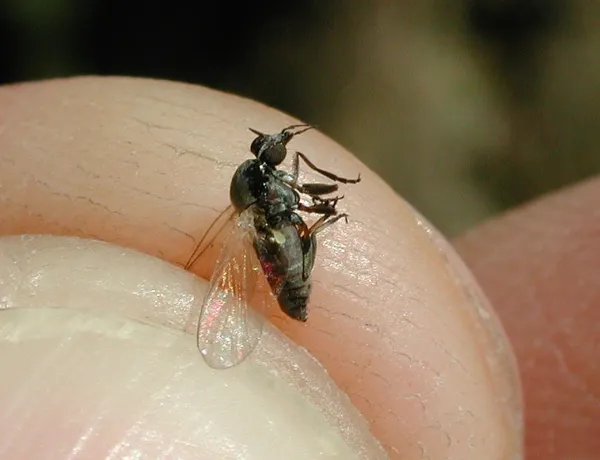
Black Flies Coloration
Common color patterns to help identify black flies
Black Flies
Seasonal Activity
When black flies are most active throughout the year

Where Black Flies Are Found
Hover over states to see their names. Green regions indicate where black flies have been reported.
Black Fly Identification Guide
Physical Characteristics
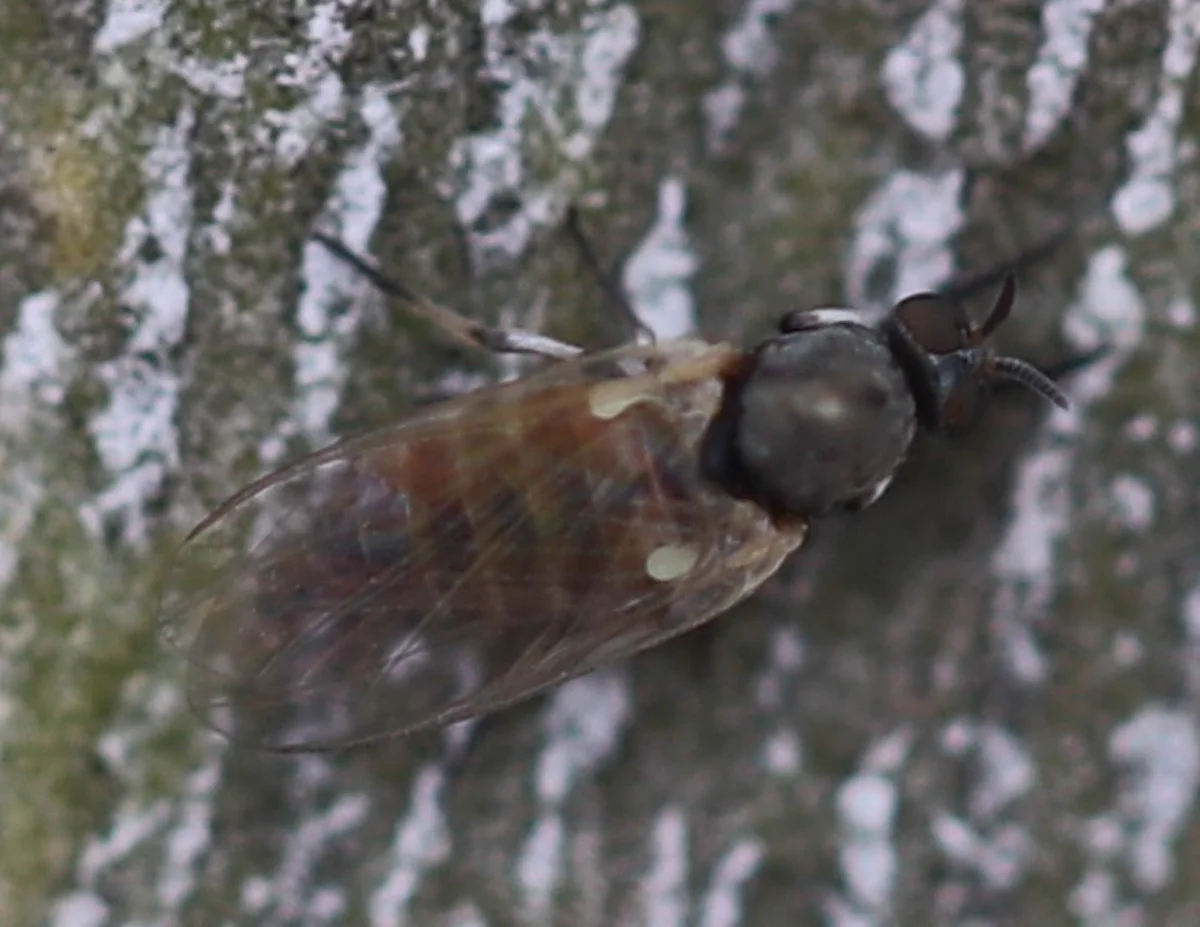
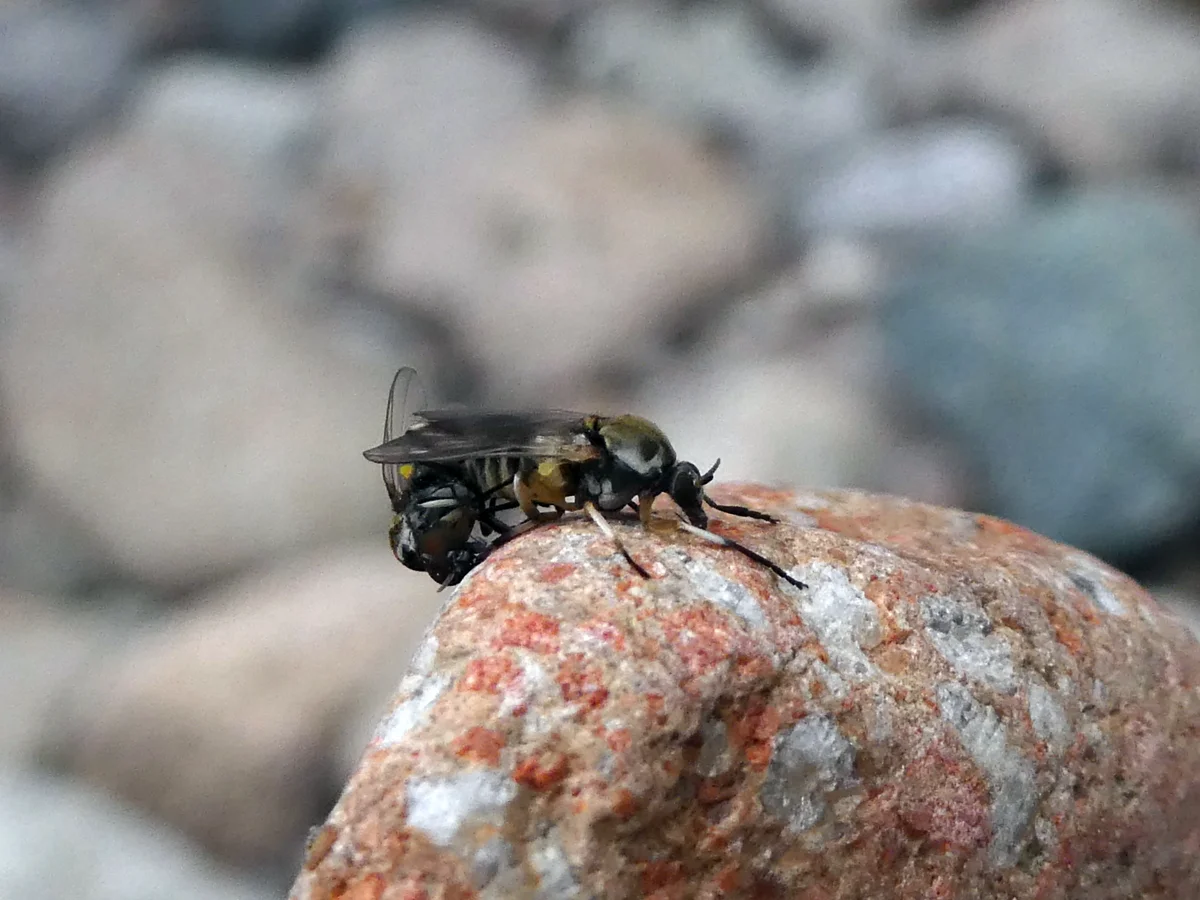
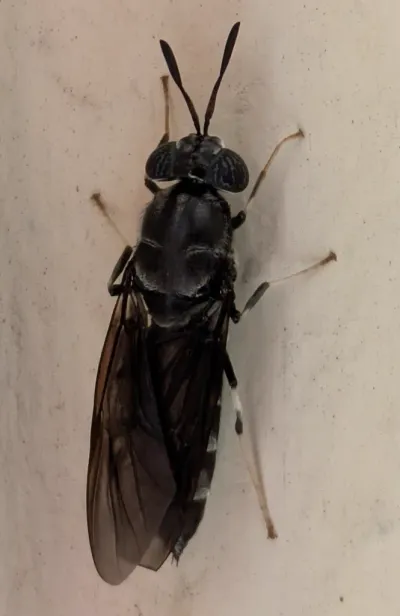
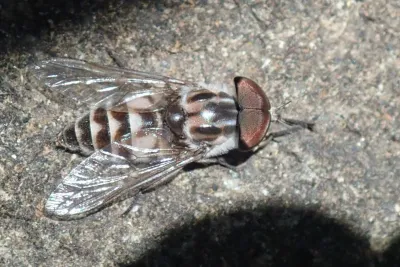
Black flies are small flies that measure just 1 to 5 millimeters long. Their most notable feature is a hump on their back behind the head. This gives them the nickname “buffalo gnats.” You can spot them by this hunched shape when looking from the side.
Body color ranges from black to dark gray. Some species have yellowish or orange markings. Black flies have short antennae with 9 to 11 segments. Their legs are short and sturdy. The wings are broad and clear.
Female black flies have large eyes that sit apart on the head. Males have eyes that meet at the top. Both males and females have special mouthparts. However, only females have the blade-like jaws needed to cut skin for blood feeding.
Common Species in North America
Over 250 species of black flies occur in North America. Several are common across wide regions:
-
Simulium vittatum (Striped Black Fly): Found throughout the United States and Canada. One of the most widespread species, recognizable by faint leg banding.
-
Simulium jenningsi (Jennings Gnat): Common in eastern North America. A persistent biter that targets humans and livestock.
-
Prosimulium mixtum (Mixed-up Black Fly): Found in northern regions. One of the earliest species to emerge in spring.
-
Simulium venustum: Common across Canada and northern states. Known for forming large swarms near streams.
-
Cnephia pecuarum (Southern Buffalo Gnat): Found in southern states. Historically responsible for livestock deaths in the Mississippi River valley.
Black Fly Behavior and Biology
Habitat Requirements
Black flies need specific conditions to breed. Their larvae can only grow in flowing water with enough oxygen. Streams, rivers, spillways, and irrigation channels all work as breeding sites. Some species like slow water. Others need faster currents.
Larvae attach to rocks, plants, and debris using tiny hooks and silk threads. They filter feed on particles, bacteria, and algae in the water. This feeding helps keep stream water clean. A related species, House Flies, shares similar characteristics.
Adult flies usually stay within a few miles of where they hatched. Strong winds can carry them farther. Areas near rivers and streams have the most black flies during peak season. A related species, Coffin Flies, shares similar characteristics.
Life Cycle
Black flies go through four life stages: egg, larva, pupa, and adult.
Eggs: Females lay 150 to 500 eggs in or near flowing water. They may lay eggs one at a time on underwater objects. They also lay them in clumps on plants hanging over water. Eggs hatch in 4 to 30 days based on temperature.
Larvae: The larval stage has six to nine growth periods. This stage lasts 1 to 6 weeks based on species and water temperature. Larvae use silk threads to move along surfaces. They stay in place against the current while feeding. They filter tiny particles from the water all day.
Pupae: When ready to change, larvae spin silk cocoons on underwater surfaces. This stage lasts about one week. The adult fly forms inside the cocoon. When ready, the adult rises to the surface in an air bubble and flies away.
Adults: Adult black flies live 2 to 3 weeks in good conditions. Females need a blood meal to make eggs. They also drink nectar for energy. Males only drink nectar and do not bite.
Feeding and Biting Behavior
Female black flies find hosts using several clues. These include carbon dioxide from breathing, body heat, movement, and dark colors. When they find a host, they land and start cutting the skin with saw-like jaws. This is different from mosquitoes, which poke the skin with needle-like parts. Deer flies use a similar slashing technique, and biting midges also cut skin to feed.
Black fly saliva has chemicals that stop blood from clotting. It also has substances that widen blood vessels and numb the area. These chemicals let blood pool at the bite, which the fly laps up. These same chemicals cause the strong itching and swelling from black fly bites.
Bites usually happen on exposed skin. Common spots include the head, neck, ears, and wrists. Black flies cannot bite through clothes, so covered skin is protected. They only bite during the day and do not come inside buildings.
Treatment Methods for Black Flies
Controlling black flies is hard because they breed in water. The best approach combines personal protection with managing the environment.
Personal Protection Strategies
When spending time outdoors during black fly season, these steps can help reduce bites:
-
Wear the right clothes: Choose light-colored, long-sleeved shirts and long pants. Black flies like dark colors, especially blue and black. Tuck shirts into pants and pants into socks to cover more skin.
-
Protect your head and face: Mesh head nets that cover the face and neck work well in areas with many black flies. These are must-have gear for hiking, fishing, or working near streams during peak season.
-
Use repellents: DEET-based bug sprays give some protection against black flies. They work less well than against mosquitoes. Apply repellent to all exposed skin. Treating clothes with permethrin can add more protection.
-
Pick the right time: Stay inside during peak biting times. This is usually mid-morning through late afternoon on humid, cloudy days. Black flies are less active in bright sun, strong wind, or when it is below 50 degrees.
Environmental Considerations
Large-scale black fly control usually means treating breeding sites in streams and rivers. This needs help from local officials since it affects whole water systems.
-
Bti (Bacillus thuringiensis israelensis): This natural larvicide kills black fly and mosquito larvae. Bti products are also used against drain flies and other small fly species, as well as horse flies in some settings. It does not harm fish or other water life. Many towns apply Bti to streams during breeding season.
-
Stream management: Changing water flow or removing plants from stream banks can reduce breeding. This approach needs careful thought about effects on the environment.
-
Property changes: For homes near streams, keeping areas clear of plants can reduce where adult flies rest. Fans on patios and decks create air movement that keeps black flies away.
Treating Bites
When black fly bites happen, proper care reduces discomfort and prevents problems:
- Clean the bite with soap and water to lower infection risk
- Apply ice or cold packs for 15 minutes to reduce swelling
- Use over-the-counter hydrocortisone cream or calamine lotion to ease itching
- Take oral antihistamines for stronger reactions
- Do not scratch, as this can cause skin infections
See a doctor if you have signs of black fly fever. These include actual fever, headache, nausea, or swollen glands. Also see a doctor if bites show signs of infection. Watch for growing redness, warmth, pus, or red streaks from the bite.
Note: This information is for educational purposes only and should not replace medical advice. Always consult a healthcare provider for health concerns.
References
Other Flies
Explore other species in the flies family
Commonly Confused With
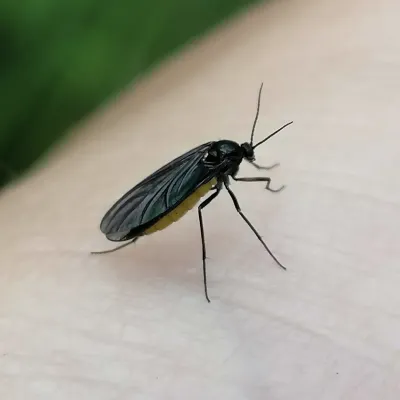
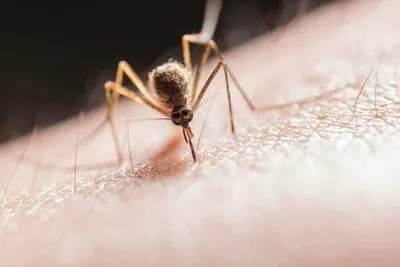
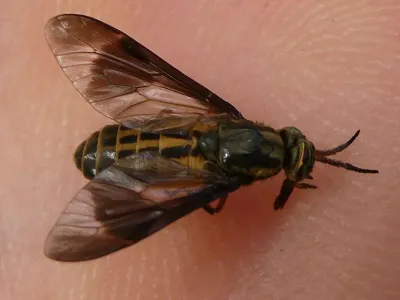
Black Flies are often mistaken for these similar pests
Where Black Flies Are Found
Hover over states to see their names. Green regions indicate where black flies have been reported.
Common Questions about Black Flies
Why are black flies also called buffalo gnats?
+
Black flies earned the nickname buffalo gnats because of their distinctive humpbacked appearance. When viewed from the side, their thorax creates a noticeable hump behind the head that resembles a buffalo's shoulder. Other regional names include turkey gnats and white socks.
Do all black flies bite?
+
No, only female black flies bite. They need blood protein to develop their eggs. Male black flies feed exclusively on flower nectar. Unlike mosquitoes that pierce skin with needle-like mouthparts, female black flies use scissor-like jaws to slice the skin and lap up the pooling blood.
What does a black fly bite look like?
+
Black fly bites typically appear as small red welts that can swell significantly. The bites are often found on exposed skin near the head, neck, and ears. Swelling can range from minor to golf ball-sized depending on individual sensitivity. Bites may remain itchy and irritated for several days.
What is black fly fever?
+
Black fly fever is a systemic reaction to multiple black fly bites. Symptoms include headache, fever, nausea, swollen lymph nodes, and general fatigue. This reaction is caused by anticoagulants and other compounds in black fly saliva. Severe cases should receive medical attention.
When are black flies most active?
+
Black flies are daytime feeders, most active from late morning through early evening. They prefer cloudy, humid days with little wind. Peak season runs from late spring through early summer, though activity continues into fall in some regions. They avoid flying in heavy rain, strong wind, or after dark.
Where do black flies breed?
+
Black flies require flowing, oxygenated water to reproduce. Females lay eggs on rocks, vegetation, or other surfaces in or near streams and rivers. Larvae attach to underwater objects and filter organic particles from the current. Development from egg to adult takes three to four weeks depending on water temperature.
Do black flies transmit diseases in North America?
+
In North America, black flies are not known to transmit diseases to humans. However, they can transmit blood parasites to birds and livestock. The primary concern from black fly bites is discomfort, allergic reactions, and the potential for secondary infection from scratching.
How can I protect myself from black flies?
+
Wear light-colored, long-sleeved shirts and long pants when outdoors during black fly season. Apply DEET-based repellents to exposed skin or use permethrin-treated clothing. Head nets and mesh face covers provide excellent protection in heavily infested areas. Avoid outdoor activities during peak biting hours on humid, overcast days.

With five years of hands-on experience in the pest control industry, George Schulz is a registered technician with the Virginia Pest Management Association and a proud third-generation professional in a family business that's been protecting homes for over 57 years. He manages and trains a team of service pros while also leading internal research efforts—recently spearheading a deep-dive review of thousands of documents on pest control materials to hand-pick the most kid and pet friendly, most effective solutions tailored specifically for homes in the DC metro area.