Black Blow Flies Identification Guide
Phormia regina
Black blow flies are dark metallic flies commonly found near decaying organic matter. They are one of the first insects to arrive at carrion and are important in forensic science for estimating time of death.
Taxonomy
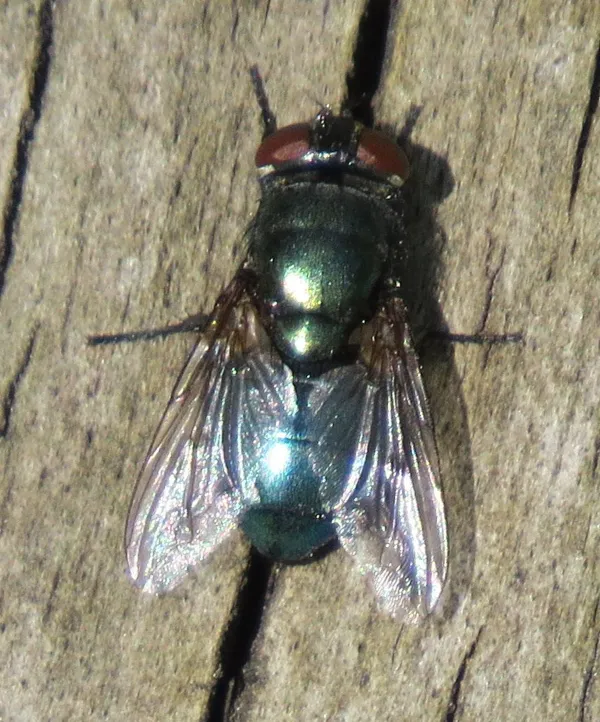
Black Blow Flies Coloration
Common color patterns to help identify black blow flies
Black Blow Flies
Seasonal Activity
When black blow flies are most active throughout the year

Where Black Blow Flies Are Found
Hover over states to see their names. Green regions indicate where black blow flies have been reported.
Black Blow Fly Identification Guide
Physical Characteristics
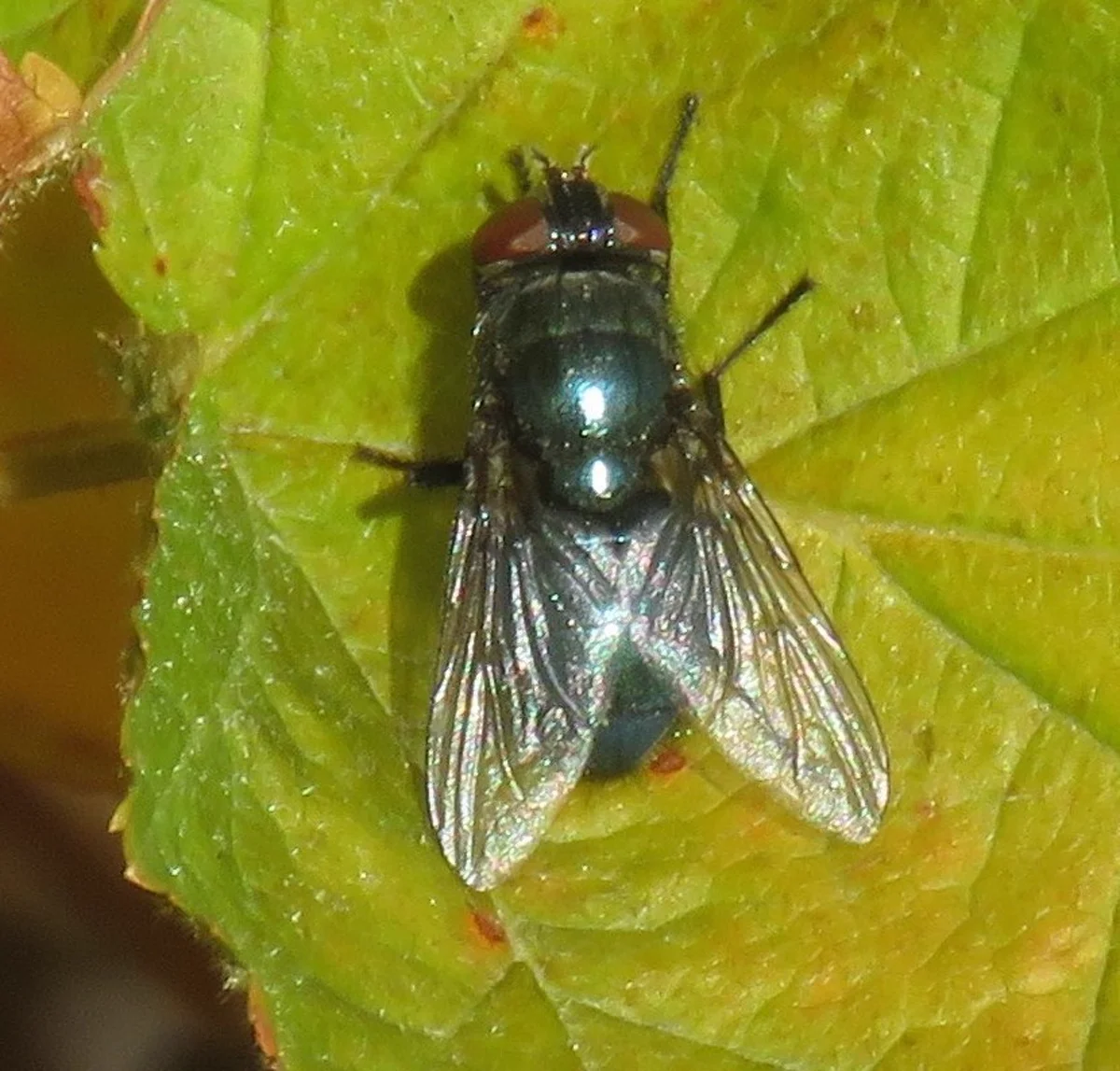
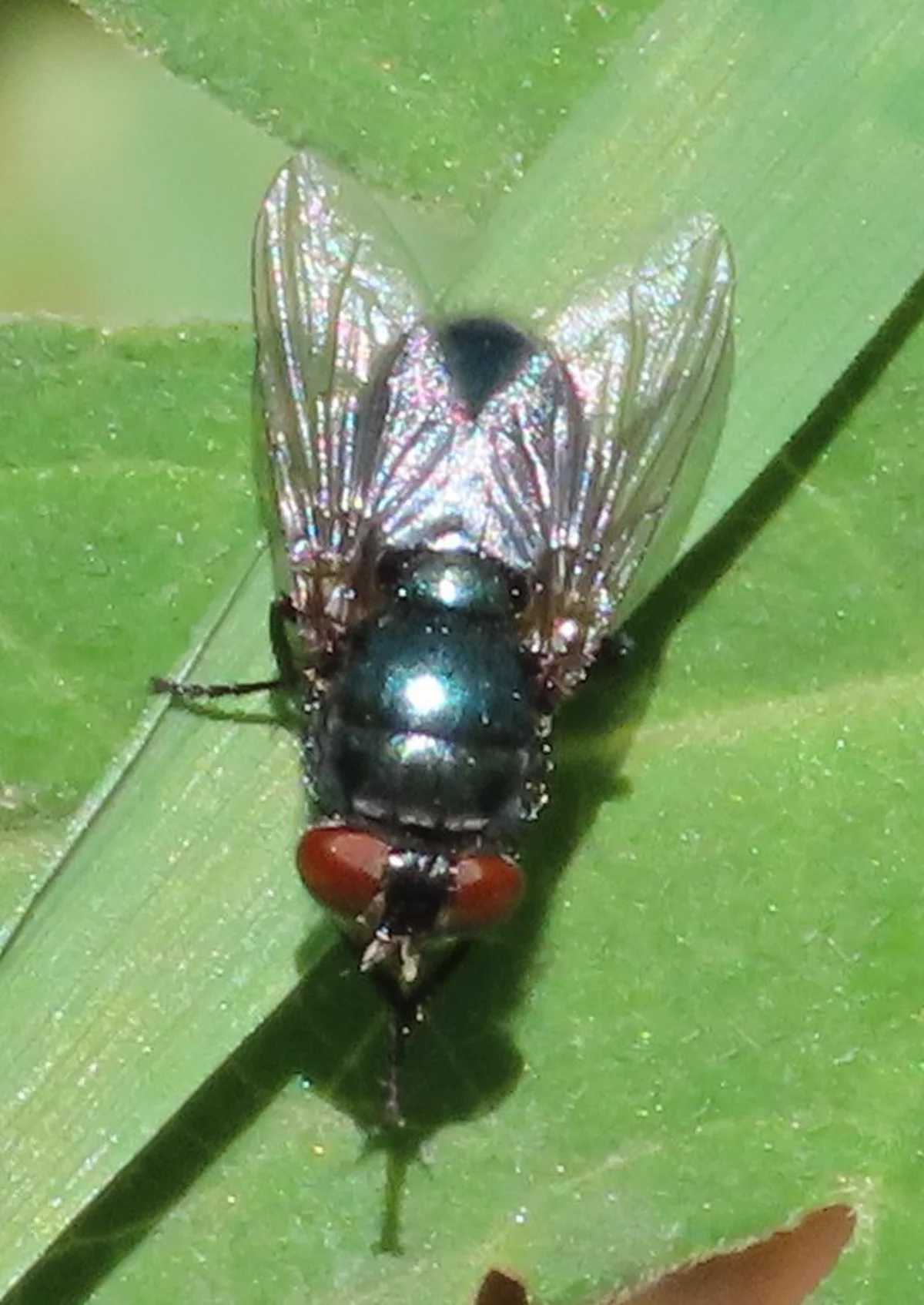
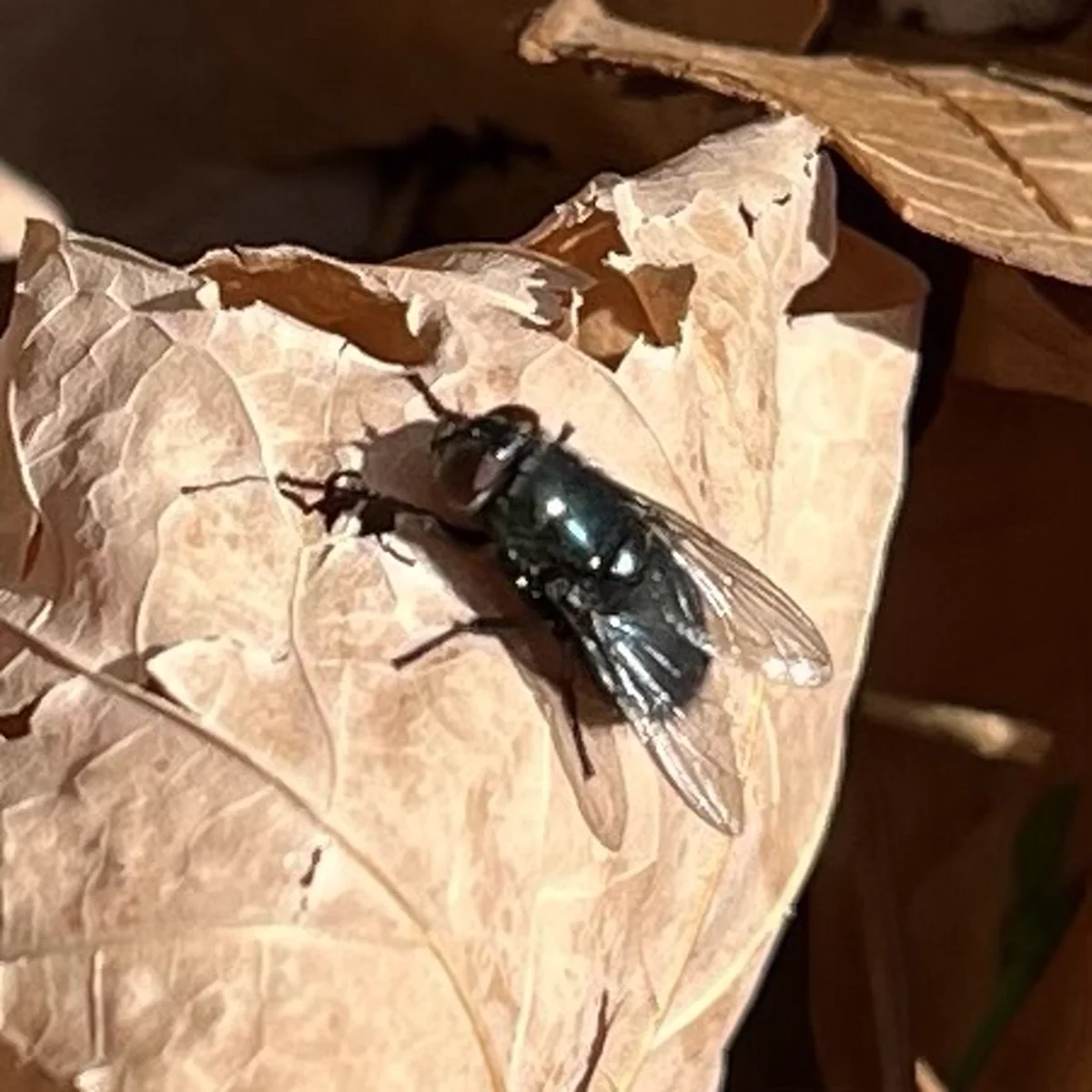
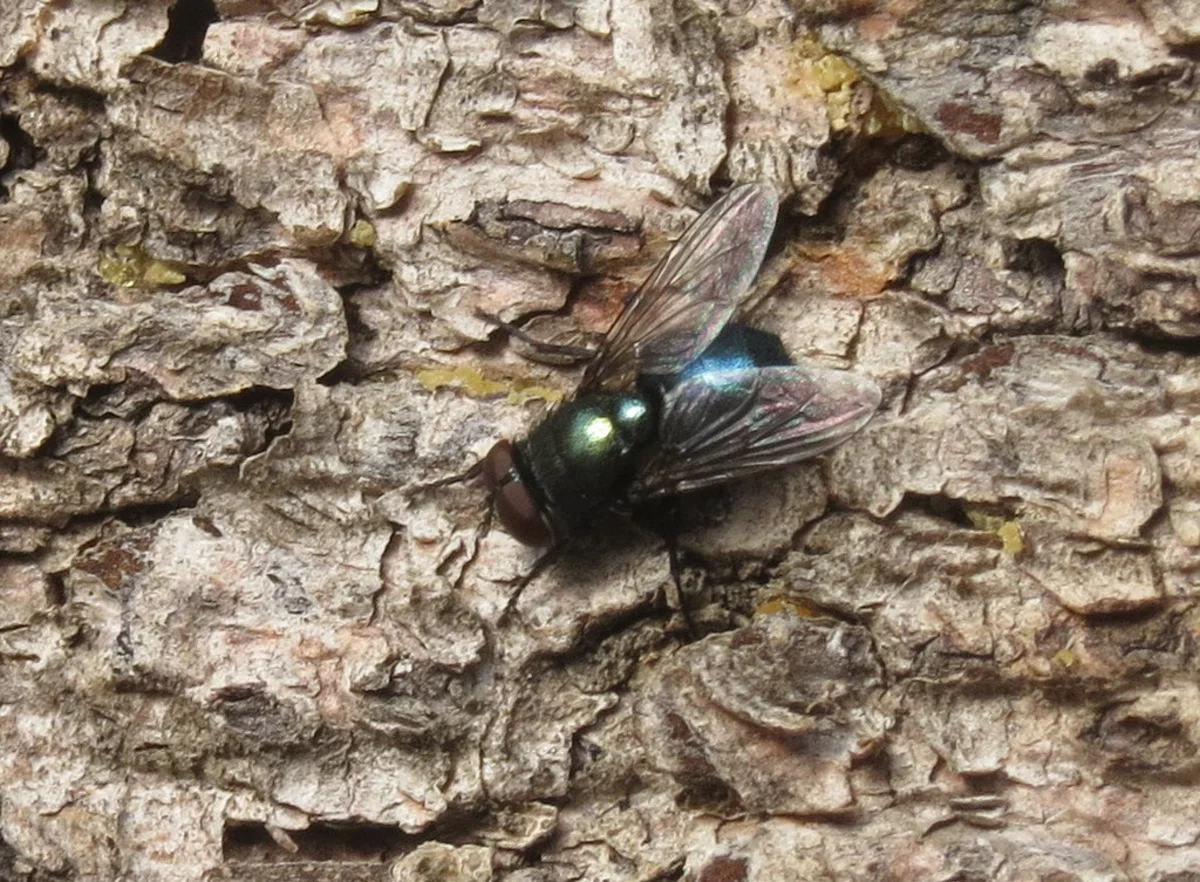
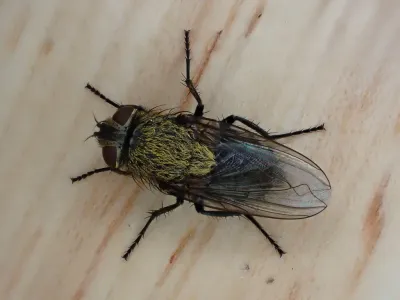
Black blow flies are 6 to 14 mm long. This makes them a bit larger than house flies. Their dark metallic coloring is easy to spot. While green and blue bottle flies have bright colors, black blow flies look darker. Their bodies have a blue-black or greenish-black shine.
Several features help you tell them apart from other flies. They have orange bristles near the front of their body, close to their breathing holes. The sides of their heads below the eyes look black. Their wings are clear with a sharp bend. The flaps behind their wings are mostly white.
Like all flies, black blow flies have one pair of working wings. Their back wings turned into small knobs that help them balance in flight. They have large reddish-brown eyes that cover most of their head. Short, stiff hairs cover their bodies and legs.
How Black Blow Flies Compare to Similar Species
Black blow flies belong to the blow fly family Calliphoridae along with several related species:
- Green Bottle Fly (Lucilia sericata): Bright metallic green. Very common across North America.
- Blue Bottle Fly (Calliphora vomitoria): Metallic blue belly with gray upper body. Likes cooler weather.
- Black Blow Fly (Phormia regina): Dark blue-black metallic body. Often the first blow fly to show up at dead animals in spring.
All flies in this family share similar habits and life cycles. Black blow flies prefer cooler weather than green and blue bottle flies. They are most common in northern states during spring and summer.
Black Blow Fly Behavior and Biology
Black blow flies help break down dead animals in nature. They have a strong sense of smell and can find rotting matter from far away. Within minutes of an animal dying, black blow flies may show up to feed and lay eggs.
Life Cycle
The black blow fly has four life stages: egg, larva, pupa, and adult. Females lay about 150 to 250 eggs at a time on dead animals, feces, or rotting meat. One female may lay up to 2,000 eggs in her life.
Eggs hatch in 24 to 48 hours into cream-colored maggots. The maggots eat the rotting material and grow through three stages. At each stage, they shed their skin as they get bigger. The maggot stage lasts 6 to 11 days based on how warm it is.
When ready to change into adults, the maggots leave the food and dig into soil. They form hard casings and turn into adult flies over about 8 days. The whole life cycle takes two to three weeks in warm weather. Cold weather can stretch this to over 30 days.
Temperature and Seasonal Patterns
Black blow flies need warmth to grow. They stop growing below about 50 degrees Fahrenheit. They grow faster as it gets warmer, up to about 90 degrees Fahrenheit.
In North America, black blow flies are most common in the north during spring and summer. They slow down as fall brings cooler weather. In winter, they move south to warmer places. This is why they are one of the first blow flies you see each spring.
Feeding Habits
Adult black blow flies eat nectar, pollen, and fluids from rotting matter. They soak up liquid food through sponge-like mouths. In the wild, they often feed on animal waste and dead animals. They do not bite people or pets.
Maggots eat only rotting tissue. Doctors sometimes use black blow fly maggots to clean wounds. The maggots eat dead tissue but leave healthy skin alone.
Why Black Blow Flies Enter Homes
When black blow flies show up inside, they are drawn by one of these things:
- Dead animals: Mice, rats, birds, or squirrels that died in walls, attics, crawl spaces, or chimneys
- Garbage: Open trash with meat scraps or rotting waste
- Pet waste: Dog poop or dirty cat litter boxes
- Spoiled food: Meat, fish, or poultry that went bad
A sudden wave of black blow flies usually means an animal died nearby. The flies come out from walls, ceiling lights, or gaps around pipes as they look for the source or try to get outside. Carrion flies and flesh flies are also drawn to dead animals and may appear alongside black blow flies.
Treatment Methods for Black Blow Flies
To get rid of black blow flies, you must find and remove what draws them. Just killing adult flies gives only short-term relief if the source stays.
Finding the Source
The first step is finding what draws the flies. Watch where they gather and check these common spots:
- Walls near where flies gather most
- Attics, near eaves and vents
- Crawl spaces and basements
- Chimneys and fireplace areas
- Trash cans and outdoor waste bins
- Compost piles
- Pet areas
A bad smell often points to a dead animal. Small animals like mice may not smell much. Look for stains on walls or ceilings that could mean fluids from decay.
Source Removal
If you find a dead animal, remove it if you can. Wear gloves and put the body in a sealed plastic bag. Clean the area well after.
Sometimes the animal is stuck in a wall or other hard-to-reach spot. You may have to wait for the body to break down. This takes about two to three weeks. Open windows and use odor sprays to reduce the smell while you wait.
Reducing Fly Numbers Indoors
While you deal with the source, these steps cut down on flies inside:
- Fix or add window and door screens
- Keep doors shut or add door sweeps
- Put fly traps near windows where flies gather
- Cover all food and clean up spills fast
- Empty trash daily and use bins with tight lids
Long-Term Prevention
To stop future black blow fly problems, keep animals out and stay on top of cleaning.
To keep animals from dying in your home:
- Seal gaps where rodents or birds could get in
- Add caps to chimneys
- Fix damaged soffits and vents
- Deal with any rodent problems right away
To remove things that draw flies:
- Keep garbage in sealed bins with tight lids
- Pick up pet waste from your yard each day
- Keep compost bins far from the house
- Clean grills and cooking areas after use
- Throw out spoiled food right away
References
Other Flies
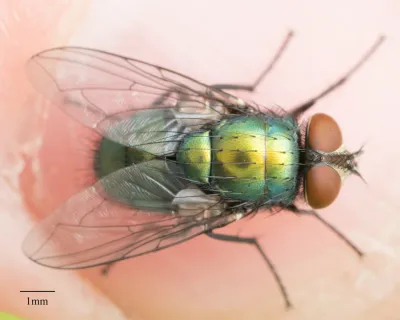
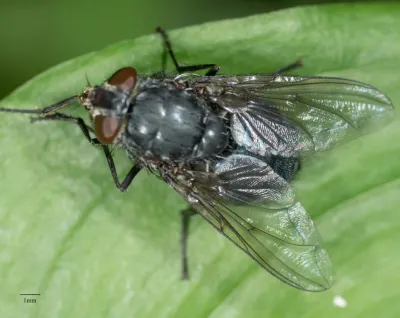
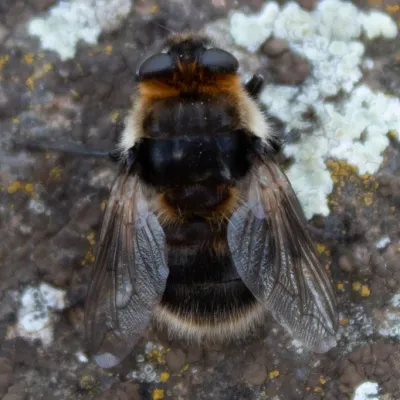
Explore other species in the flies family
Commonly Confused With
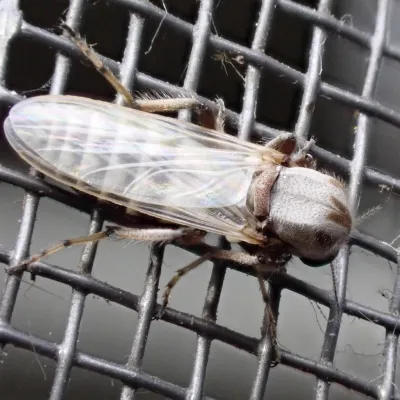
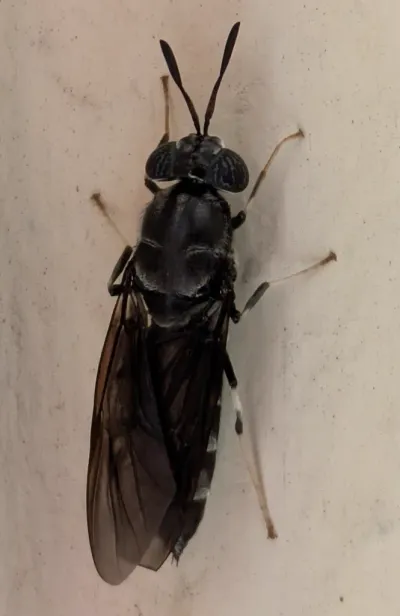
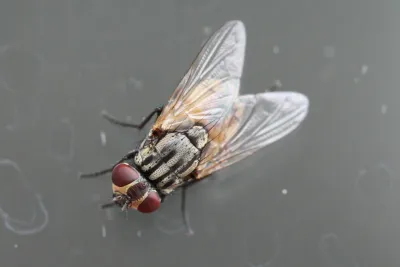
Black Blow Flies are often mistaken for these similar pests
Where Black Blow Flies Are Found
Hover over states to see their names. Green regions indicate where black blow flies have been reported.
Common Questions about Black Blow Flies
What does a black blow fly look like?
+
Black blow flies are 6 to 14 mm long with dark metallic blue-black or greenish bodies. They have large reddish-brown compound eyes, clear wings with a distinctive bend, and orange bristles near the front of their thorax. Their shiny metallic appearance sets them apart from common house flies.
Why are black blow flies in my house?
+
Black blow flies enter homes when attracted by decaying organic matter. The most common cause is a dead animal in a wall, attic, crawl space, or chimney. They may also be drawn by garbage, spoiled meat, or pet waste. A sudden appearance of these flies often signals something has died nearby.
Are black blow flies dangerous?
+
Black blow flies do not bite humans or pets. However, they can spread bacteria like Salmonella and E. coli by landing on food after feeding on decaying matter. Keep food covered when these flies are present and clean surfaces they may have contacted.
How long do black blow flies live?
+
Adult black blow flies live about 10 to 25 days. Their entire life cycle from egg to adult takes roughly two to three weeks depending on temperature. Warmer conditions speed up development, while cooler weather slows it down significantly.
Where do black blow flies lay their eggs?
+
Female black blow flies lay eggs on dead animals, rotting meat, open wounds, and feces. Each female can deposit 150 to 250 eggs at a time and up to 2,000 in her lifetime. The eggs are tiny, white, and laid in clusters that resemble grains of rice.
How do I get rid of black blow flies?
+
The key to eliminating black blow flies is finding and removing the source attracting them. Check for dead animals in walls, attics, and crawl spaces. Remove garbage promptly, clean pet areas, and seal food. Once the breeding source is gone, the flies will disappear within days.
What is the difference between black blow flies and other blow flies?
+
Black blow flies have darker coloring than green or blue bottle flies. They appear dark metallic blue-black rather than bright green or vivid blue. Black blow flies are also among the first flies to arrive at carrion in spring and prefer cooler northern climates.
When are black blow flies most active?
+
Black blow flies are most active from spring through early fall. They are often the first blow fly species to appear after winter ends. In northern regions, they dominate during spring and summer, while southern populations may be active year-round in mild weather.

With five years of hands-on experience in the pest control industry, George Schulz is a registered technician with the Virginia Pest Management Association and a proud third-generation professional in a family business that's been protecting homes for over 57 years. He manages and trains a team of service pros while also leading internal research efforts—recently spearheading a deep-dive review of thousands of documents on pest control materials to hand-pick the most kid and pet friendly, most effective solutions tailored specifically for homes in the DC metro area.