Biting Midges Identification Guide
Ceratopogonidae (Family)
Biting midges, also called no-see-ums, are extremely small flies that deliver painful bites despite their tiny size. These blood-feeding insects are most active at dawn and dusk near coastal and wetland areas.
Taxonomy
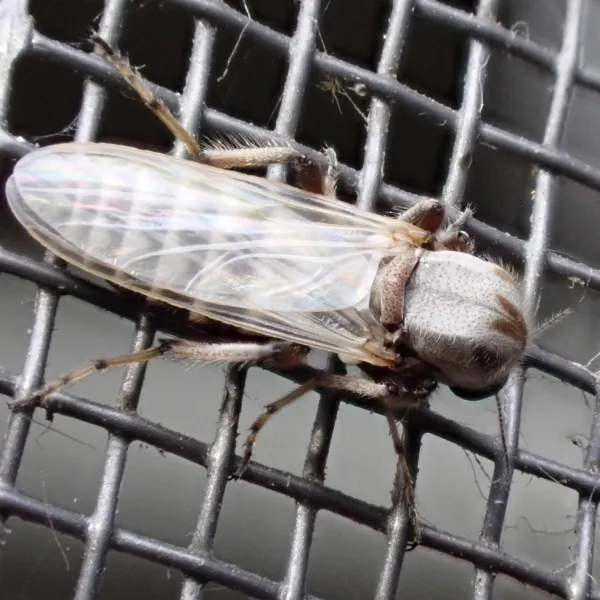
Biting Midges Coloration
Common color patterns to help identify biting midges
Biting Midges
Seasonal Activity
When biting midges are most active throughout the year
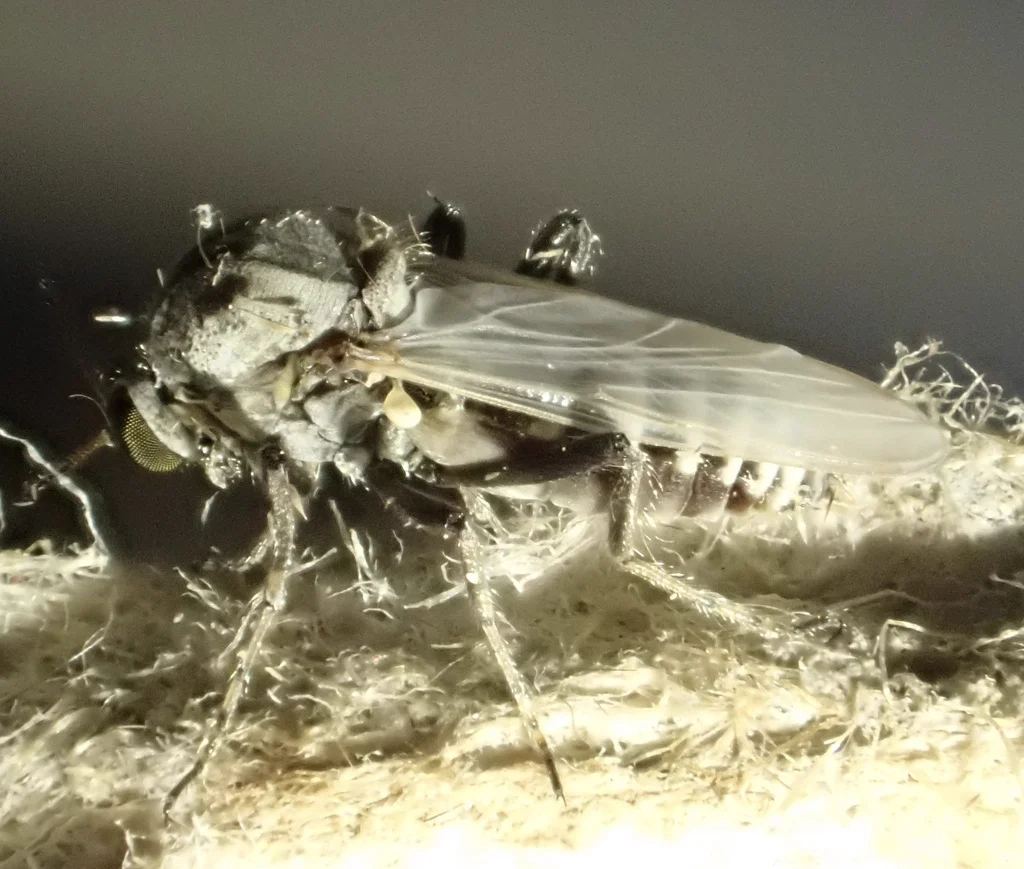
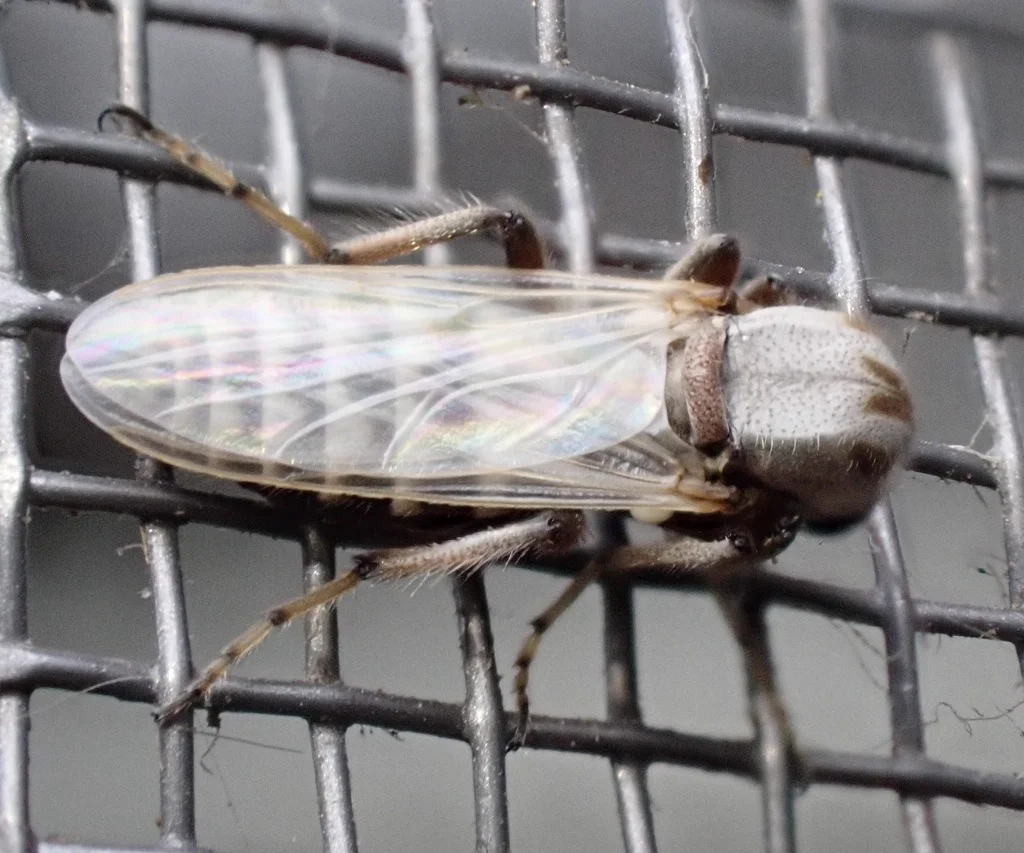
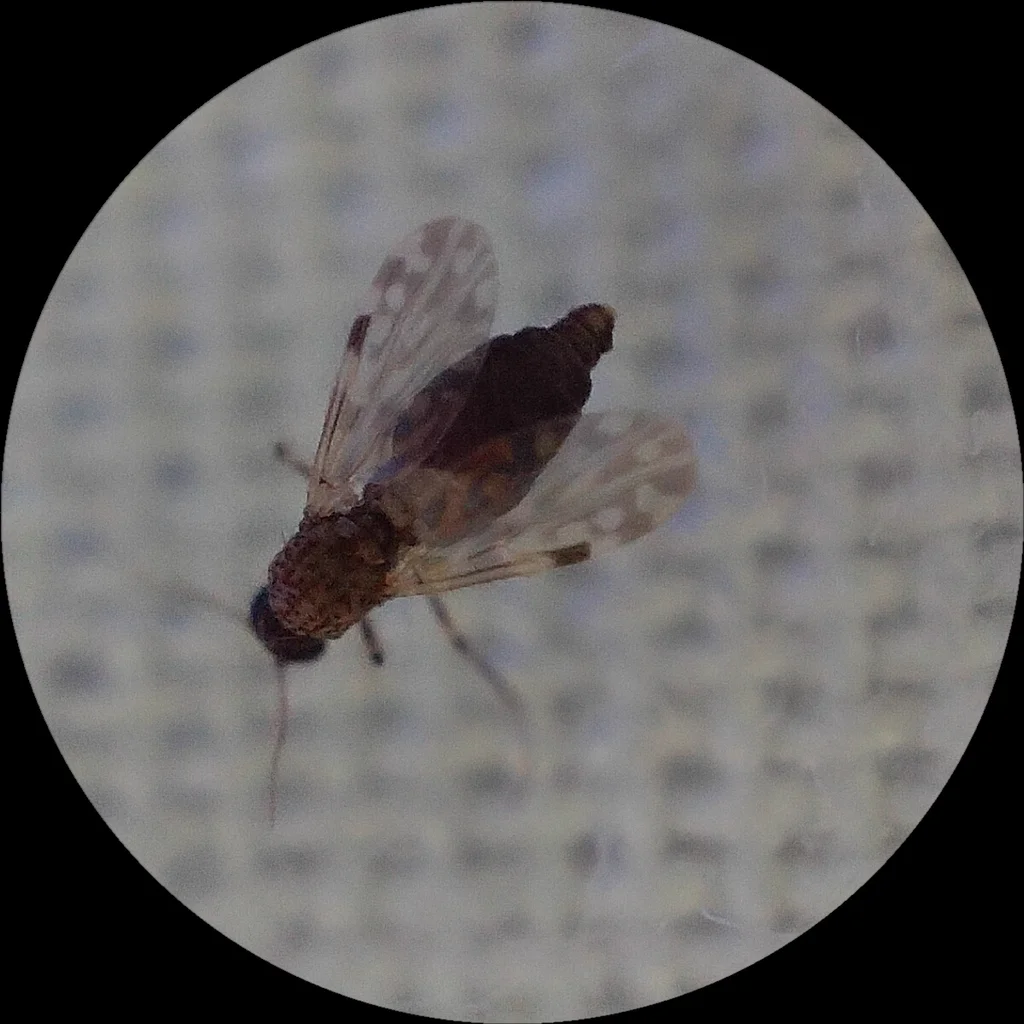

Where Biting Midges Are Found
Hover over states to see their names. Green regions indicate where biting midges have been reported.
Biting Midge Identification Guide
Physical Characteristics
Biting midges are among the smallest blood-feeding flies you will encounter. Adults measure just 1 to 4 millimeters long, with most species around 1.5 millimeters. Their tiny size makes them nearly invisible, earning them the common name “no-see-ums.” Despite being hard to see, their bites are impossible to miss.
These insects have a grayish-brown body with a distinctly humped thorax when viewed from the side. Their wings are the most useful feature for identification. The wings are covered with fine hairs that create distinctive patterns of light and dark spots. Scientists use these wing patterns to tell different species apart. Like all true flies, biting midges have only one pair of functional wings.
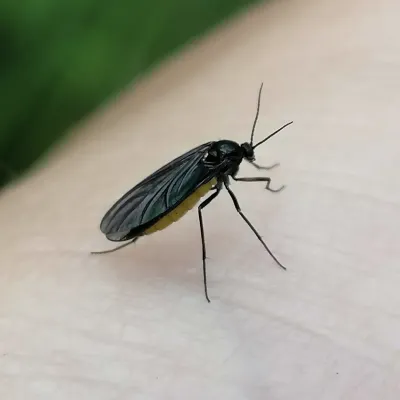
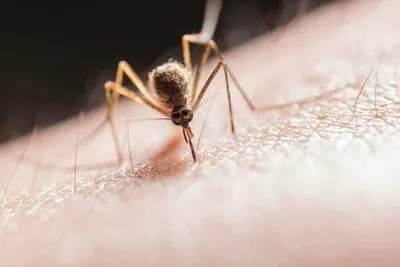
Biting midges have long, segmented antennae with 15 segments. Females have a short, downward-pointing proboscis containing blade-like mouthparts for cutting skin. Their compound eyes are relatively large for their body size. The overall appearance is similar to a tiny mosquito, but biting midges are smaller and lack the long proboscis that mosquitoes have. They are also sometimes confused with black flies, another small biting fly, though black flies have a distinctly humpbacked shape.
Common Species in North America
The genus Culicoides contains most of the biting midge species that affect people in North America. Over 1,000 species exist within this genus alone. A few other genera also include species that bite humans:
-
Culicoides furens: One of the most common coastal species in the eastern United States. Found from Massachusetts to Florida and along the Gulf Coast. Breeds in salt marshes and mangrove swamps.
-
Culicoides sonorensis: The primary species associated with livestock in western North America. Breeds around irrigated pastures, dairies, and feedlots. An important carrier of bluetongue virus in cattle and sheep.
-
Culicoides variipennis: Found throughout much of North America. Breeds in mud around the edges of ponds, streams, and agricultural areas with wet soil.
-
Leptoconops species: Found primarily in western states with sandy soils. Sometimes called sand gnats or valley black gnats. Breed in sandy or clay soils rather than aquatic environments.
Biting Midge Behavior and Biology
Life Cycle
Biting midges undergo complete metamorphosis with four distinct life stages: egg, larva, pupa, and adult. The entire cycle takes two to six weeks in warm weather, though it can extend much longer in cooler climates.
Female biting midges need a blood meal before they can produce eggs. After feeding, they lay batches of 25 to 450 eggs depending on the species. Eggs are tiny crescent-shaped structures less than 0.25 millimeters long. They are laid on moist soil, decaying vegetation, or at the edges of standing water.
Larvae hatch within a few days and begin feeding on organic matter, algae, and tiny organisms in their environment. They are thin, worm-like creatures 2 to 5 millimeters long with no legs. Larvae pass through four growth stages called instars over one to three weeks. They can survive dry periods by burrowing into moist soil.
The pupal stage lasts about two to three days. Pupae in aquatic environments float to the surface before the adult emerges. Adults live for two to seven weeks during which females may produce multiple batches of eggs if they obtain blood meals.
Feeding Behavior
Only female biting midges bite. They need the proteins in blood to develop their eggs. Males feed only on nectar and plant juices. Females also consume nectar for energy between blood meals.
Biting midges locate hosts by detecting carbon dioxide from breathing, body heat, and skin odors. Their mouthparts work differently than mosquitoes. Instead of inserting a needle-like tube, biting midges use blade-like mandibles to slice open the skin. They then lap up the blood that pools in the wound. This cutting action causes the intense burning sensation their bites are known for.
Most species bite during the hours around dawn and dusk when temperatures are moderate and winds are calm. Biting midges are weak fliers and cannot fly in winds above 3 to 5 miles per hour. Some species also bite throughout the night, while a few tropical species bite during daylight.
Habitat Preferences
Different biting midge species occupy different habitats, but all require moisture for breeding:
-
Coastal salt marshes support enormous populations of species like Culicoides furens. These areas can produce millions of biting midges per acre during peak season.
-
Freshwater margins including pond edges, stream banks, and muddy areas provide breeding habitat for many inland species.
-
Tree holes and vegetation that collect water serve as breeding sites for some forest-dwelling species.
-
Agricultural areas with wet soil from irrigation or animal waste support certain species. Livestock operations often have significant biting midge populations.
Adults remain near breeding sites since they cannot fly far. Problems are worst within a few hundred yards of breeding areas, though some species can travel up to 2.5 miles with favorable winds.
Health Concerns
Bite Reactions
Biting midge bites cause immediate stinging or burning that is often more intense than mosquito bites. Within minutes, a small red spot develops at the bite site. Over the next few hours, this expands into an itchy welt that can persist for several days.
Individual reactions vary widely. Some people experience only mild irritation, while others develop large swollen areas that itch intensely for a week or more. Scratching bites can lead to secondary bacterial infections. People with no prior exposure often react more strongly than those who have been bitten many times.
Disease Transmission
In the United States and Canada, biting midges do not transmit diseases to humans. This sets them apart from mosquitoes and ticks, which carry many human pathogens. Other biting flies like deer flies can transmit diseases such as tularemia, making biting midges relatively low-risk by comparison.
However, biting midges are important disease carriers for livestock. Sand flies are a related group of biting flies that can also transmit diseases. Bluetongue virus and epizootic hemorrhagic disease virus spread between cattle, sheep, and deer through biting midge bites. These diseases can cause serious illness and death in animals. Livestock producers in affected areas must manage biting midge populations to protect their herds.
In other parts of the world, particularly South America and Africa, some biting midge species transmit parasitic worms called filarial worms to humans. These diseases do not occur in North America.
Treatment Methods for Biting Midges
Controlling biting midges presents unique challenges because of their small size and aquatic breeding habits. No single approach eliminates these pests completely, but combining several methods can provide significant relief.
Personal Protection
Protecting yourself from bites is often the most practical approach:
-
Repellents: DEET-based products remain the most effective repellents against biting midges. Apply to exposed skin and clothing during peak activity periods. Oil of lemon eucalyptus provides a natural alternative with moderate effectiveness.
-
Protective Clothing: Long sleeves, long pants, and socks reduce exposed skin area. Light-colored clothing may be less attractive to biting midges than dark colors.
-
Timing: Avoid outdoor activities during dawn and dusk when biting midges are most active. Wind and bright sunshine during midday suppress their activity.
-
Fans: Because biting midges are weak fliers, even a gentle breeze from a fan can keep them away from outdoor seating areas.
Physical Barriers
Standard window and door screens do not stop biting midges. Their tiny bodies pass through conventional 16-mesh screening:
-
Fine-mesh screens: Special no-see-um screens with at least 20-mesh density block biting midges. These screens restrict airflow more than standard screens.
-
Bed nets: Fine-mesh netting over sleeping areas prevents bites at night in heavily infested areas.
-
Screen porches: Enclosing outdoor living spaces with fine screening creates a protected area for activities during peak biting times.
Environmental Management
Reducing biting midge populations requires addressing their breeding habitat:
-
Drainage improvements: Eliminating standing water and improving drainage reduces breeding areas near homes. Fill low spots that collect water and maintain gutters and drainage systems.
-
Vegetation management: Clearing dense vegetation near homes improves air circulation and removes resting sites for adult midges.
-
Salt marsh management: Large-scale habitat modification in coastal areas can reduce biting midge populations, though this requires coordination with environmental agencies.
Larval Control
Targeting larvae before they become biting adults can reduce populations:
-
Larvicides: Products containing Bacillus thuringiensis israelensis (Bti) kill fly larvae including biting midges and drain flies. However, application is difficult because breeding sites are often extensive and hard to access.
-
Habitat treatment: Treating specific breeding areas like tree holes, ornamental ponds, and drainage ditches can provide localized relief.
Large-scale larval control of biting midges is generally impractical due to the vast areas of suitable breeding habitat in natural environments.
Adult Control
Reducing adult biting midge populations provides temporary relief:
-
Barrier treatments: Applying residual insecticides to vegetation where adults rest can reduce local populations. Treatments target shaded areas, dense foliage, and areas near known breeding sites.
-
Outdoor misting: Timed misting systems that release pyrethroid insecticides during peak activity hours can reduce biting pressure in treated areas.
-
Area-wide programs: Some coastal communities conduct large-scale adulticiding programs using truck-mounted or aerial application during severe outbreaks.
Prevention Tips
Living near biting midge habitat requires ongoing management:
- Install fine-mesh screens on windows and doors if biting midges are common in your area
- Use ceiling fans or portable fans on porches and patios to create airflow that deters midges
- Schedule outdoor activities during midday when biting midge activity is lowest
- Apply DEET-based repellent before going outdoors during dawn and dusk hours
- Eliminate standing water around your property to reduce nearby breeding sites
- Keep grass trimmed and vegetation cleared near the home to reduce resting sites
- Consider screening in porches or outdoor living areas in heavily infested locations
References
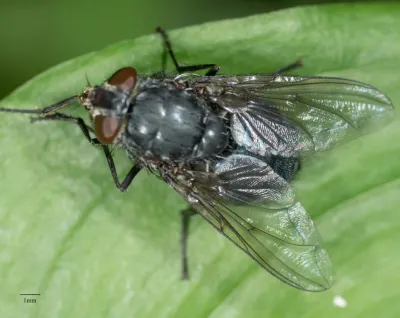
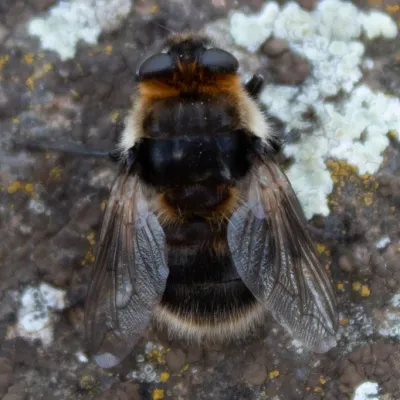
Other Flies
Explore other species in the flies family
Commonly Confused With
Biting Midges are often mistaken for these similar pests
Where Biting Midges Are Found
Hover over states to see their names. Green regions indicate where biting midges have been reported.
Common Questions about Biting Midges
What are no-see-ums?
+
No-see-ums are biting midges in the family Ceratopogonidae. They got this nickname because they are so small (1-4 mm) that people often feel their painful bites without seeing the insect. They are also called sand flies, sand gnats, or punkies in different regions.
Why do no-see-um bites hurt so much?
+
Despite their tiny size, biting midges have sharp mouthparts that slice the skin to feed on blood. They inject saliva containing proteins that cause an intense burning or stinging sensation. Most people develop red, itchy welts that can last for several days.
What time of day do biting midges bite?
+
Biting midges are most active during dawn and dusk when wind speeds are low. They are weak fliers, so even a light breeze keeps them grounded. Some species also bite at night. They rarely bite during the middle of the day.
Where do biting midges breed?
+
Biting midges lay eggs in moist environments including salt marshes, mudflats, mangrove swamps, tree holes, and the edges of ponds and streams. Larvae develop in wet soil, rotting vegetation, or shallow water rich in organic matter.
Can window screens keep out no-see-ums?
+
Standard window screens with 16-mesh wire have openings too large to stop biting midges. You need fine-mesh screens (at least 20-mesh or smaller) specifically designed for no-see-ums. Even then, the smaller openings can reduce airflow significantly.
Do biting midges spread diseases?
+
In the United States, biting midges do not transmit diseases to humans. However, they are important disease carriers for livestock, spreading bluetongue virus to cattle and sheep. In tropical regions outside North America, some species can transmit parasites to humans.
What repellents work against biting midges?
+
DEET-based repellents provide the best protection against biting midges. Oil of lemon eucalyptus and picaridin also offer some effectiveness. Wearing long sleeves and pants during peak activity times adds another layer of protection.
How long do biting midge bites last?
+
Initial stinging from a bite lasts minutes to hours. The red, itchy welt that develops can persist for two to seven days in most people. Those with sensitivities may experience more severe reactions lasting longer. Avoid scratching to prevent secondary infection.

With five years of hands-on experience in the pest control industry, George Schulz is a registered technician with the Virginia Pest Management Association and a proud third-generation professional in a family business that's been protecting homes for over 57 years. He manages and trains a team of service pros while also leading internal research efforts—recently spearheading a deep-dive review of thousands of documents on pest control materials to hand-pick the most kid and pet friendly, most effective solutions tailored specifically for homes in the DC metro area.