Sticktight Fleas Identification Guide
Echidnophaga gallinacea
Sticktight fleas are small parasitic insects that attach firmly to their hosts and feed for extended periods. Also known as hen fleas, they primarily affect poultry but can infest dogs, cats, and occasionally bite humans.
Taxonomy
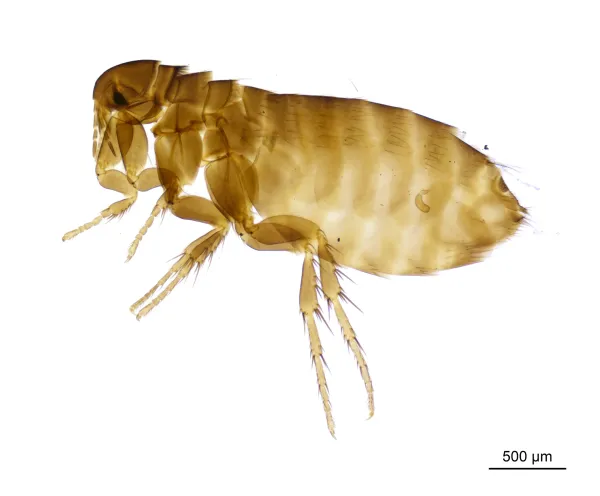
Sticktight Fleas Coloration
Common color patterns to help identify sticktight fleas
Sticktight Fleas
Seasonal Activity
When sticktight fleas are most active throughout the year

Where Sticktight Fleas Are Found
Hover over states to see their names. Green regions indicate where sticktight fleas have been reported.
Sticktight Flea Identification Guide
Physical Characteristics
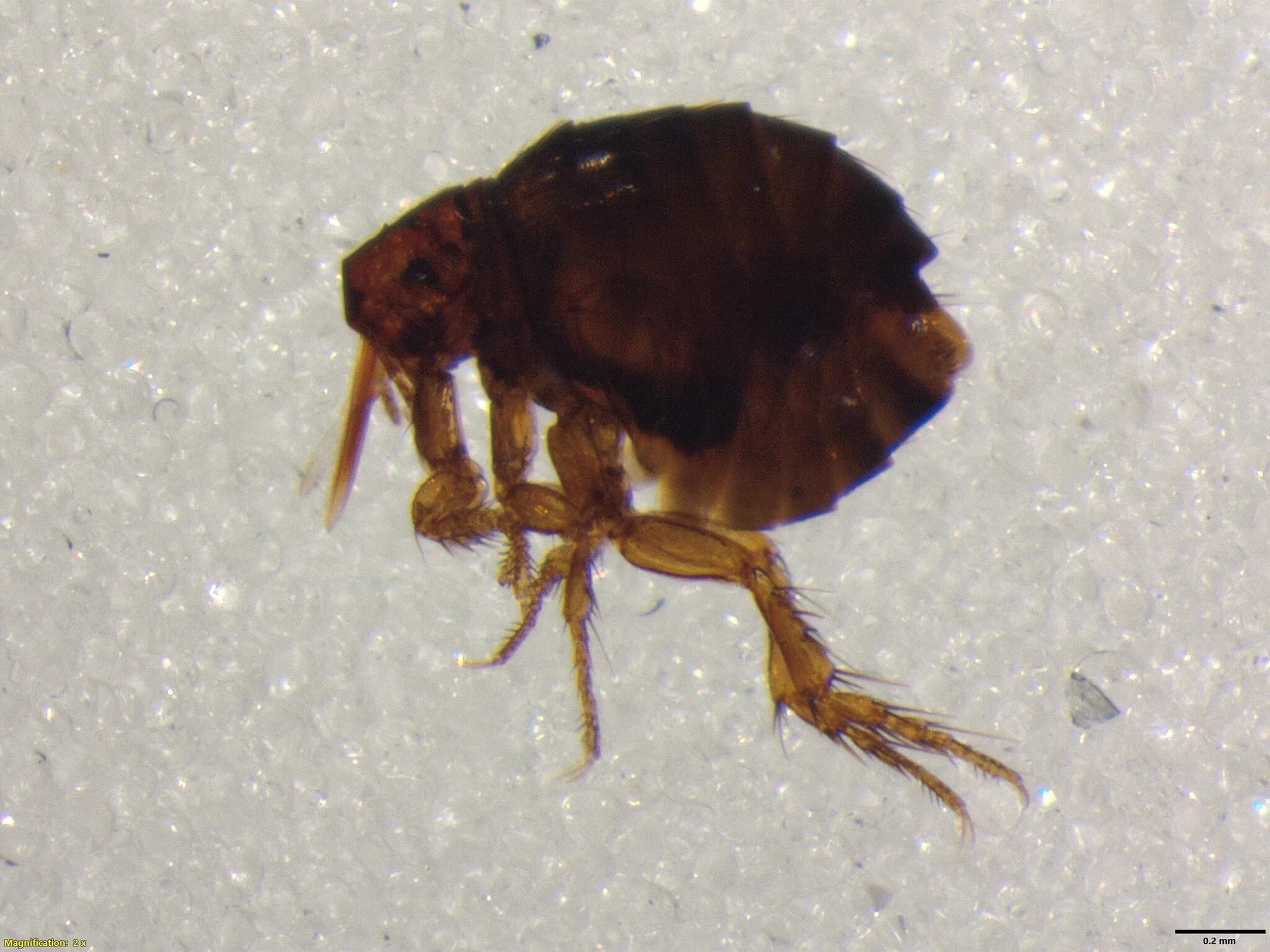
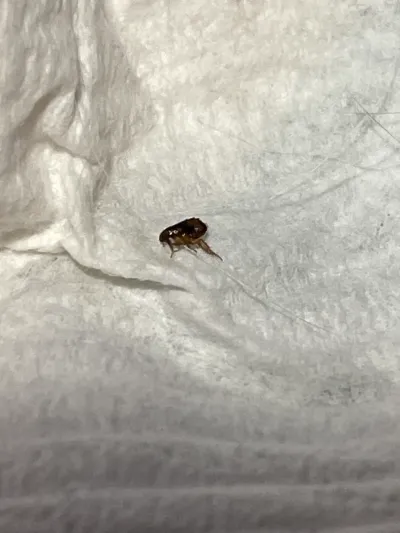
Sticktight fleas are some of the smallest fleas found on pets and farm animals. Adults measure just 1 to 2 millimeters long. That is about half the size of common cat fleas. Their bodies are dark brown to reddish-brown and flat from side to side like other fleas.
A few features set sticktight fleas apart from other types. Their heads are angular and flat at the front, not rounded. They do not have the rows of spines found on cat and dog fleas. Visit our main flea guide for more on how flea species differ. Instead, they have two pairs of large bristles behind their antennae.
Female sticktight fleas have special mouthparts with long, jagged edges. These let them dig deep into the host’s skin. Once attached, they stay in place for a long time. This is how they got their name. Males can also attach but tend to move around more.
Like all fleas, sticktight fleas have no wings but have strong back legs. They jump less often than other fleas. This is because they spend most of their adult life attached to one host.
Common Names
This flea species goes by several names:
- Sticktight flea - Most common name in the United States
- Stickfast flea - Common in Australia and other regions
- Hen flea - Refers to their primary host preference
- Poultry flea - Another name highlighting their association with chickens
Signs of Sticktight Flea Infestation
Sticktight flea infestations look different from typical flea problems:
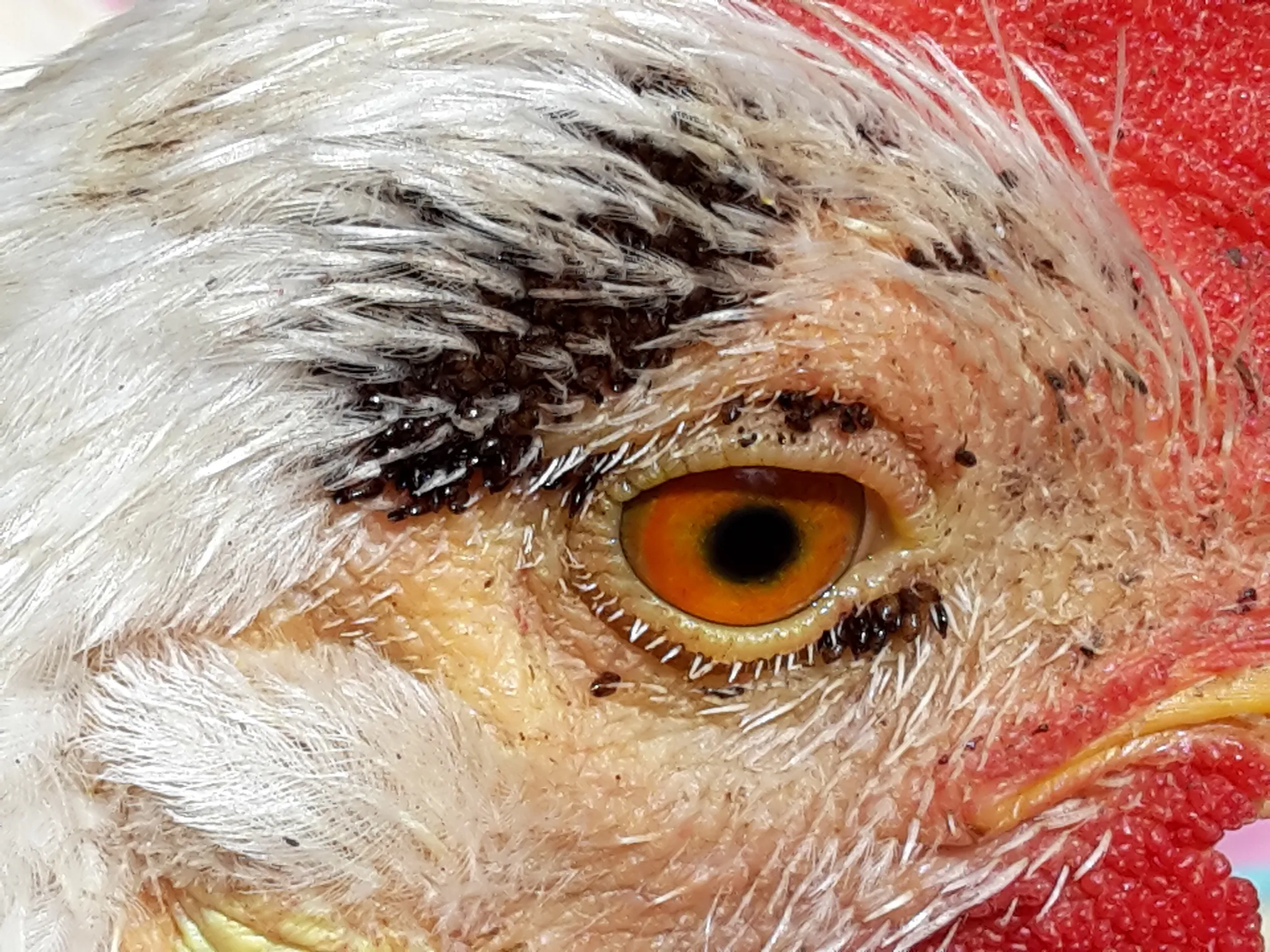
- Dark clusters: Groups of fleas look like dark raised bumps on bare skin
- On poultry: Check around eyes, combs, wattles, and bare spots on chickens
- On pets: Look at ear edges, between toes, and around the nose
- Skin problems: Red, swollen, or crusty skin where fleas attach
- Behavior: Affected animals may scratch a lot or seem upset
- Swollen eyes: Many fleas around the eyes can make them swell shut
Sticktight Flea Behavior and Biology
Life Cycle
Sticktight fleas go through four life stages: egg, larva, pupa, and adult. Their life cycle is different from other fleas. Adults stay attached to hosts for long periods instead of moving around.
Eggs are laid by female fleas while attached to the host. Some eggs fall to the ground. Others drop into skin sores made by the feeding flea. Each female makes eggs for up to 19 days. Eggs hatch in 3 to 14 days based on the weather.
Larvae are small, worm-like creatures that stay away from light. They live in chicken litter, soil, or animal bedding. Larvae eat debris and adult flea waste for 15 to 30 days. Then they spin cocoons.
Pupae grow inside cocoons covered with dirt and debris for hiding. This stage lasts 10 to 14 days in good conditions. It can last for months if no hosts are nearby. Warmth and movement tell them when to come out.
Adults come out and start looking for a host right away. Once females find a host, they dig their mouthparts into the skin and start feeding. They may stay attached for the rest of their lives, making eggs the whole time. The full life cycle takes 30 to 60 days in good conditions. A related species, Oriental Rat Flea, shares similar characteristics.
Host Preferences
Sticktight fleas can infest many warm-blooded animals, but they do have favorites:
Primary hosts:
- Chickens and other poultry
- Wild birds including sparrows, quail, and hawks
Secondary hosts:
- Dogs (especially those with poultry contact)
- Cats
- Rabbits
- Ground squirrels and other rodents
Occasional hosts:
- Pigs
- Horses
- Humans
On chickens, sticktight fleas like bare skin areas where they can attach easily. They often group around the eyes, face, comb, and wattles. These groups can have dozens or even hundreds of fleas.
Habitat and Distribution
Sticktight fleas do well in warm, humid weather. In the United States, they are most common in southern and western states. This includes California, Florida, Texas, and the Gulf Coast. They can live further north in areas with mild winters or sheltered spots.
These fleas need organic matter like dirt and litter for their young to grow. They are most common where:
- Backyard or free-range poultry are kept
- Organic litter and bedding accumulate
- Shaded, moist areas exist near animal housing
- Wild birds frequent the property
Sticktight fleas are rare in big poultry farms that use wire cages and concrete floors. The larvae cannot grow without organic material. Other poultry-associated flea species include European chicken fleas and western chicken fleas.
Health Concerns from Sticktight Fleas
Effects on Poultry
Sticktight fleas can cause serious health problems for chickens and other poultry:
- Anemia: Heavy infestations cause blood loss that weakens birds
- Blindness: Fleas around the eyes cause swelling that stops birds from seeing
- Starvation: Blind birds cannot find food and may die
- Infections: Flea attachment sites can get infected
- Fewer eggs: Stressed hens lay fewer eggs
- Death: Bad infestations can kill young or weak birds
Effects on Dogs and Cats
Pets with sticktight flea infestations may experience:
- Strong itching and scratching where fleas attach
- Crusty, red skin and hair loss on ear edges
- Bacterial infections from scratching
- Pain from fleas stuck between toes
Effects on Humans
Human infestations are rare but can happen. Sticktight fleas may attach for a short time to people who handle infested animals. The bites cause:
- Itching and skin irritation
- Small red bumps
- Risk of infection if scratched
Sticktight fleas do not spread major diseases to people. Still, any flea bite can get infected.
Medical Disclaimer: This information is for educational purposes only and is not medical advice. Consult a healthcare provider if you experience unusual reactions to flea bites.
Treatment Methods for Sticktight Fleas
Good sticktight flea control means treating both the animals and their living space. These fleas attach firmly, so treatment works differently than standard flea control.
Removing Fleas from Animals
-
Manual removal: For small numbers of fleas, pull them out one by one with tweezers. Grip firmly near the skin and pull straight out. Put antibiotic cream on the spots after.
-
Topical treatments: Products with permethrin can help kill adult fleas. Only use products made for the type of animal you are treating. Keep all products away from eyes.
-
Veterinary help: For many fleas or fleas around the eyes, see a vet. They have the right tools to treat these areas without hurting the animal.
Environmental Control
To get rid of fleas for good, you need to break their life cycle in the environment:
- Remove organic debris: Clean out old litter, bedding, and waste where larvae grow
- Use hard flooring: Concrete or wire floors stop larvae from living in poultry housing
- Raise cages: Keep birds at least 3 feet off the ground away from larvae in the soil
- Treat the ground: Insecticides can cut down flea numbers in soil
- Burn infested material: Badly infested bedding should be burned, not composted
Prevention Strategies
- Keep pets away from chicken coops and poultry areas
- Keep animal housing clean and dry
- Take out old bedding often
- Use raised wire cages for chickens when you can
- Check new birds for fleas before adding them to your flock
- Treat flea problems right away before they get worse
References and Further Reading
- Echidnophaga gallinacea - Veterinary Entomology
- Flea Infestation in Chickens - PoultryDVM
- Echidnophaga gallinacea - Wikipedia
- Controlling Fleas and Ticks Around Your Home - US EPA ticks
Other Fleas
Explore other species in the fleas family
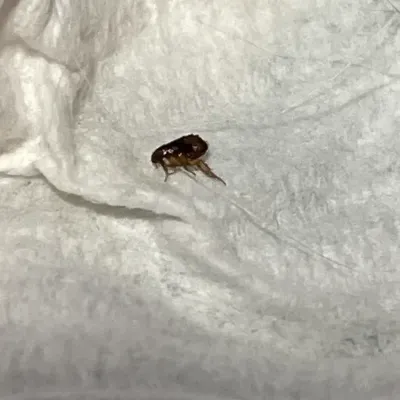
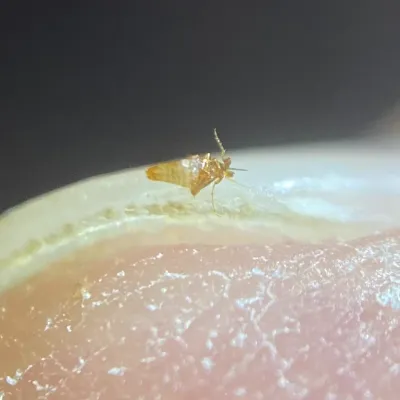
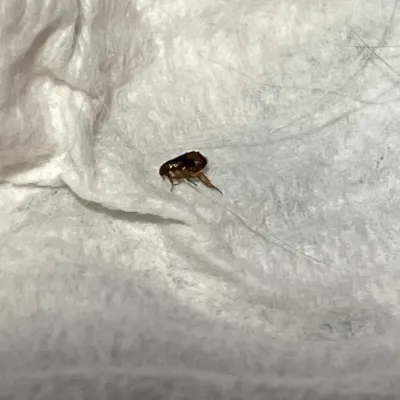
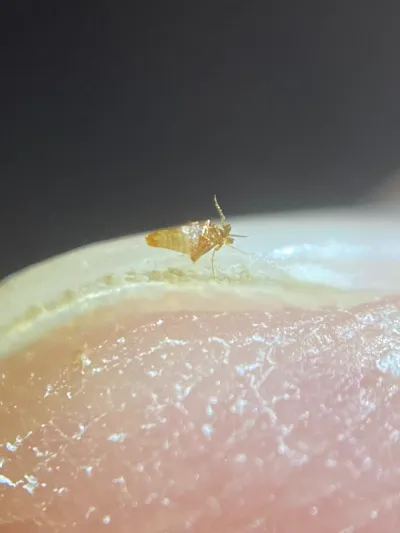
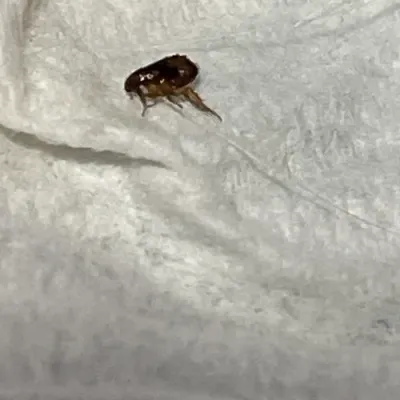
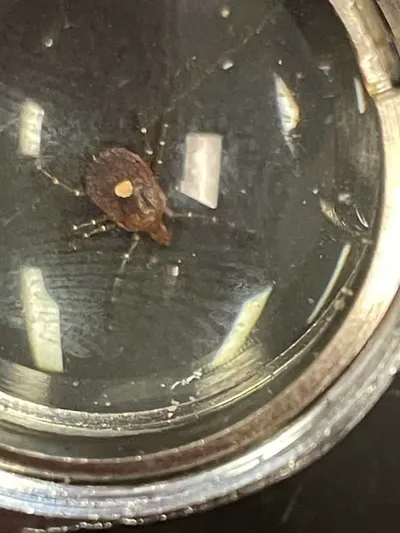
Commonly Confused With
Sticktight Fleas are often mistaken for these similar pests
Where Sticktight Fleas Are Found
Hover over states to see their names. Green regions indicate where sticktight fleas have been reported.
Common Questions about Sticktight Fleas
What makes sticktight fleas different from regular fleas?
+
Unlike most fleas that move freely on their hosts, sticktight fleas embed their mouthparts into the skin and remain attached for days or weeks. They form clusters on bare skin areas and cannot be easily brushed off. Their heads are more angular and they lack the combs found on cat and dog fleas.
Can sticktight fleas infest dogs and cats?
+
Yes, sticktight fleas can infest dogs and cats, though they prefer poultry. On pets, they typically attach around the ear margins and between toe pads. These fleas are more common in areas where pets have contact with chickens or other poultry.
Do sticktight fleas bite humans?
+
Sticktight fleas can bite humans, though we are not their preferred hosts. Human bites are most common when handling infested poultry. The fleas may attach briefly to feed but usually do not establish long-term infestations on people.
How do I remove sticktight fleas from my pet?
+
Remove sticktight fleas carefully with tweezers by grasping firmly and pulling straight out. Apply antibiotic ointment to the attachment sites to prevent infection. For heavy infestations, consult your veterinarian about flea treatments that work well for your pet.
Where do sticktight fleas come from?
+
Sticktight fleas typically come from contact with infested poultry or wild birds. They are common in areas with backyard chickens or free-range poultry. The fleas breed in organic material like litter, soil, and bedding where their larvae develop.
Are sticktight fleas dangerous?
+
Sticktight fleas can cause significant problems including skin irritation, blood loss, and secondary infections. Heavy infestations on poultry can lead to anemia, blindness from eye swelling, and even death. They are not known to transmit major diseases to humans or pets.
How do I prevent sticktight flea infestations?
+
Prevent sticktight fleas by keeping pets away from poultry areas, maintaining clean coops with minimal organic debris, and using raised wire cages for birds. Regular cleaning and removal of old bedding breaks the flea life cycle. Treat any infested animals promptly.

With five years of hands-on experience in the pest control industry, George Schulz is a registered technician with the Virginia Pest Management Association and a proud third-generation professional in a family business that's been protecting homes for over 57 years. He manages and trains a team of service pros while also leading internal research efforts—recently spearheading a deep-dive review of thousands of documents on pest control materials to hand-pick the most kid and pet friendly, most effective solutions tailored specifically for homes in the DC metro area.