Mouse Fleas Identification Guide
Leptopsylla segnis
Mouse fleas are small parasitic insects that primarily infest house mice and other rodents. Also known as the European mouse flea, they can transmit diseases including murine typhus and tapeworms to humans.
Taxonomy
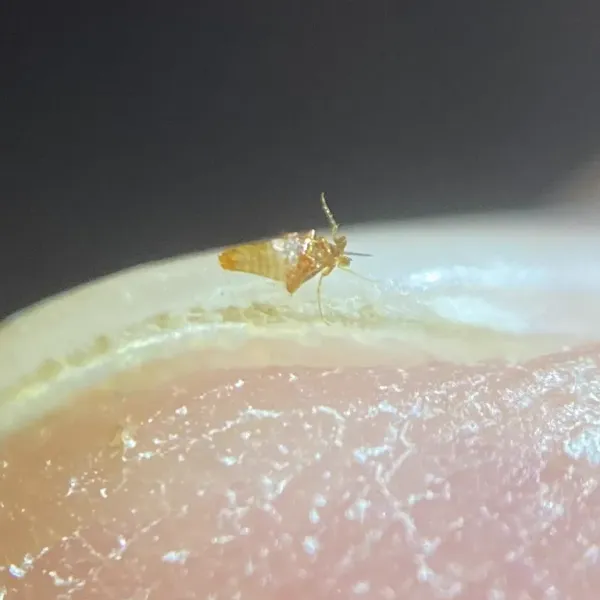
Mouse Fleas Coloration
Common color patterns to help identify mouse fleas
Mouse Fleas
Seasonal Activity
When mouse fleas are most active throughout the year
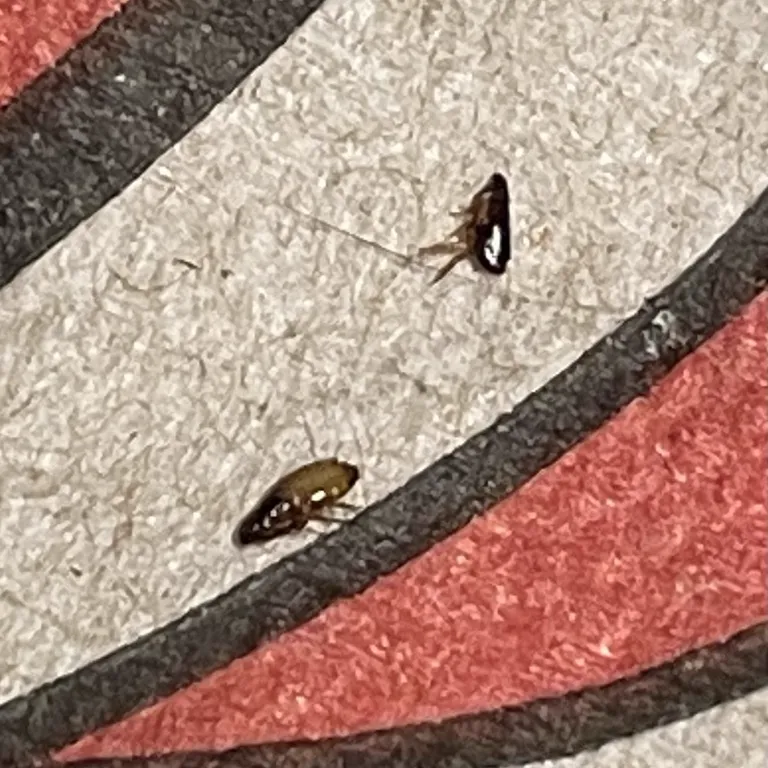
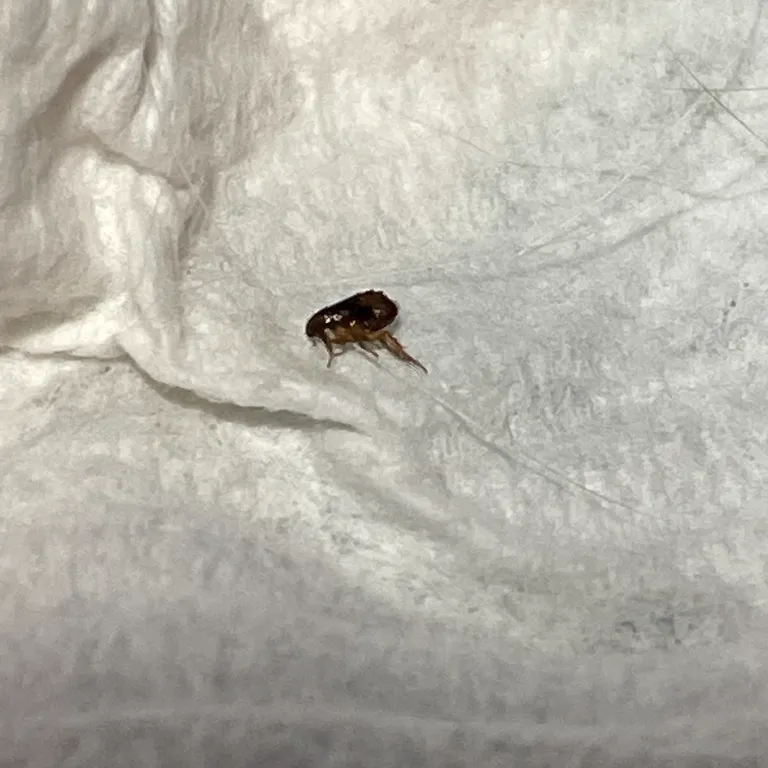

Where Mouse Fleas Are Found
Hover over states to see their names. Green regions indicate where mouse fleas have been reported.
Mouse Flea Identification Guide
Physical Characteristics
Mouse fleas, scientifically known as Leptopsylla segnis, are small wingless insects in the flea order Siphonaptera measuring 1.5 to 2.5 millimeters long. Like all fleas, their bodies are flattened from side to side. This shape helps them move through the fur of their rodent hosts.
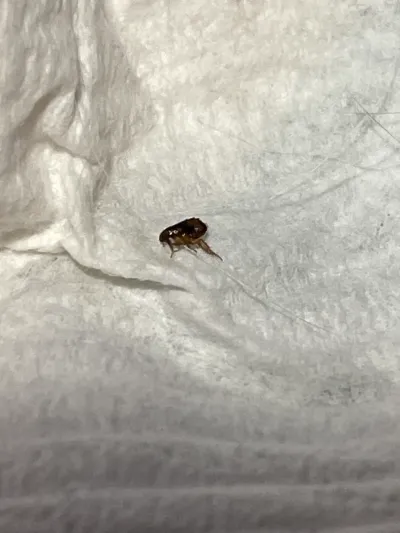
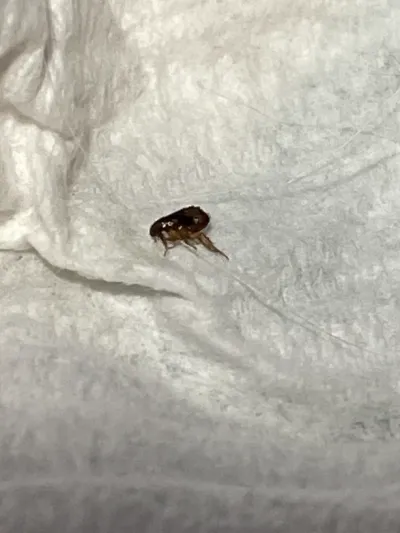
Adult mouse fleas are brown to dark brown in color. Their outer shell is hardened and covered with backward-pointing bristles. These bristles help them grip onto host fur and resist grooming. The body appears shiny when viewed under magnification.
One key feature that sets mouse fleas apart from cat and dog fleas is that they lack eyes. Most other household fleas have simple eyes that sense light and movement. Mouse fleas use other senses to get around. They also have a genal comb. This is a row of dark spines on the head. The mouse flea’s genal comb has only four spines. Cat fleas have eight or fewer.
Mouse fleas have strong hind legs adapted for jumping, though their jumping ability is not as impressive as some other flea species. Their mouthparts are designed for piercing skin and sucking blood from their hosts.
Mouse Flea vs Other Flea Species
Telling mouse fleas apart from other species requires a microscope. Here are the key differences:
- Cat fleas. Have simple eyes and a genal comb with eight or fewer spines. More commonly found on pets.
- Dog fleas. Similar to cat fleas with eyes present. Have a rounder head shape.
- Rat fleas. Belong to a different family (Pulicidae). Oriental rat fleas lack both genal and pronotal combs.
For most homeowners, the important distinction is that mouse fleas signal a rodent problem. If you find fleas but have no pets, mice or rats may be living in your home.
Signs of Mouse Flea Infestation
Several indicators suggest mouse fleas may be present:
- Flea bites without pets. Red, itchy bumps on ankles and lower legs in a home without cats or dogs.
- Evidence of mice. Droppings, gnaw marks, scratching sounds, or sightings of mice.
- Fleas in unusual areas. Finding fleas in basements or near walls rather than on furniture or pet bedding.
- Bites after rodent removal. A surge of flea bites often happens when mice are removed. Hungry fleas seek new hosts.
Mouse Flea Behavior and Biology
Life Cycle
Mouse fleas go through complete metamorphosis with four life stages: egg, larva, pupa, and adult. Understanding this cycle helps with control efforts.
Female mouse fleas start laying eggs within days of their first blood meal. Egg production peaks during the first week of feeding. A female can lay 15 to 17 eggs per day at her peak. Over her lifetime of about 23 days, one female can produce around 260 eggs. Females that live more than 40 days may produce over 400 eggs.
Eggs are laid in the host’s nest or nearby areas. They hatch into larvae within a few days to two weeks, depending on temperature and humidity. Larvae are small, worm-like creatures that avoid light. They feed on organic debris and flea feces, which contain dried blood.
After feeding and growing, larvae spin cocoons and enter the pupal stage. Pupae can remain dormant for extended periods until they detect a nearby host. Warmth, vibrations, and carbon dioxide trigger emergence.
Adult mouse fleas live an average of 22 to 23 days on females and about 19 days on males under laboratory conditions. Once they find a host, they tend to stay on that individual rather than moving between hosts frequently.
Host Preferences
Mouse fleas primarily parasitize the house mouse (Mus musculus). They have adapted to live closely with mice in their nests and burrows. This makes them common in buildings where mice have established populations.
While house mice are the preferred host, mouse fleas will bite other small rodents and people when mice are not around. These fleas tend to stay on one host and feed for long periods. They do not jump between hosts often.
Seasonal Activity
Unlike cat fleas that show strong seasonal peaks in summer, mouse fleas maintain relatively steady activity throughout the year. This is because their rodent hosts live indoors, providing stable temperature and humidity conditions. Mouse populations in buildings can support flea populations year-round.
However, flea numbers may increase during times of higher mouse activity, such as when rodents move indoors seeking shelter in fall and winter.
Health Risks from Mouse Fleas
Disease Transmission
Mouse fleas can transmit several diseases to humans, making them more than just a nuisance:
Murine Typhus. Mouse fleas can spread Rickettsia typhi, the bacteria that causes murine typhus. Studies show that mouse fleas spread this disease as well as rat fleas do. The bacteria grow in the flea’s gut and pass out in feces. You can get infected when flea waste gets into bite wounds or when you breathe it in.
Tapeworms. Mouse fleas can carry rodent tapeworms. People can get infected by swallowing infected fleas by accident. This can happen when children play in areas where mice have been.
Bite Reactions
Mouse flea bites cause small red bumps that are often itchy. Some people develop allergic reactions with more severe swelling and itching. Bites typically appear on the lower legs and ankles but can occur anywhere on the body.
In rodent-rearing facilities, large mouse flea populations can cause anemia in their hosts. However, in typical home settings, the main concern is disease transmission rather than blood loss.
Medical Disclaimer: This information is for educational purposes only and is not medical advice. If you experience unusual reactions to flea bites or suspect a flea-related illness, consult a healthcare provider.
How We Treat for Mouse Fleas
Effective mouse flea control requires addressing both the fleas and their rodent hosts. Treating only for fleas without eliminating mice will not solve the problem, as new fleas will continue to emerge from rodent nests.
-
Thorough inspection. Our technicians look for signs of rodent activity. This includes entry points, nesting sites, and travel routes. We also find flea hot spots where eggs and larvae build up.
-
Rodent control. We use trapping and exclusion methods to get rid of mice. Sealing entry points keeps new mice from moving in and bringing more fleas.
-
Flea treatment. Once rodent activity is under control, we treat infested areas. Our products kill adult fleas and stop young fleas from growing. Insect growth regulators break the breeding cycle.
-
Nest removal. Taking out rodent nesting materials gets rid of major flea breeding sites. This includes nests in wall voids and other hidden areas.
-
Follow-up visits. Flea pupae can stay dormant in cocoons for a long time. Follow-up treatments catch new adults before they can breed.
-
Customer guidance. We give tips for cleaning that help treatment work better. This includes vacuuming areas where mice were active and throwing out dirty materials.
Getting rid of mouse fleas takes a two-part approach. You must control both the fleas and the mice that carry them.
References and Further Reading
Other Fleas
Explore other species in the fleas family
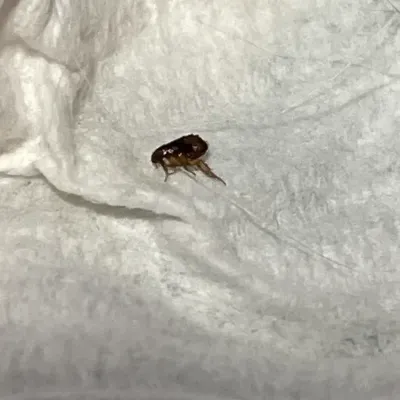
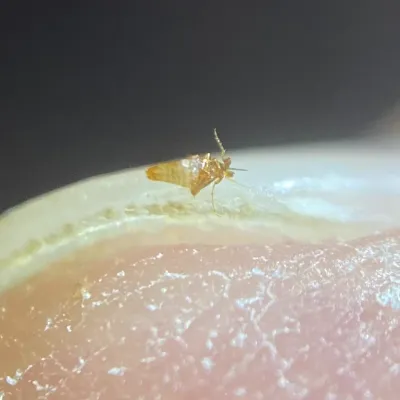
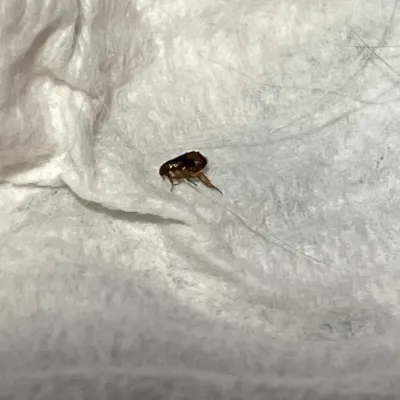
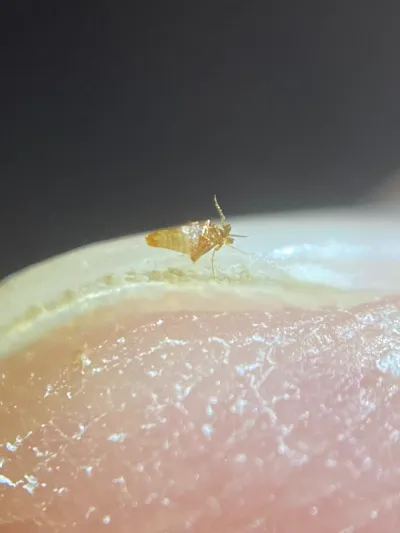
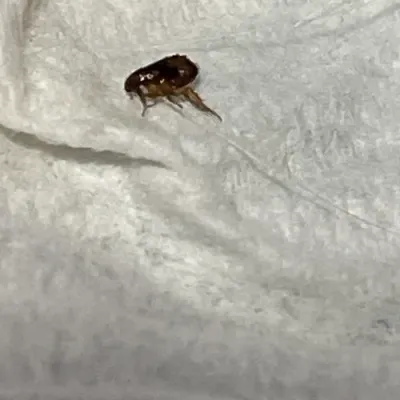
Commonly Confused With
Mouse Fleas are often mistaken for these similar pests
Where Mouse Fleas Are Found
Hover over states to see their names. Green regions indicate where mouse fleas have been reported.
Common Questions about Mouse Fleas
How do I know if I have mouse fleas in my home?
+
Mouse fleas usually indicate a rodent problem. Look for signs of mice first, such as droppings, gnaw marks, or scratching sounds. If you have flea bites but no pets, mice may be the source. A professional inspection can identify both the flea species and any rodent activity.
Can mouse fleas live on cats or dogs?
+
Mouse fleas prefer rodent hosts and do not typically infest cats or dogs for long periods. However, they can bite pets temporarily. If your pet has fleas but you also have a mouse problem, the fleas are more likely cat fleas, which are the most common species affecting household pets.
Do mouse fleas bite humans?
+
Yes, mouse fleas will bite humans when their preferred rodent hosts are not available. Bites appear as small red bumps, often on the lower legs and ankles. The bites can be itchy and may cause allergic reactions in sensitive individuals.
What diseases can mouse fleas transmit?
+
Mouse fleas can transmit murine typhus through their feces, which enter the body through bite wounds or scratching. They can also carry tapeworm larvae that infect humans if accidentally swallowed. These fleas have been studied for their role in spreading Rickettsia bacteria.
How do I get rid of mouse fleas?
+
Effective mouse flea control requires addressing the rodent infestation first. Without eliminating mice, fleas will continue to reproduce. Professional pest control should include rodent exclusion, trapping, and flea treatment of infested areas.
Where do mouse fleas hide in my home?
+
Mouse fleas live mainly in rodent nests and the areas where mice travel. Check basements, wall voids, crawl spaces, and areas behind appliances. Flea eggs, larvae, and pupae build up in these hidden spots along with rodent nesting materials.
How are mouse fleas different from cat fleas?
+
Mouse fleas belong to a different family (Leptopsyllidae) than cat fleas (Pulicidae). They are slightly smaller and have distinctive features including a genal comb with only four spines. Notably, mouse fleas lack eyes, while cat fleas have simple eyes. However, telling them apart requires magnification.

With five years of hands-on experience in the pest control industry, George Schulz is a registered technician with the Virginia Pest Management Association and a proud third-generation professional in a family business that's been protecting homes for over 57 years. He manages and trains a team of service pros while also leading internal research efforts—recently spearheading a deep-dive review of thousands of documents on pest control materials to hand-pick the most kid and pet friendly, most effective solutions tailored specifically for homes in the DC metro area.