Dog Fleas Identification Guide
Ctenocephalides canis
Dog fleas are small, wingless parasitic insects that primarily infest dogs and other canines. Though less common than cat fleas in North America, they remain an important pest of outdoor and rural dogs.
Taxonomy
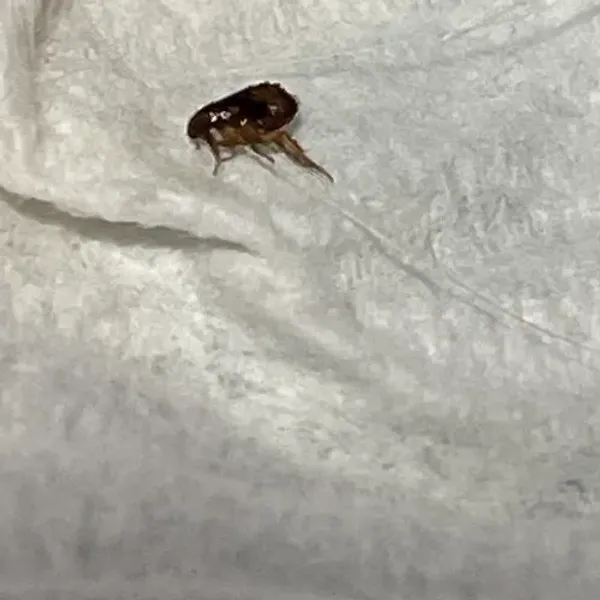
Dog Fleas Coloration
Common color patterns to help identify dog fleas
Dog Fleas
Seasonal Activity
When dog fleas are most active throughout the year

Where Dog Fleas Are Found
Hover over states to see their names. Green regions indicate where dog fleas have been reported.
Dog Fleas Identification Guide
Physical Characteristics
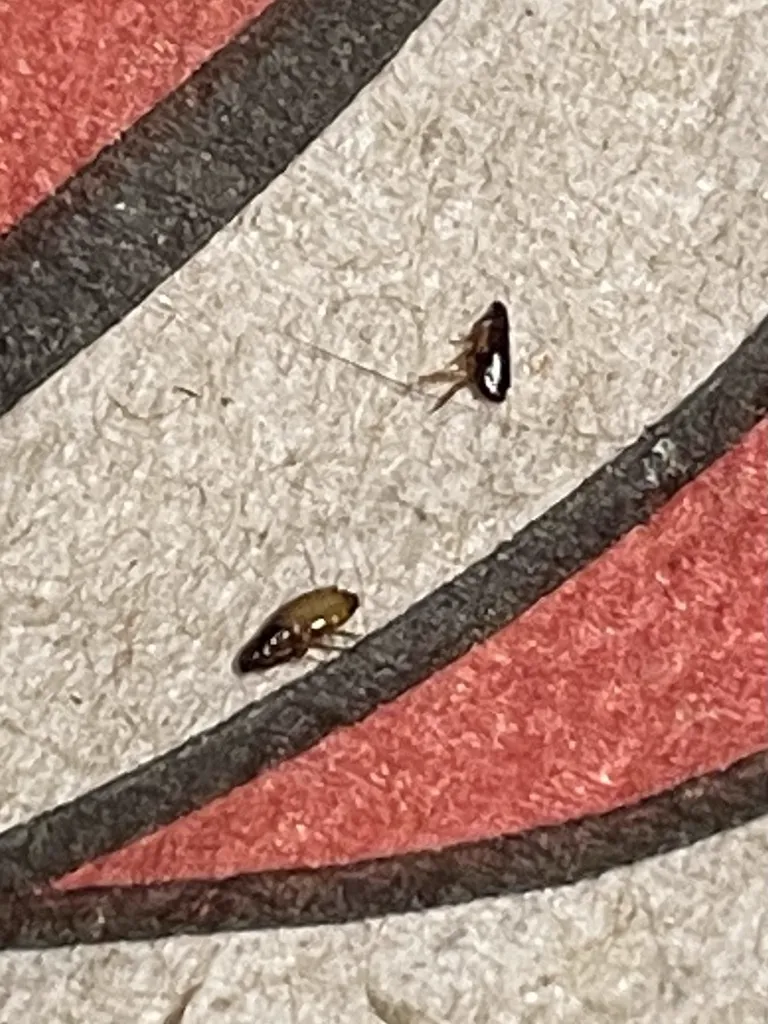
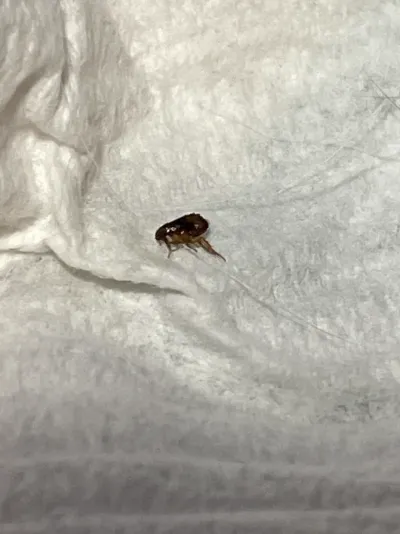
Dog fleas are small, wingless insects in the flea order Siphonaptera. They measure 2 to 3.25 millimeters long, about the size of a sesame seed. Their bodies are flat from side to side. This shape helps them slip through animal fur with ease. Adult dog fleas are reddish-brown to dark brown. They turn darker after feeding on blood.
To tell dog fleas apart from cat fleas, you need a microscope. Dog fleas have a rounded head shape. Cat fleas have a longer, more oval head. Dog fleas also have eight small notches on their back legs, while cat fleas have only six.
Both types of fleas have rows of backward-pointing spines on their head and body. These spines help the flea hold onto hair and avoid being scratched off.
Dog fleas have strong back legs built for jumping. A single flea can jump up to 6 inches high and 13 inches forward. This helps them move between hosts and escape threats.
Dog Fleas vs Cat Fleas
Here is a surprising fact: most fleas found on dogs in North America are cat fleas, not dog fleas. Studies show that over 95% of fleas on dogs in the United States are cat fleas. True dog fleas are much less common in homes.
The two species look the same without a microscope. Key differences include:
- Head shape: Dog fleas have a rounded head. Cat fleas have a longer head.
- Leg notches: Dog fleas have 8 notches on the back legs. Cat fleas have 6.
- Spine length: The first head spine is shorter in dog fleas.
Dog fleas are more common in Europe, Ireland, and rural parts of the Americas. They tend to infest dogs that live outdoors, stay in kennels, or live near wildlife.
Dog Flea Behavior and Biology
Lifecycle
Dog fleas go through four life stages: egg, larva, pupa, and adult. The full cycle takes 2 to 4 weeks in warm, humid conditions. In cooler or drier weather, it can take several months.
Eggs: Female fleas start laying eggs within 1 to 2 days of their first blood meal. One female can lay hundreds of eggs in her lifetime. The eggs are white, oval, and very small (about 0.5 mm). They are not sticky, so they fall off the pet into carpets, bedding, and floor cracks. Eggs hatch in 3 to 4 days when conditions are right. A related species, Oriental Rat Flea, shares similar characteristics.
Larvae: Flea larvae are tiny, white, worm-like creatures without legs. They feed on debris in their surroundings, including dried blood from adult flea droppings. Larvae hide from light by burrowing into carpet fibers, cracks, and soil. They grow from about 1.5 mm to 5 mm over 10 days to 3 weeks. A related species, Rabbit Fleas, shares similar characteristics.
Pupae: After the larval stage, fleas spin sticky cocoons. Dust and debris stick to the cocoon, hiding it from view. The pupal stage usually lasts about 7 days. But pupae can stay dormant in their cocoons for months or even up to a year. They wait for signs of a nearby host before emerging. A related species, Northern Rat Flea, shares similar characteristics.
Adults: Adult fleas come out of their cocoons when they sense warmth, movement, or breath from a host. They must find a host and feed within hours to survive. Once on a host, adult fleas usually stay there for their whole life. Adults can live for several months with regular blood meals. A related species, European Chicken Fleas, shares similar characteristics.
Host Preferences A related species, Squirrel Fleas, shares similar characteristics.
Dog fleas can live on many mammals, not just dogs. Common hosts include dogs, wolves, coyotes, foxes, cats, rabbits, rats, and groundhogs. The flea prefers animals that spend time outdoors or near wildlife. A related species, Mouse Fleas, shares similar characteristics.
Dog fleas are pickier about their hosts than cat fleas. Cat fleas will feed on almost any warm-blooded animal. Dog fleas prefer dogs and their wild relatives. This may be why cat fleas are now the most common household flea worldwide.
Environmental Needs
Dog fleas do best in warm, humid weather. They grow fastest at 70 to 85 degrees with humidity above 70%. This is why flea problems are worst in late summer and early fall in most of North America.
Indoors, heated homes can support fleas year-round. Kennels, dog houses, and outdoor rest spots also provide good places for fleas to develop.
Health Risks from Dog Fleas
Flea Allergy Dermatitis
The most common problem caused by dog fleas is flea allergy dermatitis. This happens when dogs are allergic to flea saliva. Affected dogs scratch a lot, lose hair, and get red, inflamed skin. The rear end and tail area are usually hit hardest. Even one flea bite can cause a severe reaction in sensitive dogs.
Disease Transmission
Dog fleas can spread diseases to both pets and people:
Tapeworms: Dog fleas can carry tapeworm eggs. Dogs and sometimes children get infected by swallowing a flea. The tapeworm then grows in the gut.
Murine typhus: This bacterial illness spreads when flea droppings get into a bite wound. Symptoms include fever, headache, and rash.
Canine filariasis: Dog fleas can carry a type of roundworm that infects dogs. It usually causes only mild skin irritation.
Medical Disclaimer: This information is for learning purposes only. It is not medical or veterinary advice. See a doctor for health concerns. Talk to a vet about pet health issues related to fleas.
How We Treat for Dog Fleas
Good flea control means treating both the pets and the home. We target all life stages to break the breeding cycle and provide lasting results.
-
Assessment: Our technicians find where fleas are breeding. We check pet resting spots, kennels, and outdoor areas where dogs spend time.
-
Indoor treatment: We treat carpets, furniture, pet bedding areas, and floor cracks where eggs and larvae hide. We use products that stop young fleas from growing into adults.
-
Outdoor treatment: For homes with outdoor dogs or kennels, we treat shaded areas, spaces under decks, fence lines, and dog houses.
-
Pet coordination: Pets need treatment at the same time as the home. We suggest working with your vet to start or continue flea prevention for all pets.
-
Follow-up service: Flea pupae can hide in their cocoons for weeks. We often schedule follow-up visits 2 to 3 weeks later. This kills new adults before they can breed.
-
Prevention tips: We give homeowners tips on vacuuming, washing pet bedding, and keeping fleas from coming back. Our guide on how to get rid of fleas in your house covers these steps in detail.
References and Further Reading
Other Fleas
Explore other species in the fleas family
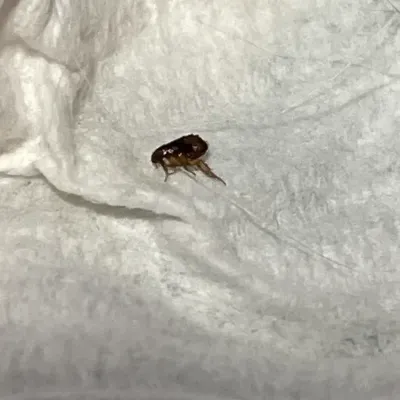
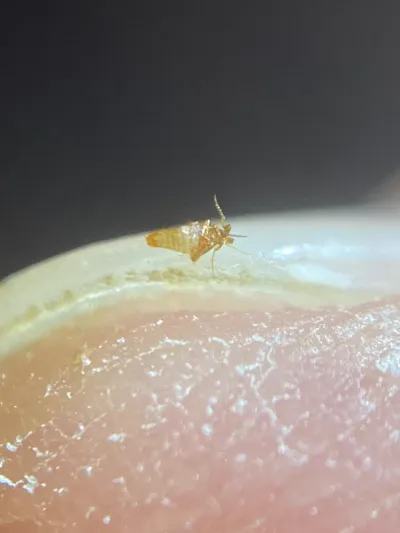
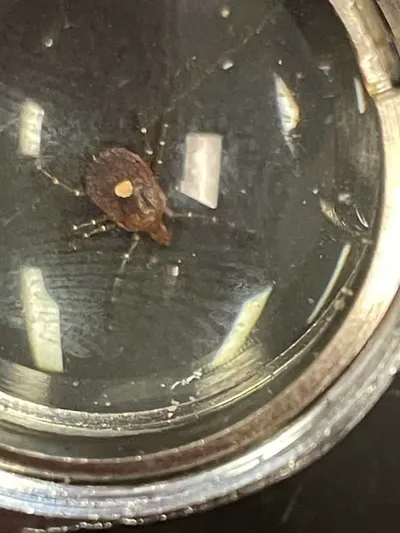
Commonly Confused With
Dog Fleas are often mistaken for these similar pests
Where Dog Fleas Are Found
Hover over states to see their names. Green regions indicate where dog fleas have been reported.
Common Questions about Dog Fleas
What is the difference between dog fleas and cat fleas?
+
Dog fleas (Ctenocephalides canis) have a more rounded head shape compared to the elongated head of cat fleas (Ctenocephalides felis). Dog fleas also have eight setae-bearing notches on their hind tibiae versus six on cat fleas. However, these differences require a microscope to see. In North America, most fleas found on dogs are actually cat fleas, not dog fleas.
Are dog fleas common in the United States?
+
Dog fleas are relatively uncommon in the United States compared to cat fleas. Over 95% of fleas found on dogs in the US are actually cat fleas. Dog fleas are more prevalent in Europe, Ireland, and rural areas where dogs spend significant time outdoors or in kennels.
Can dog fleas bite humans?
+
Yes, dog fleas can and will bite humans when their preferred canine hosts are unavailable. Their bites cause itchy, red welts typically on the lower legs and ankles. While dog fleas prefer dogs, they are opportunistic feeders that will bite any warm-blooded animal.
What diseases can dog fleas transmit?
+
Dog fleas can transmit several diseases and parasites including the dog tapeworm (Dipylidium caninum), murine typhus, and flea allergy dermatitis. They can also carry the nematode Acanthocheilonema reconditum, which causes a type of canine filariasis.
Where do dog fleas live when not on a host?
+
Dog flea eggs, larvae, and pupae develop in the environment, not on the host. They live in carpets, pet bedding, floor cracks, kennels, and outdoor areas where dogs rest. Adult fleas spend most of their lives on the host animal once they find one.
How can I tell if my dog has fleas?
+
Signs of flea infestation include excessive scratching, biting at the skin, hair loss (especially near the tail), visible fleas or flea dirt (dark specks) in the fur, and red irritated skin. You can check by combing your dog with a fine-toothed flea comb over a white surface.
How long do dog fleas live?
+
Adult dog fleas can live for several months when they have access to a host for blood meals. The complete lifecycle from egg to adult takes 2 to 4 weeks under ideal conditions but can extend to several months in unfavorable environments. Pupae can remain dormant for up to a year.
Are outdoor dogs more likely to get dog fleas?
+
Yes, dogs that spend significant time outdoors, live in kennels, or reside in rural areas are more likely to encounter true dog fleas. Indoor and urban dogs are more commonly infested with cat fleas, which are better adapted to modern living environments.

With five years of hands-on experience in the pest control industry, George Schulz is a registered technician with the Virginia Pest Management Association and a proud third-generation professional in a family business that's been protecting homes for over 57 years. He manages and trains a team of service pros while also leading internal research efforts—recently spearheading a deep-dive review of thousands of documents on pest control materials to hand-pick the most kid and pet friendly, most effective solutions tailored specifically for homes in the DC metro area.