Cat Fleas Identification Guide
Ctenocephalides felis
Cat fleas are the most common flea species in North America, infesting cats, dogs, and occasionally biting humans. Despite their name, they affect multiple host species and are responsible for over 90% of flea infestations in homes.
Taxonomy
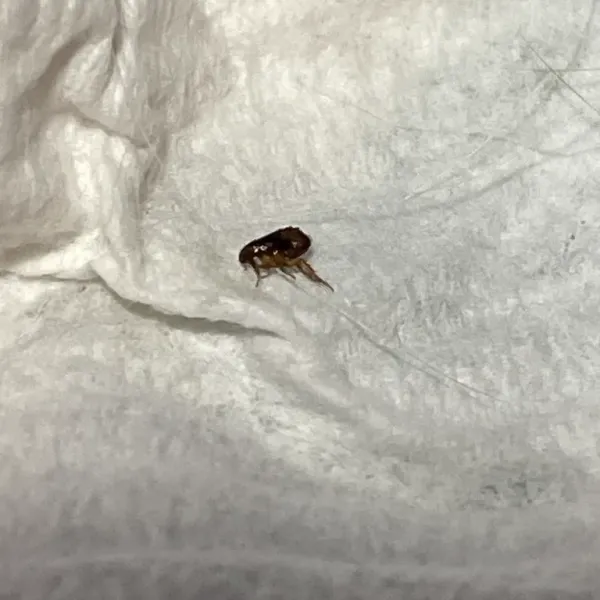
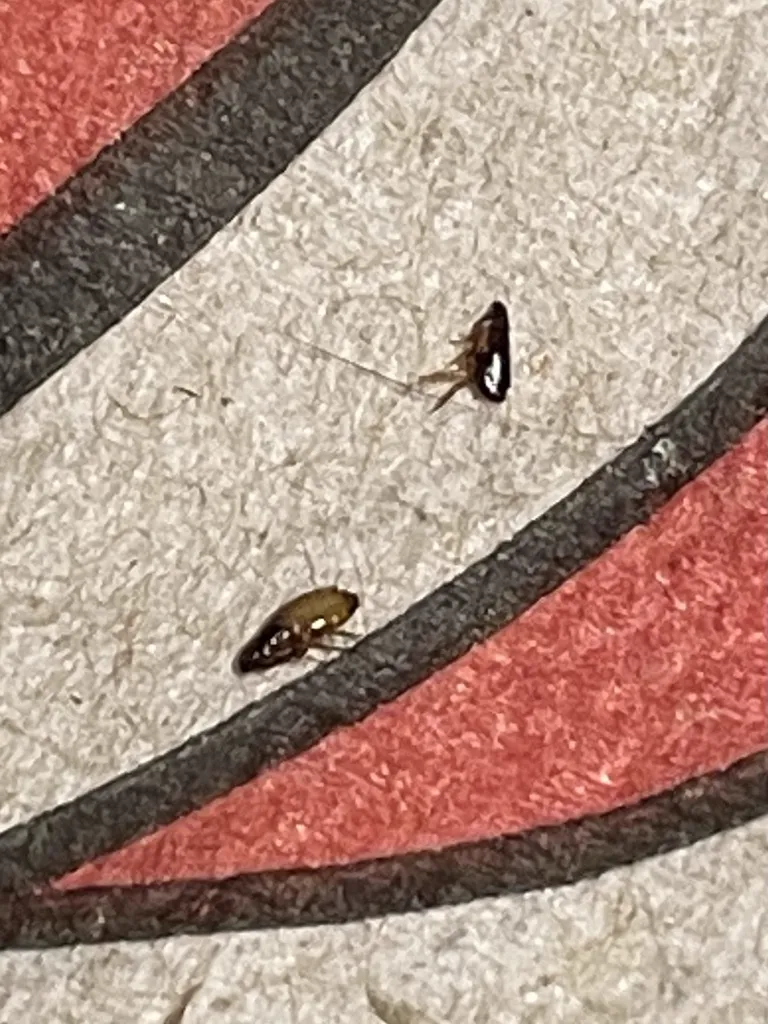
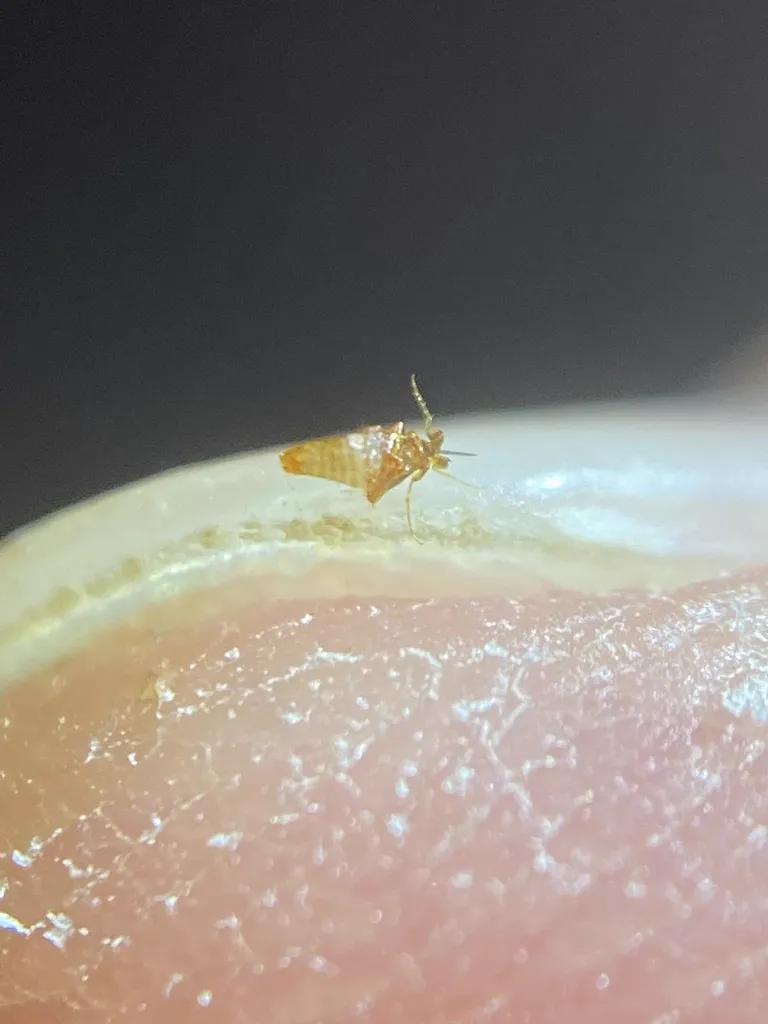
Cat Fleas Coloration
Common color patterns to help identify cat fleas
Cat Fleas
Seasonal Activity
When cat fleas are most active throughout the year

Where Cat Fleas Are Found
Hover over states to see their names. Green regions indicate where cat fleas have been reported.
Cat Flea Identification Guide
Physical Characteristics
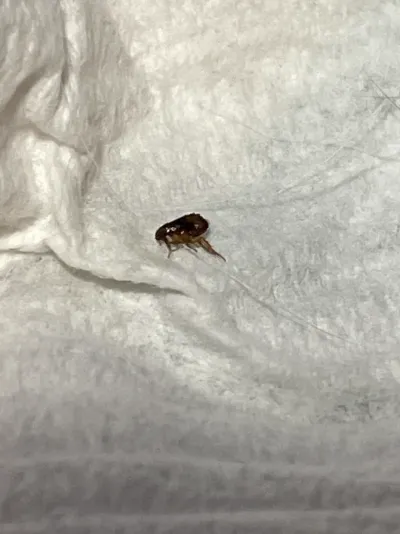
Cat fleas are the most common species within the broader flea family. These small, wingless insects measure about 1 to 3 millimeters long. Their bodies are flat from side to side. This shape helps them move fast through animal fur without getting stuck.
Adult cat fleas are reddish-brown to dark brown. They look darker after feeding on blood. Their outer shell has spines and bristles that point backward. These help them hold onto hosts and resist grooming. The body looks shiny and hard.
Cat fleas have strong back legs built for jumping. A flea can jump up to 150 times its body length. This lets them move between hosts and escape danger with ease. Their mouth is made for piercing skin and sucking blood. Unlike many insects, cat fleas have simple eyes instead of compound eyes.
One key feature is the genal and pronotal combs. These are rows of dark spines on the head and first body part. The genal comb on the head has eight teeth or fewer. This sets cat fleas apart from some other flea types.
Cat Flea vs Dog Flea
The dog flea (Ctenocephalides canis) looks almost the same as the cat flea. You need a microscope to tell them apart. The cat flea has a longer head shape. The dog flea has a rounder head.
For most homeowners, the difference does not matter. Cat fleas cause over 90% of flea problems in North America, even on dogs. Dog fleas are more common in Europe. Both types respond to the same treatments.
Signs of Cat Flea Infestation
Several signs indicate a cat flea problem in your home:
- Flea dirt: Small dark specks in pet fur or on bedding. These turn reddish-brown when wet because they hold digested blood.
- Excessive scratching: Pets scratch, bite, and groom more than normal.
- Hair loss: Bald patches may form from scratching, often near the tail base.
- Red bumps on skin: Flea bites show up as small red welts on ankles and lower legs.
- Live fleas: You may see small dark insects jumping on pets, furniture, or carpets.
- Restless pets: Infested animals seem uneasy and cannot settle down.
Cat Flea Behavior and Biology
Life Cycle
Cat fleas go through four life stages: egg, larva, pupa, and adult. Knowing this cycle helps with control because each stage needs a different approach.
Eggs are tiny white ovals about 0.5mm long. Females start laying eggs within 24 to 48 hours of their first blood meal. One female can lay 40 to 50 eggs per day. Over her life, she can produce hundreds of eggs. Eggs are laid on the host but are not sticky. They fall off into carpets, pet bedding, and areas where pets rest.
Larvae hatch from eggs in 2 to 12 days. The timing depends on heat and moisture. They are small, legless, worm-like creatures that avoid light. Larvae do not feed on blood. They eat debris and flea dirt, which is dried flea waste that contains blood. This stage lasts 5 to 20 days.
Pupae form when larvae spin silk cocoons. Debris sticks to the sticky surface for cover. Inside, larvae change into adults over 1 to 2 weeks. Pupae can stay dormant for months if no host is nearby. Heat, movement, and carbon dioxide cause them to emerge. A related species, Oriental Rat Flea, shares similar characteristics.
Adults come out of cocoons ready to feed. They must find blood within hours to survive. Once on a host, adult cat fleas usually stay there for life. Adults can live several weeks to months in good conditions. A related species, Rabbit Fleas, shares similar characteristics.
The full life cycle takes 30 to 75 days in good conditions. Warm temps (70 to 85 degrees) and high humidity (70% or more) speed things up. Cool or dry conditions slow growth a lot.
Feeding Behavior
Adult cat fleas must have blood to live. They cannot survive or breed without regular meals. Females need blood to make eggs. Both males and females feed many times per day.
Cat fleas prefer cats and dogs but will feed on rabbits, rodents, raccoons, and humans. While people are not ideal hosts, fleas will bite us when pets are not around. If you are dealing with fleas in your hair, cat fleas are almost always the species responsible.
When fleas feed, they pierce the skin and inject saliva. The saliva stops blood from clotting and helps them feed. These compounds cause the itchy allergic reaction that comes with flea bites.
Host Finding
Cat fleas find hosts using several cues. They sense body heat, carbon dioxide from breath, movement, and light changes. Pupae in cocoons can pick up these signals. They emerge within seconds when a host comes near.
This is why empty homes can have sudden bad flea outbreaks. Dormant pupae build up while hosts are away. When people or pets return, many adult fleas emerge at once. They all seek their first blood meal.
Environmental Requirements
Cat fleas do best in warm, humid places. They survive best when humidity is at least 50%, ideally 70% or more. Temps between 70 and 85 degrees help them grow fast.
Flea larvae dry out easily. They cannot live in low humidity. This is why flea problems are worse in humid climates and summer months. But homes with climate control can support fleas all year.
Health Risks from Cat Fleas
Flea Allergy Dermatitis
The most common health issue from cat fleas is flea allergy dermatitis (FAD). This is a reaction to proteins in flea spit. Pets and people with FAD get intense itching, redness, and skin swelling from just a few bites.
In pets, FAD often causes hair loss and skin damage near the tail, inner thighs, and belly. Pets may get skin infections from too much scratching. FAD is one of the top reasons for vet skin visits.
Some people also react to flea bites. Signs include clusters of itchy red bumps and hives. In bad cases, breathing can become hard. People with flea allergies should work hard to prevent problems.
Disease Transmission
Cat fleas can transmit several diseases to pets and humans:
Cat Scratch Disease (Bartonella henselae): Cat fleas spread this germ between cats. People get infected when scratched or bitten by a sick cat, especially if flea waste enters the wound. Signs include swollen lymph nodes, fever, and tiredness.
Murine Typhus: Fleas can spread Rickettsia typhi bacteria. This causes flu-like signs such as fever, headache, and rash. It is more common where rodents live.
Tapeworms: When pets or kids swallow infected fleas while grooming or playing, they can get tapeworms. The dog tapeworm Dipylidium caninum often spreads this way.
Anemia: Bad flea problems can cause major blood loss. This is most risky for young, small, or old animals. Severe cases can be fatal.
Medical Disclaimer: This information is for educational purposes only and is not medical advice. If you experience unusual reactions to flea bites or suspect a flea-related illness, consult a healthcare provider.
How We Treat for Cat Fleas
Good flea control targets all life stages. Killing only adult fleas leaves eggs, larvae, and pupae behind. Our approach treats the whole flea population.
-
Thorough inspection: Our techs find where pets spend the most time and spot flea hot spots. We check carpets, furniture, pet beds, and other areas where eggs and larvae build up.
-
Indoor treatment: We apply products to carpets, baseboards, furniture, and pet areas. Insect growth regulators (IGRs) stop eggs and larvae from becoming adults. This breaks the breeding cycle and gives lasting control.
-
Outdoor treatment: If pets go outside, we treat shaded areas, under decks, along fences, and mulched beds where fleas live. This stops fleas from coming back inside.
-
Follow-up visits: Pupae in cocoons resist treatment. Follow-up visits happen 2 to 3 weeks after the first service. This catches new adults before they can breed.
-
Pet coordination: Good flea control means treating pets at the same time as the home. Ask your vet about flea products for all pets. Untreated pets will keep making eggs that restart the problem.
-
Customer preparation: Homeowners help a lot with treatment success. We give tips for vacuuming, washing pet bedding, and getting the home ready. Daily vacuuming after treatment wakes up pupae and speeds results.
We offer free callbacks if fleas return between scheduled visits. For more tips on eliminating fleas from your home, see our guides on how to get rid of fleas in your house and how to kill fleas in carpet.
References and Further Reading
- Cat Flea - University of Florida IFAS Extension
- CDC - DPDx: Fleas
- The Biology and Ecology of Cat Fleas - NCBI
- Flea Lifecycles - CDC
- Controlling Fleas and Ticks Around Your Home - US EPA ticks
Other Fleas
Explore other species in the fleas family
Commonly Confused With
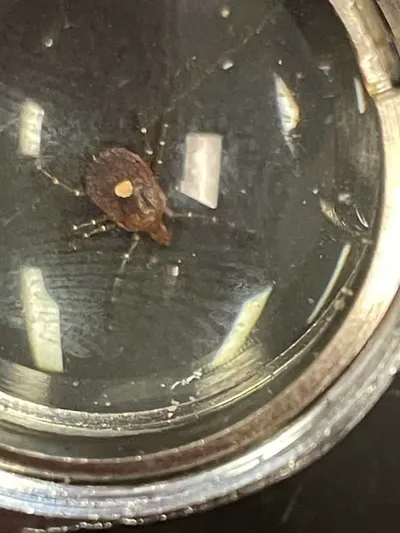
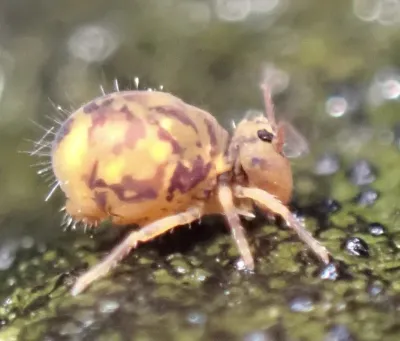
Cat Fleas are often mistaken for these similar pests
Where Cat Fleas Are Found
Hover over states to see their names. Green regions indicate where cat fleas have been reported.
Common Questions about Cat Fleas
How can I tell if my pet has cat fleas?
+
Look for excessive scratching, biting at the fur, or restlessness in your pet. Check the fur near the tail base and neck for tiny dark specks called flea dirt. Place these specks on a damp white paper towel - if they turn reddish-brown, they contain digested blood and confirm flea activity.
Can cat fleas live on dogs?
+
Yes, despite their name, cat fleas are the most common flea species found on dogs in North America. They can infest cats, dogs, rabbits, and many other warm-blooded animals. Over 90% of flea infestations on both cats and dogs involve this species.
Do cat fleas bite humans?
+
Cat fleas can and do bite humans, though we are not their preferred host. Bites typically appear as small red bumps on the lower legs and ankles. While fleas cannot reproduce on human blood alone, they will feed on people when pet hosts are unavailable.
How long can cat fleas survive without a host?
+
Adult cat fleas can survive only a few days without a blood meal. However, flea pupae in cocoons can remain dormant for up to five months waiting for a host. This is why homes can seem flea-free until people return from vacation and trigger mass emergence.
What diseases can cat fleas transmit?
+
Cat fleas can transmit cat scratch disease (Bartonella henselae), murine typhus, and tapeworms. Flea allergy dermatitis is the most common problem, causing intense itching and skin reactions in sensitive pets and people.
Why do cat fleas keep coming back after treatment?
+
Flea pupae in cocoons resist most treatments and can stay dormant for months. When adults are killed, new adults emerge from protected pupae over several weeks. Successful control requires treating pets consistently and following up on home treatments to catch emerging adults.
How fast do cat fleas reproduce?
+
Female cat fleas begin laying eggs within 24-48 hours of their first blood meal. One flea can lay 40-50 eggs per day, producing hundreds of eggs in her lifetime. Under ideal conditions, the complete life cycle from egg to adult takes just 30 days.
Where do cat fleas hide in my home?
+
Cat flea eggs, larvae, and pupae accumulate in carpets, pet bedding, furniture cushions, and floor cracks. Larvae avoid light and burrow deep into carpet fibers. The heaviest concentrations are found where pets rest and sleep regularly.

With five years of hands-on experience in the pest control industry, George Schulz is a registered technician with the Virginia Pest Management Association and a proud third-generation professional in a family business that's been protecting homes for over 57 years. He manages and trains a team of service pros while also leading internal research efforts—recently spearheading a deep-dive review of thousands of documents on pest control materials to hand-pick the most kid and pet friendly, most effective solutions tailored specifically for homes in the DC metro area.