Tropical House Crickets Identification Guide
Gryllodes sigillatus
Tropical house crickets are small, light brown crickets increasingly common in North American homes. Originally from southwestern Asia, they have spread worldwide through commercial cricket farming and often escape into residential areas.
Taxonomy
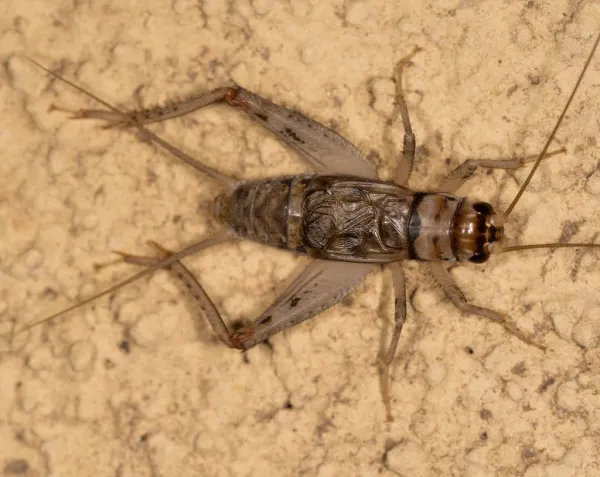
Tropical House Crickets Coloration
Common color patterns to help identify tropical house crickets
Tropical House Crickets
Seasonal Activity
When tropical house crickets are most active throughout the year
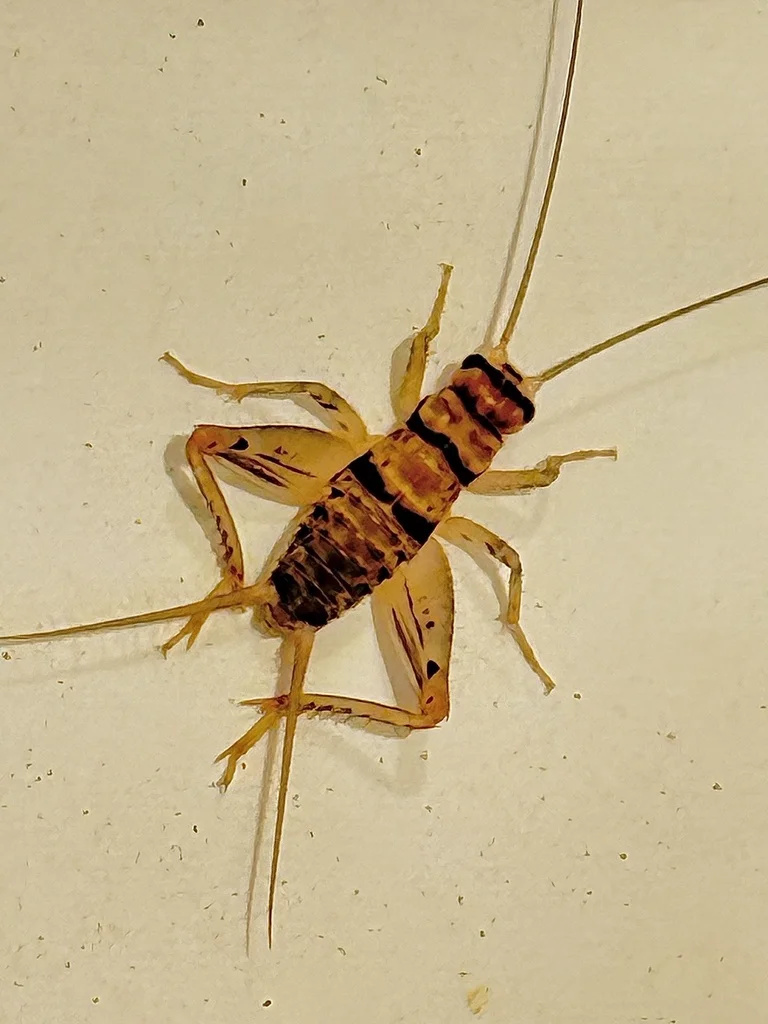
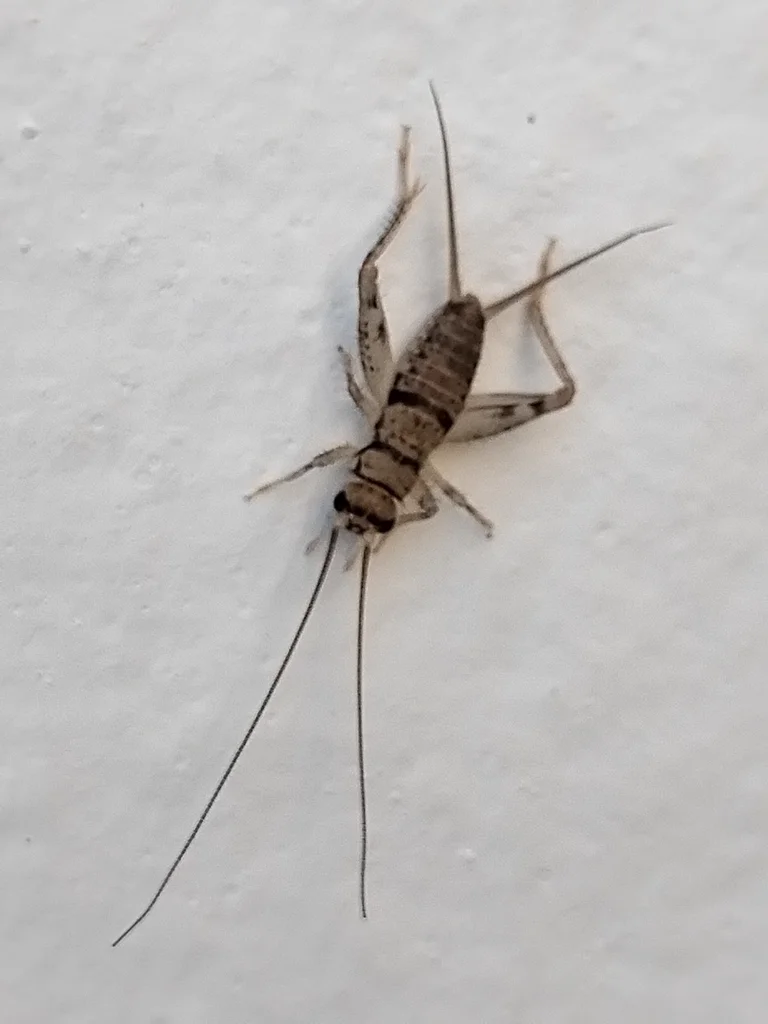
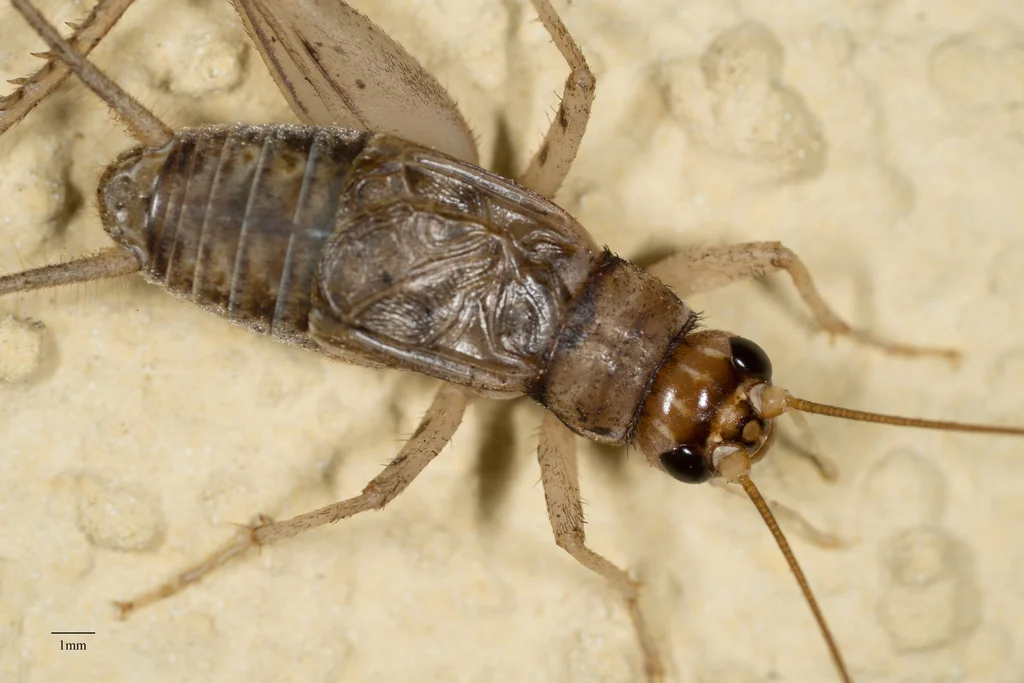

Where Tropical House Crickets Are Found
Hover over states to see their names. Green regions indicate where tropical house crickets have been reported.
Tropical House Cricket Identification Guide
Physical Characteristics
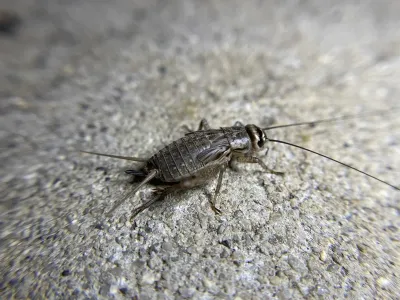
Tropical house crickets (Gryllodes sigillatus) are 13 to 18 millimeters long. That makes them a bit smaller than regular house crickets. They have light brown to tan bodies with dark bands or spots. You can spot dark markings on their head and upper body.
Both males and females have wings, but they rarely fly. Males use their wings to make chirping sounds. Females have a long, thin tube at their back end called an ovipositor. They use it to lay eggs in soil or small cracks.
Their antennae are thin and often longer than their body. They have six legs. The back legs are large and strong for jumping. Two thin tail-like parts called cerci stick out from their rear.
How to Tell Them Apart from Other Crickets
People often mix up tropical house crickets with other types:
-
House Crickets: These are larger (16-22mm) with an even tan color. They have three dark bands on the head and chirp at a lower pitch.
-
Field Crickets: These are dark brown or black and bigger. They chirp louder and deeper. They live outside but come indoors in fall.
-
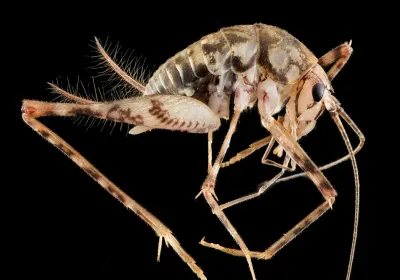
Camel Crickets: These have a humped back and no wings at all. They do not chirp. They like damp basements and crawl spaces.
Tropical House Cricket Behavior and Biology
Where They Come From
Tropical house crickets started in southwestern Asia. Now they live all over the world. In North America, they spread mostly through cricket farms. These farms raise them as food for pet reptiles and other animals. Some people also raise them as a protein source for human food. They replaced house crickets in many breeding operations after a virus devastated house cricket stocks. A similar invasion story played out with the greenhouse camel cricket, another Asian species that now dominates indoor populations.
When crickets get out of farms, pet stores, or homes, they can start new groups in the area. They do well indoors because they can live and breed in heated buildings.
Active at Night A related species, Southeastern Field Crickets, shares similar characteristics.
Tropical house crickets come out at night. During the day, they hide in dark, warm spots. After dark, they look for food and mates. Males rub their wings together to chirp and attract females. A related species, Spring Field Crickets, shares similar characteristics.
Their chirp is higher than a regular house cricket’s chirp. They chirp faster when it is warm. In a heated home, the chirping can go on all night. A related species, Jamaican Field Crickets, shares similar characteristics.
Life Cycle
Female crickets lay eggs in moist dirt, potting soil, or cracks. One female can lay 100 to 300 eggs in her life. Eggs hatch in 1 to 2 weeks.
Young crickets are called nymphs. They look like tiny adults without full wings. They shed their skin 8 to 10 times over 4 to 6 weeks as they grow. The whole life cycle takes about 2 months in warm places. Adults live 8 to 10 weeks.
In heated buildings, they can breed all year. This can lead to lasting problems if not treated.
What They Eat
Tropical house crickets eat many things:
- Fruits and vegetables
- Pet food and food scraps
- Fabric, especially dirty clothes
- Paper, cardboard, and wallpaper glue
- Dead bugs, including other crickets
They can chew holes in stored clothes and fabrics. Cotton, silk, wool, and synthetic items are all at risk. Items in damp or messy storage spots are most likely to be damaged.
Treatment Methods for Tropical House Crickets
Good control uses three steps: keeping them out, changing their habitat, and treating problem areas.
Inspection
A good check finds where crickets are hiding or active. Key spots to look at:
- Basements, crawl spaces, and garages
- Behind and under appliances
- Along baseboards and in corners
- Laundry rooms and utility areas
- Entry points around doors, windows, and foundations
Keeping Them Out
Sealing entry points stops crickets from getting in:
- Put door sweeps on outside doors
- Replace worn or missing weather stripping
- Seal cracks around foundations and windows
- Close gaps around pipes and wires
- Fix damaged screens
Changing Their Habitat
Making your home less inviting helps with long-term control:
- Turn down outdoor lights near doors, or switch to yellow bug lights
- Clear debris like leaf piles, wood stacks, and tall grass near the house
- Reduce moisture in basements and crawl spaces with dehumidifiers and better airflow
- Remove food sources by storing pet food in sealed bins and cleaning up spills
Treatment Options
Pest control treatments target where crickets hide and create barriers around your home. Indoor treatments focus on baseboards, cracks, and hiding spots. Outdoor treatments around the foundation help stop crickets before they get inside.
Sticky traps along walls and in corners help track activity. They also catch crickets that make it in.
If You Keep Feeder Crickets
If you raise crickets for pet food, keep them in escape-proof containers. Do not release extra crickets outside. If you think crickets are coming from a nearby farm or store, work with pest control experts to find the source.
References
Other Crickets
Explore other species in the crickets family
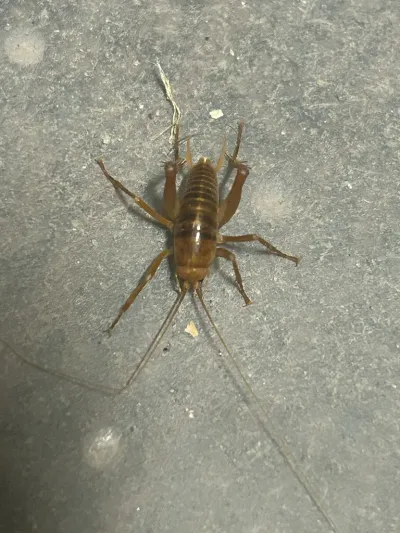
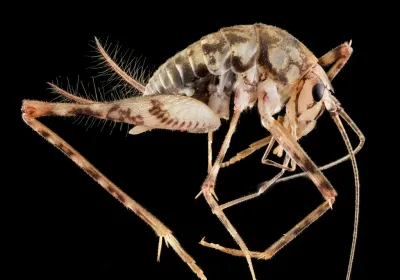
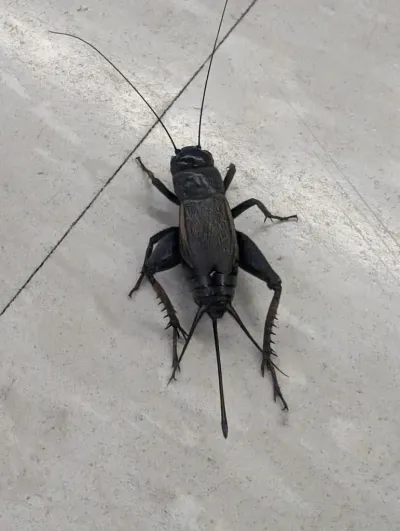
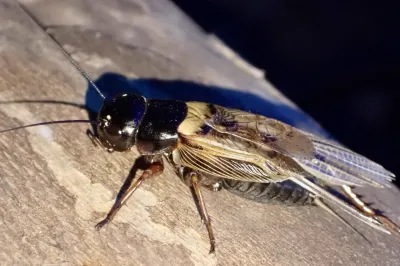
Commonly Confused With
Tropical House Crickets are often mistaken for these similar pests
Where Tropical House Crickets Are Found
Hover over states to see their names. Green regions indicate where tropical house crickets have been reported.
Common Questions about Tropical House Crickets
What is the difference between tropical house crickets and regular house crickets?
+
Tropical house crickets are slightly smaller (13-18mm vs 16-22mm) and have a more mottled, banded appearance compared to the uniform tan coloring of house crickets. Tropical house crickets also chirp at a higher pitch and can tolerate warmer temperatures. Both species behave similarly indoors, but tropical house crickets are becoming more common due to their use in commercial cricket farming.
Why are tropical house crickets in my home?
+
Tropical house crickets enter homes seeking warmth, moisture, and food sources. They are strongly attracted to lights at night, which draws them to entry points around doors and windows. If you live near a pet store, reptile supply company, or cricket breeding facility, escapees from these operations may be the source. They thrive in heated buildings year-round.
Are tropical house crickets harmful?
+
Tropical house crickets are not harmful to humans. They do not bite or transmit diseases. However, like other crickets, they can damage fabrics, paper, and wallpaper by chewing small holes. They prefer materials soiled with food or perspiration. Their chirping at night can also disturb sleep.
Do tropical house crickets carry diseases?
+
Tropical house crickets are not known to transmit diseases to humans. However, they can carry parasites that affect reptiles and amphibians. If you keep pet reptiles, buying feeder crickets from reputable sources helps reduce health risks to your animals.
How do I stop tropical house crickets from chirping?
+
Only male tropical house crickets chirp, rubbing their wings together to attract females. To stop the chirping, you need to eliminate the crickets. Lowering temperatures below 70 degrees Fahrenheit reduces chirping activity, but professional treatment is the most effective way to address an infestation.
Can tropical house crickets survive cold winters?
+
Tropical house crickets cannot survive freezing temperatures outdoors, but they thrive year-round in heated buildings. Unlike native field crickets that die in fall, tropical house crickets can establish permanent indoor populations in homes, commercial buildings, and greenhouses.
Where do tropical house crickets hide during the day?
+
Tropical house crickets hide in dark, warm locations during daylight hours. Common hiding spots include behind baseboards, under appliances, inside wall voids, beneath furniture, and in cluttered storage areas. They prefer areas with some moisture, such as basements, laundry rooms, and kitchens.

With five years of hands-on experience in the pest control industry, George Schulz is a registered technician with the Virginia Pest Management Association and a proud third-generation professional in a family business that's been protecting homes for over 57 years. He manages and trains a team of service pros while also leading internal research efforts—recently spearheading a deep-dive review of thousands of documents on pest control materials to hand-pick the most kid and pet friendly, most effective solutions tailored specifically for homes in the DC metro area.