Tree Crickets Identification Guide
Subfamily Oecanthinae
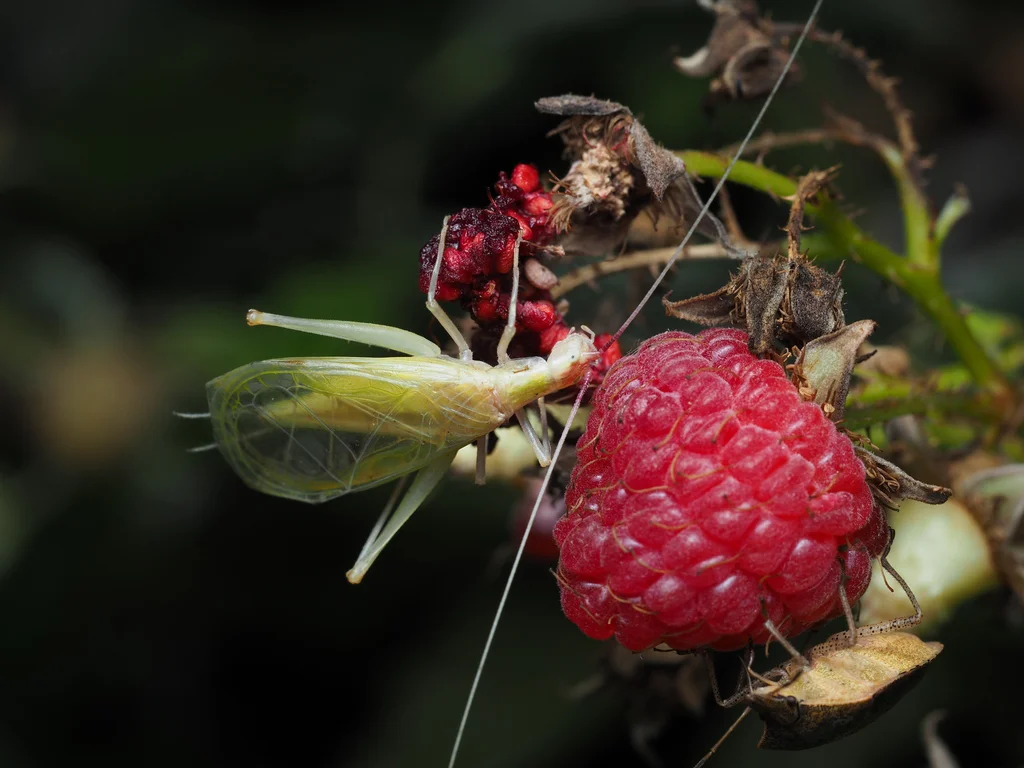
Tree crickets are delicate, pale green or tan insects known for their melodic chirping songs on warm summer nights. Though rarely household pests, they occasionally enter homes attracted to lights and can cause minor plant damage in gardens.
Taxonomy
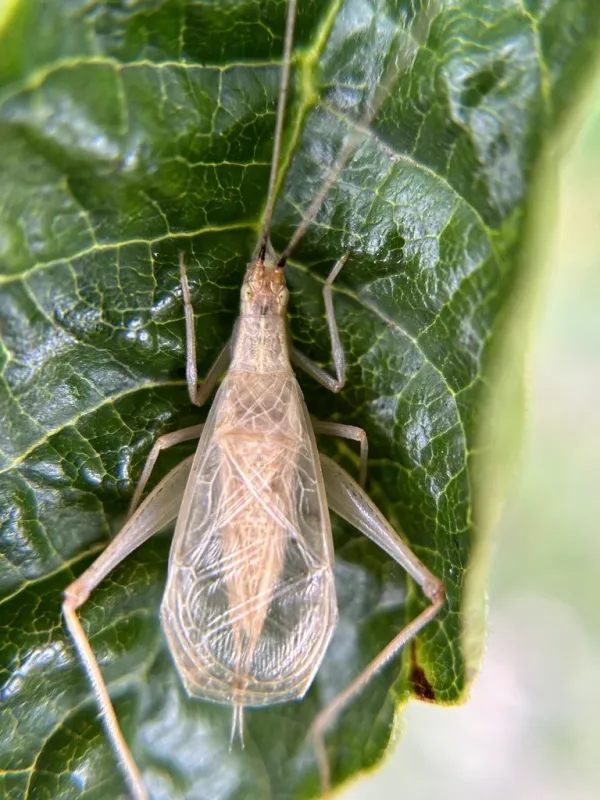
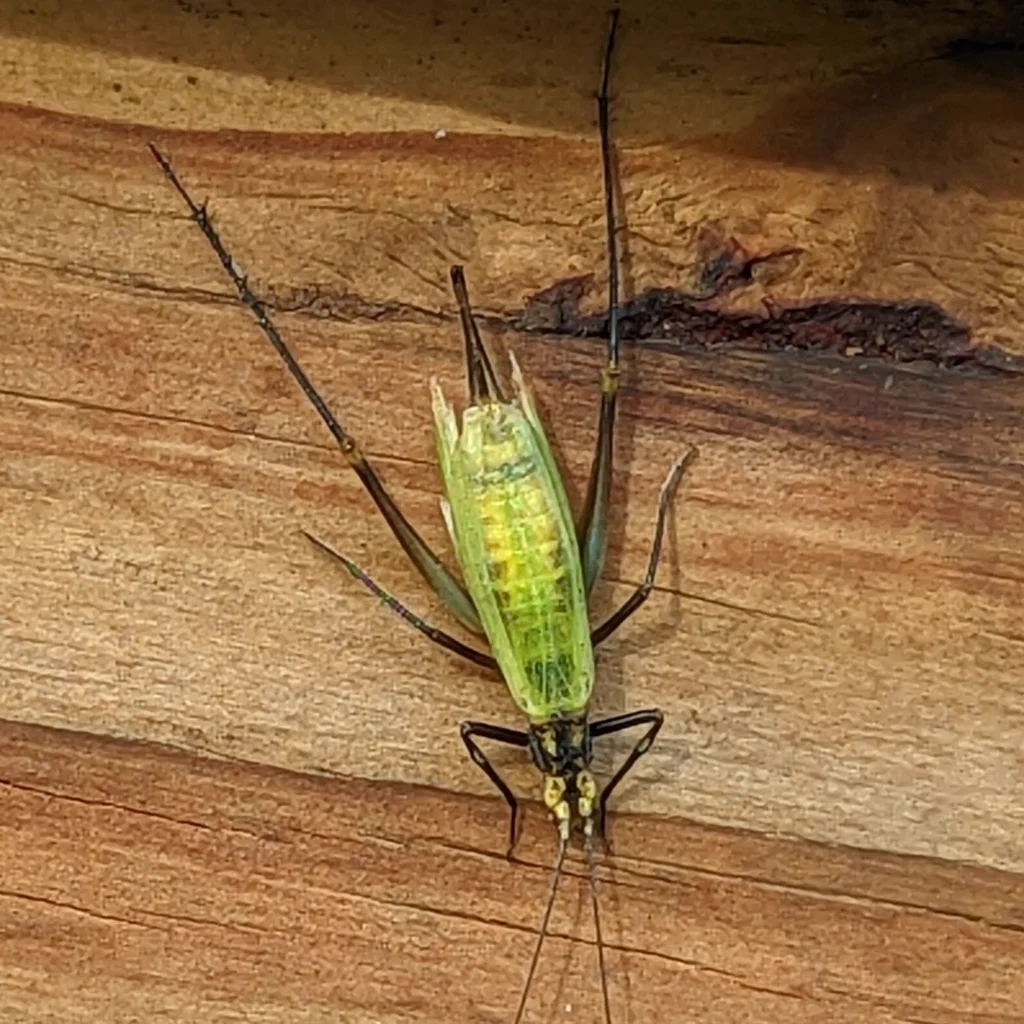
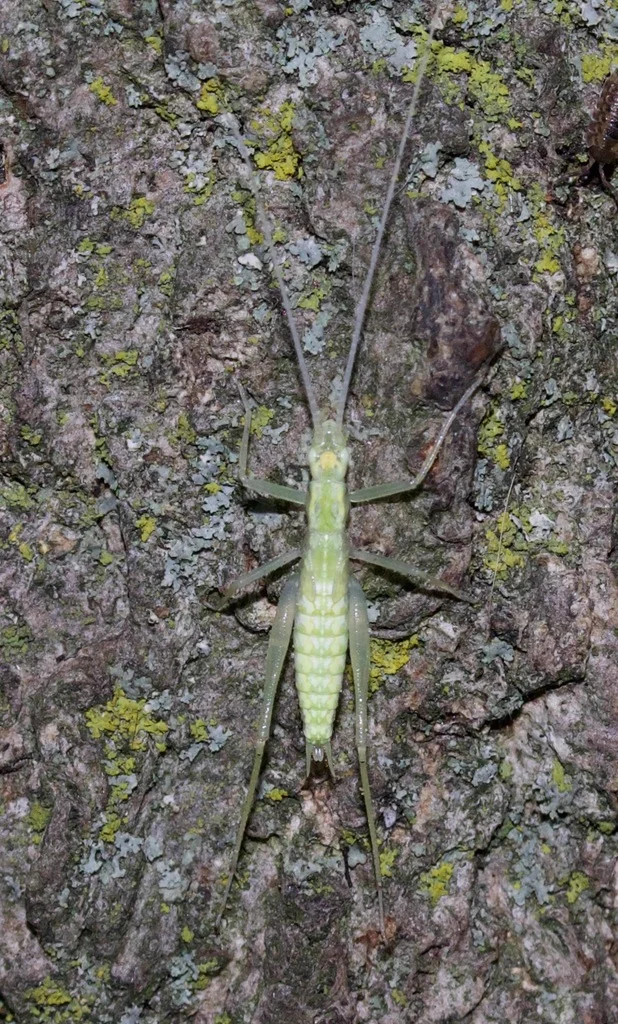
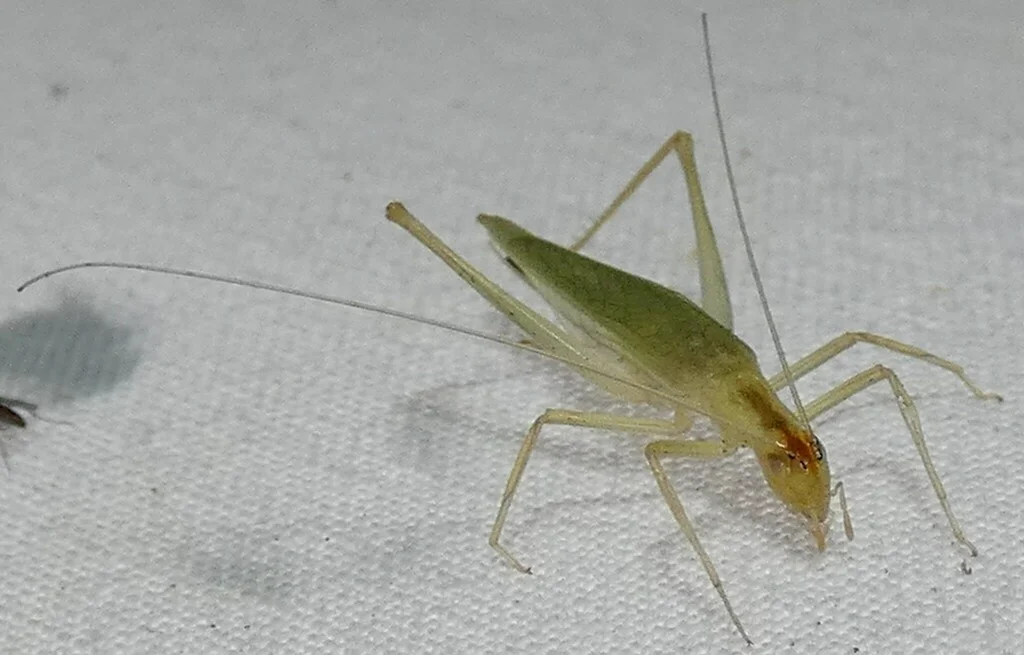
Tree Crickets Coloration
Common color patterns to help identify tree crickets
Tree Crickets
Seasonal Activity
When tree crickets are most active throughout the year

Where Tree Crickets Are Found
Hover over states to see their names. Green regions indicate where tree crickets have been reported.
Tree Cricket Identification Guide
Tree crickets are delicate, musical members of the cricket family. Unlike field crickets and house crickets, they live in trees, shrubs, and tall plants. Their pale coloring helps them blend in with leaves and stems.
Physical Characteristics
Tree crickets are 12 to 25 millimeters long. This makes them medium-sized compared to other crickets. Their bodies are slender and give them a fragile look. Most species in North America are pale green. Some are tan, cream, or light brown based on where they live.
Key features of tree crickets include:
- Long antennae that are often twice their body length
- See-through wings that lay flat on their backs when resting
- Strong hind legs built for jumping, though they often walk or fly instead
- Antennal markings that help identify different species
Male tree crickets have wider wings than females. Their wings have ridged surfaces that make sound when rubbed together. This is how they create their chirping songs.
Common North American Species
Several tree cricket species live across the United States and Canada:
Snowy Tree Cricket (Oecanthus fultoni) is the most famous species. It gets its name from its white to pale green color. People call it the “thermometer cricket” because its chirp rate changes with temperature.
Narrow-winged Tree Cricket (Oecanthus niveus) is common in eastern North America. You can identify it by a J-shaped marking on its first antenna segment.
Four-spotted Tree Cricket (Oecanthus quadripunctatus) lives across much of North America. It prefers weedy fields and garden edges over actual trees.
Black-horned Tree Cricket (Oecanthus nigricornis) has dark markings on its antennae. Despite its name, it lives in tall plants rather than trees.
Two-spotted Tree Cricket (Neoxabea bipunctata) belongs to a different genus. It lives in trees and tall shrubs across the eastern United States. A related species, Southeastern Field Crickets, shares similar characteristics.
Tree Cricket Behavior and Biology A related species, Greenhouse Camel Crickets, shares similar characteristics.
Habitat and Distribution A related species, Spring Field Crickets, shares similar characteristics.
Not all tree crickets live in trees despite their name. Some species prefer oak, maple, and fruit tree canopies. Others live in shrubs, raspberry canes, goldenrod, and other tall plants. Tree crickets like areas with thick vegetation that gives them food and hiding spots.
These insects live throughout North America, from southern Canada to Mexico. They are most common in areas with clear seasons. Tree crickets avoid dry desert regions but do well anywhere with enough moisture and plants.
Diet and Feeding
Tree crickets eat both plants and insects. This sets them apart from many other cricket species. Their diet includes:
- Aphids and other small soft-bodied insects
- Scale insects and their eggs
- Leaves, flowers, and fruits
- Pollen and fungal spores
Tree crickets eat aphids on roses, fruit trees, and vegetables. They also eat soft fruits like raspberries, strawberries, and grapes. This can cause surface damage to home orchards and berry patches.
Reproduction and Life Cycle
Tree cricket courtship uses both sound and scent. Males sing to attract females. When a female comes close, the male offers her a food gift. He releases a nutritious fluid from a gland on his body. While she feeds on this fluid, mating occurs.
After mating, females drill small holes into plant stems, bark, or canes. They lay eggs one at a time in these holes. This often creates rows of puncture marks on tender shoots. Each female may lay 50 to 100 eggs in her lifetime.
Eggs stay dormant through winter inside plant tissue. They hatch in spring when it warms up. The young nymphs look like small wingless adults. Nymphs molt 8 to 12 times over 2 to 3 months before becoming adults in late summer. Adults live only 6 to 8 weeks and die with the first fall frosts.
The Famous Cricket Thermometer
Tree crickets can tell you the temperature. Their chirp rate changes based on how warm it is. Physicist Amos Dolbear figured this out in 1897. His formula is simple: count the chirps for 13 seconds and add 40. This gives you the temperature in Fahrenheit.
This works because crickets are cold-blooded. Their muscles move faster when it is warm. On cool nights, chirps are slow with gaps between them. As it gets warmer, chirping speeds up until it sounds like a steady trill.
Treatment Methods for Tree Crickets
Tree crickets rarely need pest control. They spend most of their lives outdoors in plants and seldom become household pests. When they do enter homes, it is usually by accident after being drawn to lights.
Prevention Strategies
The best way to manage tree crickets is to prevent entry and reduce what attracts them:
- Change outdoor lighting to yellow “bug lights” that attract fewer insects, or use motion sensors so lights stay off most of the time
- Seal entry points around doors, windows, and pipes with weatherstripping, caulk, or foam
- Fix damaged screens to keep crickets from entering through open windows or doors
- Trim plants near your home, keeping at least two feet between shrubs and exterior walls
Managing Garden Damage
If tree crickets are damaging garden plants or fruit crops, try these steps:
- Check berry canes in late winter for rows of egg holes and prune out affected sections before eggs hatch
- Welcome birds and toads in your garden area since they eat crickets and their eggs
- Cover ripening fruit with netting or mesh bags to prevent feeding damage
- Clear weedy areas along garden borders where tree cricket numbers can grow
When Professional Help May Be Needed
Professional pest control is rarely needed for tree crickets. However, if large numbers keep entering your home or causing major crop damage, a pest control expert can help. They can assess the situation and suggest the right approach. Exterior treatments around entry points can reduce cricket activity during peak season.
References
- Subfamily Oecanthinae - Tree Crickets - Orthopterists’ Society
- Tree Cricket - Wikipedia
- Tree Crickets Website - Nancy Collins
- BugGuide - Subfamily Oecanthinae
Other Crickets
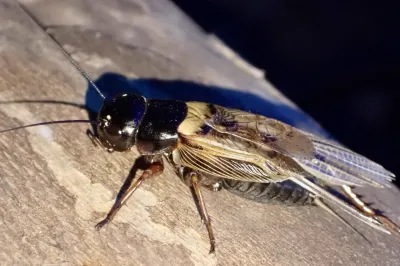
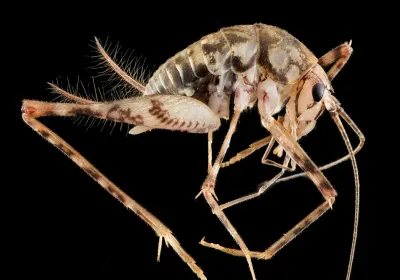
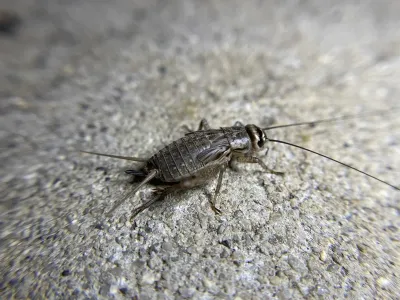
Explore other species in the crickets family
Commonly Confused With
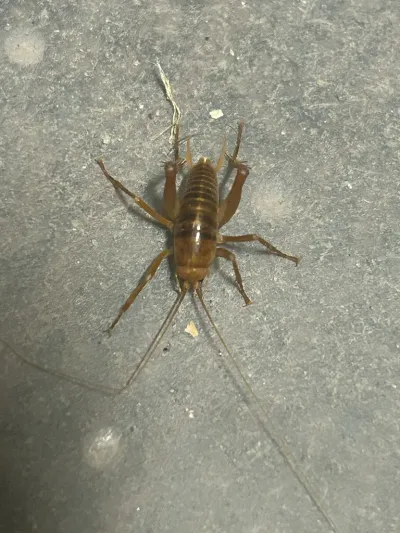
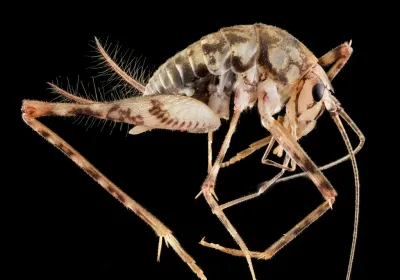
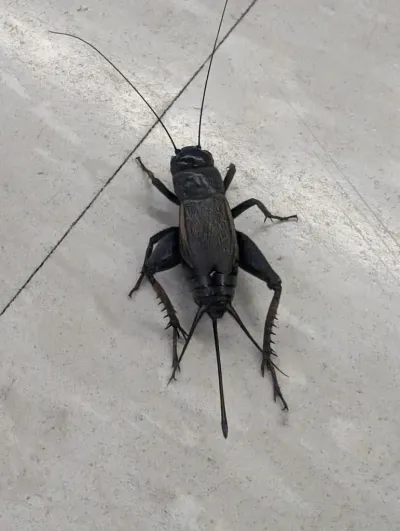
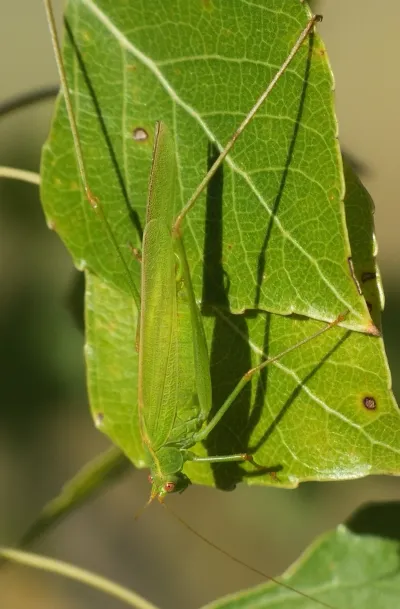
Tree Crickets are often mistaken for these similar pests
Where Tree Crickets Are Found
Hover over states to see their names. Green regions indicate where tree crickets have been reported.
Common Questions about Tree Crickets
What do tree crickets sound like?
+
Tree crickets make a steady trilling sound that people often mistake for a frog or cicada. Males chirp by rubbing their wings together. The chirp rate changes with temperature. You can guess the temperature by counting chirps for 13 seconds and adding 40 to get degrees Fahrenheit.
Are tree crickets harmful to plants?
+
Tree crickets can cause minor damage to garden plants and fruit crops. Females drill small holes into plant stems and bark to lay eggs. This can weaken tender shoots. They also eat leaves, flowers, and soft fruits. However, damage is rarely bad enough to need treatment.
Why are tree crickets attracted to my house?
+
Tree crickets are drawn to lights at night. Porch lights, security lights, and lit windows pull them in from nearby plants. Once near your home, they may come inside through gaps around doors, windows, or torn screens. They often seek warmth as fall temperatures drop.
How can I tell tree crickets apart from other crickets?
+
Tree crickets are thinner and more delicate than field crickets or house crickets. They are usually pale green or tan with long antennae that can be twice their body length. Their wings are see-through and lay flat on their backs. Unlike the chunky black field cricket, tree crickets look fragile and almost ghostly.
Do tree crickets bite?
+
Tree crickets do not bite humans and are harmless. They have small mouths made for eating soft plants, aphids, and tiny insects. If you pick one up, it may kick with its back legs but cannot hurt you.
When are tree crickets most active?
+
Tree crickets are most active from late summer through early fall. In most of North America, this means July through October. They come out at night, starting to sing at dusk. Activity peaks on warm, humid nights between 70 and 85 degrees Fahrenheit.
How do tree crickets survive winter?
+
Adult tree crickets die with the first hard frosts of fall. Before dying, females lay eggs inside plant stems and bark. These eggs stay dormant through winter. They hatch in spring, and the young grow through summer. They become adults by late July or August to start the cycle again.

With five years of hands-on experience in the pest control industry, George Schulz is a registered technician with the Virginia Pest Management Association and a proud third-generation professional in a family business that's been protecting homes for over 57 years. He manages and trains a team of service pros while also leading internal research efforts—recently spearheading a deep-dive review of thousands of documents on pest control materials to hand-pick the most kid and pet friendly, most effective solutions tailored specifically for homes in the DC metro area.