Spring Field Crickets Identification Guide
Gryllus veletis
Spring field crickets are early-season field crickets that overwinter as nymphs and mature in late spring. They produce the familiar chirping sounds heard in April through June, before fall field crickets become active later in the year.
Taxonomy
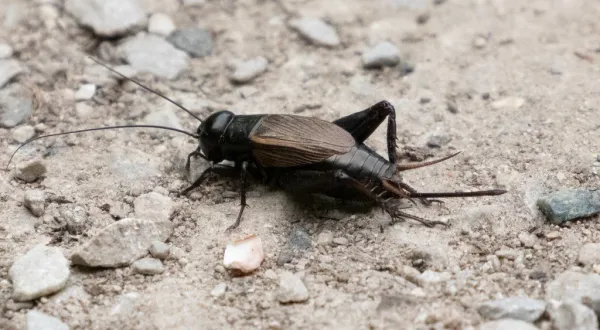
Spring Field Crickets Coloration
Common color patterns to help identify spring field crickets
Spring Field Crickets
Seasonal Activity
When spring field crickets are most active throughout the year

Where Spring Field Crickets Are Found
Hover over states to see their names. Green regions indicate where spring field crickets have been reported.
Spring Field Cricket Identification Guide
Physical Characteristics
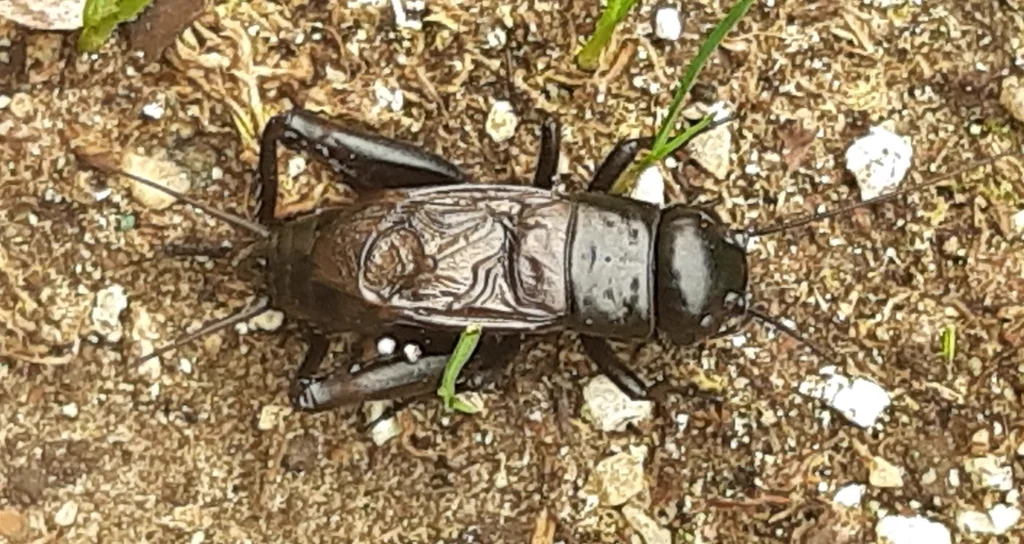
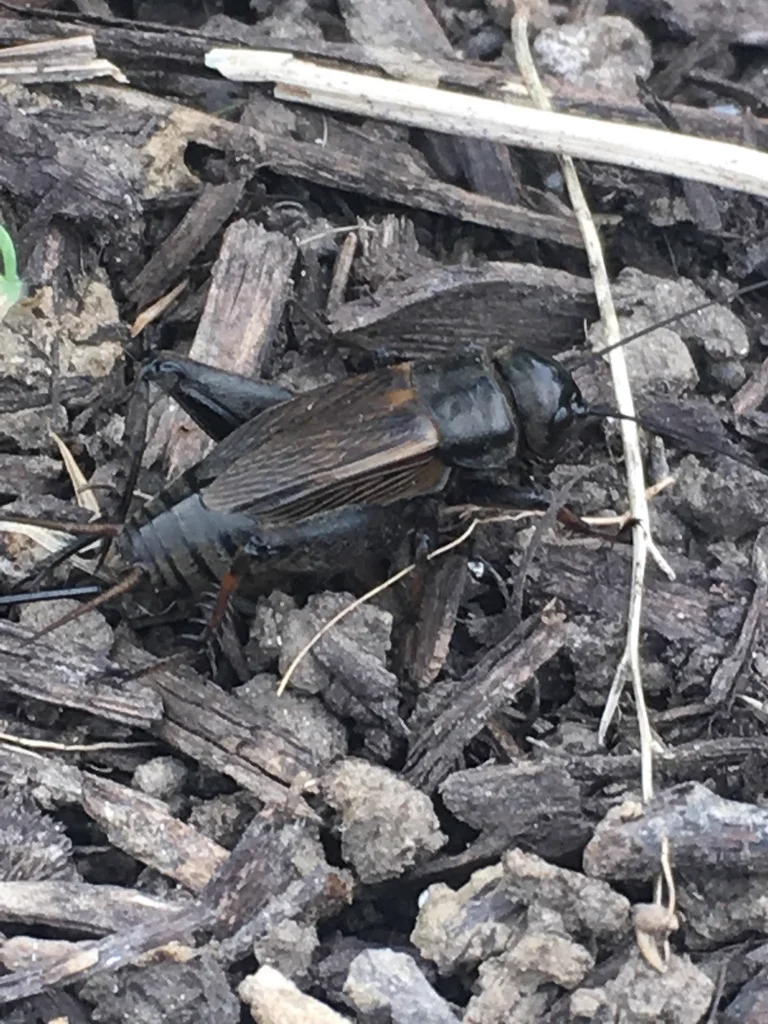
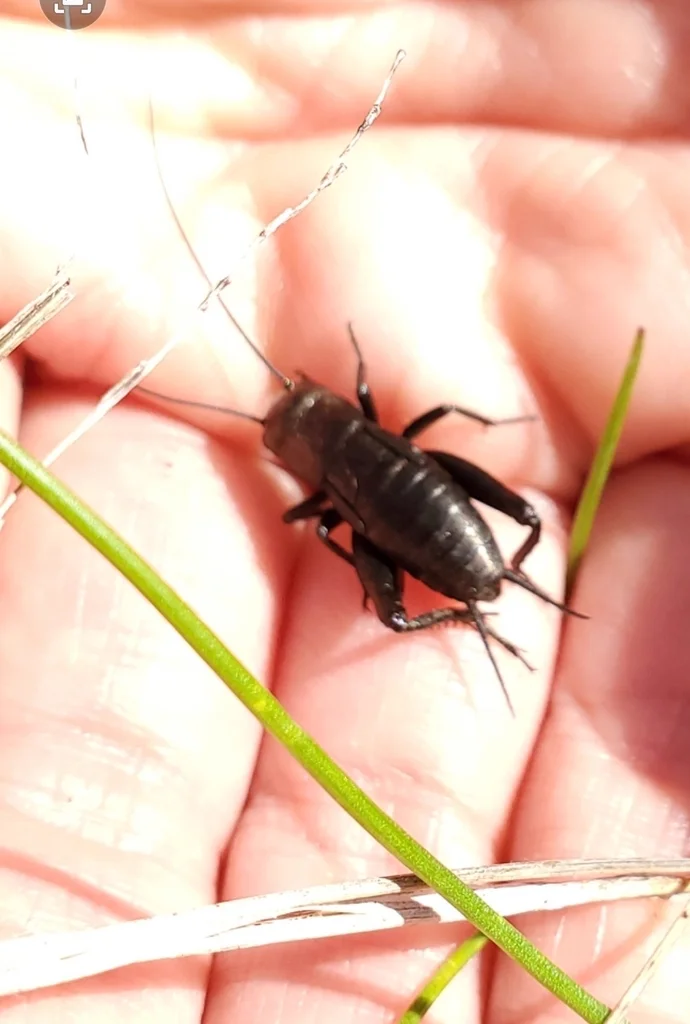
Spring field crickets (Gryllus veletis) are medium-sized crickets. They measure 15 to 25 mm long, or about 3/4 to 1 inch. Their bodies are shiny black or dark brown. They have a round head with very long, thin antennae. These antennae often stretch longer than the body itself.
Both males and females have full wings, but they rarely fly. Males rub their front wings together to make their chirping sound. Females have a long, needle-like tube at the back of their body called an ovipositor. They use this to lay eggs in soil.
Spring field crickets have large eyes and strong hind legs made for jumping. When scared, they can leap several feet to get away. They look almost the same as fall field crickets. The best way to tell them apart is by when they appear. Their resemblance to grasshoppers sometimes causes confusion, though the differences are easy to spot once you know what to look for - see our cricket vs grasshopper comparison.
Similar Species
Spring field crickets are often confused with other crickets:
-
Fall Field Crickets look almost the same as spring field crickets. The main difference is timing. Spring field crickets are active from April through early July. Fall field crickets show up from late July through November.
-
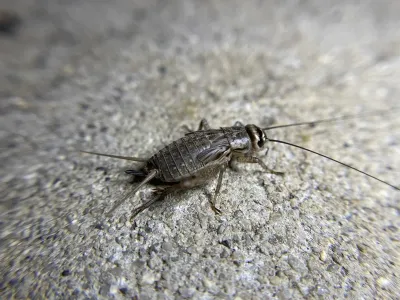
House Crickets are smaller and lighter. They are tan or yellowish-brown with three dark bands on the head. House crickets make a softer chirp and live indoors year-round.
-
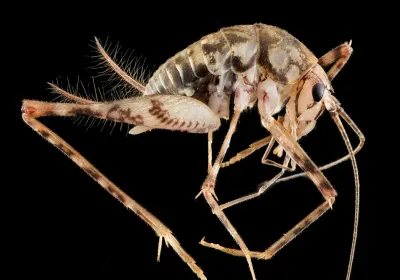
Camel Crickets have a humpbacked shape and no wings. They do not chirp at all. They like dark, damp places like basements and crawl spaces.
Spring Field Cricket Behavior and Biology
Life Cycle and Overwintering
The spring field cricket has a unique life cycle. Fall field crickets spend winter as eggs in the soil. Spring field crickets survive winter as partly grown nymphs.
In fall, females lay eggs in loose, moist soil. These eggs hatch before winter. The young nymphs find shelter under rocks, logs, and leaf litter. They go dormant to survive the cold. Learn more about how this compares to other species in our cricket life cycle guide.
When spring comes and the weather warms, these nymphs start feeding and growing again. They finish growing and become adults by late April or May. This early start is why they are called spring field crickets. It also lets them chirp weeks or months before fall field crickets. A related species, Southeastern Field Crickets, shares similar characteristics.
Seasonal Activity Pattern
Spring field crickets have a shorter active season than fall field crickets:
- March to April: Nymphs wake up and start feeding as the weather warms.
- Late April to May: Adults appear and males start chirping to find mates.
- May to June: Peak mating season with loud chirping at night.
- June to July: Females lay eggs and adults start to die off.
- August onward: Most adults are gone. Eggs hatch and new nymphs get ready for winter.
Fall field crickets are most active from August through October. Where both species live, there is often a quiet period in mid-summer. This happens when spring cricket activity ends and fall cricket activity has not yet started.
Habitat and Distribution
Spring field crickets live in grasslands, meadows, pastures, farm fields, and lawns. They are found across the northern United States and southern Canada. Their range goes from the Atlantic coast west to the Rocky Mountains. The highest numbers are in the Great Lakes region and the Northeast.
They prefer areas with:
- Loose, well-drained soil for laying eggs
- Ground cover like grass, weeds, and leaf litter
- Some moisture
- Open areas with sun
During the day, spring field crickets hide under rocks, logs, boards, and thick plants. They also dig shallow burrows in soil. They come out at dusk to feed and mate. They stay active through the night.
Diet and Feeding
Spring field crickets eat many types of food:
- Seeds and grains
- Plant leaves, stems, and roots
- Fruits and vegetables
- Dead insects
- Rotting plant matter
If they get inside homes, they may eat fabrics, paper, and food scraps. They like items with food stains or sweat on them. However, spring field crickets rarely infest homes like fall field crickets do.
The Chirping Sound
Male spring field crickets chirp by rubbing the edges of their front wings together. A rough part on one wing scrapes against the other wing. This makes the chirping sound. Each type of cricket has its own song.
The chirp speed changes with temperature. Warmer weather means faster chirping. Cooler nights mean slower chirps. You can hear spring field cricket calls on warm evenings from late April through June. They fill the night air before fall field crickets take over later in summer.
Treatment Methods for Spring Field Crickets
Spring field crickets cause fewer problems than fall field crickets. They do not usually come inside during their active season. But they can be a nuisance when there are many near your home. Their loud chirping at night bothers some people.
Exterior Management
To reduce spring field cricket numbers around your home, focus on changing their habitat and using barrier treatments:
- Remove hiding spots: Clear leaf litter, woodpiles, stones, and debris near the foundation. Crickets hide in these spots during the day.
- Manage plants: Keep grass short and trim groundcover away from the house.
- Reduce moisture: Fix sprinkler problems and improve drainage. Crickets like moist areas.
- Change outdoor lights: Use yellow bug lights instead of white lights. Yellow lights attract fewer insects. You can also move lights away from doors.
Perimeter treatments with granular or liquid products create a barrier around your home. These treatments target areas where crickets hide and travel.
Interior Control
If spring field crickets get inside your home, treatment focuses on getting rid of them and stopping more from entering:
- Seal entry points: Close gaps around doors, windows, foundations, and pipes. Add or replace door sweeps and weatherstripping.
- Reduce attractants: Turn off indoor lights that can be seen from outside. Fix any moisture problems in basements or crawl spaces.
- Remove them: You can vacuum up crickets or catch them and let them go outside.
For ongoing problems, crack and crevice treatments can help. These target spots where crickets hide during the day.
Ongoing Prevention
Homes near open fields or meadows may have recurring cricket issues. Regular exterior treatments in spring can help reduce numbers before adults appear and start chirping. Our triannual pest control plans include treatments timed for seasonal pest pressures, including spring field crickets where they are common.
References
Other Crickets
Explore other species in the crickets family
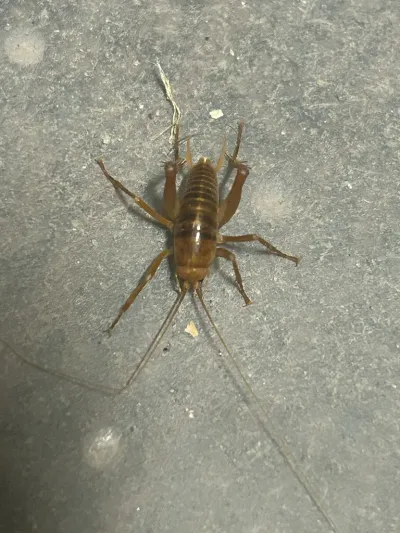
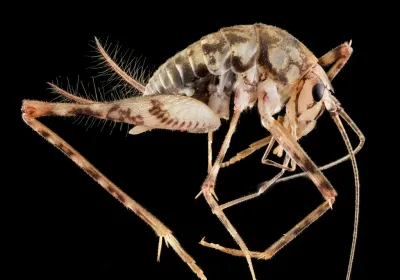
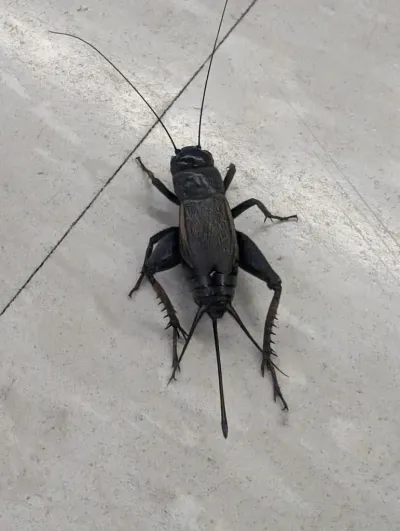
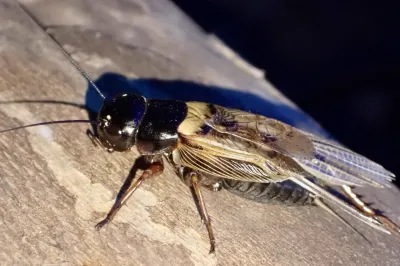
Commonly Confused With
Spring Field Crickets are often mistaken for these similar pests
Where Spring Field Crickets Are Found
Hover over states to see their names. Green regions indicate where spring field crickets have been reported.
Common Questions about Spring Field Crickets
What is the difference between spring and fall field crickets?
+
Spring field crickets and fall field crickets look almost identical but have different life cycles. Spring field crickets overwinter as nymphs and mature in April through June. Fall field crickets overwinter as eggs and mature in late summer through fall. This means you hear spring field crickets chirping earlier in the year, while fall field crickets take over the nighttime chorus later in the season.
When do spring field crickets chirp?
+
Spring field crickets begin chirping in late April through early May once they reach adulthood. Their chirping continues through June and into early July. After this period, adults die off and the next generation overwinters as nymphs, remaining silent until the following spring.
Why are crickets chirping so early in spring?
+
If you hear cricket chirping in April or May, you are likely hearing spring field crickets. Unlike fall field crickets that develop from eggs in spring and mature later, spring field crickets overwinter as partially grown nymphs. They complete their development quickly once warm weather arrives, allowing them to chirp much earlier in the season.
Do spring field crickets enter homes?
+
Spring field crickets occasionally enter homes, but they are less likely to invade than fall field crickets. Since spring field crickets are active during warmer months when doors and windows are often open, they may wander inside. However, they do not seek shelter indoors for winter like fall field crickets do.
Are spring field crickets harmful?
+
Spring field crickets are not harmful to humans. They do not bite or transmit diseases. Like other field crickets, they may chew on fabrics, paper, and plant materials if they get inside, but they rarely cause significant damage. Their main nuisance is the loud chirping sound males produce at night.
How can I tell if I have spring or fall field crickets?
+
The easiest way to tell them apart is by timing. If you hear chirping crickets from late April through June, they are likely spring field crickets. If chirping starts in late July and continues through fall, those are fall field crickets. Both species look nearly identical, with shiny black or dark brown bodies and long antennae.
Where do spring field crickets live?
+
Spring field crickets live in grassy fields, meadows, pastures, and lawns throughout the northern United States and southern Canada. They prefer areas with loose soil where they can find shelter and moisture. During the day, they hide under rocks, logs, leaf litter, and in shallow burrows.

With five years of hands-on experience in the pest control industry, George Schulz is a registered technician with the Virginia Pest Management Association and a proud third-generation professional in a family business that's been protecting homes for over 57 years. He manages and trains a team of service pros while also leading internal research efforts—recently spearheading a deep-dive review of thousands of documents on pest control materials to hand-pick the most kid and pet friendly, most effective solutions tailored specifically for homes in the DC metro area.