Southeastern Field Crickets Identification Guide
Gryllus rubens
Southeastern field crickets are warm-climate field crickets found throughout the southeastern United States. Unlike northern field crickets that die off in winter, these crickets can remain active year-round in warm regions, producing their characteristic chirping sounds even in mild winter months.
Taxonomy
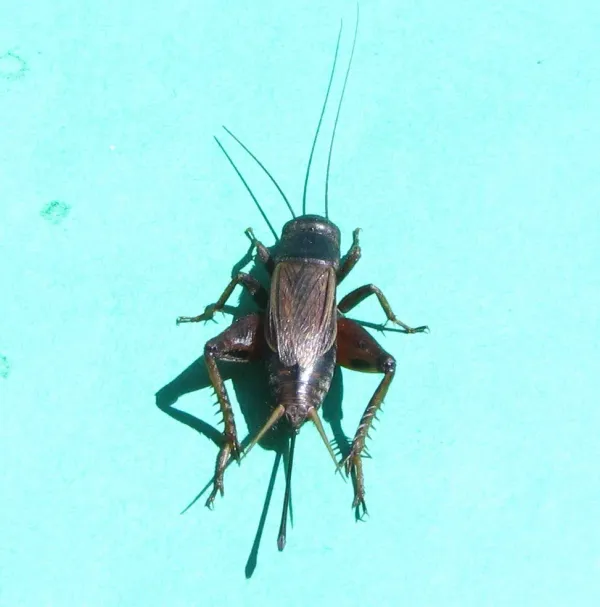
Southeastern Field Crickets Coloration
Common color patterns to help identify southeastern field crickets
Southeastern Field Crickets
Seasonal Activity
When southeastern field crickets are most active throughout the year

Where Southeastern Field Crickets Are Found
Hover over states to see their names. Green regions indicate where southeastern field crickets have been reported.
Southeastern Field Cricket Identification Guide
Physical Characteristics
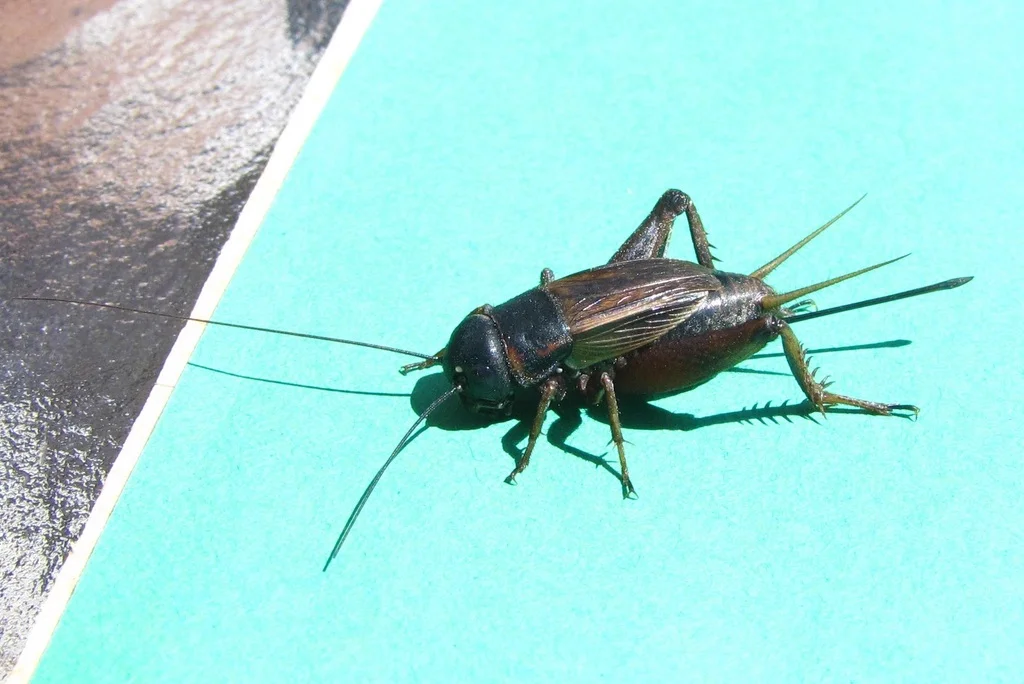
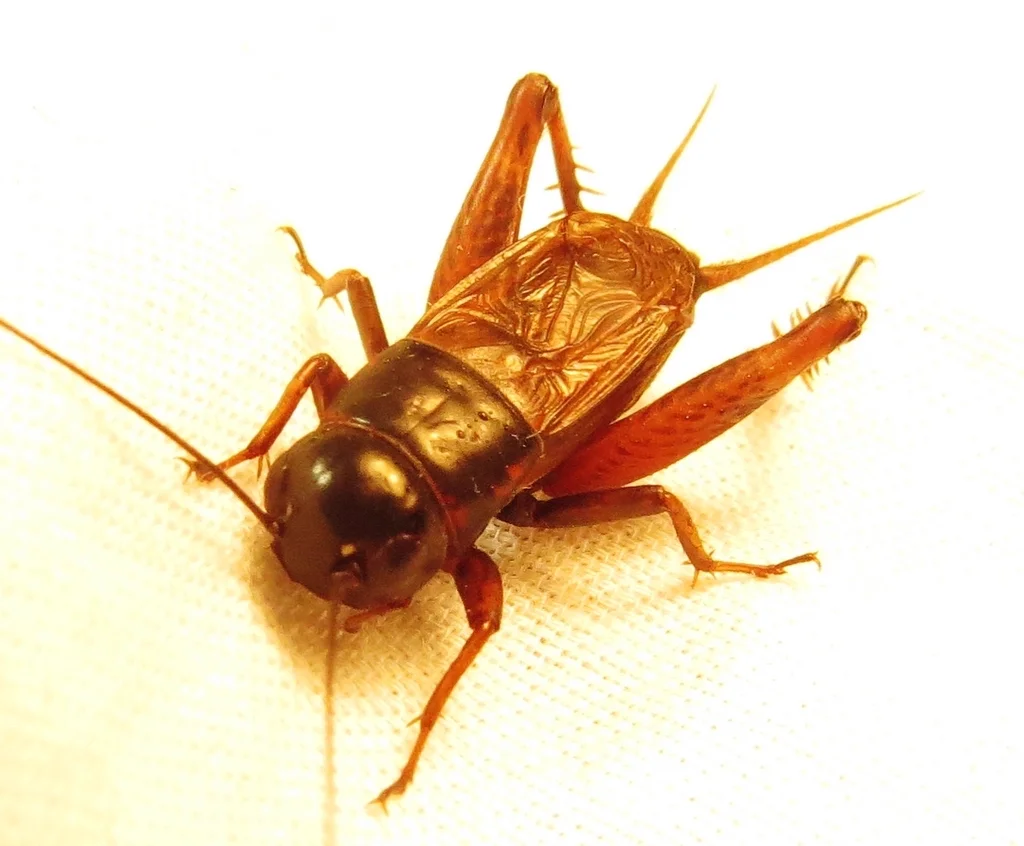
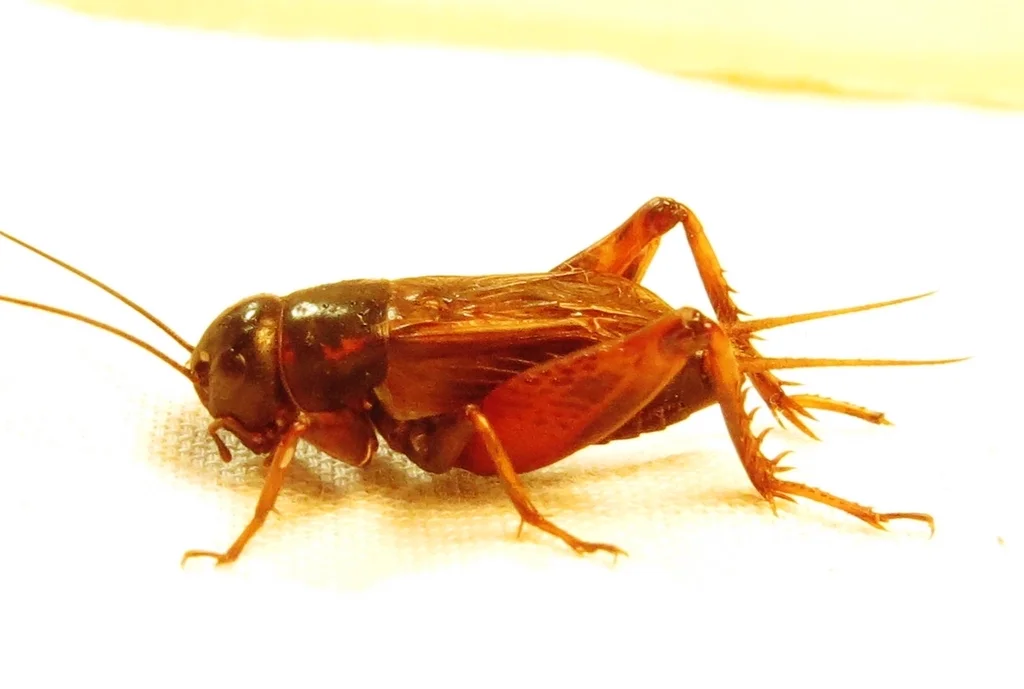
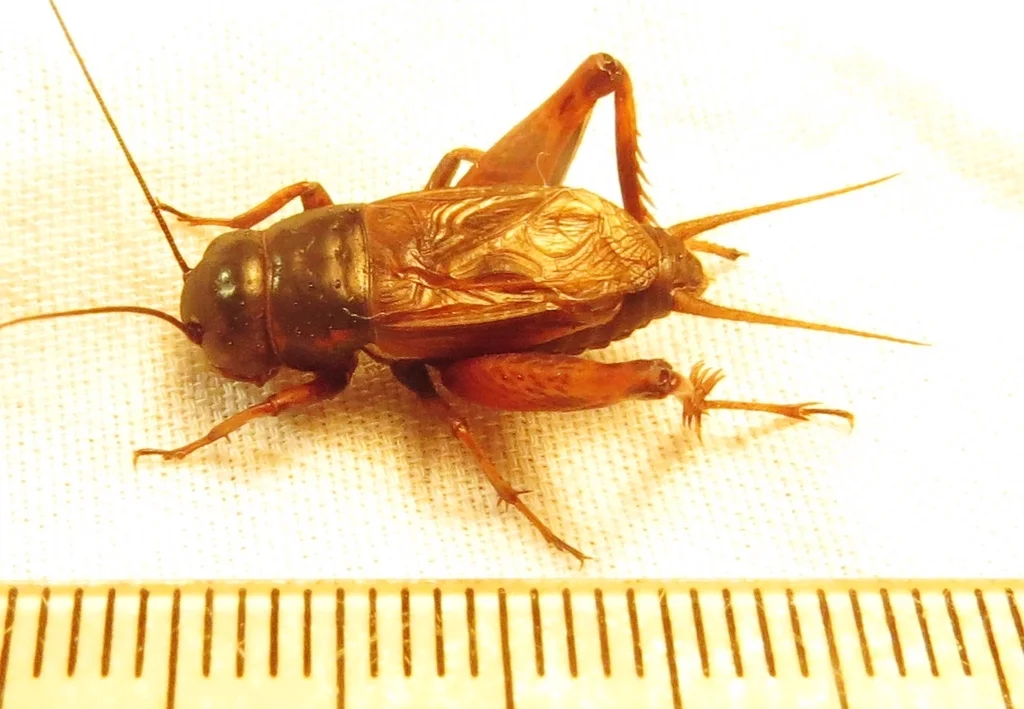
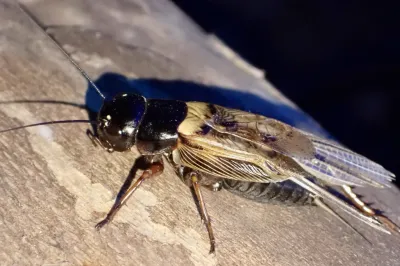
Southeastern field crickets (Gryllus rubens) are medium to large crickets. Adults measure 18 to 28 mm long, or about 3/4 to 1 inch. They are a bit larger than many northern field cricket types. Their bodies are brown to reddish-brown, sometimes with tan or darker patches. This lighter color sets them apart from the shiny black field crickets found farther north.
Like all field crickets, they have a round head with very long, thin antennae. These antennae often stretch longer than the body. Both males and females have full wings, but they rarely fly. They use their strong back legs for jumping instead.
Males rub their wings together to make their chirping calls. Females have a long, needle-like egg-laying tube at the back of their body. They use this to place eggs into soil.
Similar Species
Southeastern field crickets can be confused with several related species:
-
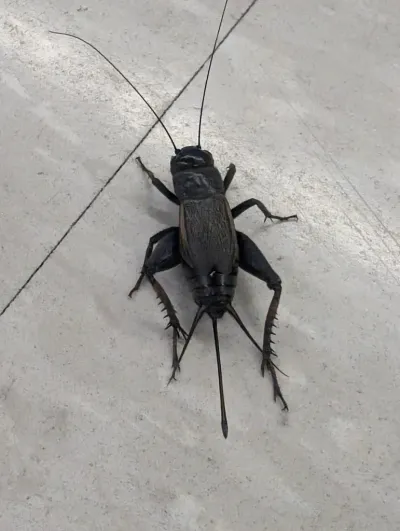
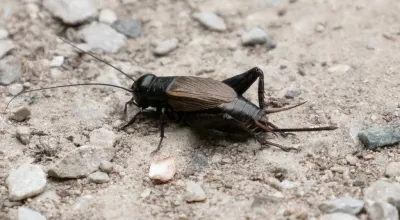
Fall Field Crickets live throughout most of North America. They are usually darker, often black or very dark brown. They are active only from late summer through fall. They die off with winter frosts.
-
Spring Field Crickets look almost the same as fall field crickets. They are active in spring and early summer. They do not live as far south as southeastern field crickets.
-
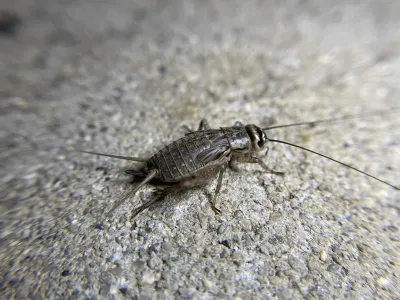
House Crickets are smaller and lighter colored. They are tan or yellowish-brown with three dark bands on the head. They make a softer chirp and live indoors year-round.
-
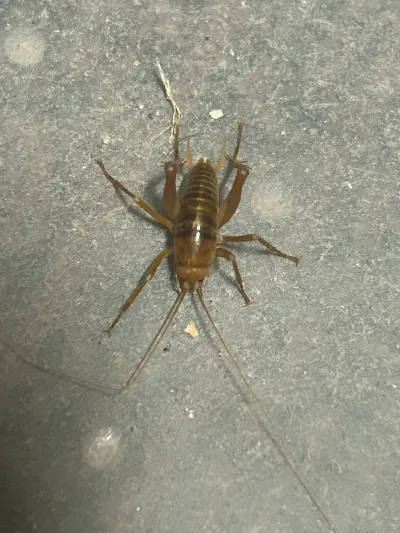
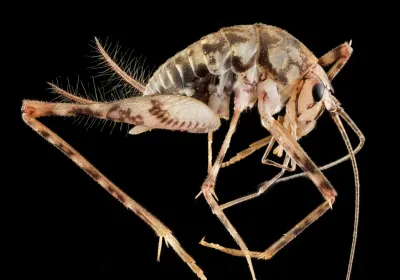
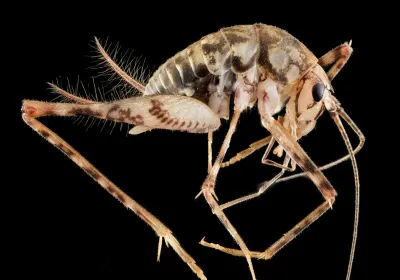
Camel Crickets have a humpbacked shape and no wings. They do not chirp. They like dark, damp places like basements and crawl spaces.
Southeastern Field Cricket Behavior and Biology
Year-Round Activity
What makes southeastern field crickets special is that they stay active all year in warm places. Northern field crickets follow strict seasonal cycles. They spend winter as eggs or young nymphs. Southeastern field crickets keep breeding and chirping through mild winters.
In Florida, the Gulf Coast, and other warm areas, you can hear their chirping in every month. Activity slows when it gets cooler, but adults do not die off like their northern relatives.
This year-round activity lets them produce many generations per year. In the warmest areas, they may have four or more generations each year. This fast breeding leads to larger numbers than seasonal cricket types.
Habitat and Distribution
Southeastern field crickets live throughout the southeastern United States. Their range runs from Virginia and Maryland south through Florida, and west to Texas and Oklahoma. They are most common in the Gulf Coast region and Florida. Warm weather there lets them stay active all year. Homeowners dealing with Southeastern Field Crickets may also encounter Cricket, which can appear in similar environments.
They like areas with:
- Loose, moist soil for laying eggs
- Ground cover like grass, leaf litter, and mulch
- Warm weather and some humidity
- Open spots with sunlight A related species, Greenhouse Camel Crickets, shares similar characteristics.
During the day, they hide under rocks, logs, boards, leaf litter, and thick plants. They also dig shallow holes in loose soil. At dusk, they come out to feed and mate. They stay active through the night.
Diet and Feeding Habits
Southeastern field crickets eat many types of food:
- Seeds, grains, and plant material
- Fruits and vegetables
- Dead insects and rotting matter
- Fungi and decaying plants
- Roots and seedlings
When they get inside homes, they may chew on fabrics, paper, wallpaper, cardboard, and stored food. They are drawn to items with food stains, sweat, or grease. Cotton, wool, silk, and man-made fabrics can all get damaged by hungry crickets.
The Chirping Sound
Male southeastern field crickets make their chirping sound by rubbing their front wings together. One wing has a rough edge that scrapes against a ridge on the other wing. This creates the sounds you hear on summer nights in the South.
How fast they chirp depends on the temperature. Warmer nights mean faster, steadier chirping. Cooler nights slow the chirps down. You can guess the outdoor temperature grasshopper by counting cricket chirps.
Each cricket type has its own chirping pattern. Scientists use these differences to tell species apart without seeing the cricket. For homeowners, the main point is simple: chirping inside or near windows means crickets are nearby and may need attention.
Life Cycle and Reproduction
Female southeastern field crickets push eggs into moist soil using their long egg-laying tube. One female may lay 200 to 400 eggs in her life. In warm climates, eggs hatch in two to four weeks.
Young crickets (called nymphs) look like tiny adults without wings. They shed their skin 8 to 10 times over 6 to 12 weeks before becoming adults. The full life cycle from egg to adult takes two to three months. Temperature affects how fast they grow.
Because these crickets can breed all year in warm places, their numbers stay more stable. They do not have the big swings seen with seasonal types. Numbers peak during the warmest months but stay steady the rest of the year.
How We Treat for Southeastern Field Crickets
Field cricket control uses treatments along with changes to your home and yard. We target crickets where they live and travel. We also work to reduce things that draw them to your property.
Inspection
Our technicians check your property to find:
- Areas where crickets are active or hiding
- Entry points around the foundation, doors, and windows
- Outdoor lights that draw crickets at night
- Landscape features that give crickets places to hide near the home
- Wet areas that help cricket numbers grow
Knowing where crickets come from and how they get in helps us create the best treatment plan.
Exterior Treatment
We put down granular and liquid products around your foundation. We focus on spots where crickets hide and travel. Key treatment areas include:
- Foundation edges and expansion joints
- Mulch beds and ground cover near the home
- Under decks, porches, and stoops
- Around pipes and vents
- Along walkways and driveway edges
These treatments create a barrier. This lowers cricket numbers before they reach your home.
Interior Treatment
For active problems inside, we treat baseboards, cracks, and gaps where crickets hide during the day. Focus areas include:
- Basements and crawl spaces
- Garages and utility rooms
- Behind appliances and along walls
- Entry areas and door frames
Our products work through contact and do not repel crickets. This means crickets touch treated surfaces without sensing danger. This works better than repellent sprays that just push crickets to new spots.
Exclusion Recommendations
We find gaps and openings that let crickets in. Then we tell you how to seal them:
- Door sweeps should be added or replaced on exterior doors if worn
- Weather stripping needs repair around doors and windows
- Foundation cracks should be sealed
- Pipe and wire gaps need to be closed around vents too
- Garage doors may need adjusted or new seals
Sealing your home is key for long-term cricket control. This matters most in warm areas where southeastern field crickets stay active all year.
Environmental Modifications
We suggest changes to make your property less appealing to crickets:
- Turn down outdoor lights near doors, or use yellow bug lights that draw in fewer bugs
- Move firewood away from the house and keep it off the ground
- Clear debris like leaf litter, tall grass, and thick plants near the foundation
- Fix moisture problems around the foundation and in basements
- Trim plants to get rid of hiding spots close to the home
Ongoing Protection
Southeastern field crickets can keep coming back in warm areas because they stay active all year. Our triannual pest control plans (three visits per year) give ongoing protection. We time treatments to match seasonal pest patterns. Customers on active plans can request free callbacks if cricket problems return between visits.
References
Other Crickets
Explore other species in the crickets family
Commonly Confused With
Southeastern Field Crickets are often mistaken for these similar pests
Where Southeastern Field Crickets Are Found
Hover over states to see their names. Green regions indicate where southeastern field crickets have been reported.
Common Questions about Southeastern Field Crickets
What is the difference between southeastern field crickets and other field crickets?
+
Southeastern field crickets are slightly lighter in color than northern field crickets, typically tan to reddish-brown rather than black. The main difference is their life cycle: southeastern field crickets can remain active year-round in warm climates, while northern species like fall and spring field crickets have strict seasonal activity periods tied to winter dormancy.
Why do I hear crickets chirping in winter?
+
If you live in the southeastern United States and hear cricket chirping during mild winter days, you are likely hearing southeastern field crickets. This species remains active year-round when temperatures stay above freezing. In Florida and the Gulf Coast states, their chirping can be heard in every month of the year.
Do southeastern field crickets invade homes?
+
Yes, southeastern field crickets enter homes seeking shelter, especially during temperature extremes or dry periods. They are attracted to outdoor lights at night and may find their way inside through gaps around doors, windows, and foundations. Once inside, they hide in dark areas and can damage fabrics and paper.
Are southeastern field crickets harmful?
+
Southeastern field crickets do not bite or transmit diseases to humans. However, they can cause minor damage to fabrics, paper, wallpaper, and houseplants. Their loud nighttime chirping can disrupt sleep. Large populations near homes can become a significant nuisance.
How long do southeastern field crickets live?
+
Adult southeastern field crickets typically live 2 to 3 months. However, because they can breed year-round in warm climates, new generations continuously replace aging adults. This constant breeding cycle means populations remain active much longer than seasonal cricket species.
What do southeastern field crickets eat?
+
Southeastern field crickets are omnivores that eat plant material, seeds, fruits, dead insects, and decaying organic matter. Indoors, they may feed on fabrics, paper, cardboard, and food scraps. They are especially attracted to items soiled with food residues or sweat.
How can I tell southeastern field crickets apart from house crickets?
+
Southeastern field crickets are larger and darker than house crickets. They are typically brown to reddish-brown, while house crickets are light tan or yellowish with three dark bands on the head. Southeastern field crickets also produce a louder, more robust chirp compared to the softer sound of house crickets.

With five years of hands-on experience in the pest control industry, George Schulz is a registered technician with the Virginia Pest Management Association and a proud third-generation professional in a family business that's been protecting homes for over 57 years. He manages and trains a team of service pros while also leading internal research efforts—recently spearheading a deep-dive review of thousands of documents on pest control materials to hand-pick the most kid and pet friendly, most effective solutions tailored specifically for homes in the DC metro area.