Snowy Tree Crickets Identification Guide
Oecanthus fultoni
Snowy tree crickets are slender, pale green insects famous for their rhythmic chirping that can be used to estimate temperature. While they rarely cause significant damage, their egg-laying habits can occasionally harm fruit trees and ornamental plants.
Taxonomy
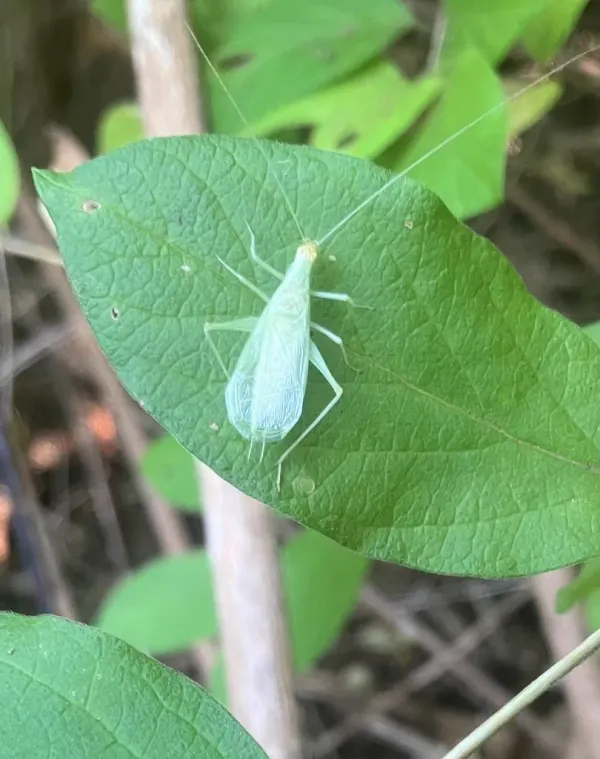
Snowy Tree Crickets Coloration
Common color patterns to help identify snowy tree crickets
Snowy Tree Crickets
Seasonal Activity
When snowy tree crickets are most active throughout the year

Where Snowy Tree Crickets Are Found
Hover over states to see their names. Green regions indicate where snowy tree crickets have been reported.
Snowy Tree Cricket Identification Guide
Physical Characteristics
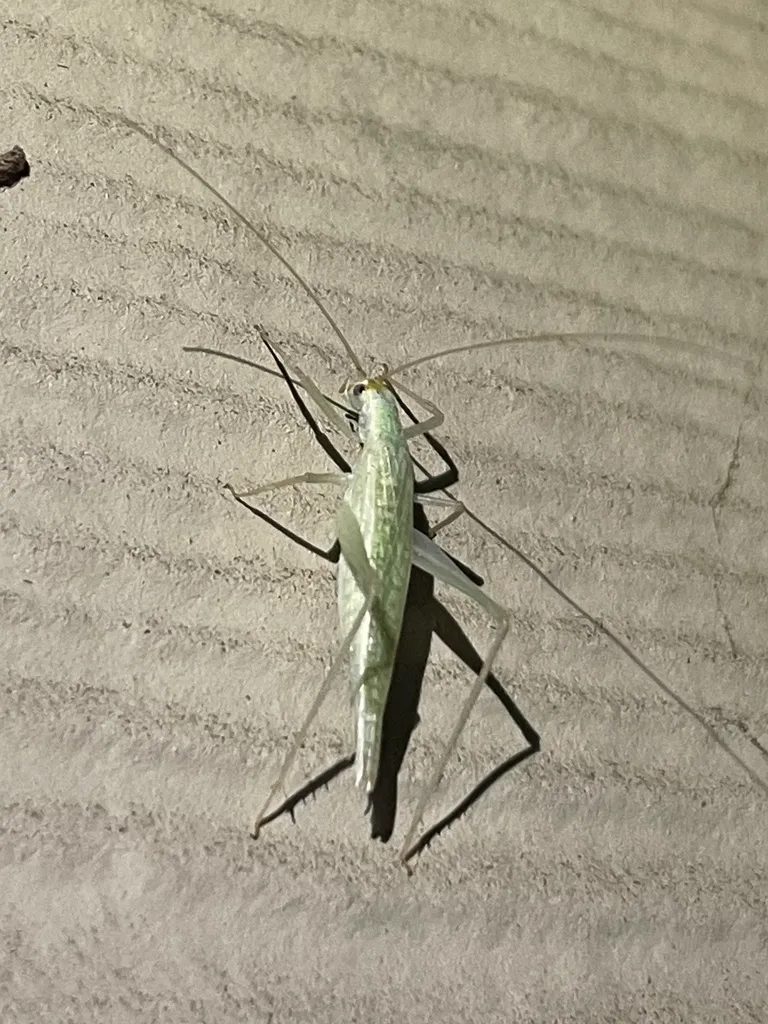
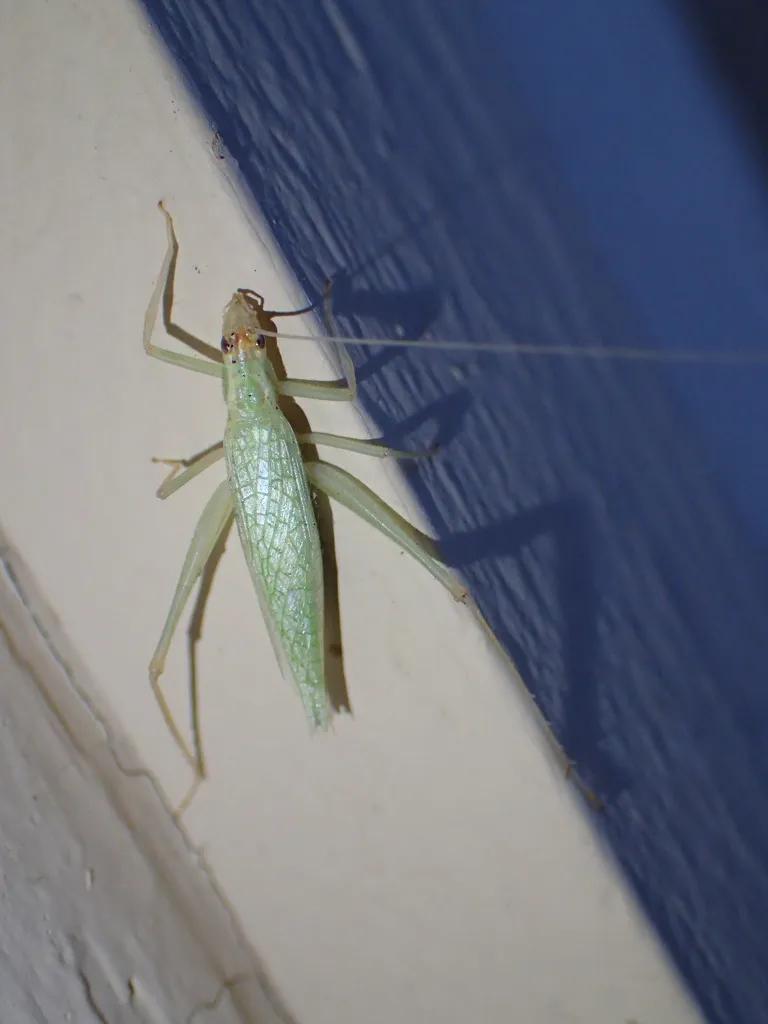
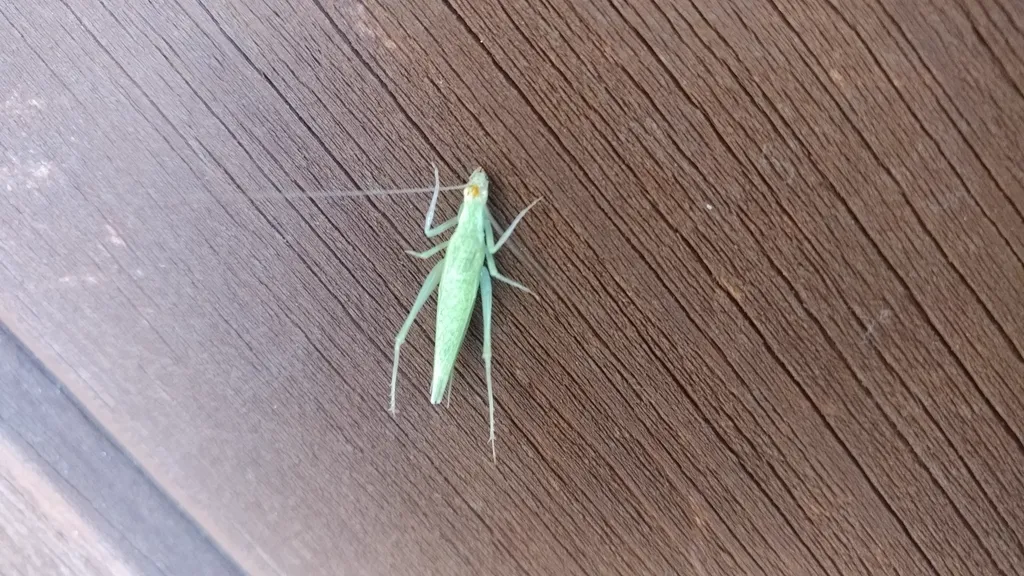
Snowy tree crickets (Oecanthus fultoni) are delicate, slender insects that look quite different from the common crickets most people recognize. Adults measure 9 to 12 millimeters in length, with males slightly larger than females. Their bodies are pale green to whitish-green, sometimes appearing almost translucent, which helps them blend perfectly with the leaves and stems where they live.
Males have broad, flat wings that they hold horizontally over their backs. These wings are nearly half as wide as they are long at their widest point and contain the specialized structures used for producing their famous chirps. Female wings are narrower and wrap closely around the body. Both sexes have extremely long, threadlike antennae that often exceed their body length.
A key identification feature is the markings on the first two antennal segments. The first segment has a nearly circular black spot, while the second segment displays a black oval spot covering most of its surface. Their legs are very slender with tiny teeth and delicate spines along the edges.
How to Distinguish Snowy Tree Crickets from Similar Species
Snowy tree crickets can be confused with several other insects:
-
Field Crickets: Much darker (black or brown) and more robustly built. Field crickets live on the ground rather than in vegetation and produce louder, more irregular chirps.
-
House Crickets: Tan to light brown with three dark bands on the head. They are stockier than tree crickets and commonly invade homes.
-
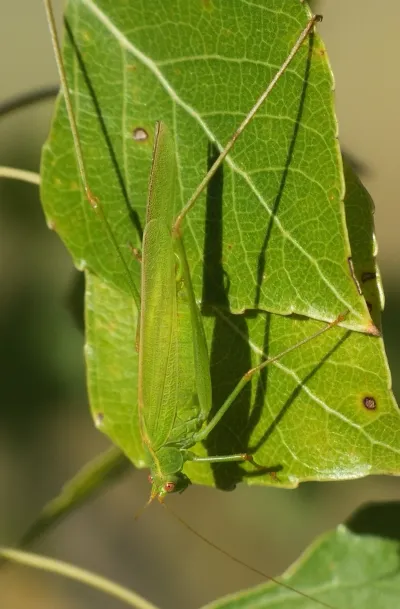
Katydids: Also green and found in trees, but katydids are much larger with broad, leaf-shaped wings. Their calls sound like “katy-did, katy-didn’t.”
-
Other Tree Crickets: Several tree cricket species exist in North America. The snowy tree cricket is distinguished by its regular, rhythmic chirp and specific antennal markings. The closely related Oecanthus rileyi chirps faster and louder.
Snowy Tree Cricket Behavior and Biology
The Famous Temperature Chirp A related species, Southeastern Field Crickets, shares similar characteristics.
The snowy tree cricket is often called the thermometer cricket because of a remarkable relationship between temperature and chirp rate. Only males chirp, producing sound by raising their wings perpendicular to their body and rubbing them together. The right wing bears a row of teeth (called the file) that scrapes against a ridge on the left wing (the scraper). A broad, expanded area of the wing acts as a resonator to amplify the sound.
The chirp frequency is 2.9 kHz, and the rate varies precisely with temperature. A reliable method for estimating temperature in Fahrenheit is to count the number of chirps in 15 seconds and add 40. West of the Great Plains, snowy tree crickets tend to chirp slightly faster at the same temperature.
Males often chirp in synchronized groups, creating the continuous, pulsing soundtrack that has become synonymous with warm summer nights. This sound is so iconic that it is frequently used in film and television to depict quiet evening scenes.
Life Cycle and Reproduction
Snowy tree crickets have one generation per year. Adults appear in late summer and are most active from August through October. After mating, females use a needle-like egg-laying organ to drill a small hole into the soft inner bark of twigs, canes, or small branches. They deposit a single egg and seal the hole with excrement or chewed plant tissue, then create a row of punctures along one side of the hole.
Eggs overwinter in the plant tissue and hatch in spring. The pale, wingless nymphs emerge and begin feeding on leaves and small insects. They molt several times throughout the summer, gradually developing wings and reaching maturity by late summer. Adults die after the first hard frost, but their eggs survive to continue the cycle.
Habitat and Diet
Snowy tree crickets live almost exclusively in vegetation. They prefer shrubs, vines, fruit trees, broadleaved trees, and oaks. Unlike ground-dwelling crickets, they are rarely found in grass or on the soil. Their pale green coloration provides excellent camouflage among leaves and stems.
These crickets are omnivorous generalists. They feed primarily on:
- Leaves and other plant material
- Aphids and small soft-bodied insects
- Ripe fruits, especially apples, peaches, plums, and cherries
- Flower petals and pollen
While their feeding causes minimal foliar damage, they can create problems by eating holes in ripe fruit, which then becomes susceptible to rot and secondary infections.
Treatment Methods for Snowy Tree Crickets
Snowy tree crickets are generally not considered serious pests. In most situations, they cause little to no damage and actually provide some benefit by consuming aphids. However, in orchards and berry patches, their egg-laying behavior can occasionally require management.
When Treatment Is Rarely Needed
In regularly maintained landscapes and home gardens, snowy tree crickets seldom reach populations that warrant treatment. Their presence is often more beneficial than harmful, as they consume aphids and their chirping is pleasant to many homeowners.
Cultural Controls
The most effective long-term management focuses on reducing conditions that favor large cricket populations:
-
Prune affected branches: If egg-laying damage is visible as rows of small punctures in twigs, prune and destroy affected branches in late fall or winter before eggs hatch.
-
Maintain plant health: Healthy, well-fertilized plants can better tolerate minor damage and are less susceptible to secondary fungal infections through egg-laying wounds.
-
Reduce harborage: Clear dense vegetation and overgrown areas near valuable fruit trees to reduce cricket habitat.
Professional Assessment
If snowy tree crickets are causing noticeable damage to fruit crops or ornamental plants, professional evaluation can help determine whether targeted treatment is warranted. In most cases, the damage threshold is never reached, and the crickets can be enjoyed as a natural part of summer evenings rather than viewed as pests.
For properties experiencing other cricket problems such as field crickets or house crickets invading homes, perimeter treatments and exclusion measures similar to those used for other occasional invaders can help reduce overall cricket pressure around structures. Snowy tree crickets are one of many species within the broader tree cricket group found across North America.
References
Other Crickets
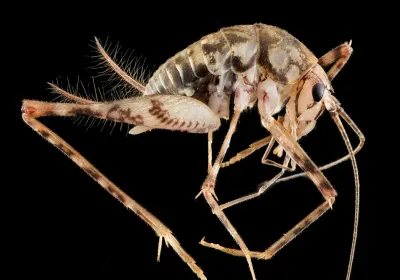
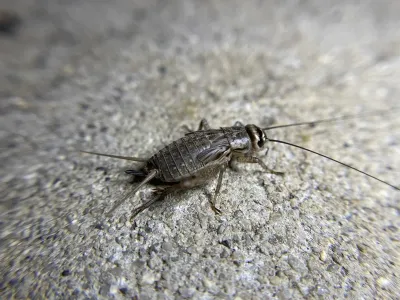
Explore other species in the crickets family
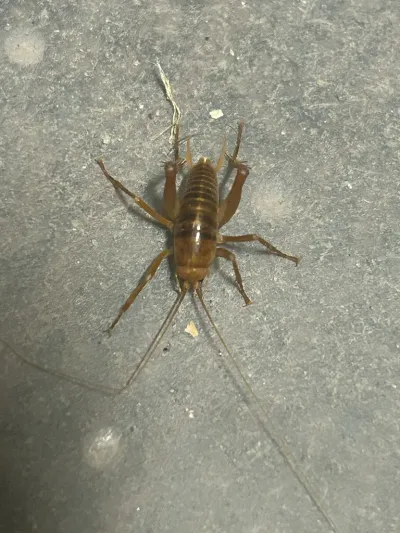
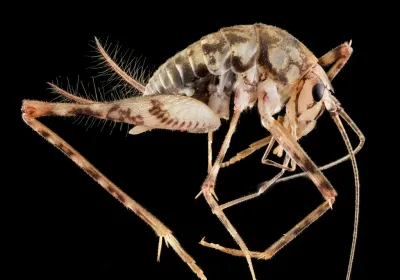
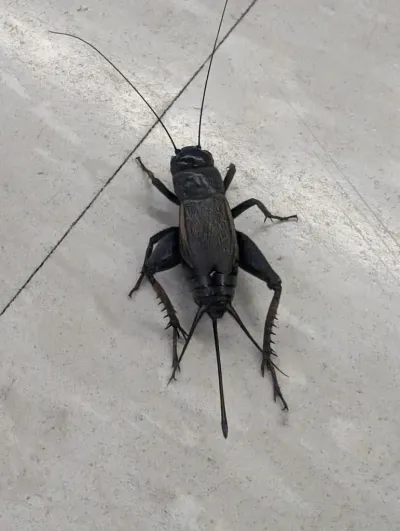
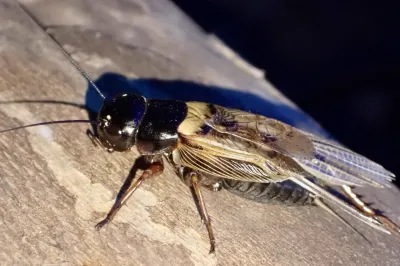
Commonly Confused With
Snowy Tree Crickets are often mistaken for these similar pests
Where Snowy Tree Crickets Are Found
Hover over states to see their names. Green regions indicate where snowy tree crickets have been reported.
Common Questions about Snowy Tree Crickets
Why is it called a thermometer cricket?
+
The snowy tree cricket earned this nickname because its chirp rate changes predictably with temperature. You can estimate the temperature in Fahrenheit by counting the number of chirps in 15 seconds and adding 40. This works because crickets are cold-blooded and their metabolism speeds up as temperatures rise.
Are snowy tree crickets harmful to gardens?
+
Snowy tree crickets rarely cause significant harm to gardens. While they feed on leaves and occasionally damage ripe fruit, their impact is usually minimal. The main concern is their egg-laying behavior, where females drill small holes in twigs and canes that can allow fungal pathogens to enter the plant.
When are snowy tree crickets most active?
+
Snowy tree crickets are most active from midsummer through early fall, with peak activity in August and September. They are nocturnal insects, chirping and feeding primarily at night. Adults die off after the first hard frost, but their eggs overwinter in plant stems.
What do snowy tree crickets eat?
+
Snowy tree crickets are omnivorous but primarily feed on leaves, plant matter, and occasionally ripe fruits. They have been known to damage apples, peaches, plums, and cherries by eating holes in the fruit. They also consume small insects and aphids, making them somewhat beneficial predators.
How can I tell if I have snowy tree crickets?
+
Listen for their distinctive rhythmic chirping on warm summer evenings. The sound is a continuous series of regularly spaced chirps, often described as the quintessential sound of a summer night. Look for slender, pale green crickets in shrubs, vines, and trees. They are rarely found on the ground.
Do snowy tree crickets come inside homes?
+
Snowy tree crickets strongly prefer living outdoors in trees and shrubs and rarely enter homes. Unlike house crickets or field crickets that seek indoor shelter, snowy tree crickets stay in vegetation where they feed and mate. If one does wander inside, it likely came through an open door or window near outdoor lighting.
What is the difference between snowy tree crickets and field crickets?
+
Snowy tree crickets are pale green with long, slender bodies adapted for life in vegetation. Field crickets are dark brown or black with more robust bodies and live on the ground. Snowy tree crickets produce a rhythmic, melodic chirp while field crickets have a louder, more erratic call.

With five years of hands-on experience in the pest control industry, George Schulz is a registered technician with the Virginia Pest Management Association and a proud third-generation professional in a family business that's been protecting homes for over 57 years. He manages and trains a team of service pros while also leading internal research efforts—recently spearheading a deep-dive review of thousands of documents on pest control materials to hand-pick the most kid and pet friendly, most effective solutions tailored specifically for homes in the DC metro area.