Mormon Crickets Identification Guide
Anabrus simplex
Mormon crickets are large, flightless insects native to western North America. Despite their name, they are not true crickets but shield-backed katydids. They are known for forming massive migratory bands that can devastate crops and rangeland.
Taxonomy
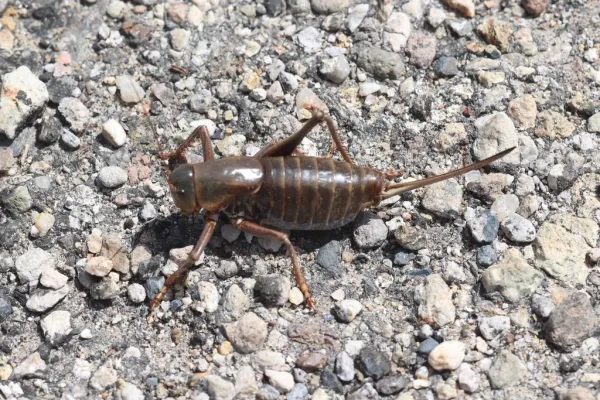
Mormon Crickets Coloration
Common color patterns to help identify mormon crickets
Mormon Crickets
Seasonal Activity
When mormon crickets are most active throughout the year
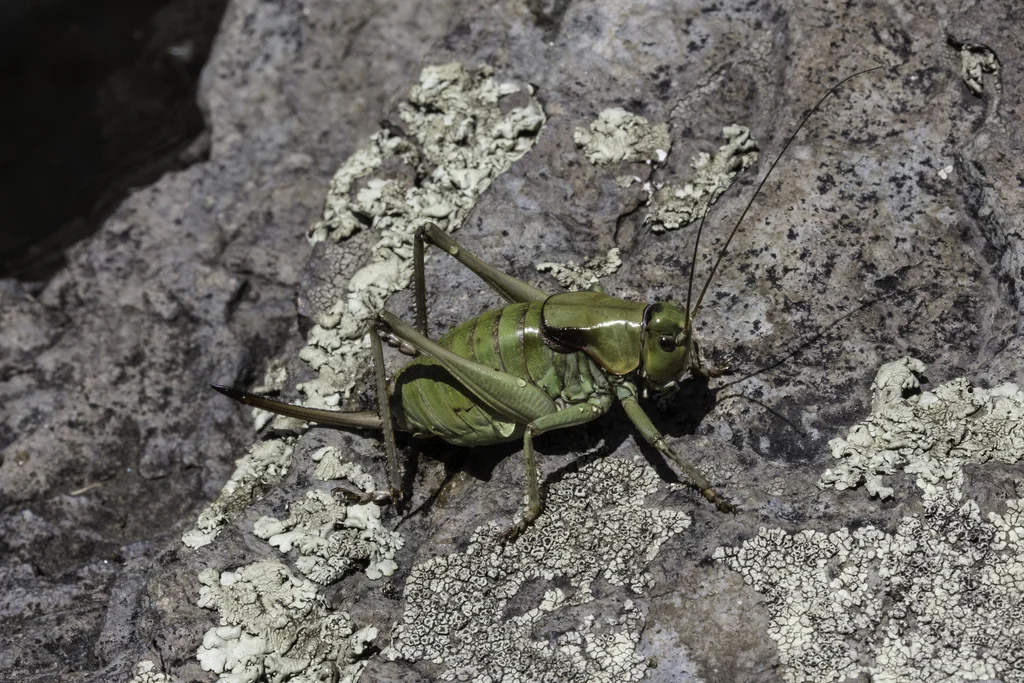
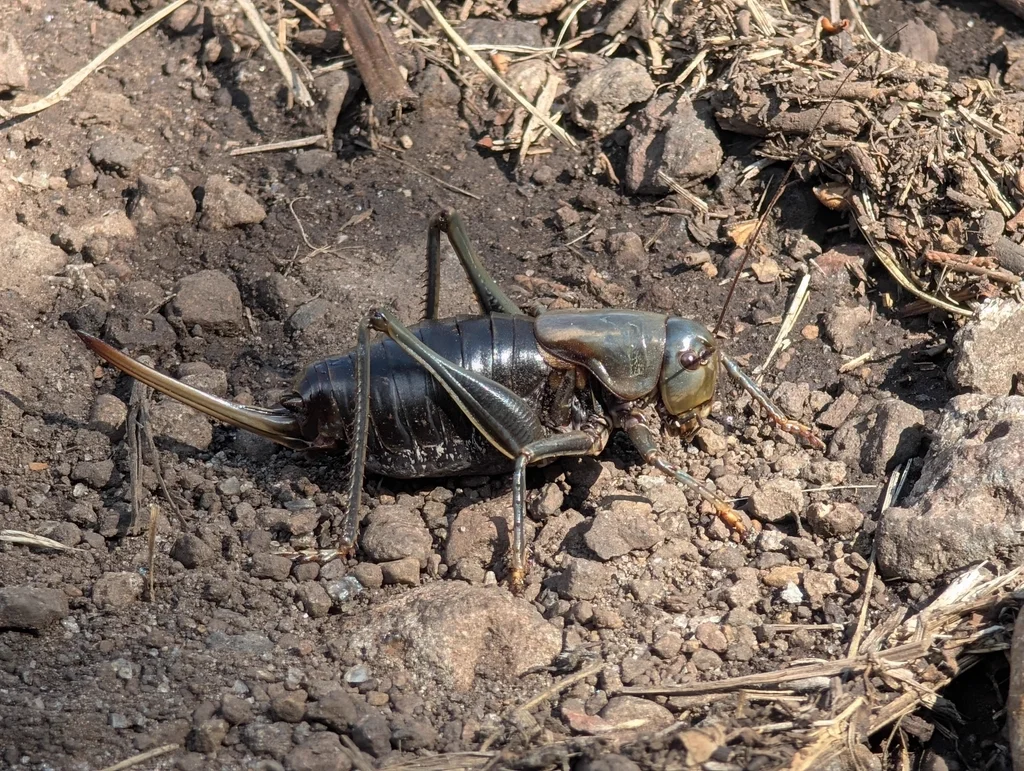
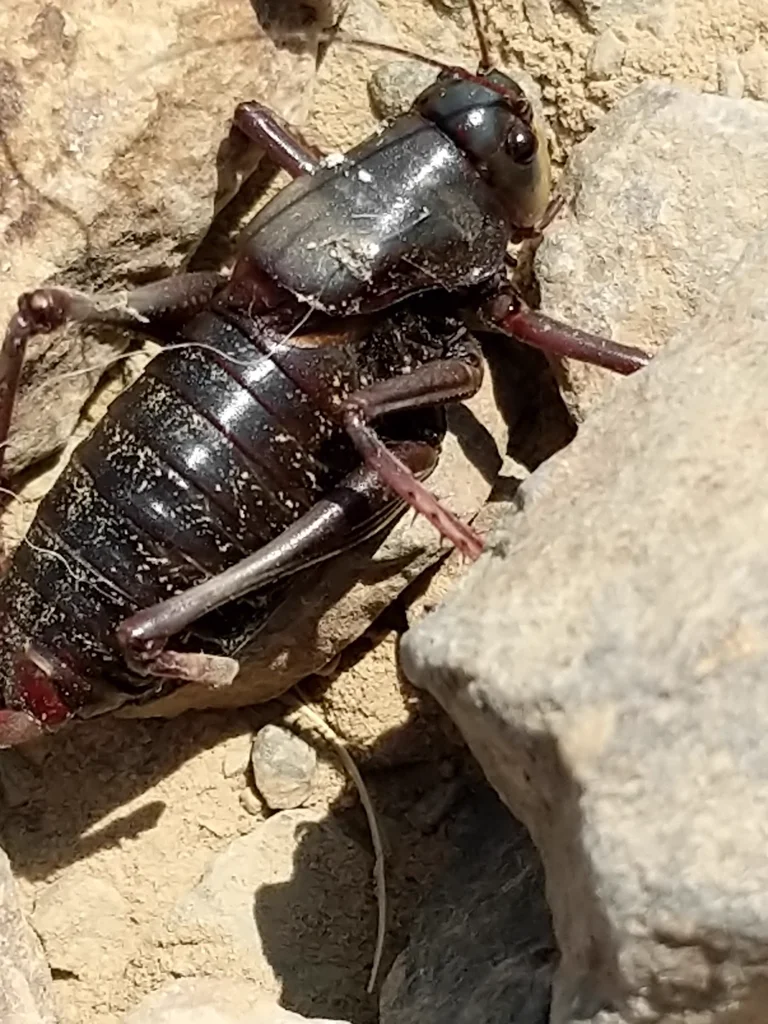

Where Mormon Crickets Are Found
Hover over states to see their names. Green regions indicate where mormon crickets have been reported.
Mormon Cricket Identification Guide
Physical Characteristics
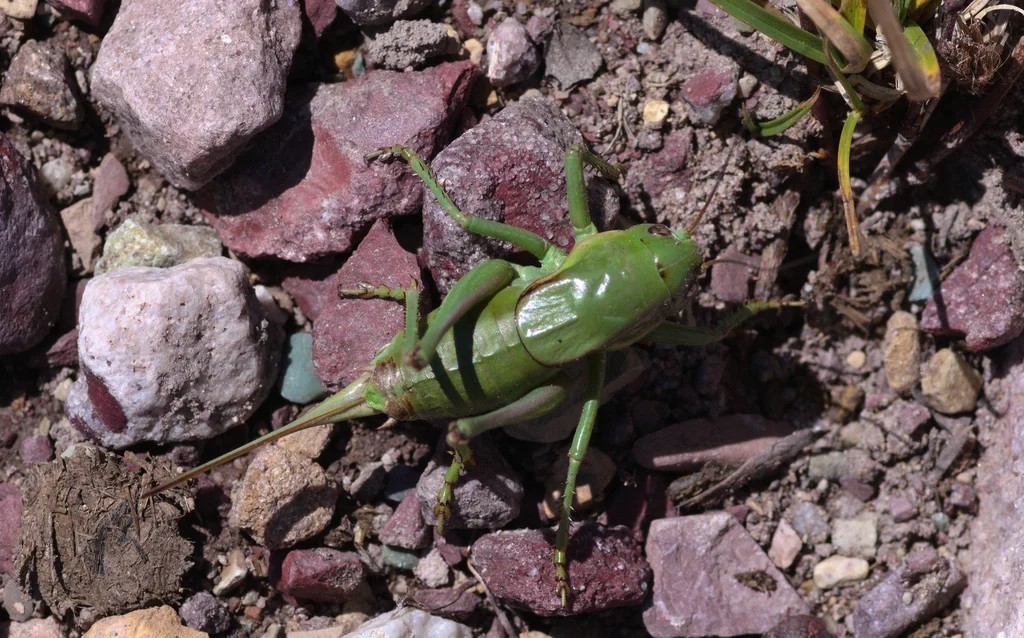
Mormon crickets (Anabrus simplex) are large insects that can grow up to 76mm (about 3 inches) long. They cannot fly at all. Adults have bulky, humpbacked bodies. A shield-like plate called the pronotum sits behind the head.
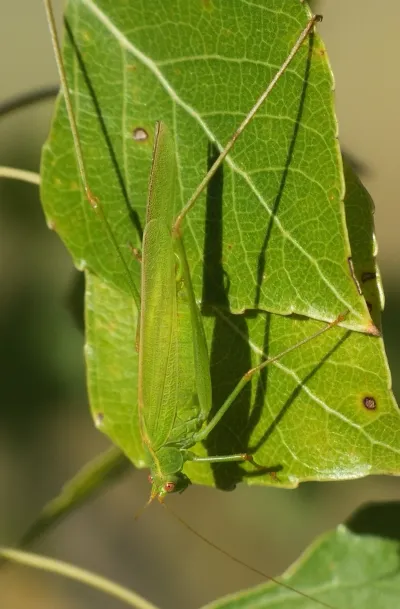
Their color varies widely. Mormon crickets can be black, brown, tan, red, purple, or green. The shield behind the head often has markings in different colors. The abdomen may have stripes or bands. This color range helps them blend into their surroundings.
Mormon crickets have very long antennae that often reach past their body length. Their back legs are large and strong but not as good for jumping as those of true crickets or grasshoppers. Females have a long, curved egg-laying tube (ovipositor) at the end of their body. They use it to place eggs deep in soil. Males weigh about 3,400mg on average. Females are larger at about 4,100mg.
How to Tell Mormon Crickets Apart from Similar Insects
Mormon crickets are often confused with other large Orthopteran insects:
-
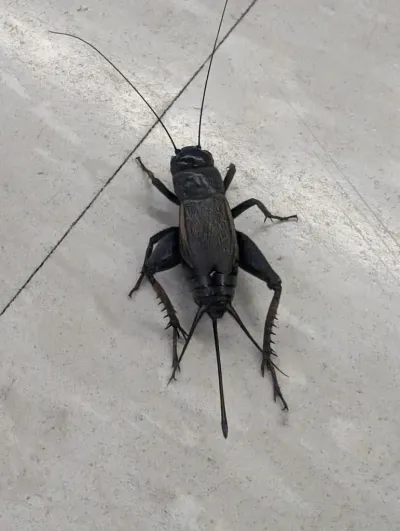
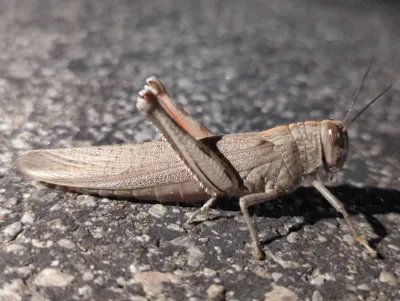
Grasshoppers: Grasshoppers have wings and can fly. Their antennae are short compared to their body length. Mormon crickets are wingless with very long antennae.
-
Katydids: Many katydids have wings and are bright green. Most are arboreal, living in trees and shrubs. Mormon crickets are ground-dwelling and flightless.
-
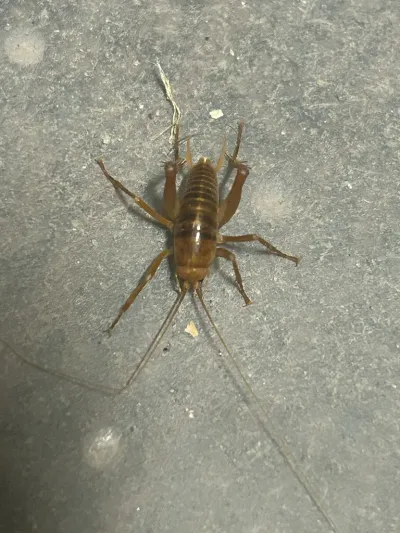
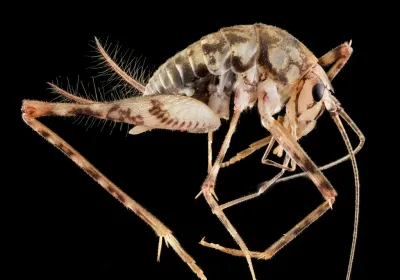
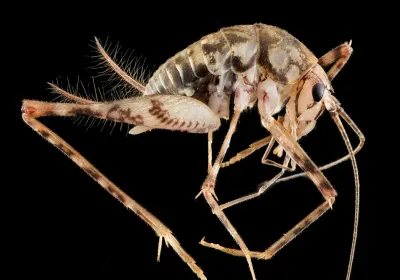
Camel Crickets: Camel crickets are smaller, more delicate, and prefer dark, damp environments like basements and caves. Mormon crickets live in open rangeland and sagebrush habitats.
Mormon Cricket Behavior and Biology
Habitat and Distribution
Mormon crickets live in western North America. They range from British Columbia, Alberta, and Saskatchewan in Canada south through the western United States to northern Mexico. They are most common in open rangeland with sagebrush and wild plants.
Large numbers build up in the sagebrush and grass areas of the Great Basin and mountain regions. In the Rocky Mountains, small groups live from 6,500 feet up to above 11,000 feet. They prefer areas with mixed plants that give them food and cover.
Life Cycle A related species, House Crickets, shares similar characteristics.
Mormon crickets have one generation per year in most places. In high mountain areas, they may need two years to complete their life cycle because of the short growing season. A related species, Southeastern Field Crickets, shares similar characteristics.
Egg Stage: Females use their ovipositor to place eggs about 3/4 inch deep in soil. Each female lays 85 to 180 eggs during her life. She lays them in batches about seven days apart. Eggs are 7 to 8mm long. They start dark brown but turn white and then gray as they grow. Eggs can go dormant for several years until conditions are right. This dormant state is called diapause. A related species, Greenhouse Camel Crickets, shares similar characteristics.
Hatching: Eggs start to hatch in late winter or early spring when soil warms to about 40 degrees Fahrenheit. Hatching can happen as early as late January or as late as May. The timing depends on location and weather. Most eggs hatch in March. A related species, Spring Field Crickets, shares similar characteristics.
Nymphal Development: After hatching, nymphs look like tiny adults. They shed their skin several times as they grow larger. Cold snaps in early spring can kill many nymphs. Mormon crickets live about 2 to 3 months from hatching to death.
Feeding Habits
Mormon crickets are omnivorous, eating a wide variety of plant and animal matter:
- Native herbaceous perennials (forbs)
- Grasses and shrubs
- Cultivated forage crops like alfalfa
- Grains including wheat and barley
- Other insects, including other Mormon crickets
Cannibalism is common within Mormon cricket bands. Crickets that are molting or injured often get eaten by others. This behavior may drive the bands forward. Crickets near the back of the group risk being eaten if they slow down.
Swarming Behavior
Mormon crickets are famous for forming huge bands that move across the land. Even though they cannot fly, these bands can travel up to 2 kilometers (1.2 miles) per day. The insects walk together in the same direction. A single band can have millions of crickets.
Numbers can grow from less than one cricket per square yard to as many as 100 per square yard during outbreaks. When numbers get this high, the bands start moving from mountains down to foothills, rangeland, and farms.
Research shows that this banding behavior comes from a need for food and a fear of being eaten. Crickets look for protein and salt. They also move forward to avoid becoming a meal for the hungry crickets behind them.
Population Dynamics
Mormon cricket numbers rise and fall over time. Birds like the California gull eat large numbers of them. A black wasp (Palmodes laeviventris) also hunts them. Disease-causing organisms called microsporidians (Vairimorpha species) can infect cricket populations. These factors help explain why outbreaks eventually end, but they often take years to reduce numbers enough to stop damage.
Treatment Methods for Mormon Crickets
Mormon crickets are primarily a pest of western rangeland and agricultural areas. Control efforts typically focus on protecting crops and reducing band densities before they can cause widespread damage.
Barrier Treatments
Treated barriers around fields and property edges can stop bands before they reach crops. Spraying insecticides at the front of bands and along their path reduces numbers as crickets cross the treated ground.
Bait Applications
Bran baits mixed with insecticides work well against Mormon crickets. These baits use the insects’ willingness to eat almost anything. Workers spread the bait where bands are moving or likely to travel. Crickets eat the bait and die within hours to days.
Mechanical Control
In some cases, trenches and physical barriers have been used to trap and collect Mormon crickets. However, the huge numbers during major outbreaks often make this method impractical.
Integrated Management
Effective Mormon cricket management combines multiple approaches:
- Monitoring: Finding growing populations early allows for treatment before bands form.
- Timing: Treating young nymphs works better than targeting adults.
- Coordination: Mormon crickets cross property lines, so landowners and agencies often need to work together.
- Habitat management: Changing conditions that help populations grow can prevent outbreaks.
Prevention Tips for Property Owners
If you live in Mormon cricket territory, these steps can help protect your property:
- Remove vegetation and debris that provides shelter near buildings
- Seal gaps and cracks in foundations and around doors
- Keep grass and vegetation mowed short around structures
- Report unusual numbers of large crickets to local agricultural extension offices
- Work with neighbors for coordinated control during outbreaks
References
Other Crickets
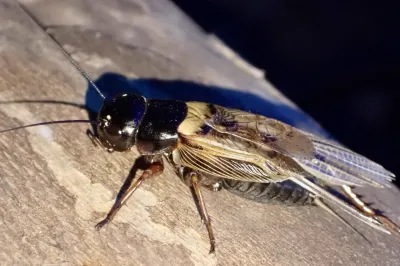
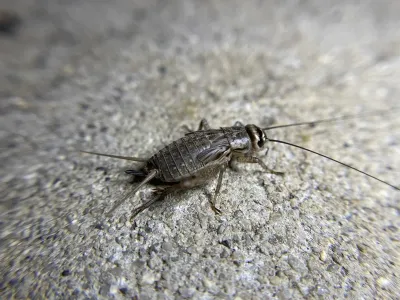
Explore other species in the crickets family
Commonly Confused With
Mormon Crickets are often mistaken for these similar pests
Where Mormon Crickets Are Found
Hover over states to see their names. Green regions indicate where mormon crickets have been reported.
Common Questions about Mormon Crickets
Why are they called Mormon crickets?
+
The name comes from an 1848 incident in Utah when swarms of these insects threatened crops planted by Mormon settlers. According to accounts, gulls arrived and ate the insects, saving the harvest. This event is commemorated by the California gull becoming Utah's state bird.
Are Mormon crickets actually crickets?
+
No, Mormon crickets are not true crickets. They are shield-backed katydids in the family Tettigoniidae. True crickets are in a different family called Gryllidae. The common name stuck even though it is not correct.
Do Mormon crickets bite humans?
+
Mormon crickets can bite if handled, but they rarely do so and are not aggressive toward humans. They have strong mandibles designed for eating plants. Any bite would be defensive and not dangerous, though it might be uncomfortable.
Why do Mormon crickets form massive swarms?
+
Mormon crickets band together and move in search of food, especially protein and salt. They also move to avoid being eaten by other Mormon crickets behind them. This fear of being eaten pushes the bands forward.
How far can Mormon cricket swarms travel?
+
Mormon cricket bands can travel up to 2 kilometers (about 1.2 miles) per day. During an outbreak, they may cross many miles of rangeland and farmland over several weeks.
What damage do Mormon crickets cause?
+
Mormon crickets eat native plants, crops, and grasses. Large outbreaks reduce food for livestock and wildlife. They damage crops like alfalfa and wheat and can cause soil erosion. Crushed crickets on roads also make driving dangerous.
How long do Mormon cricket outbreaks last?
+
Mormon cricket outbreaks have lasted from 5 to 21 years in the past. Dry conditions tend to trigger outbreaks. Once numbers build up, it can take several years for disease, weather changes, and other factors to bring populations back down.

With five years of hands-on experience in the pest control industry, George Schulz is a registered technician with the Virginia Pest Management Association and a proud third-generation professional in a family business that's been protecting homes for over 57 years. He manages and trains a team of service pros while also leading internal research efforts—recently spearheading a deep-dive review of thousands of documents on pest control materials to hand-pick the most kid and pet friendly, most effective solutions tailored specifically for homes in the DC metro area.