Mole Crickets Identification Guide
Family Gryllotalpidae
Mole crickets are burrowing insects with shovel-like front legs adapted for digging through soil. They are among the most destructive turf pests in the southeastern United States, causing millions of dollars in lawn damage annually by tunneling and feeding on grass roots.
Taxonomy
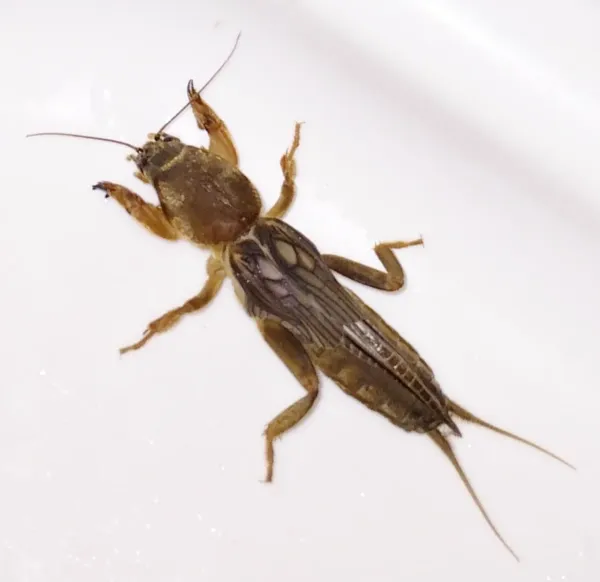
Mole Crickets Coloration
Common color patterns to help identify mole crickets
Mole Crickets
Seasonal Activity
When mole crickets are most active throughout the year

Where Mole Crickets Are Found
Hover over states to see their names. Green regions indicate where mole crickets have been reported.
Mole Cricket Identification Guide
Physical Characteristics
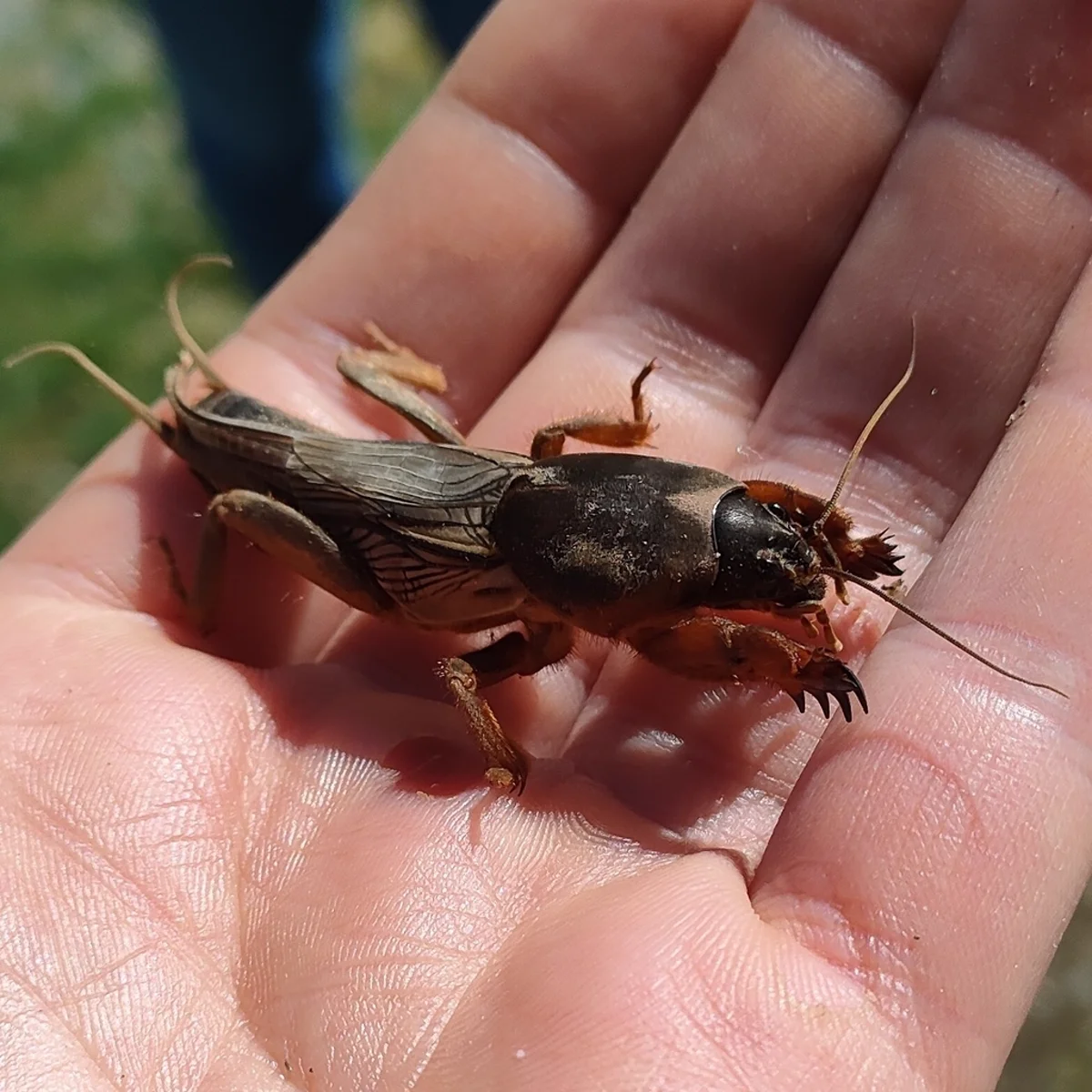
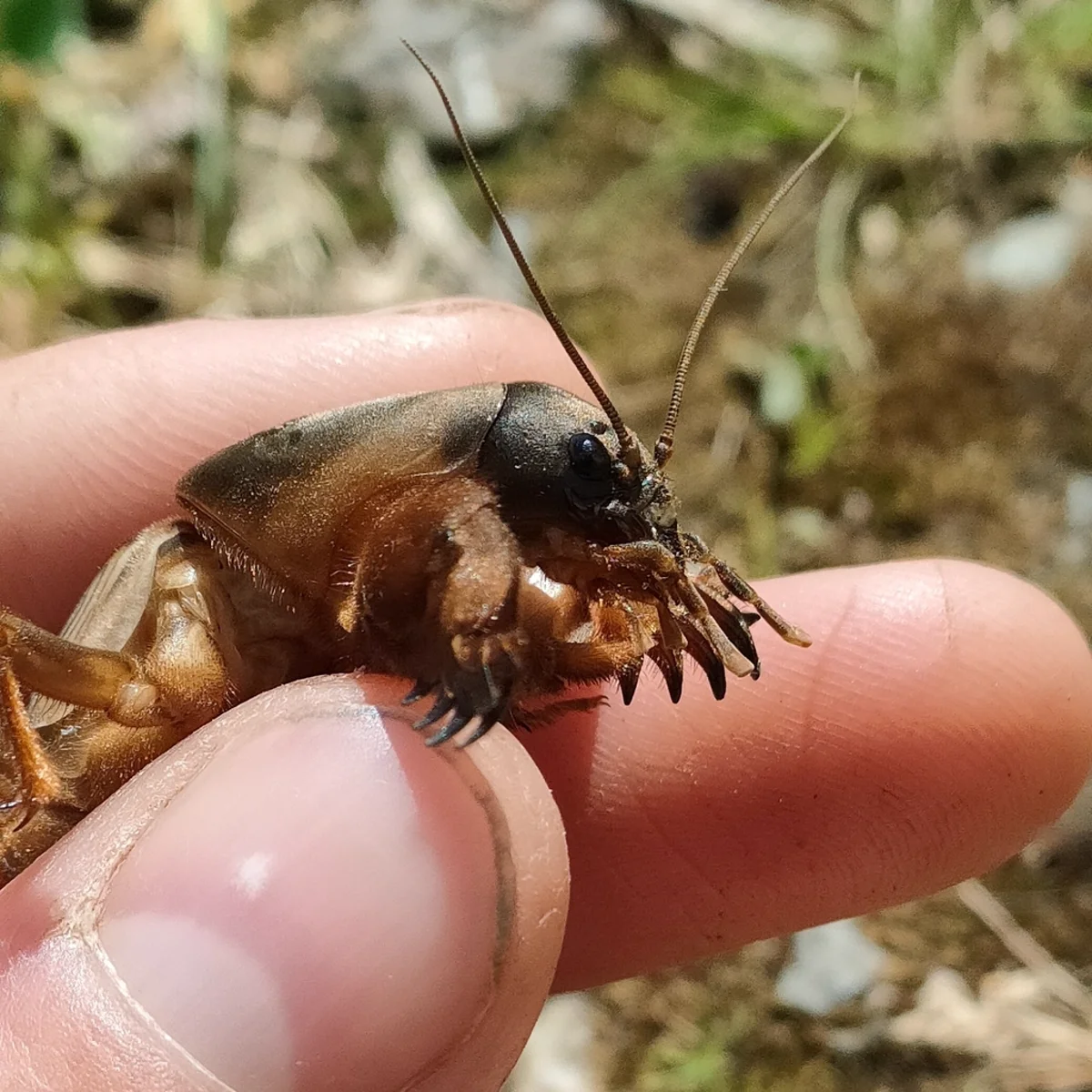
Mole crickets look like a cross between a cricket and a mole. Adults measure 1 to 2 inches long, making them one of the largest cricket species. Their front legs are broad and flat with claw-like tips built for digging through soil.
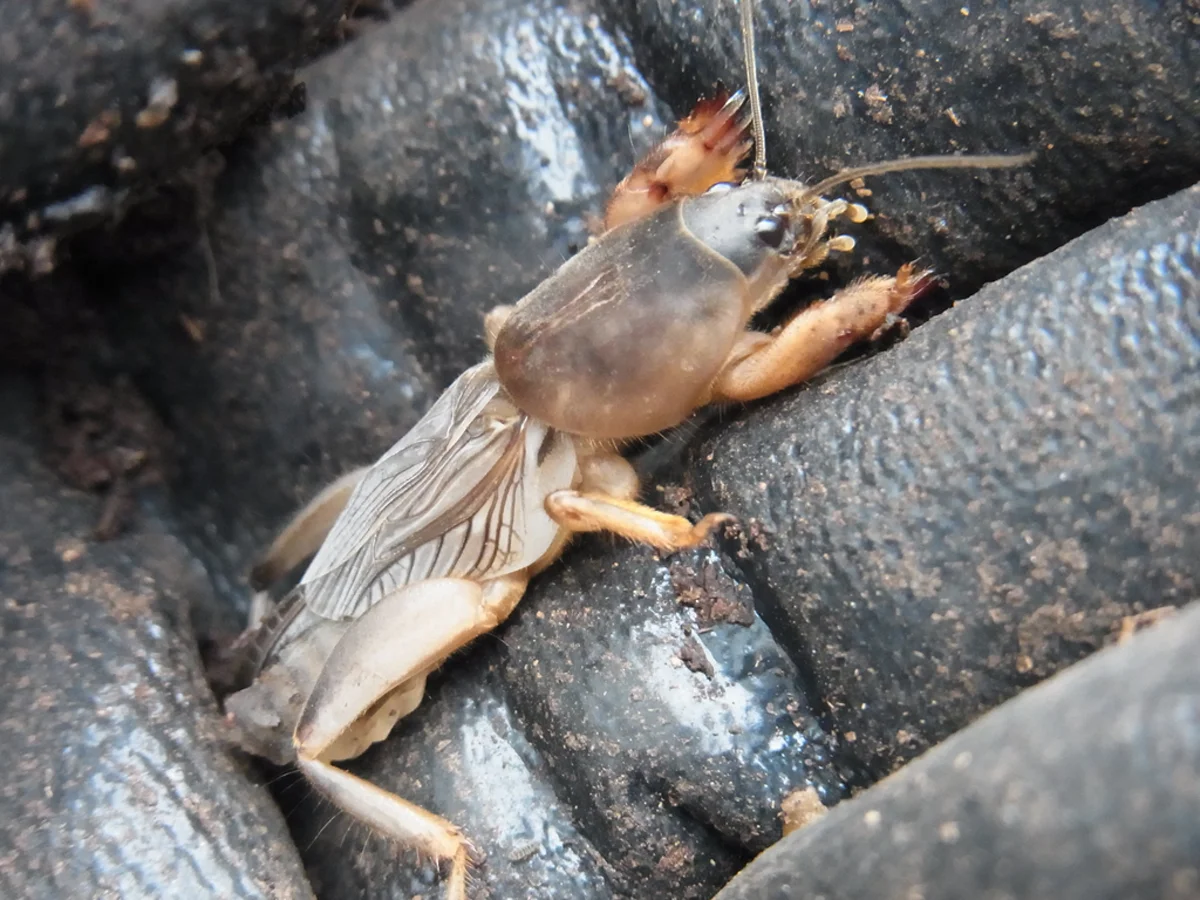
The body is tube-shaped and covered in fine, soft hairs that help push soil away while burrowing. Colors range from tan to grayish-brown, which helps them blend in underground. They have small, beady black eyes and long antennae. Unlike most crickets, mole crickets spend almost their entire lives underground. Their appearance is very different from field crickets and house crickets that homeowners encounter indoors.
Common Species in North America
Three invasive mole cricket species cause most lawn damage in the United States:
-
Tawny Mole Cricket (Neoscapteriscus vicinus) is the most destructive species. It feeds heavily on grass roots and is the main pest in the Southeast. Adults are tan to light brown with darker markings.
-
Southern Mole Cricket (Neoscapteriscus borellii) feeds mainly on other soil insects, though it does cause some damage through tunneling. It is less damaging than the tawny species.
-
Short-winged Mole Cricket (Neoscapteriscus abbreviatus) has small wings and cannot fly. It spreads more slowly but can cause major damage in localized areas, especially to St. Augustine grass.
The Northern Mole Cricket (Neocurtilla hexadactyla) is native to North America. It lives from the eastern states west to Texas and South Dakota. Unlike the invasive species, it rarely damages turf and is not considered a pest.
Mole Cricket Behavior and Biology
Life Cycle
Mole crickets have three life stages: egg, nymph, and adult. They spend most of their lives underground. Adults come up to fly and mate during breeding season.
Females dig 3 to 12 inches into moist soil and build small chambers. They lay 25 to 60 eggs per clutch. In some species, females guard their eggs until they hatch. Eggs hatch in 10 to 40 days based on soil temperature and moisture.
Nymphs look like small adults. They molt 8 to 10 times before reaching full size. This takes several months to a year based on species and climate. Nymphs feed and cause damage the whole time they grow. Most areas see one generation per year, though southern regions may see two.
Tunneling Behavior
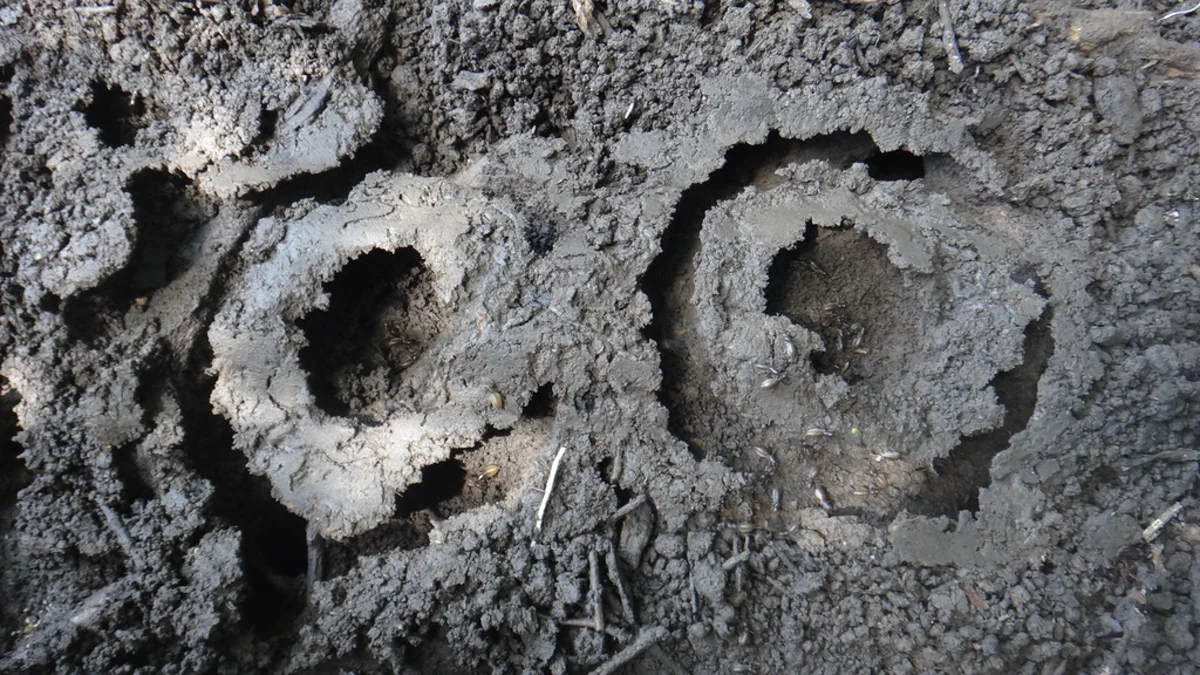
Mole crickets build tunnels 1 to 3 inches below the soil surface. Unlike moles that push soil into mounds, mole cricket tunnels show up as raised ridges on the lawn. These tunnels cut grass roots from the soil, causing the turf to dry out and die. A related species, Southeastern Field Crickets, shares similar characteristics.
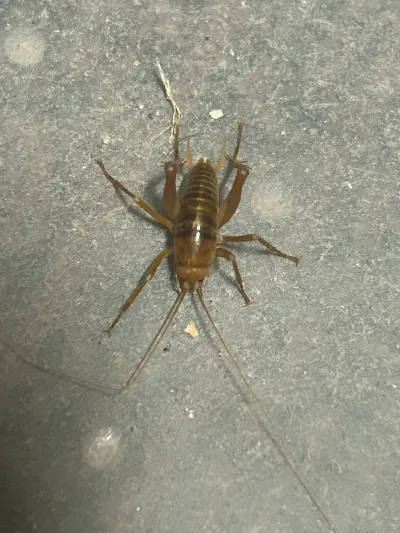
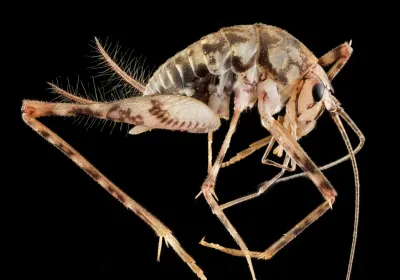
Tunneling picks up after rain or watering when soil is moist and easy to dig. Damage shows up most during dry spells when cut grass roots cannot reach water. A related species, Greenhouse Camel Crickets, shares similar characteristics.
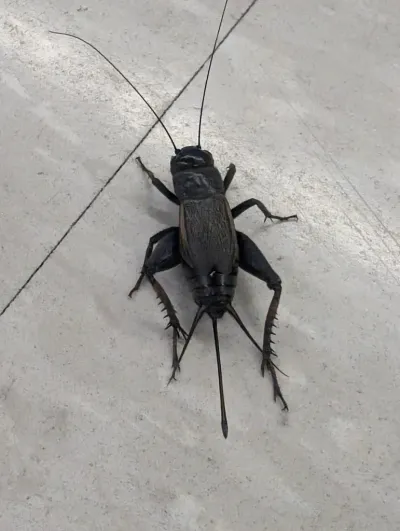
Feeding Habits A related species, Spring Field Crickets, shares similar characteristics.
Different mole cricket species eat different things. The tawny mole cricket eats grass roots, stems, and organic matter in the soil. This causes direct plant damage. The southern mole cricket hunts soil insects and earthworms, causing less direct plant damage. All species damage lawns through tunneling, no matter what they eat.
Seasonal Activity
Adult mole crickets become active in late winter and early spring as soil warms up. Flight and mating peak from March through May. Males build calling chambers near the soil surface and make a low-pitched trill to attract females. You can sometimes hear this on warm spring evenings.
Eggs laid in spring hatch by early summer. Nymphs feed through summer and fall. By late fall, mole crickets have reached full size or nearly so. They dig deeper into soil to survive winter. Activity starts again the next spring.
Signs of Mole Cricket Infestation
Tunnel Damage
The most obvious sign of mole crickets is raised, ridge-like tunnels on the lawn surface. These look like tiny earthquake cracks. They show up best after rain or watering. Walking across affected areas, the turf feels spongy underfoot because roots have been cut from the soil.
Dead Grass Patches
Brown patches of dead or dying grass usually appear in late summer and early fall. This happens as root damage builds up over time. These patches spread and merge as the problem grows. Damaged turf pulls up easily because roots have been cut.
Secondary Damage
Birds, armadillos, raccoons, and other animals dig up lawns to eat mole crickets. This secondary damage can be worse than the original problem. If you notice more digging activity in your lawn, mole crickets may be the cause.
Soap Flush Test
To check for mole crickets, mix 2 tablespoons of liquid dish soap with 2 gallons of water. Pour it over a 2 square foot area. The soap irritates mole crickets and drives them to the surface within 2 to 3 minutes. Finding 2 to 4 mole crickets means treatment is needed.
Treatment Methods for Mole Crickets
Good mole cricket control depends on timing. Since mole crickets live underground, surface sprays do not work well.
Cultural Controls
Keeping your lawn healthy helps it survive some mole cricket damage. Proper watering, feeding, and mowing help grass grow deep roots. Deep roots can better handle tunneling. However, good lawn care alone rarely stops a real infestation.
Turning off or reducing outdoor lights at night can help stop new infestations. Flying adults are drawn to lights during mating season.
Biological Controls
Several natural enemies have been used to fight mole crickets:
-
Larra wasps (Larra bicolor) lay eggs on mole crickets. The wasp larvae feed on the cricket and kill it. These wasps now live in Florida and are spreading on their own.
-
Steinernema scapterisci is a parasitic nematode that infects and kills mole crickets. These tiny roundworms can be applied to lawns. They stay in the soil and provide ongoing control.
-
Ormia depleta is a parasitic fly from South America. It has helped lower mole cricket numbers in some areas.
Chemical Controls
Chemical treatments work best in late spring and early summer (June and July in most areas). This is when nymphs are small and easy to kill. Young nymphs are more sensitive to insecticides than adults.
Granular or liquid insecticides that soak into soil work best. They reach mole crickets in their tunnels. Water products in after applying to move them into the soil.
Fall treatments can reduce numbers but usually work less well than summer treatments that target young nymphs.
Combined Approach
The best mole cricket control uses several methods together. Biological controls work for long-term population reduction. Chemical treatments handle high populations. Good lawn care helps turf stay healthy and bounce back.
References
Other Crickets
Explore other species in the crickets family
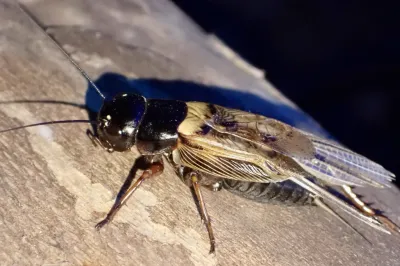
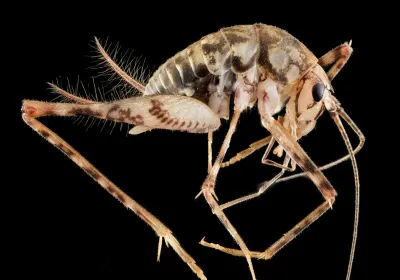
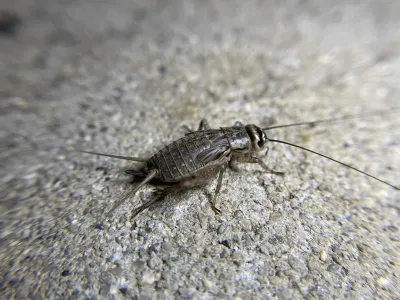
Where Mole Crickets Are Found
Hover over states to see their names. Green regions indicate where mole crickets have been reported.
Common Questions about Mole Crickets
How do I know if mole crickets are damaging my lawn?
+
Look for raised, ridge-like tunnels visible on the soil surface, similar to tiny earthquake fissures. The grass in affected areas will feel spongy underfoot because roots have been severed. Brown patches of dying grass typically appear in late summer and fall. A soapy water flush test can confirm their presence.
What does mole cricket damage look like?
+
Mole cricket damage appears as irregular brown patches of dead or dying grass. The soil beneath feels soft and spongy because tunneling has separated grass roots from the soil. You may also see small mounds of soil and visible tunnel ridges, especially after rain.
How do I test for mole crickets in my lawn?
+
Mix 2 tablespoons of liquid dish soap with 2 gallons of water and pour it over a 2 square foot area. If mole crickets are present, they will surface within 2-3 minutes to escape the irritating soap solution. Finding 2-4 mole crickets indicates a population that needs treatment.
When is the best time to treat for mole crickets?
+
The most effective time to treat is in late spring to early summer when nymphs are small and most vulnerable to insecticides. Young mole crickets are easier to kill than mature adults. Fall treatments can reduce overwintering populations but are generally less effective.
What grass types are most susceptible to mole crickets?
+
Bermuda grass and Bahia grass are most susceptible to mole cricket damage. St. Augustine grass is also frequently damaged, particularly by the short-winged mole cricket species. Zoysia and centipede grass are less commonly affected.
Do mole crickets bite humans?
+
Mole crickets do not bite or sting humans. They are not dangerous to people or pets. Their damage is limited to lawns, turf grass, and agricultural crops where they tunnel through soil and feed on plant roots.
Can mole crickets fly?
+
Yes, adult mole crickets can fly and are strong fliers. They are most active at night and are attracted to lights. Males call from tunnel entrances to attract flying females during mating season in spring. This flying ability allows them to spread to new areas. Learn more about [which crickets can fly](/can-crickets-fly/).

With five years of hands-on experience in the pest control industry, George Schulz is a registered technician with the Virginia Pest Management Association and a proud third-generation professional in a family business that's been protecting homes for over 57 years. He manages and trains a team of service pros while also leading internal research efforts—recently spearheading a deep-dive review of thousands of documents on pest control materials to hand-pick the most kid and pet friendly, most effective solutions tailored specifically for homes in the DC metro area.