Katydids Identification Guide
Family Tettigoniidae
Katydids are large, leaf-shaped insects related to crickets and grasshoppers. Known for their distinctive nighttime calls that sound like 'katy-did, katy-didn't,' these harmless insects are masters of camouflage but occasionally wander into homes attracted by lights.
Taxonomy
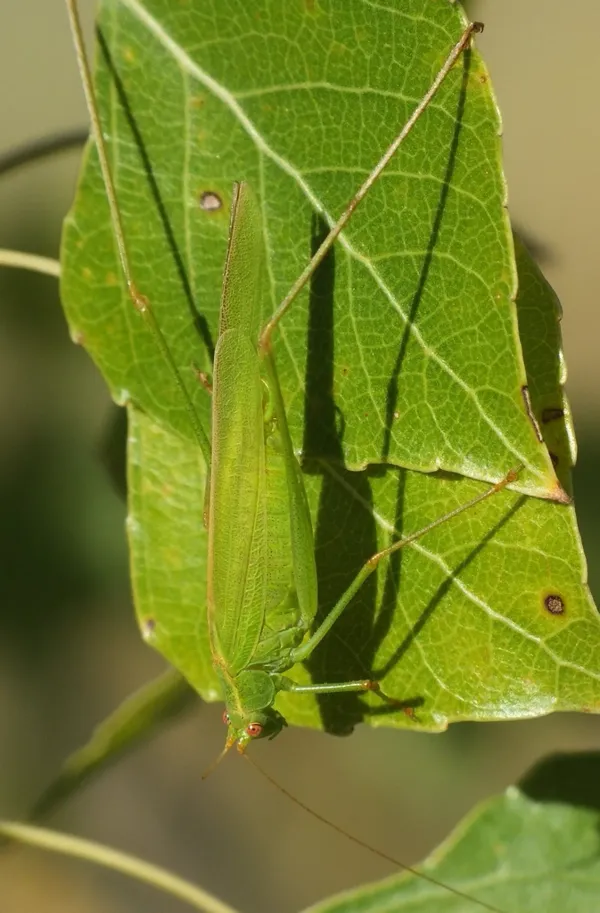
Katydids Coloration
Common color patterns to help identify katydids
Katydids
Seasonal Activity
When katydids are most active throughout the year
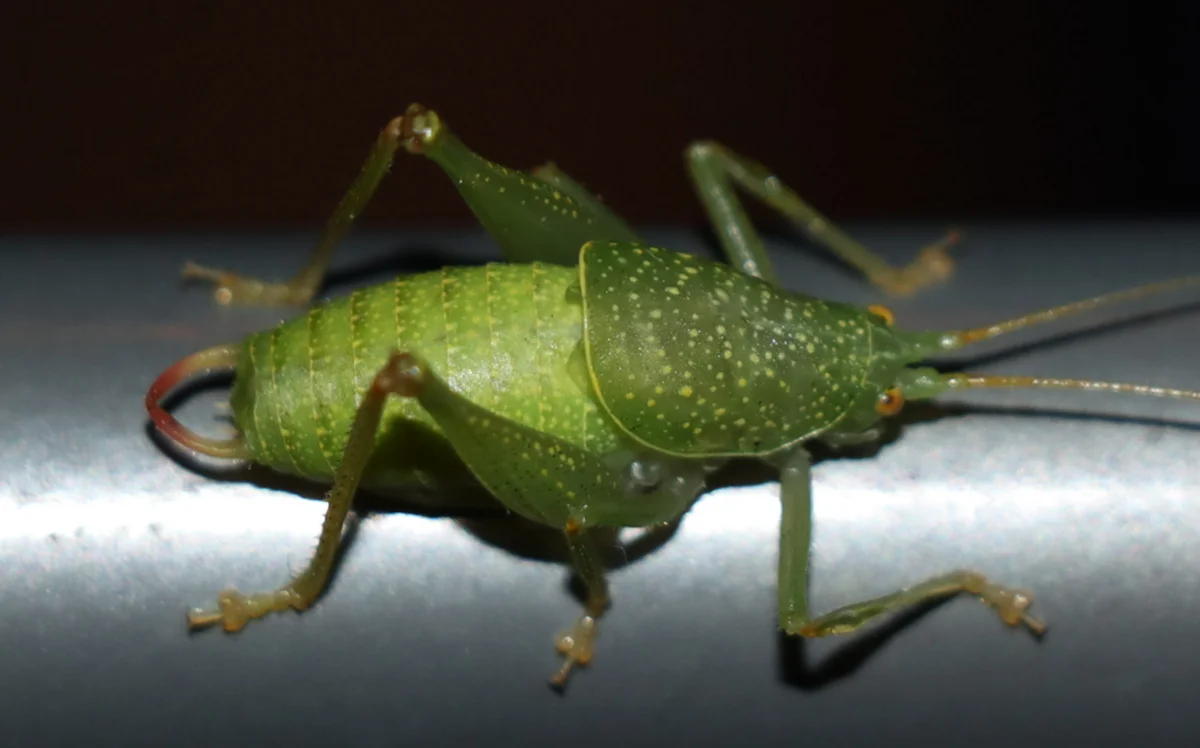
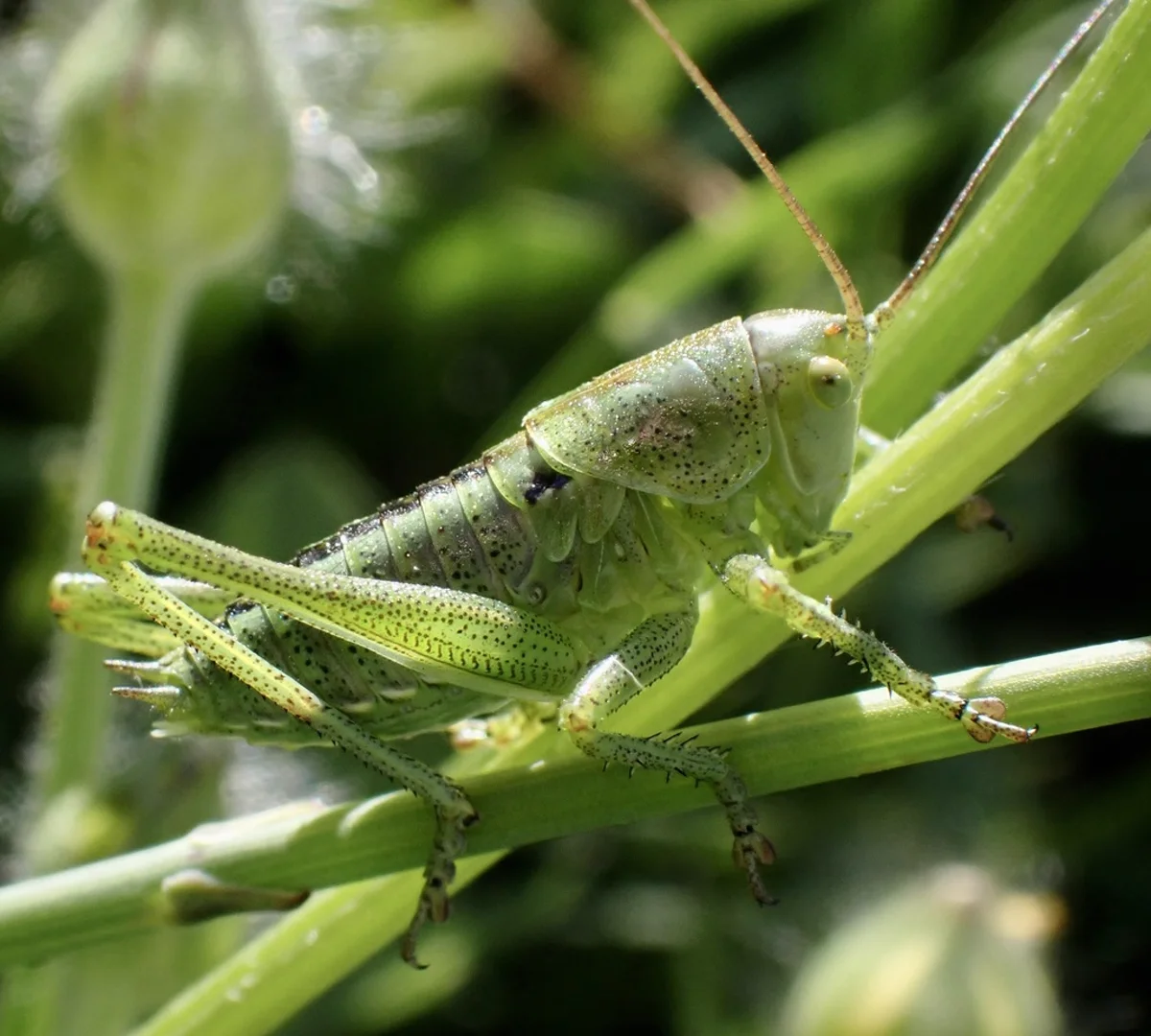
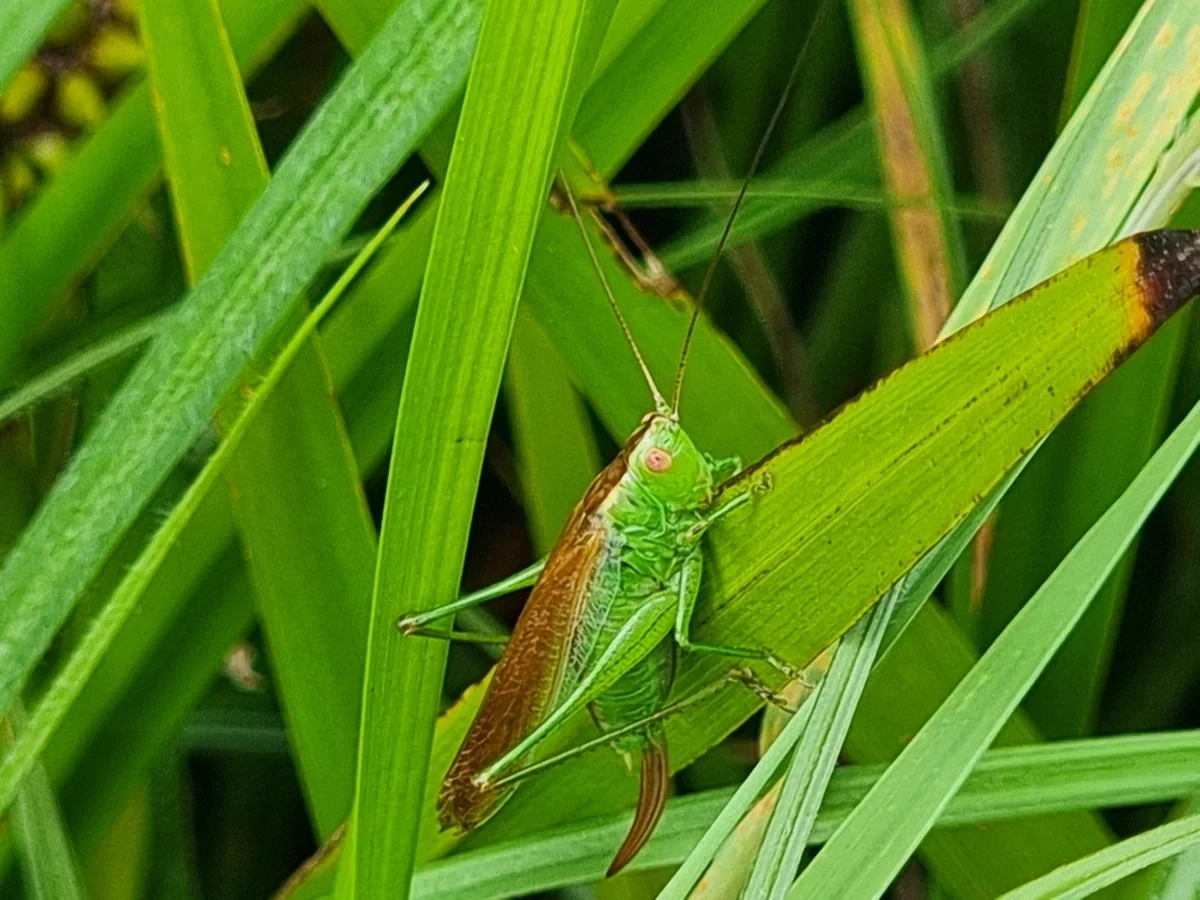

Where Katydids Are Found
Hover over states to see their names. Green regions indicate where katydids have been reported.
Katydid Identification Guide
Physical Characteristics
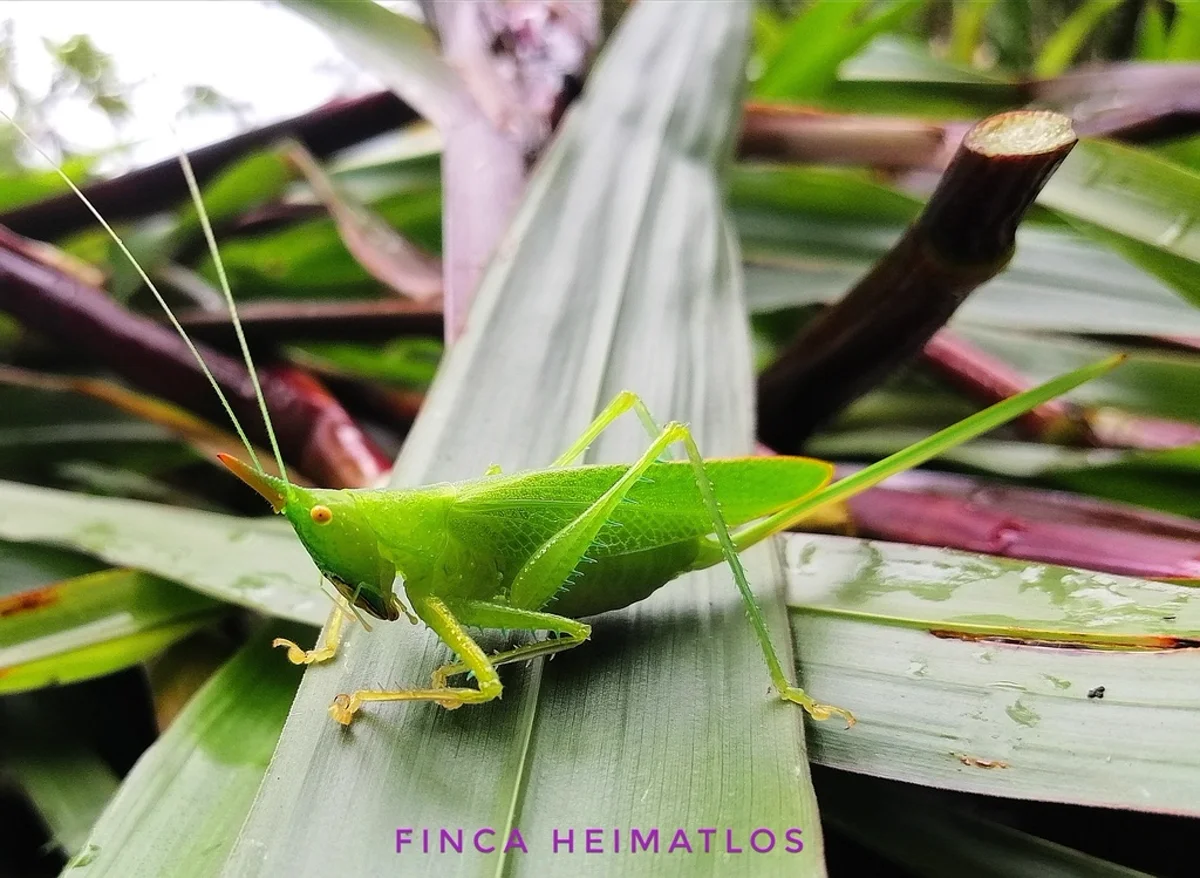
Katydids are large insects in the family Tettigoniidae. Adults measure 25 to 75 millimeters long, about 1 to 3 inches. They are among the largest cricket relatives in North America. Their leaf-shaped wings stand out as their most notable feature. The wings are held upright over the body like a tent. Most species have bright green wings with veins that look like leaf patterns. This helps them blend in with plants.
The head is round with two large eyes and very long, thin antennae. These antennae often reach twice the body length. This sets katydids apart from grasshoppers, which have short, thick antennae.
Katydids have six legs. The back legs are larger and built for jumping. Females have a long, curved egg-laying tube at the end of their body. They use this to place eggs in plant stems or soil. Males do not have this tube and have a rounder body shape.
Common Species in North America
Several katydid species are common throughout North America:
-
Common True Katydid (Pterophylla camellifolia) is found throughout the eastern United States and Canada. This large, bright green species produces the classic “katy-did, katy-didn’t” call heard on summer nights. Adults are 45 to 55 millimeters long.
-
Angular-winged Katydid (Microcentrum retinerve) is common across the eastern and central states. It has angular wing tips and produces a series of sharp clicks and buzzes. Adults reach 50 to 65 millimeters.
-
Fork-tailed Bush Katydid (Scudderia furcata) is widespread across North America. This slender species is bright green with a distinctive forked structure at the tail end. Adults are 30 to 45 millimeters long.
-
Broad-winged Bush Katydid (Scudderia pistillata) is found in meadows and gardens throughout the eastern half of the continent. Adults reach 35 to 50 millimeters.
-
Oblong-winged Katydid (Amblycorypha oblongifolia) is common in deciduous forests of the eastern United States. This species has more oblong wings than the true katydid and produces softer calls.
How to Tell Katydids Apart from Similar Insects
Katydids look like other insects but have key differences:
-
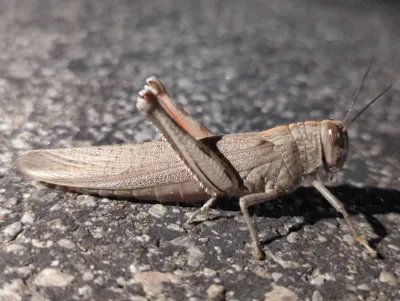
Grasshoppers have short, thick antennae and come out during the day. Katydids have very long, thin antennae and are active at night. Grasshoppers hold their wings flat. Katydids hold their wings upright like a tent.
-
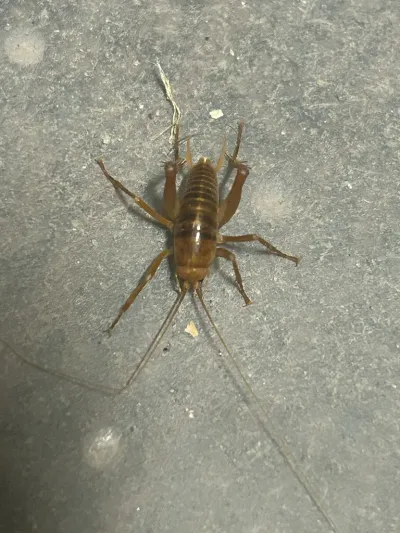
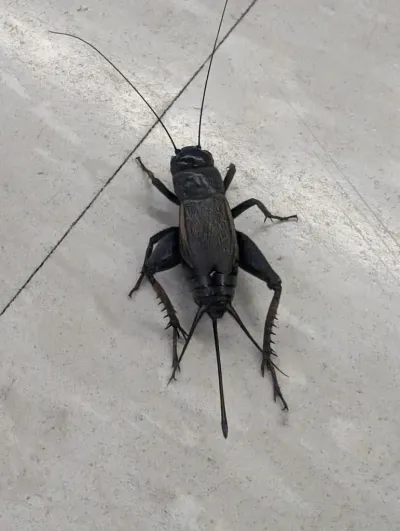
Crickets are smaller and rounder than katydids. Most crickets are brown or black. Katydids are usually green. Crickets have long antennae like katydids, but their body shape is flatter.
-
Praying Mantises have a triangle-shaped head and front legs made to catch prey. Mantises hunt other insects. Katydids mostly eat plants.
-
Mormon Crickets are actually katydids, not true crickets. They are large, flightless, and can form destructive migratory bands in the western United States.
Katydid Behavior and Biology
Nocturnal Lifestyle A related species, House Crickets, shares similar characteristics.
Katydids are active at night. During the day, they stay still on leaves, branches, or bark. Their green color and leaf-shaped wings help them hide from birds and other hunters. A related species, Southeastern Field Crickets, shares similar characteristics.
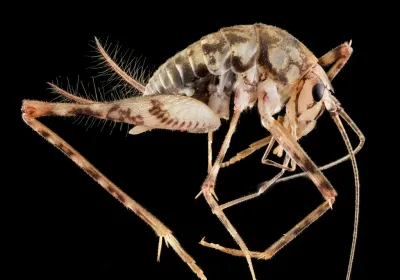
At dusk, katydids start moving. Males call to attract females. Both males and females feed on leaves, flowers, and sometimes other insects. They stay active through the night. Peak activity comes in the hours after sunset. Katydids call most on warm, humid nights above 70 degrees Fahrenheit. A related species, Greenhouse Camel Crickets, shares similar characteristics.
Sound Production and Communication A related species, Spring Field Crickets, shares similar characteristics.
Male katydids make their calls by rubbing parts of their front wings together. The left wing has a scraper. It rubs against a ridge on the right wing to make sound. Each species has its own call pattern that females know. A related species, Jamaican Field Crickets, shares similar characteristics.
The common true katydid makes the well-known “katy-did, katy-didn’t” sound of eastern summer nights. Other species make clicks, buzzes, or steady trills. Katydid calls are louder and more varied than cricket chirps.
Temperature changes the calling rate. Warmer nights bring faster calls. Cooler nights slow the rhythm. Some species find each other by sound alone, even in thick plants.
Diet and Feeding Habits
Katydids mostly eat plants. Their diet includes:
- Leaves from trees, shrubs, and other plants
- Flowers and flower buds
- Fruit, seeds, and plant stems
- Pollen and nectar
Some katydid species also eat aphids, caterpillars, and other small insects. A few tropical species only eat other insects. North American katydids mostly eat plants.
Katydids chew their food with strong jaws. They eat small amounts from many plants instead of eating all the leaves from one plant. This spread-out feeding means they rarely cause major damage to gardens.
Life Cycle and Reproduction
Female katydids lay eggs using their long egg-laying tubes. They place eggs in plant stems, leaf edges, bark, or soil. One female may lay several hundred eggs in her life.
Most katydid species have a one-year life cycle. Eggs laid in late summer or fall stay dormant through winter. They hatch in late spring when it warms up and plants grow leaves.
Young katydids are called nymphs. They look like small adults without wings. Nymphs shed their skin 5 to 7 times over 2 to 3 months. Wing pads grow larger with each molt. At the final molt, wings become fully formed. Adults appear from midsummer through fall. Peak numbers occur in August and September.
Seasonal Patterns
Katydid activity follows a set pattern in most of North America:
- Spring (April-May): Eggs hatch. Nymphs start feeding and growing.
- Early Summer (June-July): Nymphs keep growing. Wing pads start to show.
- Late Summer (August-September): Adults mature and start calling. Mating happens.
- Fall (October-November): Egg-laying peaks. Adults die after the first hard frosts.
In the South where winters are mild, some species may have more than one generation per year. Adults may live into December.
Treatment Methods for Katydids
Katydids do not damage homes and rarely harm gardens. Most homeowners who find katydids do not need treatment. However, if katydids enter your home or their nighttime calls bother you, several steps can help.
Exclusion and Prevention
Keeping katydids out of your home is the best approach:
-
Reduce outdoor lighting or switch to yellow “bug lights” that attract fewer insects. Katydids are drawn to bright white lights at night.
-
Keep doors and windows closed after dark during peak katydid season in August and September. Fix or add screens on windows and doors.
-
Seal gaps around doors, windows, pipes, and vents. Weather stripping and door sweeps help keep katydids and other insects out.
-
Turn off indoor lights that can be seen from outside. You can also close curtains and blinds at night.
Habitat Modification
Cutting back plants near your home can reduce katydid numbers:
-
Trim plants away from walls and windows. Katydids in shrubs and trees near the house are more likely to come to your lights.
-
Remove leaf litter and debris near the foundation where katydids may hide during the day.
-
Think about plant placement when adding new plants. Dense shrubs and trees right next to the house give katydids easy access when they move toward lights.
Physical Removal
You can remove katydids that get inside by hand:
- Catch them gently in a jar or container
- Let them go outside away from doors
- Katydids move slowly and are easy to catch
When Professional Help May Be Needed
Large katydid problems that need professional treatment are very rare. If many katydids are getting inside your home, the cause is likely lighting, gaps in the building, or nearby plants. A pest control expert can check your property to find entry points and what draws them in.
Most of the time, turning down lights and sealing entry points will fix katydid problems without any sprays or treatments.
References
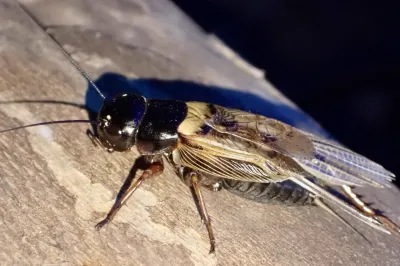
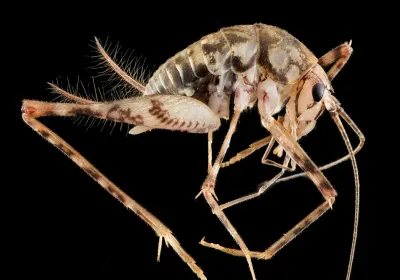
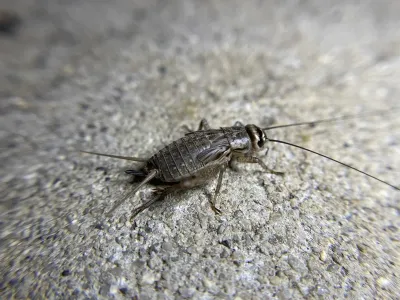
Other Crickets
Explore other species in the crickets family
Commonly Confused With
Katydids are often mistaken for these similar pests
Where Katydids Are Found
Hover over states to see their names. Green regions indicate where katydids have been reported.
Common Questions about Katydids
Are katydids harmful to humans?
+
Katydids are completely harmless to humans. They do not bite, sting, or carry diseases. While they have strong mandibles for chewing leaves, they are not aggressive and will not attack people. If handled roughly, a large katydid might deliver a mild pinch, but this rarely breaks the skin.
Why do katydids make noise at night?
+
Male katydids produce their distinctive calls to attract females for mating. They create sound by rubbing their front wings together, a process called stridulation. Each species has a unique call pattern that females recognize. The familiar 'katy-did, katy-didn't' sound comes from the common true katydid of eastern North America.
What attracts katydids to my house?
+
Katydids are strongly attracted to lights at night. Porch lights, outdoor fixtures, and illuminated windows draw them toward homes. They may land on screens, doors, or siding and occasionally enter through open doors or gaps. Homes near wooded areas or with mature landscaping are more likely to encounter katydids.
Do katydids damage plants or gardens?
+
Katydids feed on leaves, flowers, and sometimes fruit. They rarely cause major plant damage. Unlike locusts or grasshoppers that form swarms, katydids are solitary. Their feeding spreads across many plants, so damage to any one plant stays minor.
How long do katydids live?
+
Adult katydids typically live 2 to 3 months during summer and fall. Their complete life cycle from egg to adult takes about one year in most North American species. Eggs laid in fall or early winter remain dormant through winter and hatch the following spring. Nymphs develop through several molts before reaching adulthood by midsummer.
What is the difference between katydids and grasshoppers?
+
Katydids have much longer antennae than grasshoppers, often exceeding their body length. Grasshopper antennae are short and thick. Katydids are primarily nocturnal and call at night, while grasshoppers are active during the day. Most katydids are green and leaf-shaped for camouflage in foliage, while grasshoppers often have brown or tan coloring.
Can katydids fly?
+
Yes, most katydid species can fly, though they are not strong fliers. Their broad, leaf-like wings are better suited for gliding and short flights than sustained travel. When disturbed, katydids are more likely to jump or walk away rather than fly. They typically fly at night when moving between plants or toward lights.

With five years of hands-on experience in the pest control industry, George Schulz is a registered technician with the Virginia Pest Management Association and a proud third-generation professional in a family business that's been protecting homes for over 57 years. He manages and trains a team of service pros while also leading internal research efforts—recently spearheading a deep-dive review of thousands of documents on pest control materials to hand-pick the most kid and pet friendly, most effective solutions tailored specifically for homes in the DC metro area.