Jerusalem Crickets Identification Guide
Stenopelmatus spp.
Jerusalem crickets are large, flightless insects with distinctive bulbous heads and banded abdomens. Despite their name, they are not true crickets and do not chirp. These slow-moving, nocturnal insects are native to western North America and are sometimes called potato bugs or child of the earth.
Taxonomy
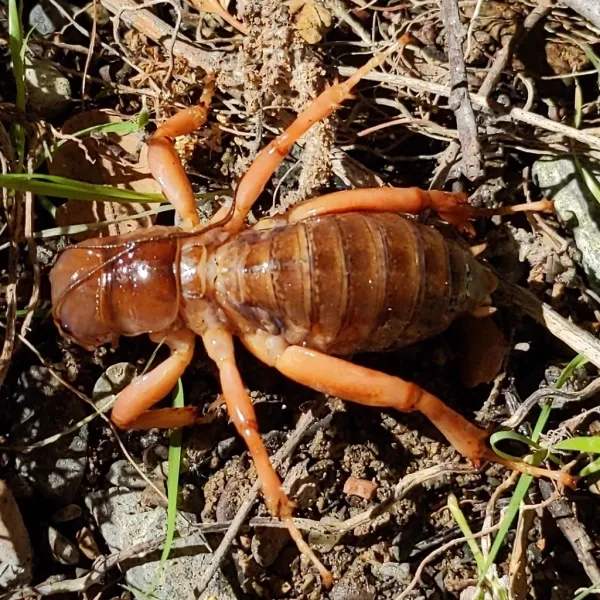
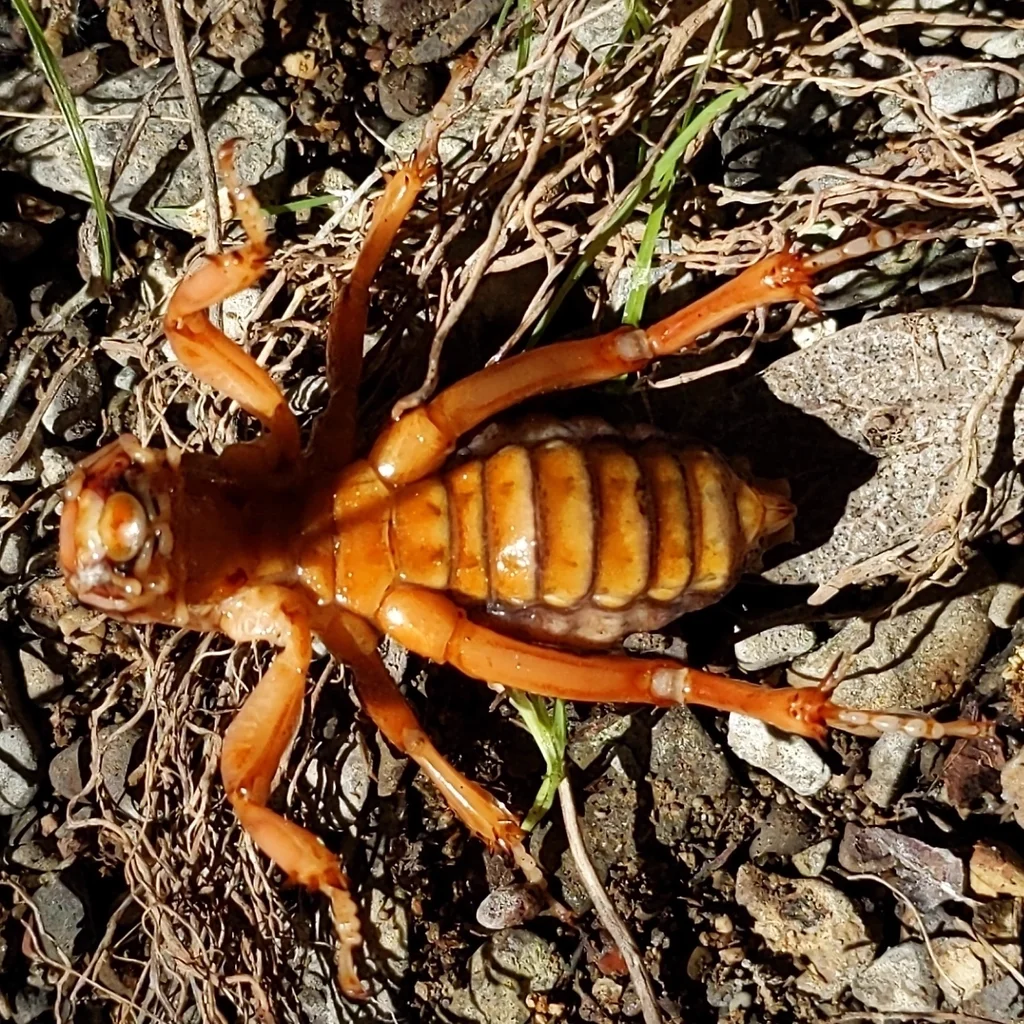
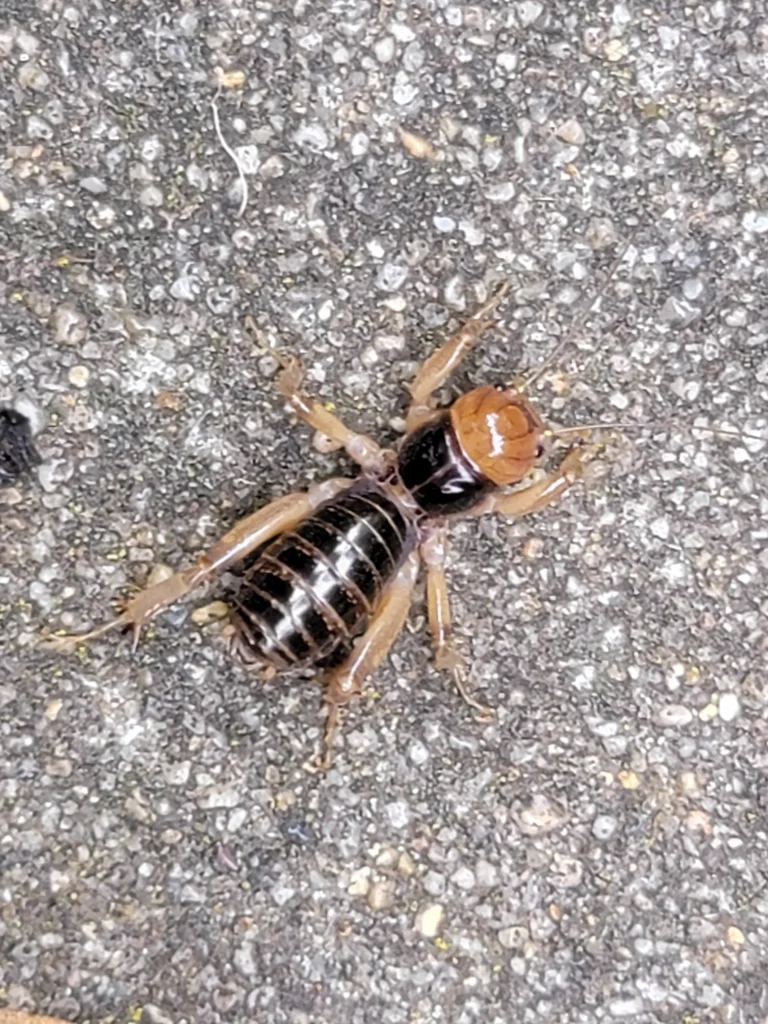
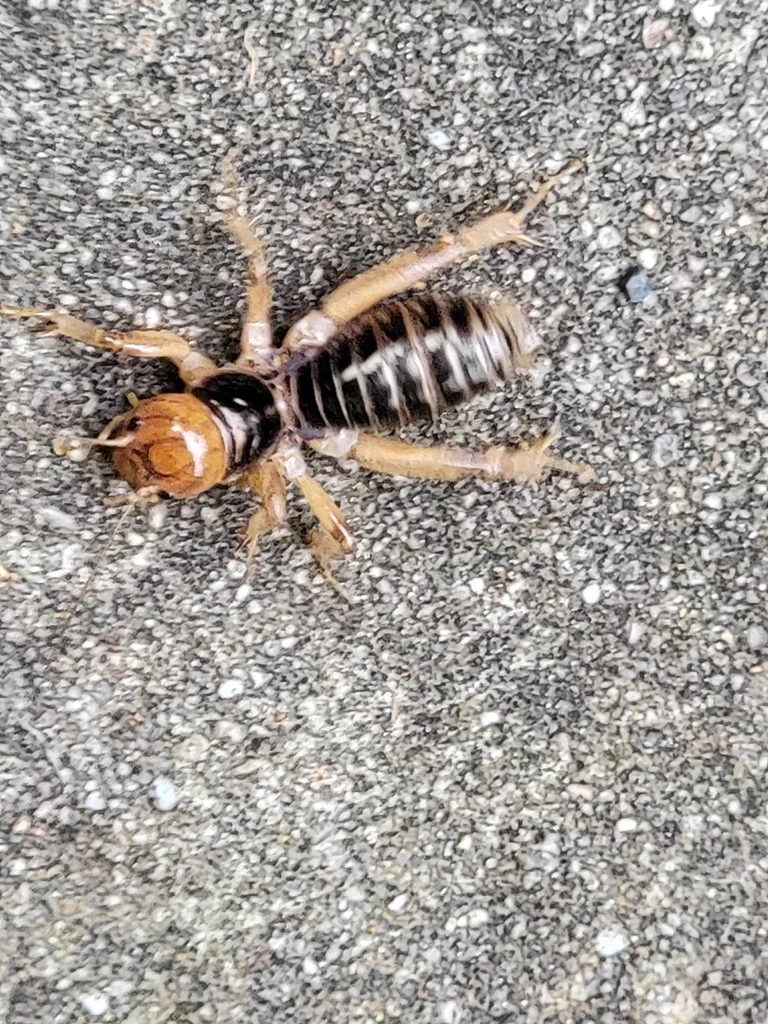
Jerusalem Crickets Coloration
Common color patterns to help identify jerusalem crickets
Jerusalem Crickets
Seasonal Activity
When jerusalem crickets are most active throughout the year
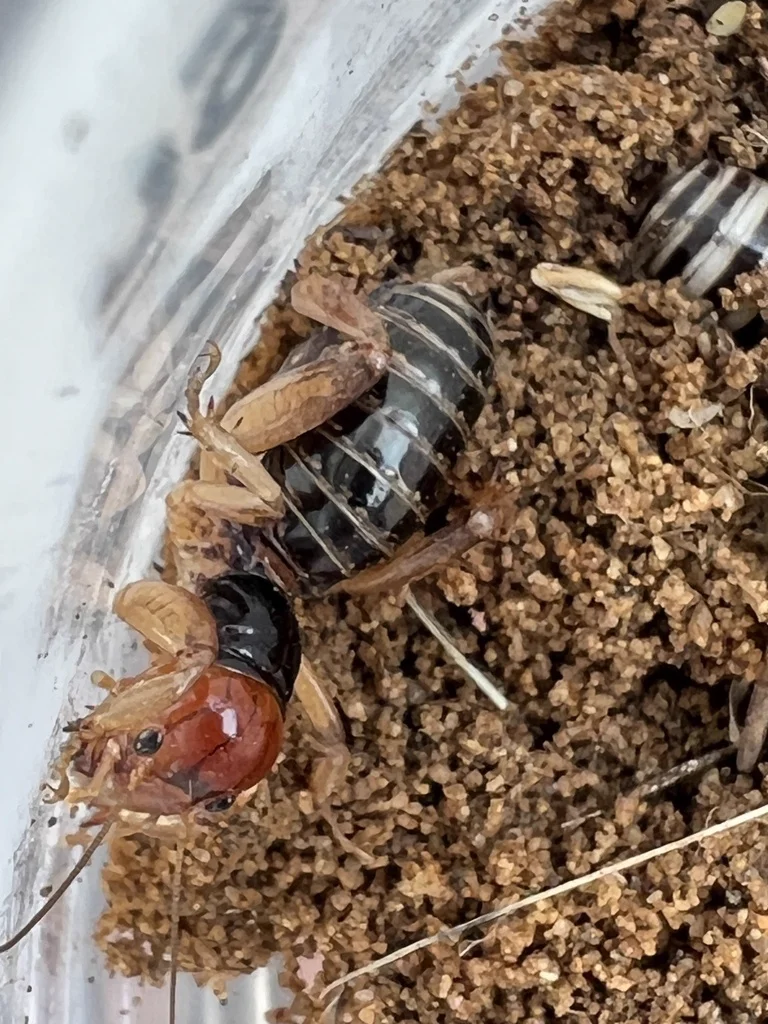

Where Jerusalem Crickets Are Found
Hover over states to see their names. Green regions indicate where jerusalem crickets have been reported.
Jerusalem Cricket Identification Guide
Physical Characteristics
Jerusalem crickets (Stenopelmatus spp.) are among the largest insects in North America. Adults measure 25mm to 76mm (1 to 3 inches) long. Their most notable feature is a very large, rounded head that is amber to orange-yellow in color. This big head and their face-like look have earned them nicknames like “skull insect” and “child of the earth.”
Their bodies are thick and tube-shaped with a shiny, waxy coating. The abdomen has bold black or dark brown bands that alternate with lighter tan, cream, or yellow stripes. This banding pattern makes them easy to identify. Unlike true crickets, Jerusalem crickets have no wings at any life stage.
Jerusalem crickets have six strong legs built for digging. Their front and middle legs have sturdy spines. Their hind legs are thick and powerful but cannot jump like true crickets can. Their antennae are long, thick, and segmented. The antennae often extend past the length of their body. Their eyes are small and sit far apart on the sides of their head.
Species Diversity
Scientists believe 60 to 100 species of Jerusalem crickets live in North America. However, only about 14 have been formally named. Telling species apart is hard and often requires looking at internal body parts or listening to their drumming sounds. Most species look alike on the outside.
The genus Stenopelmatus is native to western North America and Central America. Related insects called wetas live in New Zealand and Australia.
Distinguishing Jerusalem Crickets from Similar Insects
Jerusalem crickets are sometimes confused with other insects:
-
Camel Crickets: Camel crickets have a humpbacked appearance and much longer, thinner hind legs built for jumping. They are smaller and lack the distinctive banded abdomen and large head of Jerusalem crickets.
-
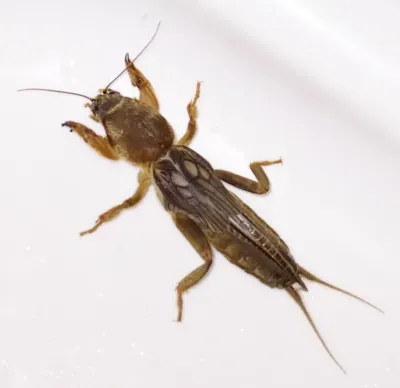
Mole Crickets: Mole crickets have shovel-like front legs adapted for digging through turf. They are brown throughout without the contrasting banded pattern and have a more elongated body shape.
-
Potato Beetles: The nickname “potato bug” causes confusion with Colorado potato beetles, which are small, round beetles with yellow and black stripes. Jerusalem crickets are much larger and have an entirely different body structure.
Jerusalem Cricket Behavior and Biology
Habitat and Distribution
Jerusalem crickets are native to western North America. They live from British Columbia in the north through the western United States. Their range includes California, Oregon, Washington, Nevada, Arizona, New Mexico, Utah, Colorado, Idaho, Montana, and Wyoming. They also live in Mexico. They are most common in the dry and semi-dry regions of the American Southwest.
These insects prefer loose, sandy, or loamy soil where they can dig burrows. They are often found in:
- Grasslands and prairies
- Scrubland areas
- Mountain foothills
- Sandy banks and hillsides
- Gardens and farm fields
- Under rocks, logs, and debris
Jerusalem crickets spend most of their time underground. They dig burrows and chambers in loose soil where they stay during the day. They may also hide under rocks, boards, or other objects on the ground. A related species, Southeastern Field Crickets, shares similar characteristics.
Nocturnal Activity A related species, Greenhouse Camel Crickets, shares similar characteristics.
Jerusalem crickets are active only at night. They stay hidden in their burrows during the day and come out after dark to look for food and mates. On warm nights, you may see them walking along gravel paths, sandy areas, or across lawns and patios. They move slowly and are easy to watch when spotted. A related species, Spring Field Crickets, shares similar characteristics.
Homeowners most often see Jerusalem crickets when they wander into garages, basements, or homes at night. They do not seek out human dwellings on purpose. They may enter while looking for food or moisture.
Feeding Habits
Jerusalem crickets eat many types of food. Their diet includes:
- Rotting plant material and leaf litter
- Roots and tubers
- Dead insects and other small creatures
- Fungi and organic matter in soil
- Sometimes other Jerusalem crickets
Despite their common name “potato bug,” Jerusalem crickets rarely harm garden crops. They prefer rotting organic matter over living plants.
Communication Through Drumming
True crickets like field crickets and house crickets chirp by rubbing their wings together. Jerusalem crickets cannot do this because they have no wings. Instead, they make sounds by drumming. During mating season, both males and females strike their abdomens against the ground. These vibrations travel through the soil. Humans can hear them up to 60 feet away in quiet conditions.
Each species makes a different drumming pattern. Females use these sounds to find males of their own species. This drumming is most common in spring and early summer during mating season.
Life Cycle
Jerusalem crickets take much longer to grow than most insects. Their life cycle includes:
-
Eggs: Females lay eggs in the soil, usually in small chambers inside their burrows.
-
Nymphs: Eggs hatch into nymphs that look like tiny adults. Nymphs are pale and soft at first. They darken as their outer shell hardens.
-
Growth: Nymphs shed their skin many times as they grow. This process takes 2 to 5 years. Crickets in cooler northern areas take longer to mature.
-
Adults: Once fully grown, adults live for 2 to 6 more months. Mating happens mostly in spring, from March through June.
Defensive Behavior
When threatened, Jerusalem crickets try to escape by digging into the soil or hiding under cover. If cornered or picked up, they may rear up on their hind legs. They can bite with their strong jaws. The bite is not venomous but can be quite painful because of their jaw strength.
Jerusalem crickets may also release a bad-smelling fluid when scared. This helps keep predators away. Despite their scary look, they are calm insects. They pose no threat to humans unless handled roughly.
Treatment Methods for Jerusalem Crickets
Jerusalem crickets are mostly outdoor insects that rarely cause problems for homeowners. They do not infest buildings, damage property, or pose health risks. Most sightings are by chance, and treatment is rarely needed.
For homeowners who want to prevent Jerusalem crickets from entering, these methods work well:
Exclusion
The best approach is to stop them from getting inside:
- Seal gaps and cracks in the foundation with caulk or foam
- Install door sweeps on outside doors, especially garage doors
- Fix damaged weatherstripping around windows and doors
- Seal openings around pipes, wires, and utility lines
- Make sure window screens are intact and fit tightly
Habitat Changes
Making your yard less attractive to them can reduce sightings:
- Remove boards, rocks, and debris near the foundation
- Keep firewood stacked away from the house
- Use less mulch next to the foundation
- Fix moisture problems around the foundation
- Trim plants away from the house
Physical Removal
When Jerusalem crickets are found inside, removing them by hand usually works:
- Wear gloves to avoid a bite
- Gently catch the insect using a jar or container
- Let it go outside away from the home
Jerusalem crickets live alone and do not breed indoors. Finding one inside does not mean you have an infestation. They are just wanderers that got in by accident.
When to Seek Help
If you see Jerusalem crickets often or notice other unusual pest activity, a professional inspection can find entry points and conditions that attract them. For most homeowners, an occasional sighting needs only physical removal and basic sealing of entry points.
References
Other Crickets
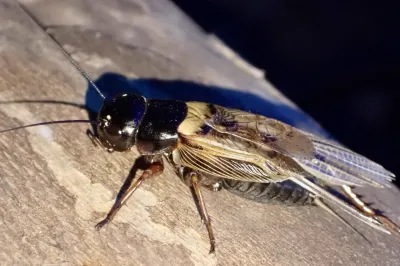
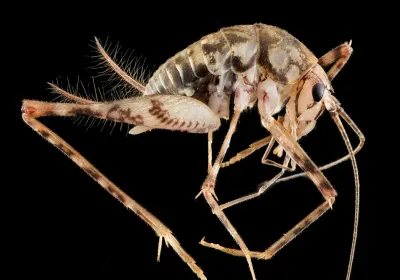
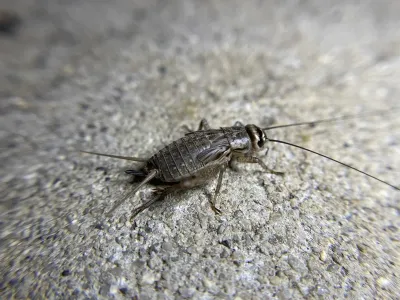
Explore other species in the crickets family
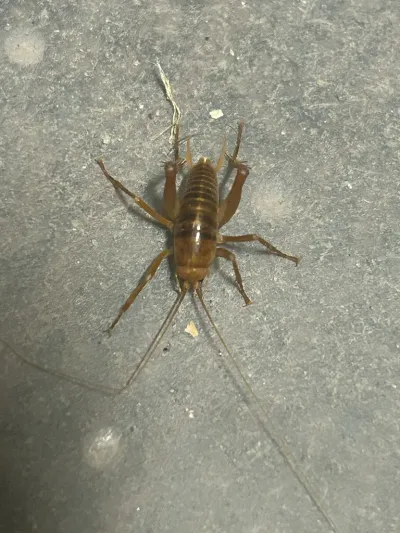
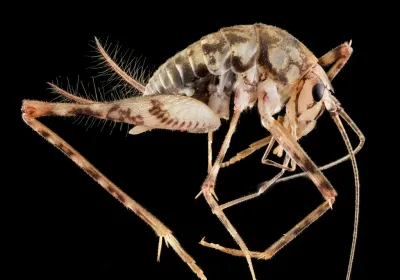
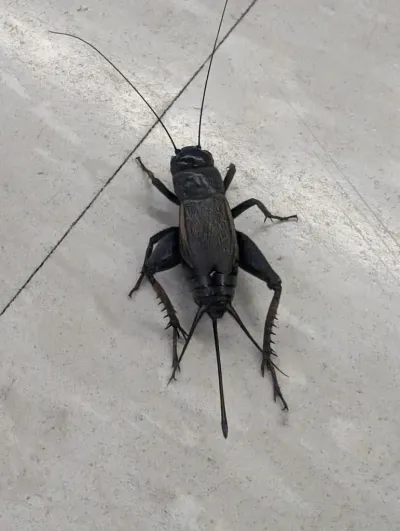
Commonly Confused With
Jerusalem Crickets are often mistaken for these similar pests
Where Jerusalem Crickets Are Found
Hover over states to see their names. Green regions indicate where jerusalem crickets have been reported.
Common Questions about Jerusalem Crickets
Are Jerusalem crickets dangerous or poisonous?
+
Jerusalem crickets are not venomous or poisonous. They are not aggressive and typically try to flee when disturbed. However, they have strong jaws and can deliver a painful bite if handled roughly or stepped on. The bite is not medically significant but can be quite painful due to their powerful mandibles.
Why are they called Jerusalem crickets?
+
The origin of the name is unclear. They are not from Jerusalem and are not true crickets. Some theories suggest the name comes from early European settlers who thought their large heads resembled depictions of religious figures. They are also commonly called potato bugs, child of the earth (nino de la tierra in Spanish), or skull insects.
Do Jerusalem crickets chirp like regular crickets?
+
No, Jerusalem crickets do not chirp. They lack wings and cannot produce the chirping sounds that true crickets make. Instead, they communicate through drumming vibrations by striking their abdomens against the ground. These vibrations can travel through soil and are used to attract mates.
What do Jerusalem crickets eat?
+
Jerusalem crickets are omnivorous scavengers. They primarily feed on decaying plant matter, roots, tubers, and organic debris in the soil. They also prey on other insects and will scavenge dead animal matter. They are not considered garden pests as they do not typically damage healthy plants.
Why do Jerusalem crickets come into homes?
+
Jerusalem crickets may enter homes accidentally while searching for food or moisture. They are attracted to damp areas and may wander indoors during their nighttime foraging. Buildings located in foothills, canyons, and mountainous regions are more likely to encounter them. They do not infest homes or reproduce indoors.
How long do Jerusalem crickets live?
+
Jerusalem crickets have unusually long lifespans for insects. They require 2 to 5 years to reach maturity, depending on geographic location and environmental conditions. Adults typically live an additional 2 to 6 months after reaching maturity.
Where do Jerusalem crickets live during the day?
+
Jerusalem crickets are nocturnal and spend their days underground in burrows they dig themselves. They may also hide under rocks, logs, boards, or debris where the soil is cool and moist. They emerge at night to feed and search for mates.

With five years of hands-on experience in the pest control industry, George Schulz is a registered technician with the Virginia Pest Management Association and a proud third-generation professional in a family business that's been protecting homes for over 57 years. He manages and trains a team of service pros while also leading internal research efforts—recently spearheading a deep-dive review of thousands of documents on pest control materials to hand-pick the most kid and pet friendly, most effective solutions tailored specifically for homes in the DC metro area.