Jamaican Field Crickets Identification Guide
Gryllus assimilis
Jamaican field crickets are tropical field crickets native to the Caribbean that have established populations in the southern United States. Lighter in color than native field crickets, they are known for their quieter chirps and year-round breeding cycle in warm climates.
Taxonomy
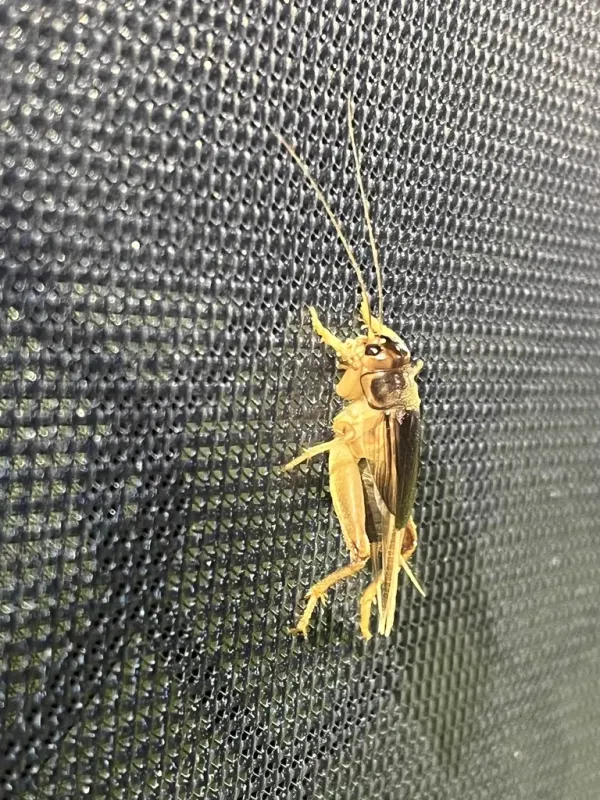
Jamaican Field Crickets Coloration
Common color patterns to help identify jamaican field crickets
Jamaican Field Crickets
Seasonal Activity
When jamaican field crickets are most active throughout the year
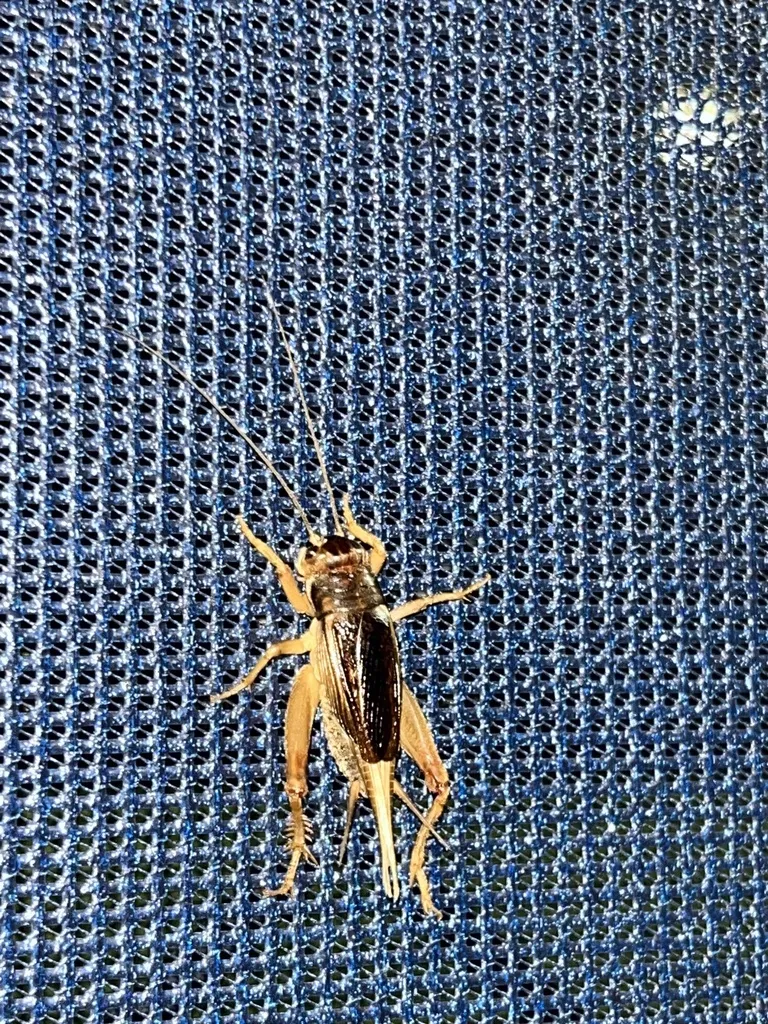
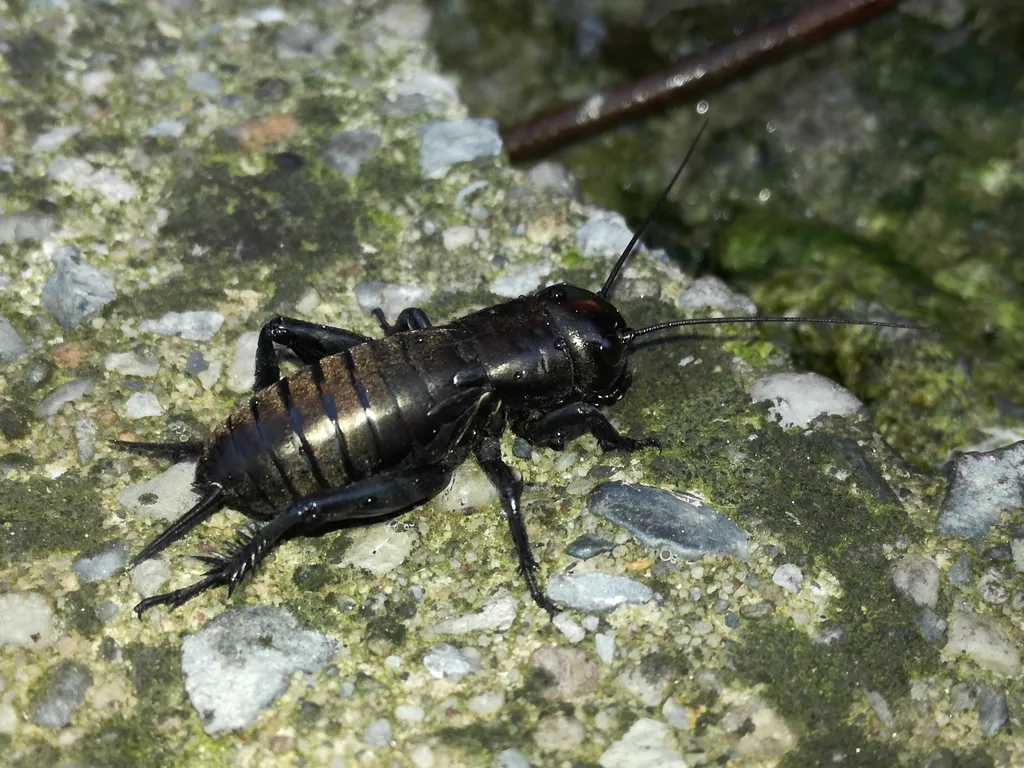
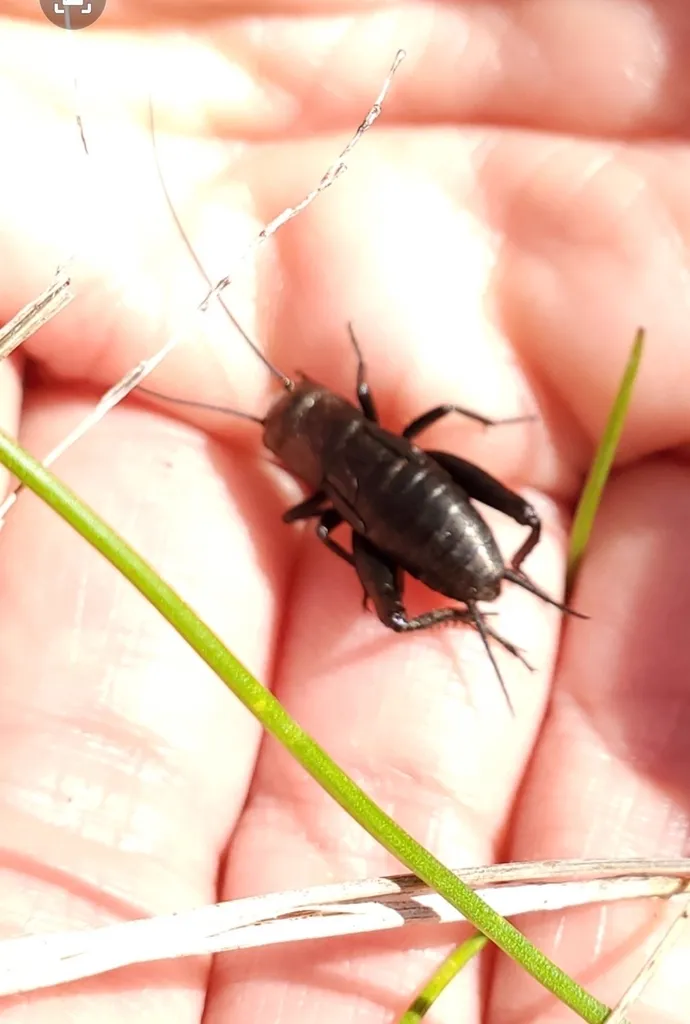

Where Jamaican Field Crickets Are Found
Hover over states to see their names. Green regions indicate where jamaican field crickets have been reported.
Jamaican Field Cricket Identification Guide
Physical Characteristics
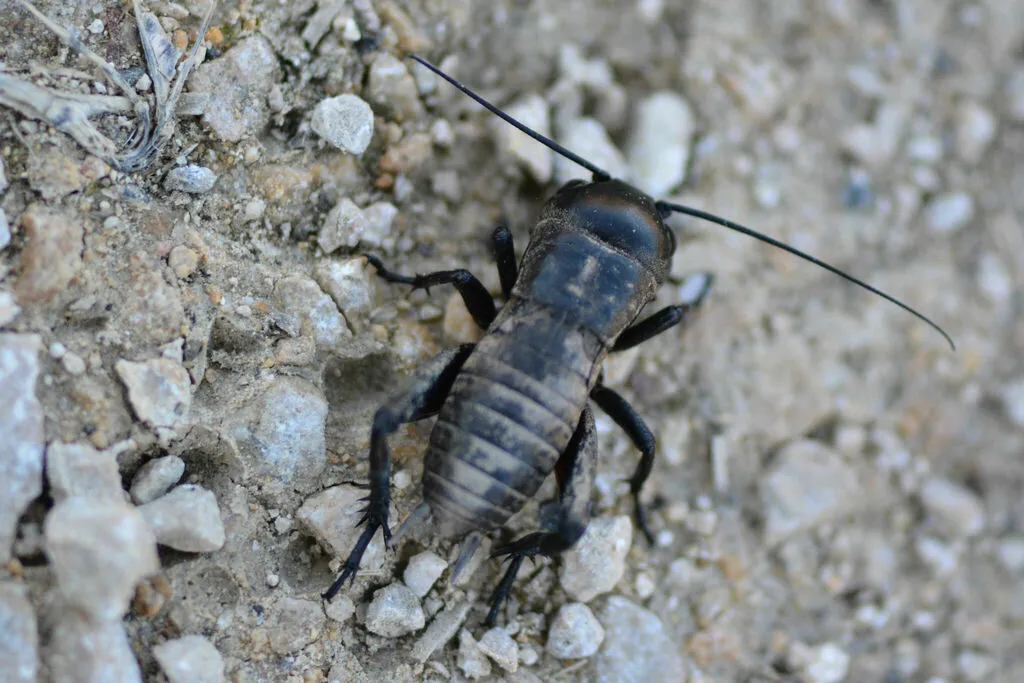
Jamaican field crickets (Gryllus assimilis) are medium to large crickets. They measure 19 to 28 millimeters long, or about 3/4 to 1 inch. They stand out from other field crickets due to their lighter color. Most field crickets are black or dark brown. Jamaican field crickets are tan, light brown, or golden.
Like all field crickets, they have a round head with long antennae. Their antennae often reach past their body length. They have large eyes and strong back legs built for jumping. Both males and females have wings. Unlike most field crickets, Jamaican field crickets have long hind wings that let them fly well.
Males make their chirping sound by rubbing their front wings together. The Jamaican field cricket’s chirp is quieter than other field crickets. It repeats about once per second. Females have a long, needle-shaped tube at the end of their body called an ovipositor. They use it to lay eggs in soil.
Distribution in North America
Jamaican field crickets come from Jamaica. They are common throughout the West Indies. They were first found in south Florida in the early 1950s. Since then, they have spread across the southern United States. In the U.S., you can find them mostly in:
- South peninsular Florida where they are common in lawns and gardens
- Southernmost Texas often associated with irrigated landscapes
- Gulf Coast states in suitable warm, moist habitats
- Hawaii where tropical conditions favor year-round populations
The species may have reached Florida by flying across the Caribbean. Related cricket species have been found flying over the ocean more than 500 miles from shore. Jamaican field crickets do well in areas with watered lawns and gardens. This lets them spread into dry areas where water is added.
How to Tell Jamaican Field Crickets Apart from Similar Species
Several cricket species can be confused with Jamaican field crickets:
-
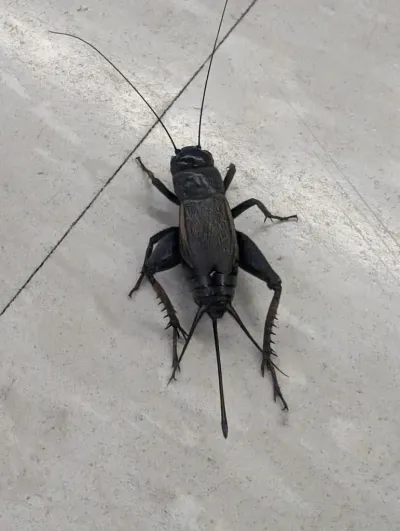
Fall Field Crickets (Gryllus pennsylvanicus) are darker. They look black or very dark brown. They make a louder chirp and adults appear mainly in late summer and fall.
-
House Crickets (Acheta domesticus) are similar in size and color. They have three dark bands across the top of their head. House crickets live well indoors.
-
Southeastern Field Crickets (Gryllus rubens) live in the same areas. They can be active year-round in warm places. They are darker and make a different sound.
The quieter chirp and lighter body color are the best ways to tell Jamaican field crickets apart from native species.
Jamaican Field Cricket Behavior and Biology
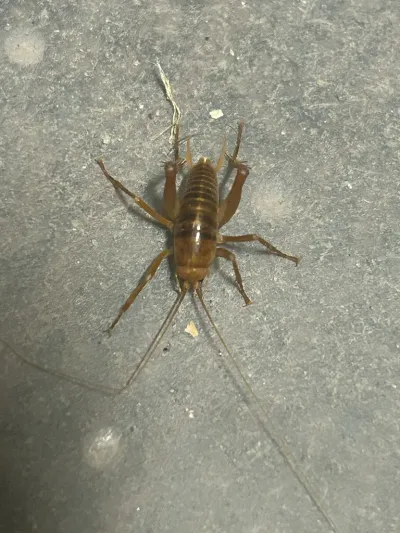
Habitat Preferences A related species, Greenhouse Camel Crickets, shares similar characteristics.
Jamaican field crickets prefer open, grassy areas with adequate moisture. Their typical habitats include: A related species, Spring Field Crickets, shares similar characteristics.
- Lawns and residential landscapes
- Weedy fields and roadside edges
- Pastures and grazing lands
- Cultivated fields and gardens
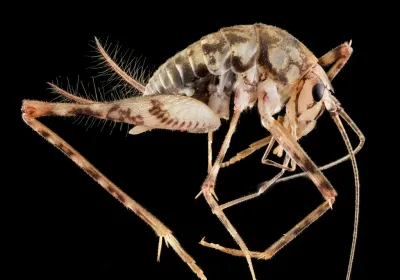
- Citrus groves and nurseries A related species, Camel Crickets, shares similar characteristics.
In the Caribbean, they are most common in pastures, fields, yards, and roadsides. In Texas and other dry areas, they stay near watered spots and homes where water is available. They are drawn to outdoor lights at night. They may fly to lit buildings in large numbers. A related species, Mole Crickets, shares similar characteristics.
Diet and Feeding Habits
Jamaican field crickets are omnivorous, feeding on a wide variety of organic matter:
- Dried plant material and decaying vegetation
- Fresh leaves, stems, and grasses
- Small fruits and seeds
- Dead insects and other animal matter
- Fungi and rotting organic debris
When there are many crickets or food is scarce, they can harm crops. They damage young plants in vegetable gardens, flower beds, and citrus nurseries. They have also harmed young eucalyptus, teak, and cedar seedlings.
Jamaican field crickets have been observed eating grasshopper egg pods. In some studies, they destroyed up to 50 percent of egg masses. Adults may also eat their own eggs when searching the soil for food.
Life Cycle and Reproduction
Jamaican field crickets go through three life stages: egg, nymph, and adult. They do not have a pupal stage like butterflies.
Eggs: Females lay eggs in moist soil using their ovipositor. One female can lay about 860 eggs in her lifetime. She lays them in batches over several weeks. At warm temps (77 to 86 degrees F), eggs hatch in about 11 to 12 days. Only about 22 percent of eggs hatch in the wild.
Nymphs: Young crickets are called nymphs. They look like small adults without wings. They shed their skin several times as they grow. The nymph stage lasts about 60 to 65 days. In lab tests, about 60 percent of nymphs become females.
Adults: The full generation time from egg to adult averages about 73 days. In tropical climates, these crickets do not go dormant. Adults breed all year long, and all life stages can be found at any time. Adult males begin calling for females once they are mature.
Year-Round Activity
Most field crickets have a seasonal life cycle. Jamaican field crickets are different. They can be active all year in warm climates. They come from the tropics and do not go dormant in winter like other crickets.
In Florida and south Texas, adult males can be found in every month except March. March is when their numbers are lowest. Year-round breeding helps them grow their numbers faster than native crickets. They do not die off each winter like local species do.
Treatment Methods for Jamaican Field Crickets
Control of Jamaican field crickets follows similar steps to managing other field cricket species. This species is mostly found in Florida, Texas, and other southern states. The following covers general treatment methods that work well against field crickets.
Habitat Modification
Changing the area around your home can cut down on crickets over time:
- Turn down outdoor lights near doors and windows. Yellow bug lights attract fewer insects.
- Clear ground debris like leaf litter, wood piles, and thick plants near the foundation.
- Keep grass short to get rid of hiding spots close to the building.
- Fix moisture problems by repairing leaky faucets, improving drainage, and cutting back on watering near the home.
- Move firewood away from the house and store it off the ground.
Exclusion Methods
Preventing crickets from entering buildings is essential for indoor control:
- Install or replace door sweeps on all exterior doors
- Repair weather stripping around doors and windows
- Seal cracks and gaps in foundations, walls, and around utility penetrations
- Ensure window screens are intact and fit tightly
- Check and repair garage door seals
Chemical Control
When cricket populations are high, targeted insecticide applications can reduce numbers:
- Perimeter treatments around building foundations create a barrier zone
- Granular baits applied to mulch beds and grassy areas target crickets at their source
- Indoor crack and crevice treatments address crickets that have already entered
Light traps can also help monitor or reduce crickets. Research shows these crickets are drawn to light, especially yellow and green colors.
Ongoing Monitoring
Jamaican field crickets breed all year in warm climates. Ongoing checks are key for lasting control. Regular looks at the foundation, landscape beds, and entry points can spot crickets before they move inside.
References
Other Crickets
Explore other species in the crickets family
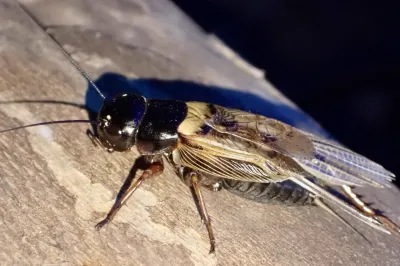
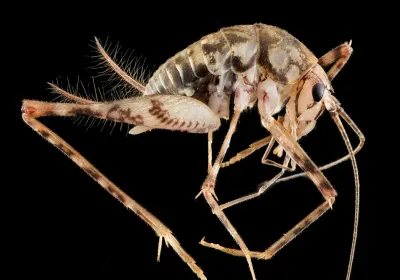
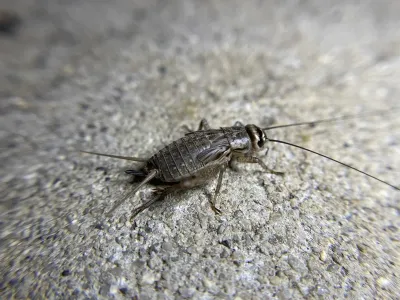
Commonly Confused With
Jamaican Field Crickets are often mistaken for these similar pests
Where Jamaican Field Crickets Are Found
Hover over states to see their names. Green regions indicate where jamaican field crickets have been reported.
Common Questions about Jamaican Field Crickets
Where are Jamaican field crickets found in the United States?
+
Jamaican field crickets are established in south Florida and southernmost Texas. They prefer warm, tropical environments and are commonly found near human habitation where watered lawns and gardens provide suitable habitat. They may also occur in other Gulf Coast states and Hawaii.
How can I tell Jamaican field crickets apart from other field crickets?
+
Jamaican field crickets are lighter in color than most native field crickets, appearing tan or light brown rather than black or dark brown. They also have longer hind wings and produce a quieter, less frequent chirp. Their calling song is a brief chirp repeated about once per second, softer than many other cricket species.
Are Jamaican field crickets harmful?
+
Jamaican field crickets are not harmful to humans as they do not bite or transmit diseases. However, they can damage plants in vegetable gardens, flower beds, and citrus nurseries. Indoors, they may chew on fabrics, paper, and other organic materials similar to other field cricket species.
Why are Jamaican field crickets popular as feeder insects?
+
Jamaican field crickets became the standard commercial feeder cricket after 2010 when cricket paralysis virus devastated house cricket stocks. This species is immune to the virus, making it more reliable for breeding operations. Their quieter chirp also makes them more attractive to hobbyists raising them for pet food.
Do Jamaican field crickets fly?
+
Yes, Jamaican field crickets have fully developed long hind wings and are capable of sustained flight. This is unusual among field crickets, as most species rarely fly despite having wings. Their flight capability may have helped the species spread from the Caribbean to the southern United States.
What attracts Jamaican field crickets to my yard?
+
Jamaican field crickets are attracted to moist areas with vegetation, such as watered lawns, gardens, and irrigated landscapes. They are strongly attracted to lights at night, which can draw them toward homes and businesses. Properties in warm climates near open fields or pastures are especially prone to cricket activity.
How long do Jamaican field crickets live?
+
The complete life cycle of a Jamaican field cricket takes about 70 to 75 days from egg to adult. Adult males can be found in most months of the year in warm climates. Without a dormant winter period, populations breed all year in tropical and subtropical areas.

With five years of hands-on experience in the pest control industry, George Schulz is a registered technician with the Virginia Pest Management Association and a proud third-generation professional in a family business that's been protecting homes for over 57 years. He manages and trains a team of service pros while also leading internal research efforts—recently spearheading a deep-dive review of thousands of documents on pest control materials to hand-pick the most kid and pet friendly, most effective solutions tailored specifically for homes in the DC metro area.