Field Crickets Identification Guide
Gryllus spp.
Field crickets are common outdoor insects known for their loud chirping on summer nights. These dark-colored crickets often invade homes in fall seeking warmth, becoming a nuisance with their persistent nighttime calls and ability to damage fabrics.
Taxonomy
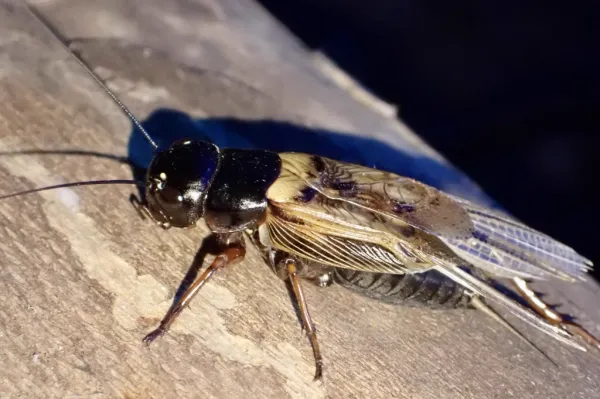
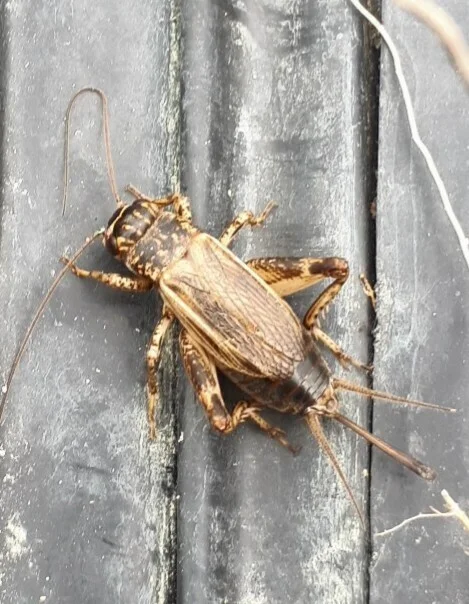
Field Crickets Coloration
Common color patterns to help identify field crickets
Field Crickets
Seasonal Activity
When field crickets are most active throughout the year
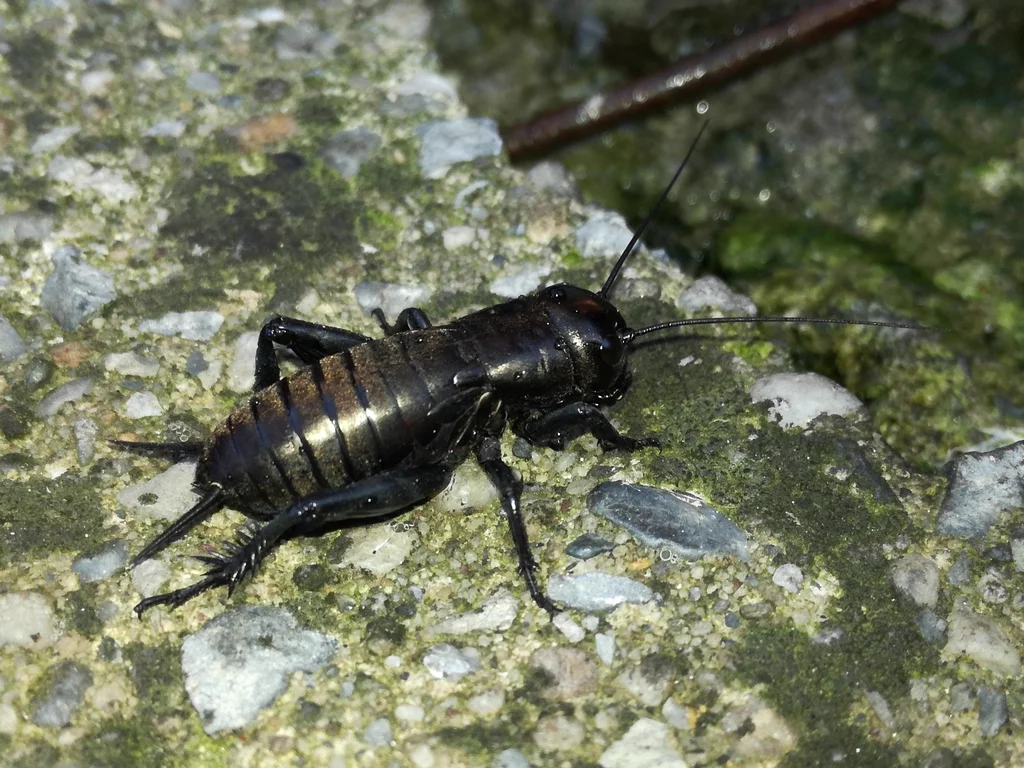
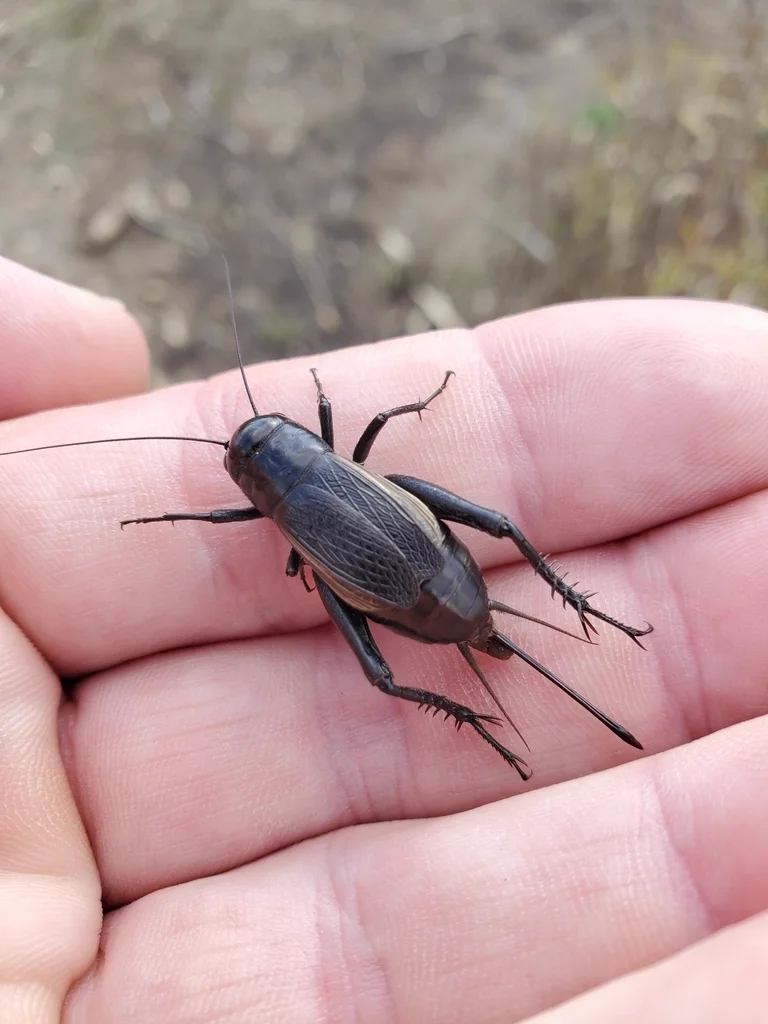
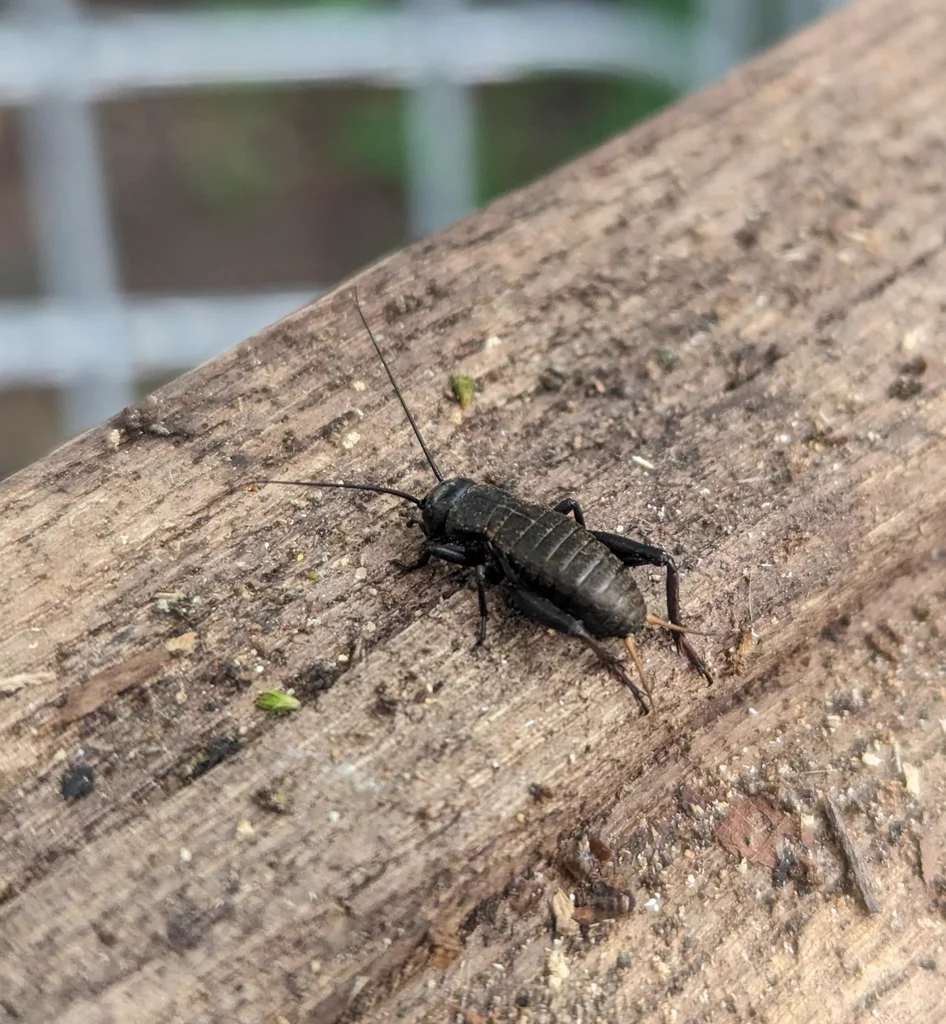

Where Field Crickets Are Found
Hover over states to see their names. Green regions indicate where field crickets have been reported.
Field Cricket Identification Guide
Physical Characteristics
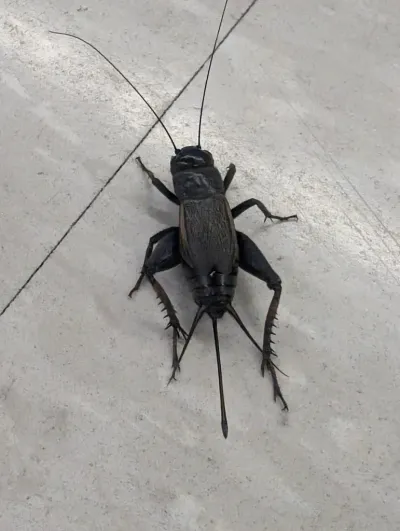
Field crickets (Gryllus species) are easy to spot in North America. Adults are 15 to 25 millimeters long, about 3/4 to 1 inch. Their bodies are shiny black or dark brown. Some may look lighter in color. They have a round head with long, thin antennae. These antennae often stretch longer than their body.
Both males and females have wings. However, they rarely fly. Males use special wings to make their chirping sound. Females have a long, needle-like tube at the back of their body called an ovipositor. They use it to lay eggs in soil.
Field crickets have large eyes and strong back legs made for jumping. When scared, they can leap far to get away.
Common Species in North America
Several field cricket species live across North America:
-
Fall Field Cricket (Gryllus pennsylvanicus) is the most common in the eastern U.S. and Canada. Adults show up in late summer and fall. This timing gave the species its name.
-
Spring Field Cricket (Gryllus veletis) spends winter as a young nymph. It matures in spring. You can find it in the northern U.S. and southern Canada.
-
Southeastern Field Cricket (Gryllus rubens) lives mainly in the Southeast. In warm areas, it stays active all year.
-
Texas Field Cricket (Gryllus texensis) lives in the south-central U.S. People know it for its very loud chirp.
-
Jamaican Field Cricket (Gryllus assimilis) is a tropical species found in the southernmost U.S. states. It is also widely bred as feeder insects for reptiles and amphibians.
How to Tell Field Crickets Apart from Similar Species
Field crickets look like other cricket types. Here is how to tell them apart:
-
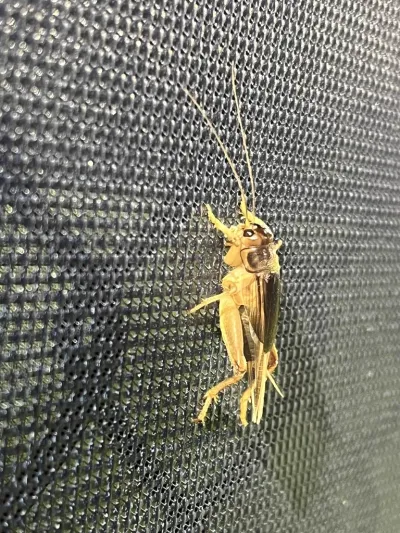
House Crickets are smaller and lighter. They are tan or yellowish-brown with three dark bands on the head. Their chirp is softer. They do well living indoors.
-
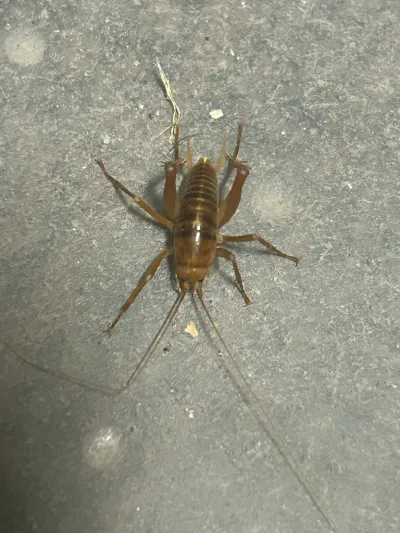
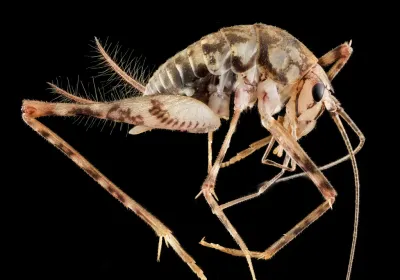
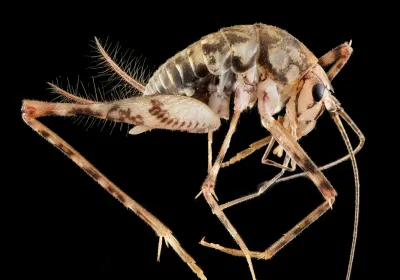
Camel Crickets have a humped back and no wings at all. They do not chirp. They like dark, damp places like basements and crawl spaces.
-
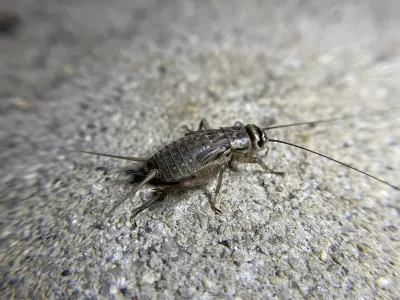
Ground Crickets are much smaller, under 15mm. They make a softer, higher-pitched chirp.
Field Cricket Behavior and Biology
Nocturnal Activity
Field crickets are active mostly at night. During the day, they hide under rocks, logs, and leaf litter. They also dig small burrows in soil. At dusk, they come out to feed and mate. Males start chirping at nightfall. They keep chirping through the night to attract females.
Warmer weather makes crickets chirp faster. On hot summer nights, male field crickets chirp quickly and loudly. When fall brings cooler air, the chirping slows down. You can actually guess the outdoor temperature by counting cricket chirps. The snowy tree cricket is especially well known for this ability.
Diet and Feeding Habits
Field crickets eat both plants and animals. They are not picky. Their natural diet includes:
- Seeds, grains, and plant material
- Fruits and vegetables
- Dead insects and other organic matter
- Fungi and rotting plants
When they get inside homes, field crickets may eat fabrics, paper, wallpaper paste, and food scraps. They really like items with food stains or sweat on them. Wool, cotton, silk, and man-made fabrics can all get damaged by hungry crickets.
Life Cycle and Reproduction
Female field crickets push eggs into moist soil using their ovipositor. One female can lay 150 to 400 eggs in her life. She places eggs alone or in small groups, usually in loose, damp soil.
How fast eggs grow depends on the species and temperature. Fall field cricket eggs spend winter in the soil. They hatch the next spring. Spring field crickets spend winter as young nymphs. They grow up fast when the weather warms.
Nymphs look like tiny adults but do not have full wings yet. They shed their skin 8 to 10 times over 8 to 12 weeks before becoming adults. The full life cycle lasts 2 to 3 months for adults. Eggs can stay dormant for many months.
Seasonal Patterns
Field cricket activity follows the seasons in most of North America. Nymphs grow during spring and early summer. Adult numbers peak in late summer and early fall. This is when chirping is loudest and home invasions happen most.
When fall temperatures drop, field crickets look harder for shelter. They move toward buildings because warmth comes off foundations and walls. Most field crickets die with the first hard frosts. Those that get inside homes may live longer.
How We Treat for Field Crickets
Our field cricket control uses treatments along with changes to your home and yard. This gives you lasting relief.
Inspection
Our licensed technicians check your property carefully to find:
- Areas where field crickets are active or hiding
- Entry points around the foundation, doors, and windows
- Outdoor lighting that may draw crickets in
- Landscape features that give crickets a place to hide near the home
- Wet areas that help cricket numbers grow
Learning where crickets come from and how they get in helps us make the best treatment plan.
Exterior Treatment
We put down granular and liquid treatments around your foundation. We focus on spots where crickets hide and travel. Key treatment areas include:
- Foundation edges and expansion joints
- Mulch beds and ground cover near the home
- Under decks, porches, and stoops
- Around pipes and vents
- Along walkways and driveway edges
Our exterior treatments create a barrier. This lowers cricket numbers before they reach your home.
Interior Treatment
For active problems inside, we treat baseboards, cracks, and gaps where crickets hide during the day. We focus on:
- Basements and crawl spaces
- Garages and utility rooms
- Behind appliances and along walls
- Entry areas and door frames
Our products do not repel crickets. This means crickets touch treated surfaces without sensing danger. This works better than repellent sprays that just push crickets to new spots.
Exclusion Tips
We find gaps and openings that let crickets inside. Then we tell you how to seal them:
- Door sweeps should be added or replaced on exterior doors if worn
- Weather stripping needs repair around doors and windows
- Foundation cracks should be sealed
- Pipe and wire gaps need to be closed around vents too
- Garage doors may need adjusted or new seals
Sealing your home is key for long-term cricket control. This matters most during fall when crickets seek shelter.
Yard and Home Changes
We suggest changes to make your property less appealing to crickets:
- Turn down outdoor lights near doors, or use yellow bug lights that draw in fewer bugs
- Move firewood away from the house and keep it off the ground
- Clear debris like leaf litter, tall grass, and thick plants near the foundation
- Fix moisture problems around the foundation and in basements
- Trim plants to get rid of hiding spots close to the home
Ongoing Protection
Field crickets can keep coming back. This is more likely if you live near open fields or woods. Our triannual pest control plans (three visits per year) give ongoing protection. We time treatments to match seasonal pest patterns. Customers on active plans can request free callbacks if cricket problems return between visits.
References
Other Crickets
Explore other species in the crickets family
Commonly Confused With
Field Crickets are often mistaken for these similar pests
Where Field Crickets Are Found
Hover over states to see their names. Green regions indicate where field crickets have been reported.
Common Questions about Field Crickets
Why are field crickets in my house?
+
Field crickets enter homes primarily in fall when outdoor temperatures drop. They are strongly attracted to outdoor lights at night, which draws them toward entry points around doors, windows, and foundations. Once near your home, they squeeze through gaps and cracks seeking warmth and shelter for the approaching winter.
Are field crickets harmful?
+
Field crickets do not bite or transmit diseases to humans. However, they can damage fabrics, paper, and other organic materials by chewing holes in them. They are attracted to soiled clothing and may feed on cotton, wool, silk, and synthetic materials. Their loud nighttime chirping can also disrupt sleep.
How do I stop field crickets from chirping at night?
+
Only male field crickets chirp, rubbing their wings together to attract females. To stop the chirping, you need to eliminate the crickets from your home. Lowering indoor temperature can reduce chirping frequency, but professional treatment combined with sealing entry points is the most effective long-term solution.
What is the difference between field crickets and house crickets?
+
Field crickets are larger and darker than house crickets, typically black or dark brown, while house crickets are light brown or tan. Field crickets produce a louder chirp and prefer to live outdoors, only entering homes seasonally. House crickets are better adapted to indoor living and can survive year-round inside heated buildings.
How long do field crickets live?
+
Adult field crickets typically live 2 to 3 months. Their complete life cycle from egg to adult takes about 2 to 3 months depending on temperature. In temperate climates, most field crickets die off in late fall or early winter, though some may survive indoors if they find shelter.
What attracts field crickets to my yard?
+
Field crickets are attracted to areas with moisture, organic debris, and shelter. Tall grass, leaf litter, woodpiles, and dense vegetation provide ideal hiding spots. Outdoor lighting attracts them at night, and properties near open fields or meadows are more likely to have field cricket populations.
Do field crickets fly?
+
Field crickets have fully developed wings but rarely fly. They are much better adapted for jumping and running, using their powerful hind legs to escape predators. When disturbed, they typically hop away rather than taking flight.

With five years of hands-on experience in the pest control industry, George Schulz is a registered technician with the Virginia Pest Management Association and a proud third-generation professional in a family business that's been protecting homes for over 57 years. He manages and trains a team of service pros while also leading internal research efforts—recently spearheading a deep-dive review of thousands of documents on pest control materials to hand-pick the most kid and pet friendly, most effective solutions tailored specifically for homes in the DC metro area.