Fall Field Crickets Identification Guide
Gryllus pennsylvanicus
Fall field crickets are the most common field crickets in North America, known for their loud chirping on late summer and autumn nights. They overwinter as eggs and mature in late summer, often invading homes as temperatures drop in fall.
Taxonomy
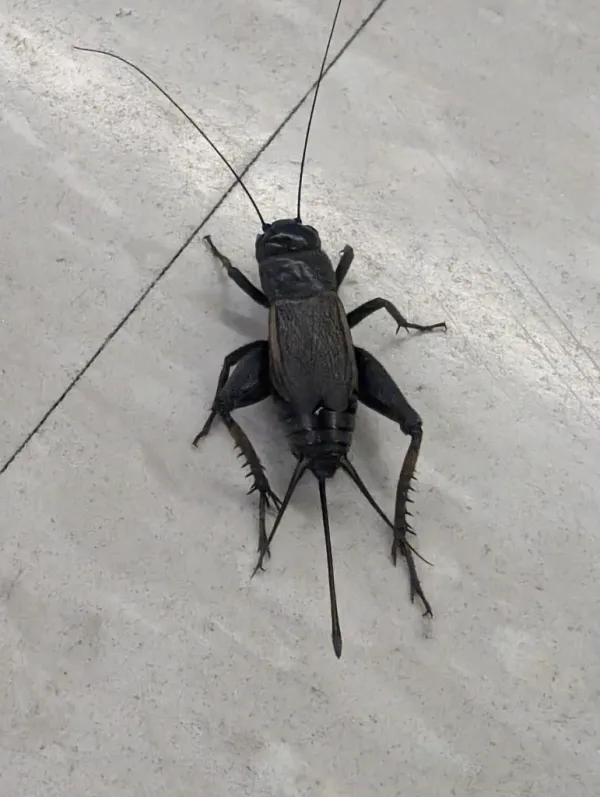
Fall Field Crickets Coloration
Common color patterns to help identify fall field crickets
Fall Field Crickets
Seasonal Activity
When fall field crickets are most active throughout the year
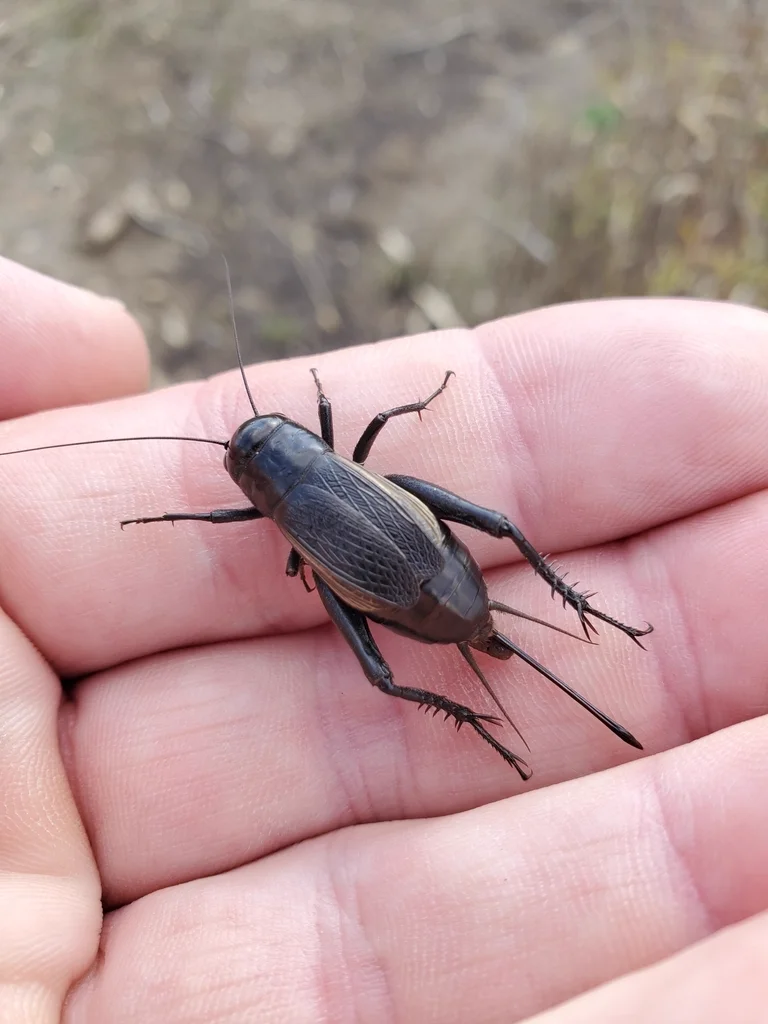
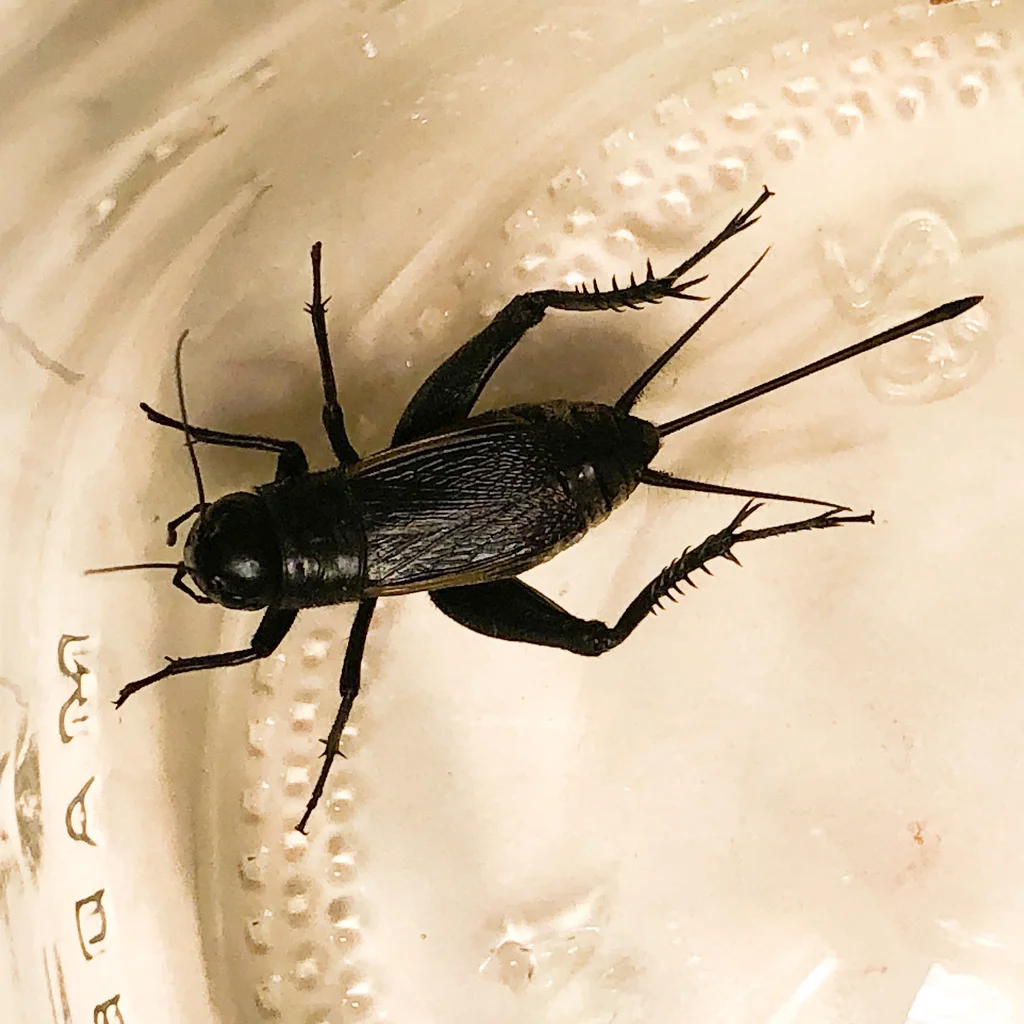
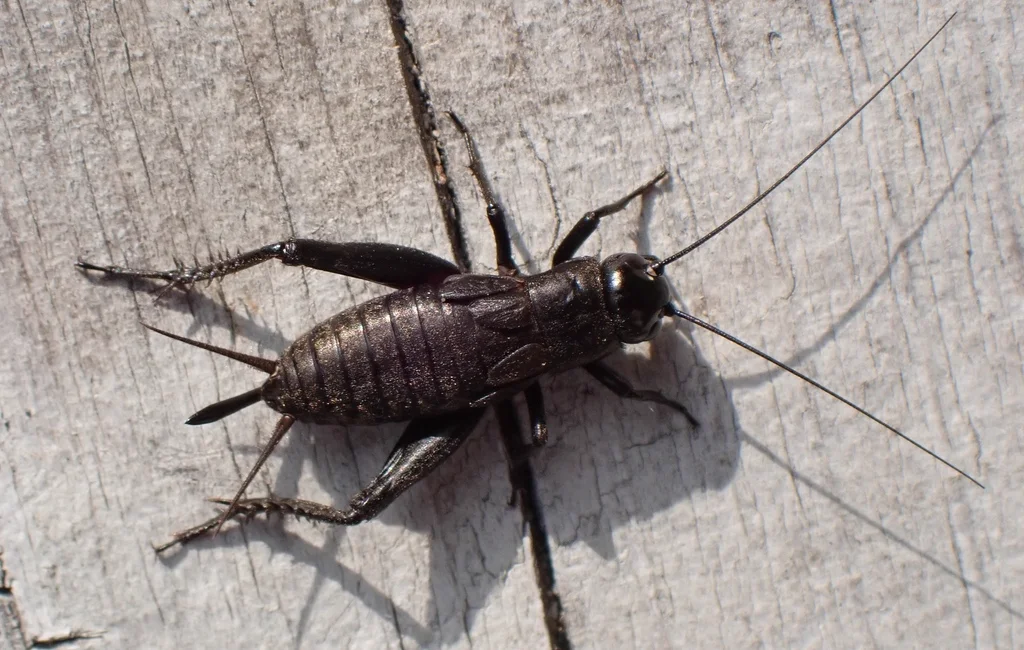

Where Fall Field Crickets Are Found
Hover over states to see their names. Green regions indicate where fall field crickets have been reported.
Fall Field Cricket Identification Guide
Physical Characteristics
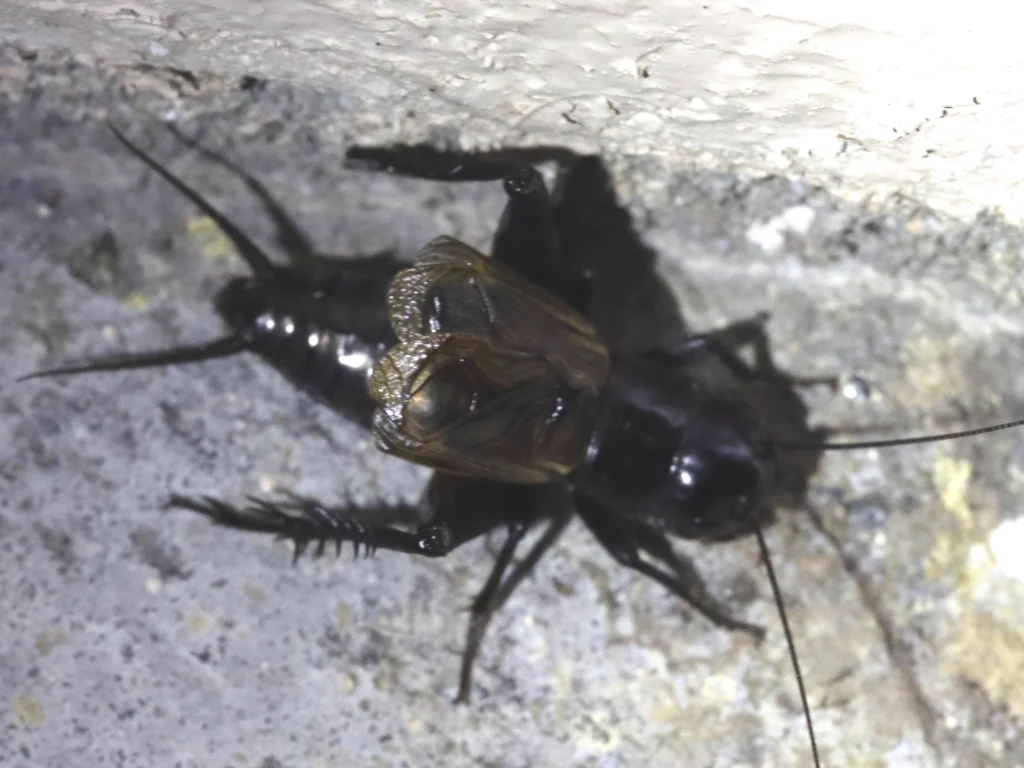
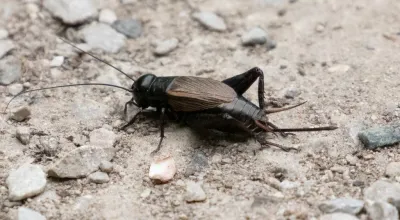
Fall field crickets (Gryllus pennsylvanicus) are medium-sized crickets. Adults measure 15 to 25 mm long, about 3/4 to 1 inch. Their bodies are shiny black or dark brown, though some appear lighter with a slight reddish tint. They have a round head with very long, thin antennae. These antennae often stretch longer than the body itself.
Both males and females have full wings, but they rarely fly. The tegmina, or front wings, range from light brown to black. Males rub these wings together to make their chirping sound. Each chirp consists of 2 to 3 short pulses. Females have a long, needle-like tube at the back of their body called an ovipositor. They use this to lay eggs deep in the soil.
Fall field crickets have large compound eyes and strong hind legs made for jumping. The cerci, or tail-like appendages, are longer than the head and thorax combined. When scared, they can leap several feet to escape.
Similar Species
Fall field crickets look nearly identical to spring field crickets. The only reliable way to tell them apart is timing:
-
Spring Field Crickets (Gryllus veletis) look the same but have a different life cycle. They overwinter as nymphs and mature in late spring. You hear them chirping from April through June. Fall field crickets are active from late July through November.
-
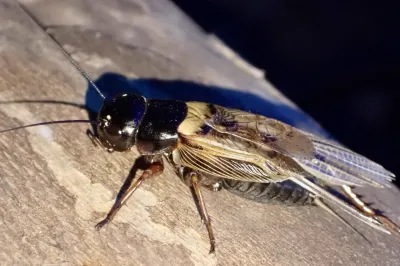
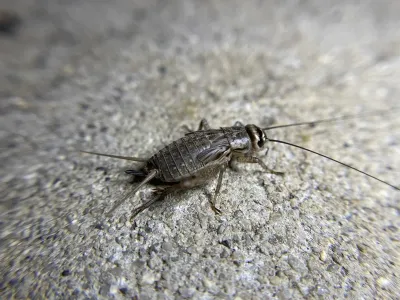
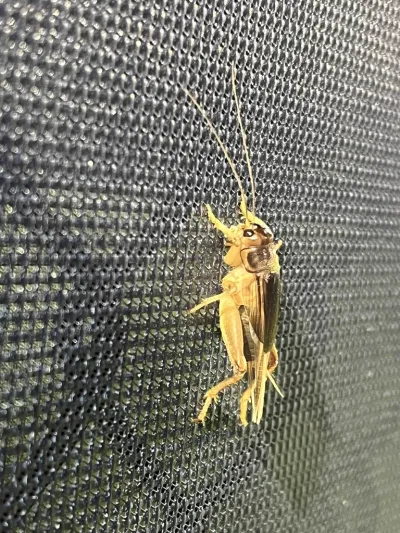
House Crickets are smaller and lighter in color. They are tan or yellowish-brown with three dark bands on the head. House crickets make a softer chirp and can live indoors year-round.
-
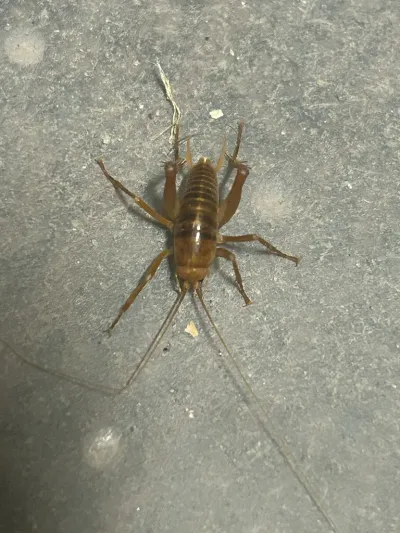
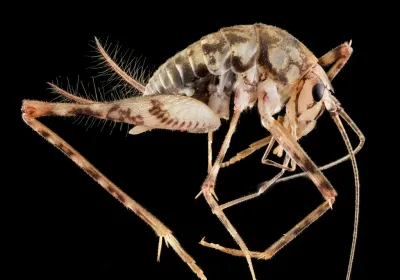
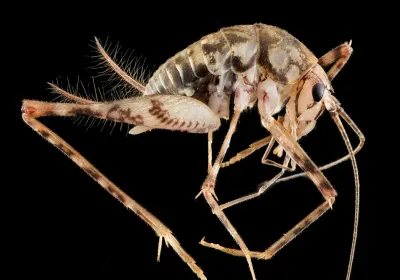
Camel Crickets have a humpbacked shape and no wings at all. They do not chirp. They prefer dark, damp places like basements and crawl spaces.
Fall Field Cricket Behavior and Biology
Life Cycle and Overwintering
Fall field crickets have a life cycle tied to the seasons. Unlike spring field crickets that overwinter as nymphs, fall field crickets spend winter as eggs in the soil.
In late summer and fall, females use their ovipositors to push eggs into moist soil. A single female can lay 150 to 400 eggs during her lifetime. She places eggs alone or in small groups. These eggs enter diapause, a dormant state that lets them survive winter.
The eggs hatch in late spring when soil temperatures warm. Tiny nymphs emerge and begin feeding. They look like small versions of adults but lack wings. Nymphs molt 8 to 9 times over the next 2 to 3 months, growing larger each time. By late July or August, they reach adulthood and begin chirping.
Adults remain active through fall until the first killing frost. Most die by November in northern areas. In the South, they may survive longer. Then the cycle repeats with eggs overwintering in the soil.
Seasonal Activity Pattern
Fall field crickets follow a predictable seasonal pattern:
- April to May: Eggs hatch in the soil as temperatures warm.
- May to July: Nymphs feed and grow through multiple molts.
- Late July to August: Adults appear and males begin chirping.
- August to October: Peak activity with loud nighttime choruses.
- September to October: Crickets seek shelter as temperatures drop, often entering homes.
- November: Most adults die after hard frosts. Eggs remain dormant in soil.
This timing explains why fall is the worst season for cricket invasions. Adults are fully grown and actively seeking shelter just as cold weather arrives.
Habitat and Distribution
Fall field crickets are widespread across North America. Their range extends from southern Ontario and Quebec through much of the United States, reaching into northern Mexico. They are absent from the far Southwest, including most of California.
They prefer open habitats with loose soil:
- Grassy fields and meadows
- Pastures and agricultural land
- Lawns and landscaped areas
- Roadsides and disturbed ground
- Forest edges and clearings
During the day, fall field crickets hide under rocks, logs, leaf litter, and debris. They also dig shallow burrows in soil. Males often call from the mouths of these burrows, retreating inside when threatened. At dusk, they emerge to feed and mate.
Diet and Feeding
Fall field crickets are omnivores with a varied diet:
- Seeds, grains, and plant material
- Leaves, stems, roots, and flowers
- Fruits and vegetables
- Dead insects and other organic matter
- Fungi and rotting plants
- Grasshopper eggs and small insects
They sometimes display predatory behavior, eating fly pupae, caterpillars, and insects from spider webs. When food is scarce, they may become cannibalistic.
Inside homes, fall field crickets chew on fabrics, paper, and wallpaper paste. They are attracted to soiled clothing with sweat or food stains. Wool, cotton, silk, and synthetic fabrics can all be damaged. They may also feed on stored food products.
The Chirping Sound
Male fall field crickets chirp by rubbing the edges of their front wings together. A rough file on one wing scrapes against the other wing. This produces short chirps at a rate of 2 to 3 per second. Each chirp has 3 to 5 individual pulses.
Males call from burrow entrances or cracks in the ground. They space themselves about 7 to 10 meters apart in the field. Females recognize the species-specific song and approach calling males.
Chirp rate changes with temperature. Warmer nights bring faster, more frequent chirping. As fall temperatures drop, chirping slows. You can roughly estimate temperature by counting cricket chirps. The calling continues from dusk through the night until temperatures drop too low.
How We Treat for Fall Field Crickets
Our fall field cricket control combines treatments with changes to your home and yard. This approach provides lasting relief from these noisy autumn invaders.
Inspection
Our licensed technicians carefully inspect your property to find:
- Areas where fall field crickets are active or hiding
- Entry points around the foundation, doors, and windows
- Outdoor lighting that may draw crickets toward the home
- Landscape features that provide cricket habitat near the house
- Moisture sources that support cricket populations
Understanding where crickets come from and how they get in helps us build the most effective treatment plan.
Exterior Treatment
We apply granular and liquid treatments around your foundation. We focus on spots where crickets hide and travel. Key treatment areas include:
- Foundation edges and expansion joints
- Mulch beds and ground cover near the home
- Under decks, porches, and stoops
- Around utility penetrations and vents
- Along walkways and driveway edges
Our exterior treatments create a barrier that reduces cricket numbers before they reach your home. Fall treatments are especially important as crickets begin seeking shelter.
Interior Treatment
For active problems inside, we treat baseboards, cracks, and gaps where crickets hide during the day. We focus on:
- Basements and crawl spaces
- Garages and utility rooms
- Behind appliances and along walls
- Entry areas and door frames
Our products do not repel crickets. This means crickets contact treated surfaces without sensing danger. This works better than repellent sprays that just push crickets to new locations.
Exclusion Recommendations
We identify gaps and openings that let crickets inside. Then we provide guidance on sealing them:
- Door sweeps should be added or replaced on exterior doors if worn
- Weather stripping needs repair around doors and windows
- Foundation cracks should be sealed with appropriate caulk
- Pipe and wire gaps need to be closed, along with vents
- Garage door seals may need adjustment or replacement
Sealing your home is essential for long-term cricket control. This matters most during fall when crickets actively seek shelter from cooling temperatures.
Habitat Modification
We recommend changes to make your property less attractive to crickets:
- Reduce outdoor lighting near doors, or switch to yellow bug lights that attract fewer insects
- Move firewood away from the house and keep it elevated off the ground
- Clear debris including leaf litter, tall grass, and dense vegetation near the foundation
- Address moisture problems around the foundation and in basements
- Trim landscaping to eliminate hiding spots close to the home
Ongoing Protection
Fall field crickets can return year after year, especially for homes near open fields or natural areas. Our triannual pest control plans provide ongoing protection with treatments timed to match seasonal pest patterns. Customers on active plans can request free callbacks if cricket problems develop between scheduled visits.
References
Other Crickets
Explore other species in the crickets family
Commonly Confused With
Fall Field Crickets are often mistaken for these similar pests
Where Fall Field Crickets Are Found
Hover over states to see their names. Green regions indicate where fall field crickets have been reported.
Common Questions about Fall Field Crickets
Why are fall field crickets called fall field crickets?
+
Fall field crickets get their name from when the adults appear. They overwinter as eggs in the soil. The eggs hatch in spring and nymphs grow through summer. Adults mature and begin chirping in late July or August and remain active through fall until the first hard frost. This timing makes them most noticeable in the fall season.
What is the difference between fall field crickets and spring field crickets?
+
Fall field crickets and spring field crickets look almost identical but have different life cycles. Fall field crickets overwinter as eggs and mature in late summer through fall. Spring field crickets overwinter as nymphs and mature in late spring. This means spring field crickets chirp from April through June, while fall field crickets take over from late July through November.
Why do fall field crickets invade homes?
+
Fall field crickets are strongly attracted to light and warmth. As outdoor temperatures drop in fall, they move toward buildings seeking shelter. Lights on homes draw them in at night, and they squeeze through gaps around doors, windows, and foundations. Once inside, they look for dark hiding spots and may survive longer than they would outdoors.
Are fall field crickets harmful?
+
Fall field crickets do not bite or transmit diseases to humans. However, they can damage fabrics, paper, and other organic materials by chewing. They are attracted to soiled clothing and may feed on cotton, wool, silk, and synthetic materials. Their loud nighttime chirping can also disrupt sleep when they get inside homes.
How do I stop fall field crickets from chirping in my house?
+
Only male fall field crickets chirp. They rub their wings together to attract females. To stop the chirping, you need to eliminate the crickets. Lowering indoor temperature can slow chirping, but removing the crickets is the only permanent solution. Seal entry points to prevent more from getting inside.
How long do fall field crickets live?
+
Adult fall field crickets typically live 2 to 3 months. Most die off after the first hard frosts in late fall. Those that get inside heated buildings may survive somewhat longer. Their complete life cycle from egg to adult takes about 3 months, though eggs remain dormant through winter.
What attracts fall field crickets to my yard?
+
Fall field crickets are attracted to areas with moisture, organic debris, and shelter. Tall grass, leaf litter, woodpiles, and dense vegetation provide ideal hiding spots. Outdoor lighting attracts them at night. Properties near open fields, meadows, or pastures often have higher fall field cricket populations.
Do fall field crickets fly?
+
Fall field crickets have fully developed wings but rarely fly. They are much better adapted for jumping and running. Their powerful hind legs let them leap several feet when disturbed. When scared, they typically hop away rather than taking flight.

With five years of hands-on experience in the pest control industry, George Schulz is a registered technician with the Virginia Pest Management Association and a proud third-generation professional in a family business that's been protecting homes for over 57 years. He manages and trains a team of service pros while also leading internal research efforts—recently spearheading a deep-dive review of thousands of documents on pest control materials to hand-pick the most kid and pet friendly, most effective solutions tailored specifically for homes in the DC metro area.