Cave Crickets Identification Guide
Family Rhaphidophoridae
Cave crickets are humpbacked, wingless insects that thrive in dark, damp environments like basements and crawl spaces. Also known as camel crickets or spider crickets, they do not chirp and are common household pests throughout North America.
Taxonomy
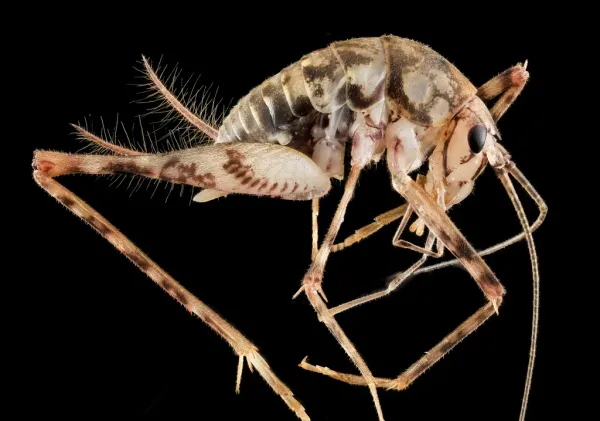
Cave Crickets Coloration
Common color patterns to help identify cave crickets
Cave Crickets
Seasonal Activity
When cave crickets are most active throughout the year

Where Cave Crickets Are Found
Hover over states to see their names. Green regions indicate where cave crickets have been reported.
Cave Cricket Identification Guide
Physical Characteristics
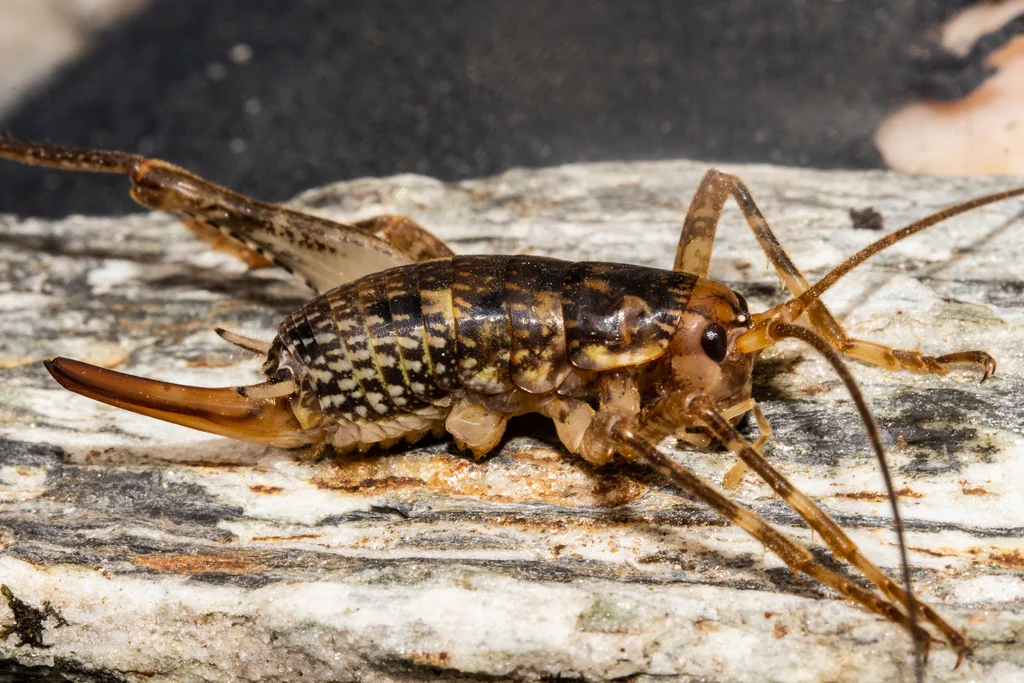
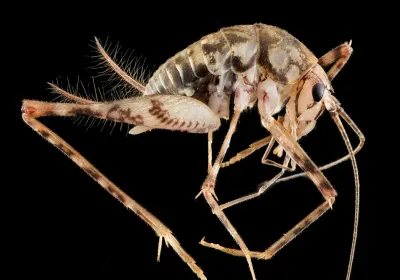
Cave crickets belong to the family Rhaphidophoridae. You can spot them easily by their humped back. Adults are 13mm to 33mm long, but their very long legs and antennae make them look much bigger. Their arched, thick body gives them the “camel” shape that led to one of their common names.
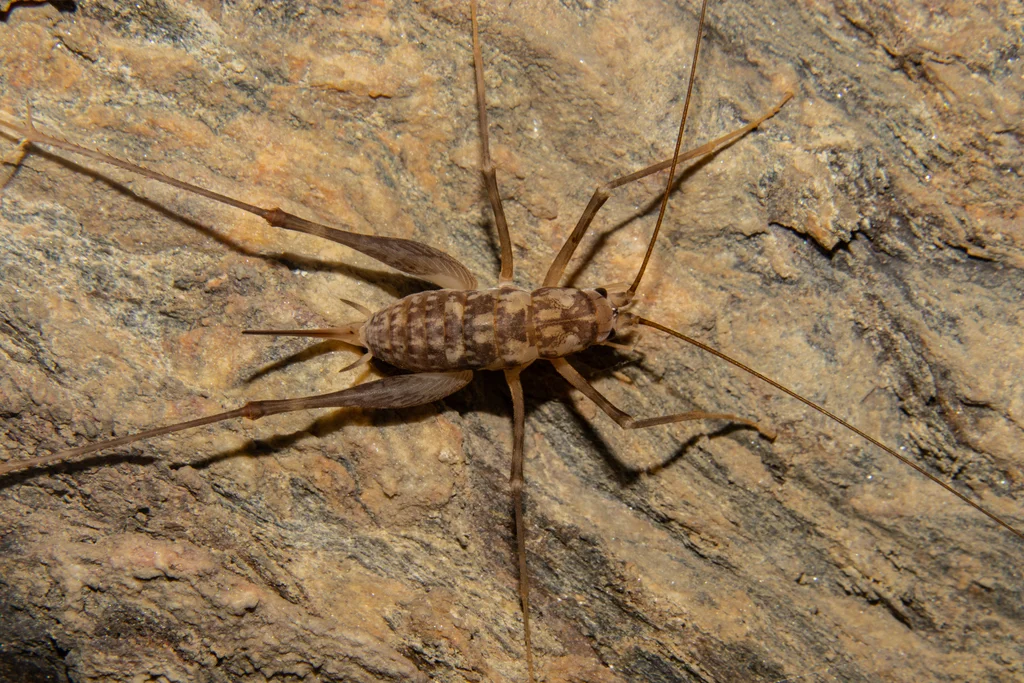
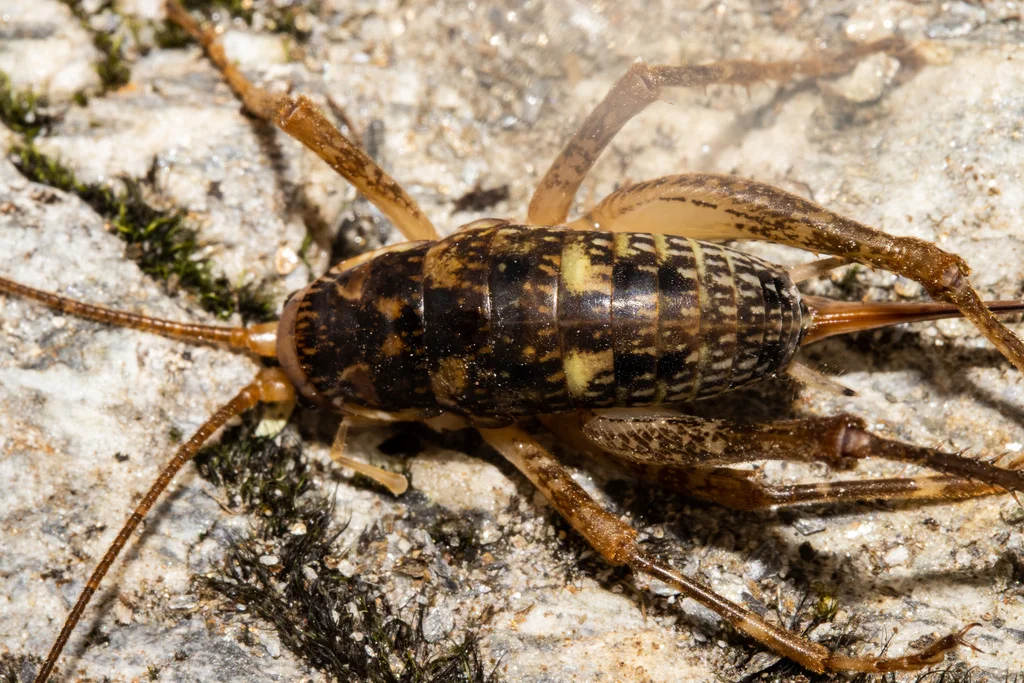
Their color ranges from light tan to reddish-brown or dark brown. Many have darker spots or bands across the body. This mottled look helps them blend in with soil, rocks, and wood. Unlike true crickets, cave crickets have no wings at any stage of life. Without wings, they cannot fly or make the chirping sounds that other crickets make.
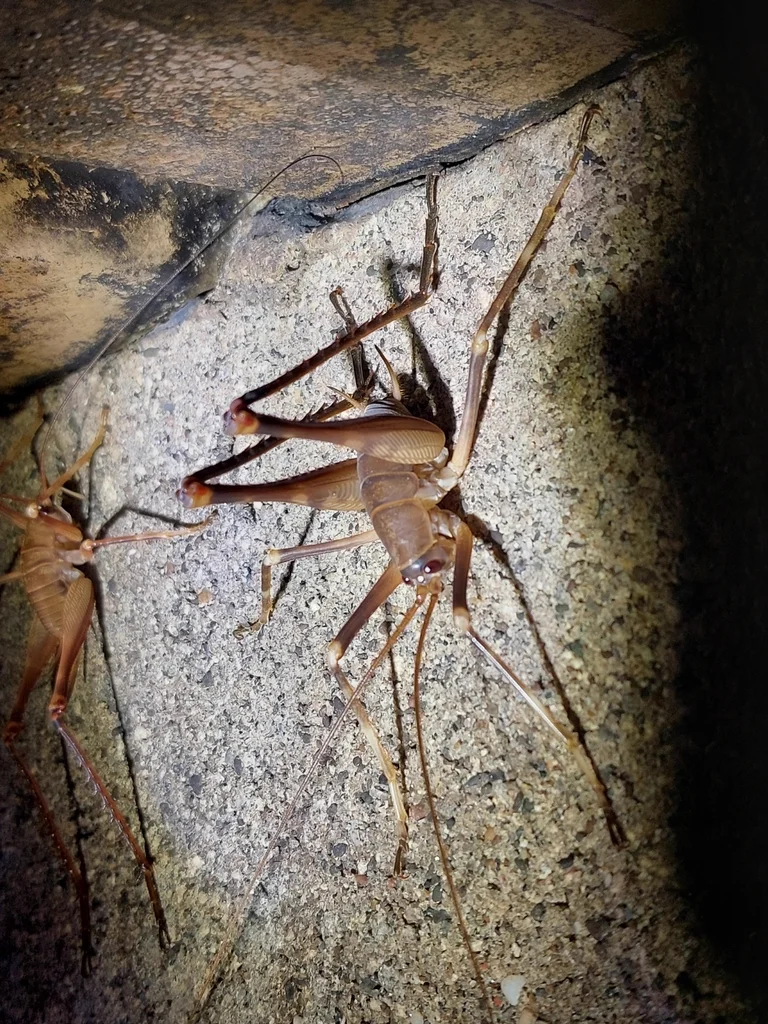
Their most notable feature is their powerful hind legs. These legs are thick, long, and slightly bowed. They are built for jumping. When scared, cave crickets can leap several feet in any direction. This often startles homeowners who find them. Their antennae are very long, often two to three times their body length. These feelers help them move around and find food in total darkness.
Common Species in North America
About 150 cave cricket species live in North America. The most common types include:
-
Native Cave Crickets (Ceuthophilus species): About 89 species are native to North America. They mostly live outdoors under logs, rocks, and leaf litter but often move into buildings. Native species tend to be larger and darker than introduced ones.
-
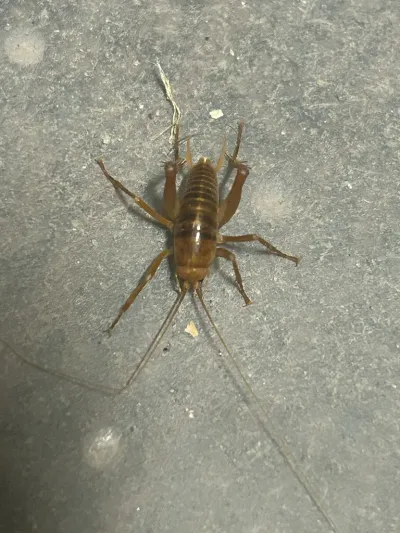
Greenhouse Camel Cricket (Diestrammena asynamora): This species came from Asia and is now the most common cave cricket found in homes across eastern North America. Studies show they make up about 88 percent of indoor sightings. They are smaller and paler than native species.
-
Japanese Camel Cricket (Diestrammena japanica): Another Asian species now found in the eastern United States. It often lives alongside the greenhouse camel cricket in homes.
How to Tell Cave Crickets Apart from Similar Pests
Several insects look like cave crickets:
-
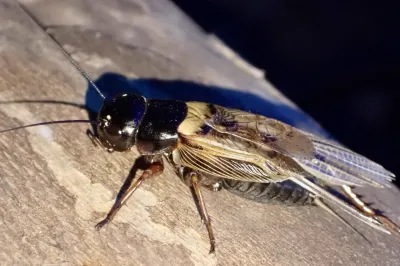
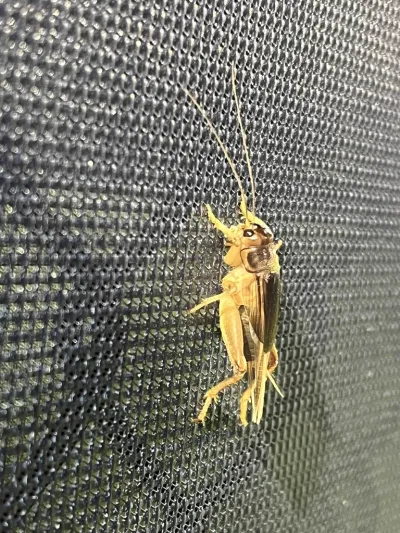
House Crickets: House crickets have wings and make loud chirping calls. They are light yellowish-brown all over. Cave crickets have no wings and are always silent.
-
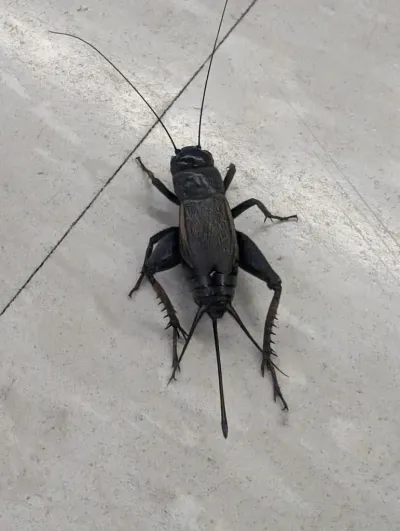
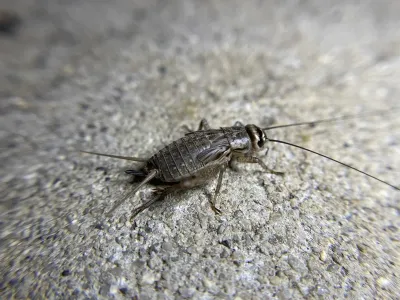
Field Crickets: Field crickets are shiny black with wings. They make loud chirping sounds. Cave crickets are mottled brown and never chirp.
-
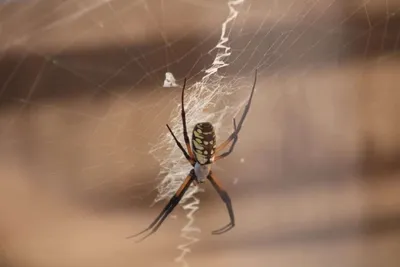
Spiders: Long legs and a crouching pose make some people think cave crickets are spiders. But cave crickets have six legs while spiders have eight. Cave crickets also have very long antennae that spiders lack.
Cave Cricket Behavior and Biology
Natural Habitat
Cave crickets got their name because they like cave-like places. In the wild, they live in caves, rock cracks, hollow trees, animal burrows, and under logs and stones. They need high humidity and shelter from light and extreme heat or cold.
When it gets too hot, dry, or cold outside, cave crickets look for similar spaces in homes:
- Basements and cellars
- Crawl spaces
- Garages and storage sheds
- Utility rooms and laundry areas
- Bathrooms with moisture problems
- Wells, drains, and drainage pipes
- Under porches and decks
Cave crickets are most likely to enter homes during extreme weather. Long dry spells push them inside looking for moisture. Heavy rains may flood their outdoor hiding spots. Fall brings the most invasions as they look for places to spend winter.
Feeding Habits
Cave crickets eat many things. They are scavengers that feed on:
- Fungi and mold
- Rotting plant matter and leaf litter
- Dead insects
- Fabric, carpet, and clothing
- Paper, cardboard, and books
- Other cave crickets when food is scarce
They like rotting matter, so they often eat debris that piles up in basements and crawl spaces. Large numbers of them can damage stored clothes, linens, and paper.
Life Cycle and Reproduction
Young cave crickets look like tiny adults when they hatch. There is no larval or cocoon stage. Females lay eggs in damp soil. Eggs hatch in a few weeks based on temperature and moisture.
Young crickets shed their skin many times as they grow. Each time they get a bit bigger until they reach adult size. The full cycle from egg to adult takes several months. Adults can live one to two years in sheltered spots.
Activity Patterns
Cave crickets only come out at night. During the day, they hide in dark, safe spots. After dark, they come out to look for food. Their very long antennae make up for their poor eyesight and help them find food in the dark.
When startled during the day, cave crickets jump wildly instead of running. This can scare homeowners, but it is just how they escape. They jump toward what scares them rather than away from it. This makes some people think they are being attacked.
How We Treat for Cave Crickets
Our cave cricket treatment uses the same approach we use for millipedes and centipedes. We combine targeted treatments with changes to your home for lasting control.
Interior Inspection and Treatment
Our technician inspects the inside of your home. We focus on areas where cave crickets like to hide:
- Basements and crawl spaces
- Garages and storage areas
- Bathrooms and laundry rooms
- Utility rooms and areas near water heaters
- Any spot with moisture problems
We look for cave crickets, entry points like cracks and gaps, and signs of moisture issues. We then apply a repellent insecticide to baseboards and other areas where we see activity. This creates a barrier that keeps crickets out of treated spaces.
Exterior Treatment
We also inspect the outside of your home. We check:
- Foundation walls and perimeter
- Areas with mulch and landscaping
- Woodpiles and debris near the house
- Entry points around doors, windows, and pipes
We apply a granular insecticide around the outside and in mulch or soil areas where cave crickets gather. This targets them at their source before they can enter your home.
Moisture Control Tips
Cave crickets need humid conditions to live. Reducing moisture makes your home less welcoming to them:
- Use dehumidifiers: Keep basement and crawl space humidity below 50 percent.
- Fix water sources: Repair plumbing leaks, improve drainage, and fix condensation issues.
- Improve airflow: Make sure basements and crawl spaces have good ventilation. Consider vapor barriers.
- Create dry zones: Keep mulch, leaf litter, and plants at least 12 to 18 inches from your foundation.
Sealing Entry Points
Keeping crickets out is key for long-term control:
- Seal cracks and gaps in the foundation with caulk or foam
- Install weatherstripping on doors and make sure door sweeps fit tight
- Seal gaps around pipes, wires, and utility lines where they enter the home
- Fix damaged window screens and caulk gaps around window frames
- Close gaps where siding meets the foundation
Ongoing Prevention
Our triannual pest control plan gives you three visits per year. We monitor for activity and treat as needed. This covers cave crickets along with other common pests. Regular service matters because cave crickets can come back quickly when conditions are right.
References
Other Crickets
Explore other species in the crickets family
Commonly Confused With
Cave Crickets are often mistaken for these similar pests
Where Cave Crickets Are Found
Hover over states to see their names. Green regions indicate where cave crickets have been reported.
Common Questions about Cave Crickets
Why are cave crickets in my basement?
+
Cave crickets seek out dark, cool, and humid spaces that mimic their natural cave habitats. Basements, crawl spaces, and garages provide ideal conditions. They enter through foundation cracks, gaps around doors, and openings near pipes. Moisture problems and organic debris attract them indoors.
Are cave crickets dangerous?
+
No, cave crickets are not dangerous to humans. They cannot bite or sting and carry no venom. Their sudden jumping when startled can be alarming, but they pose no health threat. They may cause minor damage to fabrics and paper if populations grow large.
Why are they called cave crickets?
+
These insects get their name from their natural habitat. In the wild, they live in caves, rock crevices, and other dark, humid spaces. They also go by camel crickets (due to their humped back) and spider crickets (due to their long legs and quick movements).
Do cave crickets chirp?
+
No, cave crickets do not chirp. Unlike true crickets that make sounds by rubbing their wings together, cave crickets are completely wingless at all life stages. This makes them silent pests, which is one way to tell them apart from house crickets and field crickets.
How do I get rid of cave crickets in my house?
+
Reduce moisture by using dehumidifiers and fixing leaks. Seal entry points around the foundation, doors, and pipes. Remove clutter and debris where they hide. Clear mulch and leaf litter away from your foundation. For persistent problems, professional pest control treatments target both indoor and outdoor populations.
What do cave crickets eat?
+
Cave crickets are scavengers that feed on fungi, decaying plant matter, dead insects, and organic debris. Indoors, they may chew on fabric, carpet, cardboard, paper, and stored items. They will also eat other cave crickets when food is scarce.
Are cave crickets a sign of a moisture problem?
+
Yes, finding cave crickets inside your home often indicates excess moisture. These insects need humid environments to survive. Their presence may point to plumbing leaks, poor drainage, high humidity, or inadequate ventilation in basements and crawl spaces.

With five years of hands-on experience in the pest control industry, George Schulz is a registered technician with the Virginia Pest Management Association and a proud third-generation professional in a family business that's been protecting homes for over 57 years. He manages and trains a team of service pros while also leading internal research efforts—recently spearheading a deep-dive review of thousands of documents on pest control materials to hand-pick the most kid and pet friendly, most effective solutions tailored specifically for homes in the DC metro area.