Turkestan Cockroaches Identification Guide
Blatta lateralis
Turkestan cockroaches are outdoor-dwelling roaches that have become one of the most common peridomestic cockroach species in the southwestern United States. Also known as red runner roaches, they prefer dark, moist outdoor habitats like water meter boxes and irrigation systems.
Taxonomy
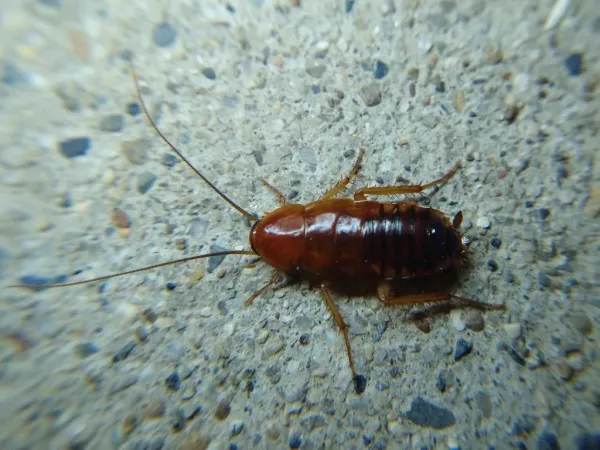
Turkestan Cockroaches Coloration
Common color patterns to help identify turkestan cockroaches
Turkestan Cockroaches
Seasonal Activity
When turkestan cockroaches are most active throughout the year
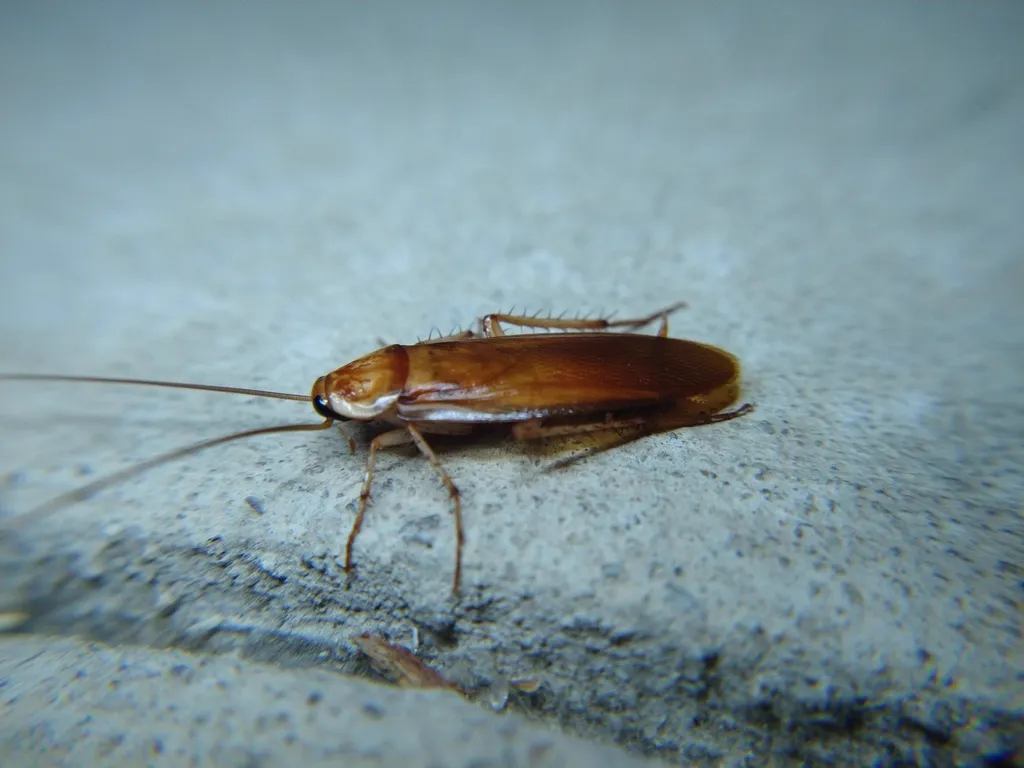
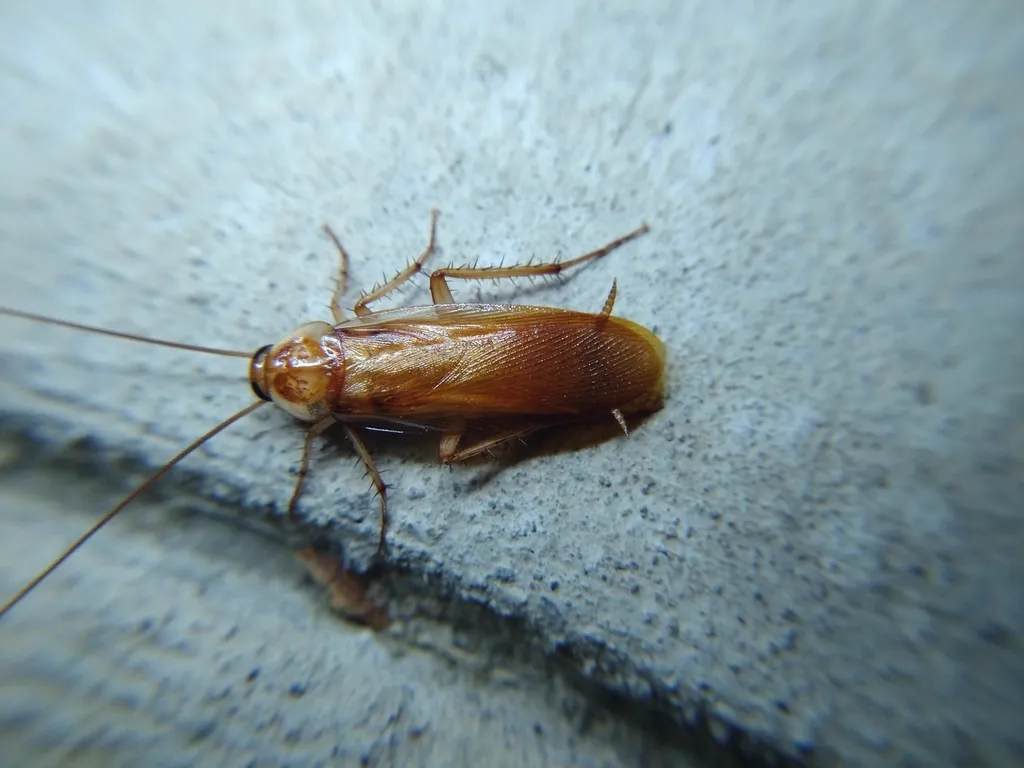
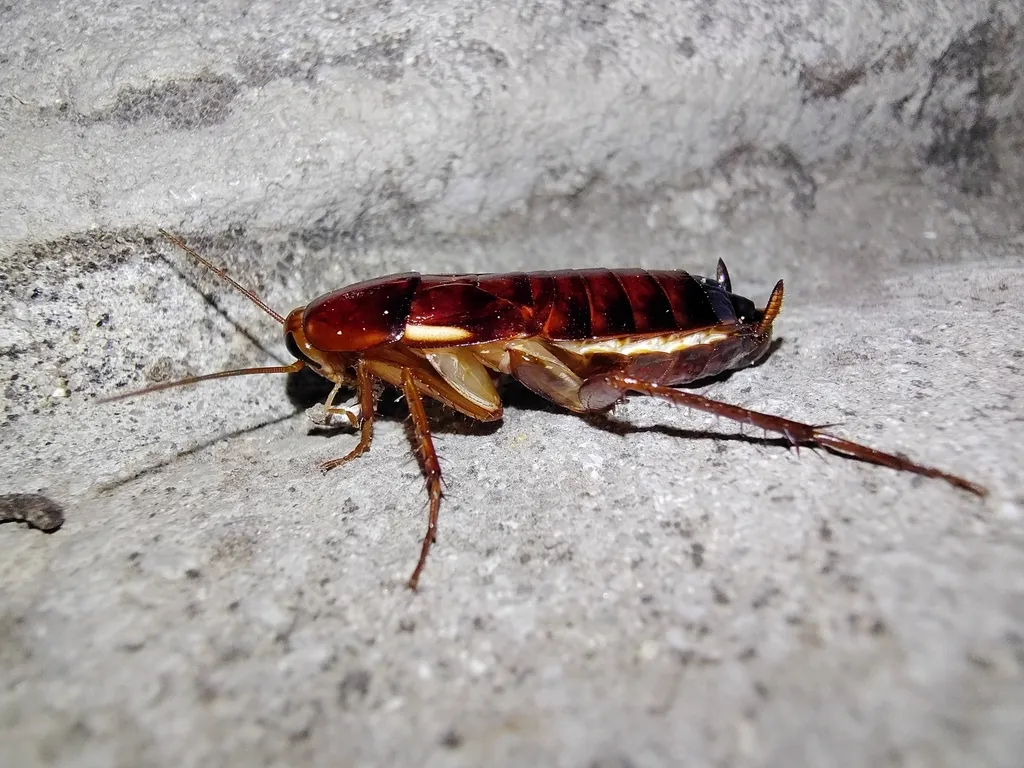

Where Turkestan Cockroaches Are Found
Hover over states to see their names. Green regions indicate where turkestan cockroaches have been reported.
Turkestan Cockroach Identification Guide
Physical Characteristics
Turkestan cockroaches display significant differences between males and females, which can make identification confusing at first glance. Understanding these differences helps homeowners correctly identify this increasingly common pest.
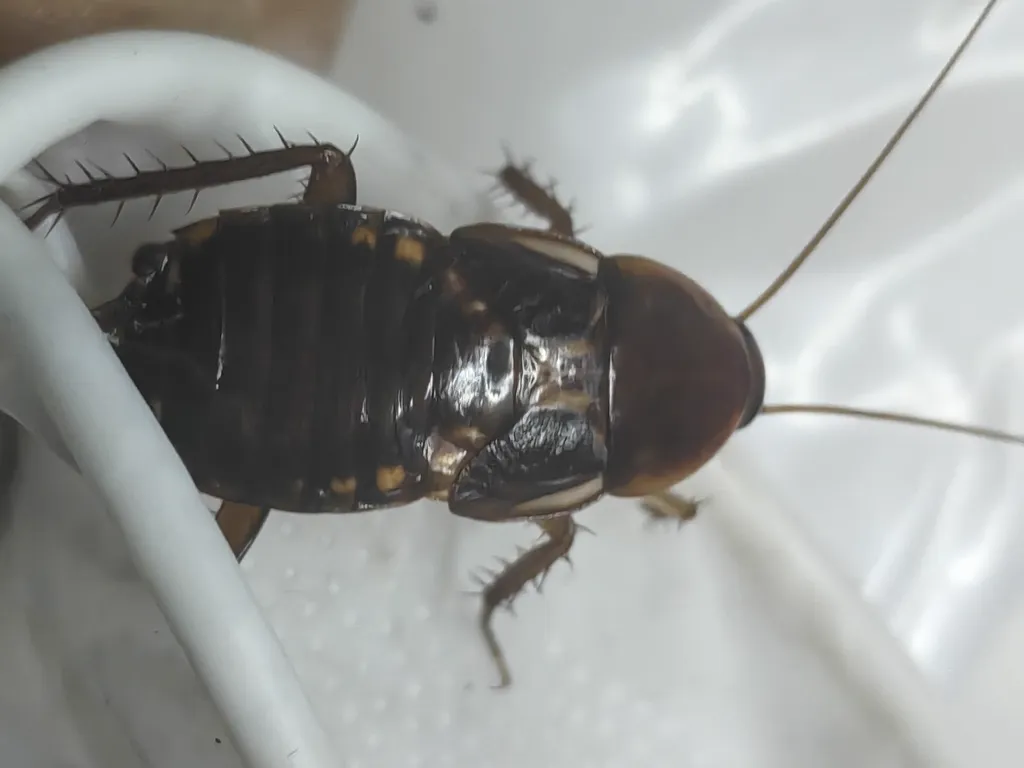
Female Turkestan Cockroaches: Females measure about 1 inch long (20-25 mm) and have a dark brown to black body. Their most distinctive feature is the cream-colored or yellowish markings along the edges of their body and behind the head. Females have short, rounded wing pads that do not cover the abdomen and cannot fly. Their bodies are broader and more rounded than males.
Male Turkestan Cockroaches: Males are slightly smaller and more slender than females. They have a brownish-orange or reddish-tan coloring with fully developed yellowish wings that extend beyond the abdomen. Males can glide short distances and are often attracted to lights at night. The lighter coloring of males sometimes causes confusion with American cockroaches, though Turkestan males are considerably smaller.
Nymphs: Immature Turkestan cockroaches are bi-colored, featuring a light brown thorax and a dark brown abdomen. They go through five nymphal stages before reaching adulthood, which takes approximately 7-8 months under typical conditions.
Distinguishing from Similar Species
Turkestan cockroaches are often confused with Oriental cockroaches and American cockroaches. Here are key differences:
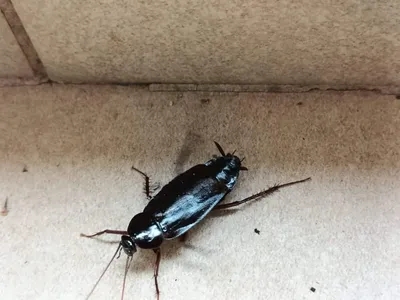
- Oriental cockroaches are uniformly dark black and lack the cream-colored markings found on female Turkestan roaches. Oriental males have shorter wings that only cover about three-quarters of their abdomen.
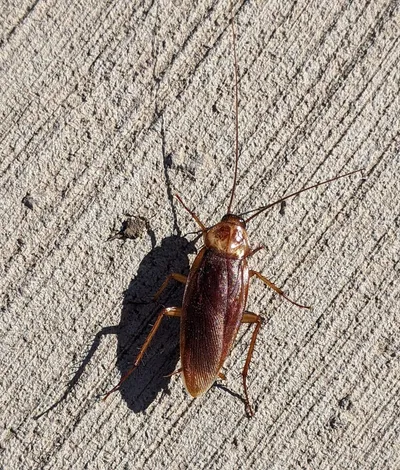
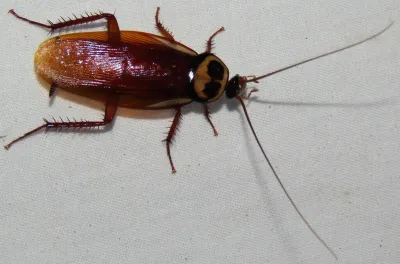
- American cockroaches are much larger (about 2 inches) and have a reddish-brown color with a distinctive yellow figure-eight pattern behind the head.
Turkestan Cockroach Behavior and Biology
Habitat Preferences A related species, Brown-Banded Roaches, shares similar characteristics.
Turkestan cockroaches are primarily outdoor pests that thrive in dark, moist environments. Their preferred habitats include: A related species, Palmetto Bugs, shares similar characteristics.
- Water meter boxes and irrigation control boxes
- Cracks and crevices in concrete and pavement
- Sewer systems and storm drains
- Leaf litter, mulch, and compost piles
- Hollow block walls and raised concrete
- Potted plants and garden debris A related species, Lobster Cockroaches, shares similar characteristics.
Unlike German cockroaches, which have adapted to indoor living, Turkestan cockroaches rarely survive indoors for extended periods. The drier conditions inside homes and buildings are generally unsuitable for them. A related species, Asian Cockroaches, shares similar characteristics.
Activity Patterns A related species, Australian Cockroaches, shares similar characteristics.
These cockroaches are nocturnal and most active after dark. During summer months, males are often seen flying toward porch lights and other exterior lighting. This behavior frequently brings them into contact with homeowners, even though the roaches have no intention of establishing indoor populations. A related species, Spotted Mediterranean Cockroach, shares similar characteristics.
Diet and Feeding
Turkestan cockroaches are scavengers that feed on decaying organic matter, including dead leaves, plant debris, and garbage. In urban environments, they often find food in sewer systems and around compost areas.
Life Cycle and Reproduction
Female Turkestan cockroaches produce egg cases called oothecae, which are bean-shaped capsules measuring 9-12 mm long. Each ootheca contains an average of 16-18 eggs. Females can produce up to 25 oothecae during their lifetime. The eggs take 4-5 months to hatch under typical conditions. From egg to adult, the complete life cycle takes approximately 7-8 months, with both males and females passing through five nymphal stages.
Invasive Status
Turkestan cockroaches were first detected in the United States in 1978 near military bases in California and Texas. Researchers believe they arrived on military equipment returning from Central Asia, possibly from Afghanistan. Since then, the species has spread throughout the southwestern United States and continues to expand its range. In many areas, Turkestan cockroaches are displacing the previously dominant Oriental cockroach populations. Their success as an invasive species is attributed to their faster reproduction rate and adaptability to urban environments.
Treatment Methods for Turkestan Cockroaches
Effective control of Turkestan cockroaches focuses on their outdoor habitats and entry points into structures. Treatment typically involves:
-
Inspection: Thorough examination of water meter boxes, irrigation systems, cracks in pavement, and other potential harborage areas around the exterior of the home.
-
Habitat Modification: Reducing moisture around the foundation, fixing leaky outdoor faucets, and improving drainage. Removing leaf litter, debris piles, and excessive mulch near the structure reduces available habitat.
-
Exclusion: Sealing cracks and gaps in the foundation, around utility penetrations, and in exterior walls helps prevent occasional invaders from entering.
-
Targeted Treatments: Application of granular or gel baits near known harborage sites such as water meter boxes and irrigation control boxes. Perimeter treatments may be applied around the foundation to create a barrier.
-
Monitoring: Sticky traps placed near entry points help monitor for activity and evaluate treatment effectiveness.
Because Turkestan cockroaches prefer outdoor environments, indoor treatments are generally unnecessary unless a specific entry point has been identified. Regular exterior maintenance and moisture control provide the best long-term results.
References
Other Cockroaches
Explore other species in the cockroaches family
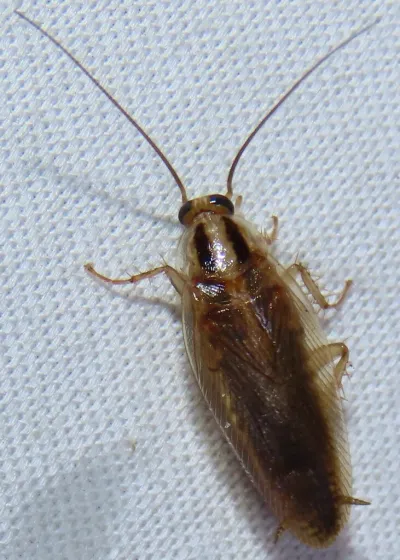
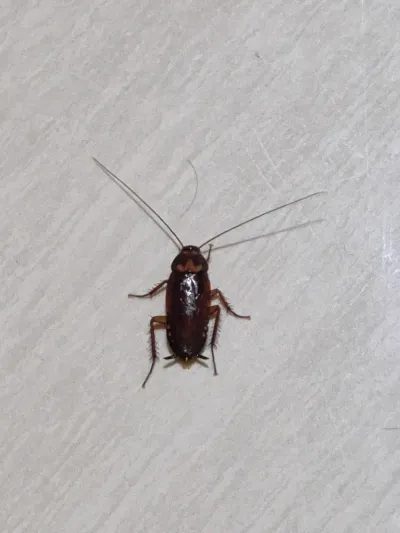
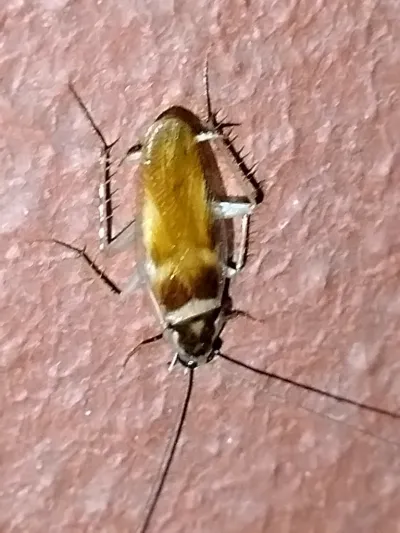
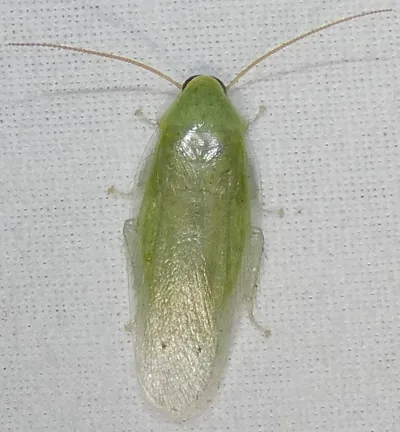
Commonly Confused With
Turkestan Cockroaches are often mistaken for these similar pests
Where Turkestan Cockroaches Are Found
Hover over states to see their names. Green regions indicate where turkestan cockroaches have been reported.
Common Questions about Turkestan Cockroaches
Where do Turkestan cockroaches come from?
+
Turkestan cockroaches are native to Central Asia and the Middle East, including Afghanistan, Pakistan, and Uzbekistan. They were first discovered in the United States in 1978 at military bases in California and Texas, likely arriving on military equipment returning from Central Asia.
Are Turkestan cockroaches the same as Oriental cockroaches?
+
No, but they are closely related and often confused. Turkestan cockroaches are gradually replacing Oriental cockroaches in many areas of the southwestern United States. The main differences are that female Turkestan roaches have cream-colored markings along their body edges, and males are more tan or reddish-brown compared to the all-black Oriental roach.
Can Turkestan cockroaches infest my home?
+
Turkestan cockroaches strongly prefer outdoor habitats and rarely establish indoor populations. When found inside, they usually wandered in by accident or were attracted to lights. They typically die within a few days indoors because they need the moisture levels found outside.
Why are there Turkestan cockroaches in my water meter box?
+
Water meter boxes, irrigation control boxes, and similar in-ground containers provide the dark, moist conditions that Turkestan cockroaches prefer. These locations offer shelter, humidity, and access to organic debris for food.
Do Turkestan cockroaches fly?
+
Males have fully developed wings and can glide short distances, but they are not strong fliers. Females have only short wing pads and cannot fly at all.
Are Turkestan cockroaches dangerous?
+
Like other cockroaches, Turkestan roaches can carry bacteria and pathogens. Because they often live in sewers and water meter boxes, they may contaminate surfaces they contact. However, since they rarely establish indoor populations, the health risk is generally lower than with German or American cockroaches.
What time of year are Turkestan cockroaches most active?
+
Turkestan cockroaches are most active during the warmer months from late spring through early fall. You may notice males flying toward lights during summer evenings. Their populations peak in mid-summer when temperatures are highest.

With five years of hands-on experience in the pest control industry, George Schulz is a registered technician with the Virginia Pest Management Association and a proud third-generation professional in a family business that's been protecting homes for over 57 years. He manages and trains a team of service pros while also leading internal research efforts—recently spearheading a deep-dive review of thousands of documents on pest control materials to hand-pick the most kid and pet friendly, most effective solutions tailored specifically for homes in the DC metro area.