Surinam Cockroach Identification Guide
Pycnoscelus surinamensis
The Surinam cockroach is a burrowing, soil-dwelling roach known for its shiny dark body and unique all-female reproduction. Often found in greenhouses, potted plants, and warm tropical regions.
Taxonomy
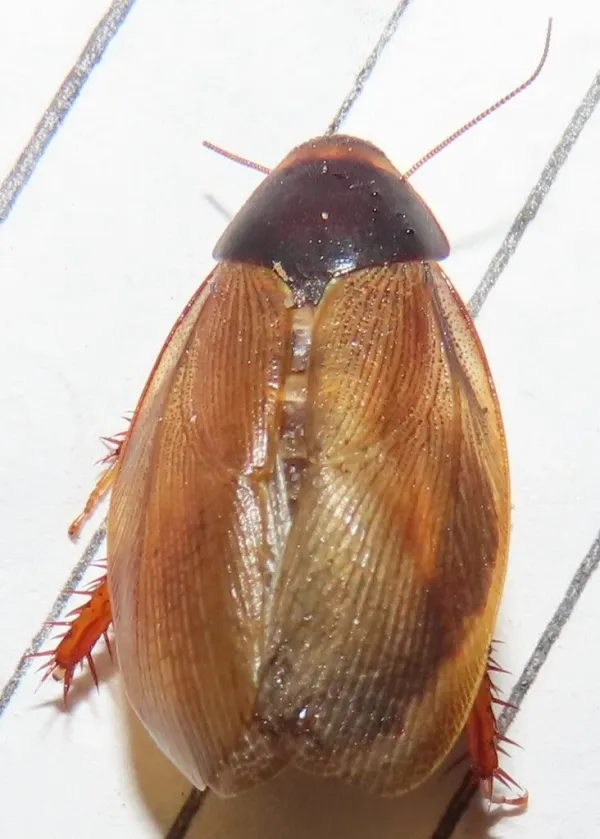
Surinam Cockroach Coloration
Common color patterns to help identify surinam cockroach
Surinam Cockroach
Seasonal Activity
When surinam cockroach are most active throughout the year
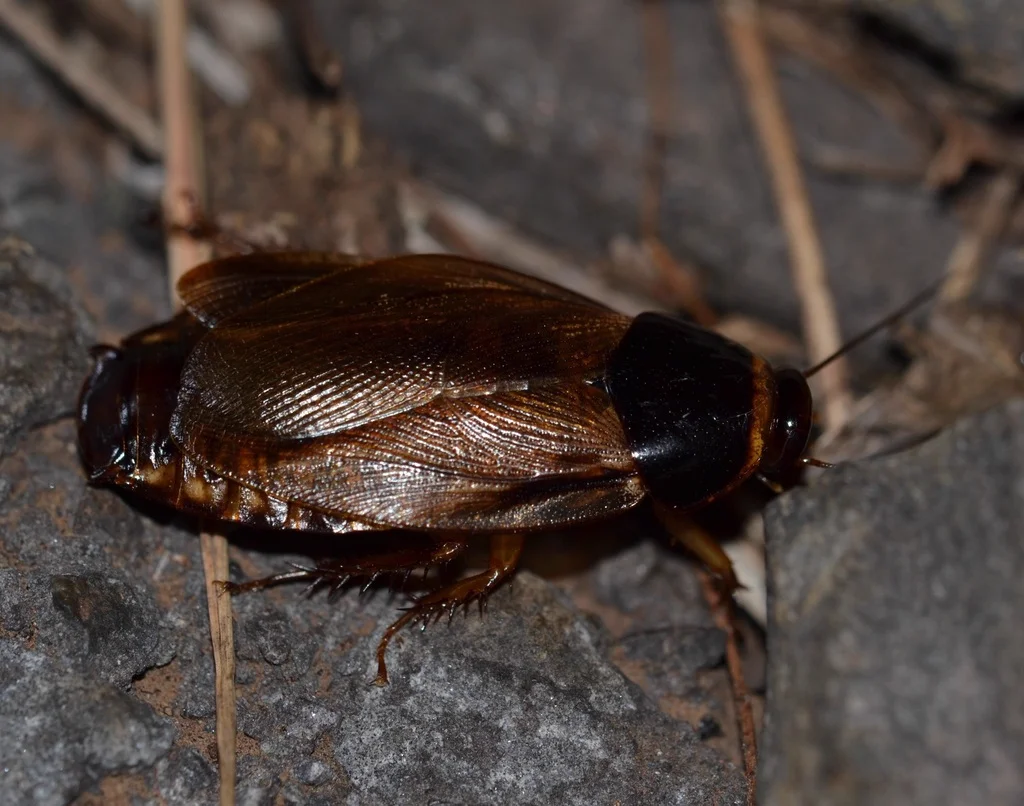
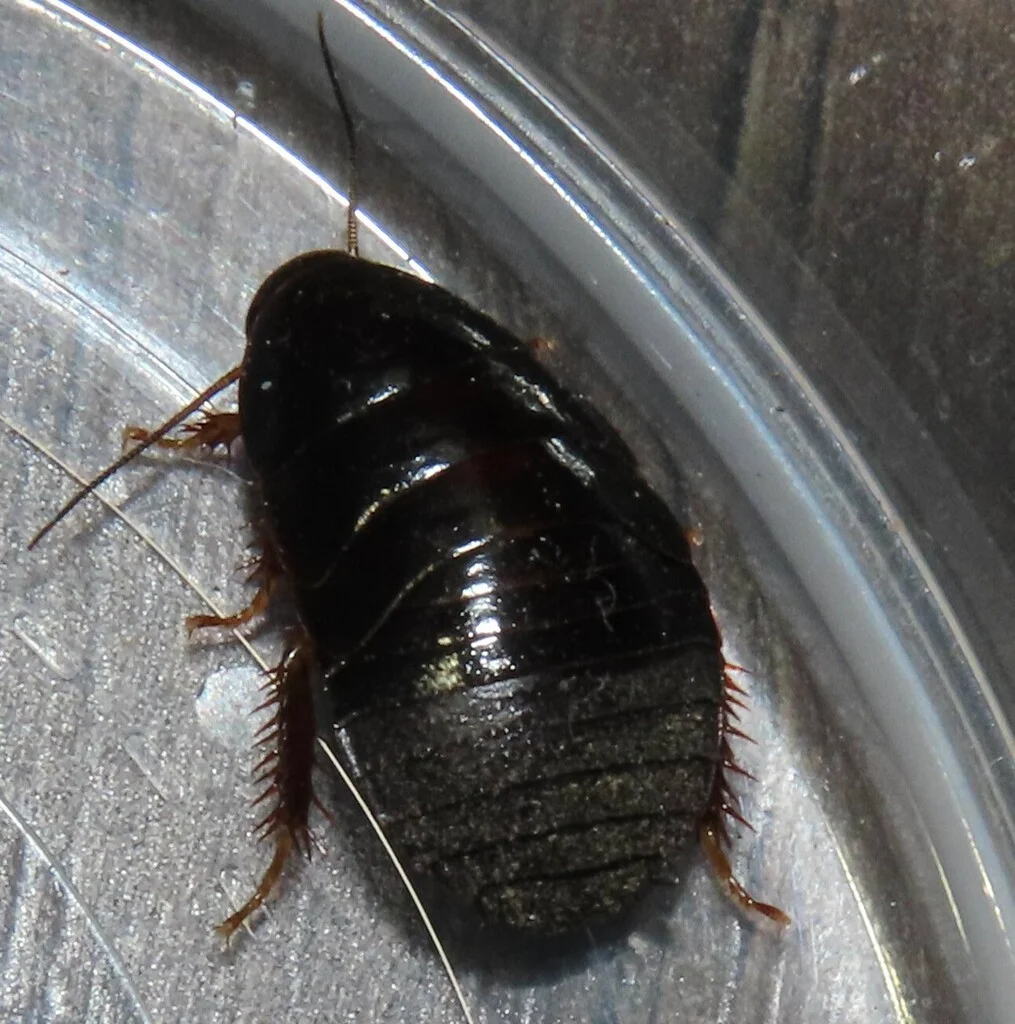
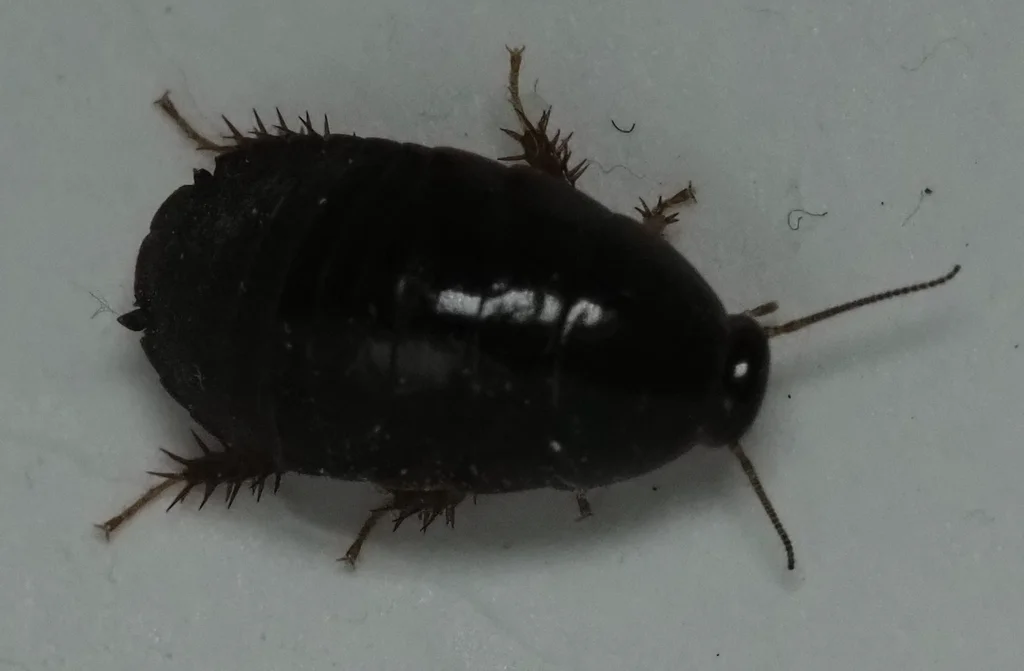

Where Surinam Cockroach Are Found
Hover over states to see their names. Green regions indicate where surinam cockroach have been reported.
Surinam Cockroach Identification Guide
Physical Characteristics
The Surinam cockroach is a medium-sized roach that measures 18 to 25 millimeters long. That is about the size of a penny to a quarter. Its body is broadly oval with short legs built for digging through soil. The color depends on whether the roach has wings or not.
Winged adults have dark brown to black bodies. Their wings are shiny and pale brown or olive-green. The wings extend past the end of the body. Behind the head is a shield-like plate called the pronotum. On Surinam cockroaches, this plate has a pale yellow or cream band along the front edge. This marking helps identify them from other roach species.
Wingless females are glossy black on most of their body. However, the rear part of the abdomen has a rough, dull texture. This trait sets them apart from Oriental cockroaches, which are glossy on all body parts.
Common Species
Pycnoscelus surinamensis is the only species found in North America. The name comes from Surinam, now called Suriname, where scientists first described this roach in 1758. The genus name Pycnoscelus means “thick legs” in Greek. It refers to the strong legs these roaches use for digging.
A related species called Pycnoscelus indicus lives in Asia. It is the ancestor of the Surinam cockroach and reproduces with males. This species has not spread to mainland North America.
Surinam Cockroach Behavior and Biology
Surinam cockroaches are burrowing insects. They spend most of their lives underground. They dig tunnels three to four inches deep in loose soil, compost piles, and lawn thatch. During the day, they hide beneath rocks, rotting branches, and leaf litter. At night, they come out to feed. A related species, Brown-Banded Roaches, shares similar characteristics.
Unlike many household roaches, Surinam cockroaches mainly eat plants. They feed on decaying matter, plant roots, soft leaves, and fruit. This makes them major pests in tropical areas. They can cause serious damage to flowers and plants in greenhouses. A related species, Palmetto Bugs, shares similar characteristics.
Unique Reproductive Biology A related species, American Roaches, shares similar characteristics.
The Surinam cockroach has a strange way of reproducing. In North America, all Surinam cockroaches are female. They reproduce through parthenogenesis. This is a type of asexual reproduction where eggs develop without being fertilized. Each female creates clones of herself. This allows populations to grow fast without any males. A related species, Lobster Cockroaches, shares similar characteristics.
Female Surinam cockroaches keep their egg cases inside their bodies until the eggs hatch. They then give live birth to fully formed young called nymphs. Each egg case holds about 24 eggs. The nymphs molt six times over 160 to 220 days before becoming adults. Adult females live about 307 days on average. A related species, Asian Cockroaches, shares similar characteristics.
There are at least ten different groups of Surinam cockroaches in the United States. Each group came from a different founding female. A related species, Australian Cockroaches, shares similar characteristics.
Habitat and Distribution A related species, Spotted Mediterranean Cockroach, shares similar characteristics.
Surinam cockroaches came from Southeast Asia but have spread to tropical areas around the world. In the United States, they live mainly in Florida and along the Gulf Coast from Louisiana to Texas. They also occur in Arizona, California, Hawaii, and sometimes in the Carolinas and Virginia.
These roaches lose water quickly through their skin, so they must live in moist soil. In cooler climates, they can survive in heated greenhouses. They often arrive in new areas through the soil of potted plants shipped from southern states.
Treatment Methods for Surinam Cockroaches
Controlling Surinam cockroaches means targeting their outdoor, soil-based habitat. Standard indoor treatments do not work well on these pests. Effective control methods include:
-
Habitat Cleanup: Remove leaf piles, wood debris, and heavy mulch near your foundation. This reduces hiding spots. Good drainage in garden beds and less watering also helps. These steps make the soil less inviting for these moisture-loving pests.
-
Plant Inspection: Check potted plants before bringing them inside or planting them in your garden. Look in the soil for roaches, young nymphs, or signs of burrowing. This simple step can prevent new infestations.
-
Granular Baits: Water-resistant roach baits work well in flowerbeds and other active areas. These baits hold up in the moist outdoor areas where Surinam cockroaches live.
-
Soil Treatments: Liquid insecticides applied to infested soil can kill burrowing roaches. Treatments around foundations, mulch beds, and potted plants create barriers that prevent reinfestation.
-
Exclusion: Seal cracks in foundations and make sure vent screens fit tightly. Close gaps around pipes and utility lines. These steps help keep roaches from entering your home in warm climates.
Surinam cockroach numbers can grow quickly because of their unique reproduction. Prompt treatment is key once you spot an infestation.
References
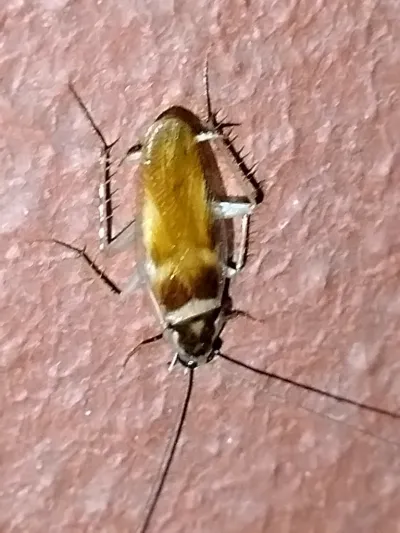
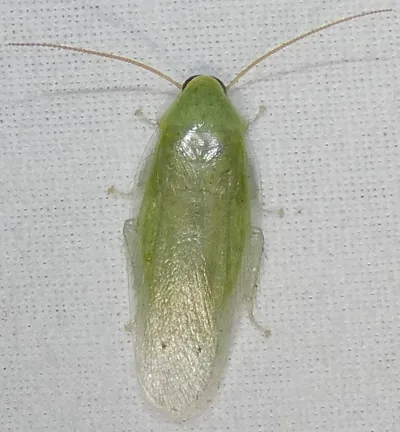
Other Cockroaches
Explore other species in the cockroaches family
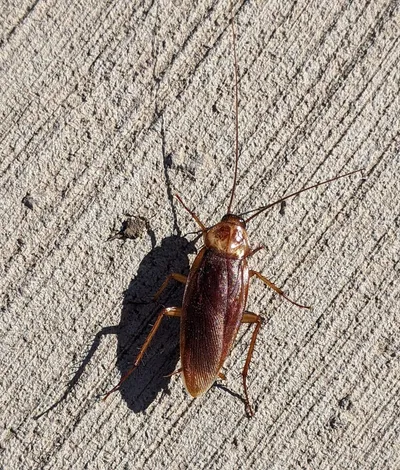
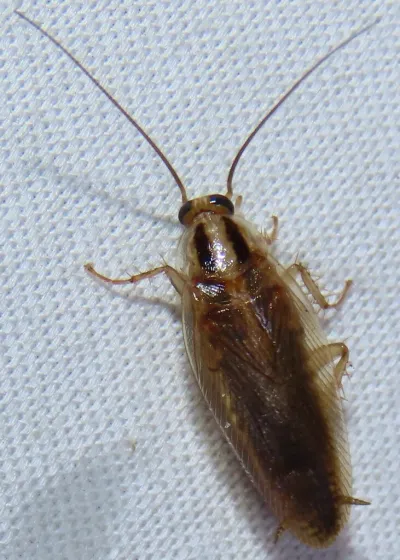
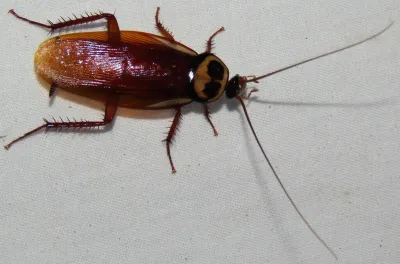
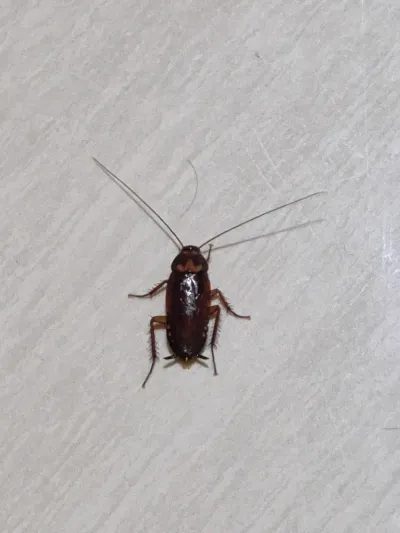
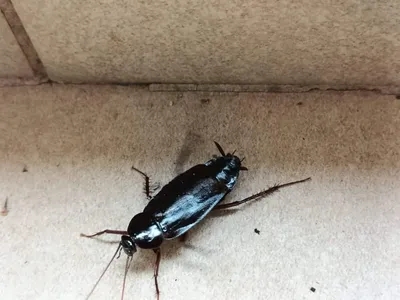
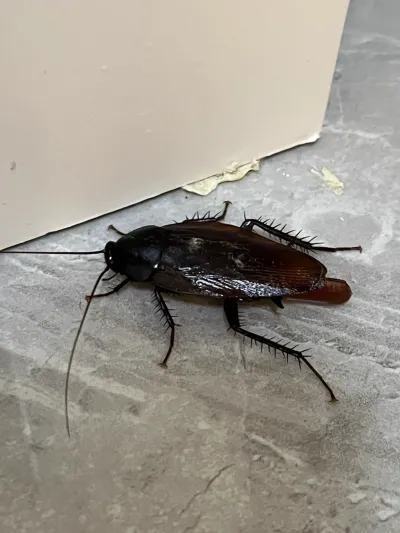
Commonly Confused With
Surinam Cockroach are often mistaken for these similar pests
Where Surinam Cockroach Are Found
Hover over states to see their names. Green regions indicate where surinam cockroach have been reported.
Common Questions about Surinam Cockroach
Where are Surinam cockroaches most commonly found?
+
Surinam cockroaches like warm, moist places. You will find them burrowing in soil, compost piles, mulch, and potted plants. They are common in greenhouses and the Southeast United States.
Are Surinam cockroaches dangerous to humans?
+
Surinam cockroaches are not dangerous to people. They do not bite or sting and rarely come indoors. They may cause allergies in some people and can damage plants by eating roots and leaves.
Why are there no male Surinam cockroaches in North America?
+
In North America, female Surinam cockroaches produce babies without mating. This is called parthenogenesis. All offspring are female clones of the mother. This allows them to multiply quickly.
How can I tell a Surinam cockroach from an Oriental cockroach?
+
Look for a pale yellow band on the front of the head shield. Oriental cockroaches are all glossy black. Surinam cockroaches also have a rough texture on the back of their body. Oriental roaches are shiny all over.
Do Surinam cockroaches fly?
+
No. Surinam cockroaches have wings but cannot fly well. They spend most of their time digging in soil. You will rarely see them flying.
Can Surinam cockroaches infest my home?
+
Surinam cockroaches rarely infest homes. They need moist soil to survive. However, they can come inside in potted plants from nurseries. In warm climates, they may enter if conditions are right.
What damage can Surinam cockroaches cause?
+
Surinam cockroaches damage plants by eating roots, leaves, and soft tissue. They are major pests in greenhouses and nurseries where they can kill or weaken plants.

With five years of hands-on experience in the pest control industry, George Schulz is a registered technician with the Virginia Pest Management Association and a proud third-generation professional in a family business that's been protecting homes for over 57 years. He manages and trains a team of service pros while also leading internal research efforts—recently spearheading a deep-dive review of thousands of documents on pest control materials to hand-pick the most kid and pet friendly, most effective solutions tailored specifically for homes in the DC metro area.