Pennsylvania Wood Roaches Identification Guide
Parcoblatta pennsylvanica
Pennsylvania wood roaches are outdoor cockroaches found in wooded areas of eastern North America. They rarely survive indoors and enter homes by accident on firewood or when flying toward lights.
Taxonomy
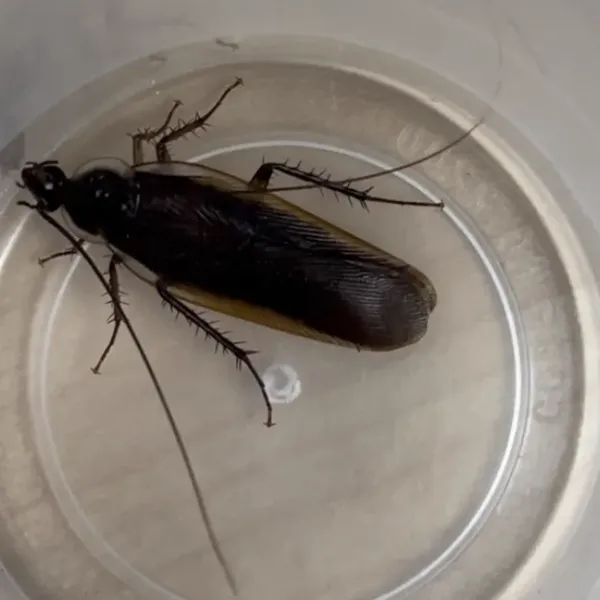
Pennsylvania Wood Roaches Coloration
Common color patterns to help identify pennsylvania wood roaches
Pennsylvania Wood Roaches
Seasonal Activity
When pennsylvania wood roaches are most active throughout the year

Where Pennsylvania Wood Roaches Are Found
Hover over states to see their names. Green regions indicate where pennsylvania wood roaches have been reported.
Pennsylvania Wood Roach Identification Guide
Physical Characteristics
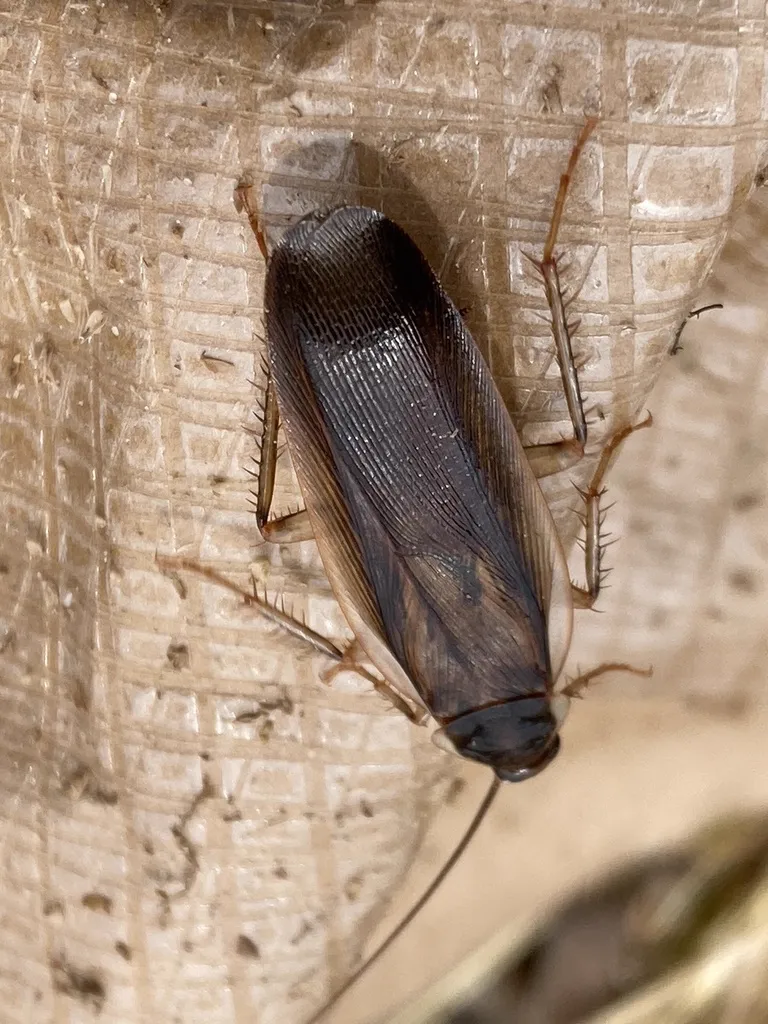
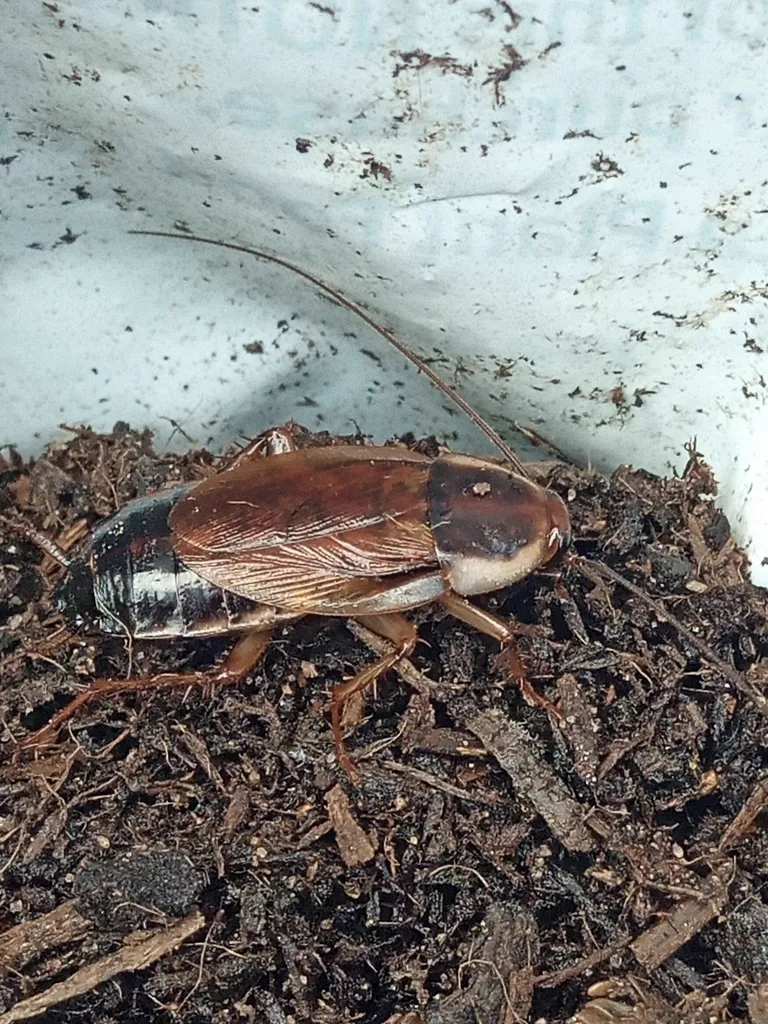
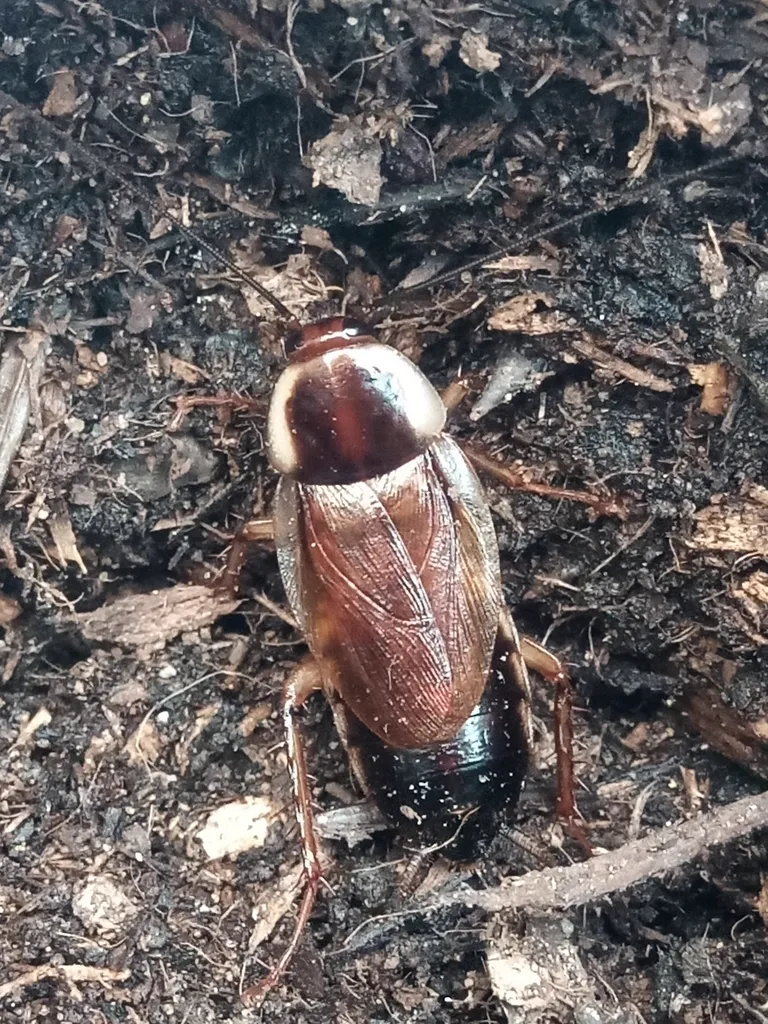
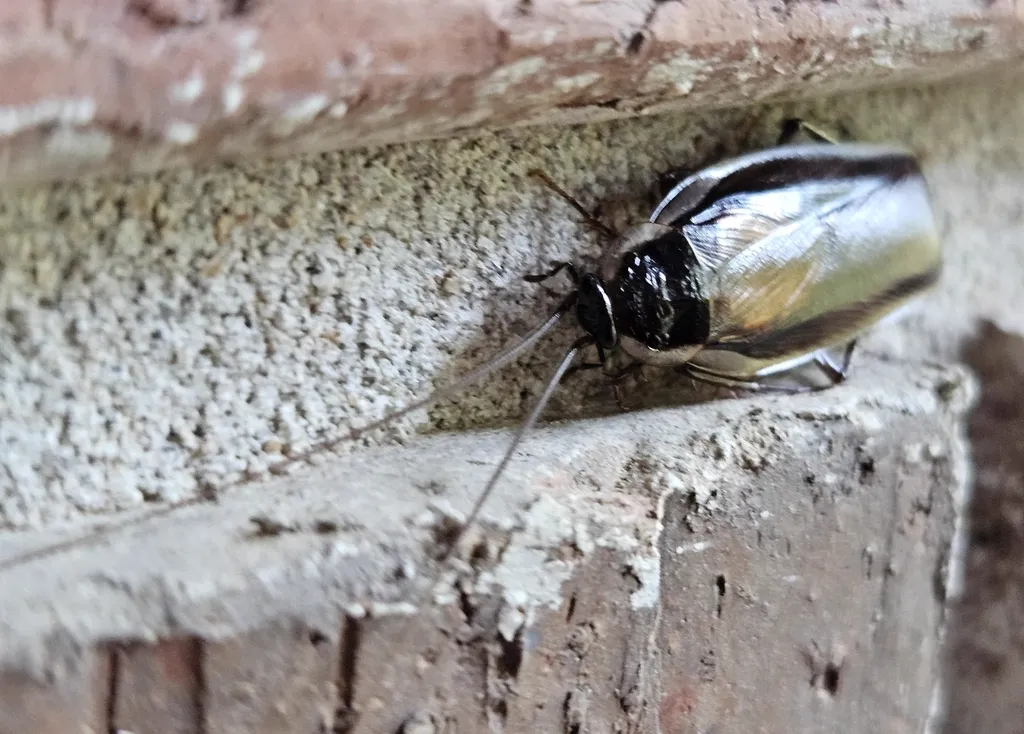
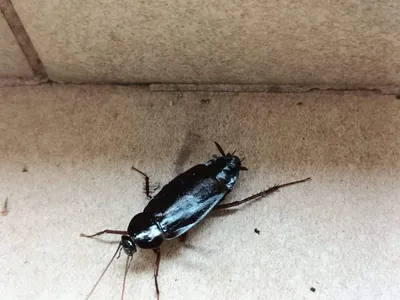
Pennsylvania wood roaches are medium-sized cockroaches. They measure about 0.6 to 1 inch long. Their bodies are tan to dark brown with cream or yellow edges along the wings and thorax. This light border is one of the best ways to tell them apart from other roach types.
Male and female Pennsylvania wood roaches look very different from each other. Males have long wings that extend past their abdomen and can fly. Females have shorter wing pads that cover only half their body. They cannot fly. In fact, the two sexes look so different that scientists once thought they were separate species.
Both males and females have long, thin antennae and six legs. Young roaches (nymphs) are smaller and have no wings. Their color ranges from reddish-brown to dark brown.
Distinguishing Wood Roaches from Pest Cockroaches
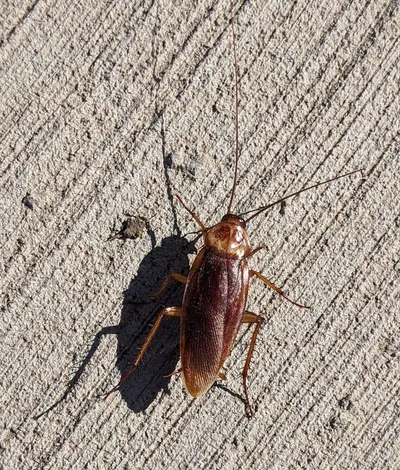
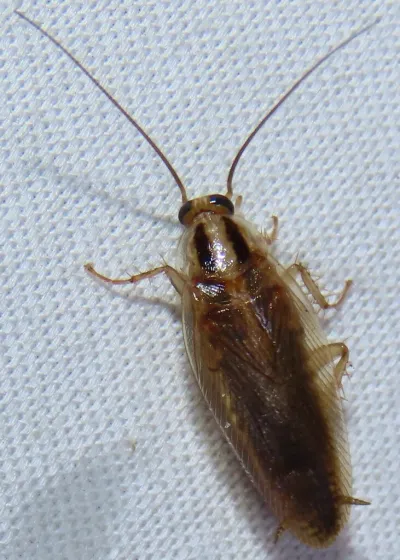
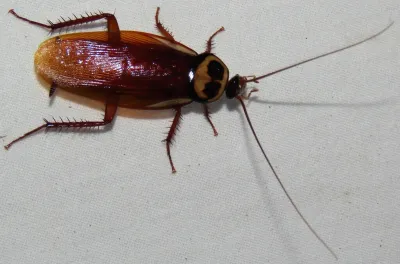
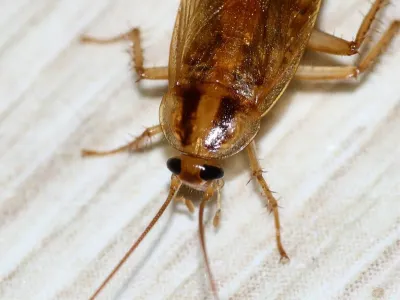
People often confuse Pennsylvania wood roaches with German roaches or American roaches. Here is how to tell them apart:
- Size: Wood roaches are smaller than American roaches but similar in size to German roaches.
- Color: Wood roaches have distinctive light-colored wing margins that German and American roaches lack.
- Behavior: Unlike pest cockroaches, wood roaches do not avoid light and may be active during the day.
- Location: Finding roaches outdoors near woodpiles or leaf litter suggests wood roaches. Finding them in kitchens or bathrooms suggests pest species.
Pennsylvania Wood Roach Behavior and Biology
Habitat and Diet
Pennsylvania wood roaches live in eastern and central North America. They stay outdoors in forested areas and eat decaying plant matter. You can find them in leaf litter, under loose bark, under fallen logs, in woodpiles, and under stones.
These roaches help break down dead plants in forests. They return nutrients to the soil. Seeing them outdoors is a sign of a healthy environment. A related species, Brown-Banded Roaches, shares similar characteristics.
Lifecycle A related species, Palmetto Bugs, shares similar characteristics.
Pennsylvania wood roaches go through three life stages: egg, nymph, and adult. Females lay egg cases during summer. Each case holds about 32 eggs that hatch in roughly one month. A related species, Lobster Cockroaches, shares similar characteristics.
Nymphs come out in late summer. They keep growing through fall and then spend winter hiding. They become adults the next spring. Adults live from a few months up to two years. Most die after mating season ends. A related species, Oriental Roaches, shares similar characteristics.
Mating Season Activity A related species, Asian Cockroaches, shares similar characteristics.
The most noticeable wood roach activity happens during mating season in May and June. Males fly long distances looking for mates. They are drawn to lights at night. This is when homeowners often see them inside. A related species, Australian Cockroaches, shares similar characteristics.
Wood roaches do not hide from light like pest cockroaches do. They may walk around openly without trying to hide. This can be scary to see, but it is actually a sign that you have wood roaches and not a pest species.
Why Pennsylvania Wood Roaches Enter Homes
Pennsylvania wood roaches enter homes by accident. They do not look for human homes and cannot breed indoors. They usually get inside in two ways:
Firewood: Wood roaches often hide under bark. When you bring firewood inside, they come along for the ride. They may crawl out once the wood warms up.
Lights: During mating season, flying males are drawn to porch lights and lit windows. They get in through gaps around doors, windows, and vents.
Once inside, wood roaches wander around without settling in any one room. They dry out fast in the low humidity of indoor air. Most die within a few days. They do not get into food, damage your home, or reproduce indoors.
Prevention and Management
Wood roaches die quickly indoors. This means keeping them out is the best approach:
-
Manage firewood: Only bring in what you can burn in a few hours. Store woodpiles at least 20 feet from your home. Keep them off the ground.
-
Seal entry points: Caulk cracks in the foundation and around doors and windows. Add door sweeps and fix worn weather stripping. Check screens for holes.
-
Reduce outdoor lighting: Turn off outside lights during mating season in May and June. Yellow bug lights attract fewer insects.
-
Clear debris: Remove leaf litter, fallen branches, and other plant matter from around your foundation. Keep gutters clean.
-
Reduce moisture: Wood roaches like damp areas. Fix leaky outdoor faucets and make sure water drains away from your foundation.
Treatment Approaches for Wood Roaches
For most homeowners, the steps above are enough to control wood roaches. If many are getting inside, spraying around doors, windows, and entry points can help reduce their numbers.
Spraying is usually not needed for a few wood roaches here and there. The most important step is to figure out what kind of roach you have. If you are not sure, call a pest control professional for help. True pest roaches like German roaches need strong treatment. Wood roaches usually go away on their own after mating season.
References
- Penn State Extension. “Wood Cockroaches.” https://extension.psu.edu/wood-cockroaches
- Penn State Extension. “Pennsylvania Wood Cockroaches.” https://extension.psu.edu/pennsylvania-wood-cockroaches
- Rutgers NJAES. “Cockroach Species in New Jersey and Their Control Strategies.” https://njaes.rutgers.edu/fs1327/
- Michigan State University Plant & Pest Diagnostics. “Wood Cockroach.” https://www.canr.msu.edu/resources/wood-cockroach
- U.S. Fish & Wildlife Service. “Pennsylvania Wood Cockroach.” https://www.fws.gov/species/pennsylvania-wood-cockroach-parcoblatta-pensylvanica
Other Cockroaches
Explore other species in the cockroaches family
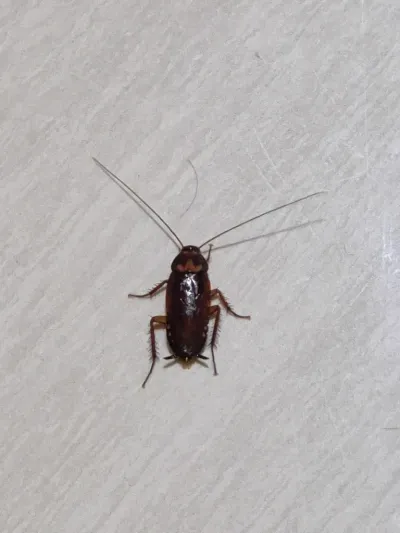
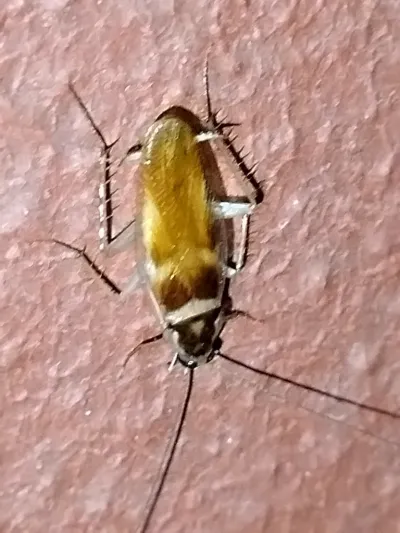
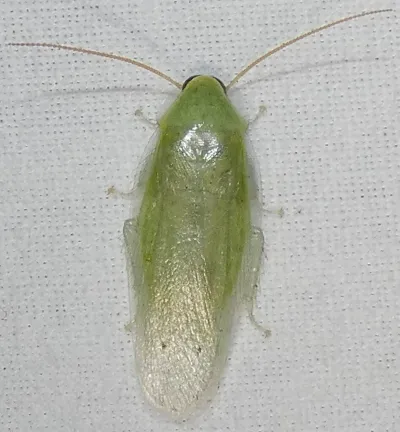
Commonly Confused With
Pennsylvania Wood Roaches are often mistaken for these similar pests
Where Pennsylvania Wood Roaches Are Found
Hover over states to see their names. Green regions indicate where pennsylvania wood roaches have been reported.
Common Questions about Pennsylvania Wood Roaches
Are Pennsylvania wood roaches the same as German roaches?
+
No. Pennsylvania wood roaches are native outdoor insects that prefer wooded areas and rarely survive indoors. German roaches are indoor pests that breed inside homes and are much harder to control.
Why are wood roaches coming into my house?
+
Wood roaches typically enter homes by accident. Males fly toward lights at night during mating season (May-June), or they hitchhike indoors on firewood stored outside. They do not infest homes like other cockroach species.
Can Pennsylvania wood roaches infest my home?
+
No. Wood roaches cannot survive indoors for more than a few days because they need the high humidity found in outdoor environments. They dehydrate quickly inside homes and do not reproduce indoors.
Are Pennsylvania wood roaches dangerous?
+
Pennsylvania wood roaches are considered nuisance pests only. Unlike German and American roaches, they are not known to spread disease or contaminate food because they do not thrive in indoor environments.
How do I stop wood roaches from getting inside?
+
Limit firewood brought indoors to what you can burn immediately. Move woodpiles away from your home. Seal cracks around doors, windows, and the foundation. Turn off outdoor lights or switch to yellow bug lights during mating season.
Do I need professional pest control for wood roaches?
+
In most cases, exclusion methods are enough to manage wood roaches. If you are seeing large numbers of roaches inside, a professional can help identify whether you have wood roaches or a more serious pest species that requires treatment.

With five years of hands-on experience in the pest control industry, George Schulz is a registered technician with the Virginia Pest Management Association and a proud third-generation professional in a family business that's been protecting homes for over 57 years. He manages and trains a team of service pros while also leading internal research efforts—recently spearheading a deep-dive review of thousands of documents on pest control materials to hand-pick the most kid and pet friendly, most effective solutions tailored specifically for homes in the DC metro area.