Palmetto Bugs Identification Guide
Periplaneta americana
Palmetto bug is a regional name for large cockroaches, most commonly the American cockroach. These reddish-brown pests thrive in warm, humid environments and often invade homes through drains, cracks, and gaps around doors.
Taxonomy
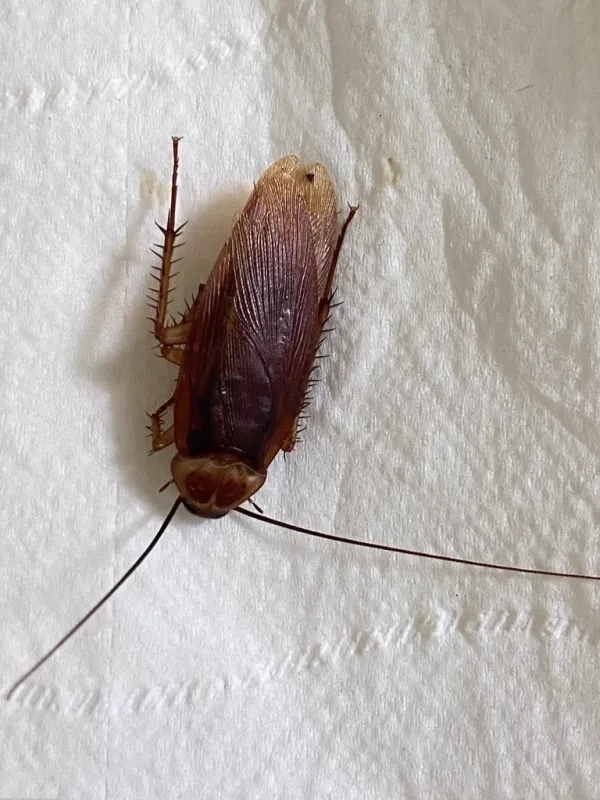
Palmetto Bugs Coloration
Common color patterns to help identify palmetto bugs
Palmetto Bugs
Seasonal Activity
When palmetto bugs are most active throughout the year

Where Palmetto Bugs Are Found
Hover over states to see their names. Green regions indicate where palmetto bugs have been reported.
What Are Palmetto Bugs?
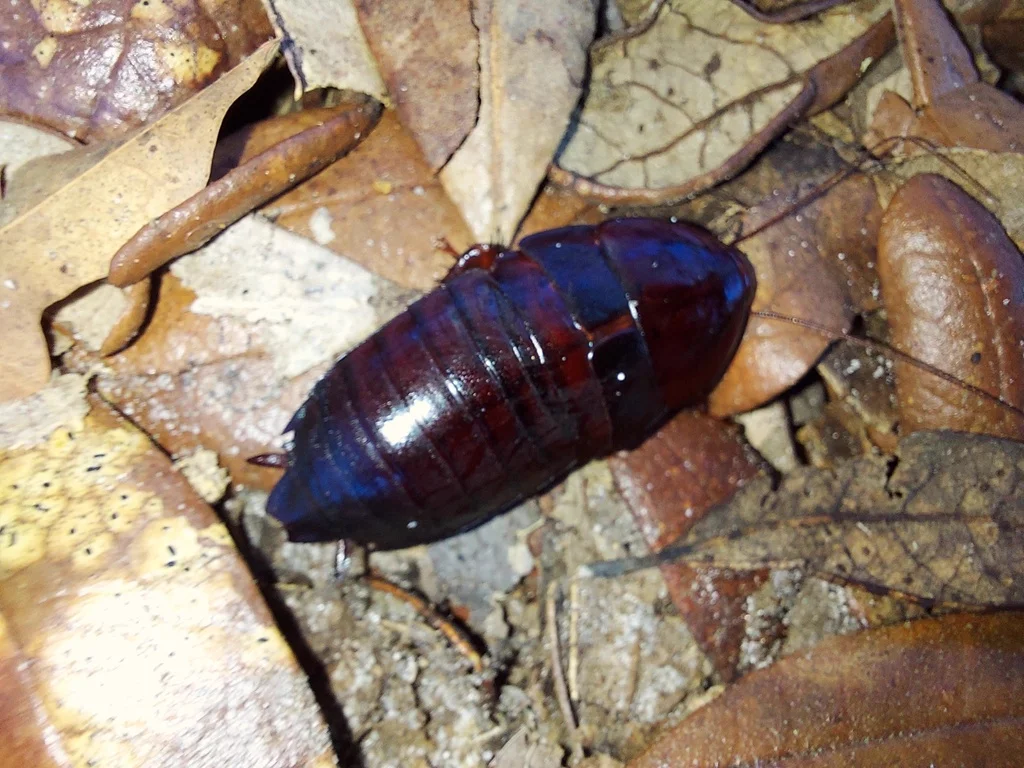
Palmetto bug is a nickname for large cockroaches. Most of the time, people use this term for the American cockroach (Periplaneta americana). The name also applies to the smokybrown cockroach and the Florida woods cockroach.
The name comes from these bugs living in and around palmetto trees. These fan-shaped palms grow throughout coastal areas from South Carolina to Florida. The term is most common in the deep South, but people in Virginia, Maryland, and Washington D.C. use it too.
Palmetto Bug Identification Guide
Physical Characteristics
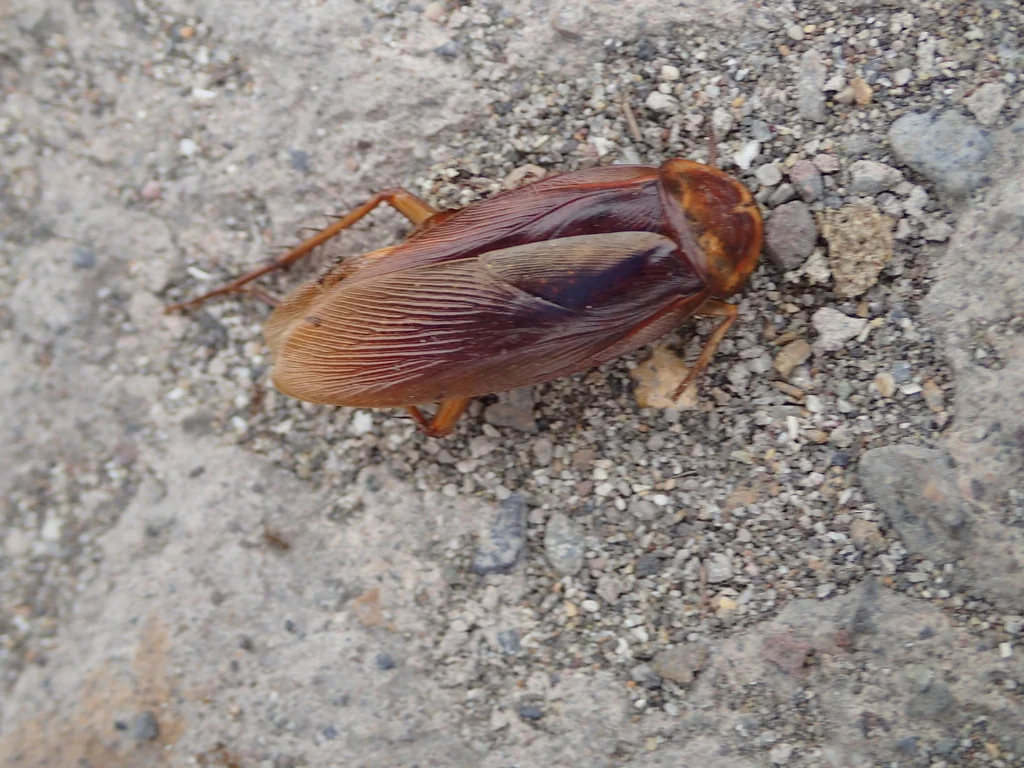
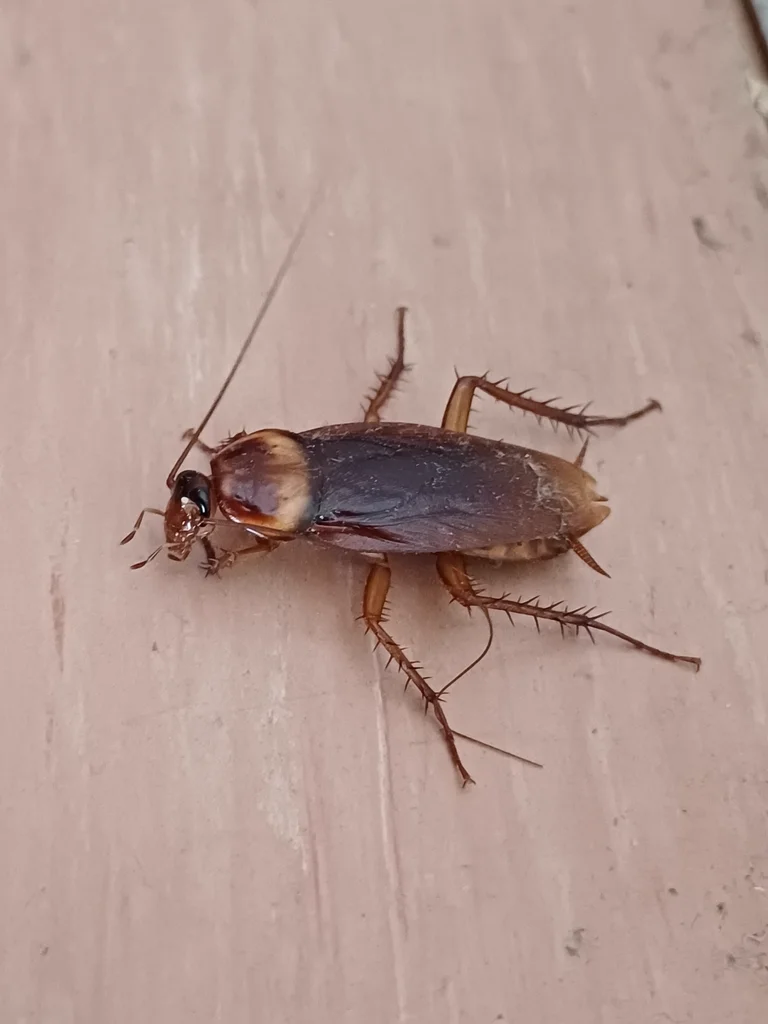
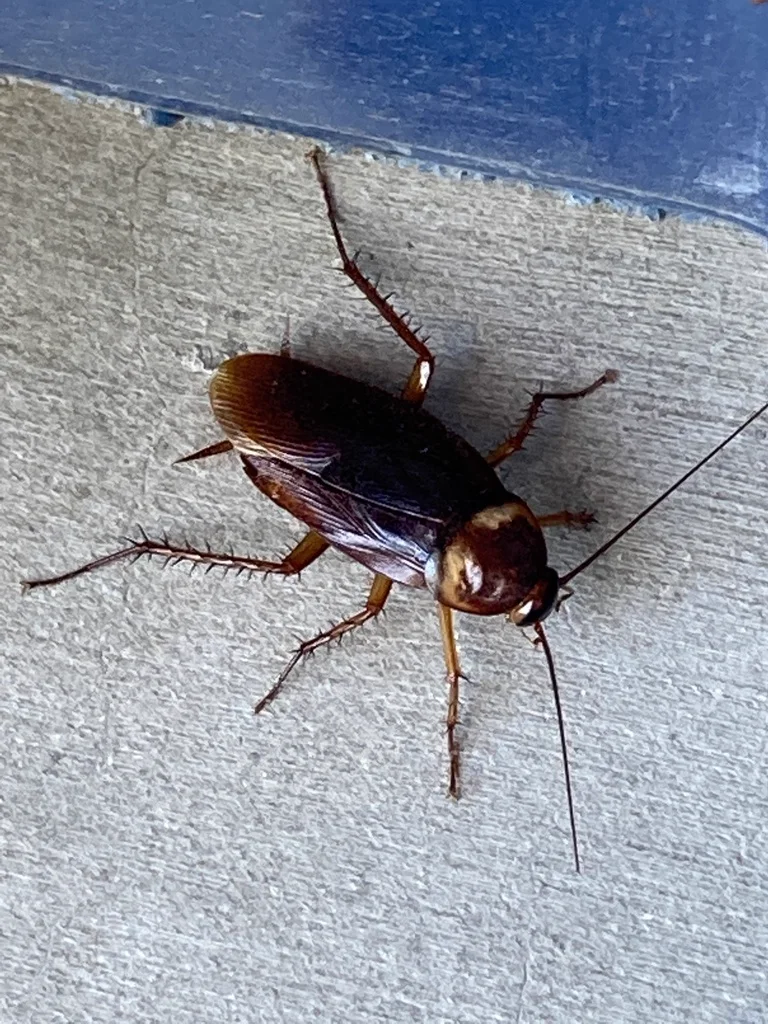
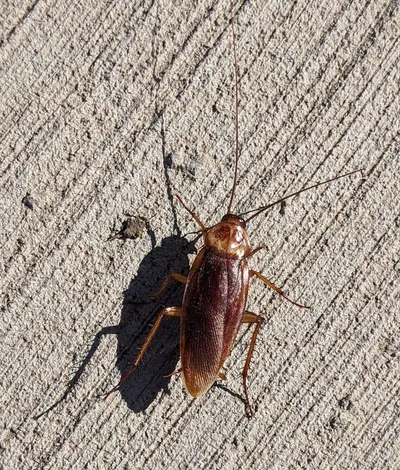
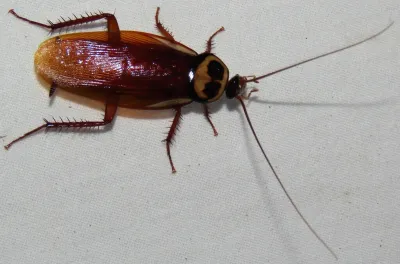
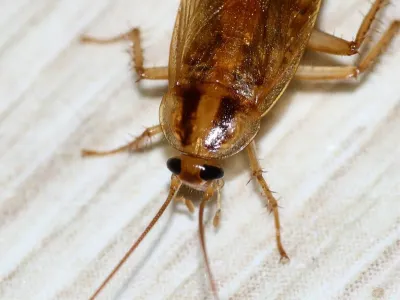
The palmetto bug is one of the largest roaches that enters homes. Adults grow 1.5 to 2 inches long. This makes them much bigger than German cockroaches. They have reddish-brown bodies with a yellow figure-eight pattern behind the head.
Both males and females have wings that reach past their bodies. They can fly, but usually only when it gets above 80 degrees. Their long antennae often stretch longer than their bodies.
Species Commonly Called Palmetto Bugs
American Cockroach (Periplaneta americana): The most common palmetto bug. Reddish-brown with yellow markings behind the head. Lives in basements, crawl spaces, and sewers.
Smokybrown Cockroach (Periplaneta fuliginosa): A bit smaller with a dark mahogany color. Strong fliers drawn to lights at night. Found in tree holes, woodpiles, and gutters.
Florida Woods Cockroach (Eurycotis floridana): Also called the stinking cockroach. It gives off a bad smell when scared. Dark brown to black with very short wings. Found mostly in Florida and coastal Southeast areas.
How to Tell Palmetto Bugs from Other Roaches
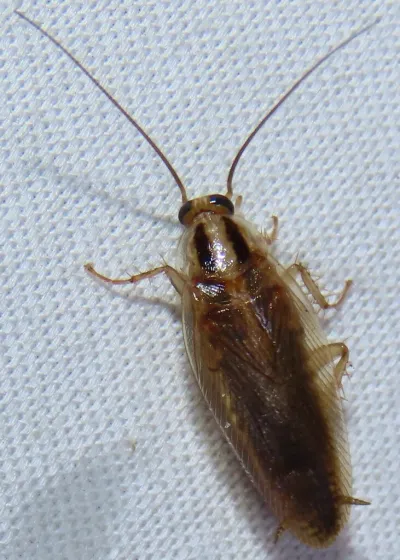
Palmetto bugs look different from German cockroaches. German roaches are much smaller (half an inch). They are light tan with two dark stripes and live only indoors. Palmetto bugs prefer the outdoors. They come inside to find water or escape bad weather.
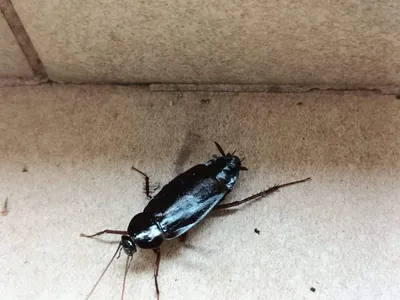
Oriental cockroaches can look like palmetto bugs. Oriental roaches are darker, almost black, and like cooler spots. They move slower than the fast palmetto bug.
Palmetto Bug Behavior and Biology
Where They Live
Palmetto bugs like warm, damp places. Outside, they live in:
- Mulch and leaf piles near foundations
- Tree holes and under bark
- Sewers and storm drains
- Woodpiles and sheds
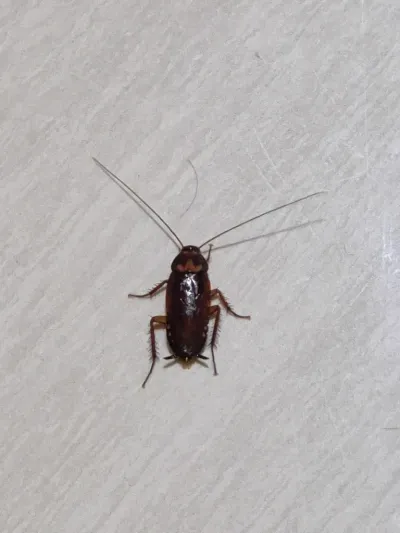
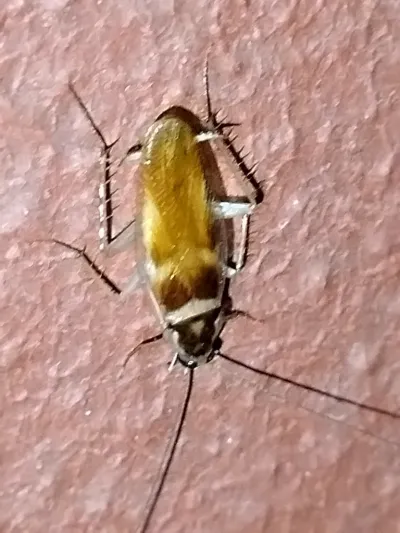
- Palmetto trees and shrubs A related species, Brown-Banded Roaches, shares similar characteristics.
When they come inside, they look for the same conditions: A related species, American Roaches, shares similar characteristics.
- Basements and crawl spaces
- Near water heaters and HVAC units
- Under kitchen and bathroom sinks
- Around drains and pipes
- Behind warm appliances A related species, Lobster Cockroaches, shares similar characteristics.
What They Eat A related species, Asian Cockroaches, shares similar characteristics.
Palmetto bugs eat almost anything. They feed on rotting plants, fungi, dead bugs, food scraps, paper, and even glue from book bindings. They hunt for food at night. They can live for months with little food as long as they have water. A related species, Australian Cockroaches, shares similar characteristics.
How They Reproduce
Female palmetto bugs make egg cases called oothecae. Each case holds 14-16 eggs. They glue these cases in hidden spots. German cockroaches carry their eggs until they hatch, but palmetto bugs leave theirs behind.
It takes about 600 days for an egg to become an adult. Adults live another year or longer. One female can produce over 150 babies in her life. This is slower than German roaches, so palmetto bug problems grow more slowly.
When They Are Active
Palmetto bugs are most active in warm summer months when temps stay above 70 degrees. They are more likely to come inside during dry spells when they need water. They also come in during cold snaps to stay warm.
In Virginia, Maryland, and the D.C. area, you may see more of them from late spring through early fall. Mild winters can mean year-round activity in heated basements and crawl spaces.
Signs of a Palmetto Bug Problem
Look for these signs that palmetto bugs have moved in:
-
Droppings: Small, cylinder-shaped pellets with blunt ends. People often mistake them for mouse droppings. Look in dark areas like basements, behind appliances, and under sinks.
-
Egg cases: Dark reddish-brown capsules about the size of a small bean. Check corners, behind furniture, and inside closets.
-
Musty smell: A strong oily odor that gets worse with more roaches.
-
Smear marks: Dark streaks along walls and floors near hiding spots.
-
Daytime sightings: Seeing palmetto bugs during the day means you likely have a lot of them. They usually hide during daylight.
Health Concerns
Palmetto bugs can make you sick. They travel through sewers, garbage, and rotting matter. They pick up germs on their bodies and legs. When they crawl on kitchen counters and food, they spread these germs.
Cockroaches can spread salmonella, E. coli, and stomach bugs. Their shed skins, droppings, and body parts can trigger asthma and allergies. This is a bigger risk for children.
Note: This information is for learning only. Talk to a doctor if you have health concerns from pest exposure.
How We Treat for Palmetto Bugs
We start by checking basements, crawl spaces, and other damp areas where palmetto bugs hide. We look for droppings, egg cases, and live roaches. This helps us find how bad the problem is and where they get in.
Treatment Process
-
Inspection: We check your home inside and out. We look for entry points, moisture issues, and hiding spots.
-
Interior Treatment: We apply insecticides to cracks, crevices, baseboards, and areas around plumbing. We focus on the paths palmetto bugs use.
-
Exterior Treatment: We create a barrier around your foundation to stop them from getting in. We treat mulch beds, areas near AC units, and exterior drains.
-
Moisture Control: Palmetto bugs need water to survive. We point out water issues that draw them in. This may include fixing leaks, improving drainage, and lowering humidity.
-
Ongoing Prevention: Regular treatments keep palmetto bugs away. Our service plans include scheduled visits to maintain the barrier around your home.
Prevention Tips
These steps help keep palmetto bugs away from your home:
- Seal cracks in your foundation and gaps around doors and windows
- Fix leaky pipes and faucets right away
- Use a dehumidifier in damp basements and crawl spaces
- Keep firewood at least 20 feet from your home
- Clear leaves and debris from around your foundation
- Keep garbage in sealed bins
- Do not leave pet food out overnight
- Install door sweeps and fix worn weather stripping
References
- University of Florida IFAS Extension. “American Cockroach.” https://entnemdept.ufl.edu/creatures/urban/roaches/american_cockroach.htm
- NPMA. “Cockroaches.” https://www.pestworld.org/pest-guide/cockroaches/
- EPA. “Cockroaches.” https://www.epa.gov/ipm/cockroaches
- Penn State Extension. “American Cockroaches.” https://extension.psu.edu/american-cockroaches
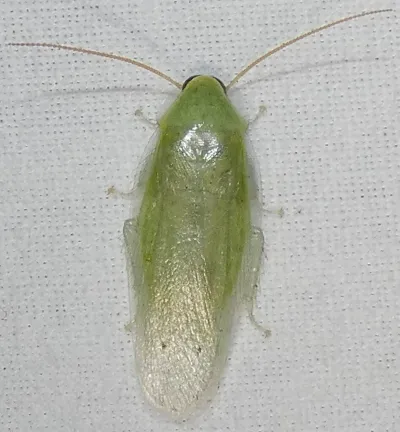
Other Cockroaches
Explore other species in the cockroaches family
Commonly Confused With
Palmetto Bugs are often mistaken for these similar pests
Where Palmetto Bugs Are Found
Hover over states to see their names. Green regions indicate where palmetto bugs have been reported.
Common Questions about Palmetto Bugs
Is a palmetto bug the same as a cockroach?
+
Yes. Palmetto bug is a regional nickname for cockroaches, most commonly the American cockroach. The term is popular in the southeastern United States, including Florida, Georgia, and the Carolinas. According to the University of Florida, over 90% of the time people say palmetto bug, they mean the American cockroach.
Why are they called palmetto bugs?
+
The name comes from their tendency to hide in and around palmetto trees, which are common across the coastal Southeast. The term likely originated in South Carolina and Florida where these trees grow abundantly.
Do palmetto bugs fly?
+
Yes, palmetto bugs can fly, especially when temperatures exceed 80 degrees Fahrenheit. They typically glide short distances rather than sustained flight. You may see them flying toward lights at night during warm summer months.
Are palmetto bugs dangerous?
+
Palmetto bugs carry bacteria including salmonella, E. coli, and other pathogens that can contaminate food and surfaces. Their droppings and shed skins trigger allergic reactions and asthma symptoms in sensitive individuals, particularly children.
How do palmetto bugs get inside my home?
+
They enter through cracks in foundations, gaps around doors and windows, and openings around pipes and drains. They may also hitch a ride inside boxes, grocery bags, or firewood. Palmetto bugs are attracted to moisture and often come in seeking water during dry periods.
What attracts palmetto bugs to my house?
+
Moisture is the primary attractant. Leaky pipes, standing water, and high humidity draw them indoors. They also seek food sources like crumbs, pet food, and organic debris. Cluttered basements and crawl spaces provide ideal hiding spots.
How do I prevent palmetto bugs?
+
Seal cracks in your foundation and around pipes. Fix water leaks promptly. Use a dehumidifier in damp areas. Store firewood away from your home. Remove leaf litter and debris from around your foundation. Regular pest control treatments create a barrier to keep them out.

With five years of hands-on experience in the pest control industry, George Schulz is a registered technician with the Virginia Pest Management Association and a proud third-generation professional in a family business that's been protecting homes for over 57 years. He manages and trains a team of service pros while also leading internal research efforts—recently spearheading a deep-dive review of thousands of documents on pest control materials to hand-pick the most kid and pet friendly, most effective solutions tailored specifically for homes in the DC metro area.