Lobster Cockroaches Identification Guide
Nauphoeta cinerea
Lobster cockroaches, also called cinereous or speckled cockroaches, are medium-sized roaches native to northeastern Africa. They have mottled gray-brown coloring and are sometimes found in warm buildings, warehouses, and food storage facilities across North America.
Taxonomy
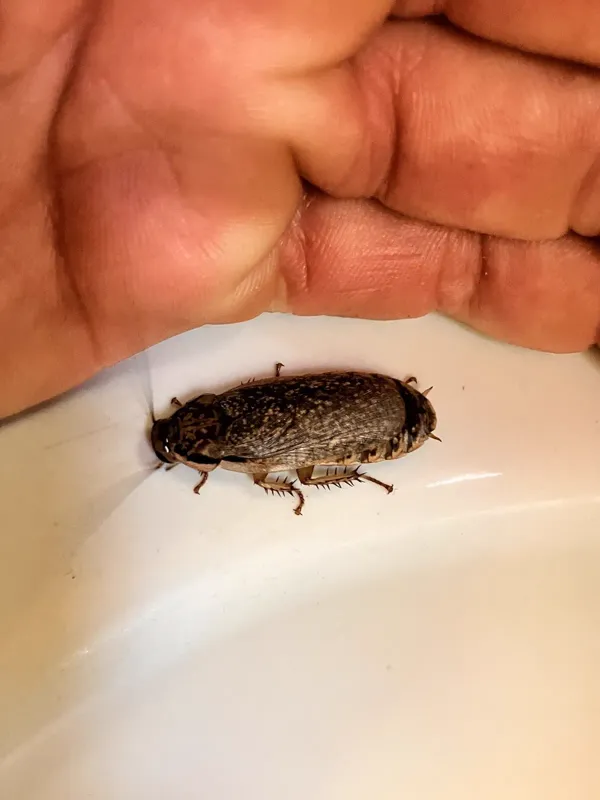
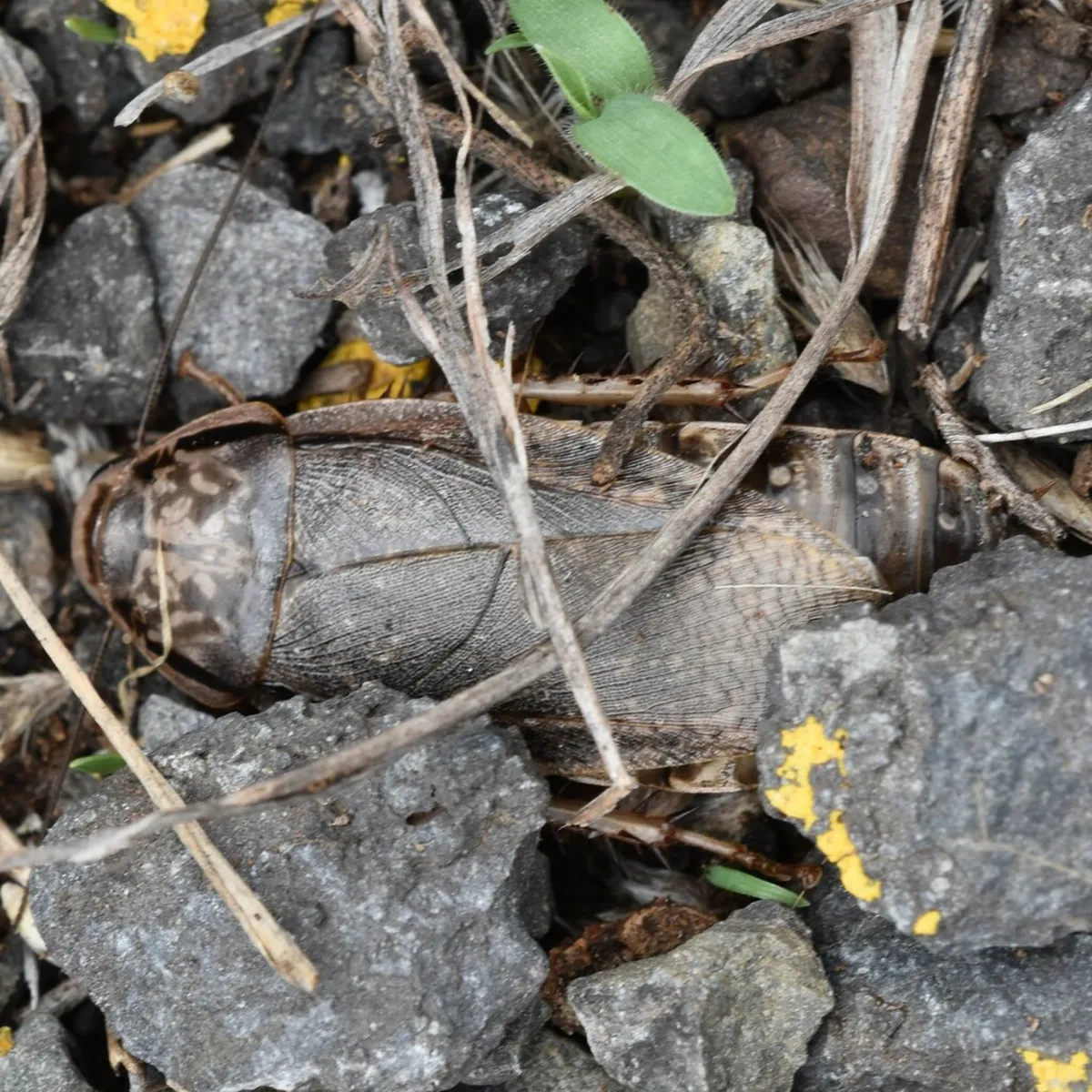
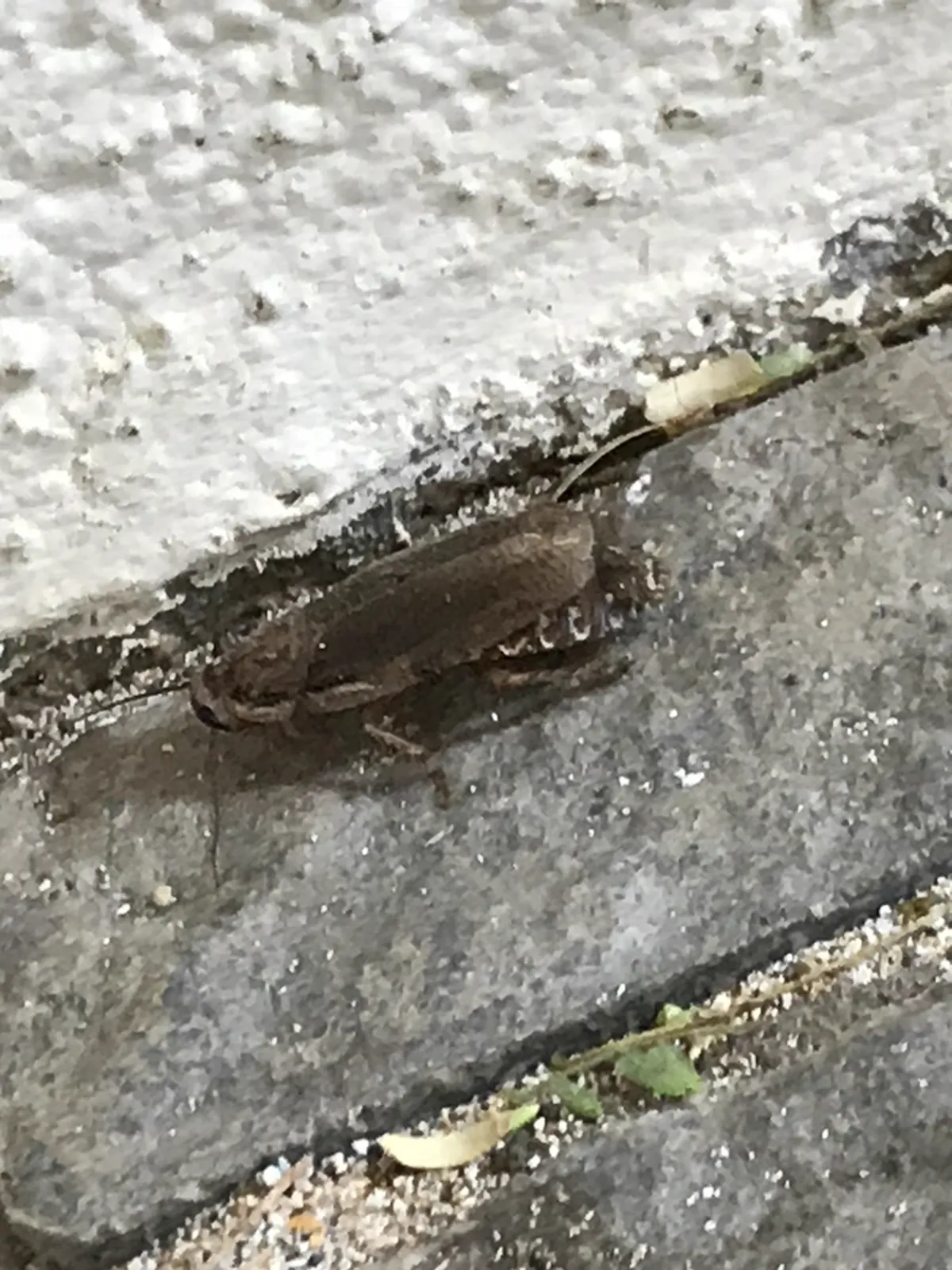
Lobster Cockroaches Coloration
Common color patterns to help identify lobster cockroaches
Lobster Cockroaches
Seasonal Activity
When lobster cockroaches are most active throughout the year

Where Lobster Cockroaches Are Found
Hover over states to see their names. Green regions indicate where lobster cockroaches have been reported.
Lobster Cockroach Identification Guide
Physical Characteristics
Lobster cockroaches are medium-sized roaches. Adults grow between 1 and 1.2 inches long. Their bodies have a distinctive mottled pattern. The base color is ash gray to light brown with darker brown or black bands and spots.
Look for these features:
- Color pattern: Gray-brown with dark bands on the sides
- Body shape: Oval and flat with a soft feel
- Wings: Males and females both have wings, but they rarely fly
- Antennae: Long and thin, about as long as the body
- Pronotum: The shield behind the head has light and dark marks
The body of a lobster cockroach feels softer than most other roaches. This soft body makes them a popular food for pet reptiles.
How to Tell Lobster Cockroaches Apart from Similar Species
Lobster cockroaches can look like other small to medium roaches. Here is how to tell them apart:
-
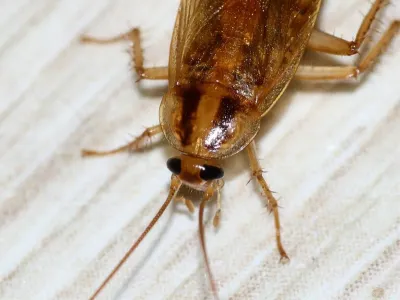
German cockroaches: German roaches are smaller at about half an inch. They have two dark stripes on the shield behind the head. Lobster cockroaches are larger with spots, not stripes.
-
Brown-banded cockroaches: Brown-banded roaches have two light bands across their wings. Lobster cockroaches have spots all over instead of bands.
-
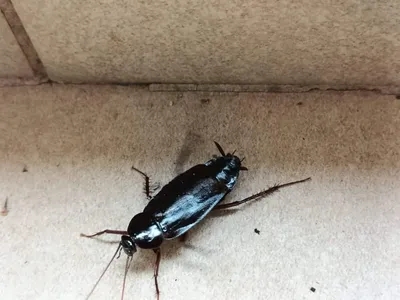
Oriental cockroaches: Oriental roaches are dark brown to black with a shiny body. Lobster cockroaches are lighter and have a dull, spotted look.
The spotted pattern is the best way to tell lobster cockroaches from other roaches. No other common pest roach looks quite the same.
Lobster Cockroach Behavior and Biology
Habitat Preferences
Lobster cockroaches came from warm, dry parts of northeastern Africa. In North America, they need warmth to survive. They cannot live through cold winters outdoors.
These roaches are most often found in:
- Warehouses and storage buildings
- Food processing plants and grain mills
- Greenhouses and botanical gardens
- Pet stores and reptile breeding facilities
- Heated buildings in urban areas
- Near garbage containers in warm climates
Unlike many roaches, lobster cockroaches do well in dry places. They still need some water but can live in drier spots than German or American roaches. A related species, Palmetto Bugs, shares similar characteristics.
In the wild, they live in cities near people. Studies in Europe found them near trash cans, ports, and busy areas. They can hitch rides on goods and boxes. A related species, Asian Cockroaches, shares similar characteristics.
Diet and Feeding Habits A related species, Australian Cockroaches, shares similar characteristics.
Lobster cockroaches are omnivores. They eat a wide range of foods including: A related species, Spotted Mediterranean Cockroach, shares similar characteristics.
- Decaying plant matter and leaves
- Grains and stored food products
- Dead insects and animal matter
- Paper and cardboard
- Food scraps and garbage
In food storage areas, they can damage grain products and packaged foods. They feed mostly at night and hide during the day.
Reproduction and Lifecycle
Female lobster cockroaches give birth in a special way. They keep the egg case inside their body. Then they give birth to live young instead of laying eggs.
One female can have many broods. Each brood has 20 to 40 young roaches. The young shed their skin several times before they become adults.
Females can also have young without mating. This is rare in roaches. But these young are weaker and fewer than those from normal mating.
Key lifecycle facts:
- Growth time: Young roaches take several months to become adults
- Adult lifespan: Adults live several months in good conditions
- Breeding rate: They breed fast and numbers can grow quickly
- Heat needs: They need warm temps above 70 degrees Fahrenheit
Social Behavior
Lobster cockroaches like to have their own space. They will defend good hiding spots. When crowded, they may fight with each other.
They are great climbers. Their feet can grip smooth walls that stop other bugs. This makes them good at escaping from bins that lack tight lids.
Health Concerns
Like other roaches, lobster cockroaches can pose health risks:
- They may carry germs on their bodies and legs
- Their droppings can dirty food and surfaces
- Shed skins and waste contain allergens
- Contact may trigger asthma in some people
In places that handle food, any roach problem is a health concern. Knowing which roach you have helps find the best way to treat it.
Note: This info is for learning only. Talk to a doctor if you have health concerns from pest contact.
Treatment Methods for Lobster Cockroaches
Treating lobster cockroaches follows the same steps as other roach species. Since they rarely infest homes, most treatments happen in stores and warehouses.
These treatment options can help:
-
Cleaning: Remove food sources and fix leaks. Clean up spills and keep food in sealed bins. Good cleaning is the base of any roach control plan.
-
Sealing entry points: Close gaps around doors, windows, pipes, and wires. Block the ways roaches use to move around.
-
Baiting: Roach baits work well and pose low risk. Roaches eat the bait and die in a few days. Baits work because roaches bring the poison back to their hiding spots.
-
Dust treatments: Boric acid can help in wall gaps and hard to reach spots. Use a light coating in dry areas.
-
Traps: Sticky traps help track where roaches are active. They show if treatments are working.
-
Barrier treatments: For buildings with ongoing issues, treating around the base can stop roaches from getting in.
Note: Foggers and bug bombs do not work well for roaches. They fail to reach hiding spots and can push roaches to new areas.
Prevention Tips
These steps can help stop lobster cockroach problems:
- Check boxes and goods for roaches before bringing them inside
- Keep storage areas clean and free of food scraps
- Store food in sealed bins
- Fix leaky pipes and cut down on moisture
- Seal cracks and gaps in walls and floors
- Add door sweeps and weatherstripping
- Keep storage areas at the right temperature
- Put out sticky traps to catch problems early
- Clean trash areas often
- Get rid of cardboard and clutter that roaches use for hiding
If you keep lobster cockroaches as food for reptiles, good containment is key. Use bins with smooth sides and tight lids to stop escapes.
References
- U.S. Fish & Wildlife Service. “Cinereous Cockroach (Nauphoeta cinerea).” https://www.fws.gov/species/cinereous-cockroach-nauphoeta-cinerea
- Wikipedia. “Nauphoeta cinerea.” https://en.wikipedia.org/wiki/Nauphoeta
- Sanchez et al. (2024). “First record of the lobster cockroach Nauphoeta cinerea in Europe.” Journal of Applied Entomology. https://onlinelibrary.wiley.com/doi/10.1111/jen.13326
- BugGuide. “Species Nauphoeta cinerea - Lobster Cockroach.” https://bugguide.net/node/view/704867
- University of Kentucky Entomology. “Cockroach Elimination in Homes and Apartments.” https://entomology.mgcafe.uky.edu/ef614
Other Cockroaches
Explore other species in the cockroaches family
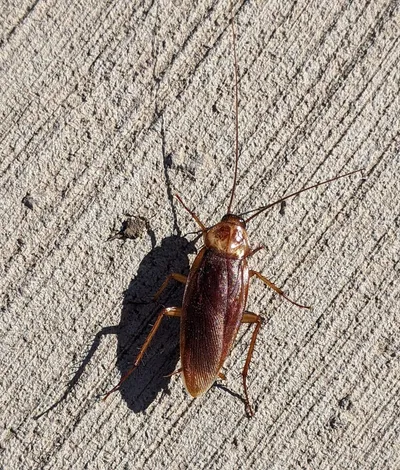
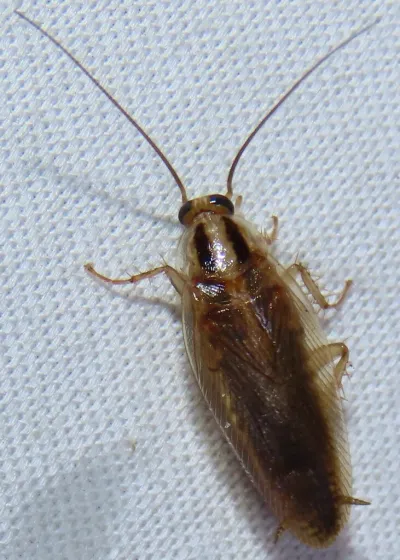
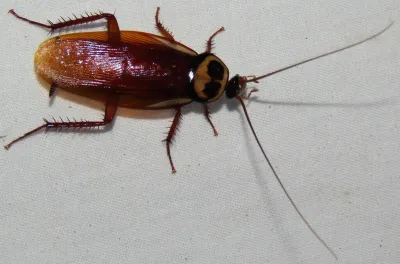
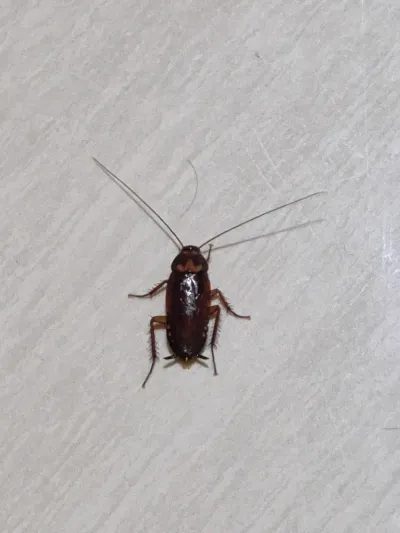
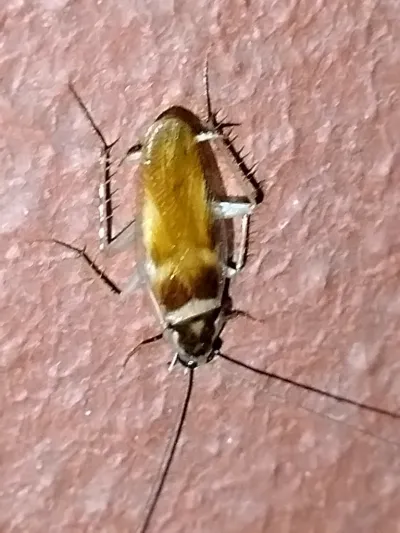
Commonly Confused With
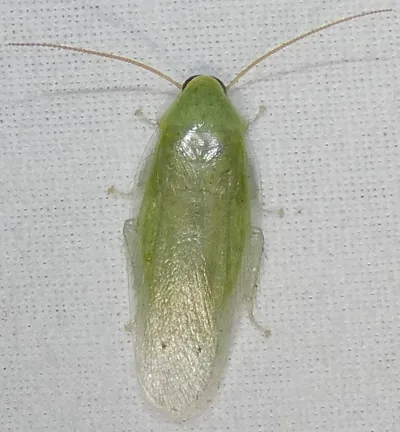
Lobster Cockroaches are often mistaken for these similar pests
Where Lobster Cockroaches Are Found
Hover over states to see their names. Green regions indicate where lobster cockroaches have been reported.
Common Questions about Lobster Cockroaches
Why are they called lobster cockroaches?
+
The name likely comes from their soft body texture and curved shape, which some people think resembles a lobster tail. They are also called cinereous cockroaches, speckled roaches, or Tampa roaches after the Florida city where they were first identified in the United States.
Are lobster cockroaches common household pests?
+
No, lobster cockroaches are uncommon household pests in most of North America. They are more often found in warm commercial buildings, warehouses, and food storage facilities. They are also widely kept as feeder insects for reptiles.
Can lobster cockroaches fly?
+
Both males and females have wings, but their flight ability is very limited. They prefer to run and climb rather than fly. They are expert climbers and can scale smooth surfaces.
How do lobster cockroaches reproduce?
+
Females are ovoviviparous, meaning they keep the egg case inside their body and give birth to live young. They can also reproduce through parthenogenesis, where females produce offspring without mating, though this results in fewer and less healthy offspring.
Where do lobster cockroaches come from?
+
Lobster cockroaches are native to northeastern Africa, including Egypt, Libya, Sudan, and Eritrea. They spread around the world through shipping and trade. They have established populations in tropical and subtropical regions globally.
Are lobster cockroaches dangerous?
+
Like other cockroaches, they can carry bacteria and contaminate food and surfaces. Their droppings and shed skins may trigger allergies in sensitive people. However, they are not considered as serious a pest as German cockroaches.

With five years of hands-on experience in the pest control industry, George Schulz is a registered technician with the Virginia Pest Management Association and a proud third-generation professional in a family business that's been protecting homes for over 57 years. He manages and trains a team of service pros while also leading internal research efforts—recently spearheading a deep-dive review of thousands of documents on pest control materials to hand-pick the most kid and pet friendly, most effective solutions tailored specifically for homes in the DC metro area.