Florida Woods Cockroach Identification Guide
Eurycotis floridana
The Florida woods cockroach is a large, slow-moving roach known for its defensive spray that produces a foul odor. Also called the palmetto bug or stink roach, it lives outdoors in humid environments across the southeastern United States.
Taxonomy
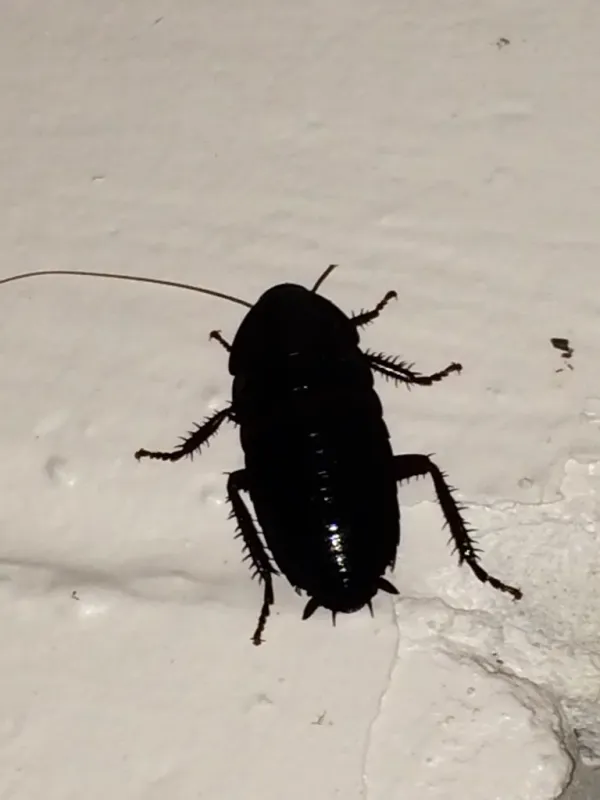
Florida Woods Cockroach Coloration
Common color patterns to help identify florida woods cockroach
Florida Woods Cockroach
Seasonal Activity
When florida woods cockroach are most active throughout the year
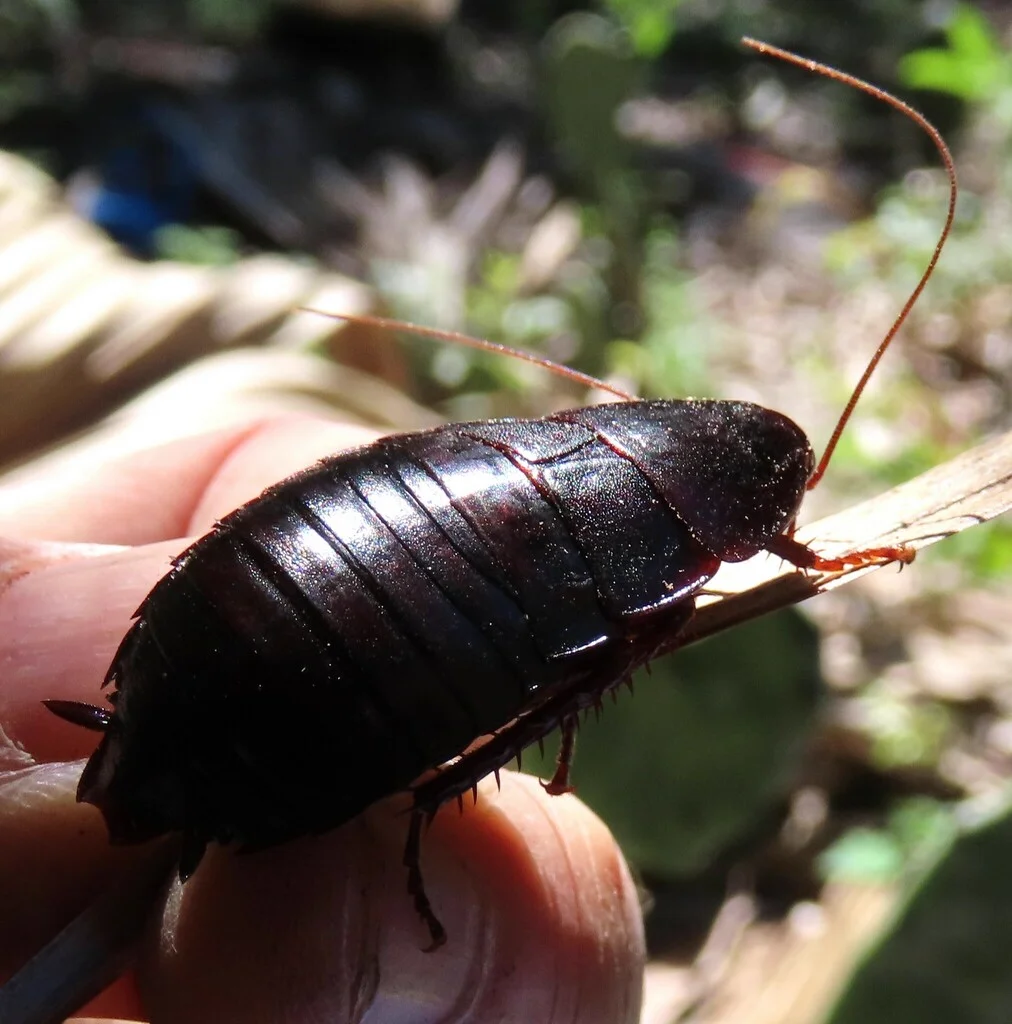
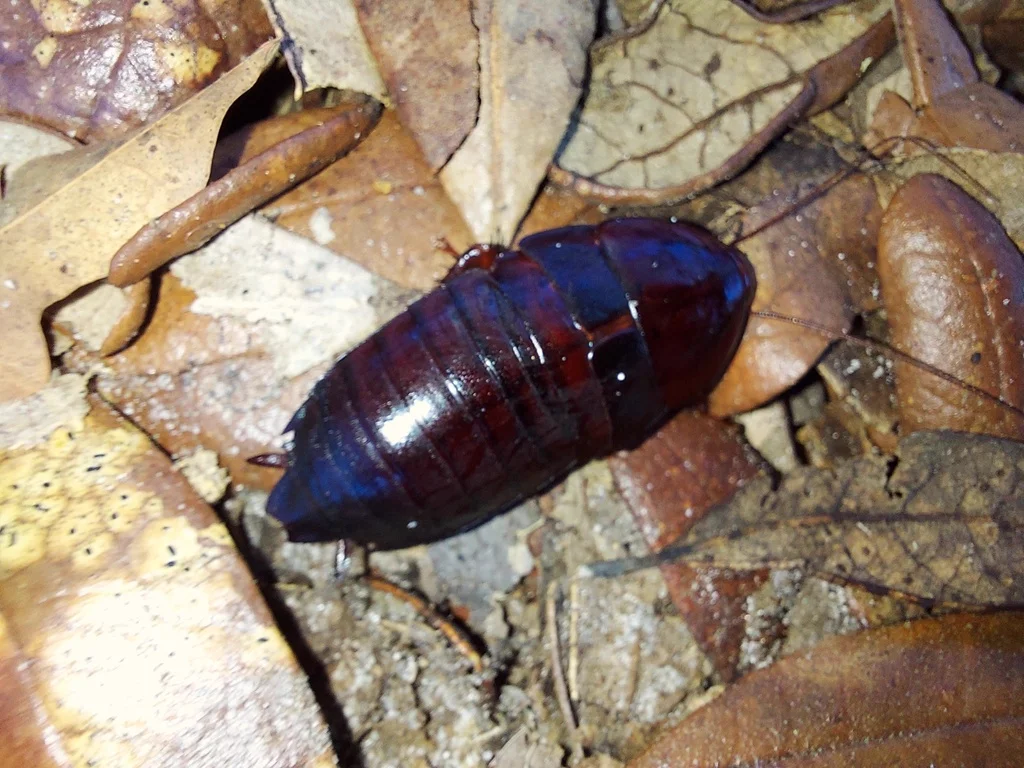
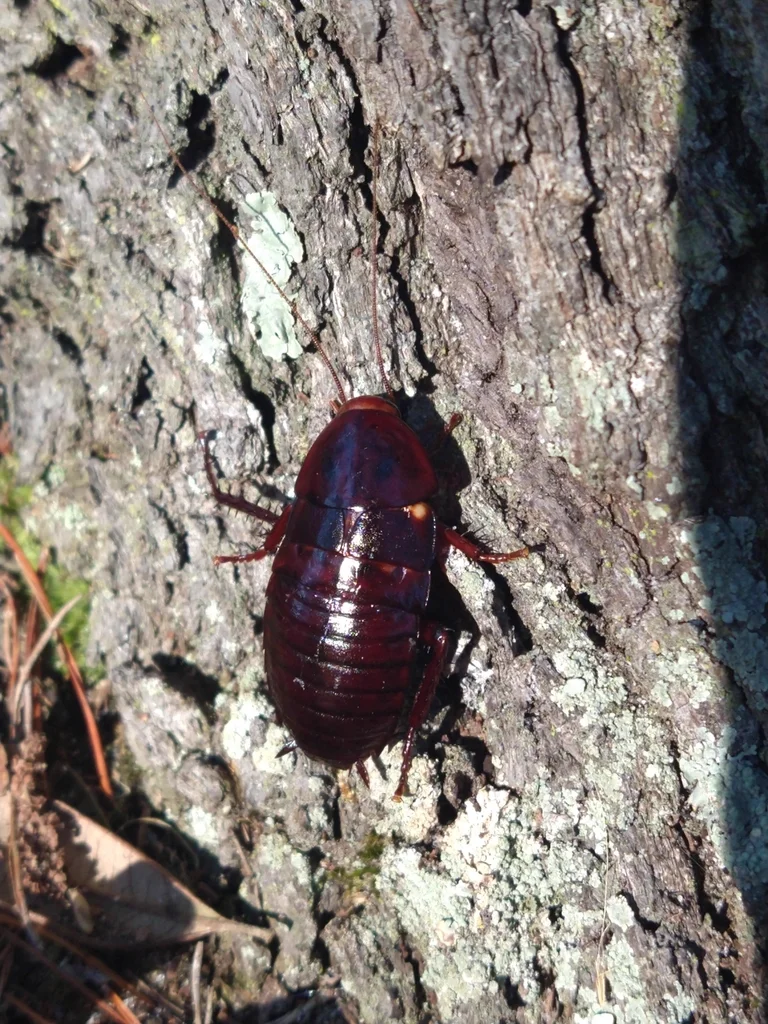

Where Florida Woods Cockroach Are Found
Hover over states to see their names. Green regions indicate where florida woods cockroach have been reported.
Florida Woods Cockroach Identification Guide
Physical Characteristics
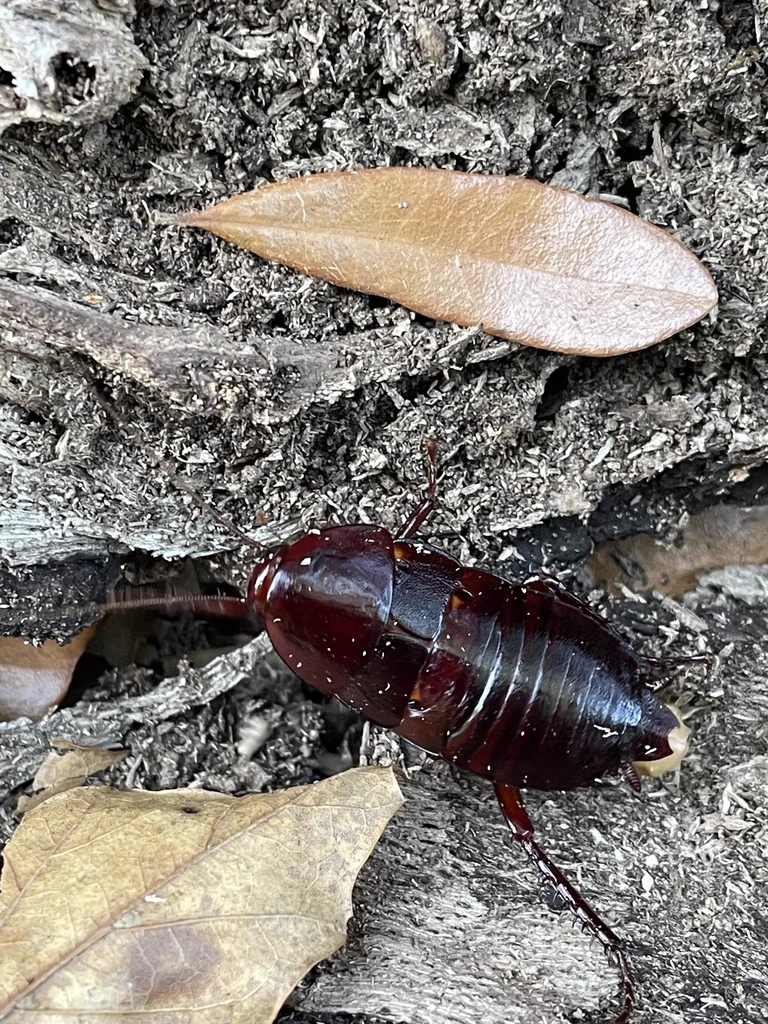
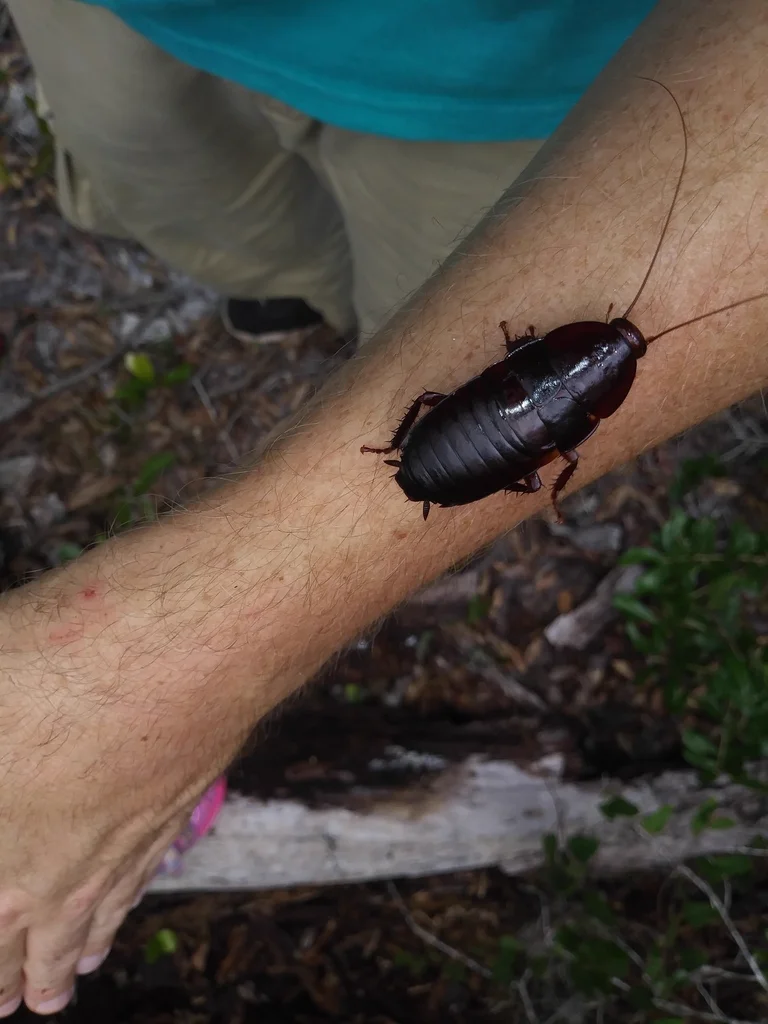
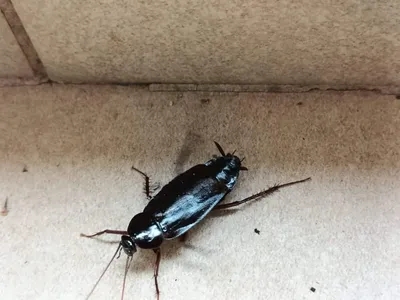
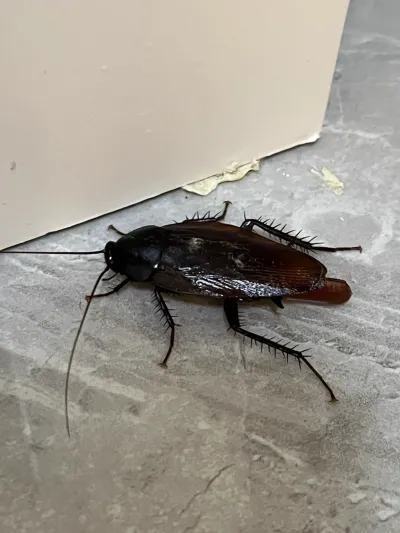
The Florida woods cockroach is one of the largest cockroach species in North America. Adults grow between 1.2 and 1.6 inches long and up to nearly an inch wide. Their bodies are oval-shaped and dark reddish-brown to almost black in color.
Unlike most cockroaches, Florida woods roaches cannot fly. Instead of wings, they have short, leathery wing pads called tegmina that barely meet in the middle of their backs. Their long antennae help them find food and navigate their environment in the dark.
These roaches move slowly compared to other species. When disturbed, they do not scatter quickly. Instead, they use a chemical defense. Adults can spray a foul-smelling liquid up to three feet when threatened. This spray gives them their many nicknames: stink roach, skunk roach, and Florida stinkroach.
How to Tell Florida Woods Cockroaches Apart from Similar Species
People often confuse Florida woods cockroaches with oriental roaches because they look alike. Here is how to tell them apart:
- Body shape: Florida woods roaches have a more rounded, broader body. Oriental roaches are more elongated.
- Surface texture: Florida woods roaches look more matte or dull. Oriental roaches have a shinier appearance.
- Behavior: Florida woods roaches move slowly and rarely try to escape. Oriental roaches scatter quickly when disturbed.
- Defense: Only Florida woods roaches spray a foul-smelling chemical when threatened.
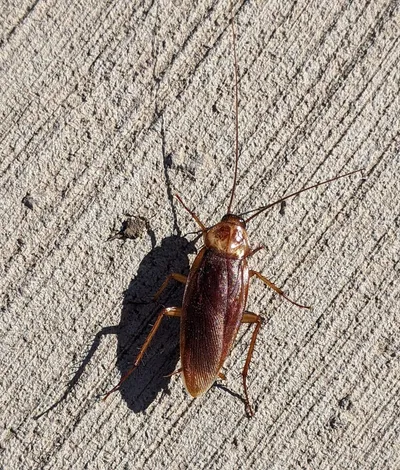
American roaches are larger and have a yellow figure-eight pattern behind their head. They can also fly, while Florida woods roaches cannot.
Smokybrown roaches are similar in color but are strong fliers with fully developed wings that extend past their abdomen.
Florida Woods Cockroach Behavior and Biology
Habitat Preferences
Florida woods cockroaches live almost entirely outdoors. They need warm, humid conditions to survive. You will find them in moist, shaded areas with plenty of decaying plant material.
Common outdoor habitats include:
- Tree holes and cavities in dead stumps
- Under loose bark on logs
- Leaf litter and ground cover
- Woodpiles and firewood stacks
- Mulch beds and compost piles
- Dense shrubs and palmetto thickets
These roaches sometimes wander indoors, especially during dry weather or cold snaps. They seek out damp areas like: A related species, Brown-Banded Roaches, shares similar characteristics.
- Bathrooms with poor ventilation
- Basements and crawl spaces
- Areas around plumbing fixtures
- Laundry rooms A related species, Palmetto Bugs, shares similar characteristics.
However, they cannot live indoors for long. They need high humidity and outdoor food sources to survive. A related species, Lobster Cockroaches, shares similar characteristics.
Diet and Feeding Habits
Florida woods cockroaches eat decaying organic matter. Their diet includes dead leaves, bark, lichens, mosses, molds, and other fungi. They also eat small insects and soil microbes. They feed at night and hide during the day.
Reproduction and Lifecycle
Female Florida woods cockroaches produce egg cases called oothecae. Each case contains 20 to 24 eggs. The female hides the egg case in a moist, protected spot like under a log or in leaf litter.
The eggs hatch after about 50 to 60 days. The nymphs emerge bright white and soft. Their exoskeletons darken and harden within hours. Young roaches molt six to eight times over 100 to 120 days before reaching adulthood.
The full lifecycle from egg to adult takes about 150 days. Adults can live longer than one year, making them one of the longer-lived cockroach species.
Defensive Behavior
The Florida woods cockroach is famous for its chemical defense. When threatened, adults release an oily spray from glands in their abdomen. This spray contains several chemicals, including E-2-hexenal.
The spray works as both a repellent and an alarm signal. It drives away predators like ants, spiders, and small lizards. It can also irritate human eyes and skin. The foul odor lingers on surfaces and can be hard to wash off.
Geographic Distribution
The Florida woods cockroach lives in the southeastern United States. It is most common in Florida, where it earned its name. You can also find it along the Gulf Coast in Alabama, Mississippi, Louisiana, and southeast Texas. It extends north along the Atlantic coast into Georgia, South Carolina, and parts of North Carolina.
This species does not survive in colder northern climates. It needs warm temperatures and high humidity year-round.
Health and Safety Concerns
Florida woods cockroaches pose few health risks. Unlike indoor roach species, they do not spread bacteria through homes because they rarely come inside. They do not bite humans.
Their defensive spray can cause mild irritation if it contacts skin or eyes. If sprayed, wash the affected area with soap and water. The irritation usually passes quickly.
Note: This information is for learning purposes only. Consult a healthcare provider if you experience a reaction to the spray.
Treatment Methods for Florida Woods Cockroaches
Because Florida woods cockroaches live outdoors and rarely infest homes, they do not usually require extensive treatment. When they become a nuisance around homes, the following methods can help reduce their numbers:
-
Habitat modification: Remove leaf litter, woodpiles, and debris near the foundation. Keep mulch at least 12 inches away from exterior walls.
-
Moisture control: Fix leaky outdoor faucets and improve drainage around the home. These roaches need high humidity to survive.
-
Exclusion: Seal gaps around doors, windows, and pipes to prevent accidental entry. Install door sweeps and repair damaged screens.
-
Granular baits: Outdoor cockroach baits placed in flowerbeds and ground cover can reduce populations near the home.
-
Perimeter treatments: Liquid insecticides applied to the foundation and entry points create a barrier that discourages roaches from entering.
Indoor foggers and sprays are not effective against this species because they nest and breed outdoors. Treatment should focus on reducing outdoor harborage areas and preventing entry into the home.
Prevention Tips
You can reduce Florida woods cockroach activity around your property with these steps:
- Stack firewood away from the house and elevate it off the ground
- Clear leaves and debris from gutters and around the foundation
- Trim shrubs and ground cover back from exterior walls
- Remove dead trees and stumps near the home
- Keep compost piles far from the house
- Use yellow outdoor lights that attract fewer insects
- Seal cracks in the foundation and around utility penetrations
- Improve ventilation in crawl spaces and basements
References
- University of Florida IFAS Extension. “Florida Woods Cockroach (AKA Palmetto Bug) Eurycotis floridana (Walker).” https://edis.ifas.ufl.edu/publication/IN915
- BugGuide. “Species Eurycotis floridana - Florida Woods Cockroach.” https://bugguide.net/node/view/33678
- Wikipedia. “Florida woods cockroach.” https://en.wikipedia.org/wiki/Florida_woods_cockroach
Other Cockroaches
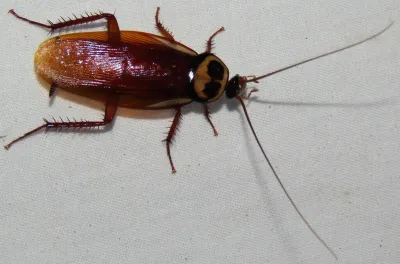
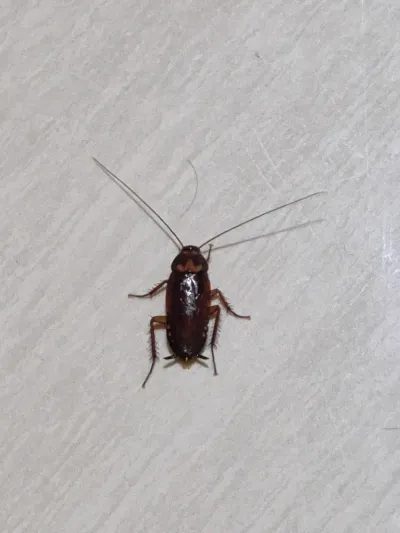
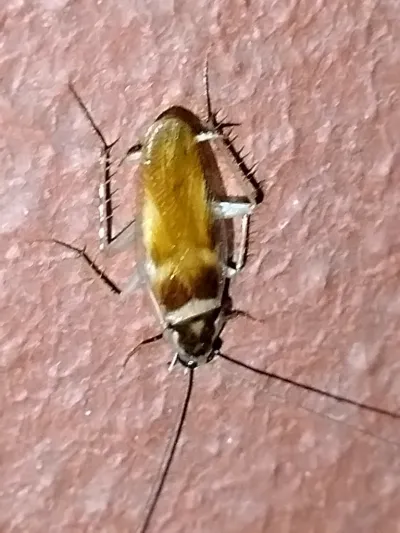
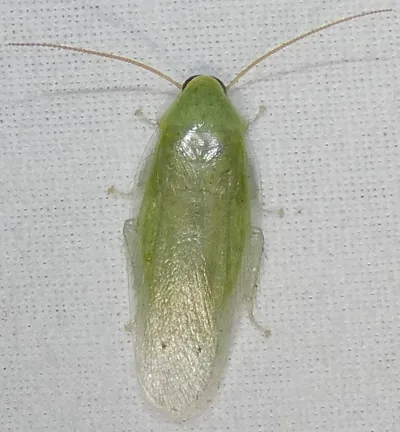
Explore other species in the cockroaches family
Commonly Confused With
Florida Woods Cockroach are often mistaken for these similar pests
Where Florida Woods Cockroach Are Found
Hover over states to see their names. Green regions indicate where florida woods cockroach have been reported.
Common Questions about Florida Woods Cockroach
Why is it called a stink roach?
+
The Florida woods cockroach sprays a foul-smelling chemical when threatened. This spray can travel up to three feet and contains E-2-hexenal, which can irritate human skin and eyes. The smell earned it the nicknames stink roach, skunk roach, and Florida stinkroach.
Is the Florida woods cockroach dangerous?
+
These roaches are not dangerous to humans. They do not bite or sting and are not known to spread diseases. Their defensive spray can cause mild skin and eye irritation but is otherwise harmless.
Can Florida woods cockroaches fly?
+
No. Florida woods cockroaches cannot fly. They have short, undeveloped wing pads called tegmina that barely cover their backs. This is one way to tell them apart from flying cockroach species.
How do I tell a Florida woods cockroach from an oriental roach?
+
They look very similar, but Florida woods cockroaches have a more rounded body shape and a less shiny, more matte appearance. They also move much slower and do not scatter quickly when disturbed like oriental roaches do.
Where do Florida woods cockroaches live?
+
They live in moist, shaded outdoor areas like tree holes, stumps, woodpiles, leaf litter, and under bark. They prefer to stay outdoors but may wander into damp indoor spaces like bathrooms during dry or cold weather.
Do Florida woods cockroaches infest homes?
+
No. Unlike German roaches, Florida woods cockroaches do not infest homes. They prefer outdoor habitats and only come inside by accident. They cannot survive long indoors because they need high humidity.

With five years of hands-on experience in the pest control industry, George Schulz is a registered technician with the Virginia Pest Management Association and a proud third-generation professional in a family business that's been protecting homes for over 57 years. He manages and trains a team of service pros while also leading internal research efforts—recently spearheading a deep-dive review of thousands of documents on pest control materials to hand-pick the most kid and pet friendly, most effective solutions tailored specifically for homes in the DC metro area.