Brown Roaches Identification Guide
Periplaneta brunnea
Brown roaches are large cockroaches that closely resemble American roaches. They are reddish-brown, grow up to 1.5 inches long, and thrive in warm, humid environments like crawl spaces, basements, and attics.
Taxonomy
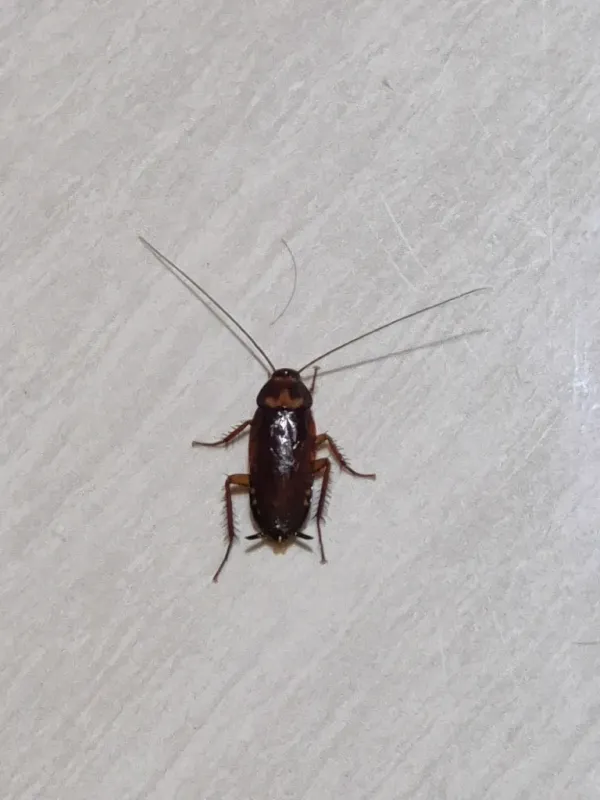
Brown Roaches Coloration
Common color patterns to help identify brown roaches
Brown Roaches
Seasonal Activity
When brown roaches are most active throughout the year
Where Brown Roaches Are Found
Hover over states to see their names. Green regions indicate where brown roaches have been reported.
Brown Roaches Identification Guide
Physical Characteristics
Brown roaches are large cockroaches. Adults measure 1.25 to 1.5 inches long. They are reddish-brown to dark brown all over. The area behind the head is often a lighter shade of brown.
The best way to tell a brown roach from an American roach is to look at the cerci. These are small tail-like parts at the tip of the abdomen. Brown roaches have short, stubby cerci. American roaches have long, thin ones. Young brown roaches have dark brown markings on their bellies with lighter brown edges.
Both males and females have wings that cover the abdomen. They use their wings to glide short distances but do not fly well.
Common Names
Brown roaches go by several names. In the Southeast, people often call them “palmetto bugs.” This is because they like to hide under palmetto tree bark. American roaches share this nickname, which can cause confusion.
Brown Roaches Behavior and Biology
Habitat Preferences
Brown roaches love hot, humid places. In warm states like Florida and Texas, they mostly live outdoors. They hide under tree bark, in leaf piles, mulch, and sewers. When the weather cools down, they move indoors.
Inside homes, brown roaches look for warm, damp spots. Common hiding places include basements, crawl spaces, utility rooms, and areas near water heaters. They are active at night and hide during the day.
Diet
Brown roaches will eat almost anything. They feed on rotting plants, dead insects, and food scraps. Indoors, they eat crumbs, grease, paper, and even book bindings. A related species, Brown-Banded Roaches, shares similar characteristics.
Reproduction and Lifecycle A related species, Lobster Cockroaches, shares similar characteristics.
Female brown roaches make egg cases called oothecae. These cases are about 0.5 to 0.6 inches long and hold around 24 eggs each. The female glues the egg case to a hidden surface and leaves it there. A related species, Asian Cockroaches, shares similar characteristics.
One female can make up to 30 egg cases in her lifetime. She may live for almost two years. It takes 7 to 11 months for an egg to grow into an adult. Adult brown roaches live about 8 months on average. A related species, Australian Cockroaches, shares similar characteristics.
In rare cases, female brown roaches can have babies without mating. This is called parthenogenesis. However, they usually reproduce through normal mating. A related species, Spotted Mediterranean Cockroach, shares similar characteristics.
Distribution in North America
Brown roaches are most common in the Southeast, from Florida to Texas. They thrive in coastal areas with warm, humid weather. Sometimes they show up in northern states after hitching a ride in boxes or shipments. They cannot survive cold winters outside.
In colder areas, brown roaches can only live indoors where it stays warm all year.
Health Risks
Brown roaches can make you sick. Like other cockroaches, they carry bacteria such as Salmonella and E. coli. They spread germs when they crawl on food and kitchen surfaces.
Cockroach droppings, shed skins, and body parts can trigger allergies and asthma attacks. Studies show that cockroach allergens are a major cause of childhood asthma in cities.
Brown roaches also give off a musty smell, especially when there are many of them. This odor comes from chemicals they use to communicate with each other.
Note: This information is for educational purposes only. If you have health concerns related to pest exposure, please consult a medical professional.
How to Treat for Brown Roaches
Treating brown roaches is similar to treating American and Oriental roaches. They all have the same habits and like the same hiding spots.
Effective treatment includes:
-
Inspection: Check basements, crawl spaces, and damp areas for signs of roaches. Look for droppings, egg cases, and live bugs. Find entry points and moisture problems.
-
Interior and Exterior Treatment: Apply insecticides to cracks, crevices, baseboards, and entry points. Treat both inside and outside the home. Perimeter treatments help stop roaches before they get inside.
-
Moisture Control: Brown roaches need humidity to survive. Use dehumidifiers, fix leaks, and improve airflow in damp areas. This makes your home less inviting to roaches.
-
Seal Entry Points: Close gaps around pipes, drains, windows, and doors. This keeps roaches from getting in.
-
Regular Service: Ongoing treatments help keep roach numbers low. Regular visits catch new problems before they grow.
How Brown Roaches Differ from Similar Species
Brown roaches look a lot like American roaches. Here are the key differences:
| Feature | Brown Roach | American Roach |
|---|---|---|
| Size | 1.25-1.5 inches | 1.5-2 inches |
| Cerci | Short and stubby | Long and thin |
| Egg case size | Larger (5mm longer) | Smaller |
| Color | Dark reddish-brown | Reddish-brown with yellow behind head |
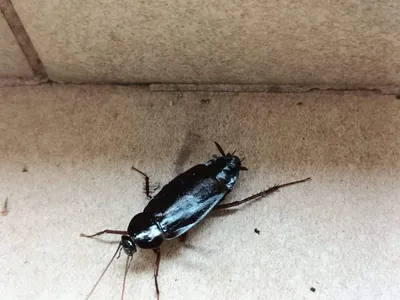
Brown roaches also look like Oriental roaches. However, Oriental roaches are darker, almost black. Female Oriental roaches have shorter wings that do not cover the abdomen.
References
- University of Florida Entomology Department. “Brown Cockroach.” https://entnemdept.ufl.edu/projex/gallery/dl/cockroaches/text/brown_cockroach.htm
- BugGuide. “Species Periplaneta brunnea - Brown Cockroach.” https://bugguide.net/node/view/516597
- Wikipedia. “Brown Cockroach.” https://en.wikipedia.org/wiki/Brown_cockroach
- U.S. Fish & Wildlife Service. “Brown Cockroach (Periplaneta brunnea).” https://www.fws.gov/species/brown-cockroach-periplaneta-brunnea
Other Cockroaches
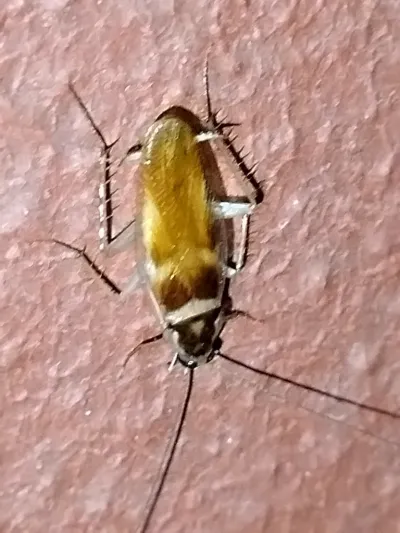
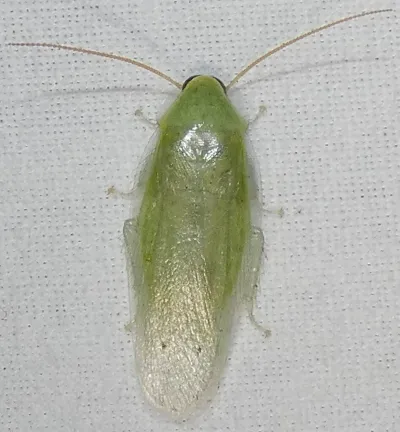
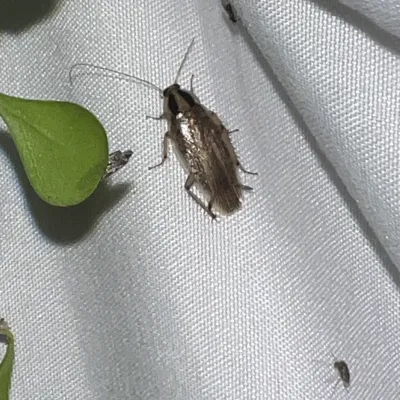
Explore other species in the cockroaches family
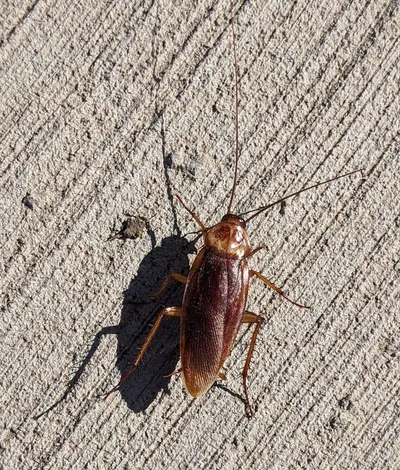
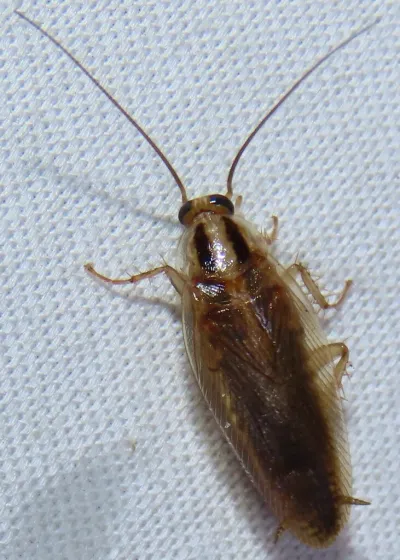
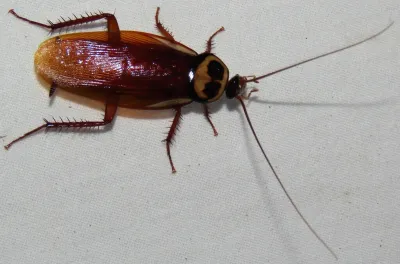
Commonly Confused With
Brown Roaches are often mistaken for these similar pests
Where Brown Roaches Are Found
Hover over states to see their names. Green regions indicate where brown roaches have been reported.
Common Questions about Brown Roaches
How can I tell brown roaches apart from American roaches?
+
Brown roaches have short, stubby cerci (tail-like appendages) at the tip of the abdomen, while American roaches have long, thin cerci. Brown roaches are also slightly smaller, typically reaching 1.5 inches compared to the American roach's 2 inches.
Where do brown roaches live?
+
Brown roaches prefer warm, humid areas. Outdoors, they live under tree bark, in mulch, and around sewers. Indoors, they inhabit basements, crawl spaces, attics, and areas near water sources.
Are brown roaches dangerous?
+
Yes. Like other cockroaches, brown roaches can carry bacteria such as salmonella and E. coli. Their droppings and shed skins can trigger allergies and asthma symptoms in sensitive individuals.
Can brown roaches fly?
+
Brown roaches have fully developed wings but use them mainly for gliding rather than true flight. They are fast runners and prefer to scurry away from danger.
How fast do brown roaches reproduce?
+
Female brown roaches can produce up to 30 egg capsules in their lifetime, with each capsule containing about 24 eggs. Development from egg to adult takes 7 to 11 months.
Why are brown roaches called palmetto bugs?
+
In the southeastern United States, brown roaches are often called palmetto bugs because they frequently hide under the bark of palmetto trees and other palms.

With five years of hands-on experience in the pest control industry, George Schulz is a registered technician with the Virginia Pest Management Association and a proud third-generation professional in a family business that's been protecting homes for over 57 years. He manages and trains a team of service pros while also leading internal research efforts—recently spearheading a deep-dive review of thousands of documents on pest control materials to hand-pick the most kid and pet friendly, most effective solutions tailored specifically for homes in the DC metro area.