Brown-Banded Roaches Identification Guide
Supella longipalpa
Brown-banded cockroaches are small indoor roaches distinguished by the two light-colored bands across their wings and abdomen. Unlike German roaches, they prefer warm, dry locations throughout the home rather than just kitchens and bathrooms.
Taxonomy
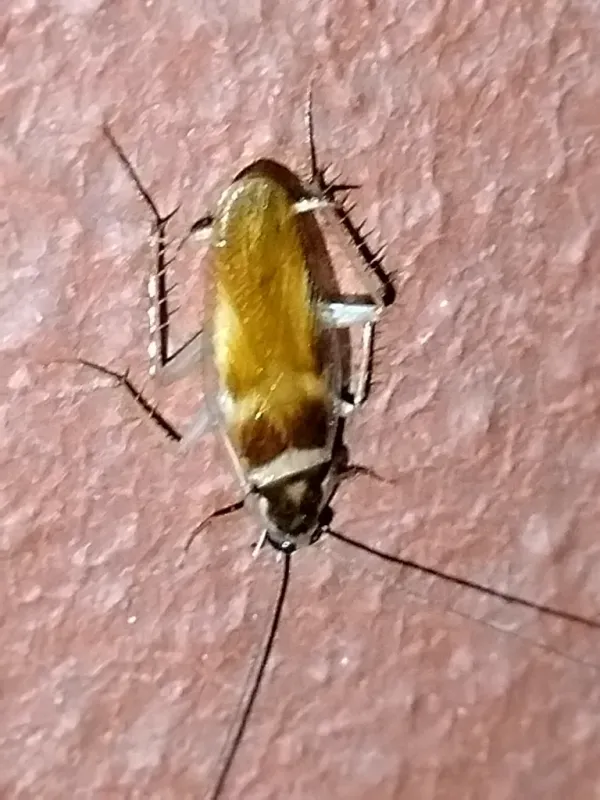
Brown-Banded Roaches Coloration
Common color patterns to help identify brown-banded roaches
Brown-Banded Roaches
Seasonal Activity
When brown-banded roaches are most active throughout the year
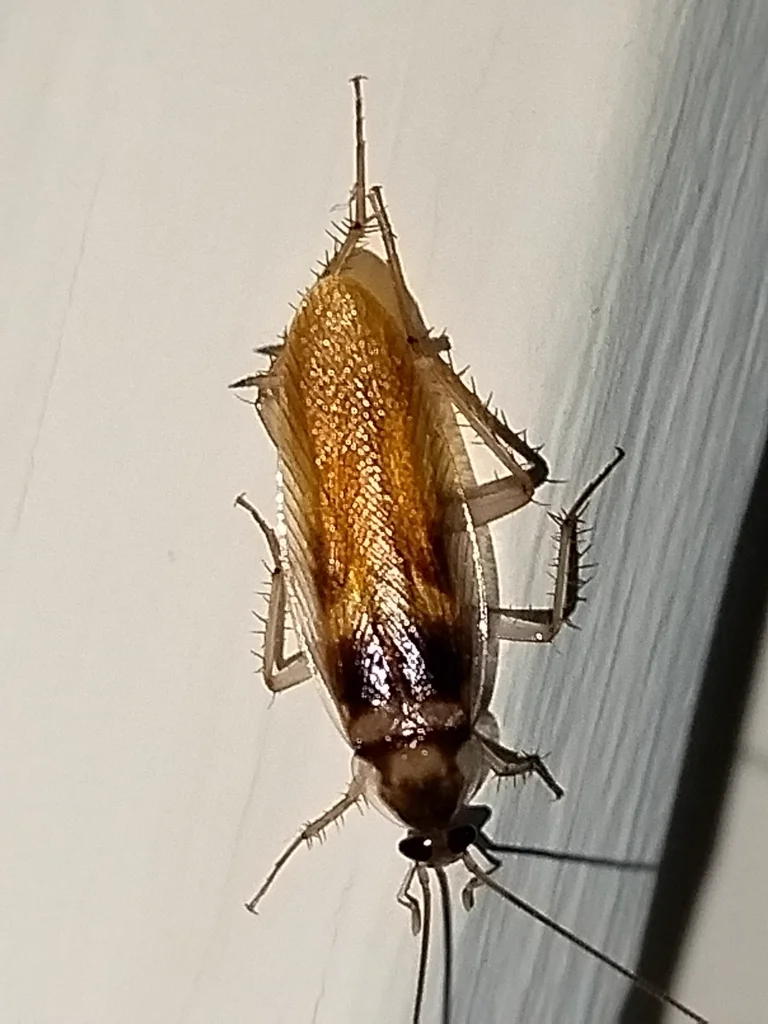
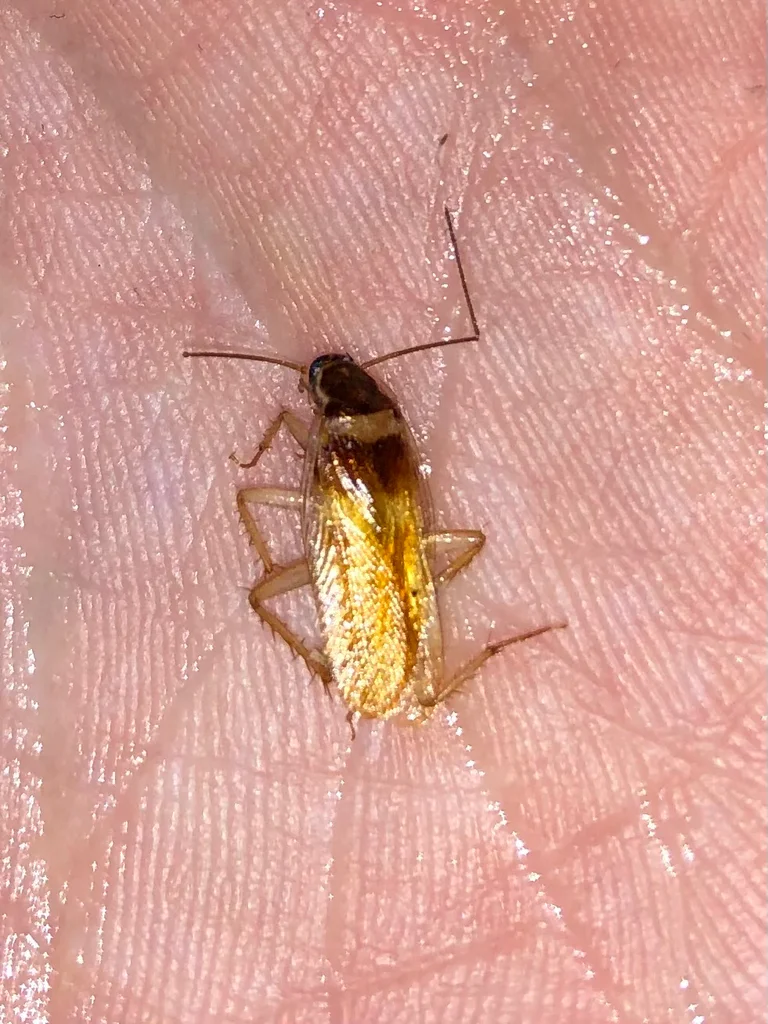
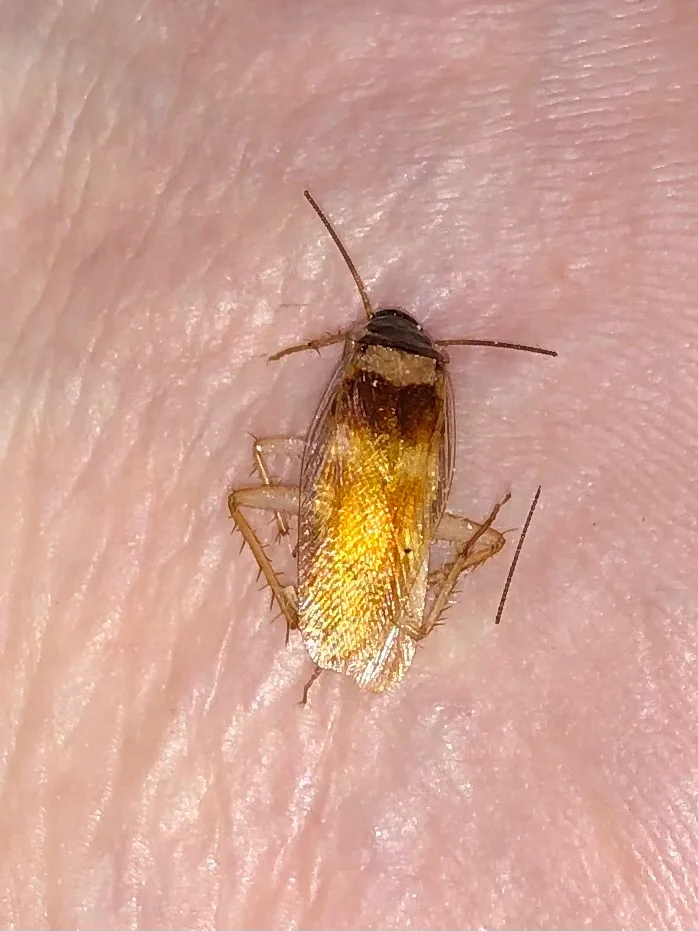
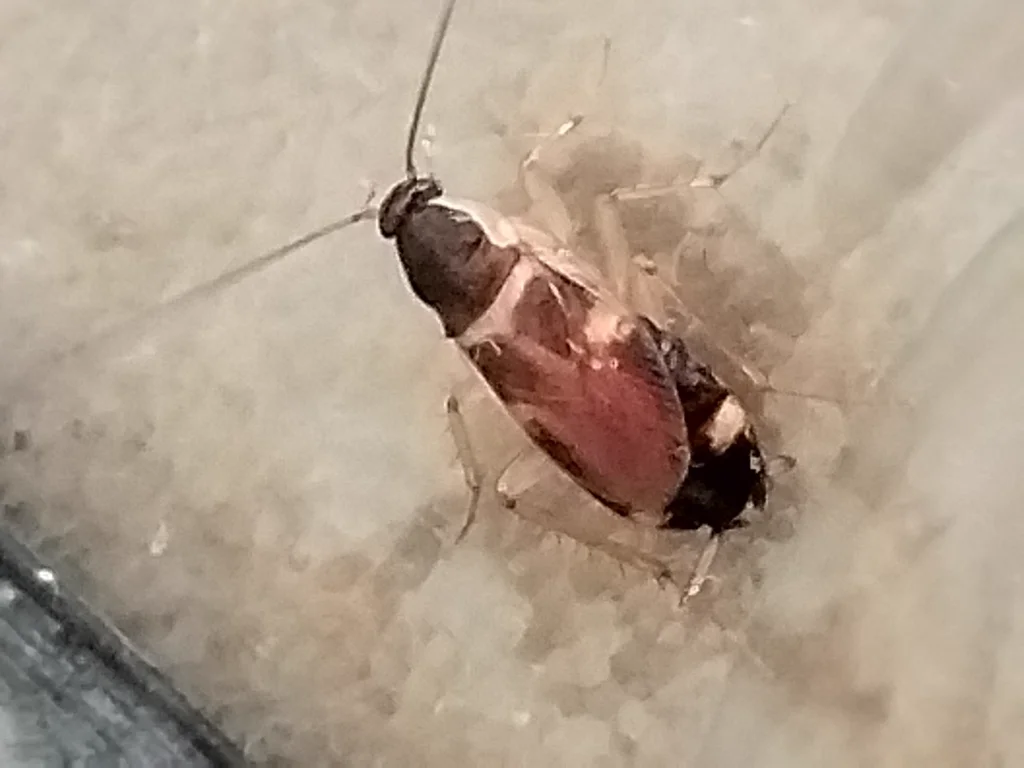

Where Brown-Banded Roaches Are Found
Hover over states to see their names. Green regions indicate where brown-banded roaches have been reported.
Brown-Banded Cockroach Identification Guide
Brown-banded cockroaches (Supella longipalpa) are one of the smaller cockroach species found in North American homes. They came from Africa but now live throughout the United States and southern Canada. While less common than German cockroaches, brown-banded roaches cause unique problems. They hide in different places and spread throughout homes in ways other roaches do not.
Physical Characteristics
Brown-banded cockroaches are about half an inch long, similar to German roaches. You can spot them by the two light bands across their wings and abdomen. These bands are tan or yellow and stand out against the darker brown body. The bands give this roach its name.
Males and females look different. Males are thin with wings that fully cover their abdomen. They can fly when startled. Females have a wider, rounder body with shorter wings. Their wings do not cover the abdomen, so females cannot fly.
Nymphs (immature roaches) show the banding pattern more clearly than adults. Their wings have not grown in yet, so nothing hides the bands. The bands stand out against the nymphs’ darker brown bodies. This makes them easy to identify even when young.
How to Distinguish from Similar Species
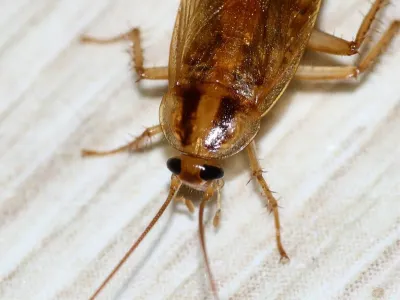
Brown-banded cockroaches are often confused with German roaches due to their similar size. However, several key differences help distinguish them:
- German roaches have two dark stripes on the plate behind their head. Brown-banded roaches have light bands across their wings and abdomen instead.
- German roaches prefer wet areas near food, like kitchens and bathrooms. Brown-banded roaches spread throughout the home in dry spots.
- American roaches are much bigger (up to 2 inches) and reddish brown. They prefer basements, sewers, and damp areas.
Brown-Banded Cockroach Behavior and Biology
Habitat Preferences
Most cockroach species stay near moisture. Brown-banded cockroaches are different. They thrive in warm, dry spots between 77 and 91 degrees. This leads them to hide in places other roaches avoid:
- Upper walls and ceilings
- Behind picture frames and wall decorations
- Inside furniture, particularly bedroom furniture
- Around electronics, televisions, and appliances
- Inside closets and dressers
- Behind light switch plates and outlet covers
- Within clocks, radios, and small electronics
Since they like high, dry spots, these roaches spread through entire homes. They do not stay in one or two rooms. You may find them in bedrooms, living rooms, offices, and other places where you would not expect roaches.
Diet and Feeding Habits A related species, Palmetto Bugs, shares similar characteristics.
Brown-banded cockroaches eat almost anything. Beyond food scraps and crumbs, they feed on: A related species, Lobster Cockroaches, shares similar characteristics.
- Starchy materials like book bindings and wallpaper paste
- Glues on stamps and envelopes
- Fabric dyes and certain textile fibers
- Skin flakes, body oils, and residues on clothing
- Paper products and cardboard A related species, Oriental Roaches, shares similar characteristics.
This varied diet lets them survive far from kitchens. They feed on materials most homeowners would never think of as food. A related species, Asian Cockroaches, shares similar characteristics.
Life Cycle and Reproduction A related species, Australian Cockroaches, shares similar characteristics.
Female brown-banded cockroaches make about 14 egg capsules in their life. Each capsule holds 14 to 18 eggs. German roaches carry their egg cases until they hatch. Brown-banded females work differently. They glue their egg capsules to hidden surfaces soon after forming them. They hide eggs under furniture, behind wall art, and inside cracks. A related species, Spotted Mediterranean Cockroach, shares similar characteristics.
This egg-hiding behavior makes control harder. The protected capsules resist many pesticide treatments. It takes about 160 days for eggs to become adults. Adults live 200 days or longer. This long lifespan helps populations grow steadily over time.
Nocturnal Activity
Brown-banded cockroaches are active at night and avoid light. They stay hidden during the day and come out at night to find food and water. If you see them during daylight, you likely have a large infestation. Crowding forces some roaches out into the open.
Health Concerns
Brown-banded cockroaches carry germs like other roach species. Studies show they can spread over 33 types of bacteria, including:
- E. coli, which causes stomach illness
- Salmonella, which causes food poisoning
- Other germs linked to digestive problems
Roaches spread germs through their droppings, shed skins, and spit. They also throw up on food while eating. Roach debris can cause allergic reactions and asthma in some people. The proteins in roach waste build up in household dust over time.
Note: This information is not medical advice. Always consult a doctor if you have health concerns.
How We Treat for Brown-Banded Roaches
Brown-banded roaches need a different treatment than other roach types. These roaches spread through the whole home, not just wet areas. So treatments must cover all hiding spots.
Inspection and Assessment
Our technicians check all rooms in the home, not just kitchens and bathrooms. We look at:
- Upper wall areas, crown molding, and ceiling junctions
- Behind picture frames, mirrors, and wall decorations
- Inside and behind furniture in all rooms
- Around electronics, televisions, and entertainment centers
- Light switch plates, outlet covers, and electrical fixtures
- Closets, dressers, and bedroom furniture
We use sticky traps to track how many roaches are present and find their main hiding spots.
Treatment Strategy
We apply non-repellent insecticides and gel baits to cracks, crevices, and hiding spots throughout the home. Non-repellent products work well because roaches cannot detect them. The pesticide then spreads through the population when roaches touch each other.
Insect growth regulators (IGRs) stop young roaches from becoming adults. This breaks the breeding cycle. Egg capsules resist most pesticides, so IGRs help by stopping new roaches from growing old enough to breed.
Brown-banded roaches spread out and their egg capsules are hard to reach. For these reasons, you usually need multiple treatments to get rid of them completely. We schedule return visits to kill newly hatched nymphs before they can start breeding.
Prevention Recommendations
To help prevent brown-banded cockroach infestations:
- Inspect used furniture, electronics, and boxes before bringing them into your home
- Seal cracks around pipes, electrical outlets, and wall penetrations
- Store food in sealed containers and clean up crumbs promptly
- Reduce clutter, especially cardboard, paper products, and stored fabrics
- Fix any humidity problems that might attract other pests
References
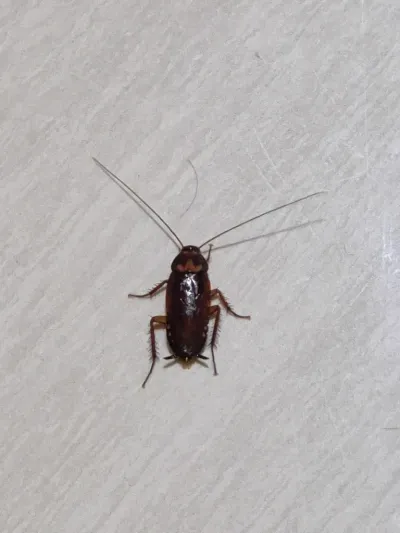
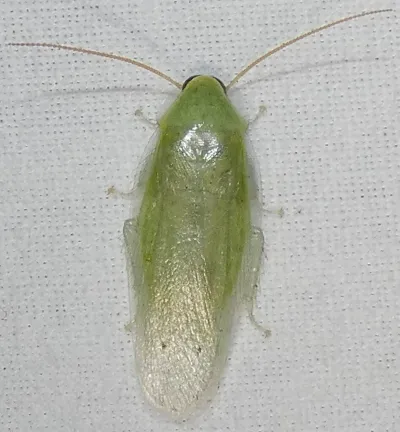
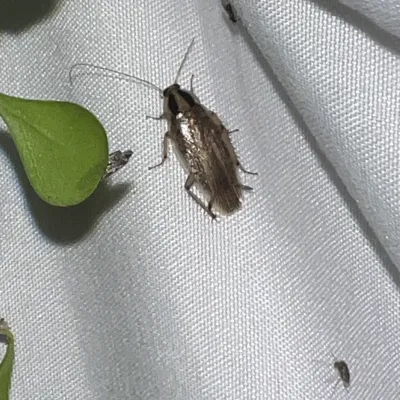
Other Cockroaches
Explore other species in the cockroaches family
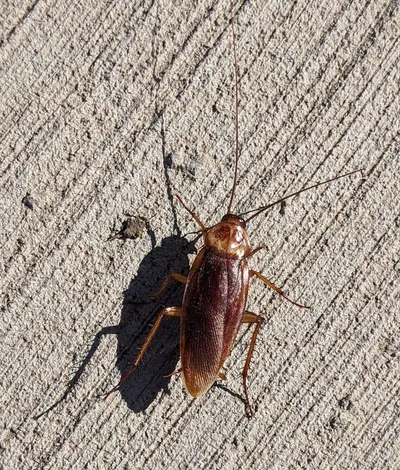
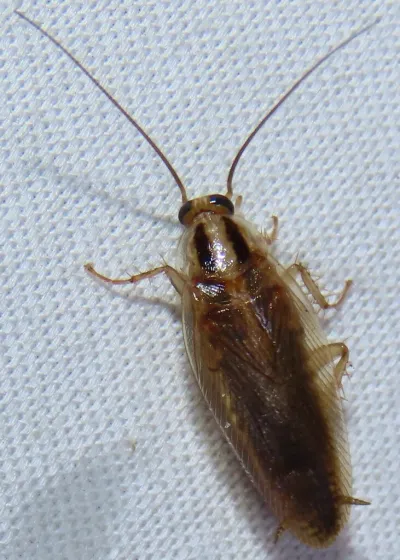
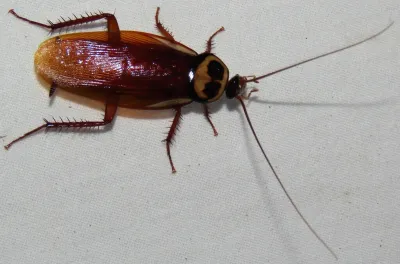
Commonly Confused With
Brown-Banded Roaches are often mistaken for these similar pests
Where Brown-Banded Roaches Are Found
Hover over states to see their names. Green regions indicate where brown-banded roaches have been reported.
Common Questions about Brown-Banded Roaches
How do I identify brown-banded cockroaches?
+
Brown-banded cockroaches are small (10-14mm), tan to light brown roaches with two distinctive light-colored bands running across their wings and abdomen. Males have fully developed wings that cover their abdomen, while females have shorter wings. Unlike German roaches, they lack the two dark parallel stripes on the pronotum.
Where do brown-banded cockroaches hide?
+
Brown-banded cockroaches prefer warm, dry locations higher up in rooms. Look for them near ceilings, behind picture frames, inside furniture, behind light switch plates, in closets, and around electronics. They scatter throughout the home rather than concentrating in kitchens and bathrooms like German roaches.
Can brown-banded cockroaches fly?
+
Yes, male brown-banded cockroaches can fly when disturbed, especially in warm conditions. Female brown-banded cockroaches cannot fly because their wings are too short to cover their abdomen.
Are brown-banded cockroaches dangerous?
+
Brown-banded cockroaches can spread over 30 types of bacteria including E. coli and Salmonella. They contaminate food and surfaces with their droppings, shed skins, and saliva. Their debris can also trigger allergic reactions and asthma attacks in sensitive individuals.
Why are brown-banded cockroaches harder to control than other roaches?
+
Brown-banded cockroaches are more difficult to control because they disperse throughout the entire home rather than staying near food and water sources. Their habit of hiding in dry, elevated locations means treatments focused only on kitchens and bathrooms will miss most of the population.
How do brown-banded cockroaches get into my home?
+
Brown-banded cockroaches commonly enter homes through infested furniture, electronics, boxes, and grocery bags. They spread quickly through apartment buildings and can travel through wall voids and electrical outlets.

With five years of hands-on experience in the pest control industry, George Schulz is a registered technician with the Virginia Pest Management Association and a proud third-generation professional in a family business that's been protecting homes for over 57 years. He manages and trains a team of service pros while also leading internal research efforts—recently spearheading a deep-dive review of thousands of documents on pest control materials to hand-pick the most kid and pet friendly, most effective solutions tailored specifically for homes in the DC metro area.