Australian Cockroaches Identification Guide
Periplaneta australasiae
Australian cockroaches are large, reddish-brown cockroaches with distinctive yellow markings on their pronotum and wing margins. Despite their name, they likely originated in Africa and are common in warm, humid areas of the southeastern United States.
Taxonomy
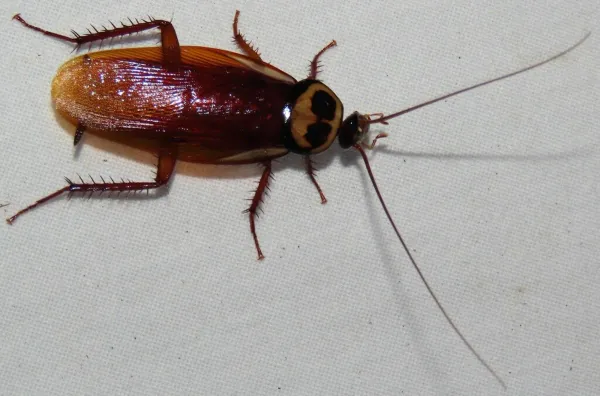
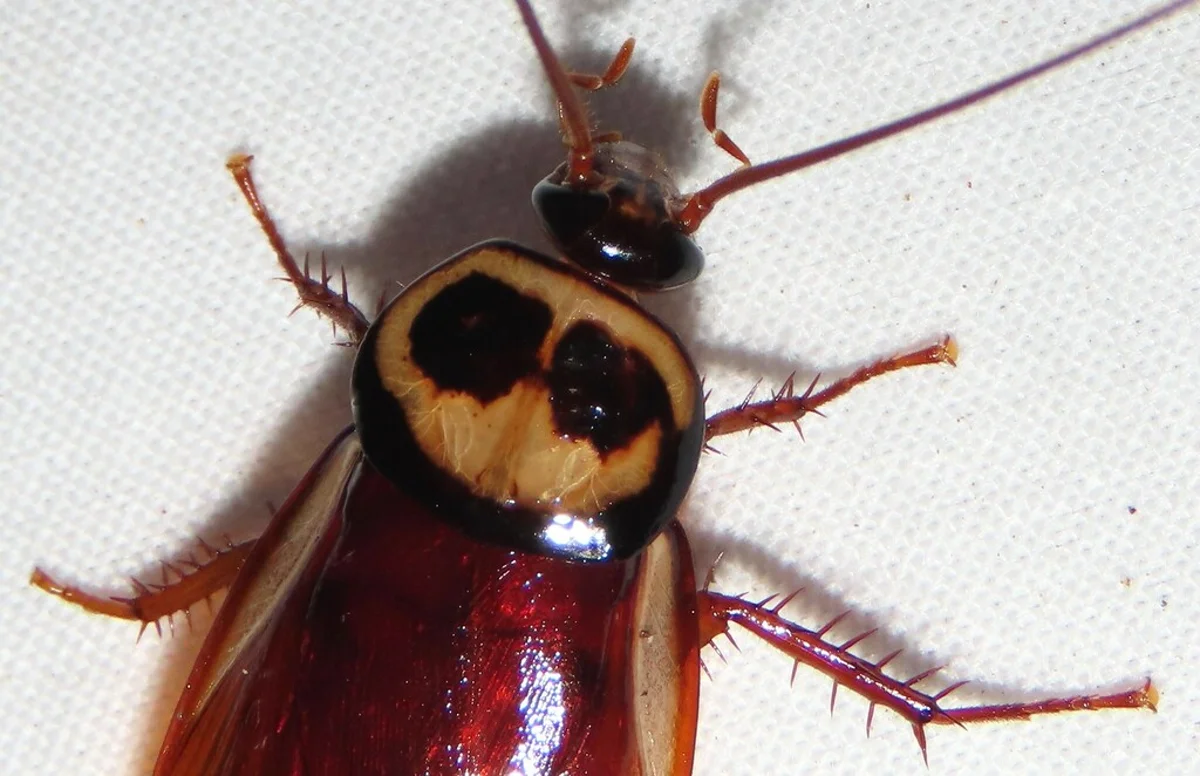
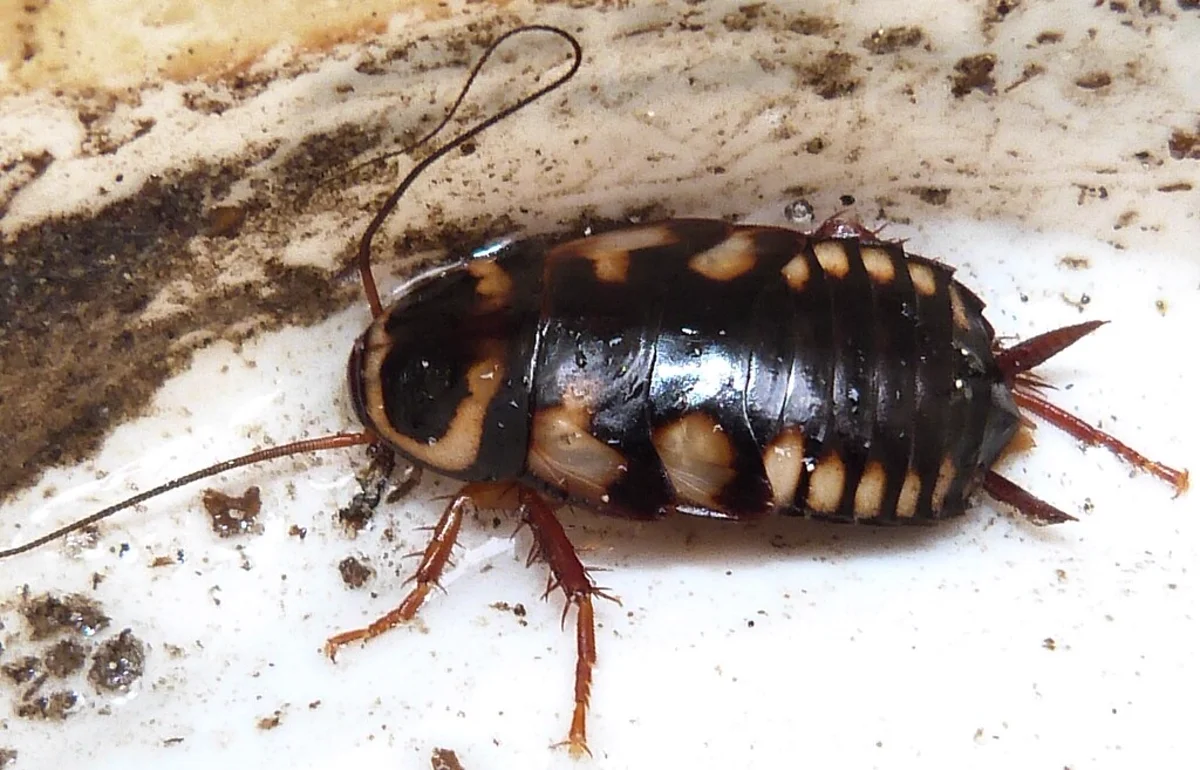
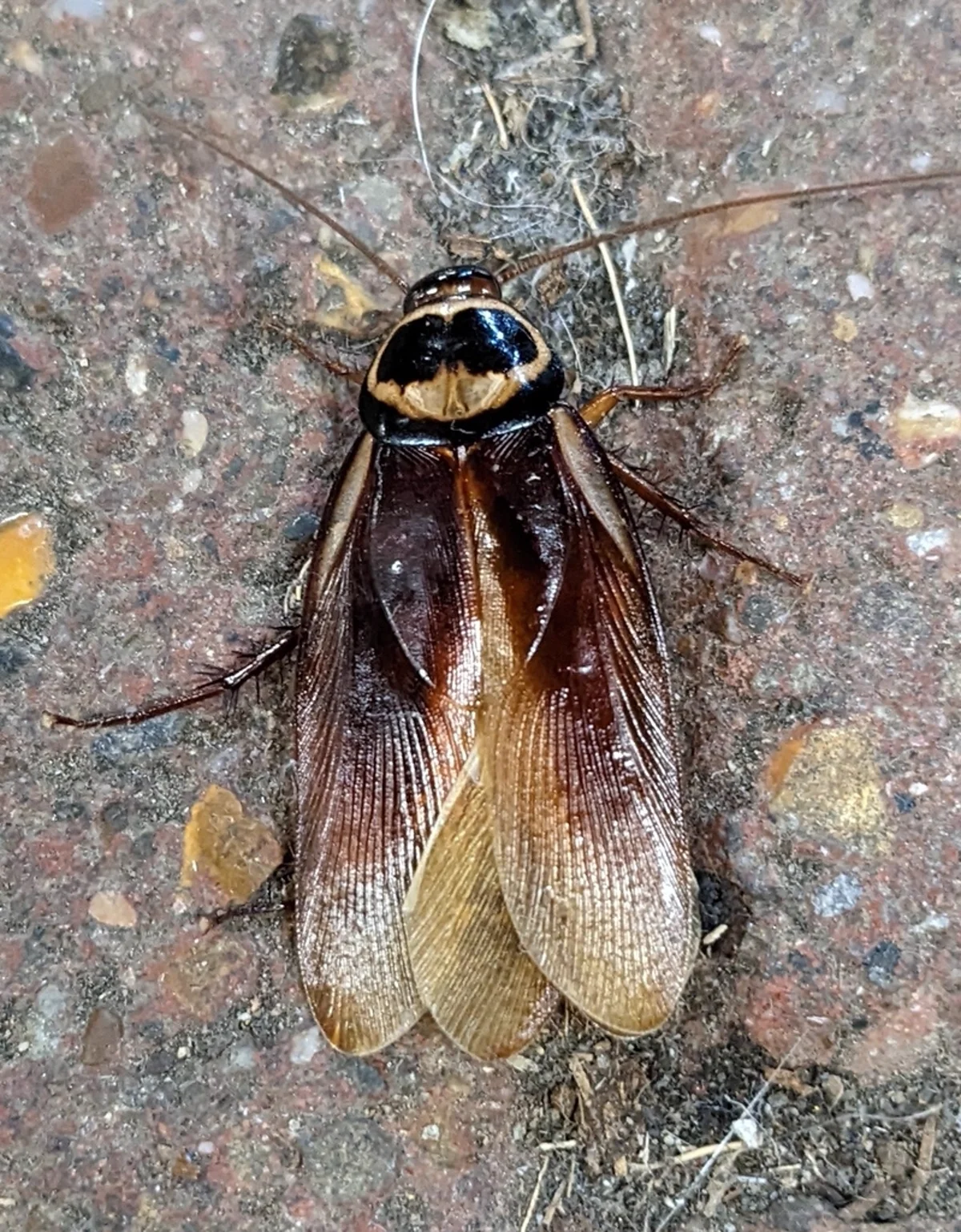
Australian Cockroaches Coloration
Common color patterns to help identify australian cockroaches
Australian Cockroaches
Seasonal Activity
When australian cockroaches are most active throughout the year

Where Australian Cockroaches Are Found
Hover over states to see their names. Green regions indicate where australian cockroaches have been reported.
Australian Cockroach Identification Guide
Physical Characteristics
Australian cockroaches are large roaches. They grow between 1 and 1.4 inches long. Their bodies are reddish-brown to dark brown with a shiny look. The best way to spot them is by their yellow markings.
Look for these features:
- Pronotum: A pale yellow band wraps around a dark spot on the shield behind the head
- Wings: Yellow streaks run along the outer edges of the front wings
- Body: Oval shape with long antennae as long as the body
- Color: Reddish-brown to dark mahogany
Adult Australian cockroaches have full wings that reach past the tip of the belly. Both males and females can fly. They prefer to run when scared.
How to Tell Australian Cockroaches Apart from Similar Species
Australian cockroaches look a lot like American cockroaches. Here is how to tell them apart:
- Size: Australian cockroaches grow up to 1.4 inches. American cockroaches can reach 2 inches.
- Pronotum markings: Australian cockroaches have a yellow band around a dark spot. American cockroaches have a figure-eight pattern.
- Wing markings: Australian cockroaches have yellow streaks on the wing edges. American cockroaches do not have these streaks.
Smokybrown cockroaches are solid dark brown with no yellow markings. This makes them easy to tell apart.
Young Australian cockroaches have a helpful feature for ID. They show light yellow spots on top of their belly. This pattern is unique to this species.
Australian Cockroach Behavior and Biology
Habitat Preferences
Australian cockroaches need warmth and moisture to survive. They came from tropical areas and do best in similar weather. In the United States, they are most common in Florida and other southeastern states.
Outdoors, you will find Australian cockroaches in:
- Under tree bark and in tree holes
- Leaf piles and ground cover
- Mulch beds near buildings
- Woodpiles and firewood stacks
- Greenhouses and gardens
- Around potted plants A related species, Brown-Banded Roaches, shares similar characteristics.
These roaches prefer to live outside. They will move indoors when the weather changes. Hot, dry weather or cold temps can push them inside. Once inside, they look for: A related species, Palmetto Bugs, shares similar characteristics.
- Damp basements and crawl spaces
- Bathrooms near water
- Kitchens with moisture
- Utility rooms with water heaters A related species, Lobster Cockroaches, shares similar characteristics.
Diet and Feeding Habits A related species, Oriental Roaches, shares similar characteristics.
Australian cockroaches eat almost anything. What makes them different from most roaches is their love of plants. They feed on: A related species, Asian Cockroaches, shares similar characteristics.
- Rotting plant matter and leaves
- Seedlings and young plants
- Paper and book bindings
- Dead bugs and animal matter
- Food scraps and garbage A related species, Spotted Mediterranean Cockroach, shares similar characteristics.
Their love of plants makes them a pest in greenhouses and gardens. They can damage seedlings. This is a big problem when their numbers grow.
Reproduction and Lifecycle
Female Australian cockroaches make egg cases. Each dark brown case is about half an inch long. It holds around 24 eggs. Females make 20 to 30 egg cases in their lifetime.
The lifecycle stages include:
- Eggs: Grow inside the case for about 40 days
- Nymphs: Go through 5 molts over 6 to 12 months before becoming adults
- Adults: Live 4 to 6 months after maturing
Nymphs grow more slowly when alone. In groups, they mature faster. This helps explain why their numbers can grow fast once they settle in.
Health Concerns
Australian cockroaches can carry germs on their bodies and legs. Studies have found many bacteria, fungi, and parasites linked to roaches. As they crawl over surfaces and food, they spread these germs.
About half of people with asthma react to roach allergens. Contact with roach droppings, shed skins, and body parts can cause:
- Sneezing and runny nose
- Skin rashes
- Eye watering
- Asthma attacks
Note: This info is for learning only. Talk to a doctor if you have health concerns from pest contact.
Treatment Methods for Australian Cockroaches
Control works best when you combine prevention with treatment. Since these roaches prefer outdoor spots, reducing hiding places around your property is key.
Treatment options include:
-
Perimeter treatments: Spraying around the foundation creates a barrier. This stops roaches from moving inside.
-
Habitat reduction: Remove leaf piles, pull mulch away from walls, and store firewood far from the home. This removes hiding spots.
-
Moisture control: Fix leaks and improve airflow. Dry areas are less appealing to these roaches.
-
Crack and crevice treatments: Treating gaps around doors, windows, and pipes blocks entry points.
-
Baiting: Gel baits and bait stations can lower numbers over time.
-
Monitoring: Sticky traps track roach activity. They help find problem spots.
Prevention Tips
These steps make your property less inviting to Australian cockroaches:
- Clear leaf piles and debris from around the foundation
- Keep mulch at least 12 inches away from walls
- Store firewood away from the house and off the ground
- Seal gaps around doors, windows, pipes, and utility lines
- Fix leaky faucets and pipes right away
- Use dehumidifiers in damp basements and crawl spaces
- Install door sweeps and weatherstripping
- Turn off outdoor lights or use yellow bulbs
- Remove dead plants from gardens and greenhouses
References
- University of Florida IFAS Extension. “Australian Cockroach Periplaneta australasiae.” https://edis.ifas.ufl.edu/publication/IN1088
- University of Florida Entomology Department. “Australian Cockroach.” https://entnemdept.ufl.edu/projex/gallery/dl/cockroaches/text/australian_cockroach.htm
- U.S. Fish & Wildlife Service. “Australian Cockroach (Periplaneta australasiae).” https://www.fws.gov/species/australian-cockroach-periplaneta-australasiae
- Wikipedia. “Australian cockroach.” https://en.wikipedia.org/wiki/Australian_cockroach
Other Cockroaches
Explore other species in the cockroaches family
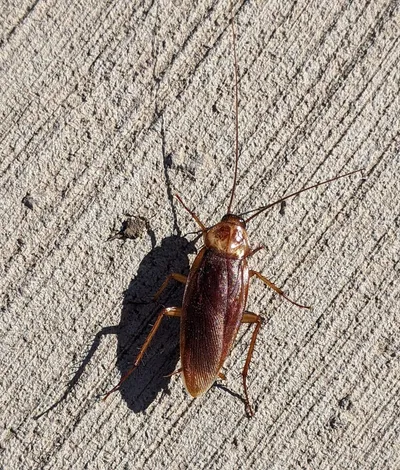
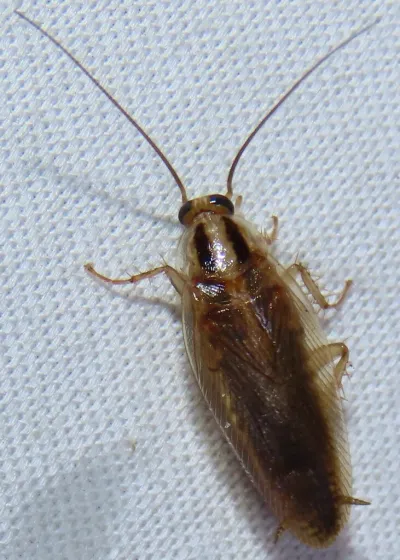
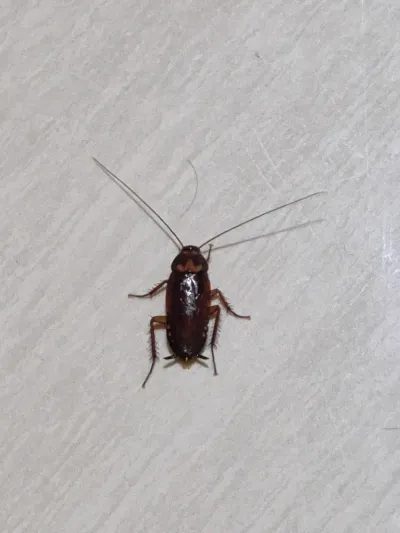
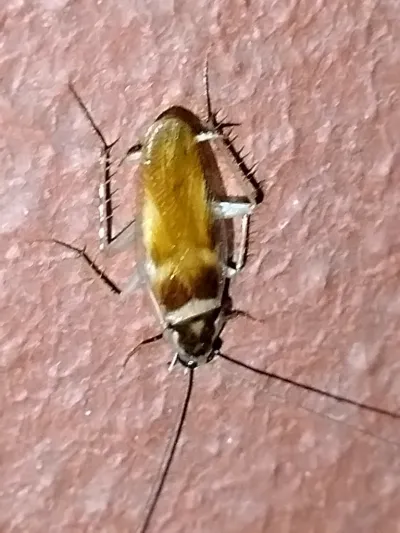
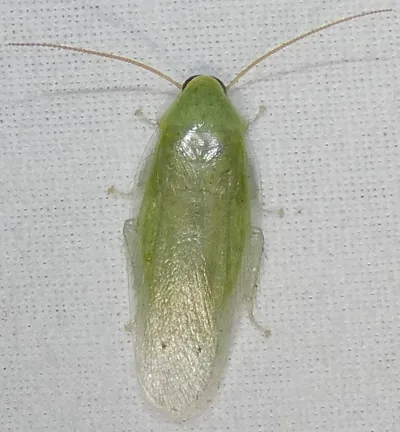
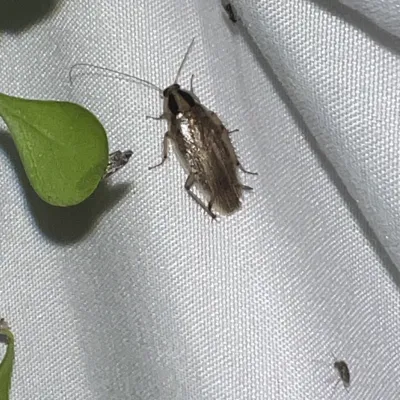
Commonly Confused With
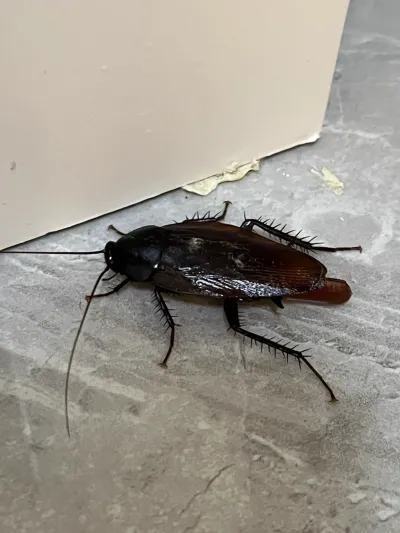
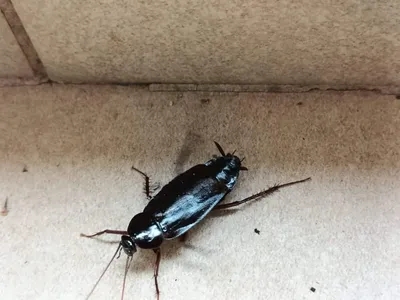
Australian Cockroaches are often mistaken for these similar pests
Where Australian Cockroaches Are Found
Hover over states to see their names. Green regions indicate where australian cockroaches have been reported.
Common Questions about Australian Cockroaches
How can I tell Australian cockroaches apart from American cockroaches?
+
Australian cockroaches are a bit smaller, about 1 to 1.4 inches versus 2 inches. Look for the yellow band on the shield behind the head and yellow streaks on the wings. American cockroaches have a figure-eight pattern and no wing streaks.
Are Australian cockroaches native to Australia?
+
No. Despite the name, they likely came from Africa. They spread around the world on ships. Today they live in warm areas, including the southeastern United States.
Can Australian cockroaches fly?
+
Yes. They have full wings and can fly short distances. Lights attract them at night, and they may fly into homes through open windows or doors.
Where do Australian cockroaches live?
+
They like warm, moist outdoor spots like mulch beds, leaf piles, tree bark, and woodpiles. They move indoors during dry or cold weather to find water in kitchens, bathrooms, and crawl spaces.
Do Australian cockroaches damage plants?
+
Yes. Unlike most roaches, they love to eat plants. They can harm seedlings and greenhouse plants, which makes them a problem for gardeners.
Are Australian cockroaches bad for health?
+
They can spread germs and dirty food and surfaces. Their droppings and shed skins can trigger allergies and make asthma worse.

With five years of hands-on experience in the pest control industry, George Schulz is a registered technician with the Virginia Pest Management Association and a proud third-generation professional in a family business that's been protecting homes for over 57 years. He manages and trains a team of service pros while also leading internal research efforts—recently spearheading a deep-dive review of thousands of documents on pest control materials to hand-pick the most kid and pet friendly, most effective solutions tailored specifically for homes in the DC metro area.