Annual Cicadas Identification Guide
Neotibicen spp.
Annual cicadas, also known as dog-day cicadas, emerge every summer with their distinctive buzzing calls. These large insects spend years underground before surfacing to mate during the hottest days of July and August.
Taxonomy
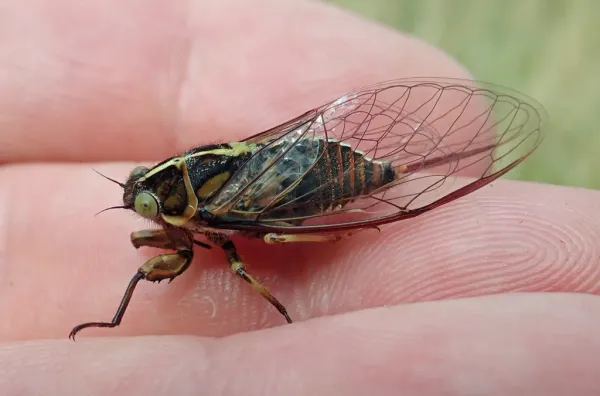
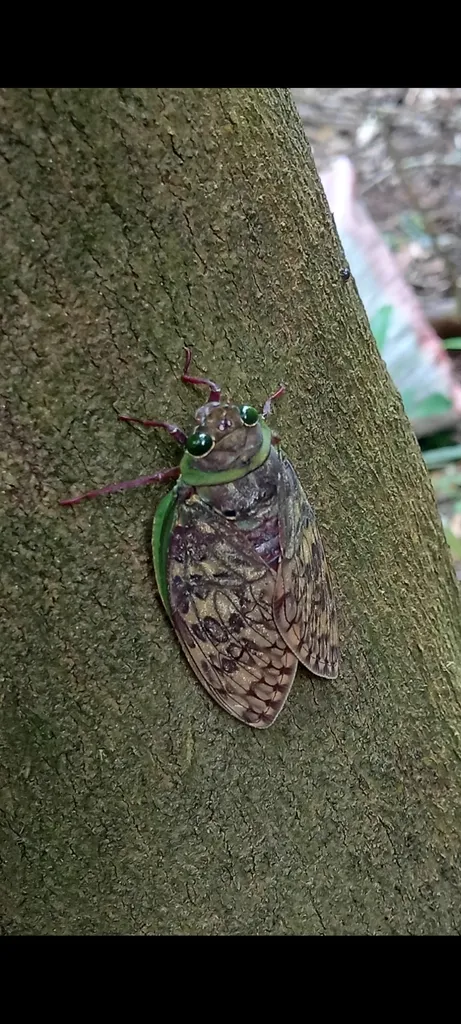
Annual Cicadas Coloration
Common color patterns to help identify annual cicadas
Annual Cicadas
Seasonal Activity
When annual cicadas are most active throughout the year

Where Annual Cicadas Are Found
Hover over states to see their names. Green regions indicate where annual cicadas have been reported.
Annual Cicadas Identification Guide
Physical Characteristics
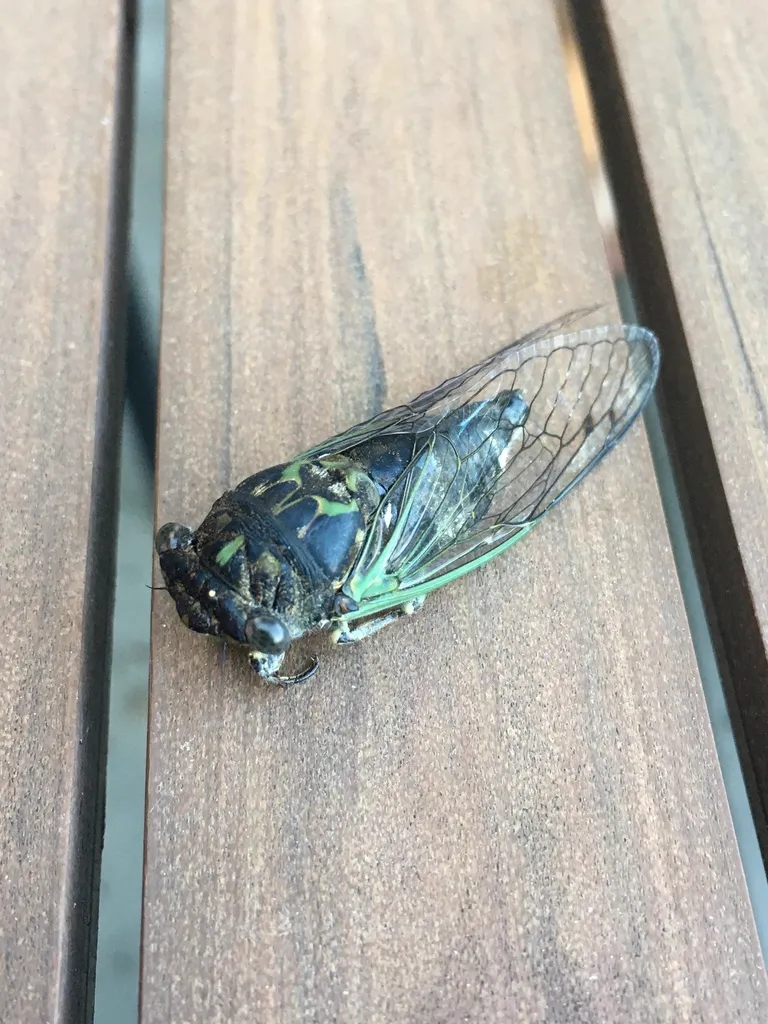
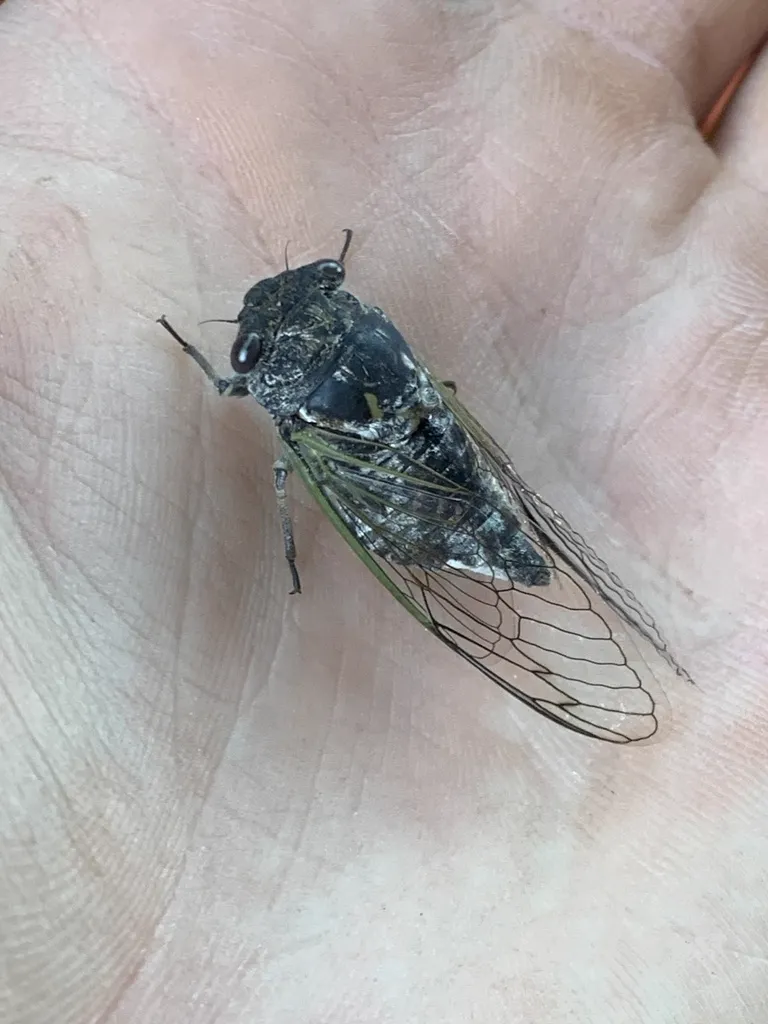
Annual cicadas are some of the largest insects in North America. Adults are 1 to 2 inches long. Their wingspans can reach over 3 inches. They have green, black, and brown coloring that helps them blend in with tree bark. The wings are clear with green veins that are easy to see near the body.
These insects have large eyes on the sides of their wide heads. Two short antennae sit between the eyes. The belly is often tan or cream colored. Some have a grayish powdery coating on their bodies.
Common Species
Many species of annual cicadas live across North America.
-
Dog-Day Cicada (Neotibicen canicularis): The most common species. It has a black body with green markings and green wing veins. Found in the eastern United States and southern Canada.
-
Swamp Cicada (Neotibicen tibicen): One of the largest cicadas in North America, reaching nearly 2 inches. Common in oak forests and known for singing in the morning and evening.
-
Scissor-Grinder Cicada (Neotibicen pruinosus): Named for its song that sounds like scissors being sharpened. Found in the central and eastern United States.
-
Linne’s Cicada (Neotibicen linnei): Common in the eastern states. This species likes forests and suburbs with large trees. Homeowners dealing with Annual Cicadas may also encounter Wood Wasps, which can appear in similar environments.
Annual Cicadas Behavior and Biology Learn more about this pest family in our Cicada guide.
Life Cycle
Annual cicadas live for 2 to 5 years total. They are called “annual” because some adults come out every summer due to overlapping generations. For a broader overview of all cicada species, visit our main cicada guide. The cycle starts when a female cuts small slits into tree twigs and lays her eggs inside.
The eggs hatch in 6 to 10 weeks. Tiny nymphs fall to the ground and dig into the soil. They feed on fluids from tree roots and molt several times as they grow over the next few years.
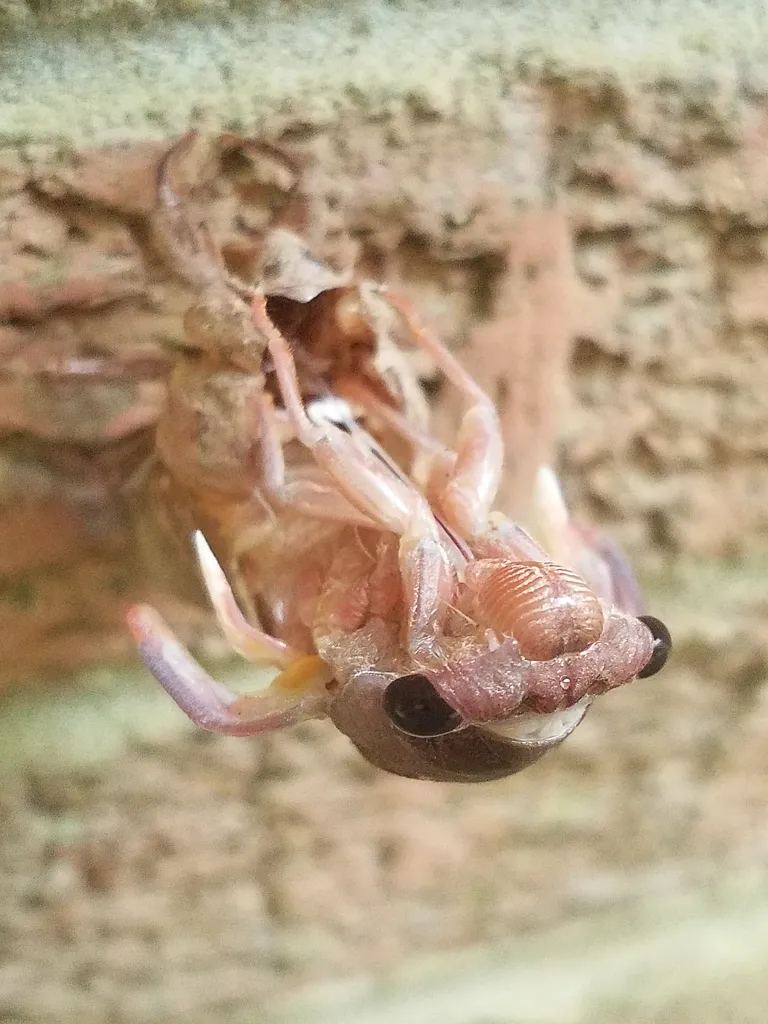
When the soil warms to about 65 degrees in summer, the nymphs dig to the surface. This usually happens at dusk. They climb up trees, fence posts, or walls and shed their skin one last time. The adult cicada comes out, leaving behind the brown shell you often see stuck to trees.
Habitat and Diet
Annual cicadas live near hardwood trees like oaks, maples, elms, and fruit trees. Some also live near pine trees. Adults spend most of their time high in the trees where males call out to attract females.
Both nymphs and adults feed only on plant fluids. Underground nymphs drink from tree roots. Adults drink sap from twigs and branches. This feeding does not hurt healthy, full-grown trees.
The Cicada Song
The buzzing sound of summer comes from male cicadas. They make this sound by flexing muscles attached to drum-like parts called tymbals on the sides of their body. Their hollow belly makes the sound louder. Like other pests in this group, Daddy Long Legs are sometimes found in the same habitats.
Each species has its own song. These can be high-pitched whines or buzzes that last 10 to 20 seconds. Cicadas sing loudest during the hottest part of the day. When many males sing at once, the noise can reach 90 decibels. That is about as loud as a lawnmower.
Tree Protection from Cicadas
Annual cicadas rarely harm healthy, full-grown trees. But females can damage young trees when they cut slits in twigs to lay eggs. This causes the twigs to turn brown and break off. This is called “flagging.”
Trees that are most at risk include:
- Newly planted trees with trunks under 2 inches wide
- Young fruit trees and small ornamental trees
- Trees stressed by drought or disease
Protecting Young Trees
The best way to protect small trees is to cover them with fine mesh netting. Use netting with holes 1/4 inch or smaller. Cover the whole tree after the leaves have fully opened. Tie the netting around the trunk so cicadas cannot crawl up from below. Keep the netting on for 4 to 6 weeks while cicadas are active and laying eggs.
If you want to plant new trees, wait until cicada season ends in early fall. Keeping trees healthy with water and mulch helps them handle any minor damage from cicadas.
Insecticides are not commonly used for cicada control. Sprays need to be applied many times over 4 to 6 weeks. Netting works better and only needs to be set up once. Most tree care experts suggest netting over sprays.
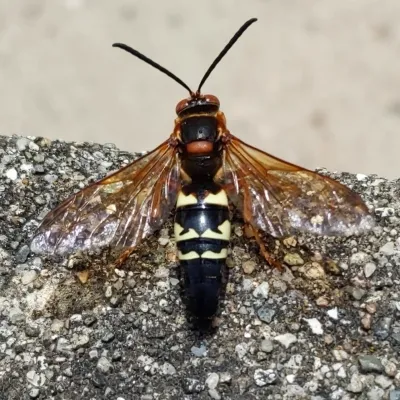
Cicada killer wasps often appear during annual cicada season. These large solitary wasps hunt cicadas to feed their larvae but are not aggressive toward people. Learn more about the differences between cicadas and similar insects in our cicada vs locust comparison guide.
After Cicada Season
Healthy big trees handle cicada damage like natural pruning. Dead twigs fall off on their own. Larger branches are not affected. You usually do not need to prune out cicada damage on full-grown trees. If you are seeing Annual Cicadas, you may want to learn about Harvestmen as well.
References
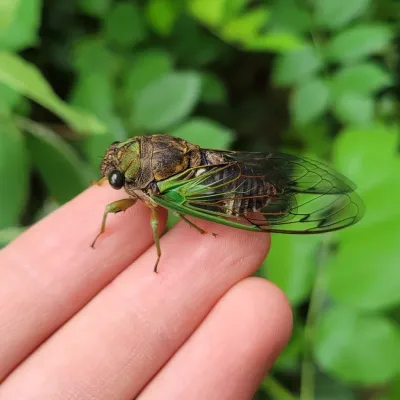
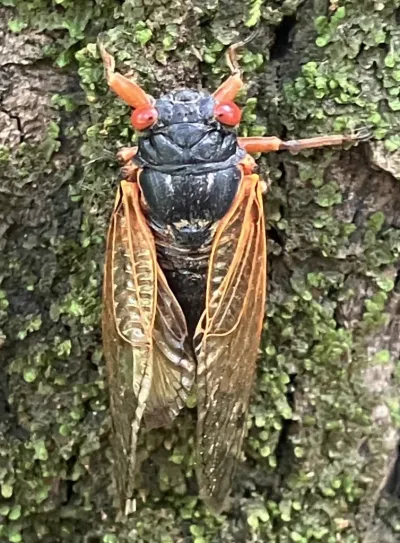
Other Cicadas
Explore other species in the cicadas family
Commonly Confused With
Annual Cicadas are often mistaken for these similar pests
Where Annual Cicadas Are Found
Hover over states to see their names. Green regions indicate where annual cicadas have been reported.
Common Questions about Annual Cicadas
What is the difference between annual cicadas and periodical cicadas?
+
Annual cicadas appear every summer and have 2-5 year life cycles with overlapping generations, so some emerge each year. [Periodical cicadas](/pests/cicadas/periodical-cicadas/) emerge in synchronized mass events every 13 or 17 years. Annual cicadas are typically larger (up to 2 inches) with green and black coloring, while periodical cicadas are smaller with distinctive red eyes and orange wing veins.
Why do cicadas make so much noise?
+
Male cicadas produce their loud buzzing calls to attract females for mating. They create this sound by rapidly vibrating special membranes called tymbals on their abdomen. Each species has a unique song, which helps females identify males of the same species.
Do cicadas bite or sting?
+
No, cicadas do not bite or sting humans. They have no stingers and their mouthparts are designed only for piercing plant tissue to feed on sap. Cicadas are completely harmless to people and pets.
How long do adult cicadas live?
+
Adult cicadas live for only 4-6 weeks above ground. Their sole purpose during this time is to mate and lay eggs. Most of a cicada's life (2-5 years for annual species) is spent underground as a nymph feeding on tree root fluids.
Can cicadas damage my trees?
+
Female cicadas can cause minor damage to young trees when they lay eggs in small slits made in twigs. Established, healthy trees easily tolerate this damage. Small or newly planted trees under 4 feet tall are most at risk and can be protected with fine mesh netting during peak cicada activity.
Why are they called dog-day cicadas?
+
Annual cicadas are nicknamed dog-day cicadas because they emerge during the dog days of summer, typically from late July through early September. This period coincides with the rising of the Dog Star, Sirius, in the morning sky.
What are those brown shells I find on trees?
+
Those shells are the shed exoskeletons (called exuviae) left behind when cicada nymphs molt into adults. After spending years underground, nymphs climb up trees and other surfaces, split open their skin, and emerge as winged adults, leaving the empty shell attached.

With five years of hands-on experience in the pest control industry, George Schulz is a registered technician with the Virginia Pest Management Association and a proud third-generation professional in a family business that's been protecting homes for over 57 years. He manages and trains a team of service pros while also leading internal research efforts—recently spearheading a deep-dive review of thousands of documents on pest control materials to hand-pick the most kid and pet friendly, most effective solutions tailored specifically for homes in the DC metro area.