Stone Centipedes Identification Guide
Lithobiomorpha
Stone centipedes are compact, fast-moving predatory arthropods found under rocks, bark, and leaf litter. These nocturnal hunters have 15 pairs of legs and prey on insects and other small invertebrates.
Taxonomy
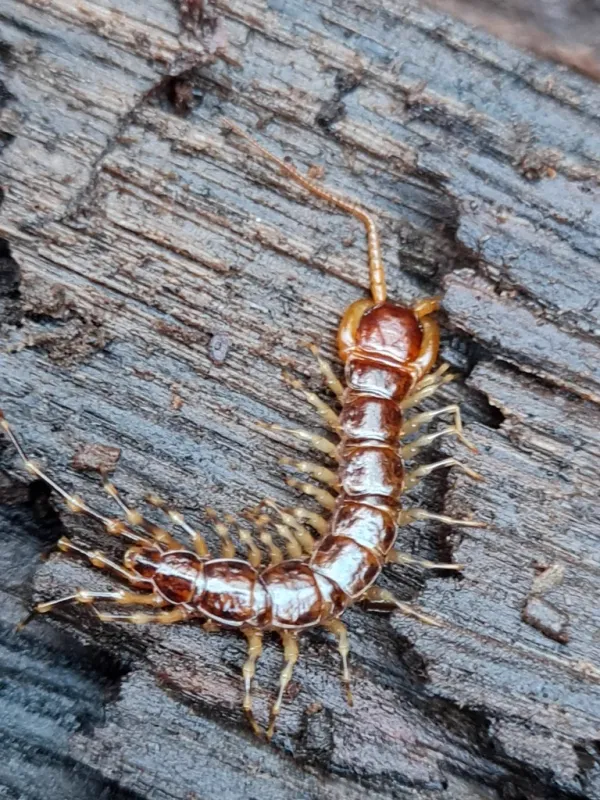
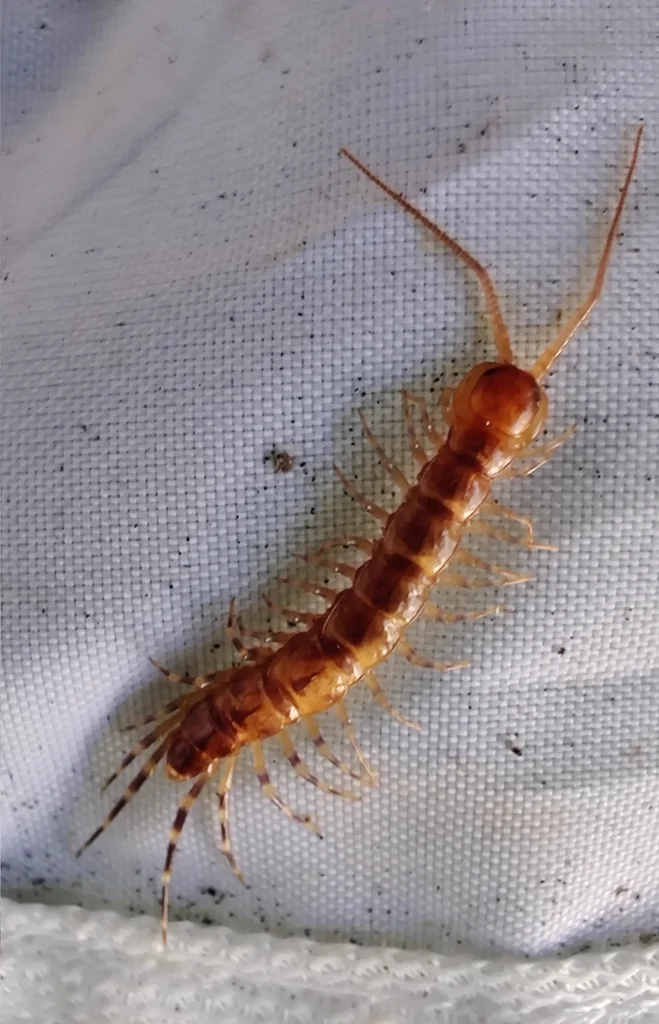
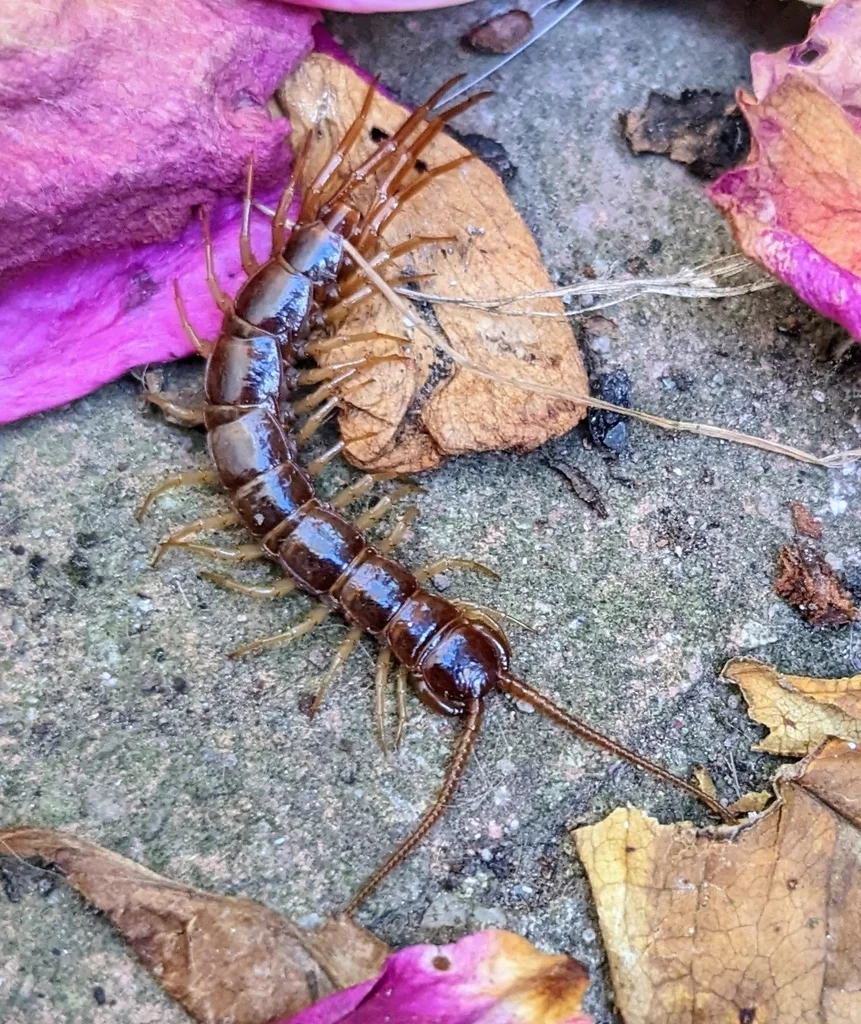
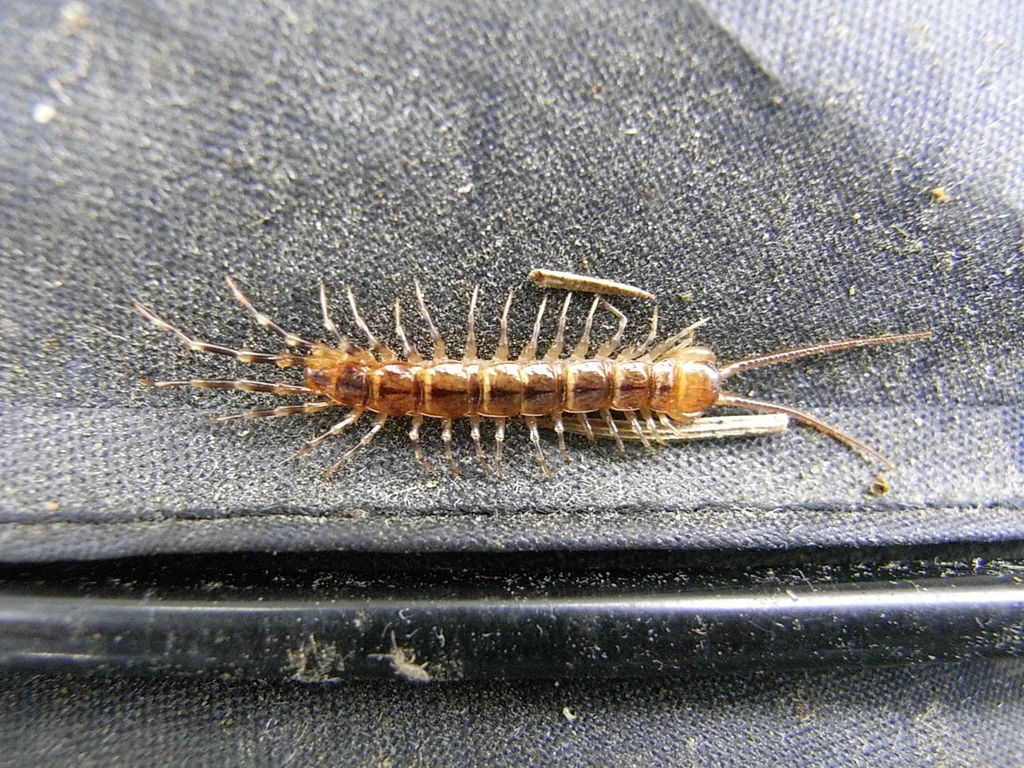
Stone Centipedes Coloration
Common color patterns to help identify stone centipedes
Stone Centipedes
Seasonal Activity
When stone centipedes are most active throughout the year

Where Stone Centipedes Are Found
Hover over states to see their names. Green regions indicate where stone centipedes have been reported.
Stone Centipede Identification Guide
Physical Characteristics
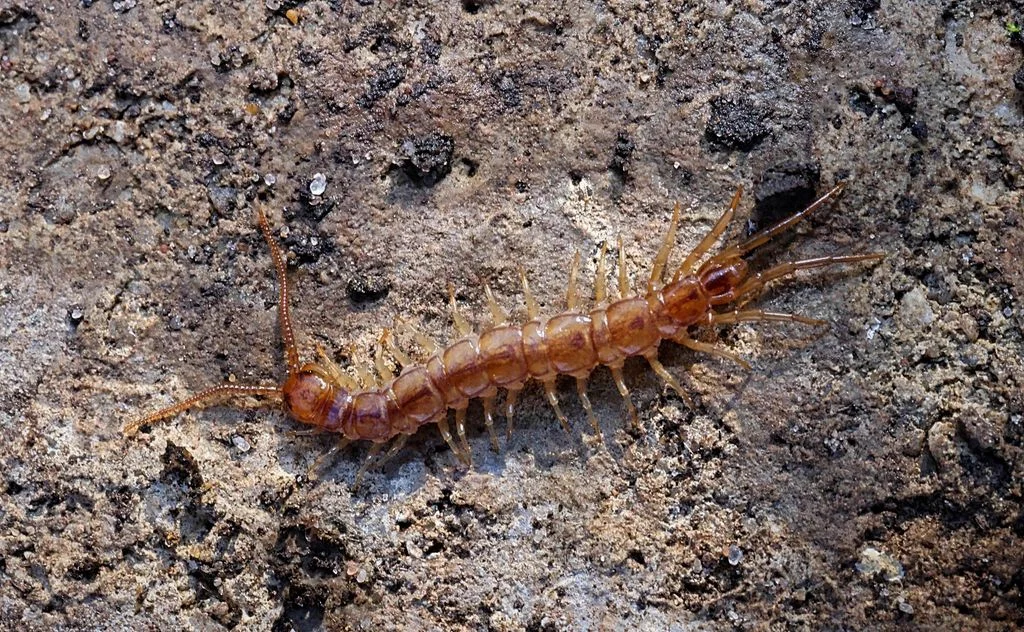
Stone centipedes are compact, short-bodied creatures that look quite different from house centipedes. Adults measure between 10 and 40 mm (about 0.4 to 1.6 inches) long. The largest North American species reach about 30 mm. Their bodies are flat and have 18 segments, with 15 pairs of legs when fully grown.
Stone centipedes range in color from yellowish-brown to chestnut or reddish-brown. This helps them blend in with soil, rocks, and rotting wood. Unlike house centipedes, they have short antennae and shorter legs that stay close to the body. They have very simple eyes or none at all. Instead of relying on sight, they use touch and chemical signals to find their way in the dark.
Behind the head, stone centipedes have a pair of claw-like structures called forcipules. These contain venom glands and work like fangs. The centipede uses them to inject venom into prey and paralyze it quickly. The back pair of legs is often slightly longer and points backward to help with balance.
Common North American Species
Several stone centipede species live throughout North America:
-
Brown Centipede (Lithobius forficatus): This is the most common stone centipede. It came from Europe but now lives across North America. Adults are 18 to 30 mm long with chestnut-brown coloring.
-
Eastern Stone Centipede (Bothropolys multidentatus): A larger native species found in dead wood throughout the eastern United States. Adults can reach 30 mm and are orange to chestnut-brown in color.
-
Lithobius species: Many native species in this group live across North America. They range from small (under 15 mm) to medium-sized.
Telling Stone Centipedes Apart from Similar Pests
Stone centipedes can be confused with other pests found in the same places:
-
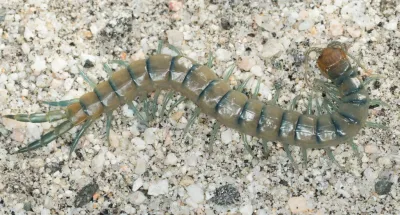
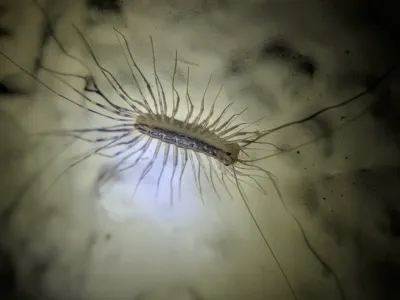
House Centipedes: House centipedes have very long, banded legs that make them look much larger. They move fast and are yellowish-gray with dark stripes. Stone centipedes are more compact with shorter legs and brown coloring.
-
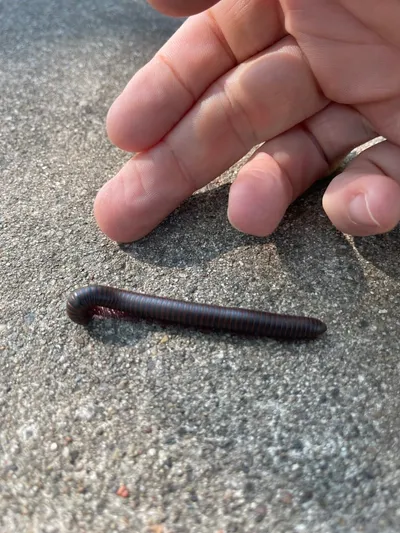
Millipedes: Millipedes have round bodies with two pairs of short legs per segment. They move slowly and curl into a ball when scared. Stone centipedes are flat, have one pair of legs per segment, and run away quickly.
-
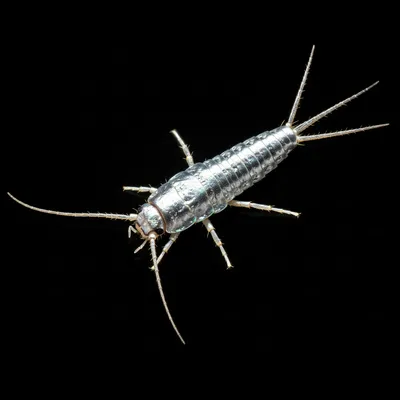
Silverfish: Silverfish are small insects with only 6 legs and three tail-like parts. They have silvery scales. Stone centipedes have 30 legs and no silvery coloring.
-
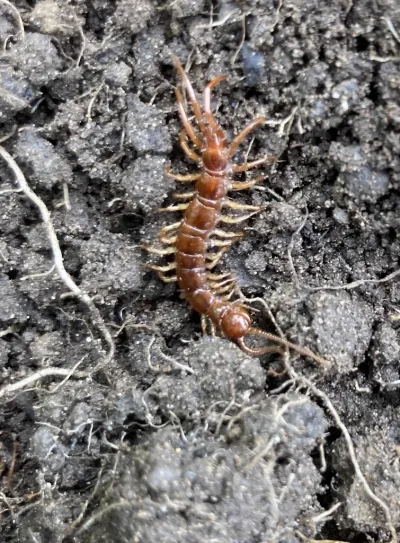
Soil Centipedes: Soil centipedes are longer and thinner with many more leg pairs (up to 191 pairs). They have no eyes and burrow through soil. Stone centipedes always have 15 pairs of legs and live above ground under rocks and debris.
Stone Centipede Behavior and Biology
Natural History
Stone centipedes get their name from hiding under stones and rocks. Their scientific name Lithobiomorpha comes from Greek words meaning “stone,” “life,” and “form.” These centipedes are among the fastest in their group. They can move in quick bursts when hunting or running from danger.
There are about 1,500 known species of stone centipedes worldwide. Scientists think there may be over 2,000 species total. Most North American species belong to the family Lithobiidae.
Where Stone Centipedes Live
Stone centipedes need moist places to survive. Outside, they hide under:
- Rocks and stones
- Fallen logs and loose bark
- Leaf piles and yard debris
- Mulch beds near houses
- Compost piles
Inside homes, they look for similar damp, dark spots:
- Basements and crawl spaces
- Areas near leaky pipes
- Under boxes in damp storage areas
- Garages and utility rooms
- Bathrooms with moisture problems
Stone centipedes only come out at night. During the day, they stay hidden in their shelters.
What Stone Centipedes Eat
Stone centipedes are hunters that play an important role in soil health. They eat:
- Small insects and larvae
- Spiders and spider eggs
- Slugs and snails
- Earthworms
- Other centipedes and small bugs
- Some rotting plant matter
Unlike some centipedes that only eat meat, stone centipedes also eat some plant debris. This helps break down organic matter in the soil.
Stone centipedes hunt using touch and smell rather than sight. Their antennae and leg hairs pick up vibrations and chemical signals from prey. When they find something to eat, they strike fast. They use their venomous claws to paralyze the victim.
Life Cycle
Female stone centipedes lay eggs one at a time. They carry each egg on their back legs for about two weeks. During this time, they coat the egg with a sticky coating and soil bits to protect it.
Baby centipedes hatch with only 6 to 8 pairs of legs. As they grow, they shed their skin several times. Each time they molt, they add more body segments and legs. It takes about two years for them to become adults with 15 pairs of legs (30 total).
Adult stone centipedes keep molting throughout their lives. They can live 4 to 7 years, which is a long time for such small creatures.
How We Treat for Stone Centipedes
Our stone centipede treatment combines pest control with changes to your environment for lasting results.
Inside Your Home
Our technician checks basements, crawl spaces, bathrooms, and other areas where stone centipedes might be. We look for:
- Places where centipedes are active
- Cracks and gaps in the foundation where they get in
- Signs of moisture that attract centipedes
- Other pests that centipedes eat
We apply a repellent treatment to baseboards, cracks, and areas where centipedes are active. This creates a barrier that keeps centipedes out of treated areas.
Outside Your Home
We inspect the foundation, yard edges, and areas with mulch or landscaping. We apply a granular treatment around the outside of your home to stop centipedes before they get inside.
Reducing Moisture
Since stone centipedes need damp conditions, we give tips to make your home less inviting:
- Fix leaky pipes and improve drainage around the foundation
- Use dehumidifiers in basements and crawl spaces
- Make sure bathrooms and kitchens have good airflow
- Remove leaf piles, debris, and extra mulch near the house
- Keep storage areas clean and organized
- Seal cracks and gaps in the foundation
Keeping Centipedes Away
Our tri-annual pest control plan (three times per year) includes regular visits to check for activity and reapply treatments as needed. This approach provides long-term protection against stone centipedes and other common household pests.
References
Other Centipedes
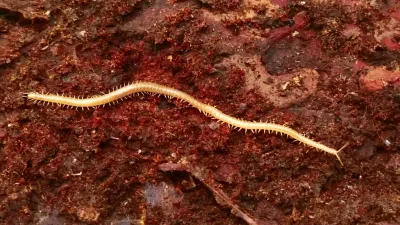
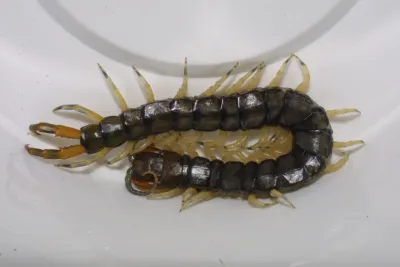
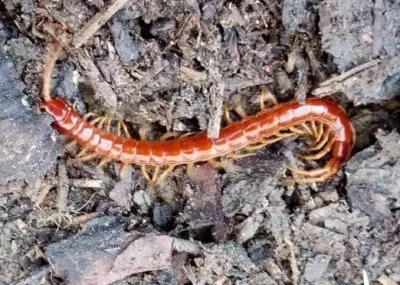
Explore other species in the centipedes family
Commonly Confused With
Stone Centipedes are often mistaken for these similar pests
Where Stone Centipedes Are Found
Hover over states to see their names. Green regions indicate where stone centipedes have been reported.
Common Questions about Stone Centipedes
Are stone centipedes dangerous to humans?
+
Stone centipedes have venomous claws they use to catch prey, but they rarely bite people. If you do get bitten, it usually causes pain, redness, and swelling like a bee sting. Severe reactions are rare. This is not medical advice. Always see a doctor if you have health concerns after a bite.
Why are stone centipedes in my house?
+
Stone centipedes come inside looking for moisture and shelter. This happens most often during dry or cold weather. You usually find them in basements, crawl spaces, and bathrooms where it is humid. Seeing them may mean you have moisture problems or lots of bugs they like to eat.
What do stone centipedes eat?
+
Stone centipedes are hunters that eat insects, spiders, slugs, worms, and other small bugs. They also eat some rotting plant matter, which helps break down debris in the soil.
How long do stone centipedes live?
+
Stone centipedes live a long time for their size. It takes them about two years to become adults. After that, they can live 4 to 7 years if conditions are good. They keep shedding their skin throughout their lives.
How can I tell stone centipedes apart from house centipedes?
+
Stone centipedes have shorter bodies and shorter legs than house centipedes. House centipedes have very long, striped legs that make them look much bigger. Stone centipedes are usually brown or reddish-brown. House centipedes are yellowish-gray with dark stripes.
How do stone centipedes reproduce?
+
Female stone centipedes lay one egg at a time. They carry each egg on their back legs for about two weeks and coat it with a sticky layer and dirt to protect it. Baby centipedes hatch with only 6 to 8 pairs of legs. They add more legs each time they shed their skin.
Will reducing moisture help control stone centipedes?
+
Yes, controlling moisture is one of the best ways to prevent stone centipedes. Like all centipedes, they need damp places to survive. Using dehumidifiers, fixing leaks, and improving drainage will reduce their numbers inside your home.

With five years of hands-on experience in the pest control industry, George Schulz is a registered technician with the Virginia Pest Management Association and a proud third-generation professional in a family business that's been protecting homes for over 57 years. He manages and trains a team of service pros while also leading internal research efforts—recently spearheading a deep-dive review of thousands of documents on pest control materials to hand-pick the most kid and pet friendly, most effective solutions tailored specifically for homes in the DC metro area.