Soil Centipedes Identification Guide
Geophilomorpha
Soil centipedes are long, eyeless hunters found in soil and under debris. These slender creatures have many leg pairs and hunt small animals underground. They rarely become indoor pests unless moisture attracts them.
Taxonomy
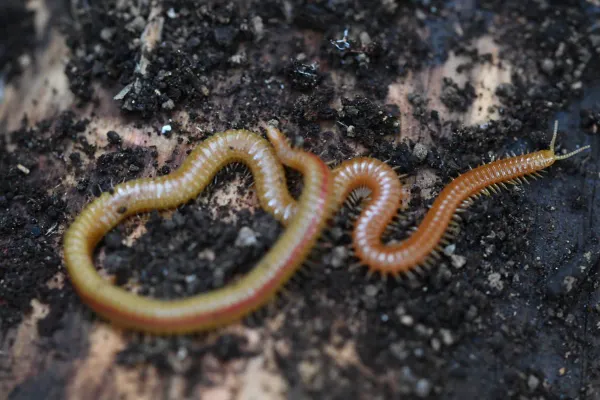
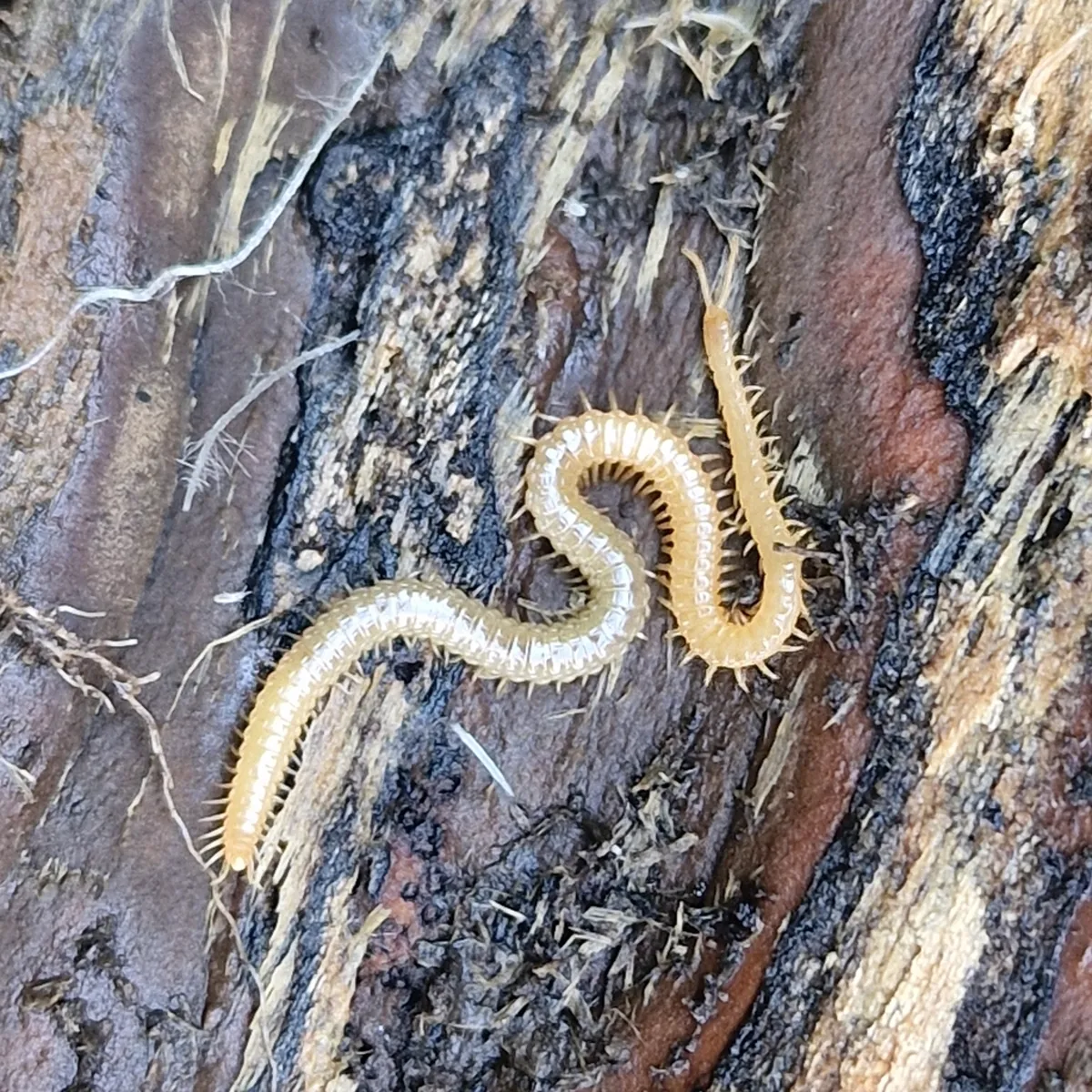
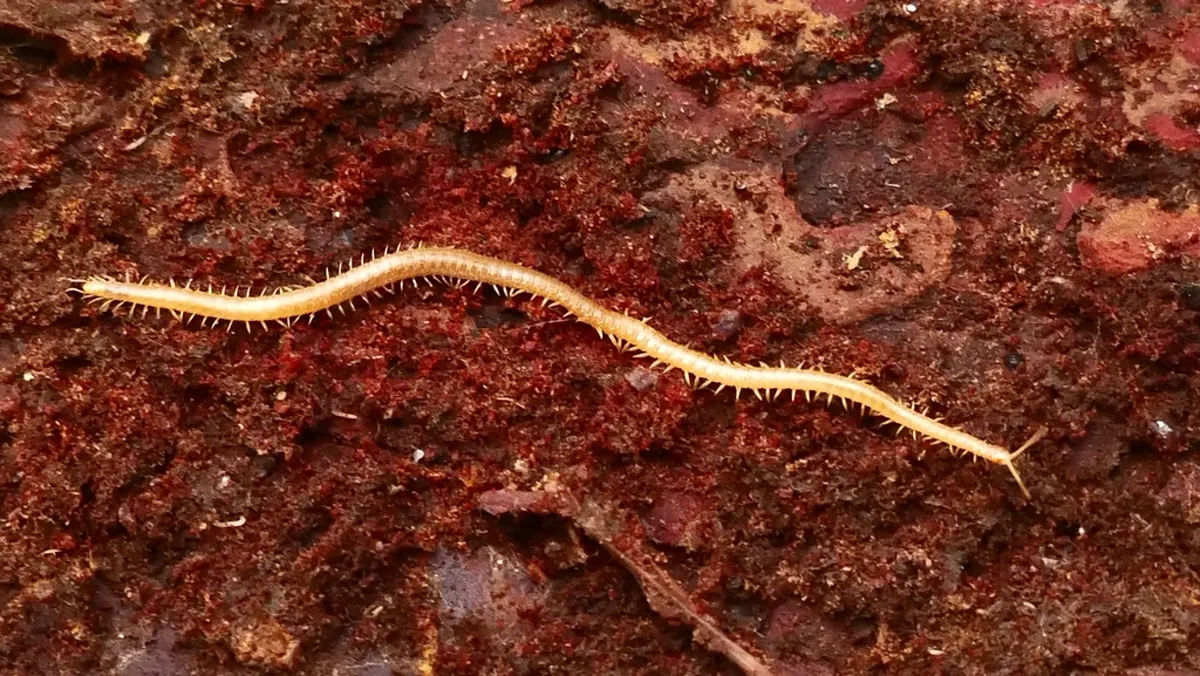
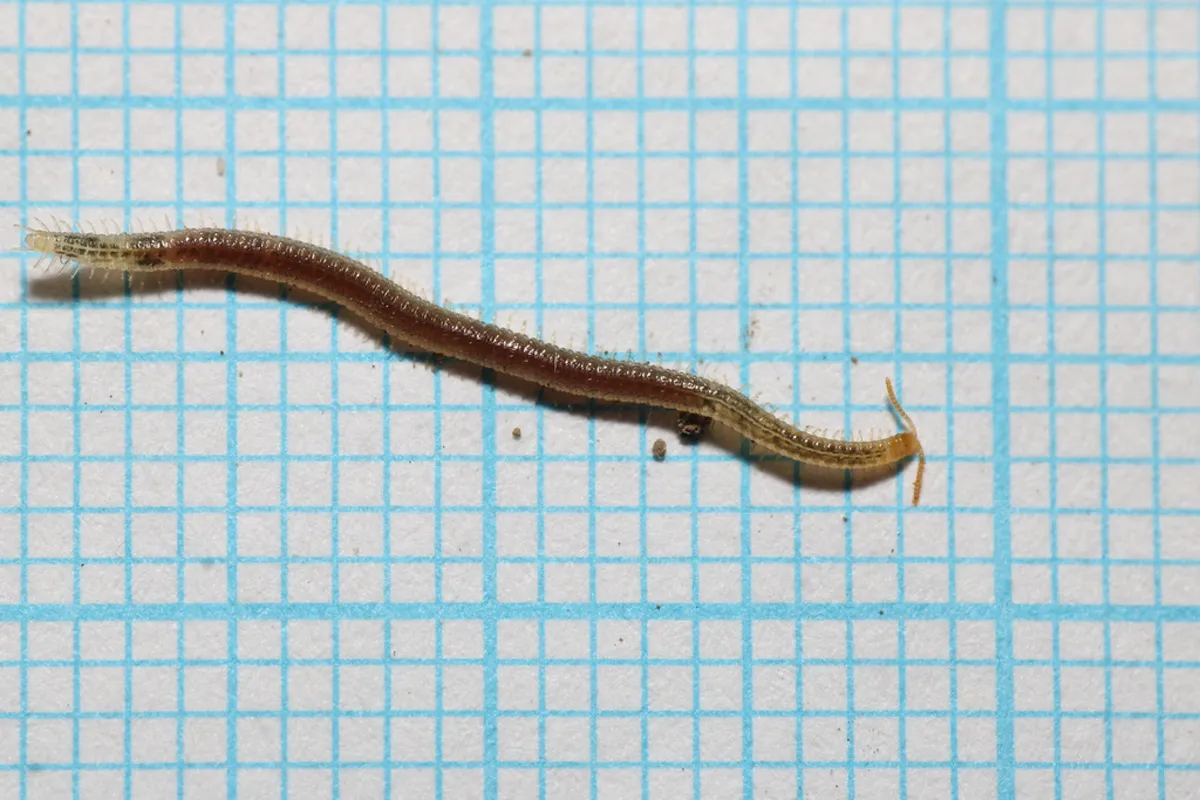
Soil Centipedes Coloration
Common color patterns to help identify soil centipedes
Soil Centipedes
Seasonal Activity
When soil centipedes are most active throughout the year

Where Soil Centipedes Are Found
Hover over states to see their names. Green regions indicate where soil centipedes have been reported.
Soil Centipede Identification Guide
Physical Characteristics
Soil centipedes are long, worm-like creatures with flat bodies. Most measure half an inch to two inches long, though some tropical species grow up to 8 inches. Their color ranges from pale yellow to orange, tan, or reddish-brown. Unlike the house centipede, soil centipedes have no eyes. They use their antennae and other sensors to find their way underground.
These centipedes always have an odd number of leg pairs. The number ranges from 27 to 191 pairs based on the species. Their legs are short and close to the body. This helps them move through tight soil spaces and under debris. Behind the head, they have special front legs called forcipules. These contain venom glands used to catch prey.
The name “Geophilomorpha” comes from Greek words meaning “earth-loving form.” This describes their love of underground habitats. Their thin, flexible bodies let them squeeze into very tight spaces. They move much like earthworms, stretching and pulling themselves along.
Distinguishing Soil Centipedes from Similar Pests
Soil centipedes look similar to other common pests:
-
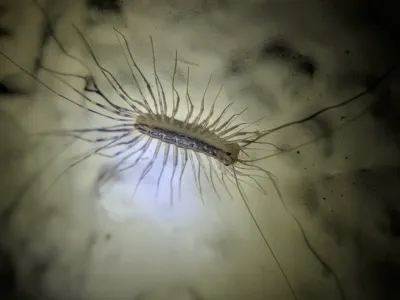
House Centipedes: House centipedes have very long, banded legs and large compound eyes. They run fast across floors and walls. Soil centipedes have short legs, no eyes, and move slowly through soil.
-
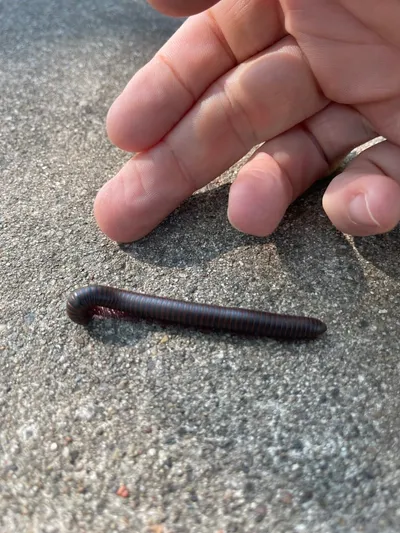
Millipedes: Millipedes have round, tube-shaped bodies with two pairs of legs per segment. Centipedes have one pair per segment. Millipedes move slowly and curl into a ball when scared. They eat rotting plants instead of hunting prey.
-
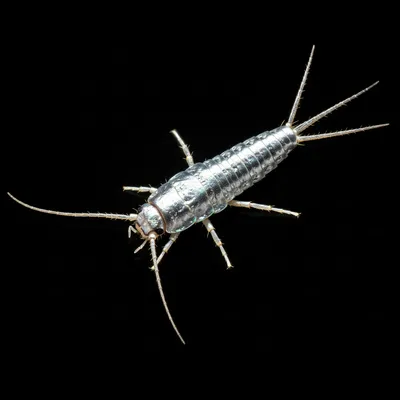
Silverfish: Silverfish are insects with only 6 legs and shiny silver scales. They have three tail-like parts and a tapered body shaped like a carrot. This is very different from the long, even segments of soil centipedes.
-
Stone Centipedes: Stone centipedes are compact with exactly 15 pairs of legs. They live above ground under rocks and debris rather than burrowing through soil. They are faster runners than soil centipedes.
Common North American Species
Several soil centipede species live throughout North America:
-
Yellow-headed Soil Centipede (Geophilus flavus): A yellowish species often found in gardens, leaf litter, and compost. Adults have 45-57 leg pairs.
-
Diamondback Soil Centipede (Geophilus vittatus): Named for faint diamond-shaped marks on its back. This species lives in moist woodland soil.
-
Compost Centipedes (Geophilus spp.): Many species in this group thrive in compost, fallen logs, and garden mulch.
Soil Centipede Behavior and Biology
Habitat Preferences
Soil centipedes live underground and need moist places to survive. Their thin skin does not protect them from drying out, so humidity is key. You may find them in:
- Garden soil and compost piles
- Under rocks, logs, and bark
- Leaf litter and organic debris
- Mulch beds and flower borders
- Rotting wood and tree stumps
- Crawl spaces with dirt floors
Outdoors, they hunt other small creatures in the soil. They rarely come above ground on purpose. You might see them on surfaces after heavy rain floods their burrows. Very dry conditions can also push them to search for moisture.
Diet and Predatory Behavior
Soil centipedes are active hunters that live mostly underground. They search through soil and leaf litter to find food rather than waiting for prey to come to them. Their diet includes:
- Small earthworms and worm eggs
- Insect larvae, especially beetle grubs
- Springtails and other soil creatures
- Fly larvae and pupae
- Small slugs and snails
- Other centipedes
They use their antennae to sense prey moving in the soil. Then they inject venom through their forcipules to paralyze the prey before eating.
Life Cycle and Reproduction
Young soil centipedes hatch with all their body segments and leg pairs. Females lay 30-60 eggs in small holes they dig in soil or rotting wood. Female soil centipedes guard their eggs, coiling around them to protect them from predators and mold.
The mother stays with her young for several weeks after they hatch. She protects them until they can hunt on their own. This type of care is rare among small creatures and helps more young survive. Soil centipedes grow slowly. They take 2-4 years to become adults and may live another 2-3 years after that.
Why Soil Centipedes Enter Homes
While soil centipedes prefer outdoor habitats, they may enter homes looking for moisture or prey. They do not damage property or reproduce indoors. However, their presence often signals moisture issues in basements or crawl spaces that should be addressed.
How We Treat for Soil Centipedes
Soil centipedes sometimes wander into homes. This usually happens when outdoor conditions become too wet or too dry. Basements and crawl spaces with high moisture attract them. Our treatment plan tackles both the current problem and stops future issues.
Interior Inspection and Treatment
Our technician checks basements, crawl spaces, and other areas where soil centipedes may hide. We look for:
- Active centipedes and entry points
- Moisture problems like leaks and condensation
- Cracks and gaps in foundations
- Areas with high humidity
We apply a targeted insecticide to baseboards, cracks, and other spots where centipedes travel. This creates a barrier that keeps centipedes out of treated areas.
Exterior Treatment
We inspect the foundation edge, mulch beds, and landscaping where soil centipedes live. A granular insecticide treatment goes around the foundation and in mulch areas. This reduces centipede numbers before they can enter your home.
Moisture Control Tips
Since soil centipedes need humid conditions, fixing moisture problems helps control them long-term:
- Fix plumbing leaks and improve drainage
- Use dehumidifiers in basements and crawl spaces
- Add ventilation in below-grade areas
- Slope soil away from the foundation to prevent water pooling
- Keep mulch under 3 inches deep near the foundation
- Clear leaf litter and debris from foundation areas
Ongoing Prevention
Our tri-annual pest control plan (three times per year) includes regular checks and treatments. This prevents soil centipedes and other pests from moving into your home. By fixing moisture issues and keeping up perimeter barriers, we provide lasting protection.
References
Other Centipedes
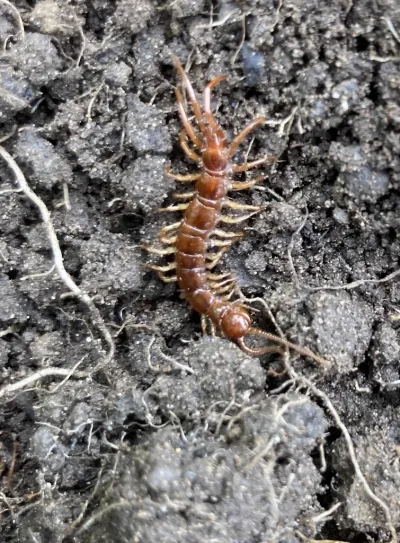
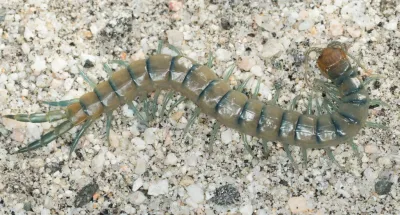
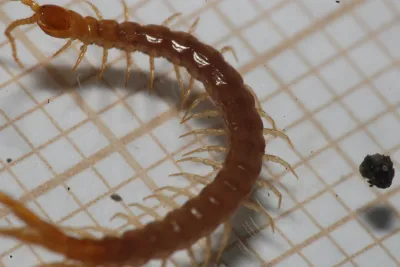
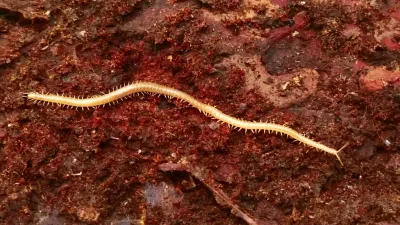
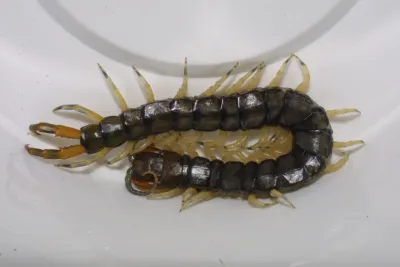
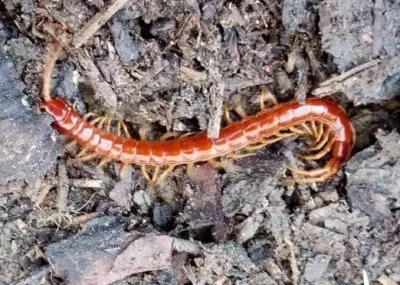
Explore other species in the centipedes family
Commonly Confused With
Soil Centipedes are often mistaken for these similar pests
Where Soil Centipedes Are Found
Hover over states to see their names. Green regions indicate where soil centipedes have been reported.
Common Questions about Soil Centipedes
What are soil centipedes?
+
Soil centipedes belong to the order Geophilomorpha, a group of blind, burrowing centipedes adapted for underground life. They have long, slender bodies with many leg pairs that allow them to navigate through soil and under debris.
Are soil centipedes dangerous to humans?
+
Soil centipedes are not dangerous to humans. They have venomous forcipules for catching prey, but they rarely bite people. When they do bite, it usually causes only minor pain like a bee sting. This is not medical advice. Always consult a doctor for any health concerns after a bite.
Why are soil centipedes in my house?
+
Soil centipedes occasionally enter homes when outdoor conditions become too dry or too wet. They may also follow prey or accidentally wander in through cracks and gaps in the foundation. High indoor humidity, especially in basements and crawl spaces, can make your home appealing to them.
How can I tell the difference between soil centipedes and house centipedes?
+
Soil centipedes have long, thin bodies with short legs close to the body and no visible eyes. House centipedes have distinctive long, banded legs that extend far from the body and visible compound eyes. Soil centipedes move slowly through soil, while house centipedes run quickly across surfaces.
Do soil centipedes harm gardens?
+
No, soil centipedes do not damage plants or garden structures. They prey on small insects, larvae, and other soil-dwelling invertebrates. However, if their presence in your garden bothers you or they are entering your home, treatment options are available.
How do I get rid of soil centipedes indoors?
+
Reducing moisture levels is the most effective long-term solution. Use dehumidifiers in basements and crawl spaces, fix plumbing leaks, and ensure proper drainage around your foundation. Sealing cracks and gaps in the foundation prevents their entry.
How many legs do soil centipedes have?
+
Soil centipedes have an odd number of leg pairs, ranging from 27 to 191 pairs depending on the species. The number is always odd because of how their body segments develop. Most common species have between 31 and 101 leg pairs.

With five years of hands-on experience in the pest control industry, George Schulz is a registered technician with the Virginia Pest Management Association and a proud third-generation professional in a family business that's been protecting homes for over 57 years. He manages and trains a team of service pros while also leading internal research efforts—recently spearheading a deep-dive review of thousands of documents on pest control materials to hand-pick the most kid and pet friendly, most effective solutions tailored specifically for homes in the DC metro area.