Garden Centipedes Identification Guide
Scutigerella immaculata
Garden centipedes, also known as garden symphylans, are small, white, soil-dwelling arthropods that can damage plant roots and seedlings. Despite their name, they are not true centipedes but belong to the class Symphyla.
Taxonomy
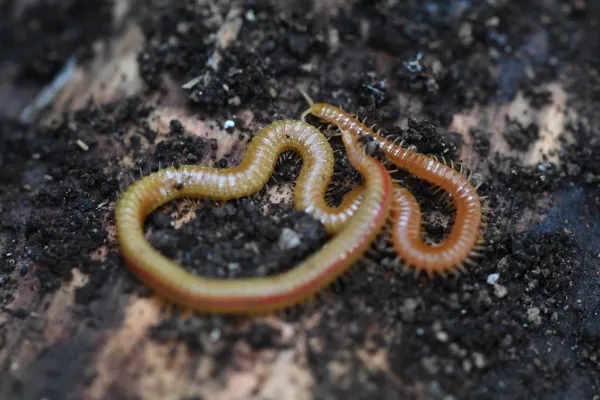
Garden Centipedes Coloration
Common color patterns to help identify garden centipedes
Garden Centipedes
Seasonal Activity
When garden centipedes are most active throughout the year
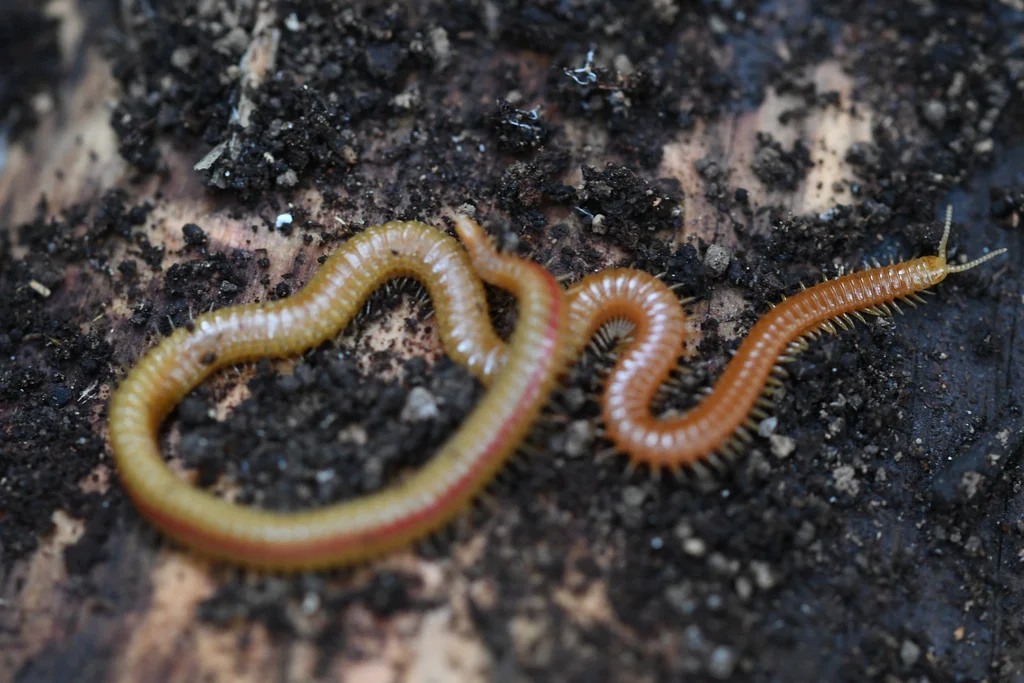
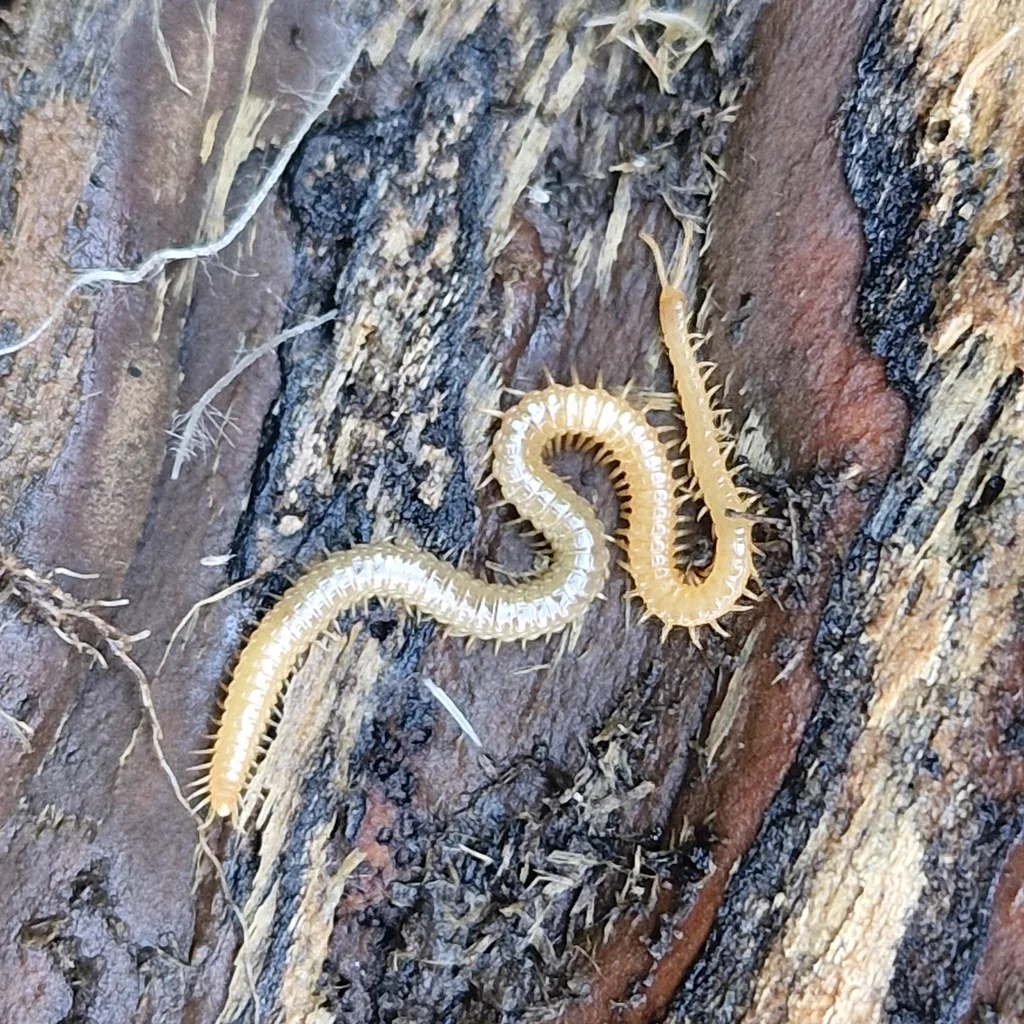
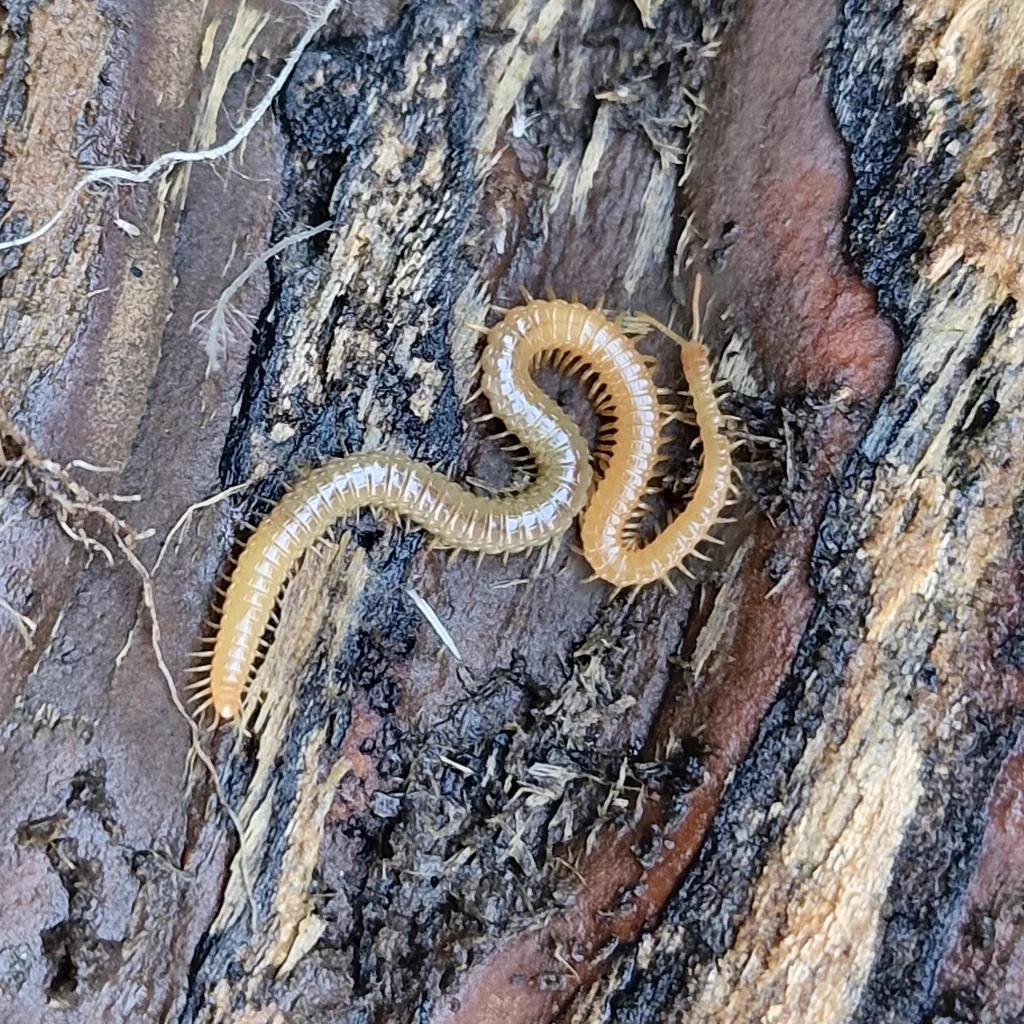

Where Garden Centipedes Are Found
Hover over states to see their names. Green regions indicate where garden centipedes have been reported.
Garden Centipede Identification Guide
Physical Characteristics
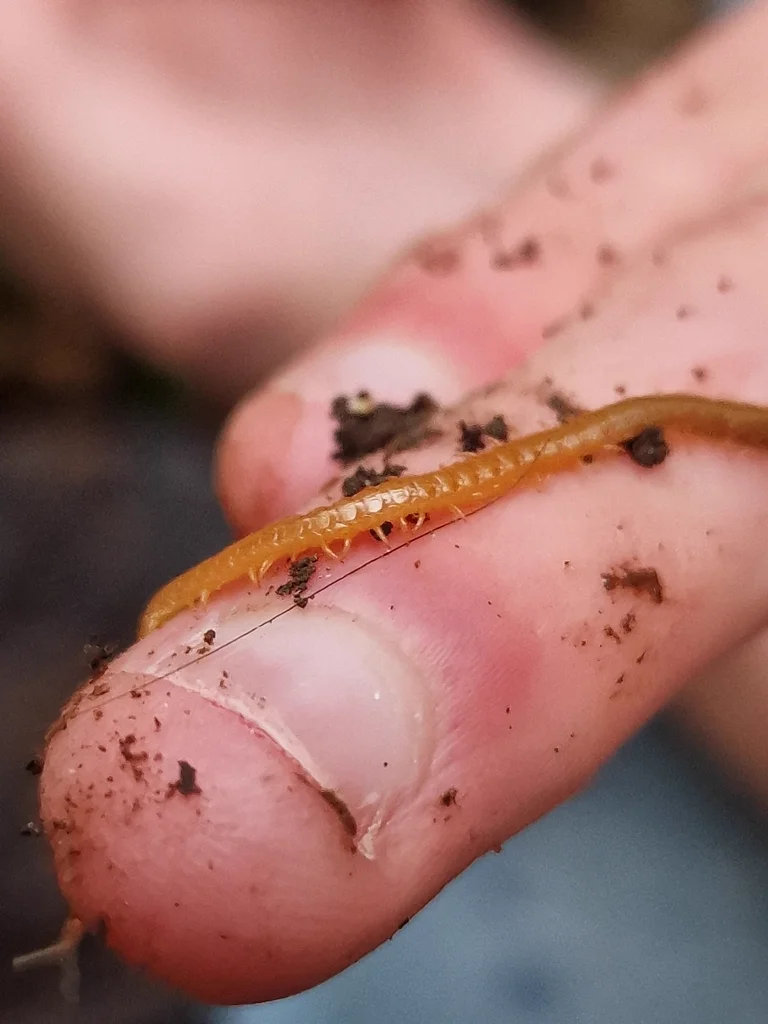
Garden centipedes (Scutigerella immaculata) are small, white creatures that live in soil. They belong to the class Symphyla rather than true centipedes (class Chilopoda). Despite their name, they are more correctly called garden symphylans. These pests measure only 2 to 8 millimeters (about 1/8 to 1/3 inch) when fully grown. Their small size makes them easy to miss in garden soil.
Adult garden centipedes have soft, white to cream-colored bodies with 14 segments. They have 10 to 12 pairs of legs (up to 24 legs total). They add new leg pairs as they molt and grow. Fine hairs cover their bodies on the sides and underside. Plates protect their backs. Long, beaded antennae extend from their heads. These serve as their main sense organs since they have no true eyes.
One key feature is the pair of silk-producing spinnerets on their 13th body segment. The final segment has sensory hairs that detect vibrations in the soil. Unlike true centipedes, garden centipedes have no venom and cannot bite humans.
Distinguishing Garden Centipedes from Similar Pests
Garden centipedes are often confused with other small, many-legged soil creatures:
-
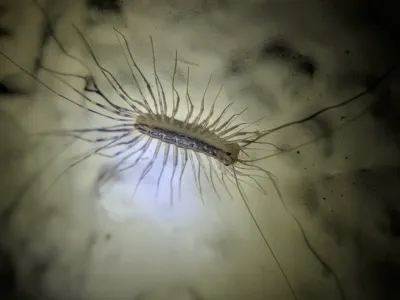
House Centipedes: House centipedes are much larger (1 to 1.5 inches). They have 15 pairs of very long, banded legs and have venomous claws. They are fast predators found indoors. Garden centipedes are small, live in soil, and feed on plants.
-
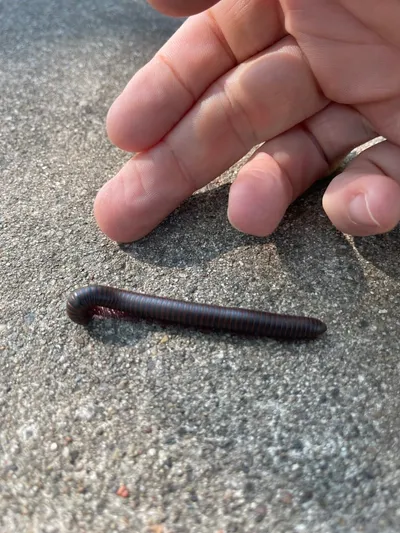
Millipedes: Millipedes have round bodies with two pairs of short legs per segment. They move slowly. Garden centipedes are flat, have one pair of legs per segment, and move quickly through soil.
-
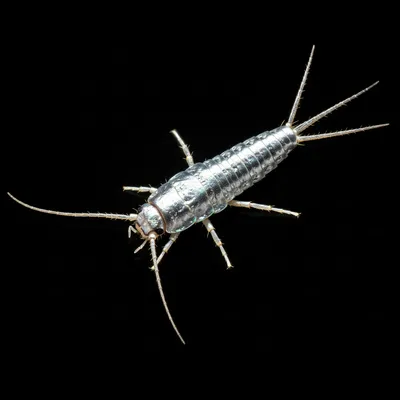
Silverfish: Silverfish are wingless insects with only 6 legs. They have silvery scales and three tail-like parts. They prefer indoor spaces and feed on starches, not plant roots.
-
Springtails: Springtails are much smaller. They have only 6 legs and a forked jumping part. Both live in soil, but springtails mainly eat fungi and decaying matter instead of living plant roots.
Garden Centipede Behavior and Biology
Habitat Preferences
Garden centipedes thrive in the same soil conditions that gardeners work to create. They love loose, rich soil with plenty of organic matter and steady moisture. They need spaces between soil particles because they cannot dig their own tunnels. They move through existing cracks and channels in the soil. This makes them a big problem in well-prepared garden beds, greenhouses, and farm fields.
Sandy soils and packed soils rarely have many symphylans. These soils lack the connected pore networks these creatures need. Heavy clay soils with good structure can hold large populations. Garden centipedes live throughout North America. They cause the most crop damage in the Pacific Northwest, California, and other regions with mild climates and heavy vegetable farming. A related species, Common Desert Centipede, shares similar characteristics.
Diet and Feeding Behavior A related species, Cryptops Centipedes, shares similar characteristics.
Garden centipedes eat many types of soil materials: A related species, Eastern Bark Centipedes, shares similar characteristics.
- Root hairs and fine roots of growing plants
- Sprouting seeds
- Seedling stems touching the soil
- Decaying organic matter
- Fungal threads
- Other tiny soil organisms A related species, Brown Centipedes, shares similar characteristics.
They mainly harm plants by eating root hairs and tender new roots. Seedlings and new transplants suffer the most damage. Young plants cannot survive when they lose their growing root systems. Older plants may survive but often show stunted growth, yellow leaves, and wilting even with enough water. Garden centipedes can also eat organic matter and soil organisms. This lets their populations survive even when no plants are growing.
Life Cycle and Reproduction
Garden centipedes hatch from eggs as tiny versions of adults. Young ones start with only 6 to 7 pairs of legs. They add more leg pairs each time they shed their skin (molt). Adults end up with 12 pairs of legs. They keep molting throughout their entire lives.
Females lay eggs in small groups of 4 to 25 in the soil. Eggs hatch in about 40 days under good conditions. The full growth from egg to adult takes about one year. This can change based on temperature and moisture. Adults can live for several years. Some live up to four years, which is very long for small soil creatures.
You can find eggs, young, and adults in soil all year long. Egg-laying peaks in early spring and fall. This year-round presence means these pests are always ready to attack new plantings.
Movement and Vertical Migration
Even though they are blind, garden centipedes move quickly through soil pores. They move up and down in the soil based on:
- Soil moisture levels
- Temperature changes
- Time of day
- Seasonal conditions
- Whether crops are present
When the soil is dry or hot, they move deeper where moisture stays stable. When surface conditions improve, they move up to feed on plant roots. This up-and-down movement makes them hard to find and control. When you check for them, they may be deep below the surface.
Treatment Methods for Garden Centipedes
Garden centipede control is tricky. They live in soil, move up and down, and can survive without plants. Good control usually needs a mix of methods including cultural, physical, and chemical approaches.
Cultural Control Methods
Tillage: Tilling the soil breaks up the channels these pests need to move. Multiple passes between plantings work better than tilling just once. Breaking up the soil seals the pore spaces and can greatly reduce their numbers.
Soil Compaction: Lightly packing soil after planting can block their access to new roots and seedlings. This goes against normal gardening advice, but it can help in areas with heavy infestations.
Crop Rotation: Switching to crops they don’t like or leaving beds empty can help lower their numbers. Keep in mind they can survive on organic matter when no crops are growing.
Monitoring and Detection
Finding them early is key to managing garden centipedes. Here are some ways to check for them:
Bait Trapping: Cut potatoes or carrots in half lengthwise. Bury them cut-side down in shallow holes about 2 to 3 inches deep. Check the baits after 24 to 48 hours for symphylans feeding on the moist surfaces.
Soil Sampling: Dig shovel-sized soil samples and look for small, white, fast-moving creatures. Finding more than 5 to 10 per shovelful means you may have crop damage in plants they like to eat.
Chemical Treatment Considerations
Pesticides work best as a preventive step before or at planting time. Once crops are growing, treatments often fail because symphylans can retreat deep in the soil. Always check that products are labeled for symphylan control on your intended crops.
Environmental Modification
Making conditions less favorable can help reduce their numbers:
- Do not add too much organic matter to problem areas
- Let soil dry between waterings when you can
- Try planting in raised beds with clean soil mixes
- Remove crop debris right after harvest
References
Other Centipedes
Explore other species in the centipedes family
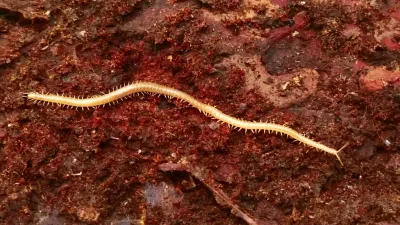
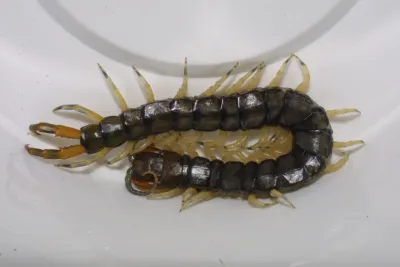
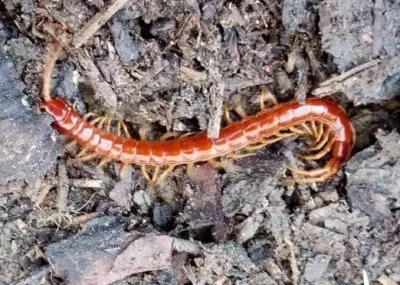
Commonly Confused With
Garden Centipedes are often mistaken for these similar pests
Where Garden Centipedes Are Found
Hover over states to see their names. Green regions indicate where garden centipedes have been reported.
Common Questions about Garden Centipedes
Are garden centipedes harmful to humans?
+
No, garden centipedes (symphylans) are not harmful to humans. Unlike true centipedes, they have no venom or biting parts that can pierce human skin. They only live in soil and feed on plant roots and organic matter.
Why are garden centipedes damaging my plants?
+
Garden centipedes feed on plant roots, especially fine root hairs and tender new growth. They harm seedlings and transplants the most because young plants cannot survive when they lose their growing root systems. Older plants may show stunted growth or wilting even with enough water.
How do I know if I have garden centipedes in my soil?
+
Look for small, white, fast-moving creatures when digging in moist garden soil. You can also use bait traps with cut potato or carrot pieces buried in shallow holes. Check the bait after 24 to 48 hours for symphylans feeding on the cut surfaces.
What conditions attract garden centipedes?
+
Garden centipedes thrive in soil with good structure, high organic matter, and steady moisture. The conditions most gardeners try to create (loose, rich, well-amended soil) are exactly what symphylans prefer.
Can garden centipedes survive without plants?
+
Yes, symphylans can survive in soil without plants by eating decaying organic matter, fungal threads, and other soil organisms. This lets populations survive between growing seasons and quickly attack new plantings.
How deep in the soil do garden centipedes live?
+
Garden centipedes move up and down through the soil based on temperature and moisture. They are usually found from the surface down to about 20 inches deep. Some have been found at depths over 3 feet. They cannot dig tunnels and must use existing soil pores to move.
How long do garden centipedes live?
+
Garden centipedes can live for several years. Some adults survive up to four years. They keep molting throughout their lives, which is rare among small soil creatures. This long life helps them stay in garden soils.

With five years of hands-on experience in the pest control industry, George Schulz is a registered technician with the Virginia Pest Management Association and a proud third-generation professional in a family business that's been protecting homes for over 57 years. He manages and trains a team of service pros while also leading internal research efforts—recently spearheading a deep-dive review of thousands of documents on pest control materials to hand-pick the most kid and pet friendly, most effective solutions tailored specifically for homes in the DC metro area.