Florida Blue Centipede Identification Guide
Scolopendra viridis
The Florida blue centipede is a striking predatory arthropod known for its distinctive blue-striped coloration. Found throughout the southeastern United States and Mexico, this fast-moving centipede delivers a painful but not medically significant bite when threatened.
Taxonomy
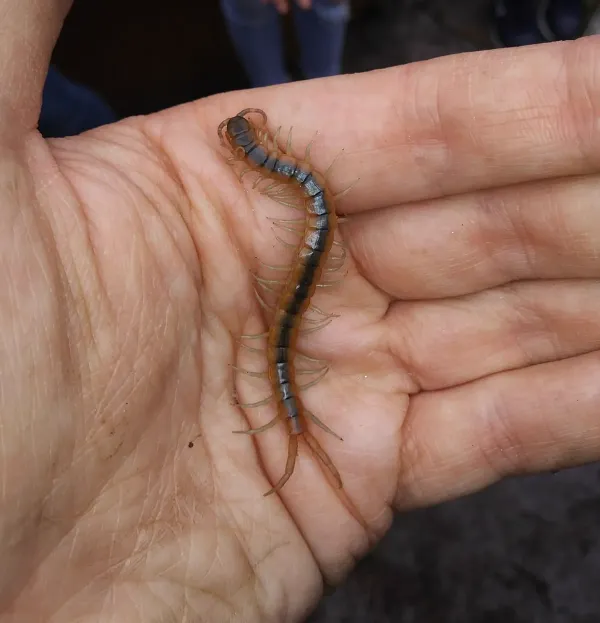
Florida Blue Centipede Coloration
Common color patterns to help identify florida blue centipede
Florida Blue Centipede
Seasonal Activity
When florida blue centipede are most active throughout the year
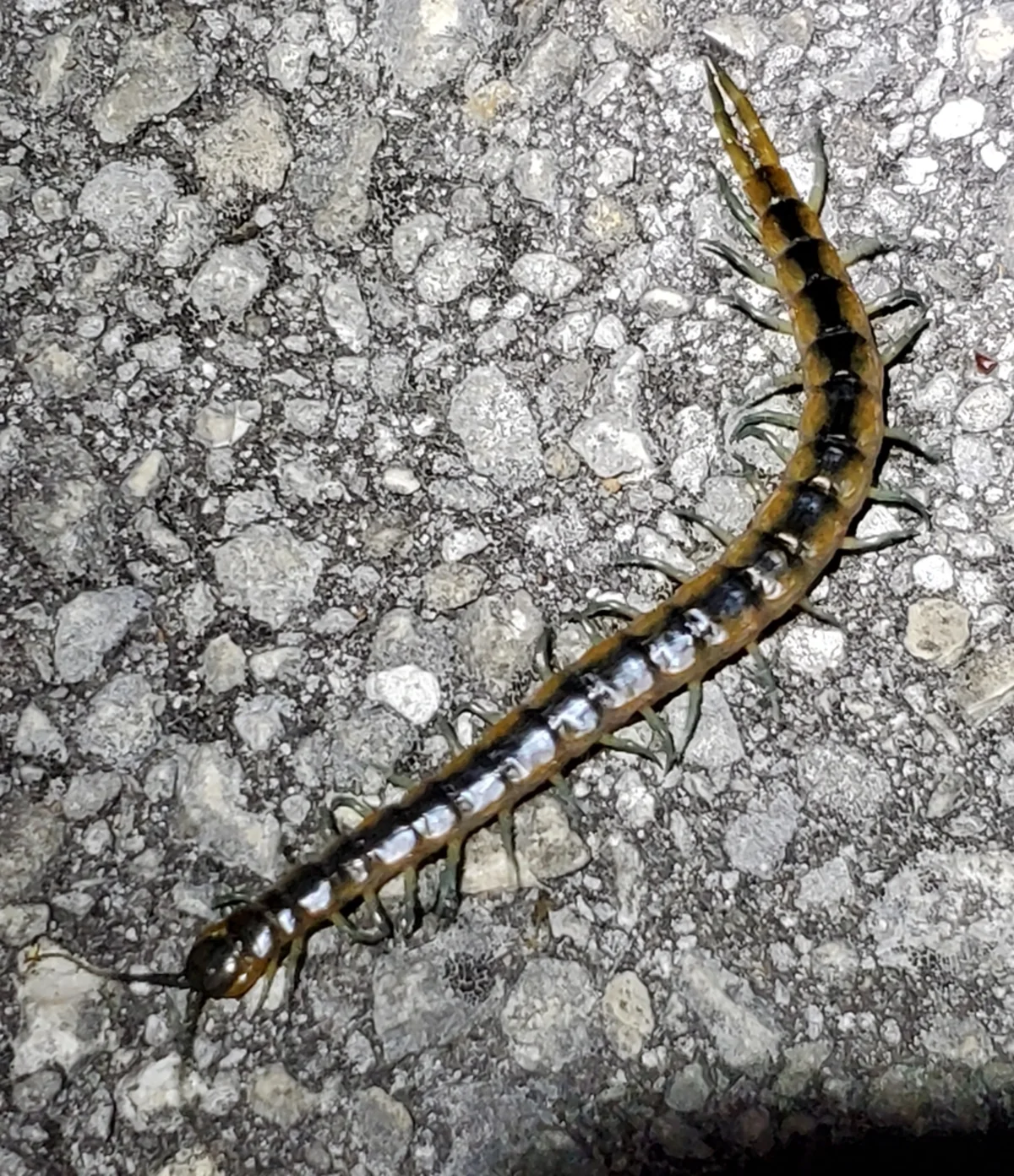
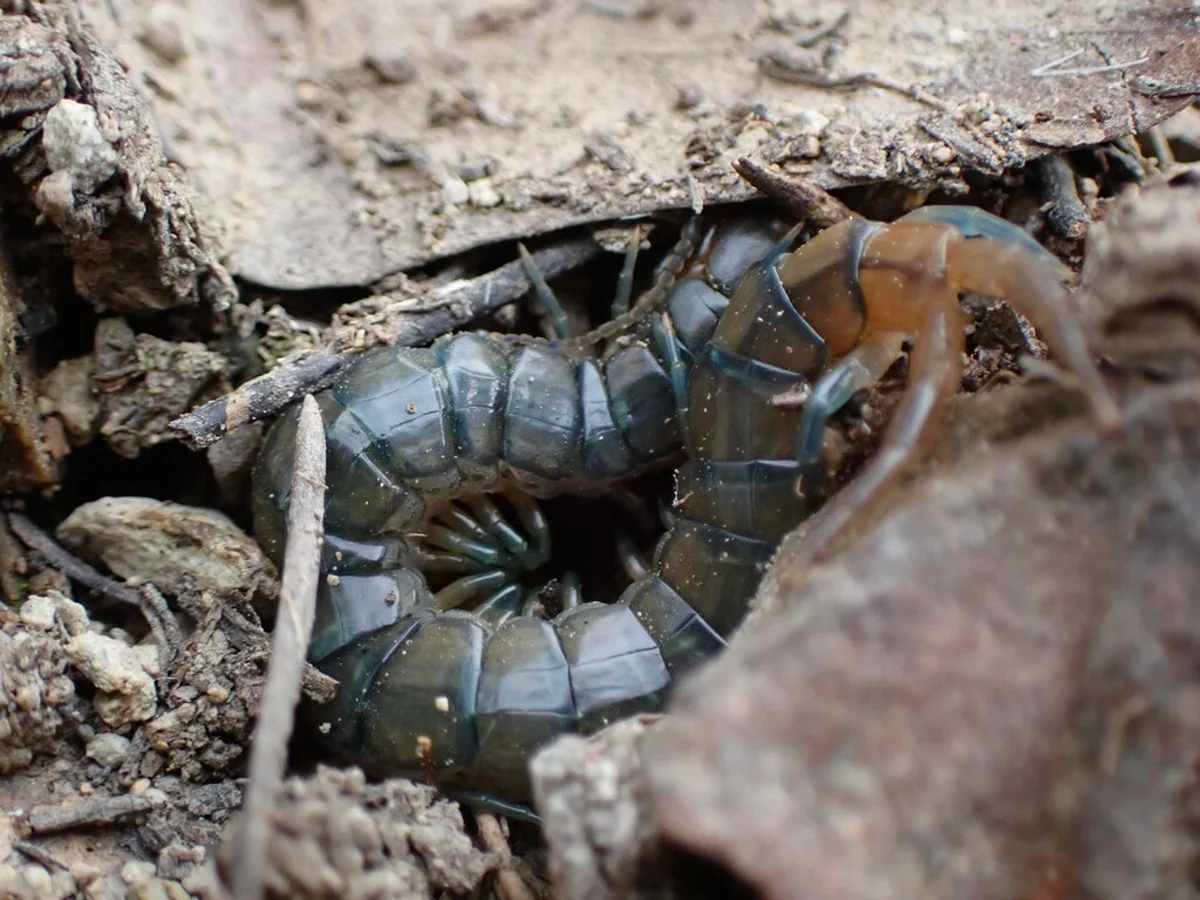
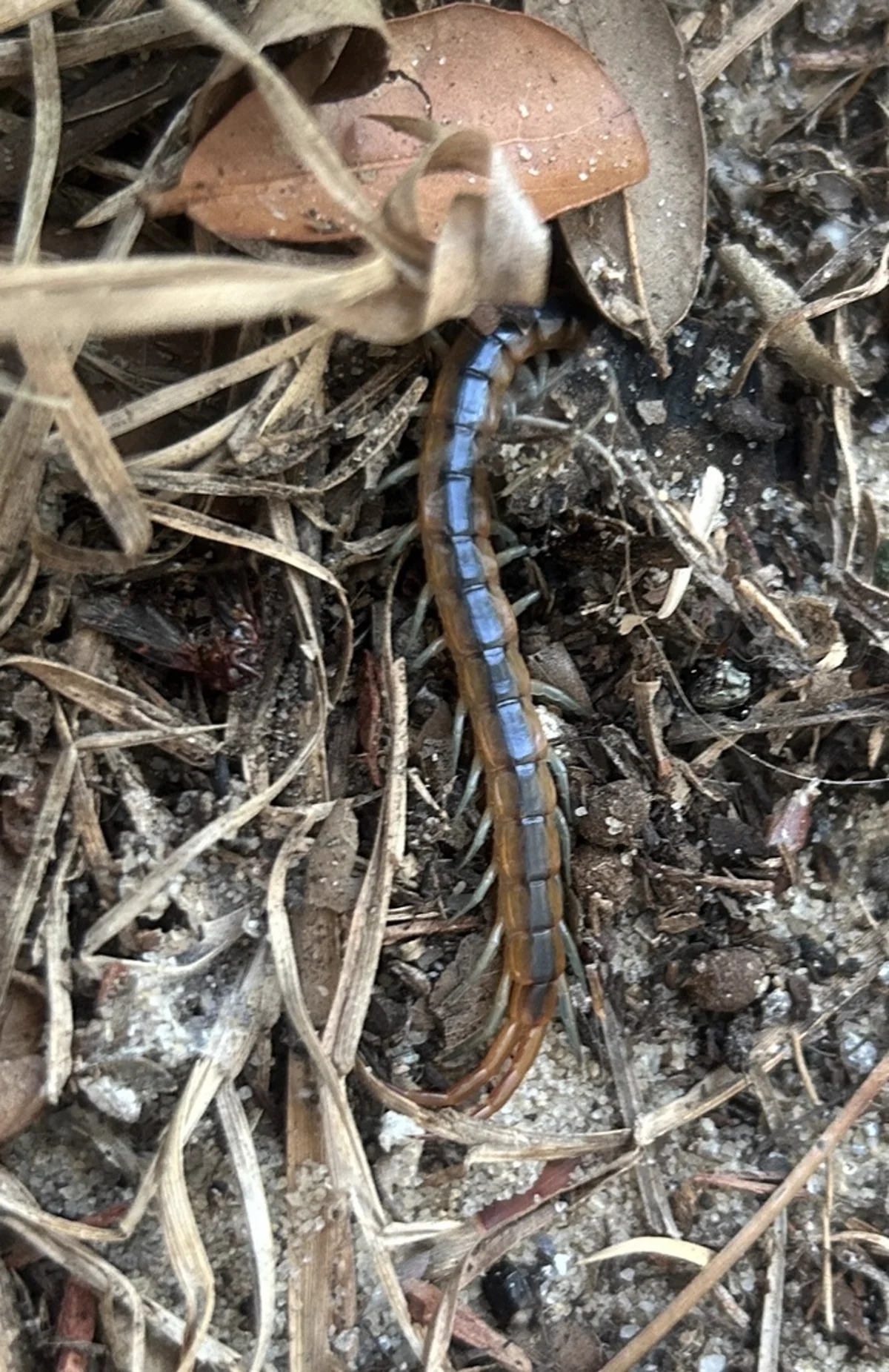

Where Florida Blue Centipede Are Found
Hover over states to see their names. Green regions indicate where florida blue centipede have been reported.
Florida Blue Centipede Identification Guide
Physical Characteristics
The Florida blue centipede (Scolopendra viridis) is a striking member of the giant centipede family Scolopendridae. Adults typically measure 2 to 4 inches in length, with some individuals reaching slightly larger sizes. Their elongated, flattened bodies consist of 21 body segments, each bearing a single pair of legs, giving them a total of 42 legs (21 pairs).
The species exhibits remarkable color variation across its range, appearing in several distinct morphs. The most famous is the “blue-striped morph,” featuring a brown to pale tan body with a vivid electric-blue stripe running dorsally from head to tail. Other color variations include solid greenish-blue specimens, brownish individuals with yellow legs, and darker morphs with reddish-brown coloration. The legs often display contrasting colors—yellow, orange, or reddish—that stand out against the body.
Like all centipedes, Scolopendra viridis possesses a pair of modified front legs called forcipules, which function as venomous fangs for capturing prey. Their antennae are relatively short compared to house centipedes, and they lack the well-developed compound eyes of their faster-moving relatives.
Distinguishing Florida Blue Centipedes from Similar Species
Florida blue centipedes can be confused with other multi-legged arthropods:
-
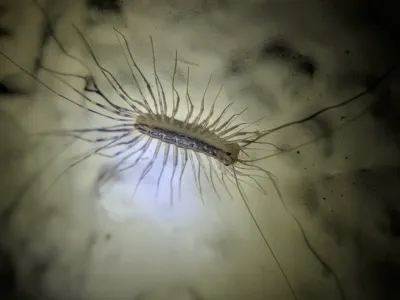
House Centipedes: House centipedes are much smaller with extremely long, delicate legs and large compound eyes. They have 15 leg pairs (versus 21) and move with a distinctive rapid, darting motion. House centipedes are gray-yellow with banding, not blue.
-
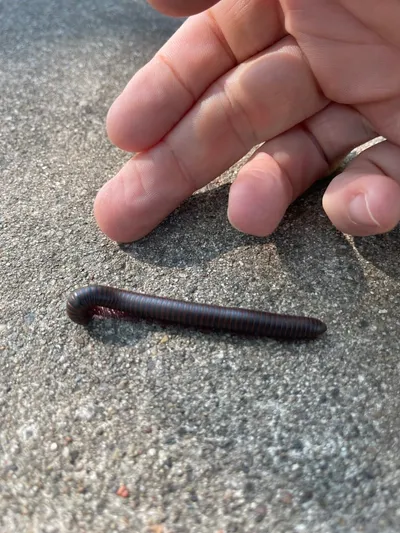
Millipedes: Millipedes have cylindrical bodies with two pairs of short legs per body segment. They move slowly, curl defensively, and feed on decaying plant matter—unlike the fast, predatory Florida blue centipede.
-
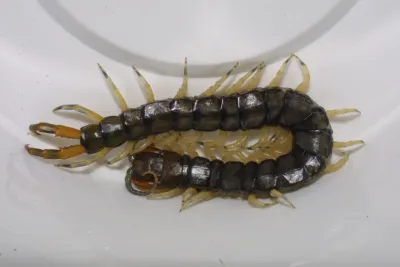
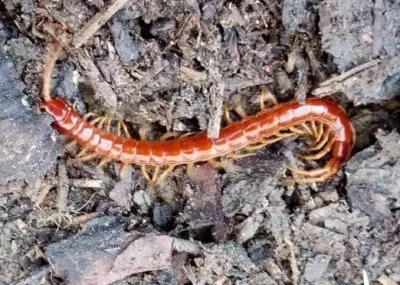
Other Scolopendra species: The Texas red-headed centipede (Scolopendra heros) is larger with a distinctive red head and yellow legs. The bark centipede (Hemiscolopendra marginata) is smaller and lacks the blue coloration.
Florida Blue Centipede Behavior and Biology
Habitat and Distribution
Florida blue centipedes inhabit a variety of environments throughout the southeastern United States and Mexico. Despite their common name, they are not restricted to Florida. Their confirmed range includes Alabama, Arizona, Arkansas, California, Colorado, Florida, Georgia, Illinois, Kansas, Kentucky, Louisiana, Mississippi, Nebraska, Nevada, New Mexico, North Carolina, Oklahoma, Oregon, South Carolina, Tennessee, Texas, and Wisconsin. They are also widespread throughout Mexico, with records from the Yucatan Peninsula to Baja California.
These centipedes favor humid microhabitats and are commonly found:
- Under bark on dead or dying trees
- Beneath rocks, logs, and leaf litter
- In loose soil and mulch beds
- Under landscape timbers and debris
- In protected outdoor structures A related species, Common Desert Centipede, shares similar characteristics.
The species shows habitat-associated color variation, with different morphs predominating in different environments. A related species, Cryptops Centipedes, shares similar characteristics.
Diet and Predatory Behavior A related species, Eastern Bark Centipedes, shares similar characteristics.
Florida blue centipedes are aggressive nocturnal predators. They actively hunt a variety of small invertebrates including: A related species, Brown Centipedes, shares similar characteristics.
- Insects (cockroaches, beetles, crickets)
- Spiders
- Other centipedes
- Small arthropods
- Occasionally small vertebrates (for larger specimens)
They ambush or pursue prey, using their speed and venomous forcipules to quickly subdue victims. Their venom contains a complex mixture of toxins including calcium and potassium ion-channel toxins, metalloproteases, and pore-forming toxins that paralyze prey and begin the digestive process.
Reproduction and Life Cycle
Female Florida blue centipedes are attentive mothers. After mating, females lay clusters of eggs in protected underground chambers. The mother curls around her eggs to protect them from predators and fungal growth, remaining with them until they hatch. This maternal care behavior is characteristic of Scolopendra centipedes.
Young centipedes hatch with a full complement of legs (unlike house centipedes, which add leg pairs as they grow). Juveniles undergo multiple molts as they mature, gradually increasing in size over several years. Under favorable conditions, Florida blue centipedes can live 10 years or longer.
Defensive Behavior and Venom
When threatened, Florida blue centipedes typically flee rapidly toward the nearest cover. However, if cornered or handled, they will not hesitate to bite defensively. Their venom, while not medically dangerous to healthy adults, produces significant pain described as similar to or worse than a bee sting. Symptoms may include:
- Immediate sharp pain at the bite site
- Prolonged burning sensation
- Localized swelling and redness
- Potential skin irritation or rash
Most symptoms resolve within 48 hours, though swelling may persist for up to three weeks in some cases. Severe allergic reactions are rare but possible, particularly in individuals sensitive to insect venoms.
Treatment Methods for Florida Blue Centipedes
Controlling Florida blue centipedes involves environmental management and targeted treatments that address both the centipedes and the conditions that attract them.
Habitat Modification
Reducing suitable harborage is the most effective long-term strategy:
- Remove debris: Clear leaf litter, fallen branches, and decaying wood from around foundations
- Manage mulch: Keep mulch beds thin (2-3 inches) and maintain a buffer zone between mulch and structures
- Control moisture: Fix irrigation leaks, improve drainage, and reduce standing water
- Eliminate hiding spots: Store firewood away from the home, remove landscape timbers touching structures
Exclusion Methods
Preventing centipede entry reduces indoor encounters:
- Seal cracks and gaps in foundations
- Install door sweeps and repair damaged weatherstripping
- Screen vents and utility openings
- Caulk around pipes, wires, and conduit penetrations
Chemical Control
When centipede populations warrant treatment:
- Perimeter applications: Granular or liquid insecticides applied to foundation perimeters create barriers
- Crack and crevice treatments: Targeted applications to entry points and harborage areas
- Indoor treatments: Residual products applied to baseboards and known activity areas
Prey Reduction
Since centipedes follow food sources, managing populations of insects and other prey helps reduce centipede presence:
- Address cockroach or cricket infestations
- Control spider populations around structures
- Reduce outdoor lighting that attracts insects
References
Other Centipedes
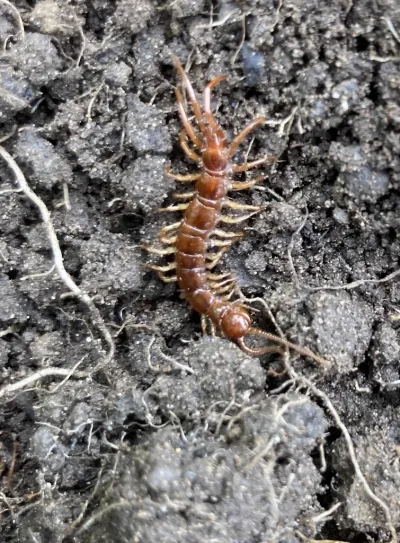
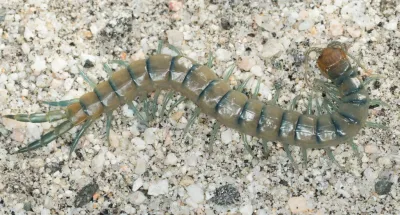
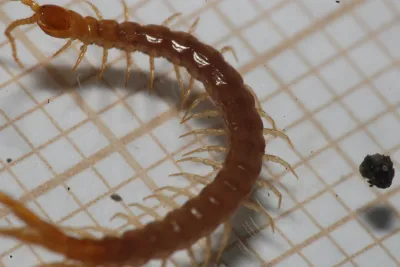
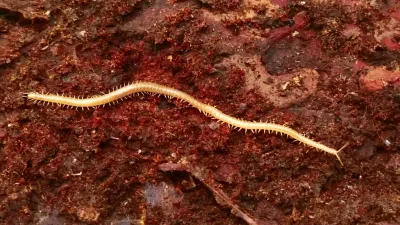
Explore other species in the centipedes family
Commonly Confused With
Florida Blue Centipede are often mistaken for these similar pests
Where Florida Blue Centipede Are Found
Hover over states to see their names. Green regions indicate where florida blue centipede have been reported.
Common Questions about Florida Blue Centipede
Is the Florida blue centipede dangerous?
+
Florida blue centipedes possess venom and can deliver a painful bite when handled or provoked. The bite is comparable to a bee sting in intensity and is not considered medically significant to healthy adults. However, the pain can be intense with a prolonged burning sensation. Children, elderly individuals, or those with allergies should seek medical attention if bitten. This is not medical advice—always consult a doctor for any health concerns following a bite.
How big do Florida blue centipedes get?
+
Adult Florida blue centipedes typically reach 2 to 4 inches (50-100mm) in length, making them one of the larger centipede species in North America. Some individuals may grow slightly larger under optimal conditions.
Why is it called a 'blue' centipede?
+
The species displays several color morphs, with the most distinctive being the 'blue-striped morph' featuring an electric-blue vertical stripe running from head to tail along a brown or pale body. The intensity of blue coloration varies between individuals and populations.
Where are Florida blue centipedes found?
+
Despite their name, Florida blue centipedes range throughout the southeastern United States, from Florida to Texas and northward into states like Alabama, Georgia, and the Carolinas. They also occur widely throughout Mexico and into Central America.
What do Florida blue centipedes eat?
+
Florida blue centipedes are carnivorous predators that feed primarily on insects, spiders, and other small arthropods. They use their venomous forcipules (modified front legs) to capture and subdue prey.
Can Florida blue centipedes live indoors?
+
While primarily outdoor dwellers, Florida blue centipedes may enter homes seeking moisture, prey, or shelter. They can be found in damp areas like basements, bathrooms, and crawl spaces. Reducing moisture and sealing entry points helps prevent indoor infestations.
How long do Florida blue centipedes live?
+
Florida blue centipedes have relatively long lifespans for arthropods, potentially living 10 years or more under favorable conditions. This longevity is common among members of the Scolopendra genus.

With five years of hands-on experience in the pest control industry, George Schulz is a registered technician with the Virginia Pest Management Association and a proud third-generation professional in a family business that's been protecting homes for over 57 years. He manages and trains a team of service pros while also leading internal research efforts—recently spearheading a deep-dive review of thousands of documents on pest control materials to hand-pick the most kid and pet friendly, most effective solutions tailored specifically for homes in the DC metro area.