Eastern Red Centipedes Identification Guide
Scolopocryptops sexspinosus
Eastern red centipedes are reddish-orange predatory arthropods found throughout eastern North America. They live in moist habitats beneath rotting logs, rocks, and leaf litter, occasionally entering basements and crawl spaces.
Taxonomy
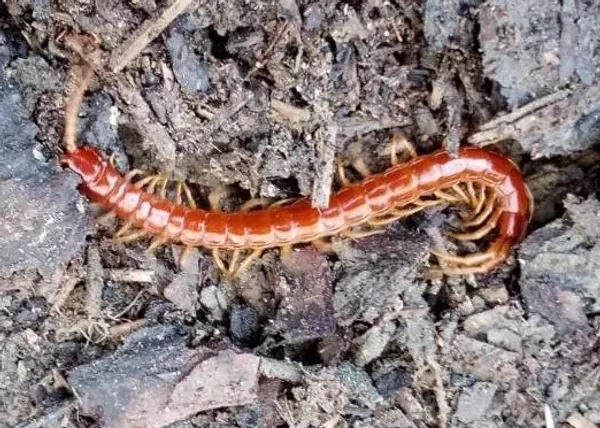
Eastern Red Centipedes Coloration
Common color patterns to help identify eastern red centipedes
Eastern Red Centipedes
Seasonal Activity
When eastern red centipedes are most active throughout the year
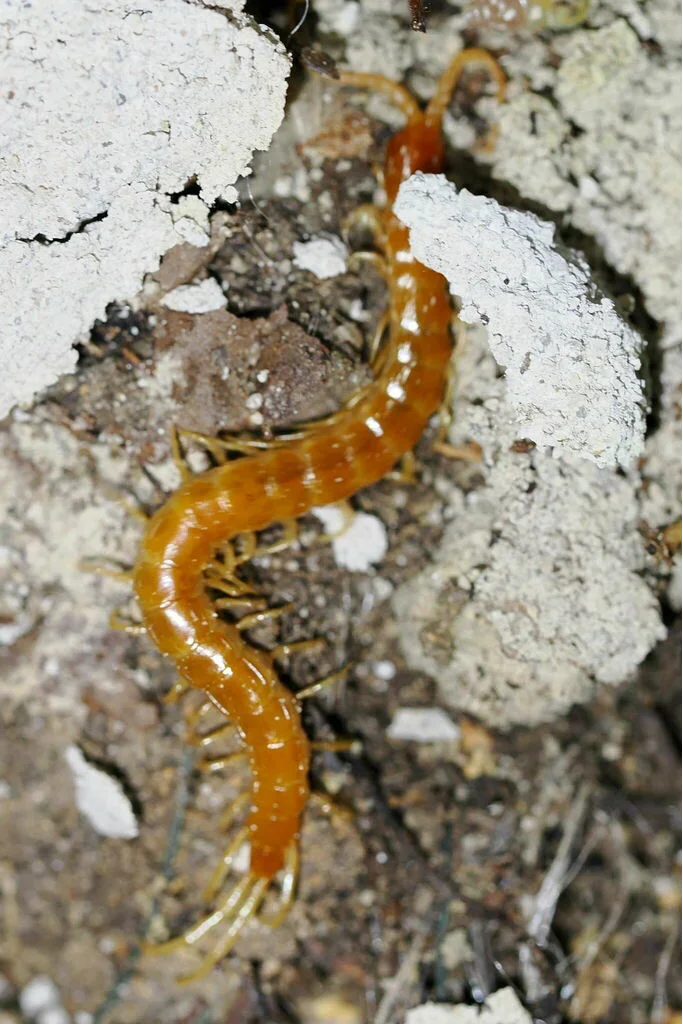
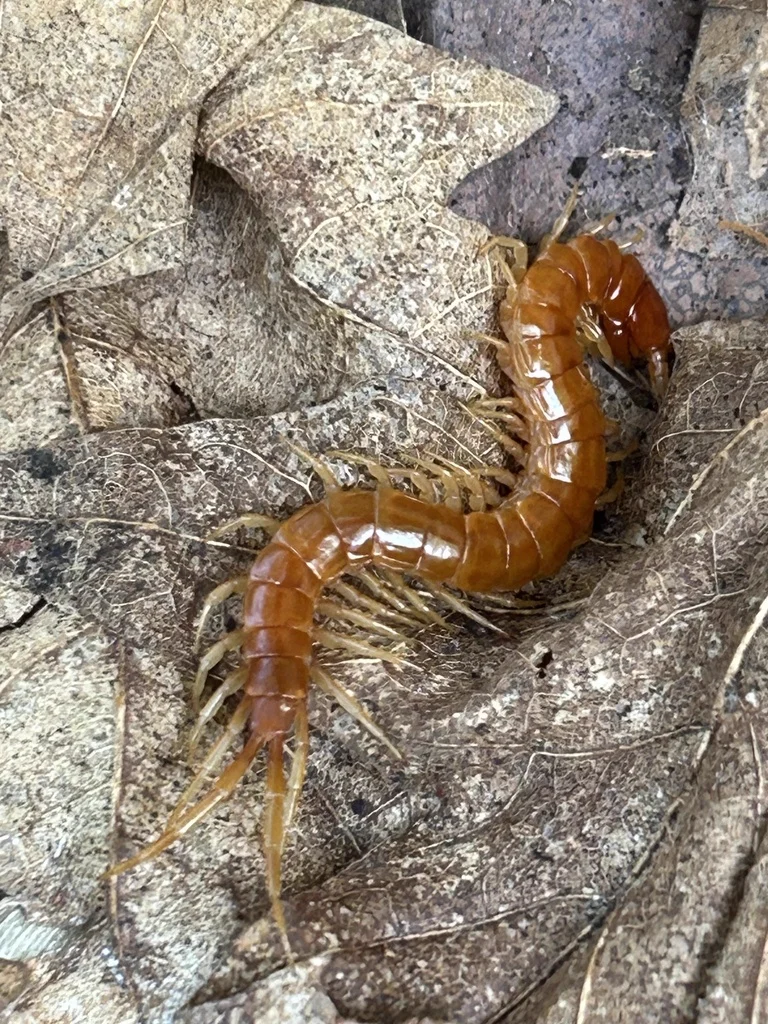
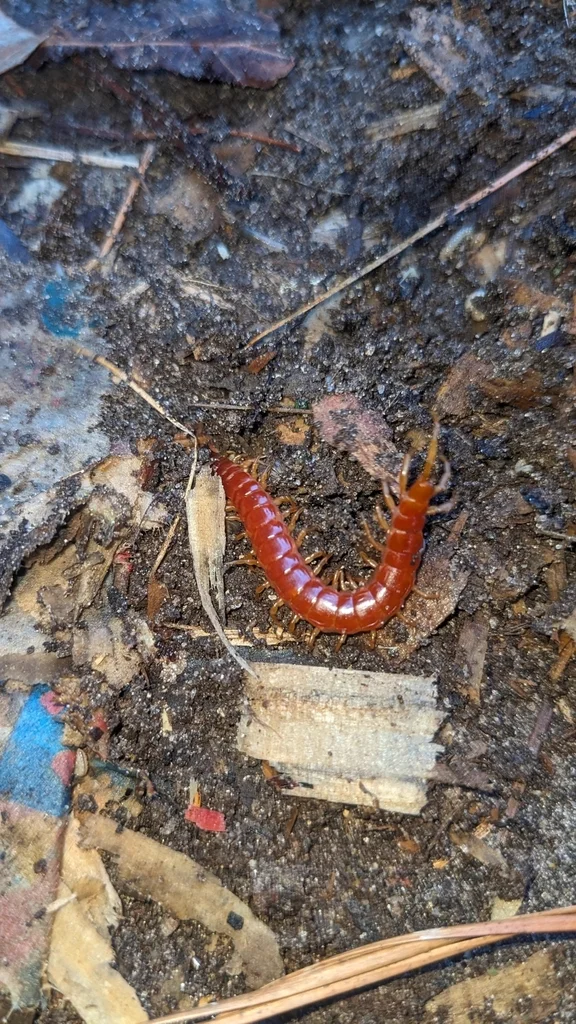

Where Eastern Red Centipedes Are Found
Hover over states to see their names. Green regions indicate where eastern red centipedes have been reported.
Eastern Red Centipede Identification Guide
Physical Characteristics
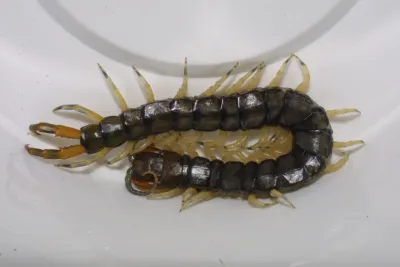
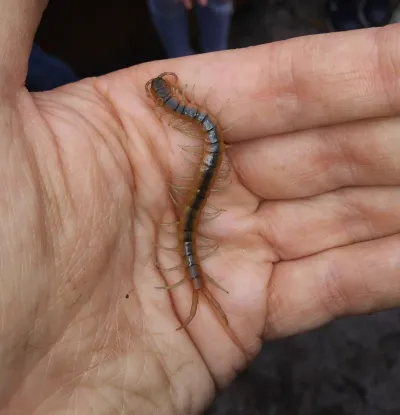
Eastern red centipedes (Scolopocryptops sexspinosus) are medium to large centipedes. They usually measure 1 to 3 inches long. You can spot them by their reddish-orange body and yellow legs. Centipedes from the Southeast may look browner. Those from northern areas often have brighter orange colors.
These centipedes have 23 pairs of legs (46 total), with one pair on each body segment. Their flat, long bodies help them squeeze through tight spaces in soil and rotting wood. Short, dense hairs cover their antennae.
Eastern red centipedes have no eyes and are blind. They use their antennae to find prey and move around. Their front legs contain venom glands that help them catch food.
Similar Species
Eastern red centipedes look like several other pests:
-
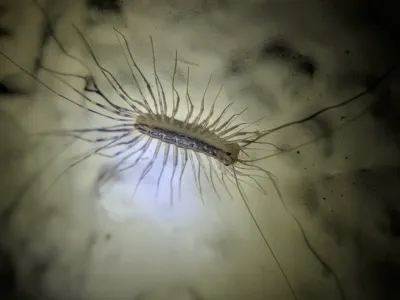
House Centipedes: House centipedes have very long, striped legs and visible eyes. Eastern red centipedes have shorter legs and no visible eyes. House centipedes move faster and often appear on walls.
-
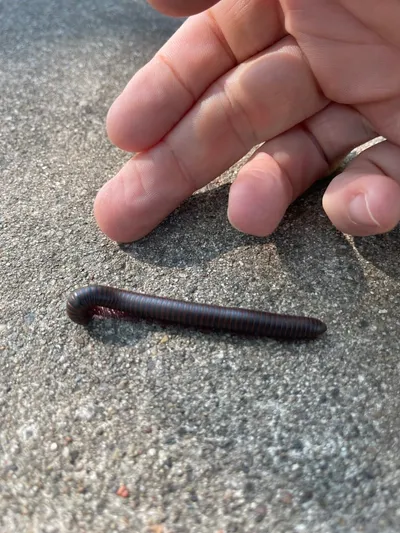
Millipedes: Millipedes have round bodies with two pairs of short legs per segment. They move slowly. Centipedes have flat bodies with one pair of legs per segment and move quickly.
-
Brown Centipedes: Brown centipedes are smaller, usually under 1.5 inches. They have a uniform brown color. Eastern red centipedes are larger with a reddish-orange color.
Eastern Red Centipede Behavior and Biology
Natural History
Eastern red centipedes are native to eastern North America. They are one of the most common centipede species in their range. They belong to the order Scolopendromorpha, which includes some of the largest centipedes in the world. However, eastern red centipedes are smaller than their tropical cousins.
Scientists have found that these centipedes may include two different groups. A northern group lives from West Virginia and Virginia northward. A southern group ranges from Georgia and South Carolina through the Deep South. Both groups overlap in the Great Smoky Mountains and parts of Alabama.
Habitat Preferences
Eastern red centipedes need moist, sheltered places. You can find them: A related species, Common Desert Centipede, shares similar characteristics.
- Inside rotting logs and stumps
- Under large rocks and stones
- In deep leaf litter and forest debris
- In soil beneath mulch and landscaping
- In hardwood forests (not pine forests) A related species, Cryptops Centipedes, shares similar characteristics.
They prefer mature hardwood forests and coastal areas with regular moisture. In Virginia, they live from sea level to high mountain areas. This shows they can adapt as long as moisture levels are right. A related species, Eastern Bark Centipedes, shares similar characteristics.
When conditions are moist enough, they may enter homes. They often show up in basements, crawl spaces, and cellars where humidity is high. A related species, Stone Centipedes, shares similar characteristics.
Diet and Hunting Behavior
Eastern red centipedes are meat-eaters that ambush their prey. They use their venomous front legs to quickly paralyze what they catch. Their diet includes:
- Insects and their larvae
- Spiders
- Earthworms
- Other small creatures
House centipedes chase prey using speed and eyesight. Eastern red centipedes work differently. They use their antennae to sense movement and smells. They hide and wait, then strike when prey gets close.
Activity Patterns
Eastern red centipedes have a special skill: they can control their body temperature. This lets them stay active in both warm and cool weather. They are most active during summer, especially July through September.
These centipedes are active all year. They hunt mainly at night. During the day, they hide in moist spots like rotting logs and under rocks.
Life Cycle
Female eastern red centipedes lay eggs in protected spots in soil or rotting wood. They guard their eggs until they hatch. This parental care is not common among centipedes. Young centipedes have fewer legs than adults. They add more legs each time they shed their skin.
These centipedes grow slowly. They may take several years to become adults. Their slow growth and long life help keep their numbers stable.
How We Treat for Eastern Red Centipedes
We use targeted treatments plus changes to your environment. This makes your home less inviting to these moisture-loving pests.
Interior Inspection and Treatment
Our technician checks basements, crawl spaces, and other spots where centipedes may hide. We look for:
- Active centipedes and hiding spots
- Cracks and gaps in foundations
- Moisture problems or water leaks
- Other pests that centipedes eat
We apply a repellent treatment to baseboards, cracks, and areas where centipedes are active. This creates a barrier that keeps centipedes away from treated areas.
Exterior Treatment
We inspect the foundation, perimeter, and areas with mulch or landscaping. We pay close attention to rotting wood, leaf piles, and spots where centipedes may live.
We apply a granular treatment around the outside perimeter and mulch beds. This targets centipedes before they can enter your home.
Moisture Control Tips
Eastern red centipedes cannot live in dry places. Controlling moisture is key to long-term control:
- Fix plumbing leaks and improve drainage around the foundation
- Use dehumidifiers in basements and crawl spaces
- Make sure crawl spaces and utility areas have good airflow
- Keep mulch and debris at least 3-4 feet from the foundation
- Remove rotting logs, stumps, and leaf piles from near the home
- Fix any standing water problems
Sealing Entry Points
Blocking entry points helps keep centipedes out:
- Seal cracks and gaps in the foundation
- Seal around pipes and wires
- Install or repair door sweeps
- Make sure window wells drain well
Ongoing Prevention
Our tri-annual pest control plan includes regular visits to check for activity and reapply treatments as needed. This approach tackles both the current problem and what drew centipedes to your home.
References
Other Centipedes
Explore other species in the centipedes family
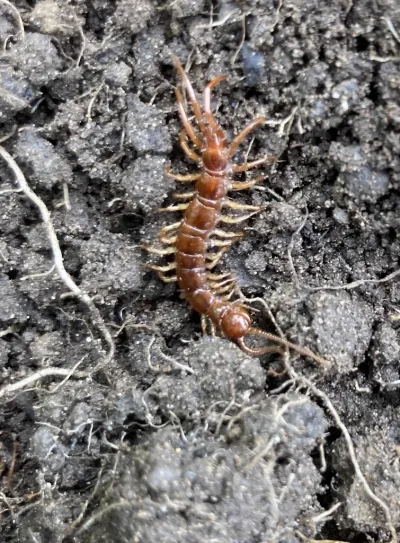
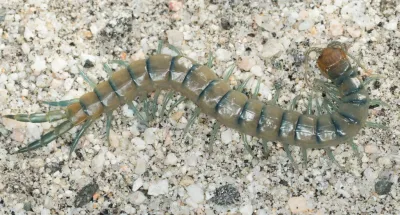
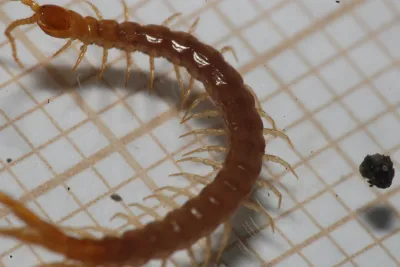
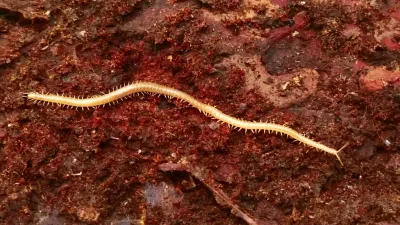
Commonly Confused With
Eastern Red Centipedes are often mistaken for these similar pests
Where Eastern Red Centipedes Are Found
Hover over states to see their names. Green regions indicate where eastern red centipedes have been reported.
Common Questions about Eastern Red Centipedes
Are eastern red centipedes dangerous to humans?
+
Eastern red centipedes have venomous front legs that they use to catch prey. They can bite if handled or threatened. However, they pose little health risk to humans. Bites usually cause pain, redness, and swelling like a bee sting. Severe reactions are rare but possible. This is not medical advice. Always consult a doctor for health concerns after a bite.
Why are there centipedes in my basement?
+
Eastern red centipedes need moist places to survive. They often enter basements and crawl spaces looking for humidity and food. If you see them, it usually means you have excess moisture. It may also mean you have other pests they are hunting, like insects and spiders.
How do I tell an eastern red centipede from a house centipede?
+
Eastern red centipedes are reddish-orange with flat bodies and short legs of similar length. House centipedes are yellowish-gray with very long, striped legs. The long legs make house centipedes look much bigger. House centipedes have visible eyes, while eastern red centipedes are blind.
Can eastern red centipedes climb walls?
+
Eastern red centipedes can climb but prefer to stay on the ground where moisture is higher. Unlike house centipedes, they rarely appear on walls or ceilings. They usually stay in contact with soil, leaf litter, or rotting wood.
What do eastern red centipedes eat?
+
Eastern red centipedes are hunters that eat insects, spiders, earthworms, and other small creatures. They ambush prey using their venomous front legs to quickly paralyze victims before eating.
Do eastern red centipedes come out at night?
+
Yes, eastern red centipedes hunt mainly at night. During the day, they hide in dark, moist spots like rotting logs, under rocks, or in leaf litter. They come out at night to find food.
How long do eastern red centipedes live?
+
Eastern red centipedes can live for several years. They grow slowly, shedding their skin many times as they mature. Adults are active all year, with peak activity in the warmer months of July through September.

With five years of hands-on experience in the pest control industry, George Schulz is a registered technician with the Virginia Pest Management Association and a proud third-generation professional in a family business that's been protecting homes for over 57 years. He manages and trains a team of service pros while also leading internal research efforts—recently spearheading a deep-dive review of thousands of documents on pest control materials to hand-pick the most kid and pet friendly, most effective solutions tailored specifically for homes in the DC metro area.