Eastern Bark Centipedes Identification Guide
Hemiscolopendra marginata
The eastern bark centipede is a medium-sized, fast-moving predator found throughout the southeastern United States. Often discovered under tree bark and leaf litter, these venomous arthropods help control insect populations but can startle homeowners when encountered indoors.
Taxonomy
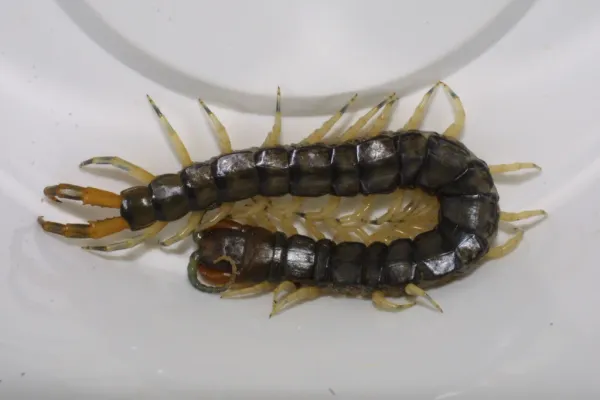
Eastern Bark Centipedes Coloration
Common color patterns to help identify eastern bark centipedes
Eastern Bark Centipedes
Seasonal Activity
When eastern bark centipedes are most active throughout the year
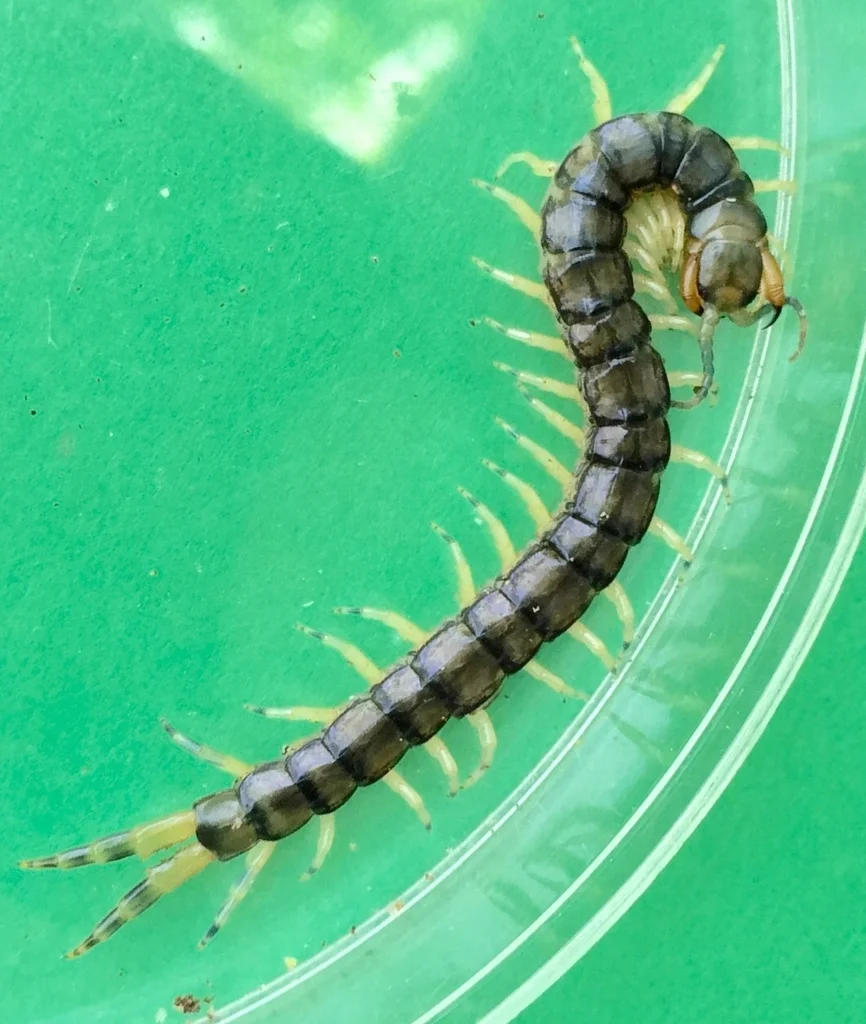
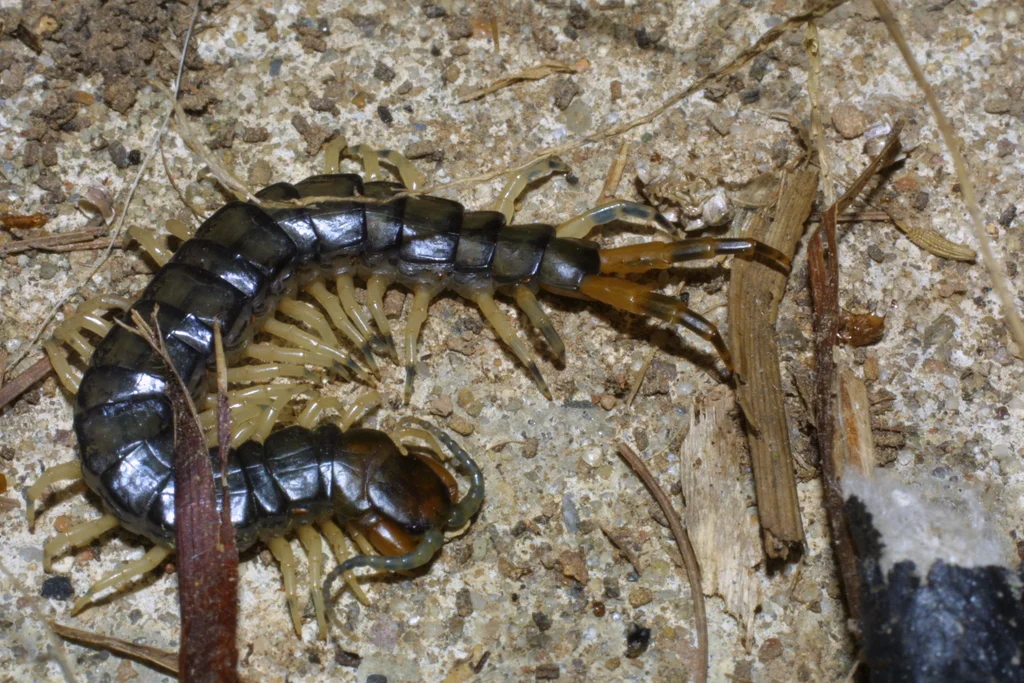
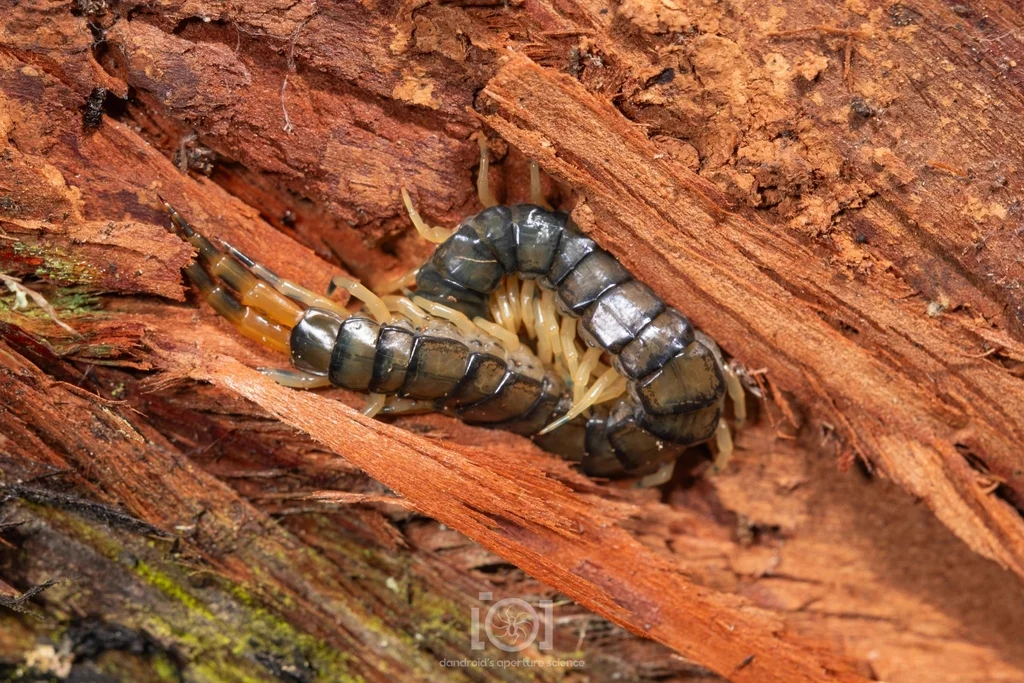

Where Eastern Bark Centipedes Are Found
Hover over states to see their names. Green regions indicate where eastern bark centipedes have been reported.
Eastern Bark Centipede Identification Guide
Physical Characteristics
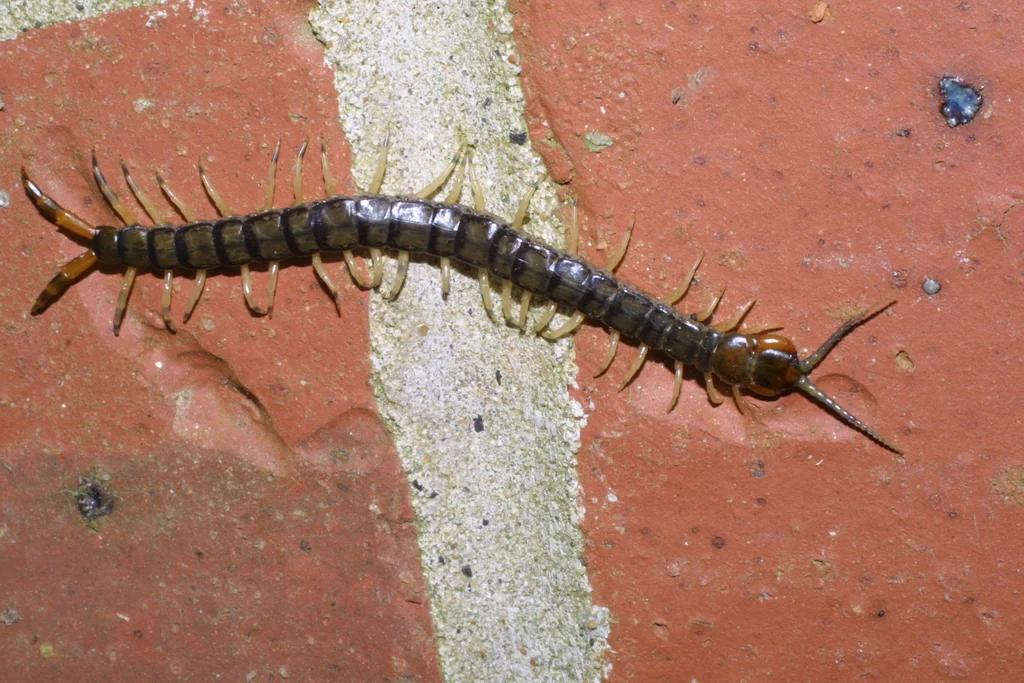
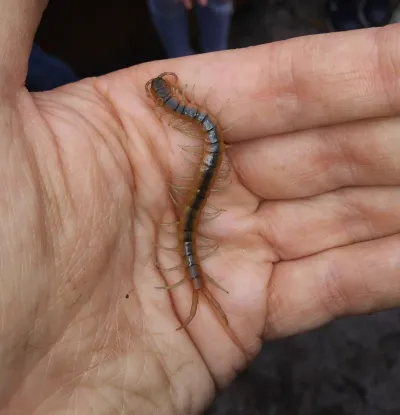
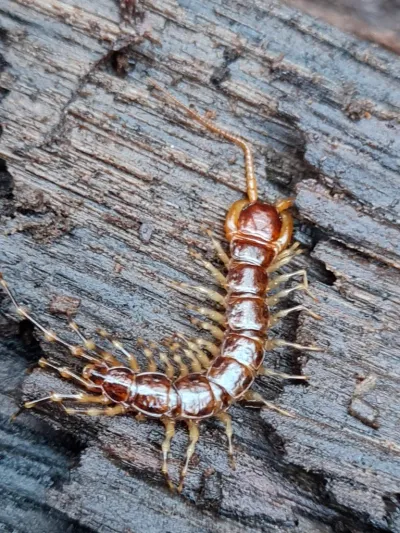
Eastern bark centipedes (Hemiscolopendra marginata) are medium-sized centipedes. They grow between 1.5 and 3 inches long. Their bodies are flat and made up of 21 segments. Each segment has one pair of legs. The body color ranges from dark brown to almost black. Many have bold yellow or orange stripes along the sides.
One of the best ways to identify this species is by looking at the legs. The legs have blue spots at the base of each section. The back legs are often orange or red. The front legs are modified into venomous claws called forcipules. These are usually rusty red or orange. Adults have 21 pairs of legs (42 total). This sets them apart from house centipedes, which have only 15 pairs.
The head has a pair of long antennae that help the centipede feel its way in the dark. Unlike house centipedes, which have large compound eyes, eastern bark centipedes have simple eye clusters. This limits their sight but works well for their underground lifestyle.
How to Tell Eastern Bark Centipedes from Similar Species
Eastern bark centipedes can look like other centipede species. Here is how to tell them apart:
-
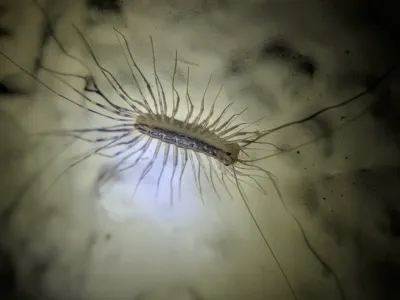
House Centipedes: House centipedes have very long, thin legs that make them look feathery. They have 15 pairs of banded legs and run faster. Their bodies are yellowish-gray with three dark stripes. Eastern bark centipedes are stockier with shorter legs.
-
Stone Centipedes: Stone centipedes are smaller. They are usually under one inch long and have 15 pairs of legs. They do not have the blue leg spots or bright colors of eastern bark centipedes.
-
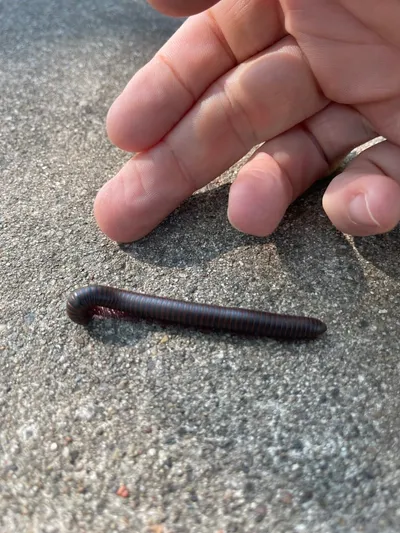
Millipedes: Millipedes have round bodies with two pairs of short legs per segment. They move slowly and curl into a ball when scared. Centipedes run away fast instead.
Eastern Bark Centipede Behavior and Biology
Natural History
Eastern bark centipedes are native to the southeastern United States. Their range stretches from the Atlantic coast west to Texas and south into eastern Mexico. They are one of the most common large centipedes in their range. Scientists have found that males and females of this species produce slightly different venom.
Habitat Preferences A related species, Common Desert Centipede, shares similar characteristics.
As their name suggests, eastern bark centipedes like to live under loose tree bark. They need moist places where they can hide during the day. Common habitats include: A related species, Cryptops Centipedes, shares similar characteristics.
- Under loose bark on dead or dying trees
- Inside rotting logs and fallen wood
- Under rocks and large stones
- In leaf litter and forest floor debris
- Under mulch and landscaping materials
- In moist soil where they dig shallow tunnels A related species, Brown Centipedes, shares similar characteristics.
Around homes, they are often found in spots that match their natural habitat. Look for them under firewood stacks, in mulch beds, under stepping stones, or in damp crawl spaces. A related species, Garden Centipedes, shares similar characteristics.
Diet and Hunting Behavior
Eastern bark centipedes hunt at night. They eat insects, spiders, earthworms, and other small creatures. They use their antennae to feel and smell their way to prey in the dark.
These centipedes hunt in two ways. Above ground, they chase prey using their fast legs. Below ground, they move through soil like a worm, stretching and squeezing their bodies. When they find prey, they strike fast. They use their venomous front claws to inject venom that stops the prey from moving.
Life Cycle and Reproduction
Female eastern bark centipedes lay eggs in underground chambers during spring and summer. Unlike some centipedes that leave their eggs behind, this species guards its eggs. The mother stays with the young until they can care for themselves.
Young centipedes hatch with all their body segments but may have fewer legs at first. They add more legs each time they shed their skin. Eastern bark centipedes keep molting their whole lives. They can live for several years in the right conditions.
Defensive Behaviors
When exposed or scared, eastern bark centipedes run fast to find the nearest dark hiding spot. Their speed often surprises people who stumble upon them. If trapped or picked up, they may try to bite. However, they would rather run than fight.
How We Treat for Eastern Bark Centipedes
Our treatment for eastern bark centipedes combines pest control with changes to your property. This creates results that last.
Interior Inspection and Treatment
Our technician inspects your home, focusing on areas where centipedes like to hide:
- Basements and crawl spaces
- Areas with moisture problems
- Utility rooms and areas near plumbing
- Storage areas with clutter
We look for active centipedes, entry points like foundation cracks and gaps around pipes, and conditions that attract these pests. We apply a repellent treatment to baseboards, cracks, and areas where we see centipede activity.
Exterior Treatment
Outside, we inspect the foundation and areas that attract centipedes:
- Foundation walls and weep holes
- Mulch beds and plants near the building
- Areas with leaf litter or debris
- Firewood storage spots
- Stones, pavers, and other hiding places
We apply a granular treatment around the outside of your home. This targets centipedes at their source before they get inside.
Making Your Property Less Attractive to Centipedes
Eastern bark centipedes need damp places and plenty of prey. We give you tips to make your property less welcoming:
- Cut down on moisture: Fix leaky pipes, improve drainage away from the foundation, and use dehumidifiers in damp areas
- Create a buffer zone: Keep a 3-4 foot strip of gravel or bare soil around your foundation with no plants
- Remove hiding spots: Clear leaf litter, debris, and extra mulch from areas near your foundation
- Store firewood right: Keep firewood raised off the ground and away from the house
- Seal entry points: Fill cracks in the foundation and gaps around pipes and wires
Ongoing Prevention
Our triannual pest control plan (three visits per year) includes follow-up visits to check activity and reapply treatments as needed. This keeps centipedes and their prey insects from settling in or around your home. Our ongoing approach tackles the root causes of centipede problems, not just the symptoms.
References
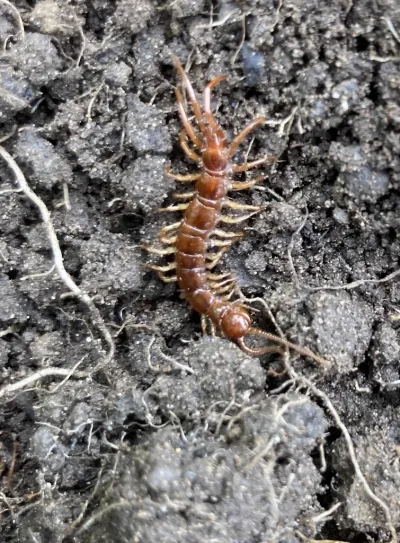
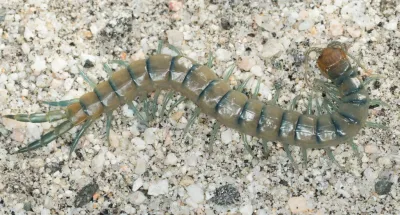
Other Centipedes
Explore other species in the centipedes family
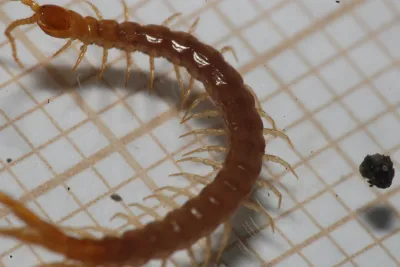
Commonly Confused With
Eastern Bark Centipedes are often mistaken for these similar pests
Where Eastern Bark Centipedes Are Found
Hover over states to see their names. Green regions indicate where eastern bark centipedes have been reported.
Common Questions about Eastern Bark Centipedes
Are eastern bark centipedes dangerous to humans?
+
Eastern bark centipedes have venom they use to catch prey, but they are not dangerous to people. Bites are rare and usually happen when someone handles them or traps them against skin. A bite causes pain and swelling much like a bee sting. Bad reactions are rare but can happen in some people. This is not medical advice. Always see a doctor if you have worrying symptoms after a bite.
Why are eastern bark centipedes in my house?
+
Eastern bark centipedes sometimes come inside looking for food or shelter. This happens more during very hot, cold, or wet weather. They like damp, dark spots. Finding one inside often means you have high moisture or lots of insects that they feed on.
How can I tell an eastern bark centipede from a house centipede?
+
Eastern bark centipedes have thick, flat bodies with 21 pairs of short legs. Their legs have blue spots and orange-red tips. House centipedes have very long, thin legs that stick out. They only have 15 pairs of banded legs. House centipedes also have big eyes, while eastern bark centipedes have small, simple eyes.
Where do eastern bark centipedes live?
+
These centipedes like moist places. You can find them under loose tree bark, fallen logs, rocks, leaf piles, and mulch. They dig in soil and do well in wooded areas. Near homes, they hide under landscaping, firewood piles, and debris by foundations.
What do eastern bark centipedes eat?
+
Eastern bark centipedes are hunters that eat small bugs, spiders, worms, and other tiny creatures. They use venom to stop their prey from moving before eating it. Seeing them often means there are lots of bugs nearby for them to eat.
Do eastern bark centipedes come out at night?
+
Yes, eastern bark centipedes are active at night. They come out after dark to hunt and hide quickly when they see light or feel movement. Because they hide under bark and debris during the day, you are less likely to see them in daylight.
How do I keep eastern bark centipedes away from my home?
+
Cut down on moisture near your foundation by fixing drainage and leaks. Clear leaf litter, mulch, and debris from a few feet around your home. Store firewood away from the house. Seal cracks and gaps in your foundation. Doing these things makes your property less appealing to centipedes and the bugs they eat.

With five years of hands-on experience in the pest control industry, George Schulz is a registered technician with the Virginia Pest Management Association and a proud third-generation professional in a family business that's been protecting homes for over 57 years. He manages and trains a team of service pros while also leading internal research efforts—recently spearheading a deep-dive review of thousands of documents on pest control materials to hand-pick the most kid and pet friendly, most effective solutions tailored specifically for homes in the DC metro area.