Cryptops Centipedes Identification Guide
Cryptops spp.
Cryptops centipedes are small, soil-dwelling predators commonly found under rocks, logs, and leaf litter. These secretive centipedes occasionally enter basements and crawl spaces, where their presence often indicates moisture issues.
Taxonomy
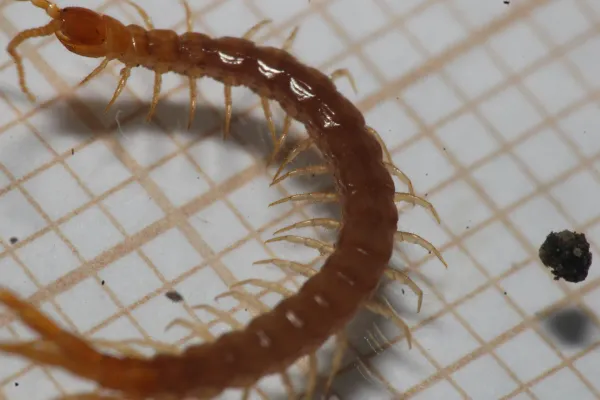
Cryptops Centipedes Coloration
Common color patterns to help identify cryptops centipedes
Cryptops Centipedes
Seasonal Activity
When cryptops centipedes are most active throughout the year

Where Cryptops Centipedes Are Found
Hover over states to see their names. Green regions indicate where cryptops centipedes have been reported.
Cryptops Centipede Identification Guide
Physical Characteristics
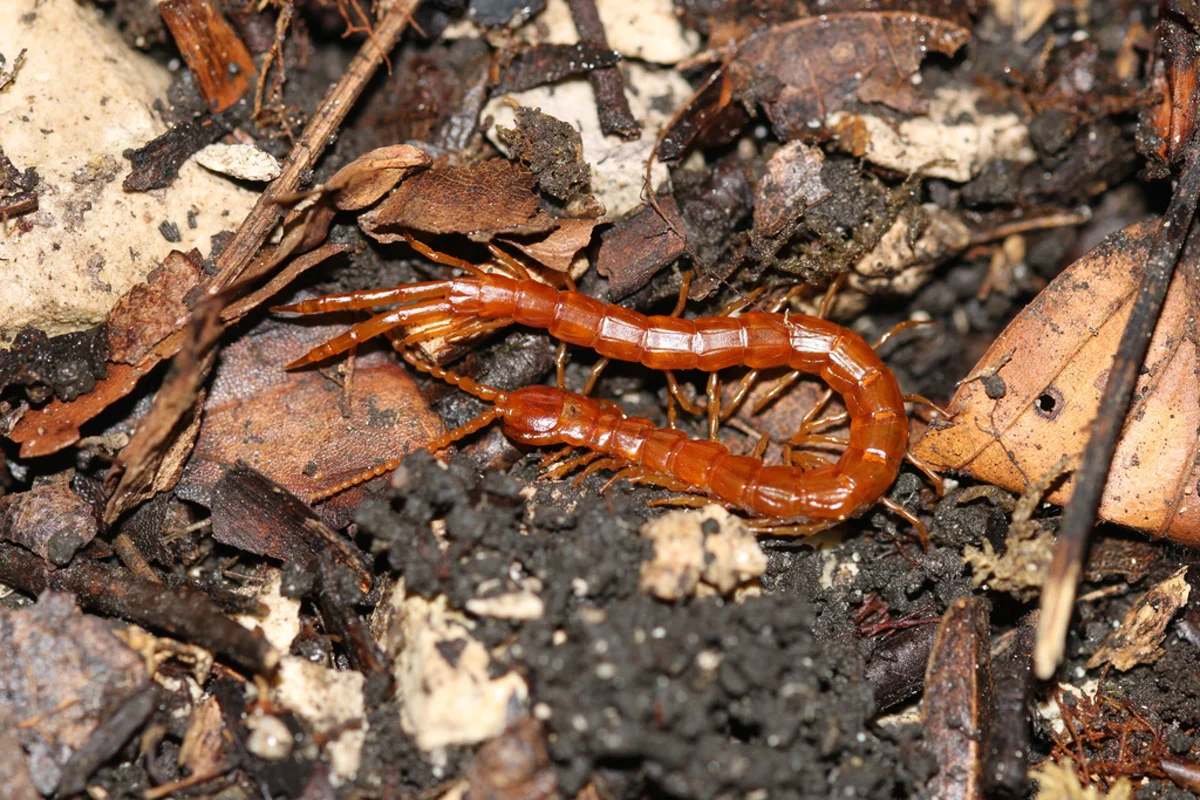
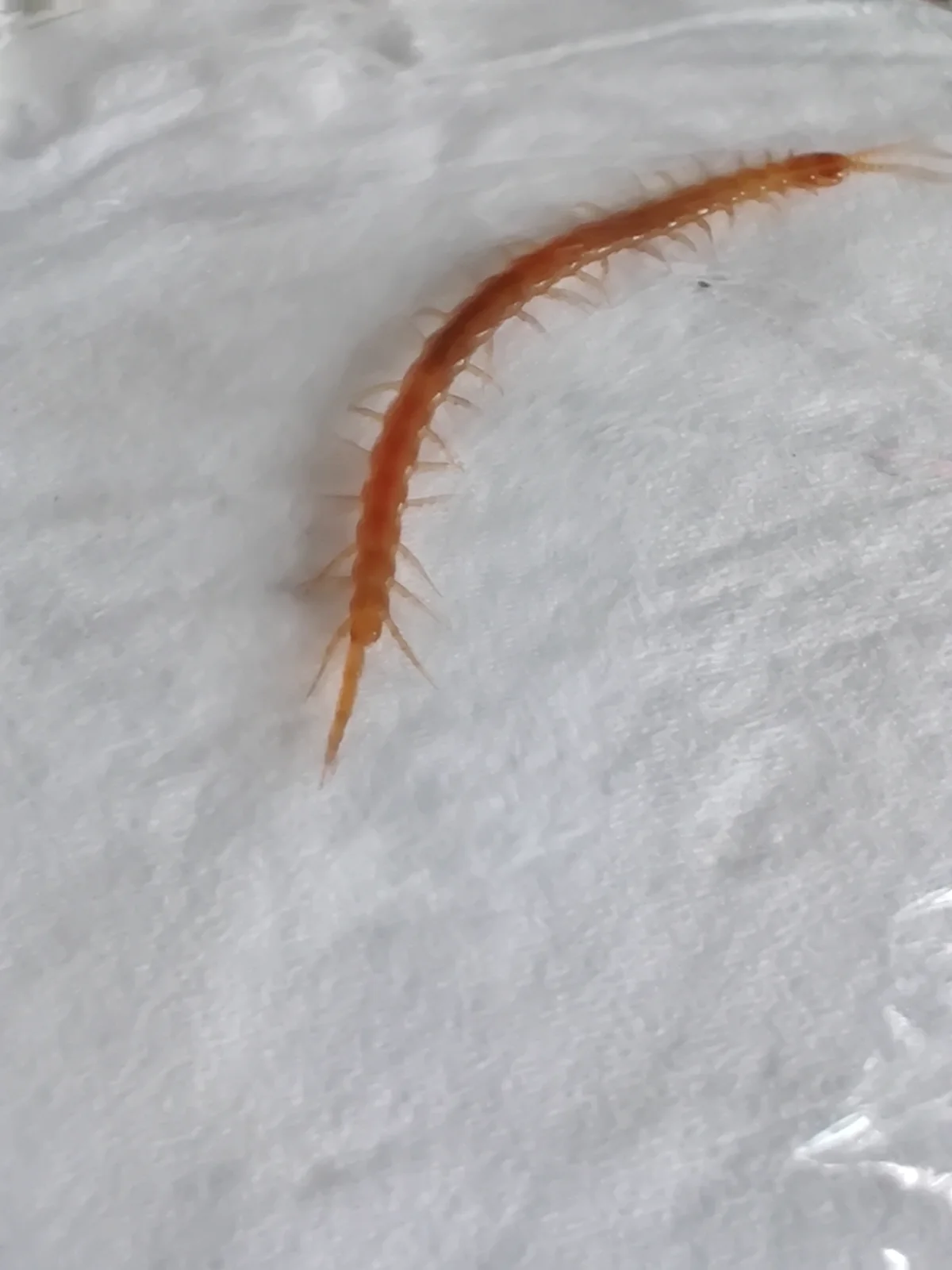
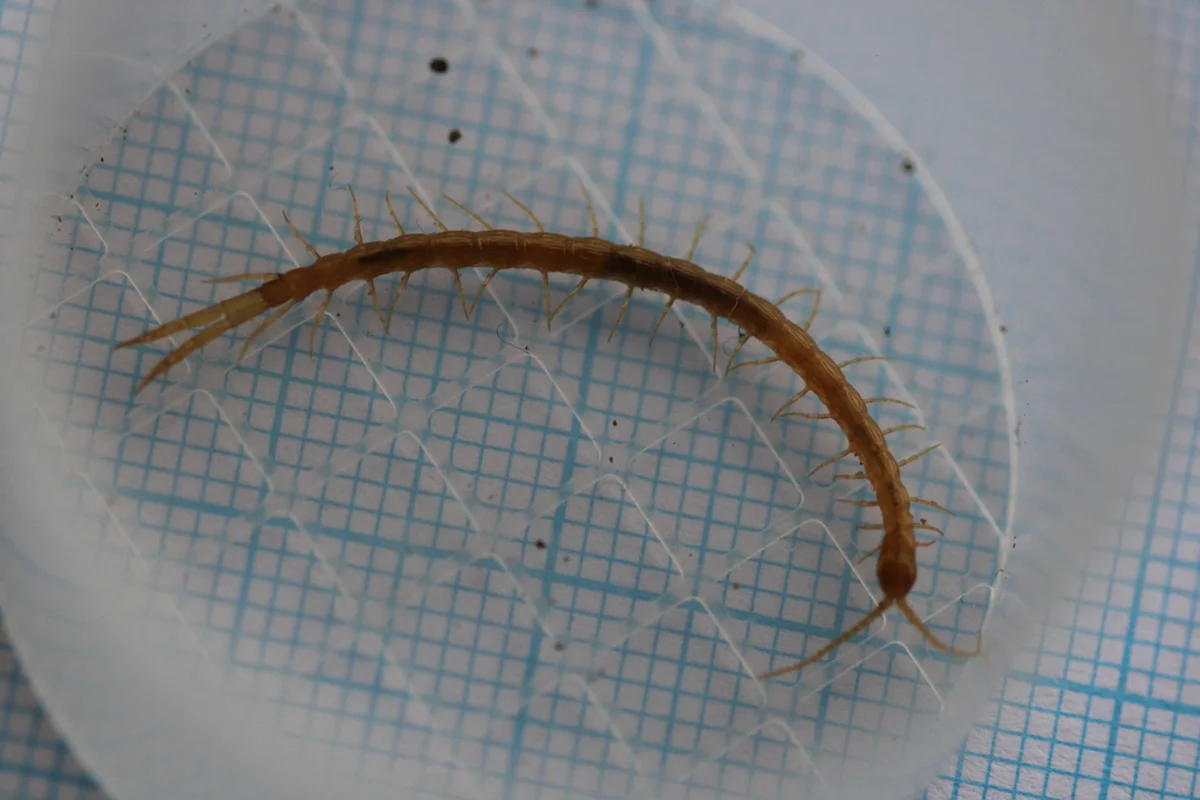
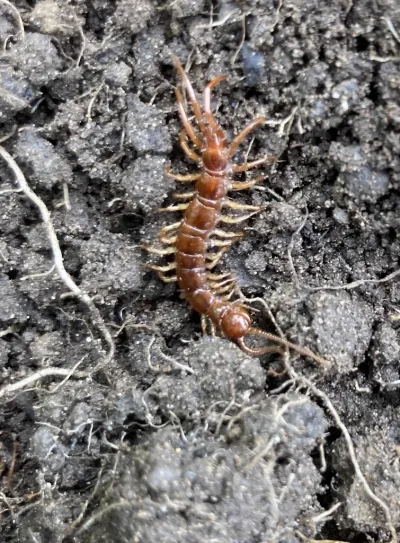
Cryptops centipedes are also called cave centipedes or soil centipedes. They belong to the family Cryptopidae. Adults measure 15 to 35 millimeters (about 0.6 to 1.4 inches) long. This makes them smaller than the common house centipede. Their bodies are long and slightly flat. They have a reddish-brown, tan, or orange color that helps them hide in soil and leaf litter.
Unlike house centipedes with their very long, banded legs, Cryptops centipedes have shorter legs. Their legs are more even in length along the body. Adults have 21 pairs of legs (42 total). Each body segment has one pair. Their antennae are fairly short compared to other centipede types. They lack the compound eyes found in house centipedes. Cryptops centipedes either have simple eyes or no eyes at all. This reflects their life spent mostly underground.
The head has a pair of forcipules. These are modified front legs that work as venomous fangs to catch prey. They can deliver a painful bite if the centipede feels threatened. However, they mainly use them for hunting rather than defense.
Distinguishing Cryptops from Similar Pests
Several pests look like Cryptops centipedes:
-
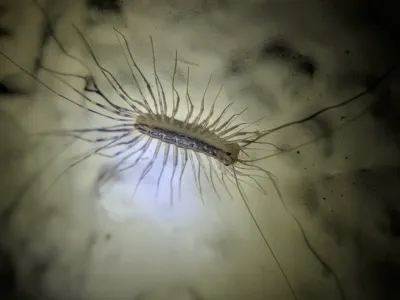
House Centipedes: House centipedes have very long, banded legs. They move very quickly. Cryptops centipedes have shorter, more even legs. They move more slowly.
-
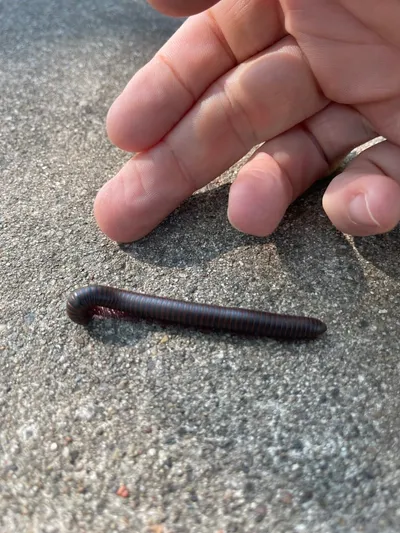
Millipedes: Millipedes have rounded bodies. They have two pairs of short legs per body segment. They move slowly and curl into a spiral when disturbed. Centipedes have flat bodies with one pair of legs per segment. They tend to run away fast.
-
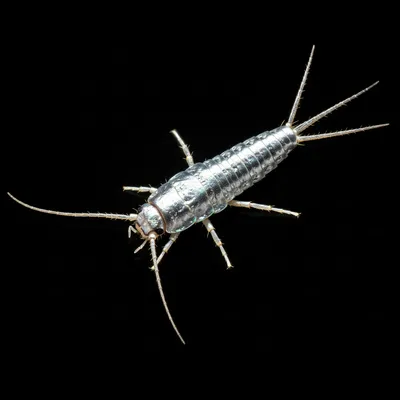
Silverfish: Silverfish are small, wingless insects. They have only six legs and three tail-like parts. They have a carrot shape and silvery scales.
Common North American Species
-
Cryptops hortensis (Garden Cryptops): The most common species in North America. Often found in gardens, under stones, and in urban areas. It came from Europe and is now common across the continent.
-
Cryptops parisi (Paris Cryptops): Similar to C. hortensis but with small body differences. Found in eastern North America. It also came from Europe.
Cryptops Centipede Behavior and Biology
Natural History
Cryptops centipedes belong to the order Scolopendromorpha. This group includes some of the largest centipedes in the world. Unlike their giant tropical cousins, Cryptops species stay fairly small. They live secretive lives in soil and organic debris. They are built for underground life and spend most of their time in dark, damp spaces.
Habitat Preferences
These centipedes need moist areas to survive. Like all centipedes, they breathe through small openings called spiracles. They cannot stop water loss from their bodies. Their preferred habitats include:
- Under rocks and stones in gardens
- Beneath fallen logs and bark
- Within leaf litter and mulch beds
- In compost piles and organic debris
- Inside rotting wood
- In soil cavities and earthworm burrows
When they enter homes, Cryptops centipedes gravitate toward:
- Basements and cellars
- Crawl spaces
- Areas around floor drains
- Utility rooms and laundry areas
- Any location with persistent moisture
Diet and Hunting Behavior
Cryptops centipedes are predators that hunt many types of small creatures. Their diet includes:
- Earthworms and small worms
- Insect larvae and soft-bodied insects
- Spiders and other arachnids
- Springtails and other soil arthropods
- Small slugs and snails
- Other centipedes
They are ambush predators. They use their sensitive antennae to detect prey in the dark. When they contact potential food, they strike fast. They use their venomous forcipules to paralyze the prey before eating it.
Life Cycle and Reproduction
Female Cryptops centipedes show maternal care, which is rare among arthropods. After laying eggs in a protected underground chamber, the female coils around them. She guards them until they hatch. She keeps protecting the young centipedes through their early molts. She defends them from predators and keeps the eggs free of fungal growth.
Young centipedes hatch with all their legs. This is different from some centipede species that add legs with each molt. They grow larger through molts over time. It takes one to two years for them to reach adulthood. Adults may keep molting and growing for several more years. They can live five to six years in good conditions.
Ecological Role
In nature, Cryptops centipedes are predators that help control populations of soil invertebrates. They are also food for larger animals like birds, toads, shrews, and ground beetles.
How We Treat for Cryptops Centipedes
Our treatment for Cryptops centipedes combines pest elimination with changes to the environment for lasting control.
Interior Inspection and Treatment
Our technician inspects basements, crawl spaces, and other areas where Cryptops centipedes are seen or likely to hide. During the inspection, we look for:
- Active centipedes and hiding spots
- Entry points like cracks, gaps, and utility openings
- Signs of moisture problems such as water stains or condensation
- Other pests that centipedes feed on
We apply a repellent insecticide along baseboards, cracks, and areas where centipedes are active. This creates a barrier that keeps centipedes out of treated areas.
Exterior Treatment
The exterior inspection focuses on the foundation and nearby landscaping. We check:
- Foundation walls for cracks and gaps
- Areas where mulch or debris touches the structure
- Drainage patterns and moisture sources
- Ground cover and leaf litter buildup
We apply granular insecticide around the foundation and in mulch beds. This targets centipedes before they enter your home. The exterior barrier reduces the number of centipedes approaching the structure.
Moisture Control Tips
Because Cryptops centipedes need humid conditions, we give tips on making your environment less welcoming to them:
- Fix moisture sources: Repair plumbing leaks, improve gutter drainage, and fix water intrusion issues
- Reduce humidity: Use dehumidifiers in basements and crawl spaces to keep humidity below 60%
- Improve ventilation: Ensure good airflow in enclosed spaces to prevent moisture buildup
- Create dry zones: Keep mulch, leaf litter, and debris at least 3-4 feet away from the foundation
- Seal entry points: Caulk cracks in foundations and around utility openings
Ongoing Prevention
Our tri-annual pest control plan includes three visits per year. We return to check for activity and reapply treatments as needed. This ensures centipedes and other pests don’t return. This approach gives you long-term protection against occasional invaders like Cryptops centipedes. It also addresses the conditions that attract them.
References
Other Centipedes
Explore other species in the centipedes family
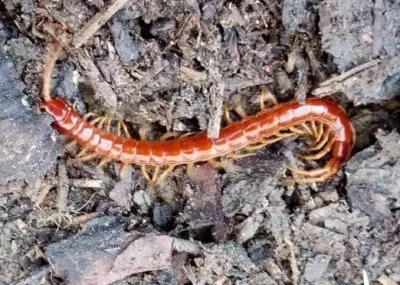
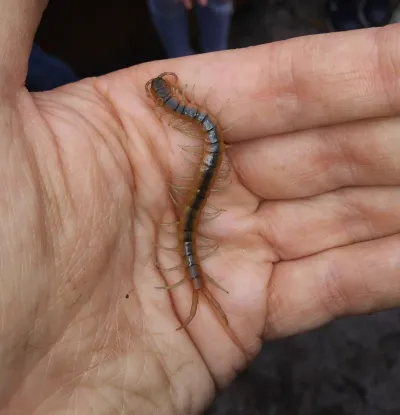
Commonly Confused With
Cryptops Centipedes are often mistaken for these similar pests
Where Cryptops Centipedes Are Found
Hover over states to see their names. Green regions indicate where cryptops centipedes have been reported.
Common Questions about Cryptops Centipedes
Are Cryptops centipedes dangerous to humans?
+
Cryptops centipedes have venomous forcipules (modified front legs) used to catch prey. While they can bite if handled, their bites are usually no worse than a bee sting. They cause localized pain and minor swelling. Severe reactions are rare but possible in sensitive people. This is not medical advice. Consult a doctor for any health concerns after a bite.
Why are Cryptops centipedes in my basement?
+
Cryptops centipedes require moist environments to survive and are attracted to damp basements, crawl spaces, and areas with poor drainage. Their presence often indicates excess moisture or humidity problems that should be addressed.
What do Cryptops centipedes eat?
+
Cryptops centipedes are predatory and feed on small invertebrates including insects, spiders, worms, and other soil-dwelling arthropods.
How do Cryptops centipedes get inside homes?
+
These centipedes enter through cracks in foundations, gaps around doors and windows, utility penetrations, and drainage openings. They often follow moisture gradients or simply wander in while hunting for prey.
How can I prevent Cryptops centipedes from entering my home?
+
Reduce moisture by fixing leaks, improving drainage, and using dehumidifiers. Seal entry points around the foundation, remove leaf litter and debris from around your home's perimeter, and keep mulch at least 3-4 feet away from the foundation.
Are Cryptops centipedes nocturnal?
+
Yes, Cryptops centipedes are primarily nocturnal and spend daylight hours hidden under rocks, logs, leaf litter, or in soil. They emerge at night to hunt for prey, which is why homeowners often encounter them in the evening or early morning.
How long do Cryptops centipedes live?
+
Cryptops centipedes can live several years under favorable conditions. They develop slowly, molting multiple times before reaching maturity, and continue to molt throughout their adult lives.

With five years of hands-on experience in the pest control industry, George Schulz is a registered technician with the Virginia Pest Management Association and a proud third-generation professional in a family business that's been protecting homes for over 57 years. He manages and trains a team of service pros while also leading internal research efforts—recently spearheading a deep-dive review of thousands of documents on pest control materials to hand-pick the most kid and pet friendly, most effective solutions tailored specifically for homes in the DC metro area.