Common Desert Centipede Identification Guide
Scolopendra polymorpha
The common desert centipede is a large, venomous predator found throughout the southwestern United States and northern Mexico. Also known as the tiger centipede, it displays highly variable coloration and can deliver a painful bite when disturbed.
Taxonomy
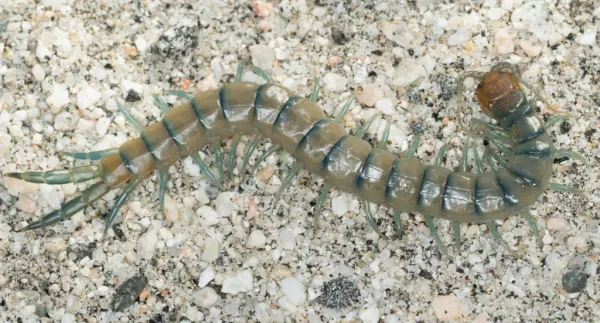
Common Desert Centipede Coloration
Common color patterns to help identify common desert centipede
Common Desert Centipede
Seasonal Activity
When common desert centipede are most active throughout the year
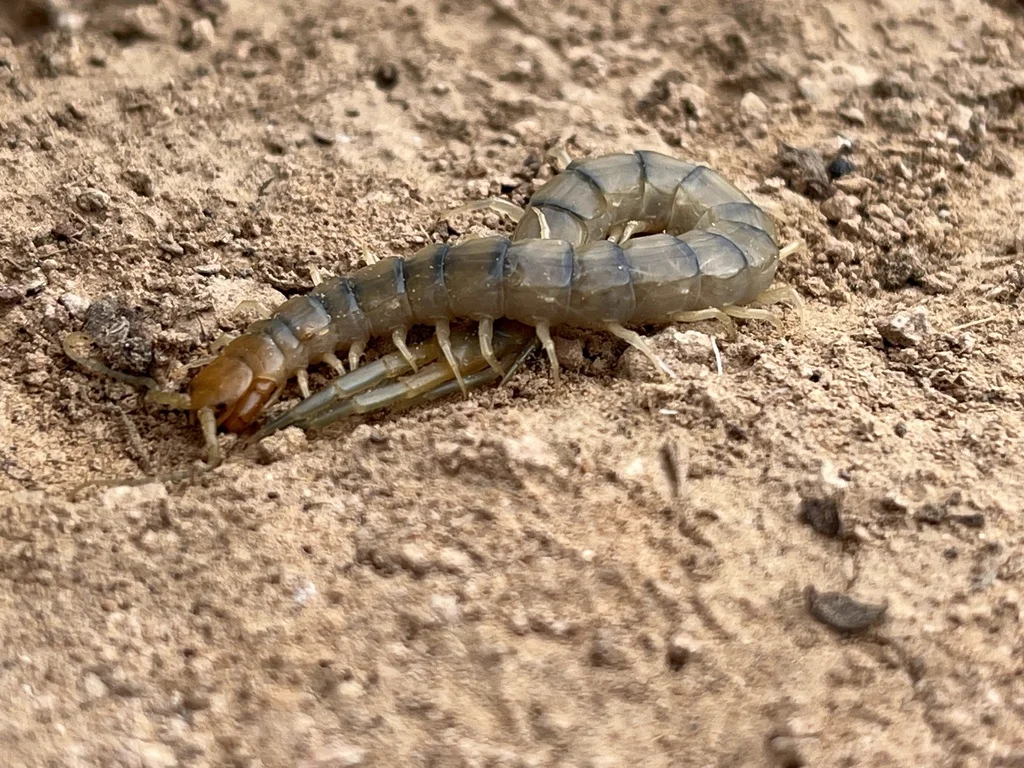
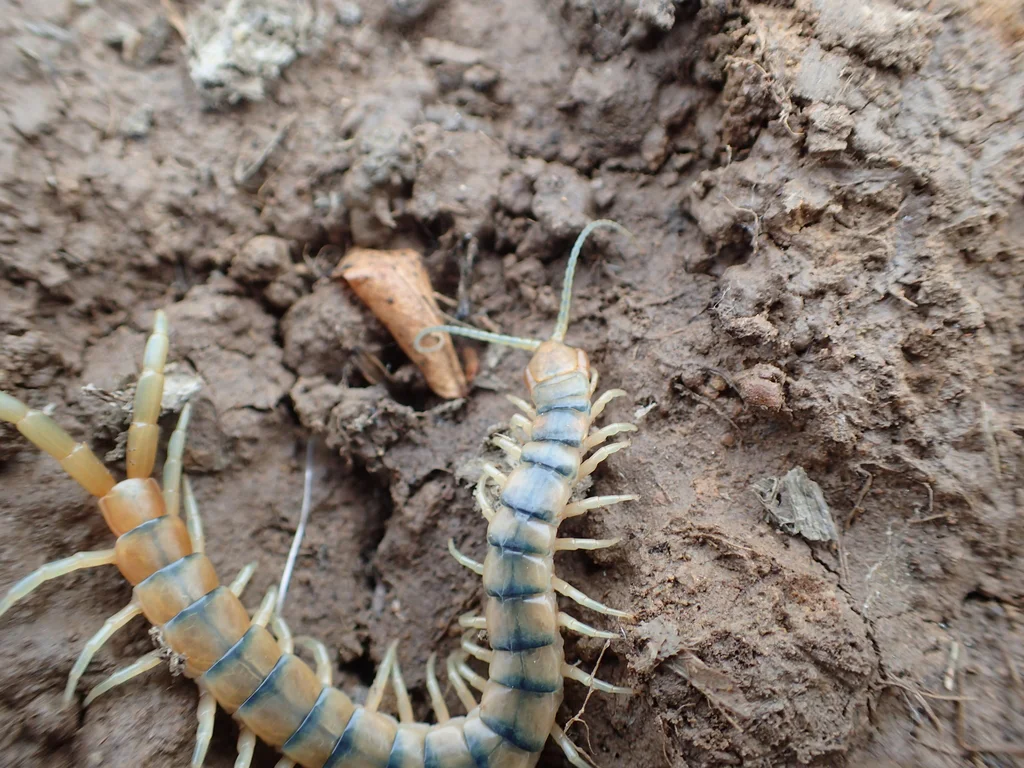
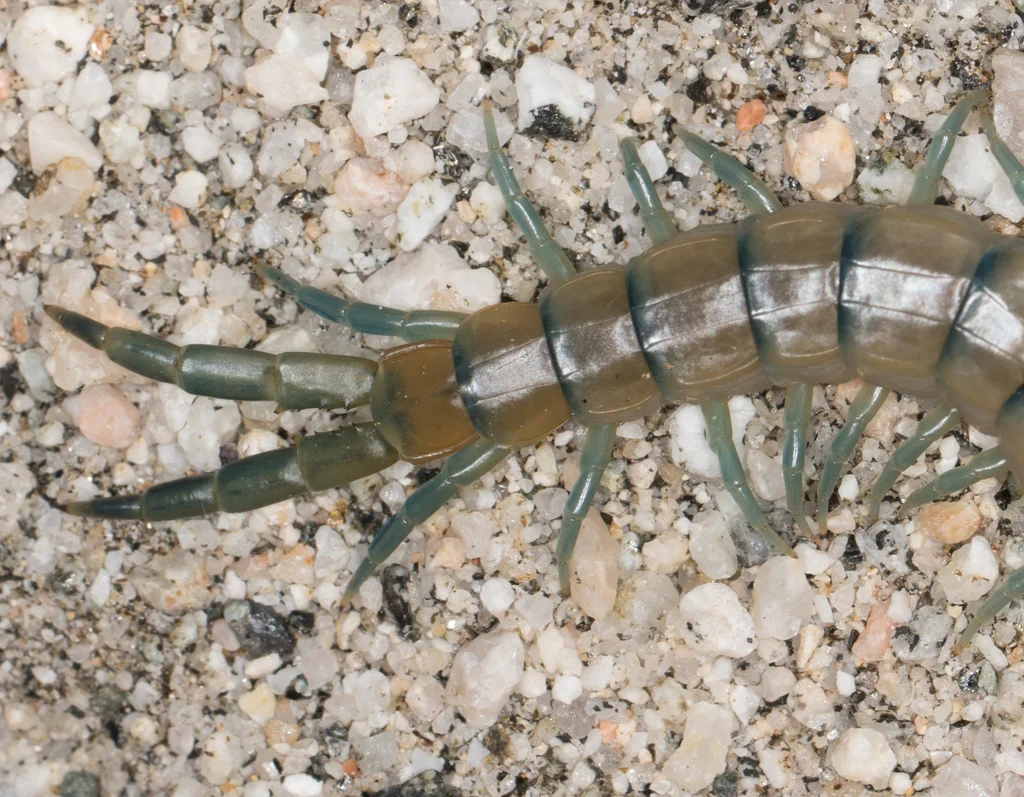

Where Common Desert Centipede Are Found
Hover over states to see their names. Green regions indicate where common desert centipede have been reported.
Common Desert Centipede Identification Guide
Physical Characteristics
The common desert centipede (Scolopendra polymorpha) is one of the largest centipedes in North America. Adults grow 4 to 7 inches long. The species name “polymorpha” means “many forms.” This refers to the wide range of colors found in different populations.
Body color varies from light brown and tan to brick red, olive brown, and even blue-green. Most have a dark stripe across each body segment. This creates a banded “tiger” pattern, which is why some call it the tiger centipede. The head is usually darker, from brown to reddish-orange. The legs are lighter, often yellow or cream.
Adults have 21 pairs of legs (42 total). The first pair of legs are modified into venomous fangs called forcipules. These help capture and paralyze prey. Their antennae have seven or more smooth segments. These act as sensory organs for finding prey and moving around.
How to Tell Them Apart from Similar Species
Several species look like the common desert centipede:
-
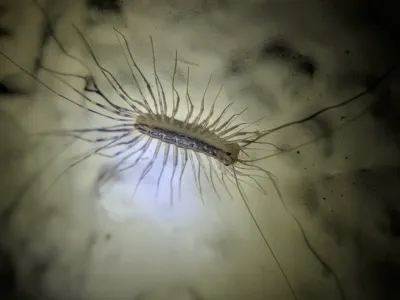
House Centipedes: Much smaller at 1-1.5 inches. They have very long, thin legs and move fast. Desert centipedes are bigger with shorter, thicker legs.
-
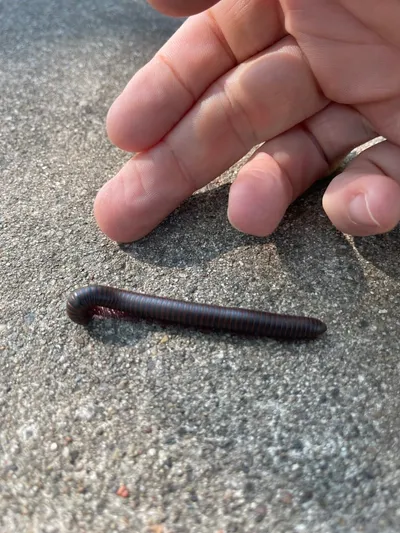
Millipedes: Round bodies with two pairs of short legs per segment. They move slowly and curl up when scared. Centipedes have flat bodies, one pair of legs per segment, and move fast.
-
Other Scolopendra Species: Giant desert centipedes (Scolopendra heros) are larger. They usually have a solid-colored head instead of stripes.
Common Desert Centipede Behavior and Biology
Where They Live
The common desert centipede lives in dry regions of western North America. Its range goes from southern Oregon through California, Nevada, Arizona, New Mexico, Colorado, Utah, Texas, Oklahoma, Kansas, and Louisiana. It also lives in northern Mexico, including Baja California, Sonora, Chihuahua, and nearby states. Some populations have spread to Hawaii.
Habitat
These centipedes are well adapted to dry climates. But they still need some moisture and shade from the hot sun. You can find them: A related species, Cryptops Centipedes, shares similar characteristics.
- Under rocks and stones
- Inside rotting logs
- In burrows they dig
- Beneath tree bark
- In cracks in rocky areas A related species, Eastern Bark Centipedes, shares similar characteristics.
Even though they live in deserts, they hide in cool, damp spots during the hottest part of the day.
When They Are Active
Common desert centipedes hunt at night. They are most active during:
- Cool winter nights
- Summer rainy season when it is more humid
- Early morning and late evening in spring and fall
In the hottest summer months, they stay hidden in cool, moist shelters.
What They Eat
These centipedes are meat-eaters. They hunt many types of prey:
- Insects like beetles, crickets, and cockroaches
- Spiders and scorpions
- Other centipedes
- Small lizards and snakes
- Baby rodents (rare)
They ambush or chase their prey. Then they use their venomous fangs to paralyze it. Their venom also has germ-killing properties.
Life Cycle
Female desert centipedes care for their young. This is rare among bugs. Here is how they reproduce:
- Egg laying: Females lay eggs under rocks or in rotting wood
- Guarding: The female wraps around her eggs to protect them
- Care: She stays with her babies through several molts
- Growth: Young centipedes grow more legs as they molt
- Maturity: It takes several years to become an adult
Adults can live 4 years or more. This is a long life for a bug this size.
Treatment Methods for Common Desert Centipedes
These centipedes mostly stay outside in the Southwest. When they come indoors, it is usually by accident or to hunt other bugs. The best control uses habitat changes and sealing entry points, not just chemicals.
Make Your Yard Less Appealing
You can reduce centipede-friendly spots around your home:
- Remove hiding spots: Clear rocks, debris, and lumber from near your foundation
- Fix moisture problems: Repair leaks and improve drainage
- Control other pests: Fewer bugs means fewer centipedes hunting them
- Trim plants: Keep bushes away from the house and use less mulch near the foundation
Keep Them Out
Stop centipedes from getting inside:
- Seal cracks in foundations and walls
- Add door sweeps and weatherstripping
- Screen vents and weep holes
- Caulk around pipes and wires
Perimeter Treatments
For ongoing centipede problems, treatments can help:
- Granular products around the outside of your home
- Sprays in cracks and entry points
- Treatment of mulch beds where centipedes hide
What to Do If You Encounter One
If you see a common desert centipede, do not handle it. Bites are painful but not life-threatening to healthy adults. If bitten:
- Clean the wound thoroughly
- Apply ice to reduce swelling
- Take over-the-counter pain medication as needed
- Seek medical attention if symptoms worsen or if you have known allergies to insect venom
References
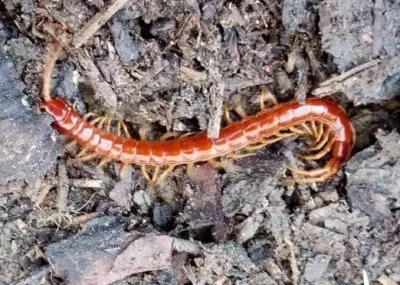
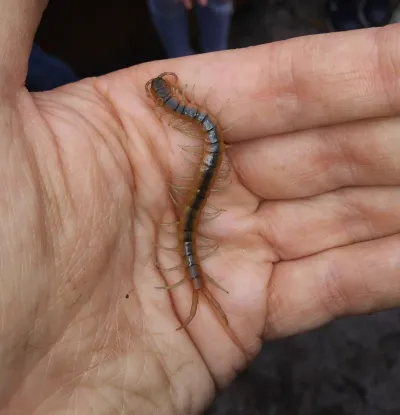
Other Centipedes
Explore other species in the centipedes family
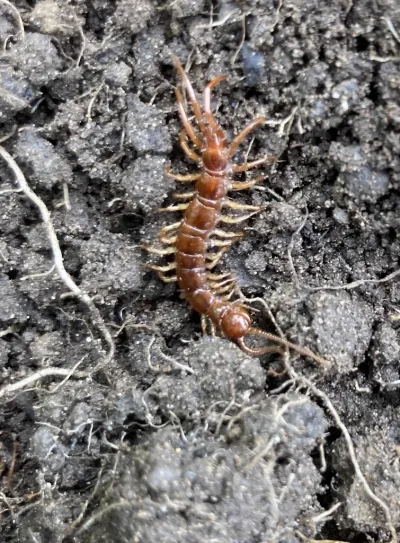
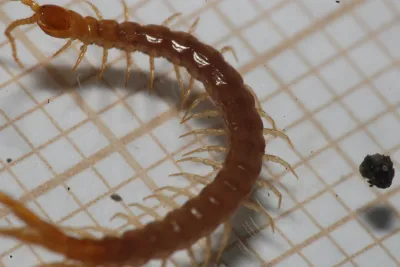
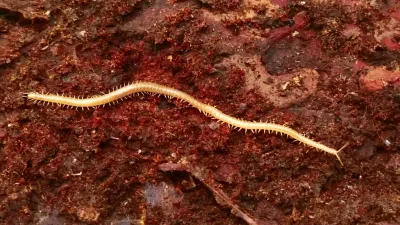
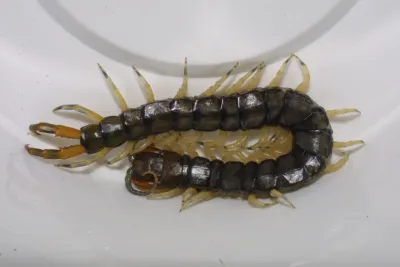
Commonly Confused With
Common Desert Centipede are often mistaken for these similar pests
Where Common Desert Centipede Are Found
Hover over states to see their names. Green regions indicate where common desert centipede have been reported.
Common Questions about Common Desert Centipede
Are common desert centipedes dangerous?
+
These centipedes have venom and can bite if handled or scared. The bite hurts but is not deadly to healthy adults. It causes pain, swelling, and redness for several hours or days. People allergic to bug venom should see a doctor if bitten. This is not medical advice. Always talk to a doctor about health concerns.
Why is it called the tiger centipede?
+
It is also called the tiger centipede because of the dark stripes across each body segment. These stripes look like tiger markings. The stripes vary in darkness based on the centipede's color.
How big do common desert centipedes get?
+
They grow 4 to 7 inches long. This makes them one of the largest centipedes in North America. Some can reach 8 inches in good conditions.
Where do common desert centipedes live?
+
These centipedes live in dry grasslands, deserts, and forests in the Southwest US and northern Mexico. During the day, they hide under rocks, in burrows, and inside rotting logs. They come out at night to hunt.
What do common desert centipedes eat?
+
They are meat-eaters that hunt insects, spiders, and other bugs. Bigger ones may catch small lizards, snakes, or baby mice. They use their venomous fangs to catch prey.
How long do common desert centipedes live?
+
They can live 4 years or more. This is a long life for a bug. Females guard their eggs and babies until the young can live on their own.
Can common desert centipedes climb walls?
+
Yes, they can climb rough surfaces like textured walls, rocks, and trees. They cannot climb smooth surfaces as well. They usually stay on the ground and hide under objects.

With five years of hands-on experience in the pest control industry, George Schulz is a registered technician with the Virginia Pest Management Association and a proud third-generation professional in a family business that's been protecting homes for over 57 years. He manages and trains a team of service pros while also leading internal research efforts—recently spearheading a deep-dive review of thousands of documents on pest control materials to hand-pick the most kid and pet friendly, most effective solutions tailored specifically for homes in the DC metro area.