Deathwatch Beetles Identification Guide
Xestobium rufovillosum
Deathwatch beetles are wood-boring insects known for the distinctive tapping sounds males produce to attract mates. Their larvae can spend years tunneling through structural hardwood timbers, causing significant damage to older buildings.
Taxonomy
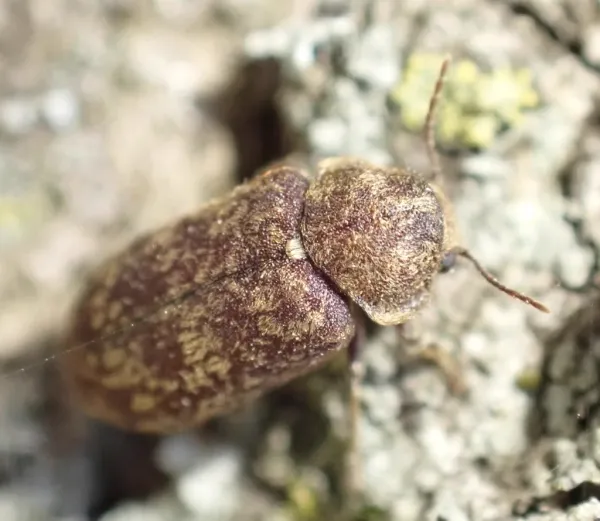
Deathwatch Beetles Coloration
Common color patterns to help identify deathwatch beetles
Deathwatch Beetles
Seasonal Activity
When deathwatch beetles are most active throughout the year

Where Deathwatch Beetles Are Found
Hover over states to see their names. Green regions indicate where deathwatch beetles have been reported.
Deathwatch Beetle Identification Guide
Physical Characteristics
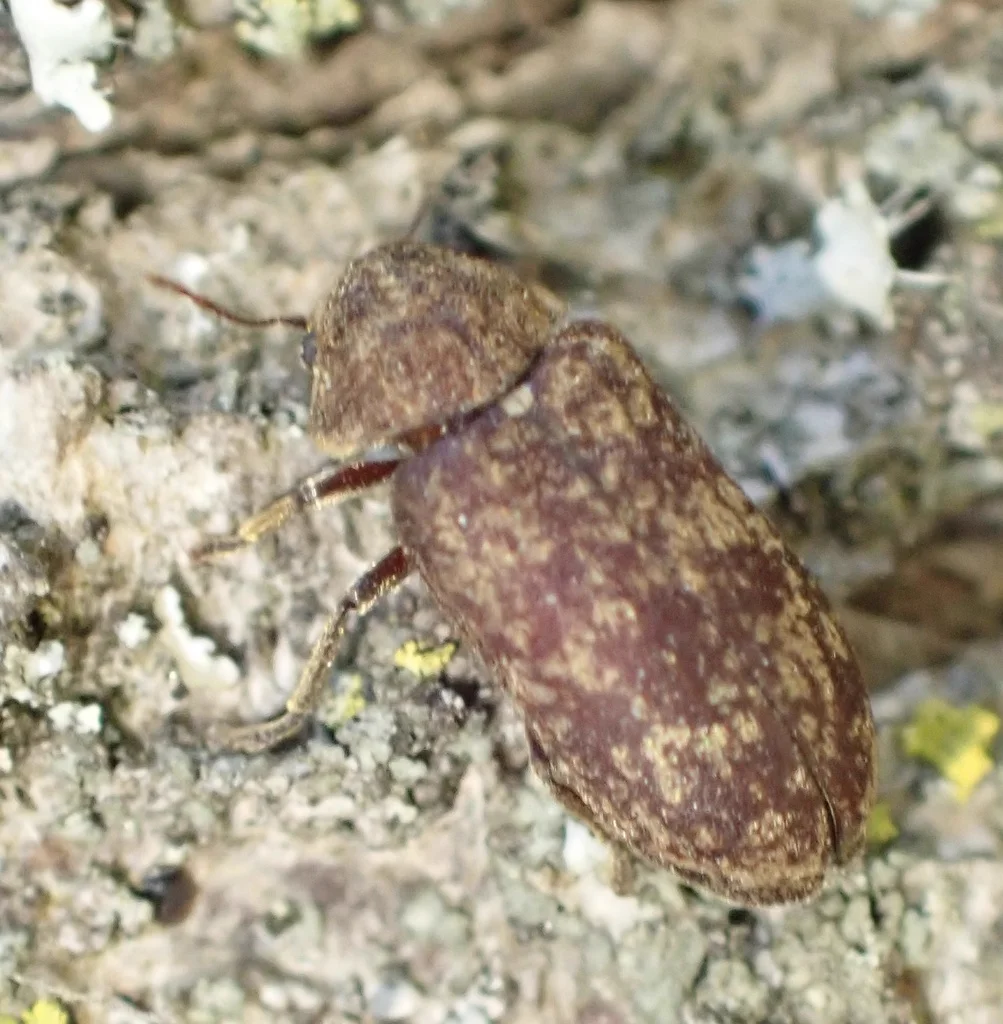
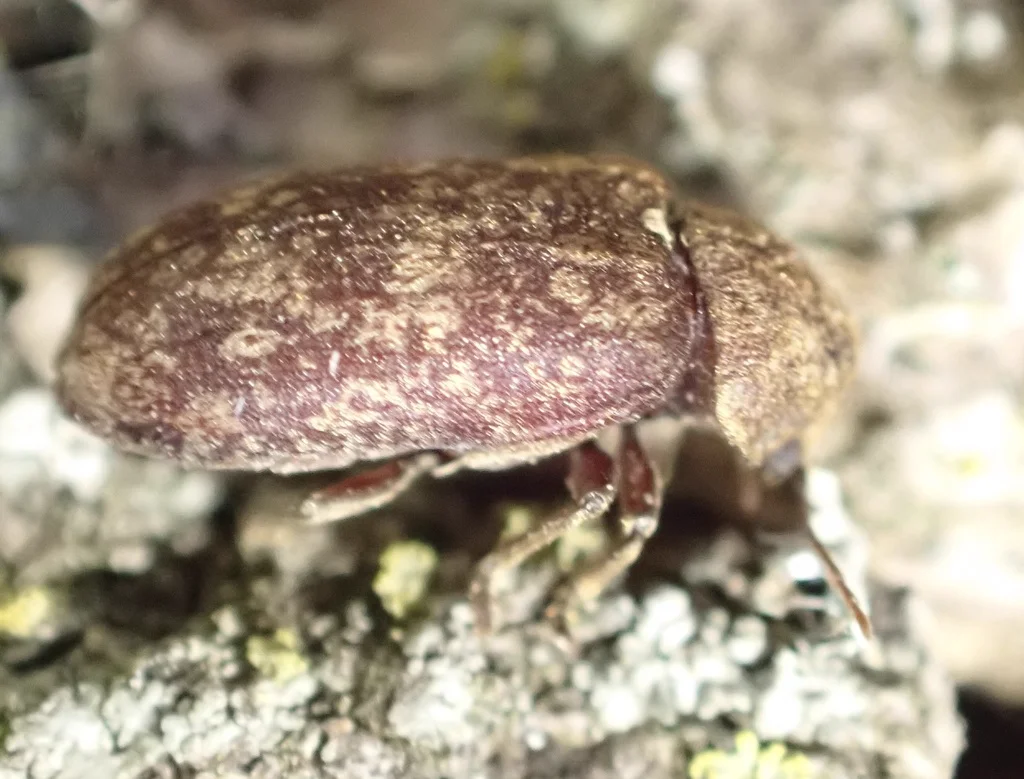
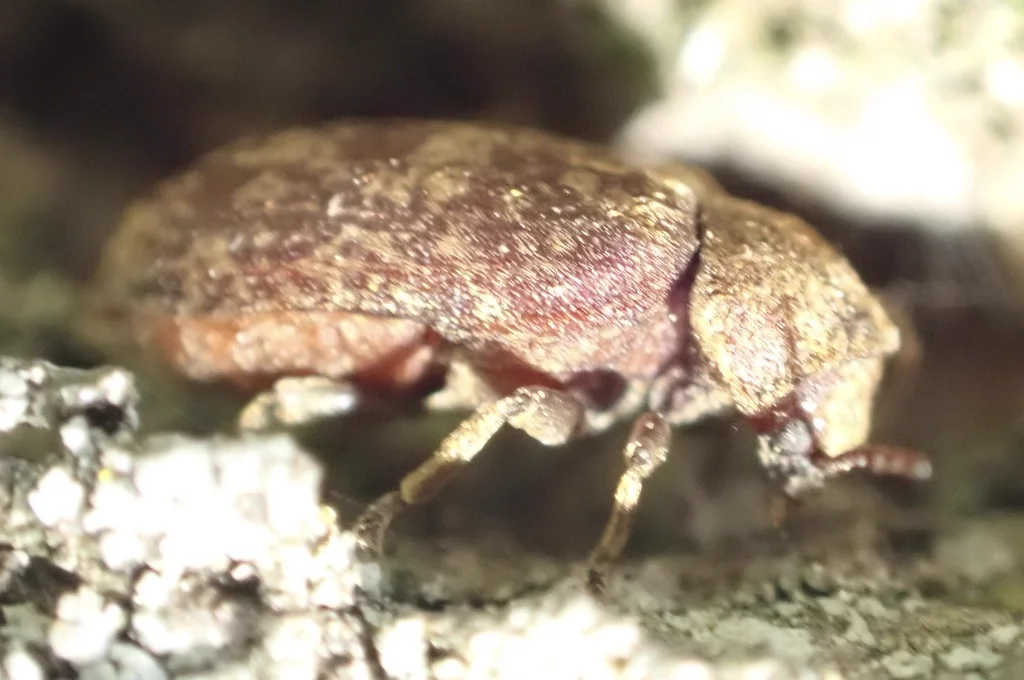
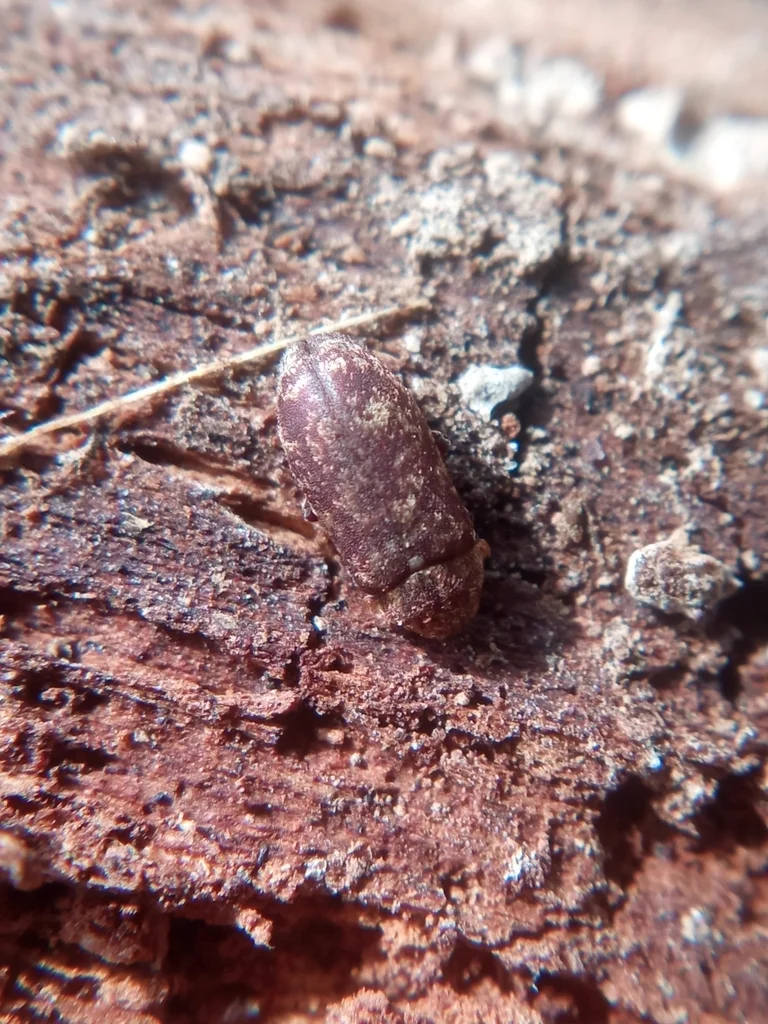
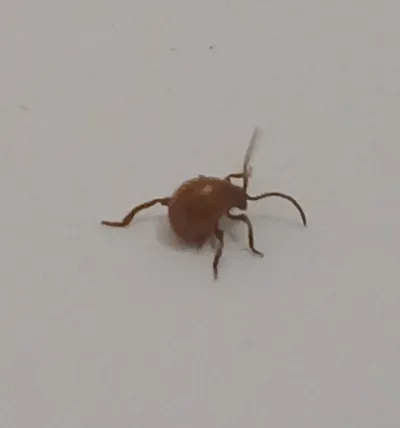
Deathwatch beetles are small wood-boring insects related to carpet beetles, about 5-9mm long. They have dark brown bodies with yellow scale patches that help them blend in with wood. Fine hairs cover their body, making them look slightly fuzzy up close.
One key feature is that you cannot see their head from above. The middle section of the body covers the head, giving the beetle a humped look. This helps tell them apart from other wood-boring beetles.
Adults have short antennae shaped like clubs. The last three parts of the antenna form the club shape. Their wing covers meet in a straight line down the back. Unlike furniture beetles, they do not have rows of tiny pits on their wings.
Larvae do all the damage to wood. They are creamy-white grubs with curved, C-shaped bodies up to 11mm long. They have six small legs, dark brown jaws, and a pair of eye spots on their head. Fine hairs and small spines may cover their bodies.
Distinguishing from Similar Species
The common furniture beetle (Anobium punctatum) looks like the deathwatch beetle. But furniture beetles are smaller (3-5mm) and have rows of pits on their wing covers. Deathwatch beetles lack these pits.
Spider beetles can also look similar. They have rounder bodies that look more like spiders. Their legs are also longer compared to their body size.
Deathwatch Beetle Behavior and Biology
Lifecycle and Development
Deathwatch beetles go through four life stages: egg, larva, pupa, and adult.
Egg Stage: Females lay 3-4 eggs at a time in cracks, old exit holes, and rough wood surfaces. One female can lay 40-80 eggs total during her short life. Eggs hatch in about one month.
Larval Stage: This stage causes all the damage. Larvae tunnel through wood for 1-13 years. How long depends on temperature, moisture, and wood quality. With good conditions and plenty of fungal decay, they may grow in just one year. In poor conditions, larvae can live for over ten years.
As larvae feed, they fill their tunnels with gritty waste called frass. This frass contains small pellets. It looks different from the flour-fine powder left by other wood beetles.
Pupal Stage: Full-grown larvae build chambers close to the wood surface. They change into adults over 3-4 weeks. This usually happens in late winter or early spring.
Adult Stage: Adults come out of the wood in spring, mostly April through June. Males come out first and start tapping their heads to attract females. Adults do not eat. They live only a few weeks to two months and focus only on mating.
The Distinctive Tapping Sound
Male deathwatch beetles attract mates by hitting their heads against wood. This makes a ticking or clicking sound. They tap mostly at night during spring mating season. A related species, June Bugs, shares similar characteristics.
The sound is like a watch ticking. You can hear it in quiet rooms from old wood beams. Long ago, people heard this sound during nighttime watches beside the sick and dying. They began to believe the ticking meant death was coming. This is how the beetle got its name. A related species, False Powderpost Beetles, shares similar characteristics.
Habitat and Wood Preferences A related species, Old House Borers, shares similar characteristics.
Deathwatch beetles need certain conditions to thrive:
Wood Type: They prefer hardwoods, especially oak. American oaks are more likely to be attacked than European types. They also infest elm, chestnut, and other hardwoods.
Moisture Needs: Infested wood usually has 13-30% moisture content. Very dry wood cannot support the fungus that larvae need.
Fungal Decay: This is the most important factor. Larvae need fungus in their diet. They cannot live in solid, healthy wood. Fungus must first soften the wood before beetles can move in. This is why problems happen most often where moisture has caused wood decay.
Common Areas: Infestations often occur in roof timbers, floor joists, wall plates, and beams. Older buildings with moisture problems are most at risk.
Signs of Deathwatch Beetle Infestation
Identifying Wood Damage
Exit Holes: Adult beetles chew out of wood, leaving round holes about 3-4mm wide. Fresh holes have clean, sharp edges with fine dust around them. Old holes look weathered and darker.
Frass: This is the waste material beetles push out of exit holes. It piles up below infested wood. Deathwatch beetle frass contains small, gritty pellets mixed with fine powder. This gritty texture is different from the flour-fine powder of other wood beetles.
Tunnel Damage: Cutting into infested wood shows many tunnels. The tunnels are packed with frass and can be large in badly damaged wood. Severe infestations can hollow out beams while the outside still looks fine.
Evidence of Active Infestations
It can be hard to tell if an infestation is active or old. Look for these signs:
- Fresh frass below exit holes or falling when you tap the wood
- New exit holes that appear over time (mark old holes to track new ones)
- Tapping sounds at night in spring mean adult beetles are present
- Live beetles near infested wood during April through June
Larvae can take over ten years to grow. Frass may keep falling from old tunnels for years after beetles have died out.
Treatment Methods for Deathwatch Beetles
Controlling deathwatch beetles means dealing with the beetles and the moisture problems that let them thrive.
Moisture Control
Deathwatch beetles can only infest wood with fungal decay. Fixing moisture problems is the most important step in any treatment plan:
- Fix roof leaks, broken gutters, and other water sources
- Add ventilation to crawl spaces and enclosed areas
- Install vapor barriers where needed
- Fix damp and condensation issues
- Lower wood moisture below 12% when possible
Without fixing moisture, any treatment will only work for a short time.
Surface Treatments
Borate-based wood products can be applied to bare wood surfaces. These soak into the wood and give long-lasting protection. They work best on unfinished wood. They cannot get through paint, varnish, or other coatings.
Surface treatments protect against future beetles. They may also kill larvae near the surface. But they cannot reach larvae deep inside thick beams.
Targeted Treatments
For small infestations, treatments can go directly into exit holes and tunnels. This works best when the problem is in one area. But the maze of tunnels makes it hard to treat everything.
Heat Treatment
Heating infested wood to 130-140 degrees Fahrenheit for several hours kills all beetle life stages. This works well for furniture and small items. It is harder to use on building timbers because special equipment is needed.
Fumigation
Large infestations may need fumigation. Gas fills the space and soaks into the wood. This kills all life stages but does not prevent new beetles from coming later. Only licensed experts can do fumigation. The building must be sealed and empty.
Wood Replacement
Badly damaged wood should be replaced. New wood should be pressure-treated or kiln-dried. Fix all moisture problems before putting in new wood. Unlike dermestid beetles that damage fabrics and stored goods, deathwatch beetles target structural wood.
Prevention Strategies
Stopping beetles before they start is easier than treating them after:
- Keep buildings dry to prevent moisture and wood decay
- Add ventilation to roof spaces, basements, and crawl spaces
- Check wood often for signs of beetles, especially in old buildings
- Fix decay quickly before beetles can move in
- Use treated or kiln-dried wood for repairs
- Seal wood surfaces with paint or varnish to stop egg-laying
References and Further Reading
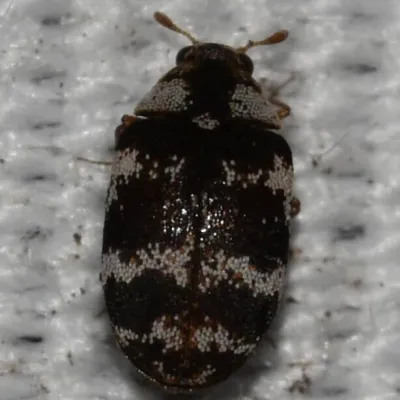
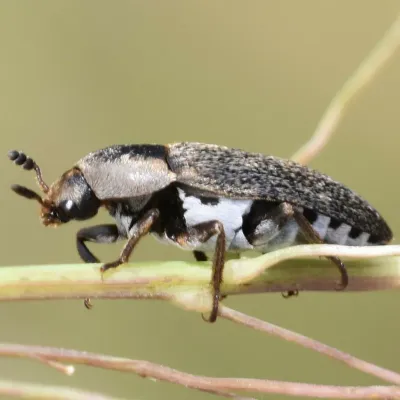
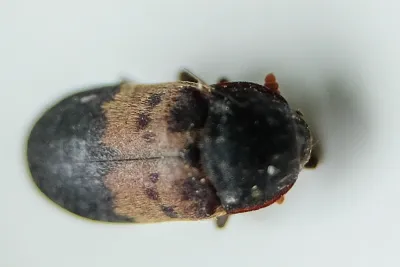
Other Carpet Beetles
Explore other species in the carpet beetles family
Commonly Confused With
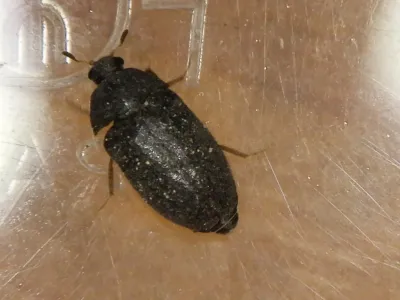
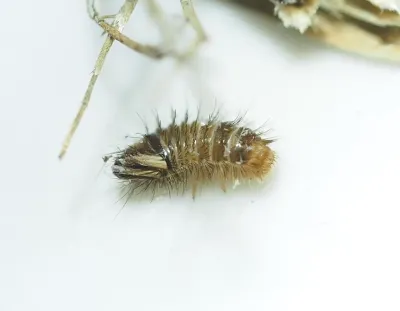
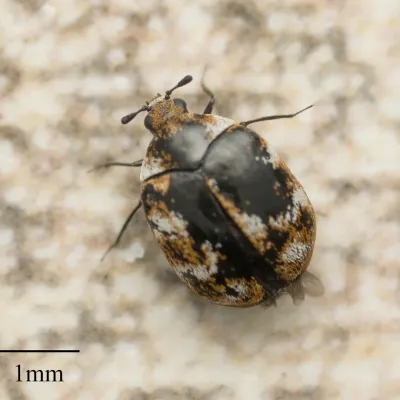
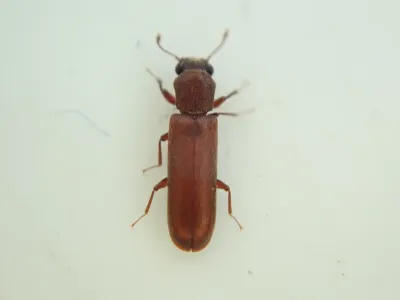
Deathwatch Beetles are often mistaken for these similar pests
Where Deathwatch Beetles Are Found
Hover over states to see their names. Green regions indicate where deathwatch beetles have been reported.
Common Questions about Deathwatch Beetles
Why are they called deathwatch beetles?
+
The name comes from the tapping sound male beetles make by bumping their heads against wood to attract mates. Historically, this sound was heard during quiet nighttime vigils kept beside the sick or dying, leading people to associate the ticking with impending death.
How do I know if I have deathwatch beetles?
+
Look for round exit holes about 3-4mm in diameter in hardwood timbers, especially oak. You may also find piles of gritty frass containing small pellets near infested wood. In quiet spring evenings, you might hear the distinctive tapping sounds males make.
What kind of wood do deathwatch beetles attack?
+
Deathwatch beetles strongly prefer hardwoods, especially oak that has been softened by prior fungal decay. They also attack elm, chestnut, and other hardwoods. The wood must have some moisture content and fungal activity for larvae to thrive.
How long does it take for deathwatch beetles to cause damage?
+
The larval stage can last anywhere from 1 to 13 years depending on conditions like temperature and moisture. Damage accumulates slowly over many years, and infestations often go unnoticed until significant structural harm has occurred.
Are deathwatch beetles dangerous to people?
+
Deathwatch beetles do not bite, sting, or transmit diseases to humans. However, they can cause serious structural damage to homes over time. Their larvae tunnel through load-bearing timbers, potentially compromising the structural integrity of buildings.
Can deathwatch beetles infest new homes?
+
Deathwatch beetles prefer old, seasoned wood that has been softened by fungal decay. They are most common in older buildings with timber frames. New construction with kiln-dried lumber and low moisture levels is rarely affected.
What is the connection between fungus and deathwatch beetles?
+
Deathwatch beetle larvae require fungus in their diet. They only infest wood that has been affected by fungal decay, which softens the wood and makes it digestible. Controlling moisture to prevent fungal growth is key to preventing infestations.
How do deathwatch beetles get into homes?
+
They typically infest timber that was already affected when the building was constructed, or they fly to suitable wood during spring mating season. Adult beetles can travel short distances to find appropriate wood for egg-laying.

With five years of hands-on experience in the pest control industry, George Schulz is a registered technician with the Virginia Pest Management Association and a proud third-generation professional in a family business that's been protecting homes for over 57 years. He manages and trains a team of service pros while also leading internal research efforts—recently spearheading a deep-dive review of thousands of documents on pest control materials to hand-pick the most kid and pet friendly, most effective solutions tailored specifically for homes in the DC metro area.