Black Carpet Beetle Identification Guide
Attagenus unicolor
The black carpet beetle is the most common and destructive carpet beetle species in the United States, with larvae that feed on wool, silk, leather, and other natural fiber materials throughout homes.
Taxonomy
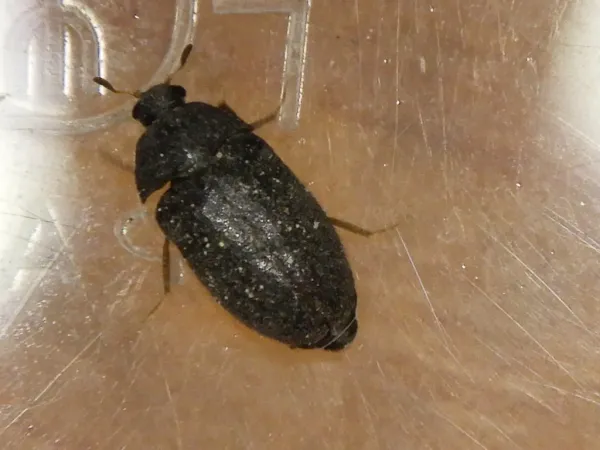
Black Carpet Beetle Coloration
Common color patterns to help identify black carpet beetle
Black Carpet Beetle
Seasonal Activity
When black carpet beetle are most active throughout the year
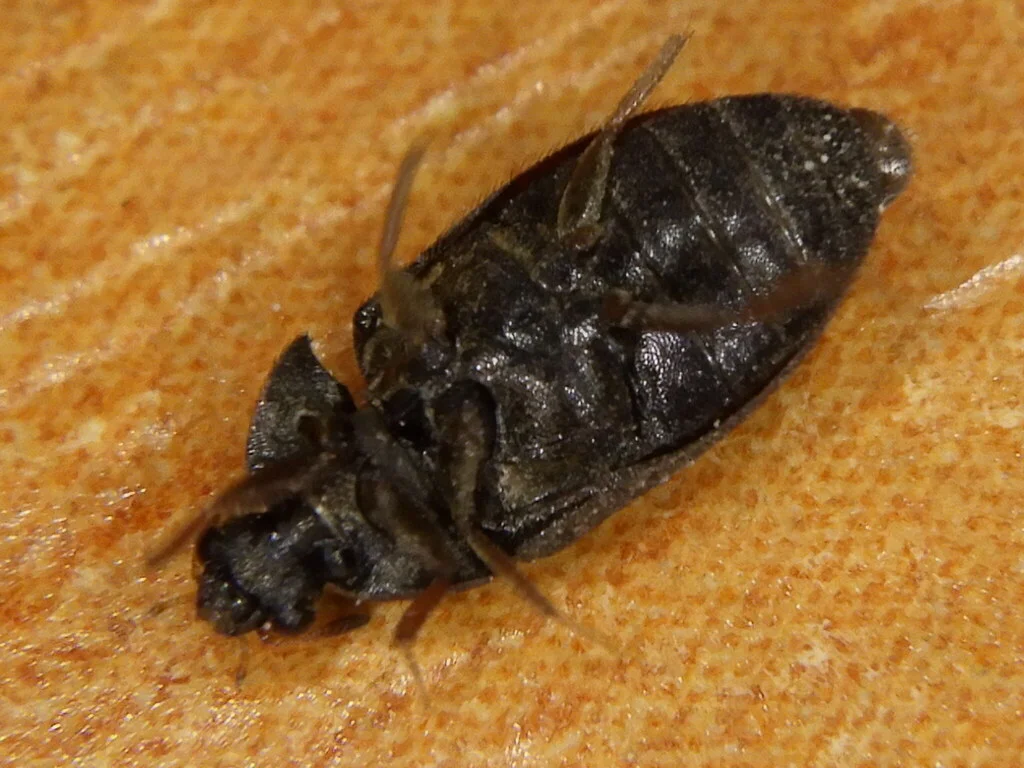
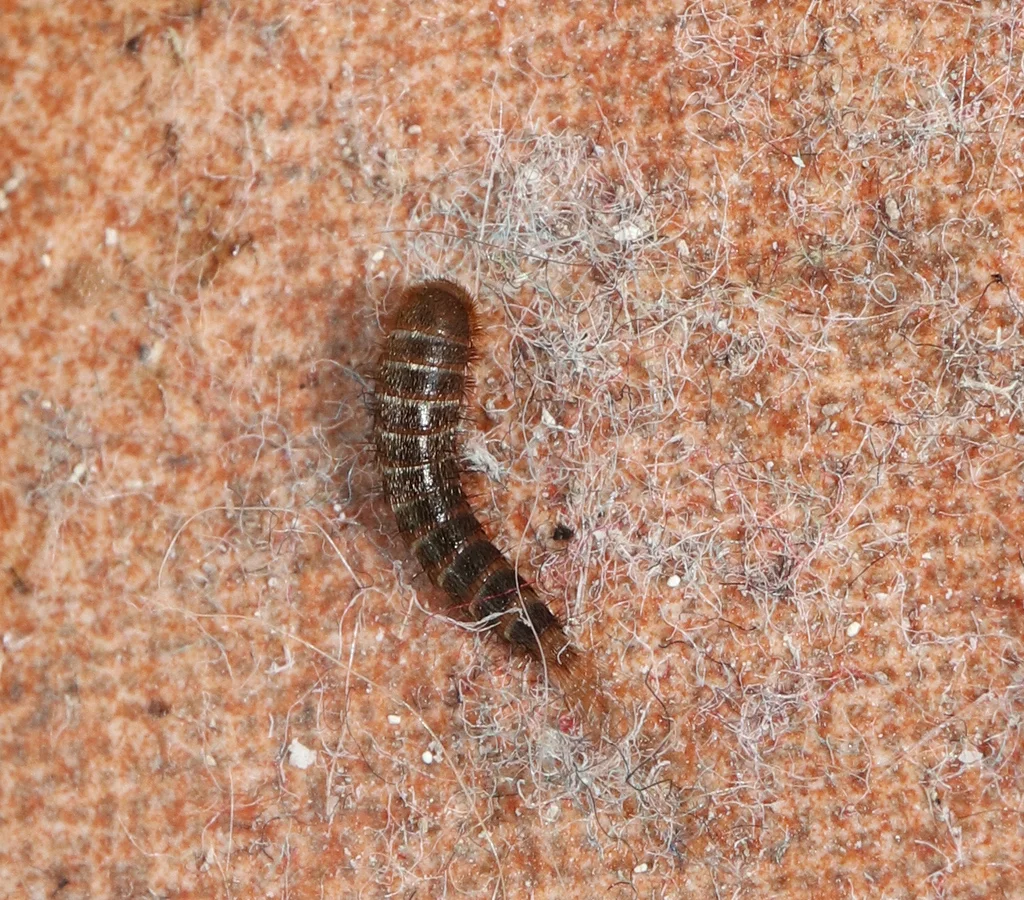
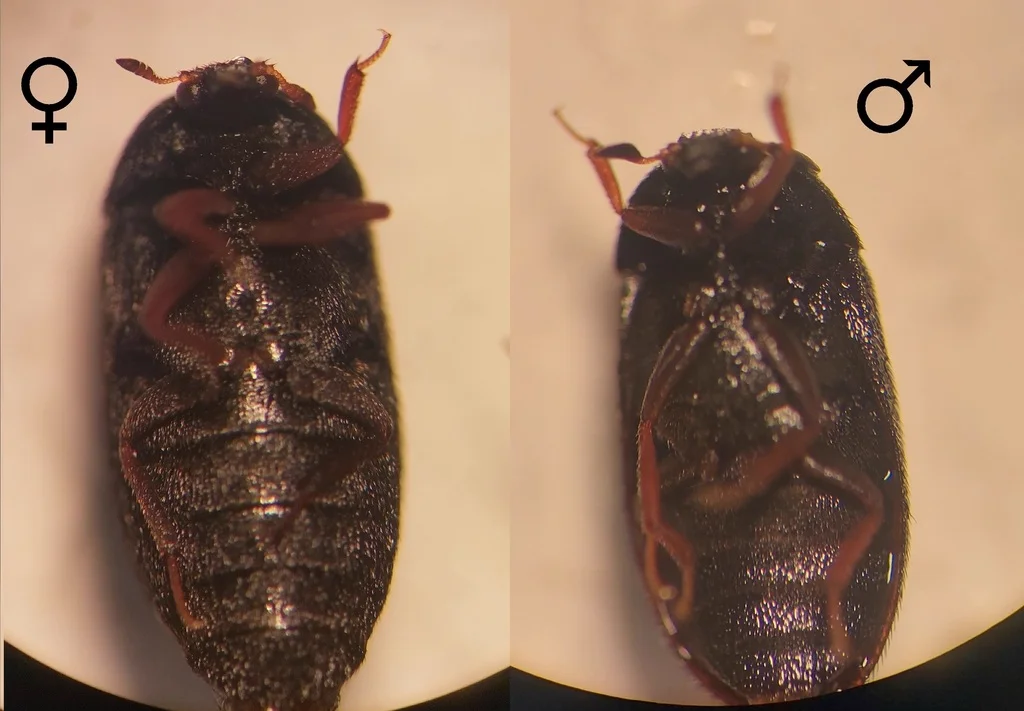

Where Black Carpet Beetle Are Found
Hover over states to see their names. Green regions indicate where black carpet beetle have been reported.
Black Carpet Beetle Identification Guide
Physical Characteristics
The black carpet beetle (Attagenus unicolor) is the most common carpet beetle species in the United States. It also causes the most damage. Adult beetles rarely harm carpets. The larvae do the real damage to items in your home.
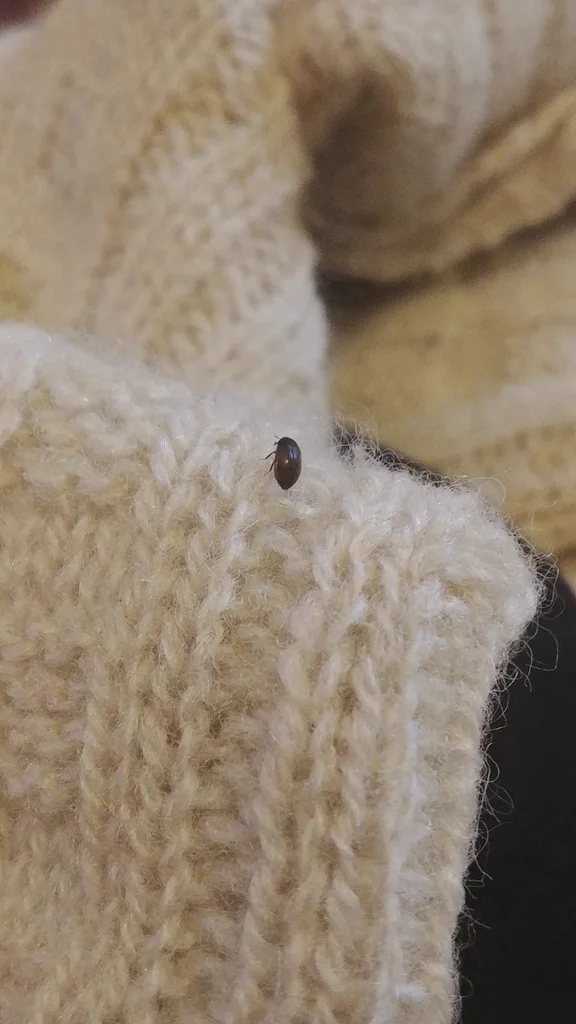
Adult beetles are small and oval shaped. They measure 3-5mm long, about the size of a sesame seed. They have shiny, dark brown to black bodies with tiny hairs. Their legs are brownish. Their antennae are short with club-shaped tips. Males have longer antenna tips than females. Adults can fly. You often see them near windows in spring.
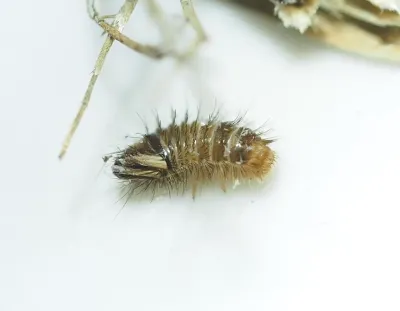
Black carpet beetle larvae cause all the damage. They look like small, fuzzy carrots. They grow up to 13mm (half an inch) long. Their bodies are golden to dark brown. They have bands of short, stiff hairs. A long tuft of golden-brown hairs at the tail makes them easy to identify.
How to Tell Black Carpet Beetles from Other Types
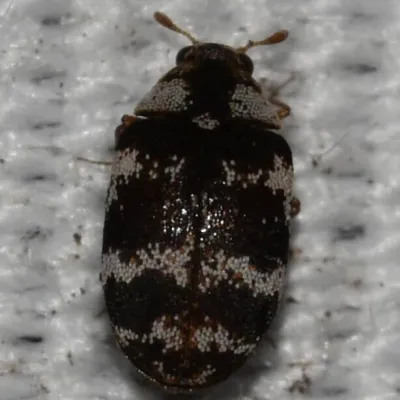
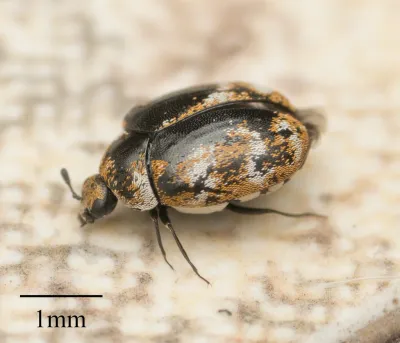
Varied carpet beetle (Anthrenus verbasci): Adults have a mottled mix of white, brown, and tan scales. Black carpet beetles are solid colored.
Common carpet beetle (Anthrenus scrophulariae): Has clear bands of red, white, and black scales. Slightly larger than varied carpet beetles.
Furniture carpet beetle (Anthrenus flavipes): Has a rounder body with yellow, white, and black scales. Found more often on furniture.
Black Carpet Beetle Behavior and Biology
Lifecycle and Development
Black carpet beetles have four life stages: egg, larva, pupa, and adult. Knowing this lifecycle helps with control.
Eggs: Females lay about 50 small, white eggs in hidden spots near food sources. They choose lint-filled cracks, under baseboards, inside air ducts, or in stored items. Eggs are hard to find. They hatch in 6 to 10 days.
Larvae: This stage causes all the damage. It is also the longest stage. Larvae feed for 3 months to nearly 2 years. How long depends on temperature and food. They shed their skin 5 to 11 times as they grow. These shed skins are often the first sign of a problem. Larvae like dark, quiet areas. They burrow into fabrics and other materials.
Pupae: When ready to change, larvae form pupae inside their last skin. This stage lasts 6 to 24 days. Pupae resist many treatments. This is why follow-up visits are needed.
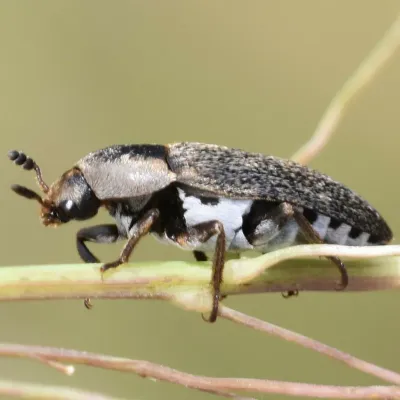
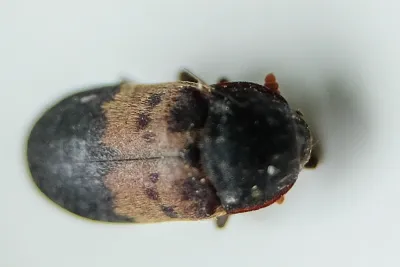
Adults: Adult beetles emerge and fly toward light. They often end up on windowsills. Peak activity is from April through June when dogwood and spiraea bloom. Adults feed on pollen and nectar outside. They do not damage items in your home. Their only job is to reproduce. A related species, Dermestid Beetles, shares similar characteristics.
What Black Carpet Beetles Eat A related species, June Bugs, shares similar characteristics.
Black carpet beetle larvae feed on keratin. This protein is found in animal-based materials. They damage many household items:
- Wool carpets, rugs, and blankets
- Silk clothing and fabrics
- Fur coats and animal pelts
- Feathers in pillows and down products
- Leather goods and bookbindings
- Taxidermy mounts and insect collections
- Pet hair and dander buildup
- Dead insects in wall voids and attics
In drier climates like California, black carpet beetles also attack stored foods. They eat cereals, grains, flour, pasta, nuts, and dried pet food. Learn more about whether carpet beetles are dangerous and how to spot the signs of carpet beetles in your home.
Larvae prefer dirty or soiled materials. Fabrics stained with sweat, food spills, or body oils attract more feeding.
Where Black Carpet Beetles Hide
Problems often start in areas homeowners miss:
- Closets with wool clothing worn once and stored without washing
- Under heavy furniture where pet hair and lint build up
- Inside HVAC ducts where lint collects
- Storage boxes with wool blankets or old clothing
- Near bird nests or wasp nests in eaves
- Around taxidermy, antique furniture, and piano felts
- In attics where dead insects provide food
Adults fly toward light. Finding them on windowsills often means there is an active problem nearby.
Signs of a Black Carpet Beetle Infestation
Damage Patterns
Black carpet beetle damage looks different from other pests:
- Irregular holes in fabrics, not uniform damage
- Surface grazing where larvae eat only the top layer of fibers
- Damage along edges, seams, and folds where larvae hide
- Bare spots on wool rugs and carpets
- Holes in stored foods without webbing
Early Warning Signs
- Shed larval skins: Light brown, hairy shells near damaged items or along baseboards
- Adult beetles on windowsills: Most common in April through June
- Larvae crawling on walls: Often in spring when they look for places to pupate
- Small fecal pellets: Tiny, sand-like particles near damaged materials
- Tufts of golden hairs: From larvae, found in closets or stored clothing
How We Treat for Black Carpet Beetles
Good carpet beetle control targets all life stages. It takes multiple treatments to fully solve the problem.
Inspection and Assessment
Our licensed technicians start with a full inspection to:
- Find the source of the problem
- Check all affected materials and storage areas
- See how active the larvae are
- Look for conditions that attract beetles like lint buildup or animal nests
We check closets, HVAC systems, storage areas, and any spot with natural fibers or animal products.
Treatment Strategy
Targeted Residual Applications: We apply products to cracks, baseboards, and carpet edges where larvae travel and feed. These keep working over time to kill newly hatched larvae.
Insect Growth Regulators (IGRs): IGRs stop larvae from growing into adults that can breed. This breaks the cycle. It also handles eggs and pupae that survive the first treatment.
Dust Applications: In wall voids and hard-to-reach areas, we apply dusts that provide long-lasting protection. Larvae often grow in these hidden spots.
Customer Preparation and Guidance
Treatment works best when homeowners help:
- Clean affected areas well by vacuuming and removing lint, pet hair, and debris
- Dry clean or hot wash wool and natural fiber items (temperatures above 120 degrees F kill all life stages)
- Store clean woolens in sealed containers or garment bags
- Vacuum often, focusing on carpet edges, under furniture, and along baseboards
- Seal gaps around windows, pipes, and baseboards
Follow-Up and Prevention
Eggs and pupae resist first treatments. We schedule follow-up visits 2 to 4 weeks later. This kills newly hatched larvae before they can breed. We also suggest ways to prevent future problems. These include proper storage, regular cleaning, and sealing entry points.
References and Further Reading
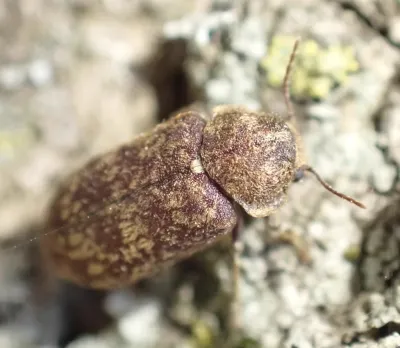
Other Carpet Beetles
Explore other species in the carpet beetles family
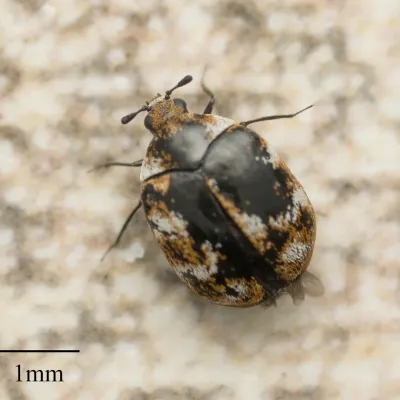
Commonly Confused With
Black Carpet Beetle are often mistaken for these similar pests
Where Black Carpet Beetle Are Found
Hover over states to see their names. Green regions indicate where black carpet beetle have been reported.
Common Questions about Black Carpet Beetle
What does a black carpet beetle look like?
+
Adult black carpet beetles are small (3-5mm), oval, shiny insects that are solid dark brown to black in color. They have brownish legs and short clubbed antennae. Males have longer antenna segments than females. The larvae look very different, being golden to dark brown, hairy, and carrot-shaped with a distinctive tuft of long hairs at the tail.
Are black carpet beetles harmful?
+
Black carpet beetles do not bite or sting humans. However, their larvae cause significant damage to household items made of natural fibers including wool carpets, clothing, upholstery, and fur. The bristly hairs on larvae can cause skin irritation and allergic reactions in some people.
How do black carpet beetles get inside my home?
+
Adult black carpet beetles fly to flowers for pollen and nectar, then enter homes through open windows, doors, or gaps around utility lines. They are attracted to light and often fly indoors during their peak activity period from April through June. They can also be brought in on cut flowers, used furniture, or stored items.
What do black carpet beetle larvae eat?
+
Black carpet beetle larvae feed on keratin, a protein found in animal-based materials. They eat wool, silk, fur, feathers, leather, and dried animal products. They also damage stored foods like cereals, grains, nuts, and dried pet food. Larvae prefer materials soiled with sweat, food stains, or body oils.
How long do black carpet beetles live?
+
The black carpet beetle lifecycle varies greatly. Eggs hatch in 6-10 days. The larval stage lasts from 3 months to nearly 2 years depending on conditions. Pupation takes 6-24 days. Adults can live 9 months to 3 years. The entire cycle takes 2 months to 2 years depending on temperature and humidity.
What are signs of a black carpet beetle infestation?
+
Look for irregular holes in fabrics and carpets, shed larval skins that look like small hairy shells, tiny fecal pellets near damaged items, and bare spots on wool surfaces. You may see adult beetles on windowsills in spring as they try to fly outside. Larvae often crawl up walls when ready to pupate.
How do I prevent black carpet beetles?
+
Store wool and natural fiber items in sealed containers or garment bags. Vacuum regularly, especially under furniture and along baseboards. Clean clothing before storing. Install tight-fitting screens on windows. Seal gaps around pipes and baseboards. Remove lint from air ducts and keep storage areas clean.

With five years of hands-on experience in the pest control industry, George Schulz is a registered technician with the Virginia Pest Management Association and a proud third-generation professional in a family business that's been protecting homes for over 57 years. He manages and trains a team of service pros while also leading internal research efforts—recently spearheading a deep-dive review of thousands of documents on pest control materials to hand-pick the most kid and pet friendly, most effective solutions tailored specifically for homes in the DC metro area.