Furrow Bees Identification Guide
Halictus spp.
Small to medium-sized ground-nesting bees recognized by the groove on their abdomen. Often attracted to human sweat and rarely sting unless handled directly.
Taxonomy
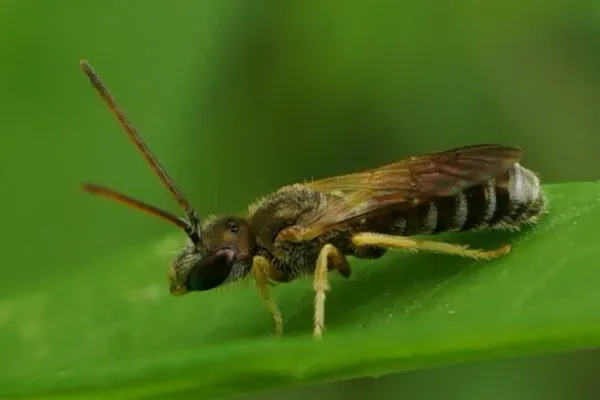
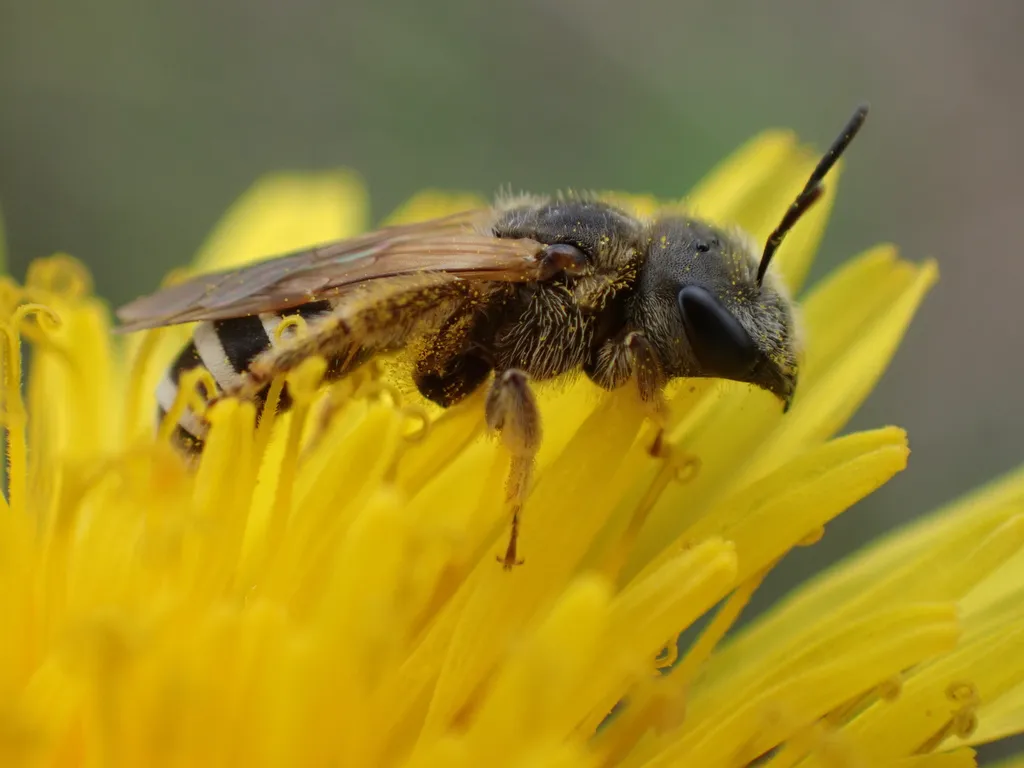
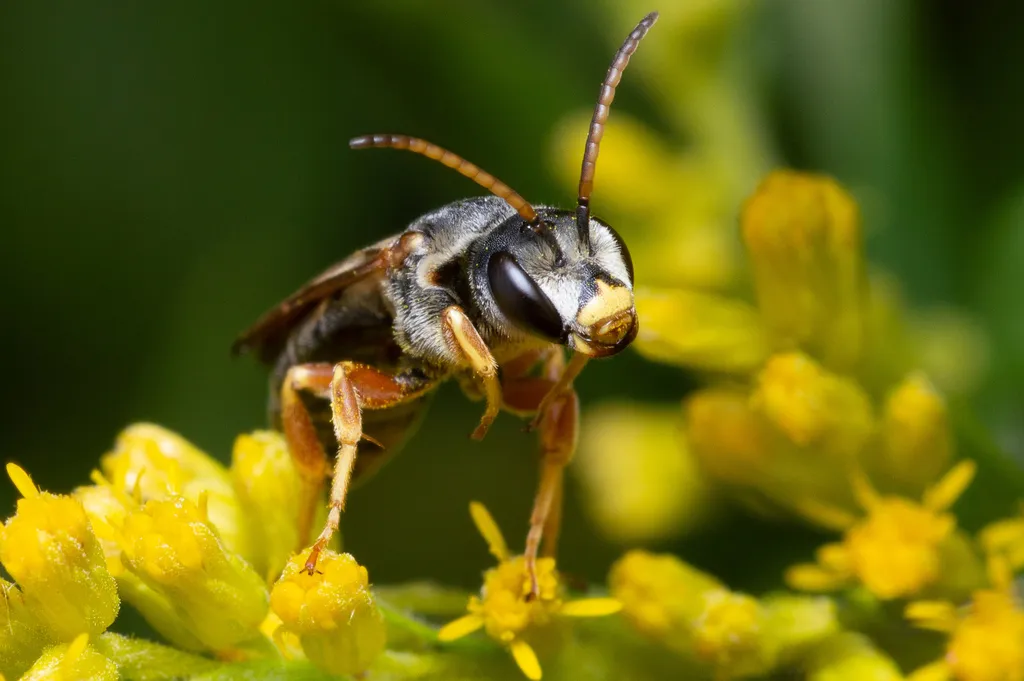
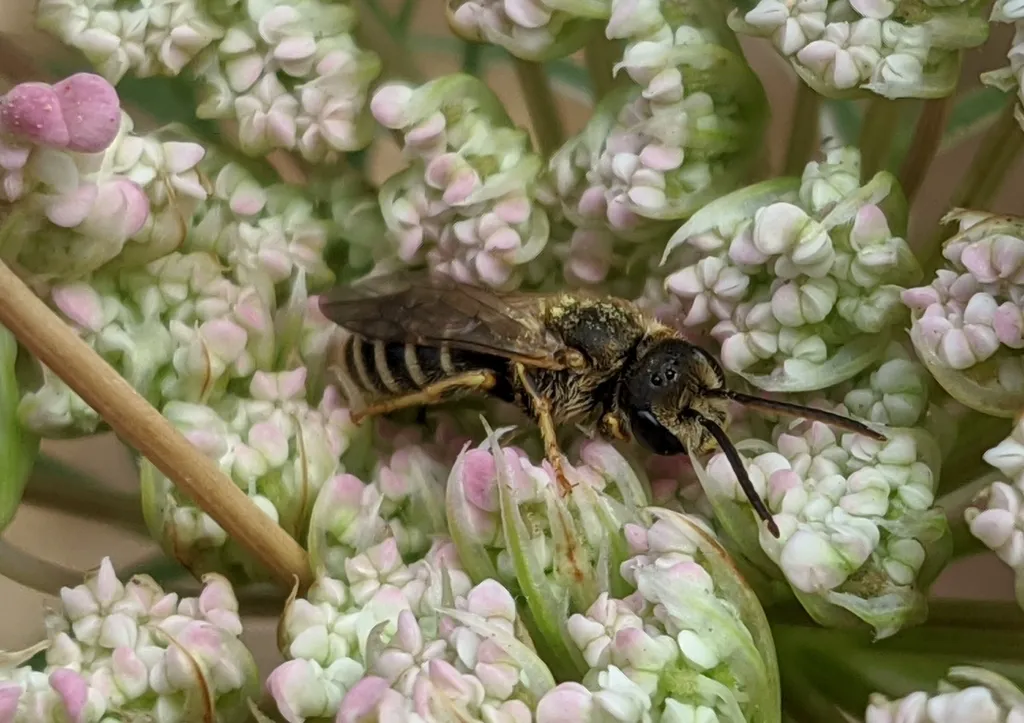
Furrow Bees Coloration
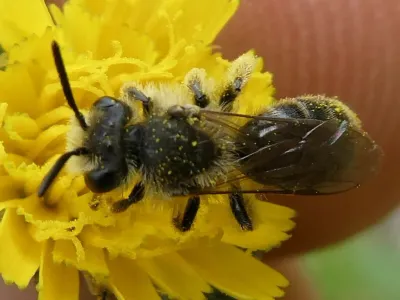
Common color patterns to help identify furrow bees
Furrow Bees
Seasonal Activity
When furrow bees are most active throughout the year

Where Furrow Bees Are Found
Hover over states to see their names. Green regions indicate where furrow bees have been reported.
Furrow Bee Identification Guide
Physical Characteristics
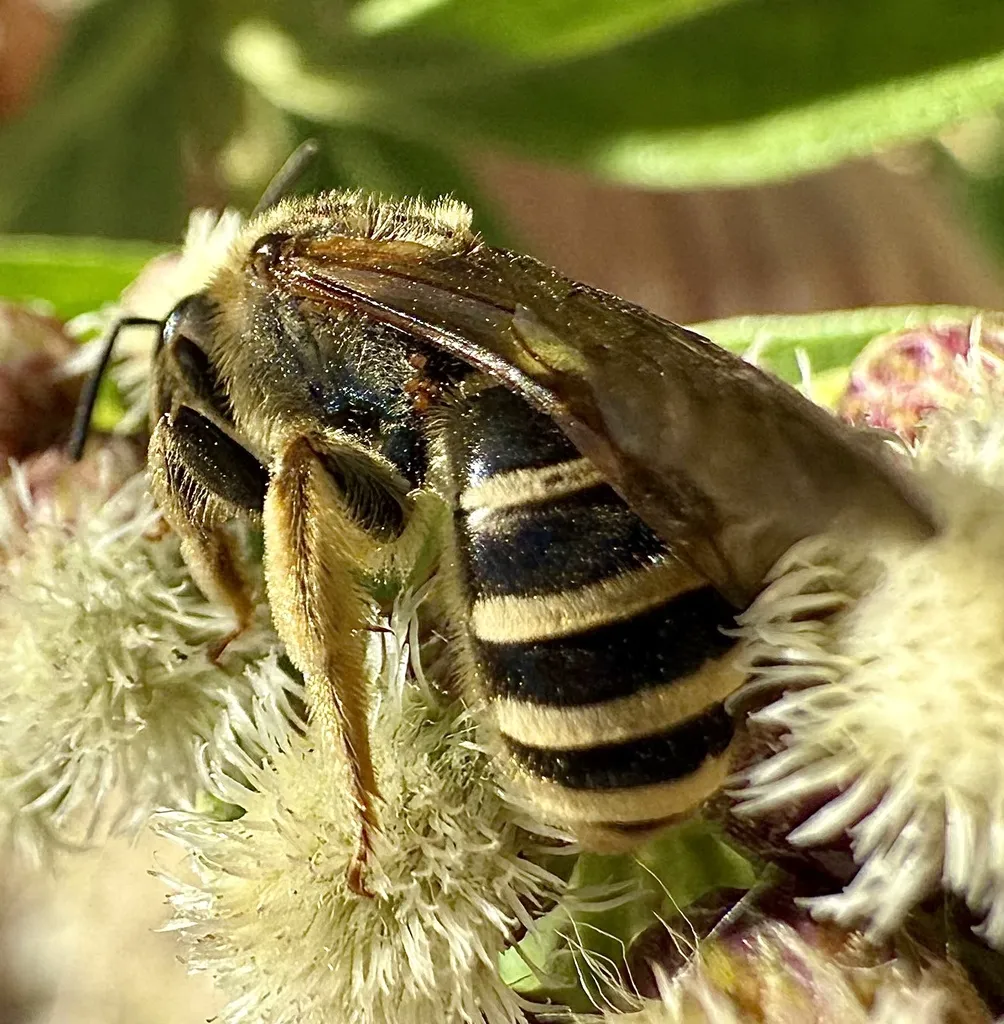
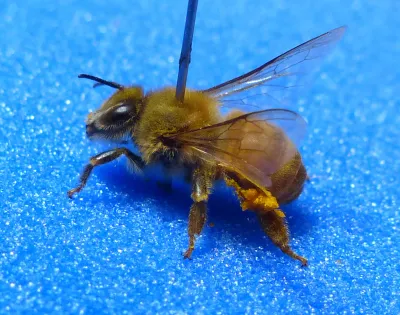
Furrow bees measure 6 to 14 millimeters long. They have a stocky build that can make them look like small honeybees at first glance. Their bodies are dark brown to black with pale hair bands on the abdomen. These bands give them a striped look.
The feature that gives furrow bees their name is a groove running down the center of the last segment of their abdomen. This groove is the best way to tell them apart from other bees that look alike. You can see it with a close look or a magnifying glass.
Furrow bees have hairy bodies, especially on the upper back and legs. Females have special hairs on their hind legs for carrying pollen. Their wings are clear with a slight smoky tint. Their antennae are short compared to their body size.
Common Species in North America
The genus Halictus includes about 30 species in North America. Here are the most common ones:
-
Ligated Furrow Bee (Halictus ligatus): The most common species in the eastern U.S. and Canada. It has a dark brown to black body with white hair bands. It ranges from southern Canada through the eastern states and into Mexico.
-
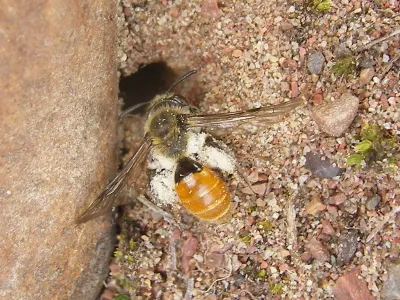
Orange-legged Furrow Bee (Halictus rubicundus): Named for the reddish-orange color on the legs of females. Found across North America and Europe.
-
Parallel-lined Furrow Bee (Halictus parallelus): A smaller species found mainly in the western United States. It has fine parallel lines on the head and upper body.
-
Confused Furrow Bee (Halictus confusus): Found across North America. Smaller than H. ligatus and often seen in urban and suburban gardens.
Furrow Bee Behavior and Biology
Social Structure
Furrow bees show a range of social behaviors. Depending on the species and local climate, they can live alone or form small colonies.
In warmer areas with longer growing seasons, many furrow bee species form small groups. A single queen starts a nest in spring. Her first round of daughters becomes workers that help grow the nest and raise more young. These colonies are small, usually fewer than a dozen bees. They are nothing like the large hives of honeybees.
In cooler climates and at higher altitudes, the same species often nests alone. Each female builds and stocks her own nest without help. This switch between group and solo nesting is a key trait of furrow bees.
Nesting Habits
Furrow bees are ground-nesting bees. Females dig burrows in well-drained, packed soil. They prefer spots with thin grass and good sun exposure. Common nesting sites include garden paths, lawn edges, south-facing slopes, and the bases of retaining walls.
Each nest has a main tunnel that goes several inches into the soil. Side branches lead to brood cells where eggs are laid. The female coats each cell with a waxy material that keeps out moisture and fungi.
Nest openings are small, about the width of a pencil. You may see a small mound of dirt around each hole. When conditions are right, many females may nest close together. This can look like a colony, but it is usually just many separate nests in one area. In species that form groups, one nest may hold several related females.
Life Cycle
The furrow bee life cycle starts in spring. Mated females that spent the winter underground come to the surface. Each one picks a nesting spot and starts digging. She fills each brood cell with a ball of pollen and nectar, lays one egg on top, and seals the cell.
Eggs hatch in a few days. Larvae feed on the stored food for several weeks before changing into pupae. In group-living species, the first batch of daughters comes out as workers in early summer. These workers take over food gathering and nest upkeep while the queen keeps laying eggs.
A second batch, which includes males and new queens, usually comes out in late summer. After mating, the new queens burrow into the soil to wait out winter. The old queen, workers, and males all die before cold weather sets in. The next spring, the cycle starts over.
Diet and Foraging
Adult furrow bees visit many types of flowers. They are drawn to plants in the aster family, such as dandelions, goldenrod, and sunflowers. They also visit plants in the carrot family and many garden crops.
Like sweat bees, furrow bees are drawn to human sweat for its salt. This can bring them close to people on hot days. They are not trying to sting when they land on skin. Brushing them away gently is usually enough to send them off.
Treatment Methods for Furrow Bees
Furrow bees nest in the ground and can show up in large numbers in yards and gardens. There are several ways to manage them when they become a problem near your home.
When to Consider Treatment:
- Someone in your household has a bee sting allergy
- Large groups are nesting near entryways, pools, or play areas
- Bees are landing on people often due to sweat attraction
Changing the Habitat:
Making the area less appealing is often the most effective first step:
- Water the area more often. Furrow bees need dry, well-drained soil. Keeping the ground moist makes it a poor nesting choice.
- Grow thicker grass. Dense lawn cover removes the bare soil patches they need.
- Add mulch. A thick layer of mulch over garden beds blocks access to bare soil.
- Loosen packed soil. Aerating compacted ground makes it harder for them to dig stable tunnels.
Chemical Treatment:
When other methods are not enough, a residual insecticide can be applied to the soil around nest openings in the evening. This is the best time because the bees have returned to their burrows for the night. Insecticidal dust placed directly into nest holes is another option. A pest control professional can apply these products in a targeted way that focuses on the problem area.
What to Expect:
Furrow bee nesting runs from late spring through early fall. After the season ends, the adults die off and the small entrance holes fill in on their own. However, new bees often come back to the same general area the following year.
Because furrow bees can look like yellowjackets or other ground-nesting stinging insects, getting the right identification matters. Yellowjackets are aggressive and need quick treatment, while furrow bees are much calmer. A pest control professional can tell the difference and suggest the right plan.
References
Other Bees
Explore other species in the bees family
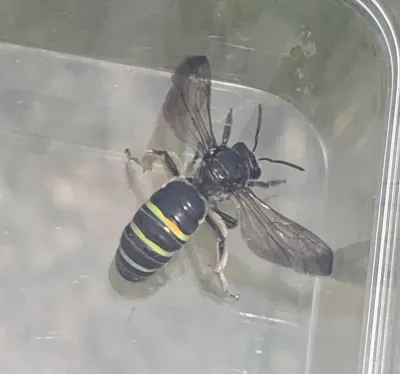
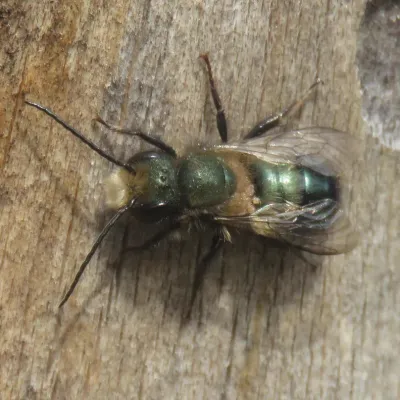
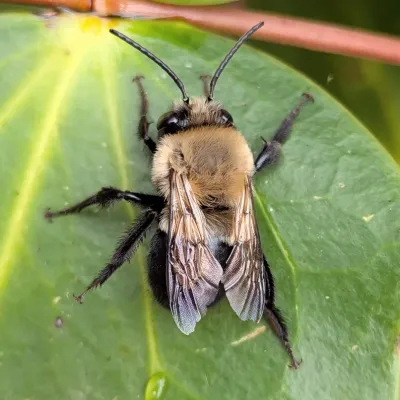
Commonly Confused With
Furrow Bees are often mistaken for these similar pests
Where Furrow Bees Are Found
Hover over states to see their names. Green regions indicate where furrow bees have been reported.
Common Questions about Furrow Bees
What are furrow bees?
+
Furrow bees are small to medium-sized bees in the genus Halictus, part of the family Halictidae. They get their name from a groove running down the last segment of their abdomen. They are closely related to sweat bees and are found throughout North America.
Do furrow bees sting?
+
Female furrow bees can sting, but they rarely do so unless directly handled or stepped on. Their sting is mild compared to honeybees or wasps, and they are not aggressive. Male furrow bees cannot sting at all. People with bee sting allergies should still exercise caution around them.
Why are furrow bees attracted to me?
+
Like their close relatives the sweat bees, furrow bees are attracted to human perspiration. The salts and moisture in sweat draw them in, especially on hot days. They may land on your skin to drink sweat but are not trying to sting. Gently brushing them away is usually enough to deter them.
Where do furrow bees nest?
+
Furrow bees nest in the ground, typically in well-drained soil with sparse vegetation. They prefer south-facing slopes and patches of bare or compacted earth. Nests appear as small holes about the diameter of a pencil, often with a small mound of excavated soil around the entrance.
Are furrow bees social or solitary?
+
Furrow bees show a range of social behaviors depending on the species and climate. Some are solitary, while others are primitively eusocial, meaning a single queen produces worker daughters that help maintain the nest. In cooler climates, many Halictus species revert to solitary nesting.
How can I tell furrow bees apart from sweat bees?
+
Furrow bees are generally larger and more robust than most sweat bees. The easiest way to distinguish them is by the distinct groove or furrow on the last abdominal segment, visible under close inspection. Furrow bees also tend to have more pronounced pale hair bands on their abdomen compared to the metallic sheen common in many sweat bee species.
Do furrow bees damage my lawn or garden?
+
Furrow bees cause little to no damage to lawns or gardens. Their small nest tunnels are minor and tend to fill in naturally over time. However, large nesting groups in high-traffic areas can be a nuisance, especially for people who are allergic to bee stings.
When are furrow bees most active?
+
Furrow bees are most active from late spring through early fall, typically May through September. They forage during warm, sunny days and are especially common around gardens and wildflower meadows during peak bloom periods. Activity tapers off as temperatures cool in autumn.

With five years of hands-on experience in the pest control industry, George Schulz is a registered technician with the Virginia Pest Management Association and a proud third-generation professional in a family business that's been protecting homes for over 57 years. He manages and trains a team of service pros while also leading internal research efforts—recently spearheading a deep-dive review of thousands of documents on pest control materials to hand-pick the most kid and pet friendly, most effective solutions tailored specifically for homes in the DC metro area.