Wheel Bugs Identification Guide
Arilus cristatus
The wheel bug is the largest assassin bug in North America. It has a unique cogwheel-shaped crest on its back. Their painful bite requires caution when found around homes.
Taxonomy
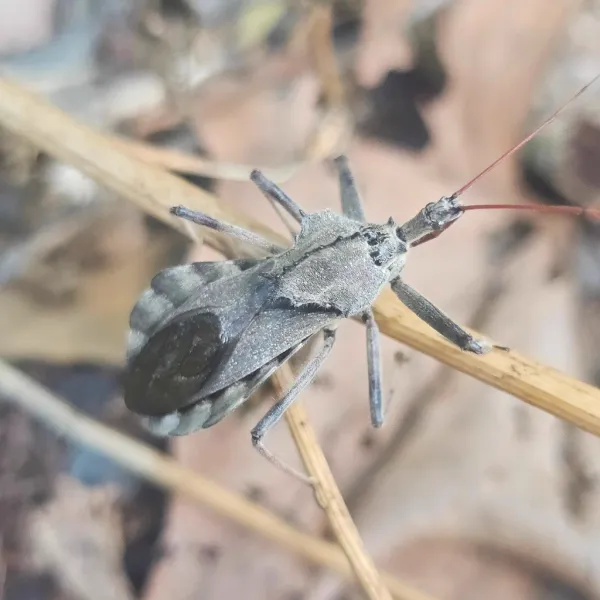
Wheel Bugs Coloration
Common color patterns to help identify wheel bugs
Wheel Bugs
Seasonal Activity
When wheel bugs are most active throughout the year

Where Wheel Bugs Are Found
Hover over states to see their names. Green regions indicate where wheel bugs have been reported.
Wheel Bug Identification Guide
Physical Characteristics
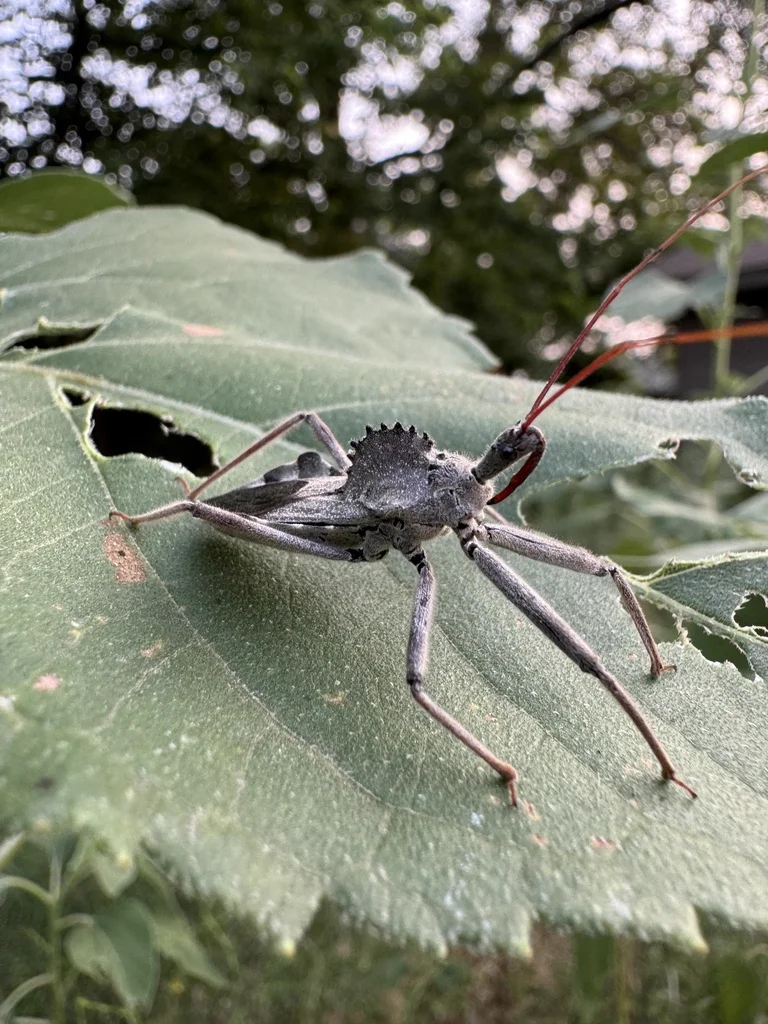
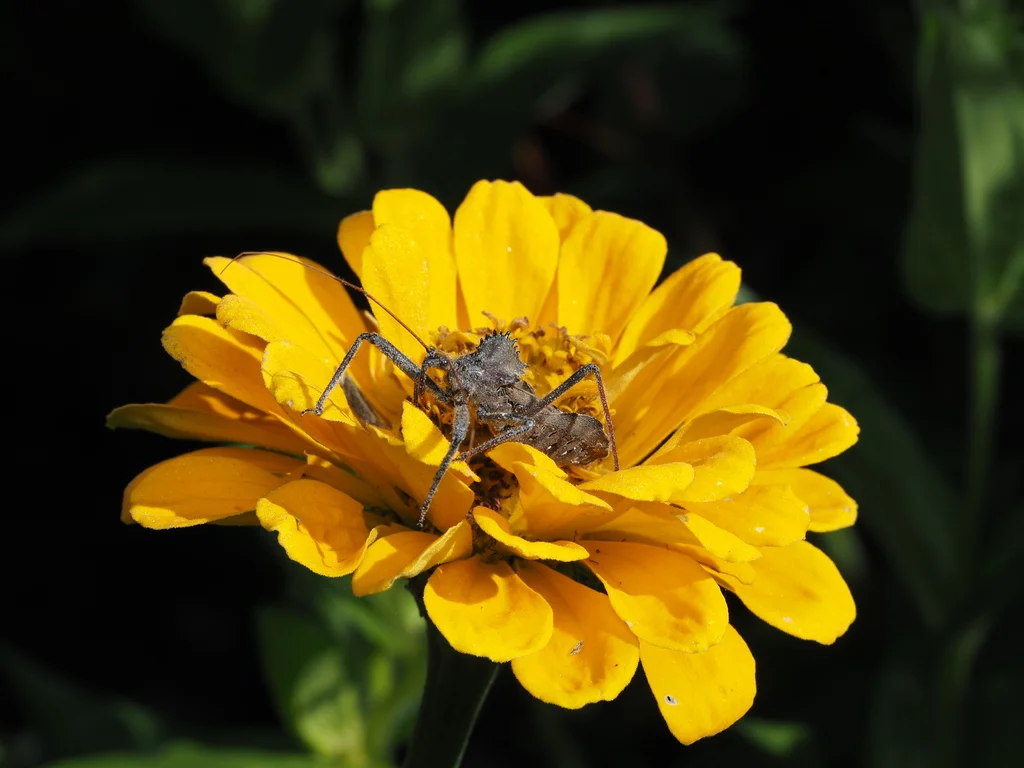
The wheel bug is the largest assassin bug in North America. Adults measure 1 to 1.5 inches long. The most striking feature is the semicircular crest on its back. This crest looks like a cogwheel or gear with 8 to 12 tooth-like points. No other insect in the United States has this structure. Once you see one, you will not forget it.
Adults are grayish-brown to dark gray. Their body is sturdy and covered in fine yellowish hairs. The wings have a bronze sheen with white patches along the edges. Like all assassin bugs, wheel bugs have a curved, beak-like mouth. They use this to pierce and feed on prey. Females are larger than males.
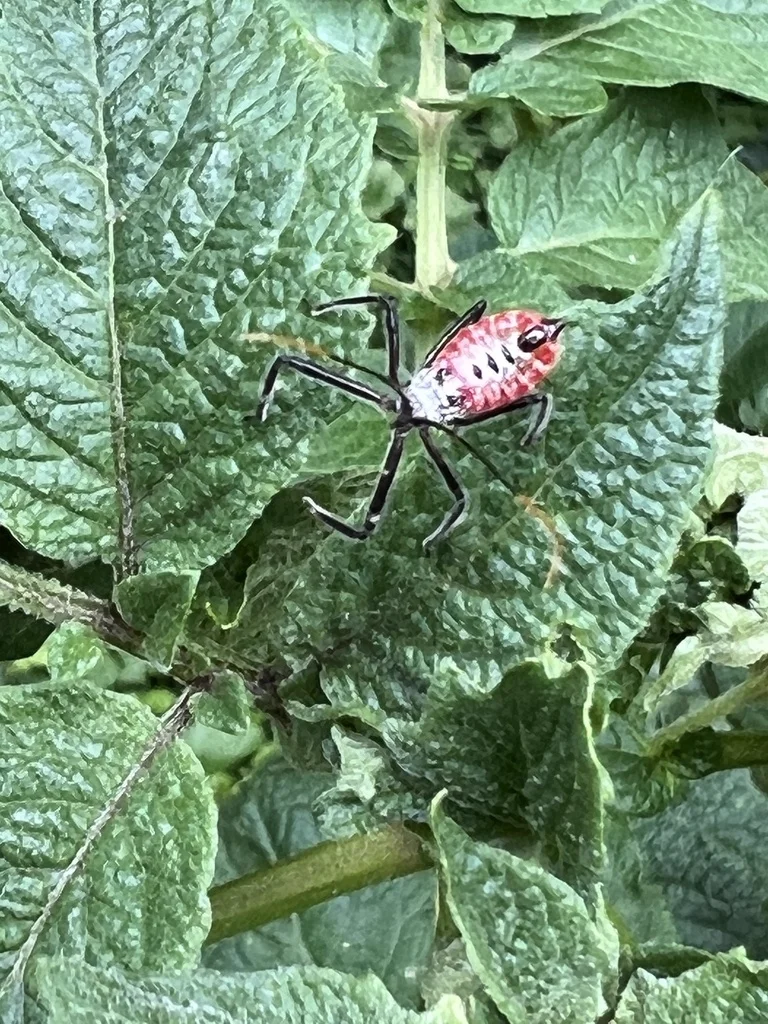
Young wheel bugs (called nymphs) look quite different from adults. Early-stage nymphs are bright red with black markings. They do not have the wheel crest yet. As they grow through five molts over about three months, they get darker. The wheel structure forms as they mature. Nymphs have no wings until they become adults.
Life Cycle
Wheel bugs produce one generation per year. Females lay eggs in late fall after mating. They deposit clusters of 40 to 200 eggs on tree bark, shrubs, and protected surfaces. The eggs look like tiny brown bottles with white caps. They are arranged in tight hexagonal patterns.
Eggs survive the winter and hatch in late spring. This happens from late April through June, with most hatching in May. The bright red and black nymphs start hunting right away. They feed on aphids and other small insects. It takes about three months to go from egg to adult. You will see the most adults from June through October.
Wheel Bug Behavior and Biology
Wheel bugs hunt during the day. Even though they have wings, they fly slowly and make a loud buzzing sound. On plants or the ground, they move carefully. They rely on camouflage to hide from predators and sneak up on prey.
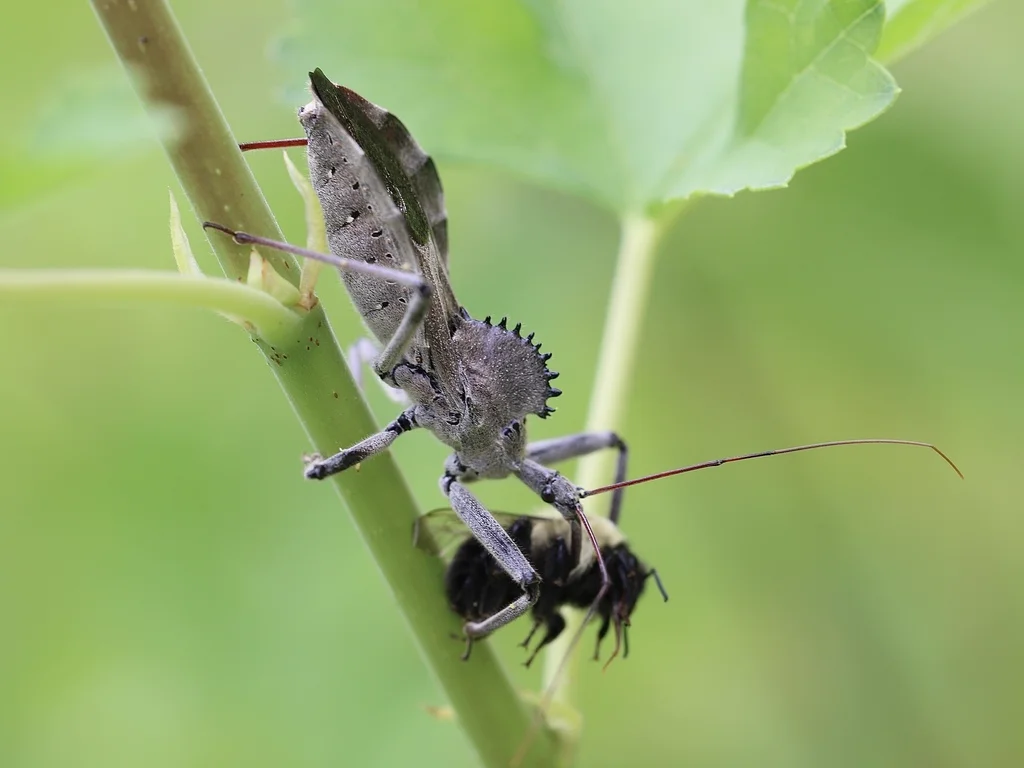
As ambush hunters, wheel bugs wait for prey to come close. When the moment is right, they strike fast. They grab the victim with their strong front legs. Then they stab it with their beak and inject venom. The prey becomes paralyzed in 15 to 30 seconds. The venom also breaks down the prey’s insides, which the wheel bug then drinks.
Wheel bugs eat many kinds of insects. Their diet includes Japanese beetles, cabbage worms, tent caterpillars, Mexican bean beetles, fall webworms, and aphids. They also eat the brown marmorated stink bug. However, they will eat almost anything they can catch, including lady beetles and honey bees.
These insects can be aggressive hunters. They sometimes eat each other. Young nymphs may prey on their siblings. Females sometimes eat males after mating. When scared, wheel bugs give off a bad smell from glands on their body.
Wheel Bugs Around Your Home
Wheel bugs live outdoors in gardens, fields, and wooded areas. They eat many insects that damage plants. However, their painful bite makes them a concern when they show up near your home.
Wheel bugs sometimes wander indoors, especially in fall. They may seek shelter as the weather cools. Lights at night can also attract them. They may enter through open doors and windows. While they do not damage structures or get into food, you want to avoid getting bitten.
If you find a wheel bug inside, do not touch it with your hands. Scoop it onto paper or cardboard and put it outside. The bite causes sharp pain right away, often worse than a bee or wasp sting. Numbness can last for days. The bite spot usually heals in about two weeks.
To keep wheel bugs out, follow the same steps as for other occasional invaders. Make sure window screens have no holes. Install door sweeps. Seal gaps around pipes and wires that enter your home. Turn off outdoor lights near doors at night. Unlike the masked hunter, which actively hunts indoor pests like bed bugs, wheel bugs enter by accident and do not establish themselves inside.
Managing Wheel Bugs
Wheel bugs are not common indoor pests. They do not breed inside homes or cause structural damage. Most people only see one or two per year. For occasional sightings, simply remove them and release them outside.
If wheel bugs become a repeated problem, the issue is usually entry points. A pest control professional can inspect your home for gaps and cracks. Sealing these entry points helps keep out wheel bugs and many other occasional invaders. Exterior perimeter treatments can also create a barrier that discourages insects from entering. Wheel bugs are sometimes mistaken for kissing bugs or stink bugs, but their distinctive cogwheel crest makes identification straightforward.
References
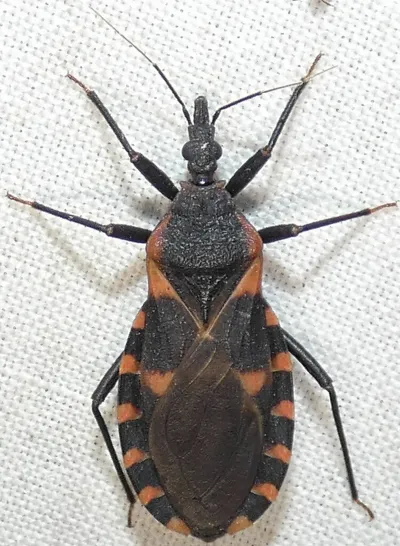
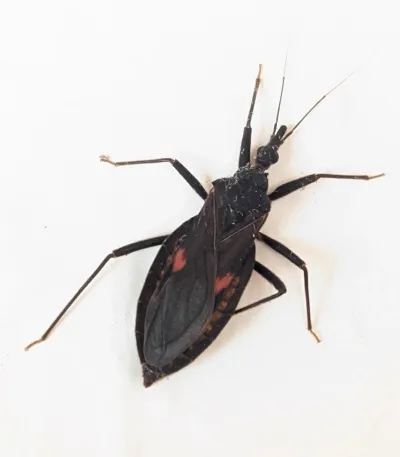
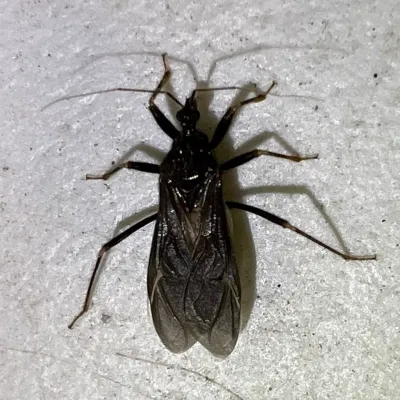
Other Assassin Bugs
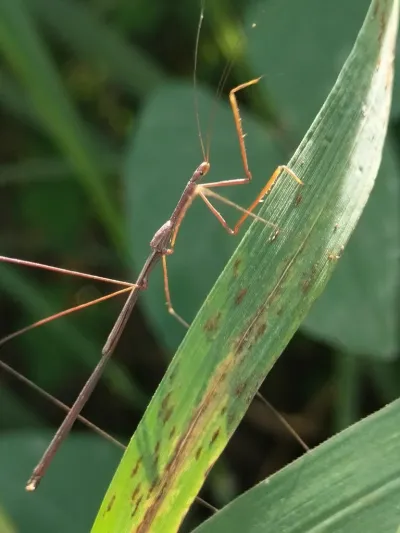
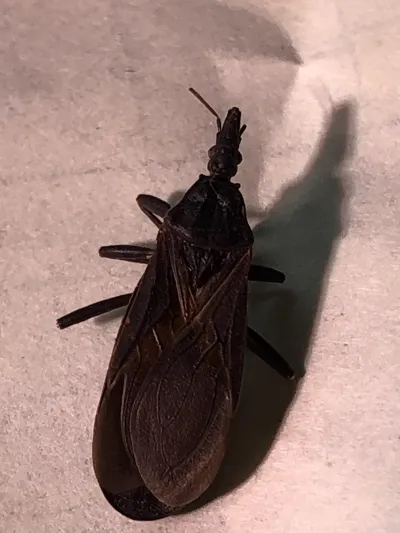
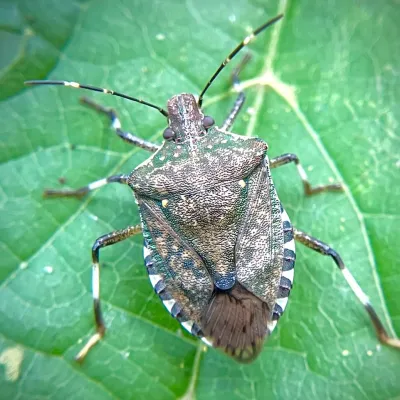
Explore other species in the assassin bugs family
Where Wheel Bugs Are Found
Hover over states to see their names. Green regions indicate where wheel bugs have been reported.
Common Questions about Wheel Bugs
Are wheel bugs dangerous to humans?
+
Wheel bugs are not aggressive toward people. But they will bite if you handle them or press against them by accident. Their bite hurts right away, often worse than a bee sting. It can cause numbness that lasts for days. The bite site may stay tender for up to two weeks.
What should I do if I find a wheel bug in my house?
+
Use a piece of paper or cardboard to scoop up the wheel bug and move it outside. Do not touch it with your bare hands. Their bite is very painful. If you see them often indoors, check your screens and door sweeps for gaps.
What does a wheel bug bite feel like?
+
A wheel bug bite causes sharp pain right away. Then the area goes numb, which can last several days. The spot often turns red and may get hard. Most bites heal in about two weeks. Keep the wound clean to prevent infection.
How do wheel bugs hunt their prey?
+
Wheel bugs are ambush predators. They move slowly and use camouflage to hide. When prey gets close, they strike fast. They grab the victim with their front legs. Then they use their beak to inject venom that paralyzes the prey in 15 to 30 seconds.
Why is it called a wheel bug?
+
The wheel bug gets its name from the crest on its back that looks like a cogwheel or gear. This crest has 8 to 12 tooth-like points. No other insect in North America has this feature. It makes wheel bugs easy to identify.
Where do wheel bugs lay their eggs?
+
Female wheel bugs lay groups of 40 to 200 eggs in late fall. They put them on tree trunks, shrubs, and other sheltered spots, usually low to the ground. The eggs look like tiny brown bottles with white caps. Baby wheel bugs hatch the next spring.

With five years of hands-on experience in the pest control industry, George Schulz is a registered technician with the Virginia Pest Management Association and a proud third-generation professional in a family business that's been protecting homes for over 57 years. He manages and trains a team of service pros while also leading internal research efforts—recently spearheading a deep-dive review of thousands of documents on pest control materials to hand-pick the most kid and pet friendly, most effective solutions tailored specifically for homes in the DC metro area.