Fire Ants Identification Guide
Solenopsis invicta
Red imported fire ants are aggressive, stinging ants native to South America that have become one of the most problematic invasive species in the southern United States. Known for their painful stings and large mound nests, these ants pose significant risks to humans, pets, and agriculture.
Taxonomy
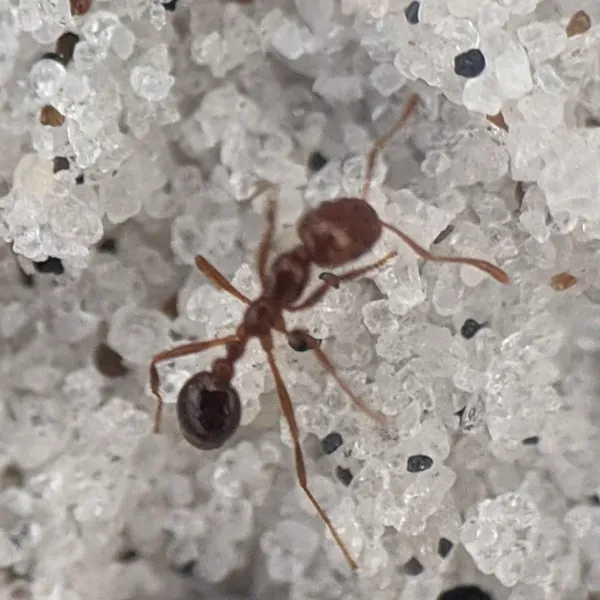
Fire Ants Coloration
Common color patterns to help identify fire ants
Fire Ants
Seasonal Activity
When fire ants are most active throughout the year
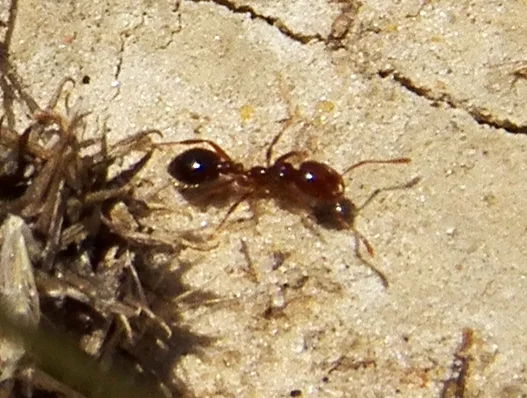

Where Fire Ants Are Found
Hover over states to see their names. Green regions indicate where fire ants have been reported.
Fire Ant Identification Guide
The red imported fire ant (Solenopsis invicta) is one of the most notorious invasive ant species in North America. Native to South America, these aggressive ants have established themselves across the southern United States since their accidental introduction through Mobile, Alabama, in the 1930s. Listed among the world’s 100 worst invasive species, fire ants pose significant risks to human health, agriculture, and native ecosystems.
The species name invicta comes from Latin meaning “invincible” or “unconquered,” a fitting description for an ant that has proven remarkably difficult to eradicate once established.
Physical Characteristics
Red imported fire ants are polymorphic, meaning workers within the same colony vary considerably in size. Worker ants range from 2.4 to 6 mm (approximately 1/8 to 1/4 inch) in length. This size variation is a helpful identification feature, as many other ant species have workers of uniform size.
Key identification features include:
- Coloration - Reddish-brown head and thorax with a darker brown or black gaster (abdomen)
- 10-segmented antennae with a distinctive two-segment club at the tip
- Two-segmented pedicel (waist) connecting the thorax to the abdomen
- Four teeth on the mandibles (jaws)
- No spines on the thorax - the propodeum is smooth
Queens are larger than workers, typically 6 to 8 mm in length. Winged reproductive males are entirely black and slightly smaller than queens. Recognizing these reproductive forms is important, as their presence indicates an active, mature colony capable of spreading.
Fire Ant Mounds
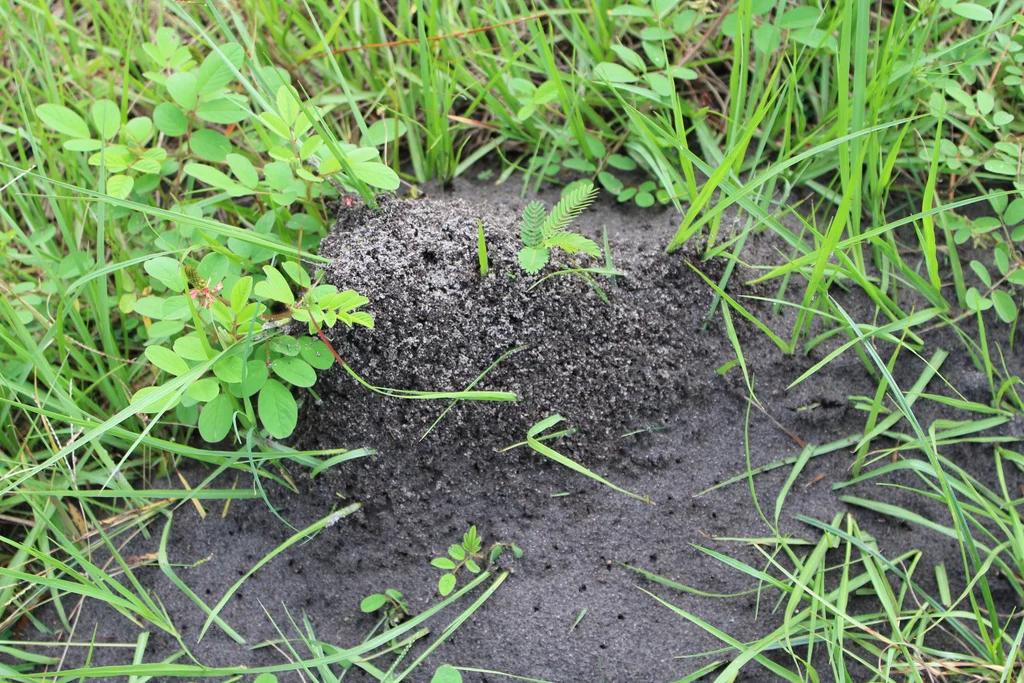
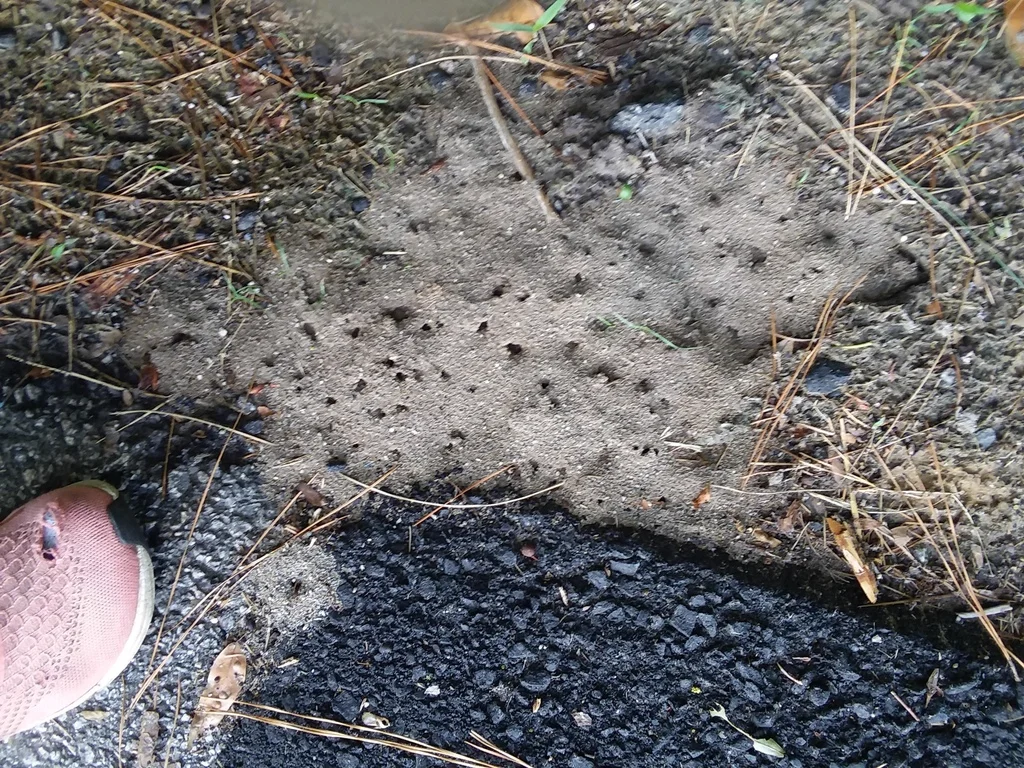
Fire ant mounds are distinctive and serve as the primary visual indicator of an infestation. Unlike many other ant species, fire ant mounds have no visible entrance hole on top. Instead, ants enter and exit through underground tunnels that can extend several feet from the mound.
Mound characteristics include:
- Dome shape - Typically 10 to 24 inches in diameter and up to 18 inches high
- Fluffy, worked soil - Freshly constructed mounds have a distinctive granular appearance
- No central opening - A key distinguishing feature from other ant mounds
- Location preference - Open, sunny areas like lawns, pastures, roadsides, and around foundations
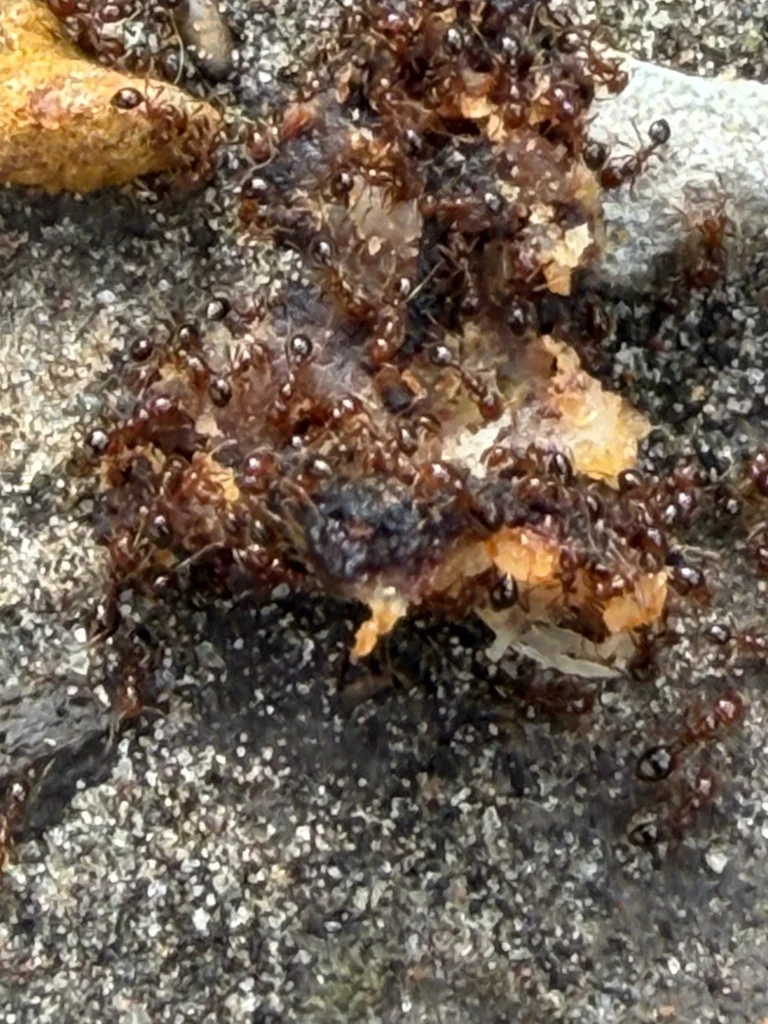
When disturbed, fire ants respond with remarkable aggression. Within seconds, thousands of workers will swarm out of the mound and climb any object touching it. This defensive behavior is a reliable field identification method, though obviously one that comes with consequences.
Species Commonly Confused with Fire Ants
Several ant species are mistaken for fire ants, particularly in areas outside the typical fire ant range:
- Native fire ants (Solenopsis geminata) - Similar appearance but generally less aggressive. Head is distinctly square-shaped compared to the rounder head of imported fire ants. See our fire ants vs red ants guide for more details.
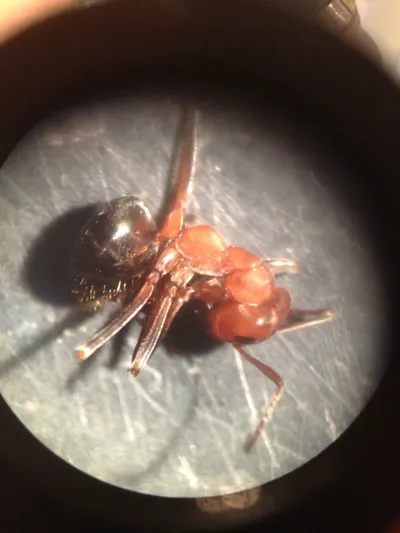
- Harvester ants (Pogonomyrmex species) - Larger with distinctive beards of long hairs under the head. Also sting painfully but are less aggressive.
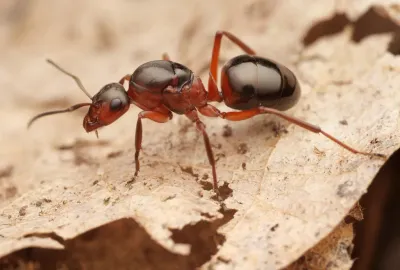
- Field ants (Formica species) - Similar coloration but do not sting. Build mounds but typically incorporate plant material.
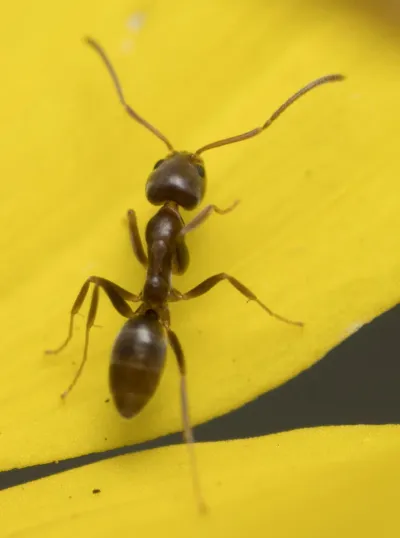
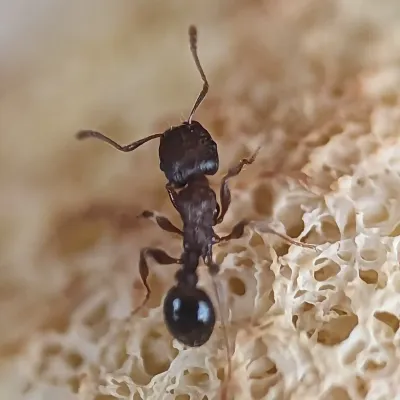
- Pavement ants (Tetramorium species) - Smaller with parallel lines on the head and thorax. Much less aggressive and rarely sting.
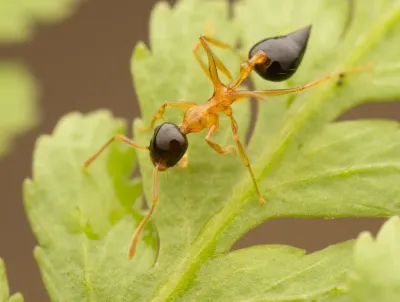
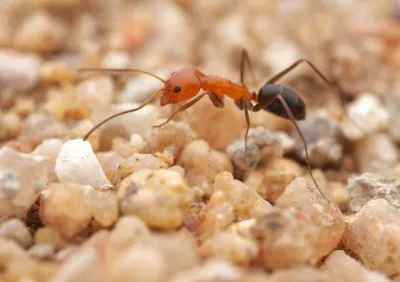
- Pyramid Ants (Dorymyrmex species) - Build small, cone-shaped mounds in sunny open areas similar to fire ants. They are much smaller, do not sting, and have a distinctive pyramid-shaped bump on their thorax. Pyramid ants are actually beneficial because they compete with fire ants for territory.
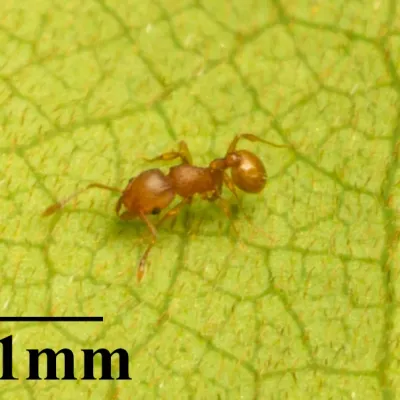
- Little Fire Ants (Wasmannia auropunctata) - Despite the similar name, little fire ants are much smaller (about 1.5 mm) and uniformly golden-yellow. They also deliver a painful sting but are far less aggressive than imported fire ants and do not build visible mounds.
Fire Ant Behavior and Biology
Understanding fire ant biology is essential for effective management. These ants have evolved sophisticated colony structures and behaviors that make them formidable pests.
Colony Structure and Reproduction
Fire ant colonies are among the largest and most complex of any ant species. Mature colonies contain 200,000 to 300,000 workers, with some supercolonies reaching even larger populations. According to research from the University of Florida, queens can live 2 to 6 years and lay up to 1,500 eggs per day. To learn more about ant lifespan across species, see our guide.
Fire ant colonies exist in two social forms:
-
Single-queen (monogyne) colonies - Each mound has one queen. Colonies are territorial and spaced apart. Workers are typically more aggressive.
-
Multiple-queen (polygyne) colonies - Mounds contain multiple egg-laying queens. Colonies are not territorial and can occur at much higher densities, sometimes exceeding 1,000 mounds per acre.
The polygyne form is particularly problematic because it allows for rapid population growth and makes control more difficult. Both forms produce winged reproductives that mate during nuptial flights, typically occurring 6 to 8 times per year following warm weather and rainfall.
Stinging Behavior and Venom
Fire ants use a coordinated attack strategy that makes their stings particularly painful and dangerous. When an ant attacks, it first anchors itself by biting with its mandibles, then pivots its body to repeatedly sting in a circular pattern. A single fire ant can deliver multiple stings within seconds.
Fire ant venom is approximately 95% alkaloid compounds called solenopsins, which are responsible for the intense burning pain and the characteristic white pustule that forms within 24 hours. The remaining 5% consists of proteins and peptides that can trigger allergic reactions in sensitive individuals.
Medical significance of fire ant stings includes:
- Local reactions - Pain, redness, swelling, and pustule formation affecting most sting victims
- Large local reactions - Extensive swelling beyond the immediate sting site
- Systemic allergic reactions - Affecting approximately 1-2% of the population, ranging from hives to life-threatening anaphylaxis
- Secondary infections - Pustules that are scratched can become infected with bacteria
The Centers for Disease Control and Prevention (NIOSH) advises that workers with a history of severe allergic reactions to insect stings should carry an epinephrine autoinjector and seek immediate medical attention if stings cause severe symptoms.
This information is provided for educational purposes only and should not be considered medical advice. If you experience a severe reaction to fire ant stings, please consult a healthcare provider immediately.
Diet and Foraging
Fire ants are omnivorous and opportunistic feeders. Their diet includes:
- Insects and other arthropods (primary protein source)
- Seeds and plant material
- Honeydew from aphids and scale insects
- Vertebrate carrion and young animals
- Human food sources when available
Fire ants forage primarily on the ground surface but will climb vegetation and enter structures in search of food. Foraging activity peaks when soil temperatures are between 72 and 96 degrees Fahrenheit. During extreme heat or cold, ants remain underground.
Impact on Ecosystems and Agriculture
Fire ants have dramatically altered ecosystems wherever they have become established. According to the U.S. Fish & Wildlife Service, they have displaced native ant species and reduced populations of ground-nesting birds, reptiles, and small mammals.
Agricultural impacts include:
- Damage to crops including soybeans, citrus, corn, and potatoes
- Attacks on newborn livestock, particularly calves and piglets
- Destruction of beneficial insects that provide pest control
- Damage to irrigation systems and electrical equipment
- Economic losses estimated at over $6 billion annually in the United States
Treatment Methods for Fire Ants
Fire ant control requires a strategic, sustained approach. Due to their large colony sizes, multiple queens, and aggressive recolonization behavior, fire ants are among the most challenging pests to manage effectively.
Individual Mound Treatments
Direct treatment of visible mounds can provide rapid knockdown of individual colonies. Common approaches include:
- Liquid drenches - Insecticide solutions applied directly to mounds to saturate the soil and reach the queen. Requires sufficient volume (1-2 gallons per mound) to penetrate deeply.
- Granular baits - Scattered around mounds, these are carried by foragers into the colony where the active ingredient spreads through food sharing.
- Dust formulations - Applied to mound surfaces, particularly effective in dry conditions.
- Boiling water - A non-chemical option that can kill ants on contact but rarely reaches the queen deep in the nest.
Individual mound treatments work quickly but have limitations. They don’t prevent reinfestation from surrounding areas, and missing even one mound allows the population to recover.
Broadcast Bait Applications
The most effective long-term strategy involves broadcast application of bait products across entire properties or landscapes. Fire ant baits contain slow-acting insecticides or insect growth regulators that workers carry back to the colony and share with nestmates and queens.
Key principles for effective baiting:
- Timing - Apply when ants are actively foraging, typically when soil temperatures are 65-90°F
- Fresh bait - Fire ants reject old or rancid bait. Use fresh products and apply when rain is not expected for 24-48 hours
- Coverage - Treat the entire area, not just visible mounds, to address underground colonies
- Patience - Baits work slowly, often requiring 2-4 weeks to achieve maximum effect
Biological Control
Research institutions have developed biological control agents targeting fire ants. The USDA Agricultural Research Service has introduced several natural enemies:
- Phorid flies (Pseudacteon species) - Parasitoid flies that attack foraging workers, reducing colony foraging efficiency
- Microsporidian pathogens (Kneallhazia solenopsae) - Naturally occurring pathogens that weaken colonies over time
While biological control agents don’t eliminate fire ants, they help reduce population densities and may make other control methods more effective.
Prevention and Property Management
Reducing fire ant pressure involves ongoing property management:
- Regular monitoring - Inspect properties regularly for new mounds, especially after rain events
- Perimeter treatments - Maintain treated barriers around structures and high-use areas
- Landscape modifications - Fire ants prefer sunny, open areas. Shading can reduce mound establishment.
- Plant inspection - Inspect nursery plants, sod, and soil before installation to prevent introducing colonies
Understanding Fire Ant Distribution
Fire ants have established permanent populations across the southern tier of states, from North Carolina to California. According to the National Invasive Species Information Center, their northward spread is limited primarily by cold winter temperatures, though climate change may allow expansion into new areas.
Currently established populations exist in:
| Region | Status |
|---|---|
| Southeast (FL, GA, AL, MS, LA, SC) | Fully established, high densities |
| South Central (TX, OK, AR, TN) | Fully established |
| Mid-Atlantic (NC, VA) | Established in southern portions |
| Southwest (AZ, NM, CA) | Established in irrigated areas |
Fire ants continue to spread through natural dispersal and human-assisted transport. Quarantine regulations restrict the movement of soil, plants, and other materials from infested areas, but enforcement remains challenging.
For the most current information on fire ant distribution and management recommendations, consult your state extension service or local agricultural agency.
References and Further Reading
- National Invasive Species Information Center - Red Imported Fire Ant - Comprehensive information on fire ant biology, distribution, and management from USDA
- University of Florida IFAS Extension - Fire Ant Control - Research-based guidance on fire ant identification and control methods
- U.S. Fish & Wildlife Service - Red Imported Fire Ant - Information on ecological impacts and endangered species concerns
- USDA ARS - Phorid Flies as Biocontrol Agents - Research on biological control of fire ants
- CDC/NIOSH - Protecting Workers from Fire Ant Stings - Health and safety guidance for fire ant exposure
Other Ants
Explore other species in the ants family
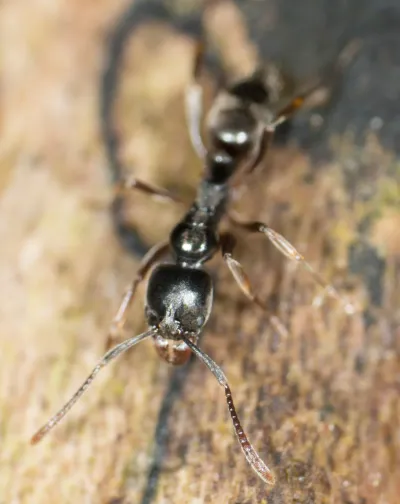
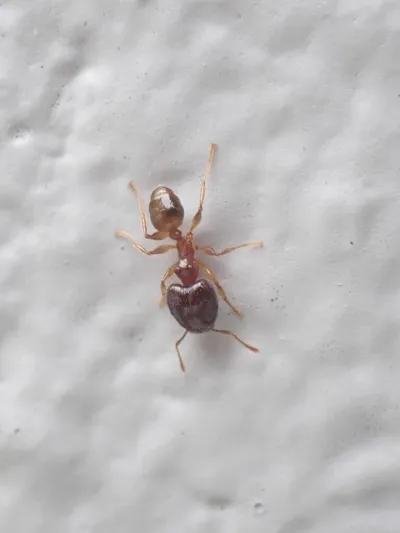
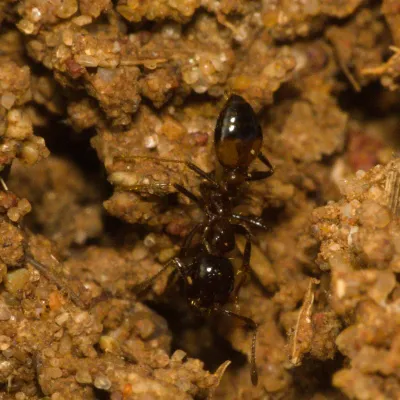
Commonly Confused With
Fire Ants are often mistaken for these similar pests
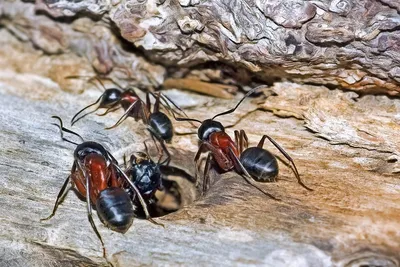
Where Fire Ants Are Found
Hover over states to see their names. Green regions indicate where fire ants have been reported.
Common Questions about Fire Ants
How can I identify fire ants?
+
Fire ants are small (1/8 to 1/4 inch) reddish-brown to black ants. The key identifier is their aggressive behavior when disturbed and the distinctive dome-shaped mounds they build. Unlike other ant mounds, fire ant mounds have no visible entrance hole on top. Workers vary in size within the same colony.
What does a fire ant sting feel like?
+
Fire ant stings cause an immediate intense burning sensation, which is how they got their name. Within 24 hours, stings typically develop into white pustules. Some people experience severe allergic reactions including anaphylaxis, which requires immediate medical attention.
Are fire ants dangerous?
+
Yes, fire ants are medically significant pests. Their venom contains alkaloids that cause painful stings. While most people experience only localized pain and pustules, allergic individuals can suffer life-threatening anaphylactic reactions. Fire ants also pose risks to pets, livestock, and wildlife.
Where do fire ants live?
+
Fire ants build large underground colonies with distinctive dome-shaped mounds that can reach 18 inches high. They prefer sunny, open areas like lawns, pastures, and along roadsides. Colonies can extend several feet underground and contain 200,000 to 300,000 workers.
How did fire ants get to the United States?
+
Red imported fire ants are native to South America, centered around the Pantanal region of Brazil and Argentina. They were accidentally introduced to the U.S. through the port of Mobile, Alabama, in the 1930s, likely arriving on cargo ships. They have since spread across the southern states.
What should I do if I get stung by fire ants?
+
Move away from the mound immediately, as fire ants will continue to attack. Wash the affected area with soap and water. Apply cold compresses to reduce swelling. Over-the-counter antihistamines and hydrocortisone cream can help relieve itching. Seek emergency medical care if you experience difficulty breathing, dizziness, or widespread swelling.
How do fire ants spread to new areas?
+
Fire ants spread through mating flights, where winged queens fly to establish new colonies. They also spread through human activity when soil, nursery plants, or sod containing colonies is transported. A single acre of infested land can produce nearly 97,000 queens per year.
Can fire ants damage my property?
+
Fire ants can cause significant property damage. They nest in electrical equipment, causing short circuits in air conditioners, traffic signal boxes, and utility housings. For a comparison with a similar wood-destroying species, see our guide on [fire ant vs carpenter ant](/fire-ant-vs-carpenter-ant/). Their mounds damage lawn equipment and create tripping hazards. They also harm crops and can kill young animals and ground-nesting wildlife.
More Resources About Fire Ants
Explore our guides and articles for more information about fire ants.

With five years of hands-on experience in the pest control industry, George Schulz is a registered technician with the Virginia Pest Management Association and a proud third-generation professional in a family business that's been protecting homes for over 57 years. He manages and trains a team of service pros while also leading internal research efforts—recently spearheading a deep-dive review of thousands of documents on pest control materials to hand-pick the most kid and pet friendly, most effective solutions tailored specifically for homes in the DC metro area.