Field Ants Identification Guide
Formica spp.
Field ants are medium to large ants that build dirt mounds in lawns and yards. Also called mound ants or thatching ants, they're common across North America. Their mounds can damage your lawn and make mowing difficult.
Taxonomy
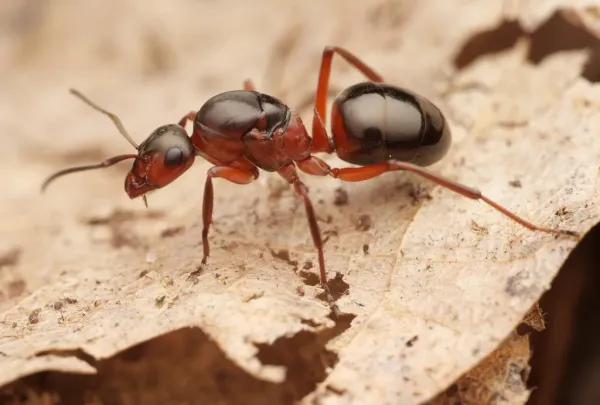
Field Ants Coloration
Common color patterns to help identify field ants
Field Ants
Seasonal Activity
When field ants are most active throughout the year

Where Field Ants Are Found
Hover over states to see their names. Green regions indicate where field ants have been reported.
Field Ants Identification Guide
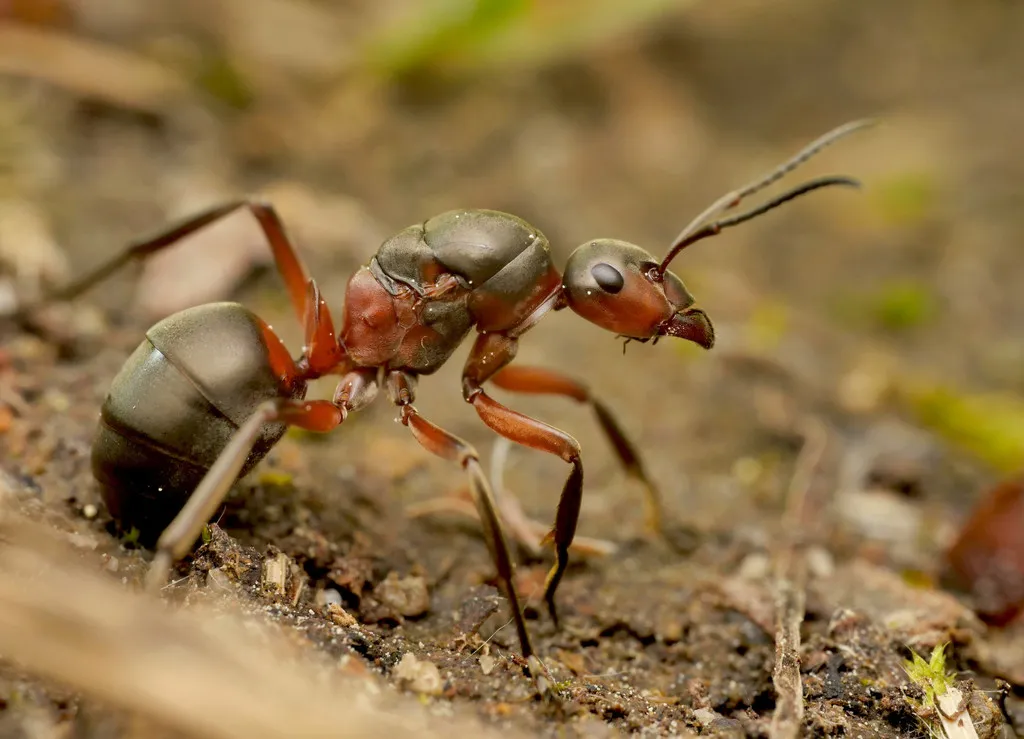
Field ants are common outdoor ants across North America. They build large dirt ant hills in lawns, fields, and yards. These ants rarely come inside homes. But their mounds can damage your lawn and make mowing difficult.
You might hear them called mound ants, thatching ants, or wood ants. The Allegheny mound ant is one of the most common types in the eastern U.S. Its mounds can grow several feet wide. To learn about the many kinds of ants you may encounter, check our identification guide.
Physical Characteristics
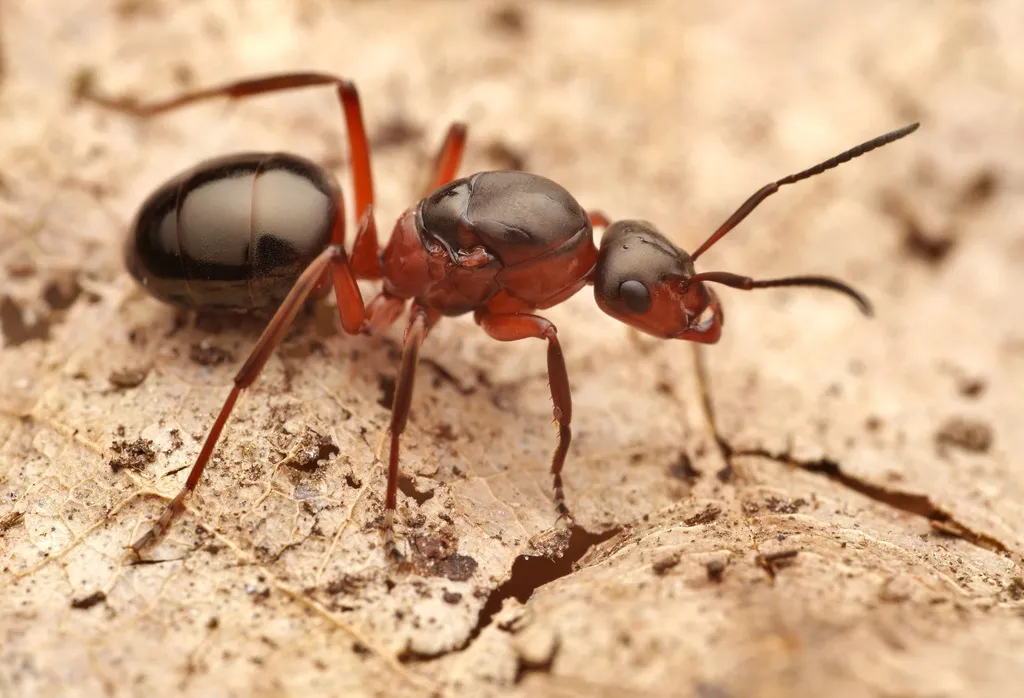
Field ants are medium to large ants. Workers measure 4 to 8 mm long (about 1/6 to 1/3 inch). Queens are bigger, reaching 10 mm or more. Worker sizes can vary within the same colony.
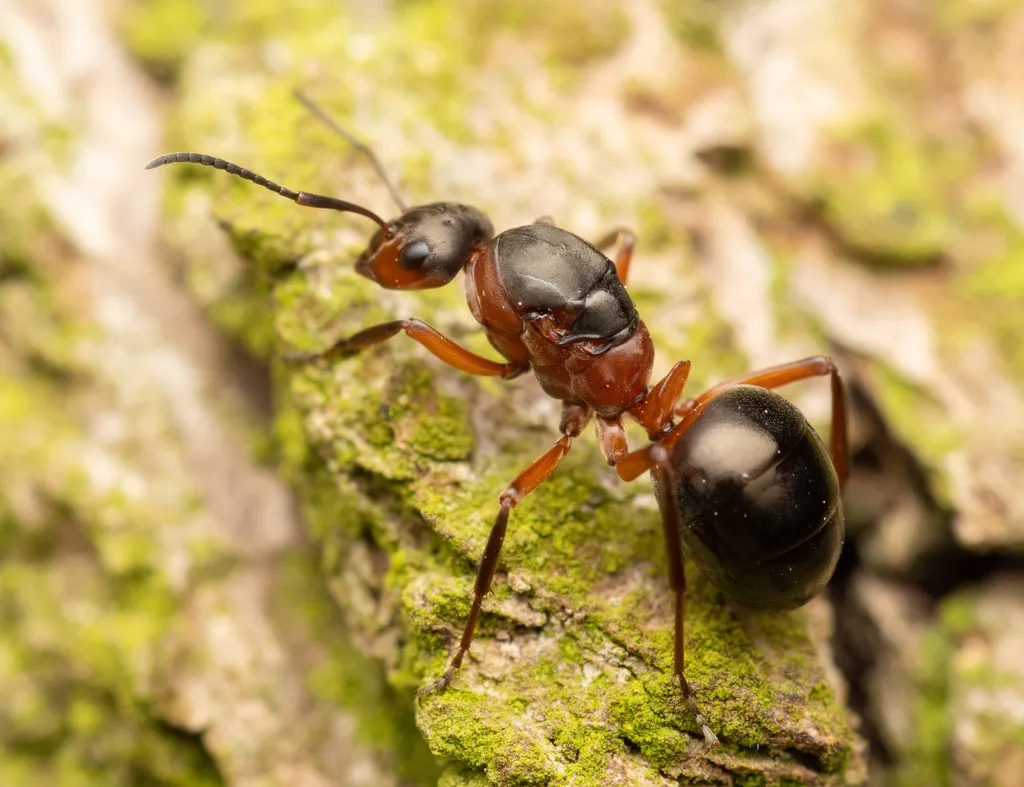
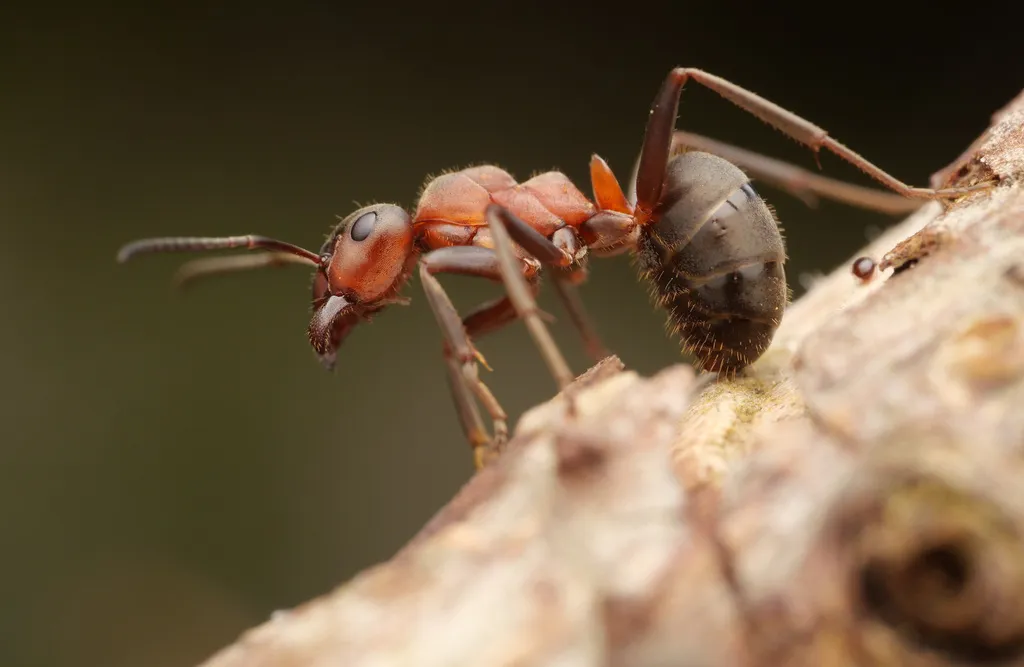
Colors vary by species:
- Many have a red-orange head with a darker brown or black body
- Some are all black or dark brown
- Others look tan or light brown
How to identify field ants:
- One bump between body sections - A single segment connects the middle to the back
- Dip in the middle - When viewed from the side, you’ll see a noticeable dip in the middle section
- No stinger - Instead of stinging, they spray formic acid from their rear end
- No spines - Unlike some ants, field ants don’t have spines on their back
Common Look-Alikes
Field ants look similar to other large ants. Here’s how to tell them apart:
Carpenter Ants - About the same size as field ants. The key difference: carpenter ants have a smooth, rounded back without the dip in the middle. They also nest in wood, not dirt mounds.
Fire Ants - Build dirt mounds like field ants but are smaller (2-6 mm). Fire ants sting and are more aggressive. They have two bumps between body sections instead of one.
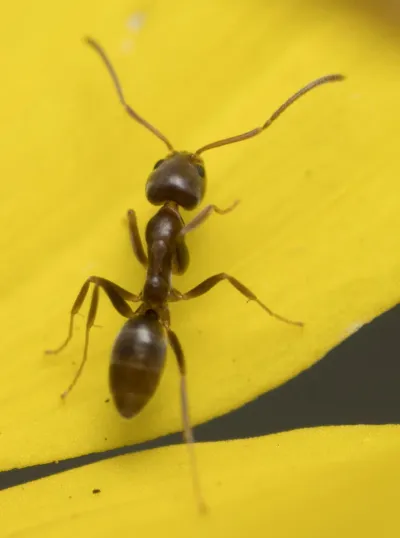
Pavement Ants - Much smaller (2.5-4 mm) with grooves on their head. They make small dirt piles in sidewalk cracks, not large mounds.
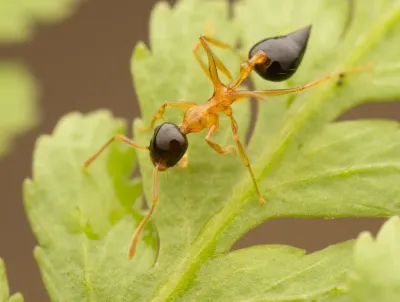
Citronella Ants - Give off a lemon smell when crushed. They’re smaller and lighter colored than field ants.
Pyramid Ants (Dorymyrmex species) - Also build mounds outdoors in sunny areas, but much smaller ants (2-3 mm) with a distinctive pyramid-shaped bump on the thorax. Their mounds are smaller, cone-shaped, and typically found in dry, sandy soil.
Field Ants Behavior and Biology
Colony Structure and Life Cycle
Field ant colonies live together as a group. Each colony has one or more queens, female worker ants, and winged ants for mating. Many field ant species have several queens in one colony. This helps them grow to large sizes.
Field ants go through four life stages:
- Egg - Queens lay eggs that workers care for
- Larva - Worm-like babies that workers feed
- Pupa - Resting stage where they change into adults
- Adult - Becomes a worker, queen, or male
Colonies can live for many years. Some last for decades.
Nesting Habits
Field ants nest in the ground. Their mounds are easy to spot in your yard. Here’s what to know about their nests:
- Dirt mounds - Workers dig tunnels underground and pile the dirt on top. This creates dome-shaped mounds.
- Plant materials - Many species add grass, pine needles, or twigs to their mounds. This helps control temperature and moisture.
- Mound size - Some mounds are just a few inches wide. Others can grow several feet across.
- Connected nests - Some species build many mounds that connect underground.
The mounds work like nurseries. Workers move the young ants to different spots in the mound to keep them at the right temperature.
Diet and Foraging
Field ants eat many different foods:
- Honeydew - A sweet liquid made by aphids. Field ants protect aphids and “farm” them for this food.
- Insects - They hunt small bugs and eat dead insects.
- Plant foods - Seeds, nectar, and other plant parts.
- Meat - Dead animals and other protein sources.
Workers follow scent trails to find food. These trails can stretch far from the nest, especially to plants with aphids.
Seasonal Activity
In Virginia, Maryland, and DC:
- Winter (December-February) - Ants stay deep in their mounds and don’t come out.
- Early Spring (March-April) - Workers come out on warm days. They start fixing mounds and looking for food.
- Late Spring/Summer (May-August) - Busiest time of year. Mounds grow bigger. Winged ants fly out to mate after warm rains. Learn more about ant season in the DMV area.
- Fall (September-November) - Activity slows down. Colonies get ready for winter.
How We Treat for Field Ants
Field ant nests go deep underground. Store-bought sprays can’t reach the queens hiding below. That’s why professional treatment works better.
Initial Treatment
First, we inspect your property to identify mound locations, focusing on areas near your home’s foundation. Field ants often have several connected mounds, so we check the perimeter thoroughly.
Our treatment approach includes:
-
Perimeter treatment - We apply products around your home’s foundation that workers carry back to their colonies. This approach targets ants foraging near the structure and spreads throughout connected nests.
-
Targeted mound treatments - For mounds located near your home, we can apply products directly to the colony. Workers pick up the treatment and spread it to other ants when they touch and groom each other.
-
Aphid control - Field ants farm aphids for food. If we find plants with lots of aphids near your home, we can treat those too.
Our products work because ants share them with the whole colony. Workers carry the treatment back to queens and young ants. This kills the entire colony, not just the ants you see.
Ongoing Protection
Most ant control products remain effective for about four months. We return three times per year to retreat the perimeter and inspect for new mound activity. Field ants from neighboring properties may try to establish new colonies in your lawn, so ongoing monitoring and treatment prevents re-infestation.
If you notice new mound activity between scheduled visits, contact us. We’ll return at no additional charge to address the issue.
Why Professional Treatment Works
DIY ant sprays often don’t work. Here’s why:
- Deep nests - Colonies go much deeper than sprays can reach.
- Hidden queens - Queens stay in protected areas far below the surface.
- Sprays push ants away - Store-bought sprays just make ants move somewhere else. They don’t kill the colony.
- Many queens - Some colonies have several queens. If you miss one, the colony survives.
Our products and methods solve these problems. The treatment spreads through the whole colony and reaches the queens. This wipes out the entire nest, not just the ants on top.
References and Further Reading
- Field Ants - Penn State Extension - Comprehensive guide to field ant identification and behavior
- Formica Ants - University of Minnesota Extension - Information on ant species identification in the upper Midwest
- Allegheny Mound Ant - Virginia Cooperative Extension - Regional information on mound-building ants
- Ant Identification Guide - National Pest Management Association - Professional pest control industry resource for ant identification
Other Ants
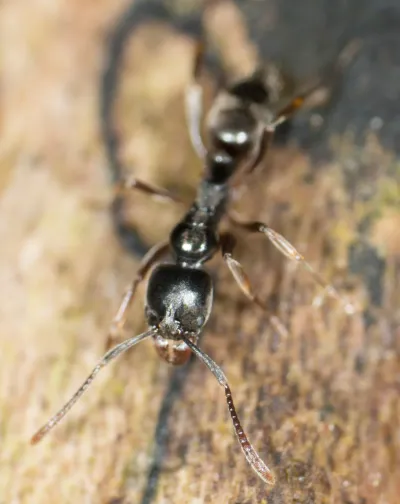
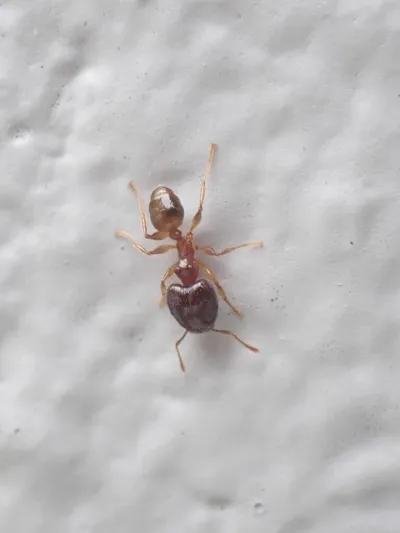
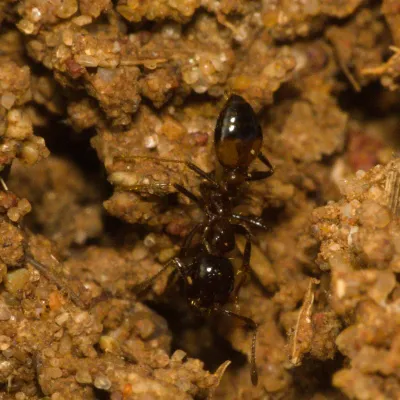
Explore other species in the ants family
Commonly Confused With
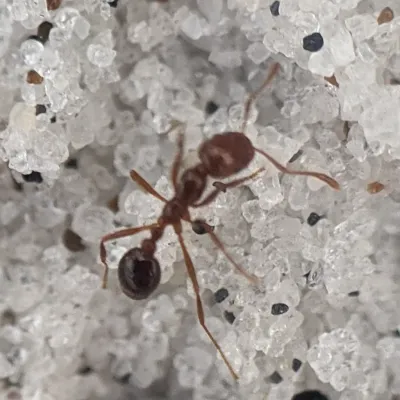
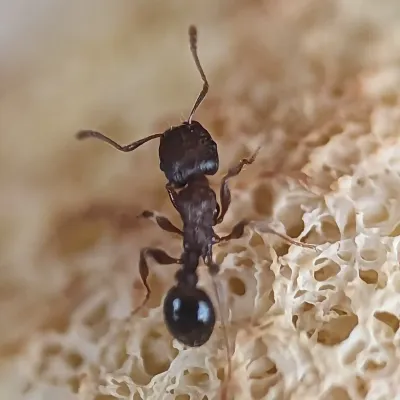
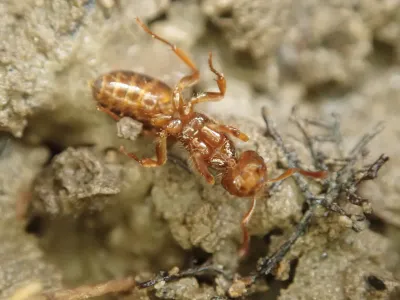
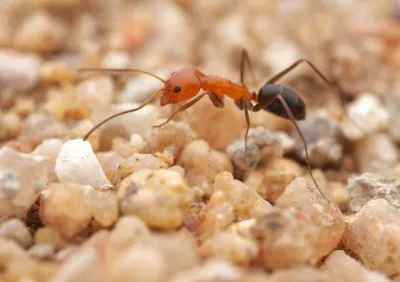
Field Ants are often mistaken for these similar pests
Where Field Ants Are Found
Hover over states to see their names. Green regions indicate where field ants have been reported.
Common Questions about Field Ants
What are the mounds in my lawn?
+
Large dirt mounds in lawns are often made by field ants. These ants dig tunnels underground and push the dirt to the surface. The mounds can grow several inches tall. Some types also mix in grass clippings or pine needles.
Are field ants the same as carpenter ants?
+
No, they're different ants. Field ants nest in soil and build mounds outside. Carpenter ants tunnel into wood and can damage your home. You can tell them apart by looking at their back. Field ants have a dip in the middle. Carpenter ants have a smooth, rounded back.
Do field ants bite or sting?
+
Field ants can't sting because they don't have a stinger. But they can bite and spray acid from their rear end. This may cause mild skin irritation if you touch them. The acid spray is why these ants smell sharp when crushed.
Why are field ants killing plants near their mound?
+
Some field ants kill plants near their mounds on purpose. They spray acid into plant stems to clear the area around their nest. This helps them control temperature and avoid predators. If you see dead plants near a large ant mound, this is probably why.
Will field ants come inside my house?
+
Field ants usually stay outside. Their colonies live in dirt mounds, not buildings. But workers may wander inside sometimes, especially during mating season or when looking for food. They rarely become a lasting indoor problem.
How do I get rid of field ant mounds in my lawn?
+
Professional treatment works best for field ant mounds. DIY sprays don't reach deep enough to kill the queens. Treatment typically involves applying products that workers carry back to the colony, spreading them to queens and other ants. The most effective approach targets mounds near your home's foundation where treatments can be applied according to product labels.
When are field ants most active?
+
Field ants are busiest from late spring through early fall. June through August is peak season. You'll see them on warm days when they're looking for food. Winged ants come out to mate between May and July.
Do field ants damage lawns?
+
Yes, field ants can hurt your lawn. Their mounds make mowing hard and can kill grass in that spot. Some colonies build many connected mounds that cover large areas. The piled-up dirt can smother grass and make your lawn bumpy.

With five years of hands-on experience in the pest control industry, George Schulz is a registered technician with the Virginia Pest Management Association and a proud third-generation professional in a family business that's been protecting homes for over 57 years. He manages and trains a team of service pros while also leading internal research efforts—recently spearheading a deep-dive review of thousands of documents on pest control materials to hand-pick the most kid and pet friendly, most effective solutions tailored specifically for homes in the DC metro area.