European Fire Ants Identification Guide
Myrmica rubra
European fire ants are small, reddish-brown ants native to Europe that have become invasive in northeastern North America. Known for their aggressive stinging behavior and ability to form extremely dense colonies, they pose significant risks to humans, pets, wildlife, and outdoor recreation areas.
Taxonomy
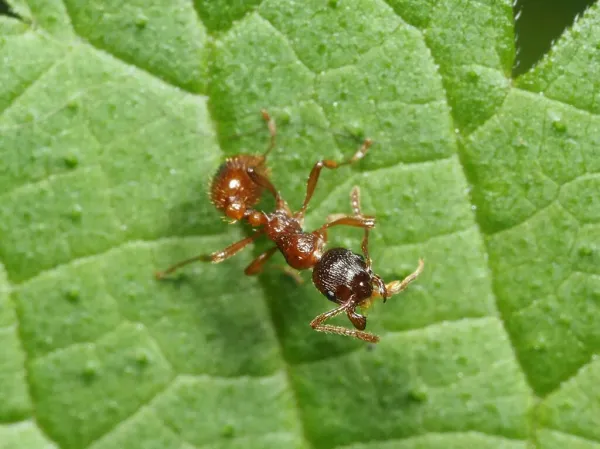
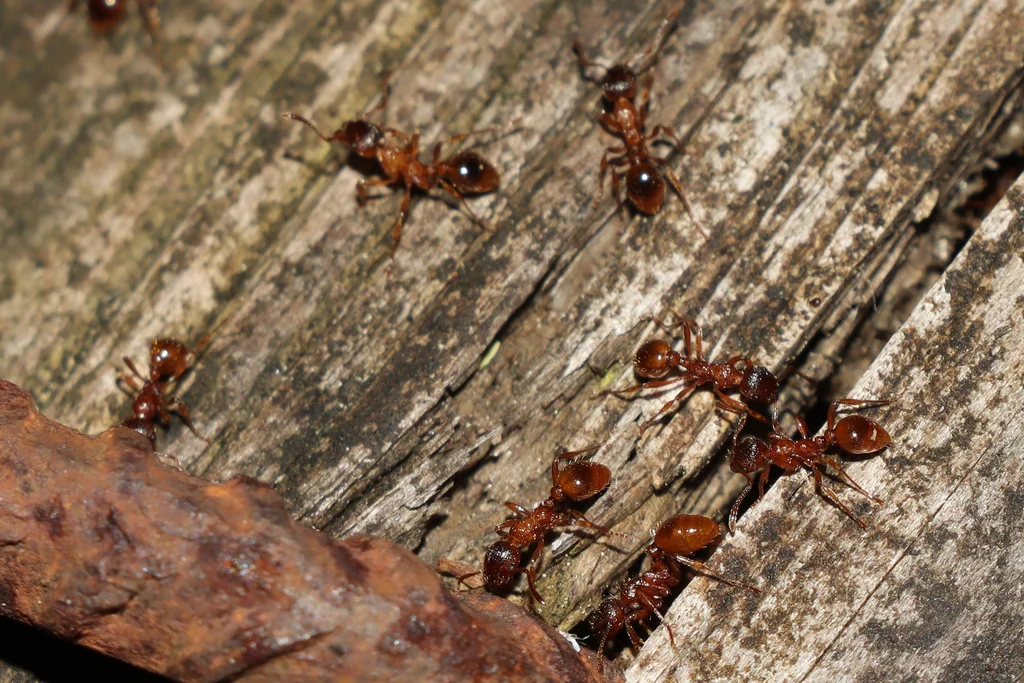
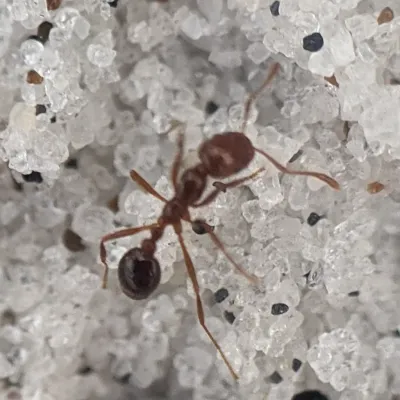
European Fire Ants Coloration
Common color patterns to help identify european fire ants
European Fire Ants
Seasonal Activity
When european fire ants are most active throughout the year

Where European Fire Ants Are Found
Hover over states to see their names. Green regions indicate where european fire ants have been reported.
European Fire Ant Identification Guide
The European fire ant (Myrmica rubra) is also called the common red ant in Europe. It has become a major invasive pest in the northeastern United States and Canada, distinct from the red imported fire ant found in the South. First found in Massachusetts in 1908, this aggressive stinging ant now lives in coastal areas from Maine to Washington, D.C. It has also spread into several Canadian provinces.
Unlike red imported fire ants in the South, the European fire ant prefers cooler, damp places. This makes it a problem for homeowners in northern states and Canada. To understand how these two species compare, see our guide on fire ants vs red ants.
The IUCN Global Invasive Species Database lists this ant as unusual. Most invasive ants live in warm, tropical places. This ant is one of the few that does well in cooler climates.
Physical Characteristics
European fire ants are all about the same size within a colony. This is different from red imported fire ants, which have workers of varying sizes.
Key features to look for:
- Size: Workers are 4-5.5 mm long (about 3/16 inch)
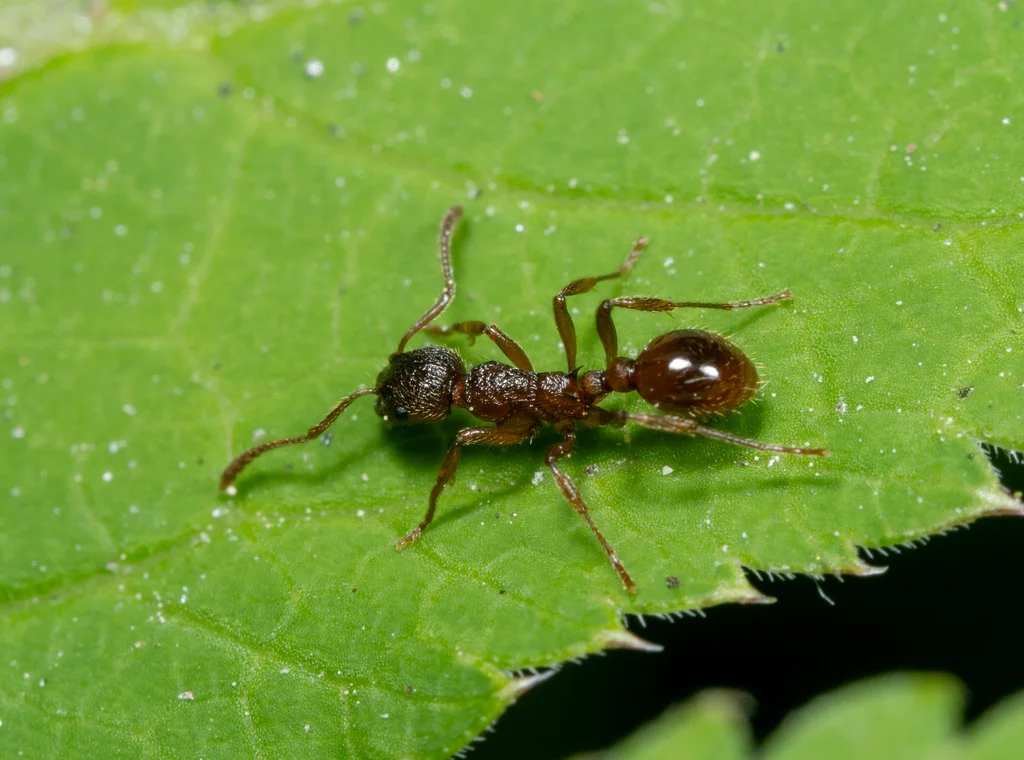
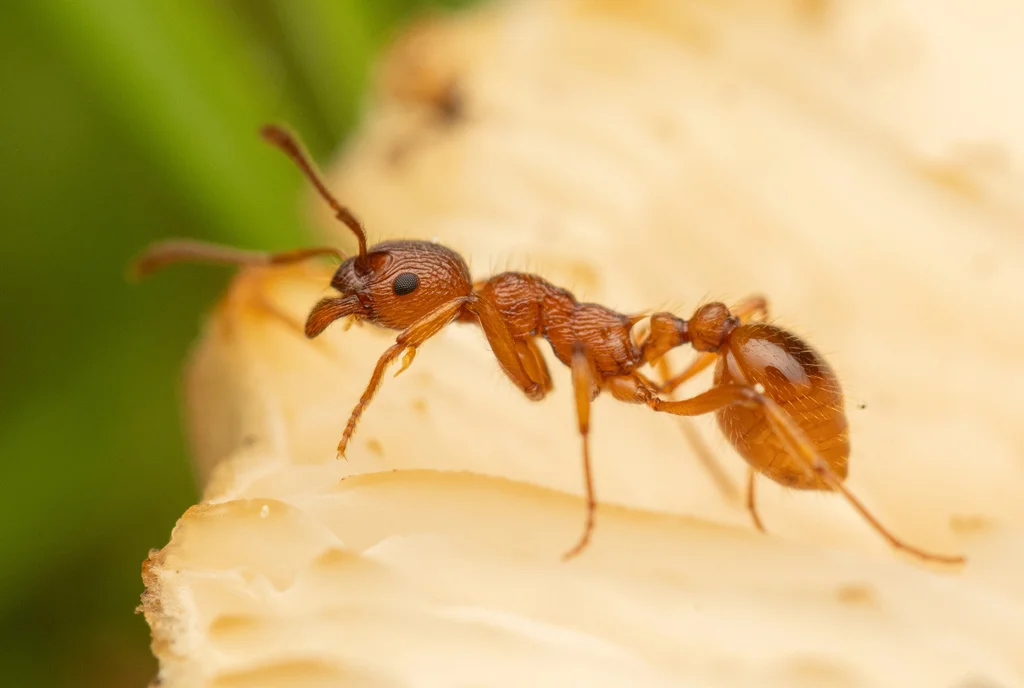
- Color: Reddish-brown, from yellowish-brown to darker red
- Antennae: 12 segments with a 4-segment club at the tip
- Waist: Two segments connecting the middle body to the abdomen
- Spines: Two backward-pointing spines on the rear of the thorax
- Texture: Rough head and thorax with a smooth, shiny abdomen
- Antennae shape: The first segment is bent at an angle
Queens are larger than workers and often a bit darker. In Europe, winged males and queens emerge in late July to mid-August to mate. However, these mating flights are rare in North America.
Telling Them Apart from Similar Ants
Several native Myrmica ants live in North America. This makes it hard to tell them apart without a close look. Here are the key differences:
| Feature | European Fire Ant | Red Imported Fire Ant | Pavement Ant |
|---|---|---|---|
| Size | 4-5.5 mm (uniform) | 2.4-6 mm (variable) | 2.5-4 mm |
| Antennal club | 4 segments | 2 segments | 3 segments |
| Preferred habitat | Moist, shaded | Sunny, open | Varied |
| Geographic range | Northeast US, Canada | Southern US | Throughout US |
| Thorax spines | Two prominent | Absent | Two small |
If you are not sure which ant you have, collect a few specimens. A pest control expert can identify them for you. Our ant identification chart can also help you compare species.
Related Species
The European fire ant belongs to the Myrmica group of ants. This group includes several native North American species:
- European fire ant (Myrmica rubra): Invasive, reddish-brown, likes moist areas
- Native Myrmica species: Look similar but are less aggressive and less common
In North America, European fire ants can reach 10-50 times higher numbers than in Europe. This is why they cause so many problems here.
European Fire Ant Behavior and Biology
Learning how European fire ants live helps explain why they are such a problem in North America.
Colony Structure
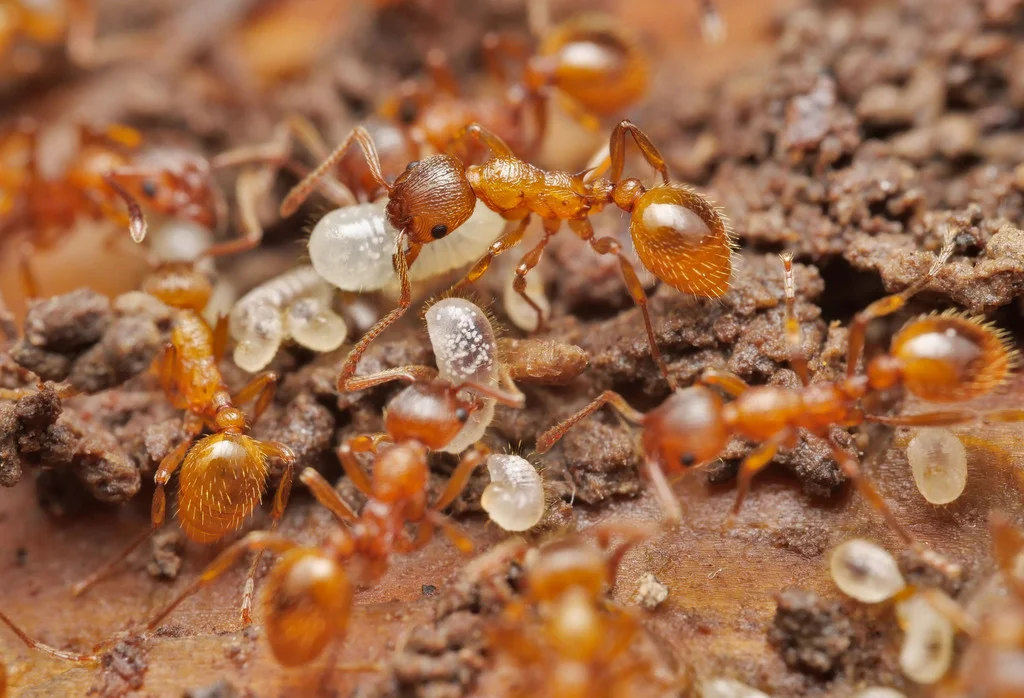
European fire ant colonies can have many queens. Most ant species have just one queen, but these ants can have up to 100 queens in a single nest. A colony may contain:
- Queens: Up to 100 or more egg-laying queens per nest
- Workers: Thousands of workers, with large colonies over 10,000 ants
- Brood: Eggs, larvae, and pupae cared for by workers
These ants also spread their colony across many nest sites. One colony can occupy several connected nests at once. Research shows that infested areas in the U.S. can have 4 nests per square meter. Each nest can hold over 5,200 workers and 39 queens.
Having many queens and many nest sites helps colonies spread fast. It also makes them very hard to get rid of. Queens can live up to 15 years and keep laying eggs the whole time. To understand more about ant lifespan across species, see our guide.
Where They Nest
Red imported fire ants build large mound nests in sunny spots. European fire ants are different. They build hidden nests that are hard to find until you disturb them.
Common nesting spots include:
- Soil around tree and shrub roots
- Under rocks, logs, and landscape timbers
- Under mulch and leaf litter
- In rotting wood and stumps
- Under potted plants and containers
- Along foundation edges where it stays damp
- In dense groundcover plants
European fire ants need moisture and shade. They avoid hot, dry areas. Yards with sprinkler systems, lots of mulch, and shady gardens are ideal for them.
Stinging Behavior
European fire ants will defend their nests. Unlike many ants that run away when disturbed, these ants attack. Workers swarm onto anything that threatens them and sting over and over.
The University of Florida IFAS Extension reports that stinging incidents went up after 1998 as these ants spread into neighborhoods. Their stings cause:
- Intense burning pain that lasts 4-8 hours
- Deep, wave-like pain that feels like pulled muscles
- Swelling and redness around the sting
- In some cases, severe allergic reactions
Red imported fire ant stings leave white blisters. European fire ant stings usually cause only redness and swelling without blisters.
This is for information only and is not medical advice. If you have a severe reaction to ant stings, get medical help right away.
What They Eat
European fire ants eat many different foods:
- Honeydew: A sweet liquid made by aphids and scale insects
- Insects: Both live bugs and dead ones
- Pollen: Not common for ants in cooler climates
- Seeds and plant material
- Dead animals
These ants protect aphids on plants to get their honeydew. This can lead to more aphids in your garden, which can hurt your plants. For tips on how to keep ants away from your property, see our prevention guide.
European fire ants forage mostly in warm weather. They are most active when it is not too hot. Unlike red imported fire ants, they like to search for food in shady spots and during cooler times of day.
How They Spread
In Europe, these ants mate during flights in late July to mid-August. Winged queens and males swarm in the air to mate. But in North America, these mating flights are very rare.
In North America, colonies spread in two main ways:
- Budding: Queens and workers walk to nearby spots to start new nests
- Moving infested materials: People move soil, mulch, potted plants, and yard materials that contain ants
Moving infested materials is the main way these ants spread to new areas. Nursery plants, mulch deliveries, and soil have all spread colonies to new places. Since mating flights are rare here, controlling the movement of infested materials is key to stopping the spread.
Problems Caused by European Fire Ants
These ants cause big problems for homeowners, people who spend time outdoors, and wildlife.
Health Risks
The aggressive stinging of European fire ants makes outdoor activities risky in infested areas. Common activities affected include:
- Gardening and yard work
- Children playing on lawns
- Picnicking and eating outside
- Walking barefoot
- Mowing and trimming the lawn
- Pets playing outside
In badly infested areas, just walking across a lawn can set off attacks from many colonies at once. Some yards become too dangerous to use during warm months.
Effects on Wildlife
Research from PLOS ONE found serious impacts from European fire ant invasions. Studies on Appledore Island, Maine showed that:
- Seabirds acted strangely at nests infested with ants
- Newly hatched chicks were swarmed by ants and died quickly
- Native bugs and insects were affected
- Small animals may be killed by swarming ants
These ants reach such high numbers in North America that they push out native ant species like field ants and other native species. They also hurt other insects and small animals in the area.
Property Concerns
European fire ants do not damage buildings like carpenter ants or termites. But they can:
- Make lawns and gardens unusable due to stinging risk
- Lower how much you enjoy your property
- Create liability issues for businesses
- Make lawn care difficult
- Hurt plant nurseries and garden centers
Treatment Methods for European Fire Ants
Getting rid of European fire ants is hard. They have many queens, hide their nests well, and like the damp conditions that help them grow fast. Control takes time and a mix of methods.
Finding the Nests
Good control starts with a thorough search to find where the ants are nesting:
- Check under rocks, logs, landscape timbers, and debris
- Look in mulched areas and densely planted beds
- Check along foundation edges and near water features
- Inspect potted plants and container gardens
- Note areas where people have been stung
Since nests are hidden, mapping where you see ants helps focus treatment efforts.
Using Baits
Food baits can work well for these ants because workers share food with other ants and queens. For baits to work:
- Use fresh bait that ants will take
- Apply when ants are actively looking for food
- Cover the whole infested area
- Be patient since baits work slowly
- Apply more than once over time
Results with baits have been mixed. This is likely because you must kill all the queens to stop the colony, and these ants have so many queens.
Direct Treatments
Treating nest sites directly can reduce ant numbers:
- Liquid sprays applied to nest locations
- Granular products spread over infested areas
- Dust treatments in nest openings
Direct treatments work faster than baits but may miss queens hiding in other nest sites.
Changing the Habitat
Making the area less appealing to ants can help:
- Water less to dry out the soil
- Remove rocks, logs, and wood scraps where ants nest
- Thin plants to let in more sun
- Keep grass mowed short
- Check soil, mulch, and plants before moving them from infested areas
Prevention
Stopping new infestations is the best long-term approach:
- Never move soil, mulch, or plants from infested areas without checking them
- Keep new plants separate before adding them to your yard
- Report suspected infestations to local extension services
- Support programs that track the spread of these ants
Where European Fire Ants Are Found
European fire ants live along the northeastern coast of North America. The IUCN Global Invasive Species Database says they are native to Europe, from Ireland to western Siberia. They have been brought to both coasts of North America.
Current Range
| Region | Status |
|---|---|
| New England (ME, MA, NH, VT, RI, CT) | Present and spreading |
| Mid-Atlantic (NY, NJ, PA, DC) | Present in coastal areas |
| Pacific Northwest (WA, BC) | Present |
| Eastern Canada (ON, QC, NB, NS, NL, PE) | Present |
Climate models show these ants could spread from Florida to northern Canada. But so far, their spread has been slow compared to red imported fire ants.
Climate Needs
European fire ants do best in areas with:
- Cool to mild temperatures
- High humidity and damp soil
- Shade or partial shade
- No extreme heat or drought
This explains why they have not spread to the middle of the United States. The hot, dry summers there do not suit them.
References and Further Reading
- University of Florida IFAS Extension - European Fire Ant - Comprehensive identification and management guide
- IUCN Global Invasive Species Database - Myrmica rubra - Global invasive species information
- PLOS ONE - Effects on Herring Gull Reproduction - Research on ecological impacts
- Wikipedia - Myrmica rubra - General overview and natural history
Other Ants
Explore other species in the ants family
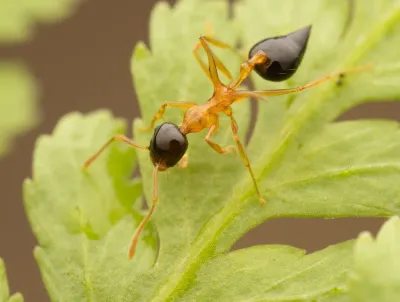
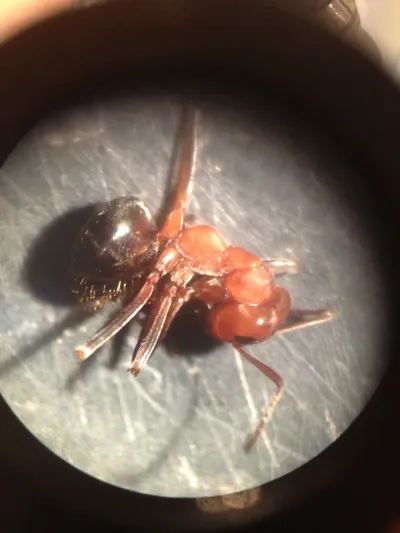
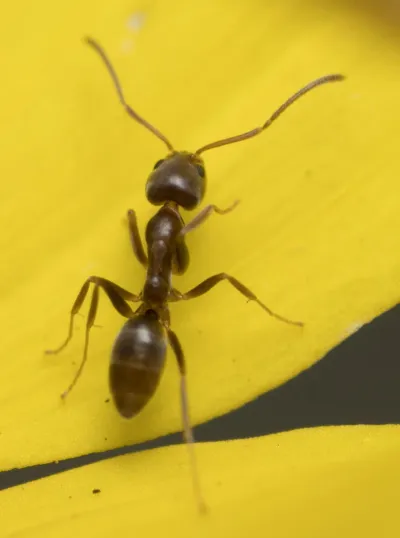
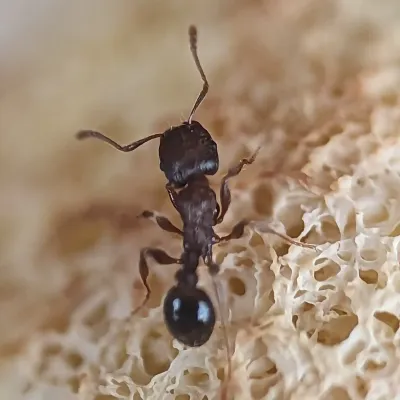
Commonly Confused With
European Fire Ants are often mistaken for these similar pests
Where European Fire Ants Are Found
Hover over states to see their names. Green regions indicate where european fire ants have been reported.
Common Questions about European Fire Ants
How can I identify European fire ants?
+
These ants are small (4-5.5 mm) and reddish-brown. They have a rough head and thorax but a shiny abdomen. Look for 12-segmented antennae with a 4-segment club, a two-part waist, and two backward-pointing spines. Color can range from yellowish-brown to dark reddish-brown.
Are European fire ants the same as red imported fire ants?
+
No, they are different species. European fire ants come from Europe and live mainly in the northeastern U.S. and Canada. Red imported fire ants come from South America and live in the South. European fire ants are a bit bigger and like cooler, damp places instead of warm, sunny spots.
What does a European fire ant sting feel like?
+
Their stings cause intense burning pain that can last 4-8 hours. The pain feels like pulled muscles and comes in waves. Unlike red imported fire ant stings, these stings usually just cause redness and swelling without blisters. Some people may have severe allergic reactions.
Where do European fire ants nest?
+
They like moist, shady areas. They nest in soil near tree roots, under rocks, logs, mulch, and debris. They avoid sunny, dry spots. Gardens with sprinklers, water features, and lots of plants attract them.
Why are European fire ants such a problem in North America?
+
They reach much higher numbers here than in Europe. In the U.S., you can find 0.5 to 1.5 nests per square meter versus only 0.02 to 0.3 in Europe. This is likely because they have no natural enemies here. Their stinging makes yards hard to use for gardening or play.
How did European fire ants get to North America?
+
They were first found in Boston in 1908, likely arriving on ships. They have spread when people move infested soil, mulch, potted plants, and yard materials. Unlike many ants, they rarely spread through mating flights in North America.
Can European fire ants spread to new areas?
+
Yes, mainly through human activity. Moving infested soil, mulch, potted plants, or yard materials is the main way they spread. They also spread by budding, where queens and workers walk to nearby spots to start new nests. Always check plants and soil before moving them.
What time of year are European fire ants most active?
+
They are most active from late spring through early fall during [ant season](/ant-season/), with peak activity in June through August. They go dormant in winter. They are busiest on warm days but like cooler times better than red imported fire ants do.

With five years of hands-on experience in the pest control industry, George Schulz is a registered technician with the Virginia Pest Management Association and a proud third-generation professional in a family business that's been protecting homes for over 57 years. He manages and trains a team of service pros while also leading internal research efforts—recently spearheading a deep-dive review of thousands of documents on pest control materials to hand-pick the most kid and pet friendly, most effective solutions tailored specifically for homes in the DC metro area.